
 Zoe Nora
Did you know that over 80% of professional film audio quality depends on precise microphone placement, not camera gear? Getting a clear recording takes more than a high-end microphone. It also requires a reliable boom pole between the talent and sound source.
Whether you work on a studio production, location sound, or independent film, the right equipment matters. Reach, balance, and construction matter more than looks. To improve your skills, read our guide to boom microphones for an essential foundation.
This guide compares options to help you choose a lightweight boom pole for your workflow. It explains our top recommendations for beginners and professionals, helping you make a smart audio-toolkit investment.
Key Takeaways
- Proper microphone positioning is the most critical factor for high-quality audio production.
- Weight and balance are essential features to consider for long-duration recording sessions.
- Construction materials significantly impact both the durability and the portability of your gear.
- Adjustment systems determine how quickly you can react to changing scenes on set.
- Our reviews cover a range of options suitable for both studio environments and outdoor location work.
What is a Boom Pole and Why You Need One
Professional sets often capture crystal-clear dialogue with a simple, effective tool. A boom pole is a handheld support that places a microphone close to the sound source. Unlike a fixed stand, it lets the operator move the microphone during a take.
Definition of a Boom Pole
At its core, a microphone boom pole is an extendable rod made from lightweight materials like carbon fiber or aluminum. The operator holds it above actors or subjects, suspending the microphone safely outside the camera frame. This setup keeps the audio crisp and focused.
Common Uses in Filmmaking and Broadcasting
Production teams use this gear in many settings to maintain high audio standards. On film sets, it captures dialogue without limiting actors’ movements. It also supports documentaries, field recording, and live broadcasts when subjects may move unexpectedly.
With a handheld pole, sound mixers can track a moving subject in real time. This flexibility matters during interviews, when cameras must capture natural reactions. It offers precision that fixed microphones cannot match in fast-paced settings.
Benefits of Using a Boom Pole
The main advantage of a boom pole is cleaner dialogue capture. Placing the microphone closer to the speaker reduces ambient noise and room reflections. The result is professional sound that is easier to mix during post-production.
Another major benefit is the freedom of framing it gives the camera crew. Because the operator can move the microphone above or below, the camera can capture wide shots without showing it. This seamless integration of audio and visual elements separates amateur projects from professional-grade productions.
Key Features to Look for in a Boom Pole
Choosing the right microphone support is a key step in your filmmaking journey. High-quality audio gear keeps sound crisp and clear during every take. Understanding technical specifications helps you choose equipment for your production needs.
Material and Build Quality
The construction material of your gear affects your daily workflow. A carbon fiber boom pole is often preferred by professionals because it feels light and stays rigid. This material helps reduce operator fatigue during long shooting days, so you can hold the microphone steady longer.
Aluminum models often cost less but tend to weigh more. Regardless of the material, prioritize stiffness and resistance to twisting. A high-quality build keeps your microphone in position without unwanted sagging or rotation.
Weight Capacity and Extension Length
When evaluating an adjustable boom pole, consider the total weight of your microphone and shock mount setup. Always check the manufacturer’s weight capacity so the pole handles your equipment without bending. Safety and stability are paramount when working with expensive shotgun microphones.
The extension length matters when capturing audio in different environments. A telescopic boom pole lets you reach distant sound sources while staying outside the camera frame. Find reliable locking collars that provide a secure grip and stop sections from slipping during use.
Cable Management Systems
Managing audio cables keeps your setup clean and efficient. Many modern designs use internal cable routing to protect the wire inside the shaft. This streamlined approach prevents snagging on set furniture or unwanted noise during movement.
If you choose a model with external routing, use high-quality clips to secure cable tightly to the telescopic boom pole. Proper cable management marks a professional adjustable boom pole setup. Keeping lines tidy lowers handling noise and improves your speed on set.
Best Boom Poles for Beginners in 2024
If you are starting out, you do not need to spend a fortune for professional-grade results. Many entry-level tools offer excellent performance for anyone using a boom pole for filmmakers. Focus on essential features instead of costly extras.
Affordable Options Under $100
When shopping on a budget, choose an adjustable boom pole with a strong structure. Look for secure locking sections that keep the pole from slipping during a shoot. A lightweight design also reduces arm fatigue during long recording sessions.
Choose a unit with a comfortable grip for easier handling during long sessions. Check that its mounting thread fits standard shock mounts, keeping your microphone stable. Durability still matters at a lower price, so choose high-quality aluminum models.
Recommended Brands for Starters
Several manufacturers make reliable gear for people entering the industry. Brands like Rode and Neewer offer affordable options with dependable performance. These companies understand new users’ needs and make products easy to use with a boom pole for filmmakers.
A reputable brand often provides better customer support and easier access to replacement parts. Look for models with a good reach-to-weight ratio. A trusted name can help your adjustable boom pole serve you as your skills and confidence grow.
High-End Boom Poles for Professional Use
When production demands total reliability, choosing a professional boom pole is a critical investment. Unlike entry-level gear, these tools can handle daily use on demanding film sets. They deliver the stability and precision needed for high-stakes audio capture.
Premium Models and Their Features
A high-end carbon fiber boom pole stands out for its excellent strength-to-weight ratio. Professionals choose this material because it reduces arm fatigue during long shooting days. It stays rigid when extended, so the microphone remains exactly where you need it.
Advanced models often use internal cabling systems that remove clutter from external wires. These systems help prevent handling noise, a common problem with cheaper options. High-quality locking collars also allow smooth, silent adjustments, keeping microphone movements hidden.
Comparison of Top Professional Boom Poles
Choose the right tool by checking your production needs, including reach and microphone load capacity. We compiled industry-standard options to show the value of these premium investments.
| Model | Material | Max Length | Cable Routing |
|---|---|---|---|
| K-Tek Klassic | Carbon Fiber | 12.5 ft | Internal |
| Ambient QuickPole | Carbon Fiber | 16.4 ft | Internal |
| PSC Elite | Carbon Fiber | 17.0 ft | Internal |
A carbon fiber boom pole offers long-term reliability and a lower total ownership cost. Professionals can service these tools by replacing individual sections or collars instead of the entire unit. A professional boom pole keeps your audio equipment dependable for years.
How to Properly Use a Boom Pole
Mastering boom operation helps you capture professional audio on any film set. High-end gear helps, but your physical technique controls dialogue clarity. A reliable microphone boom pole extends your ears and demands steady hands and constant focus.
Mounting Techniques for Optimal Sound
Use a high-quality shock mount to isolate the microphone from vibrations. Place the capsule just above the subject’s head, aiming it downward toward the mouth. This strategic placement captures the voice clearly and avoids chest resonance that can make audio sound muddy.
When operating a boom pole for filmmakers, use a two-handed grip for stability. Keep your dominant hand near the base for balance and your secondary hand near the microphone. This method supports smooth, controlled movements as the subject changes position during a scene.
Tips for Reducing Microphone Noise
Handling noise can ruin a perfect take. Leave a little cable slack near the shock mount to stop vibrations from traveling up the pole. If the cable is too tight, each hand movement will record as a distracting thump.
Clothing and jewelry can create unwanted rustling sounds. Move slowly and deliberately to avoid tapping the pole against walls or furniture. Consistency is key when tracking a moving actor, so practice fluid motions and keep the microphone at a steady distance.
Safety Precautions While Using
Safety must remain your top priority on every production. Keep stable footing to prevent trips, especially in low-light environments. Watch your surroundings, especially overhead hazards such as low ceilings, light fixtures, or hanging cables.
Before recording, check your equipment carefully. Make sure the microphone is secure, the cable is intact, and the pole locks are tight. Never extend the pole near power lines or electrical equipment because they pose dangerous hazards.
| Action | Benefit | Safety Tip |
|---|---|---|
| Two-handed grip | Increased stability | Watch your balance |
| Cable slack | Reduces handling noise | Avoid tripping hazards |
| Overhead awareness | Prevents accidents | Check for power lines |
| Consistent aiming | Clearer dialogue | Stay alert on set |
Accessories to Enhance Your Boom Pole Experience
A great boom pole is the foundation of your setup. The right accessories complete the system and improve audio clarity and reliability. They also keep a lightweight boom pole stable and easy to handle during long shoots.
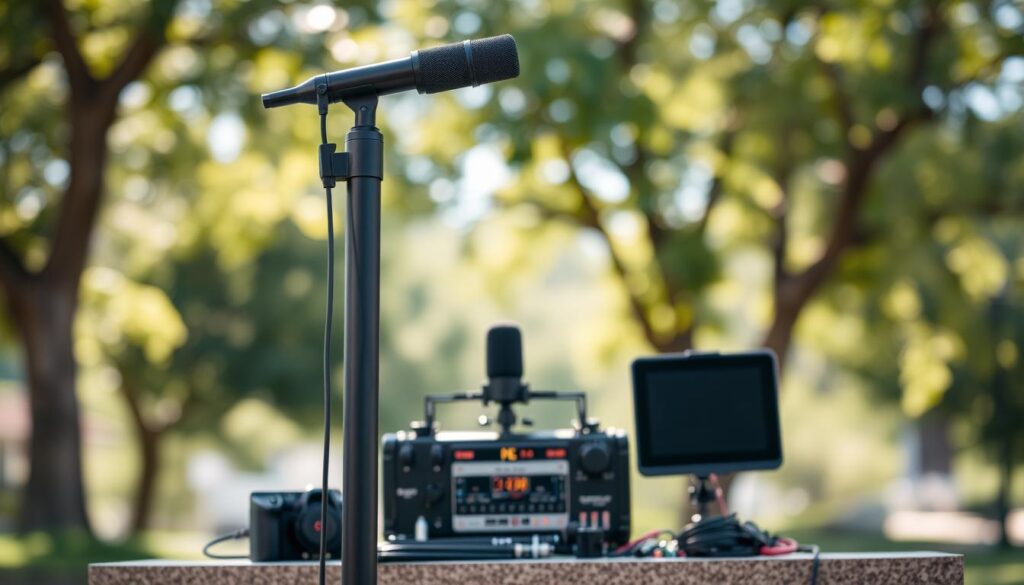
Pop Filters and Windshields
Managing outdoor noise is a key challenge for every sound recordist. For indoor dialogue, a foam pop filter reduces plosives and breath noise. For outdoor production, use a “dead cat” or full blimp system to block wind.
These tools protect your microphone capsule from environmental noise. High-quality wind protection prevents low-frequency rumble from ruining a perfect take. Always match your windshield size to your specific microphone model for the best results.
Shock Mounts and Cables
A shock mount isolates your microphone from handling noise. Without one, each movement of your adjustable boom pole reaches the recording. Choose a professional-grade suspension mount with elastic bands to absorb vibrations.
Your XLR cables are equally important. A high-quality, flexible cable reduces tension and keeps your setup balanced. Avoid cables that are too long; extra weight can make a lightweight boom pole cumbersome and hard to maneuver.
“The secret to clean audio isn’t just the microphone; it is the isolation provided by your shock mount and the integrity of your cable management.”
Carrying Cases and Holders
Protecting your investment supports long-term durability. A padded carrying case protects your gear from impacts during transport between locations. A dedicated boom pole holder helps during long interviews, letting you rest your arms without putting equipment on the ground.
| Accessory | Primary Use | Importance |
|---|---|---|
| Shock Mount | Vibration Isolation | Essential |
| Blimp/Windshield | Wind Noise Reduction | Essential (Outdoor) |
| Cable Clips | Cable Management | Recommended |
| Carrying Case | Storage & Protection | Recommended |
Carefully choosing these add-ons prepares your adjustable boom pole setup for any scenario. Balanced gear prevents fatigue and keeps your focus on capturing the best possible sound.
Top Boom Pole Reviews from Experts
Expert reviews help separate essential support gear from specialized audio hardware. When you upgrade your sound kit, knowing each tool helps you achieve pristine audio quality. We tested industry-standard options to help you choose the right microphone boom pole for your production needs.
Review of the Rode Boompole
The Rode Boompole is an accessible choice for beginners and intermediate creators. Its lightweight aluminum body stays easy to handle during long shoots and reduces fatigue. Many users say this microboom boom pole balances durability and portability for run-and-gun filmmaking.
Review of the K-Tek KE-79CC
If you need a professional boom pole, the K-Tek KE-79CC suits demanding production settings. Its internal coiled cable system makes setup easier and greatly reduces handling noise. Its strong build provides the rigidity needed for precise microphone placement in complex scenes.
Review of the Sennheiser MKE 600
The Sennheiser MKE 600 is a high-performance shotgun microphone, not a conventional boom pole. It often works with professional support gear but serves a different role in your audio chain. Pair it with a high-quality pole so your sound capture stays clear and professional.
| Product Name | Primary Use | Key Advantage | Material |
|---|---|---|---|
| Rode Boompole | General Production | Affordability | Aluminum |
| K-Tek KE-79CC | Professional Film | Internal Cabling | Graphite |
| Sennheiser MKE 600 | Audio Capture | Directional Sound | Metal Alloy |
How to Maintain Your Boom Pole
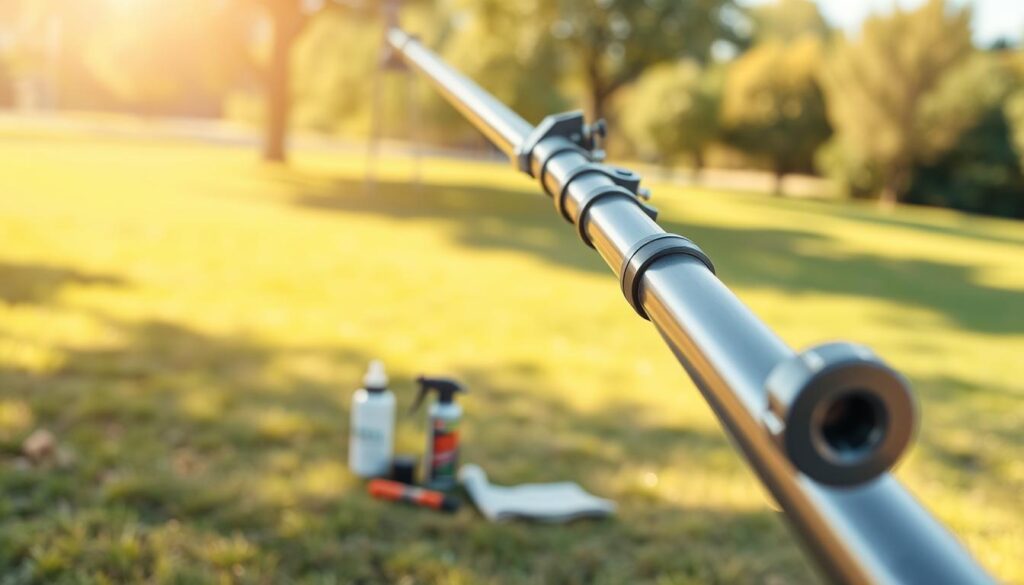
Regular care keeps your telescopic boom pole working smoothly for years. Spend a few minutes on maintenance after each production to protect your investment and maintain clear audio.
Cleaning and Care Tips
Outdoor shoots expose your gear to dust, moisture, and grit. Wipe each section with a soft, dry cloth before collapsing the unit. Never use harsh chemicals, because they can damage the finish or internal locking mechanisms.
Check the collars, threads, and cable paths closely. If threads contain grit, gently clear it with a soft brush. After a long day on set, inspect your boom pole for loose parts or wear.
If equipment gets wet, let it air-dry completely in a vertical position before storage. Avoid forcing adjustments when a section feels stuck; this can permanently damage the locking collars.
Storage Recommendations
Proper storage matters as much as cleaning. Keep your gear in a dedicated protective case to prevent impacts or scratches during transport.
Store your boom pole in a cool, dry place to prevent corrosion or moisture buildup. If your unit has internal cabling, coil the cables loosely to avoid tension on connectors.
Avoid storing your telescopic boom pole under heavy items or where joints face stress. Keeping it collapsed protects the locking system and keeps it ready for your next project.
Where to Buy Boom Poles in the United States
Finding a trusted source matters when buying a high-quality telescopic boom pole. Reliable sellers offer support, authentic gear, and valid warranty coverage for beginners and seasoned sound engineers.
Online Retailers and Marketplaces
Major online retailers offer large inventories and competitive prices. User reviews can show how a professional boom pole performs in real-world use before you buy.
Specialist audio marketplaces often provide better technical support and carefully selected products. When buying online, verify the return conditions and confirm the seller is an authorized dealer.
Local Audio Equipment Stores
A local production-equipment store lets you handle the gear. You can test its extension length and locking mechanisms. You can also assess the weight balance of a telescopic boom pole.
Local experts can advise you about thread compatibility and cable routing options. This hands-on experience is invaluable when matching equipment to your camera rig or microphone setup.
Before finalizing any purchase, use this checklist to confirm your gear meets professional standards:
- Reach and Section Count: Ensure the length meets your production needs.
- Material: Check for carbon fiber or aluminum construction.
- Thread Compatibility: Confirm the tip fits your shock mount.
- Warranty: Verify the manufacturer’s coverage period.
If you buy a used professional boom pole, inspect it carefully for hidden damage. Look for shaft dents, worn collars, or bent sections that could hinder smooth operation. Test the threads for stripping, and check the internal cable for fraying or connectivity faults before paying.
User Testimonials and Experiences
Newcomers and veterans reveal the true value of a boom pole. Technical details set a baseline, but busy sets reveal performance that product sheets may miss.
We gathered views from different production settings to show what your audio gear investment may bring.
Beginner Users’ Feedback
New users often focus on the learning curve for handling long equipment. During their first projects, many beginners find balancing a boom pole for filmmakers most difficult.
Beginners often mention these concerns:
- Difficulty maintaining a steady position for long takes.
- Challenges with internal cable management systems.
- The need for affordable options that do not sacrifice too much build quality.
Most beginners say unit weight matters, but proper technique matters more for clean audio. They often recommend a mid-range model for balanced cost and performance.
Industry Professionals’ Insights
Working professionals value speed and reliability above all else. On high-pressure sets, they want a boom pole that limits handling noise and fatigue.
Experienced sound mixers often highlight the following priorities:
| Feature | Professional Priority | Impact |
|---|---|---|
| Durability | High | Withstands daily wear and tear |
| Setup Speed | Critical | Allows for rapid scene changes |
| Weight | Essential | Reduces operator exhaustion |
Pros often say a high-quality boom pole should feel like an arm extension. Premium models cost more, but faster setup and stronger durability repay that investment over time.
“The best gear is the one that disappears into the background, allowing me to focus entirely on capturing the perfect dialogue.”
We encourage you to compare these testimonials with your production needs. Every boom pole for filmmakers has a different purpose, so choose one that fits your workflow and project.
Conclusion: Choosing the Right Boom Pole for You
Choosing the right Boom pole means balancing your production needs with your budget. Start with your main recording environment to judge the reach and weight capacity you need.
A lightweight carbon fiber boom pole is a smart investment for long days on set. Its material reduces physical fatigue during extended handheld sessions. It also provides the professional handling needed for high-quality audio capture.
Occasional creators may prefer simpler, affordable models with reliable locking systems. Focus on microphone-load stability instead of maximum length alone. In real-world use, a shorter, sturdy pole often beats a long, flimsy one.
Test different grips and cable-management styles to find what feels natural in your hands. Your choice should fit your workflow and support clear sound capture. Take time to review these factors before making a smart purchase for your gear bag.