
 Zoe Nora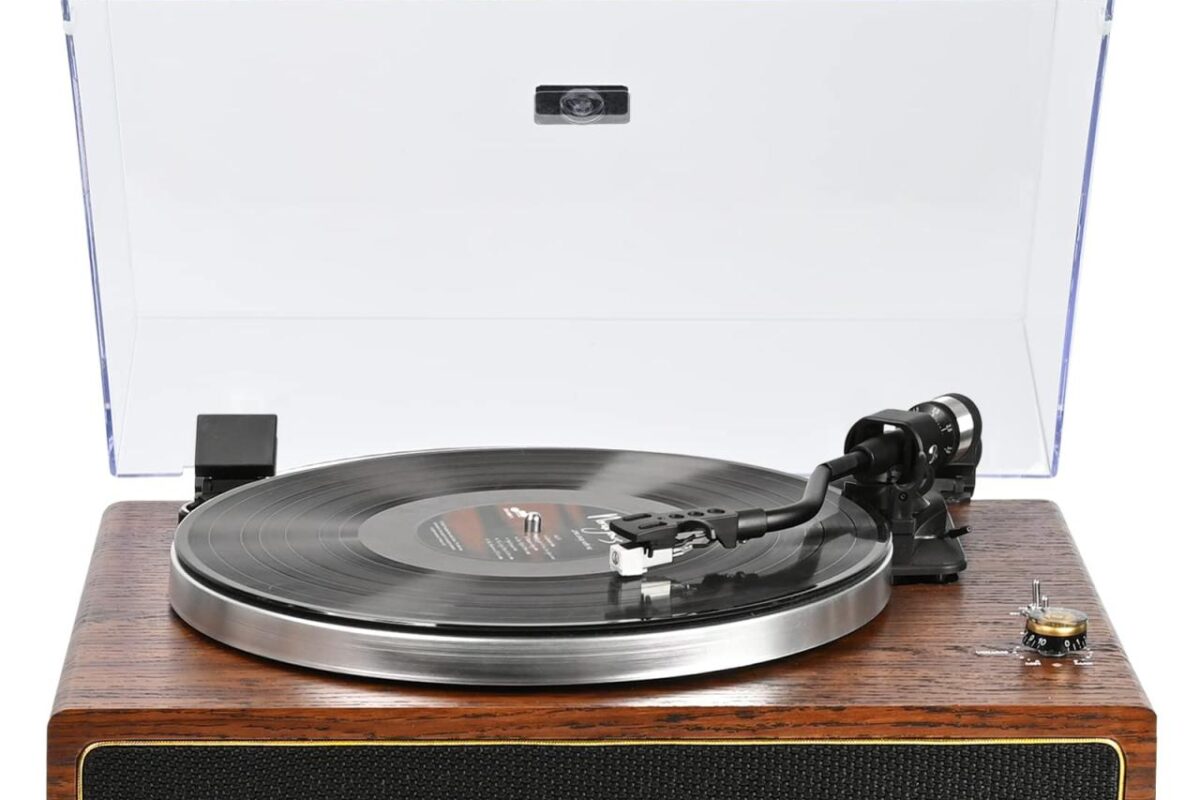
Delving into Record player system, this introduction immerses readers in a unique and compelling narrative, exploring the rich tapestry of sound and nostalgia that vinyl offers. From its humble beginnings in the 1920s to its modern renaissance, the record player system has undergone significant transformations, both in design and technology, captivating music lovers and audiophiles alike.
The history of record players is intertwined with cultural shifts, technological advancements, and the passion for music. As we journey through the decades, we’ll uncover the essential components that make up these systems, compare different types available on the market, and investigate the factors contributing to the resurgence of vinyl records. Get ready to discover not just the mechanical wonders of record players but also the emotional connection they foster with listeners.
Discuss the history and evolution of record player systems throughout the decades
The evolution of record player systems is a fascinating journey that spans nearly a century, reflecting advances in technology, design, and user experience. From the early mechanical contraptions of the 1920s to the sleek, digitally-enhanced models of today, the record player has undergone significant transformations. This narrative not only highlights changes in technology but also showcases the impact these devices have had on music culture, showcasing their role as a staple in both domestic and social settings.
In the 1920s, the first commercially viable record players emerged, featuring a simple design that utilized a hand-cranked mechanism. These early gramophones played shellac records, which were fragile and often broke easily. The sound quality was limited, but the ability to play recorded music was revolutionary. The introduction of electric motors in the 1930s led to the development of electric turntables, which provided a more consistent speed and improved sound quality. This era also saw the launch of 78 RPM records, which became the standard for music playback.
The 1950s marked a pivotal moment in record player history with the introduction of the 33 1/3 RPM long-playing (LP) vinyl record. This innovation allowed for longer playback times and better sound quality, ushering in the golden age of vinyl. Popular models like the RCA Victrola and the Philips 212 gained prominence, becoming symbols of home entertainment. The LP’s ability to hold multiple tracks fundamentally altered the music industry, leading to the concept of the album as an artistic entity.
Technological Advances in Record Players
Throughout the decades, various technological advancements have significantly impacted the design and functionality of record players. Each innovation has contributed to the overall listening experience and shaped the cultural landscape of music consumption.
One of the key milestones was the introduction of stereo sound in the late 1950s, which allowed listeners to experience music in a more immersive way. The stereo record player became increasingly popular, with models like the Dual 1219 and Technics SL-1200 gaining recognition among audiophiles. These players featured advanced tonearm designs and high-quality cartridges, enhancing fidelity and clarity.
The transition to compact discs in the 1980s initially led to a decline in vinyl record popularity. However, this period also saw the emergence of portable turntables, enabling music fans to enjoy vinyl on the go. Models like the Sony PS-LX300USB exemplified this trend, offering a blend of vintage charm and modern convenience.
In recent years, there has been a significant resurgence of interest in vinyl records and turntables, driven by nostalgia and a desire for authentic sound. Modern record players now incorporate digital technology, with features like USB connectivity for easy digitization of vinyl collections. High-end models, such as the Rega Planar 3 and Pro-Ject Debut Carbon, are celebrated for their craftsmanship and sonic performance, appealing to both old-school enthusiasts and new listeners alike.
The record player’s journey from a mechanical novelty to a high-tech audio device illustrates not just technological progress but also its enduring place in music culture. The resurgence of vinyl is a testament to its continued relevance, proving that despite advances in technology, the charm of a spinning record remains timeless.
Describe the essential components of a record player system and their functions
A record player system, also known as a turntable, consists of several key components that work together to convert the physical grooves on a vinyl record into audible sound. Each component plays a specific role, ensuring that the audio quality is maintained while delivering a rich listening experience. Understanding these components and their functions is essential for anyone looking to appreciate or invest in a record player system.
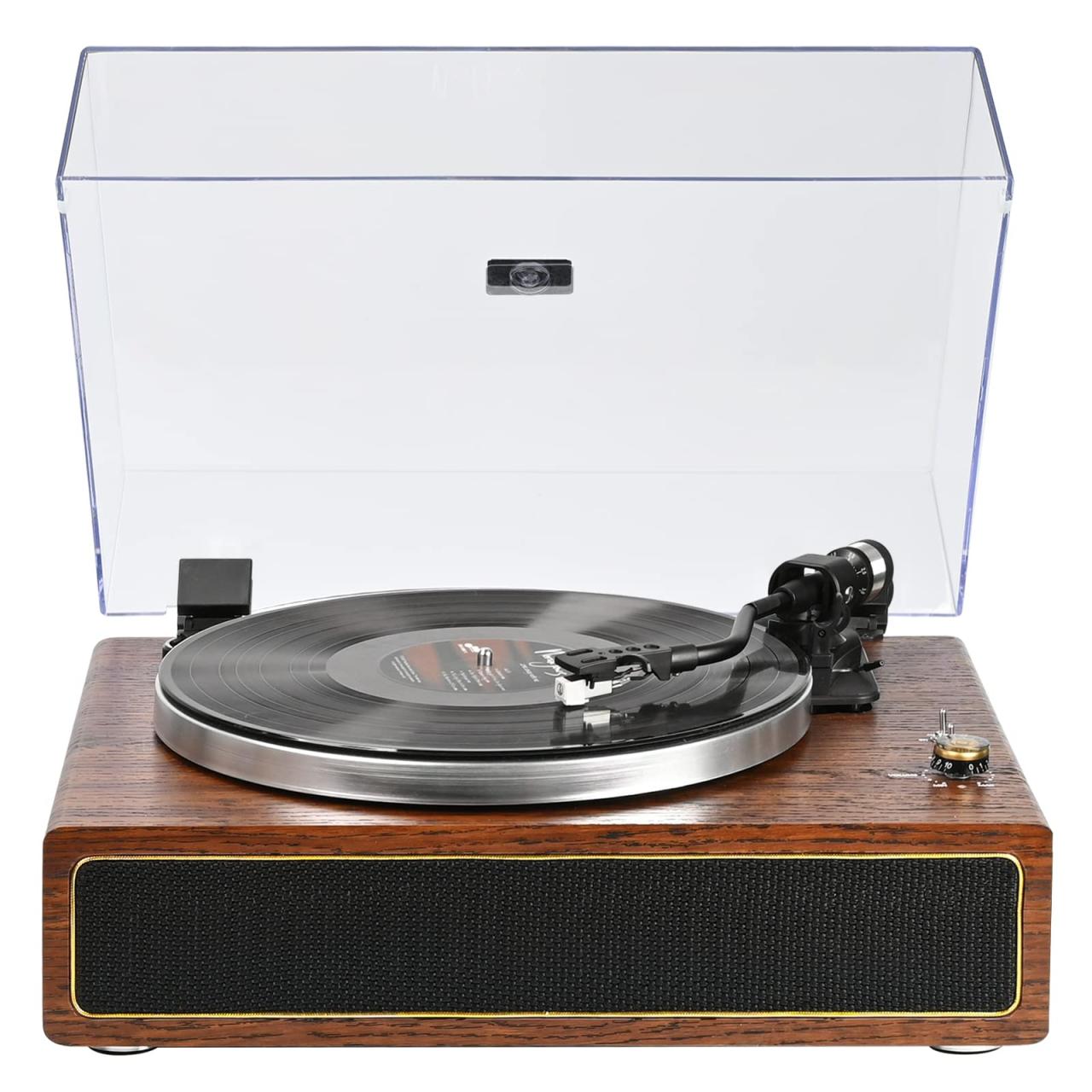
The primary components of a record player system include the platter, tonearm, cartridge, and stylus. Each of these parts plays a crucial role in the playback process. The platter is the circular disc where the vinyl record sits and spins. It is typically driven by a motor, which ensures a consistent rotation speed, crucial for accurate sound reproduction. The tonearm extends over the platter, allowing for precise movement across the record’s surface. It is designed to hold the cartridge securely, which houses the stylus. The cartridge converts the mechanical vibrations from the stylus into an electrical signal, while the stylus, or needle, traces the grooves of the record.
These components work in harmony to produce sound. As the record spins on the platter, the stylus rides in the grooves, capturing the vibrations created by the record’s undulations. This mechanical movement is transmitted to the cartridge, where it is transformed into an electrical signal. This signal is then sent to an amplifier, which boosts it for playback through speakers. A well-tuned system ensures that the sound is clear and true to the original recording.
Component Types and Features
In the world of record players, various types of components exist, each with distinct features that can influence sound quality and performance. Below is a table showcasing different component types and their features:
| Component | Type | Features |
|---|---|---|
| Platter | Heavy or Lightweight | Spins at a consistent speed, reduces vibration, impacts sound quality |
| Tonearm | S-shaped or Straight | Allows for adjustable tracking force, affects tracking accuracy |
| Cartridge | Moving Magnet (MM) or Moving Coil (MC) | Different output levels and sound profiles, affects overall audio quality |
| Stylus | Conical or Elliptical | Shape impacts tracking ability and sound fidelity |
The choice of components can greatly influence the performance of a record player system. For instance, a heavier platter typically provides better stability and sound quality, while a high-quality cartridge can enhance the clarity of audio reproduction. Understanding these features helps users make informed decisions when selecting a record player system that meets their audio preferences.
Analyze the differences between various types of record players available in the market
Record players have seen a resurgence in popularity, enticing both audiophiles and casual listeners alike. With so many options available, it’s crucial to understand the differences between various types of record players to make an informed decision. The three primary types include belt-driven, direct-drive, and all-in-one systems, each catering to different user needs and preferences.
Comparison of Record Player Types
When examining these record player types, it’s essential to consider their mechanics, sound quality, and user experience. Here’s a breakdown:
- Belt-Driven Turntables: These use a rubber belt to connect the motor to the platter. This design minimizes vibration, resulting in a warmer sound quality. However, they may require more maintenance, as belts can wear out over time. They’re ideal for listeners who prioritize sound quality and are willing to invest time in upkeep.
- Direct-Drive Turntables: Preferred by DJs, these have the motor directly under the platter, allowing for quick start-ups and adjustments. They provide great durability and are excellent for live performances. On the downside, they can introduce more motor noise into the playback, which might be less desirable for audiophiles. These are perfect for users who appreciate functionality and need a reliable unit for mixing or scratching.
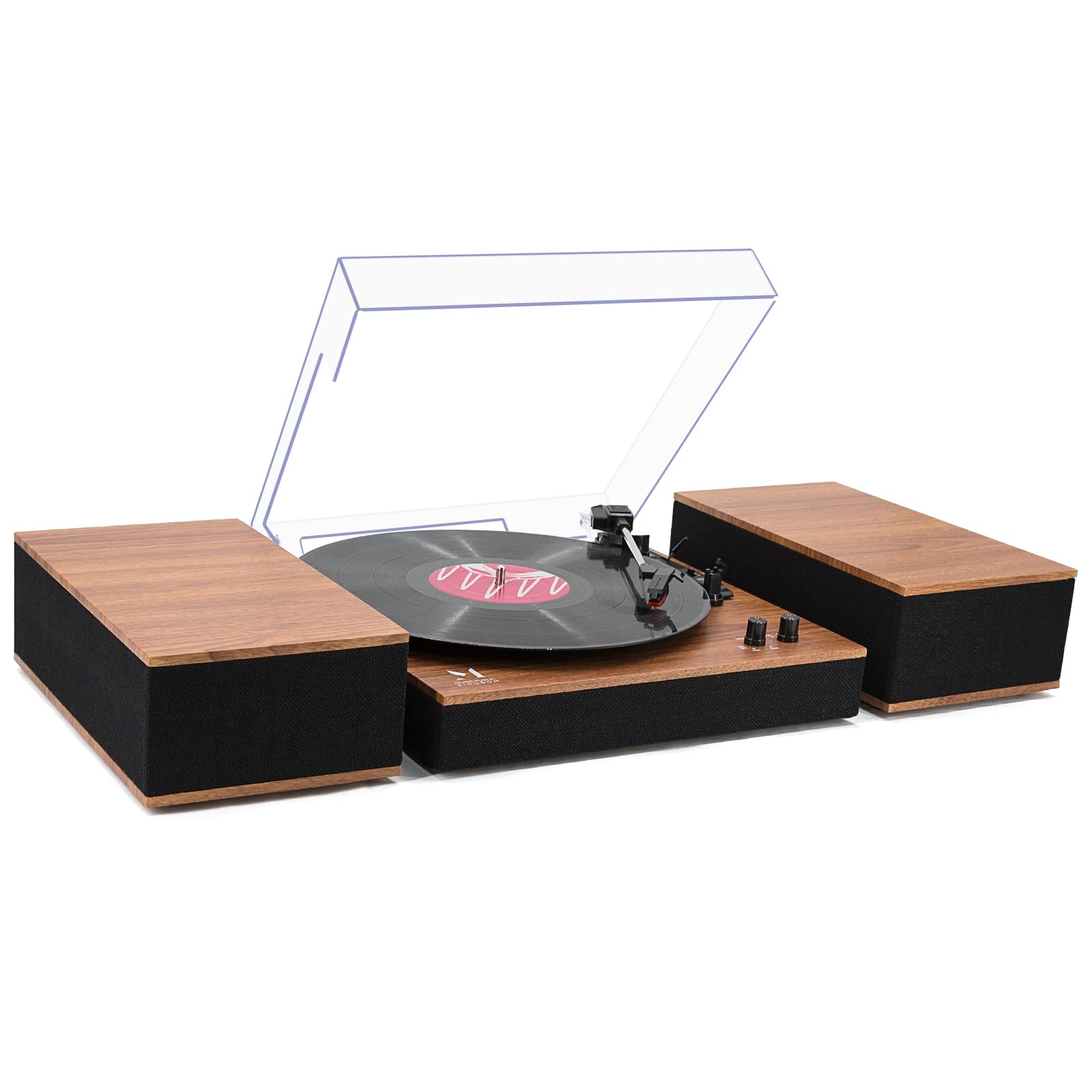
- All-in-One Systems: These combine speakers, a turntable, and sometimes other features like Bluetooth connectivity into a single unit. They are user-friendly and ideal for beginners or casual listeners who want convenience without the hassle of setting up multiple components. However, sound quality often takes a hit compared to dedicated systems. They’re suitable for those seeking simplicity and a compact system that fits easily into their living space.
Choosing the right record player type depends on your listening habits, preferred sound quality, and how much effort you want to invest in your setup.
For selecting the right type, consider your listening environment and preferences. If you enjoy high-fidelity sound, a belt-driven turntable might be your best bet. If you’re into live performances or DJing, opt for a direct-drive model. For ease of use and convenience, an all-in-one system would serve you well, especially in smaller living spaces or for those new to vinyl.
Examine the impact of vinyl records on the resurgence of record player systems in recent years
In recent years, vinyl records have made a remarkable comeback, contributing significantly to the resurgence of record player systems. This revival can be attributed to a growing appreciation for the tactile experience of vinyl, as well as the unique sound quality it offers. As collectors, audiophiles, and casual listeners alike embrace this medium, the demand for record players has surged, unlocking a new chapter in music consumption.
The growing popularity of vinyl records has transformed the landscape of music, influencing not only listeners but also a wide array of industries. This trend is fueled by various factors, including nostalgia, sound quality, and the aesthetic appeal of vinyl. Nostalgia plays a crucial role, as many people fondly remember the experience of listening to records during their youth. This emotional connection drives individuals to seek out vinyl records and, in turn, encourages them to invest in record player systems. The allure of spinning a vinyl record, complete with the crackle and warmth of analog sound, captivates both older generations and younger audiences discovering this format for the first time.
Factors Contributing to the Resurgence
Several factors have contributed to the resurgence of vinyl records and the corresponding rise in demand for record players. Understanding these elements provides insight into this significant cultural shift:
- Nostalgia: The emotional connection to music from the past fosters a desire to recreate those experiences.
- Sound Quality: Vinyl records offer a warm, rich audio experience that digital formats often struggle to replicate, attracting audiophiles.
- Aesthetic Appeal: The large album artwork and physical nature of records appeal to collectors and those seeking a unique decor element.
- Collectibility: With unique pressings and limited editions, vinyl records have become sought-after collectibles, adding an element of exclusivity.
- Social Experience: Listening to vinyl can be a communal activity, encouraging gatherings and social events around music sharing.
To further engage new generations, record player systems are marketed with a focus on lifestyle and aesthetics. Brands emphasize sleek designs, customizable features, and Bluetooth connectivity that caters to modern sensibilities. The incorporation of technology—such as the ability to connect to digital devices—makes record players more accessible to a tech-savvy audience. Companies often highlight the experience of enjoying music in an analog format, showcasing the physical act of placing a record on a turntable as a ritualistic and immersive process.
The marketing campaigns often utilize social media platforms, where influencers and musicians share their love for vinyl, creating a buzz that resonates with younger audiences. Vinyl listening events, pop-up shops, and collaborations with artists further promote this revival, bridging the gap between old-school charm and contemporary creativity. By positioning record players as both a nostalgic artifact and a chic modern accessory, brands effectively appeal to a diverse range of consumers, ensuring the enduring popularity of vinyl records and record players continues to thrive.
Create a guide on maintaining and caring for a record player system to ensure longevity
Maintaining a record player system is essential for ensuring its longevity and optimal performance. Regular upkeep not only enhances sound quality but also extends the lifespan of your equipment. Caring for your record player involves a few straightforward tasks that can be integrated into your routine.
Proper maintenance of a record player includes cleaning, aligning the cartridge, and storing records correctly. Each of these tasks contributes significantly to maintaining the integrity of both your records and the player itself. Below is a detailed guide to help you with routine maintenance.
Routine Maintenance Tasks
Incorporating routine maintenance tasks into your care regime for a record player ensures it continues to deliver high-quality sound and operates smoothly. The following checklist provides step-by-step instructions for the most critical maintenance tasks.
- Cleaning the Record Player:
Regular cleaning prevents dust buildup that can affect sound quality.
- Use a soft, anti-static brush to clean records before each play.
- Wipe down the turntable platter and surrounding areas with a microfiber cloth.
- Periodically clean the stylus with a stylus brush, ensuring not to damage it.
- Aligning the Cartridge:
Proper cartridge alignment enhances tracking and minimizes record wear.
- Consult the turntable’s manual for specific alignment instructions.
- Use a protractor to ensure the cartridge is correctly positioned.
- Adjust the tracking force according to the cartridge specifications.
- Storing Records Properly:
Correct storage prevents warping and surface damage to records.
- Store records vertically in a cool, dry place away from direct sunlight.
- Use protective sleeves to prevent dust and scratches.
- Avoid stacking records to prevent warping or bending.
Common Issues and Troubleshooting
Understanding common issues that may arise with a record player can facilitate effective troubleshooting. Below are some typical problems and their solutions.
- Skipping Records:
Skipping can result from dirt on the stylus or improper tracking force.
- Clean the stylus and ensure it’s aligned correctly.
- Adjust the tracking force if it’s set too light.
- Sound Distortion:
Distortion often occurs due to a worn stylus or poor connections.
- Inspect the stylus for wear and replace if necessary.
- Check all audio connections for tightness and clarity.
- Turntable Not Spinning:
Mechanical failures can prevent the turntable from spinning.
- Ensure the power is connected and the platter is free of obstructions.
- Inspect the drive belt for wear or breakage and replace if needed.
Explore the relationship between record player systems and audiophile culture
In the world of music enthusiasts, few devices evoke as much passion and reverence as the record player. For audiophiles, these systems are not just playback devices; they embody a deep connection to sound quality, nostalgia, and the physicality of music. This relationship is rooted in the belief that vinyl records provide an authentic listening experience that digital formats often fail to replicate. The warmth, depth, and richness of sound produced by high-quality analog systems are seen as unparalleled, leading many to invest considerable time and resources into building the perfect record player setup.
The significance of sound quality in audiophile culture cannot be overstated. Record players offer a tangible tactile experience that complements the sonic qualities of the music. Audiophiles often engage in meticulous selection of components, exploring everything from turntables and cartridges to amplifiers and speakers. They seek out systems that deliver the most accurate and detailed sound reproduction, allowing listeners to appreciate nuances in their favorite tracks that might go unnoticed with inferior equipment. This pursuit of sound perfection leads to extensive discussions among audiophiles about the merits of various setups, where every detail counts.
High-end record player systems and their desirability
High-end record player systems are typically designed with superior craftsmanship and advanced technologies, making them highly desirable among audiophiles. These systems often feature precision-engineered components that minimize vibrations and ensure optimal playback. The materials used, such as high-quality woods and metals, contribute not only to aesthetic appeal but also to sound quality. For instance, a well-constructed platter can provide a stable surface for the record, reducing wow and flutter, thus enhancing playback accuracy.
Many audiophiles gravitate towards flagship brands known for their commitment to excellence in sound reproduction. Notable brands in this space include:
- Rega: Renowned for its meticulous engineering, the Rega Planar series, particularly the Planar 10, is hailed for its precision and sound clarity.
- Technics: The SL-1200 series remains iconic, with the SL-1200G celebrated for its direct-drive motor and high-quality build.
- VPI Industries: Known for their customizability, the VPI Prime series offers impressive sound quality and various upgrade paths.
- Clearaudio: The Clearaudio Innovation Compact is revered for its craftsmanship and ability to deliver stunning sound performance.
- Pro-Ject: The Pro-Ject Debut Carbon EVO stands out for its affordability without sacrificing quality, making it a favorite among newcomers and seasoned audiophiles alike.
These brands have become synonymous with quality and performance, driving the market for high-end audio solutions. The allure of owning a premium record player system is not only about superior sound; it also reflects the audiophile’s commitment to experiencing music in its most authentic form.
Investigate how modern technology has integrated with traditional record player systems
The resurgence of vinyl records has breathed new life into traditional record player systems, allowing them to coexist harmoniously with modern technology. Consumers are increasingly seeking a blend of nostalgia and innovation, leading to the incorporation of features that enhance both usability and sound quality. This integration showcases how classic audio equipment can evolve without losing its core essence.
Bluetooth connectivity and USB outputs have become integral features of contemporary turntables, making it easier for users to enjoy their vinyl collections in a modern context. Bluetooth-enabled record players allow users to wirelessly connect to speakers, headphones, or other devices, eliminating the constraints of physical cables. This functionality not only expands listening options but also encourages a new generation to explore vinyl. USB outputs enable users to digitize their vinyl records, providing an easy way to transfer music to digital devices while preserving audio quality. This feature is particularly valuable for audiophiles who wish to maintain their beloved records while adapting to newer technology.
Preserving Analog Sound Quality while Enhancing Functionality
In the realm of audio, the challenge lies in maintaining the warm, rich sound of analog while introducing modern technology. Many manufacturers have achieved this balance by utilizing advanced materials and engineering techniques that enhance sound reproduction without compromising the analog experience.
Several key points illustrate this innovative approach:
- High-quality components: Contemporary turntables often feature upgraded cartridges, tonearms, and platters designed to enhance sound fidelity.
- Digital-to-analog converters (DAC): The inclusion of high-quality DACs ensures that audio signals are converted with precision, providing clear, crisp sound even when digital formats are used.
- Variable speed control: Many modern models offer adjustable speed settings, allowing users to explore different playback options while maintaining sound quality.
These innovations significantly enhance user experience by making record players more accessible and compatible with modern audio setups. As a result, users can enjoy the tactile experience of vinyl while embracing the convenience of contemporary technology, ultimately enriching their auditory journey.
Share tips for building a complete listening setup around a record player system
Creating an optimal listening experience with a record player system requires careful consideration of various components that work together harmoniously. This setup includes pairing your turntable with suitable speakers, amplifiers, and other audio equipment to ensure the best sound quality possible. By understanding the interplay between these components, you’ll be well on your way to crafting a sonic environment that complements your vinyl collection.
When it comes to pairing a record player with speakers and amplifiers, it’s essential to match the impedance and power ratings to achieve the best audio performance. For instance, if your turntable has a built-in preamp, you can connect it directly to powered speakers, eliminating the need for a separate amplifier. Alternatively, if you opt for passive speakers, a dedicated amplifier will be necessary to drive them. Be sure to consider the wattage; a speaker’s power handling should ideally match or exceed the amplifier’s output to prevent distortion.
Room acoustics play a significant role in sound quality. Factors such as room size, shape, and furnishings can affect how sound waves interact. To optimize your setup, place speakers away from walls and corners to minimize bass buildup and reflections. Experimenting with speaker height and orientation can also enhance your listening experience by directing sound toward the listening area.
Here are some recommended equipment combinations tailored for various budgets to help you build your ideal listening setup:
- Entry-Level Setup:
– Record Player: Audio-Technica AT-LP60X
– Speakers: Edifier R980T
– Amplifier: N/A (Powered speakers) - Mid-Range Setup:
– Record Player: Pro-Ject Debut Carbon EVO
– Speakers: Klipsch R-41M
– Amplifier: Cambridge Audio AXA35 - High-End Setup:
– Record Player: Rega Planar 3
– Speakers: Bowers & Wilkins 606 S2
– Amplifier: Marantz PM8006
“A great audio system is not just about the individual components, but how they work together to create a cohesive sound.”
With careful consideration of these elements, you can create a listening space that brings your vinyl records to life, providing an enjoyable and immersive experience for every music lover.
Outcome Summary
In summary, the record player system stands as a testament to the enduring love for analog sound in an increasingly digital world. Whether you’re a seasoned audiophile or a curious newcomer, understanding these systems enhances your listening experience and appreciation for music. As vinyl continues to flourish, the record player system remains a cherished bridge between the past and the present, inviting all to join in the celebration of music’s rich heritage.
Essential Questionnaire
What is the difference between belt-driven and direct-drive record players?
Belt-driven players use a rubber belt to connect the motor to the platter, providing smoother operation and less vibration, while direct-drive players have the motor directly under the platter, allowing for quick start-up and better control, which is favored by DJs.
How often should I clean my records?
It is recommended to clean your records after every few plays to remove dust and debris, which can affect sound quality and prevent wear on the stylus.
Can I connect a record player to wireless speakers?
Yes, many modern record players come with Bluetooth capabilities, allowing you to connect them to wireless speakers, but ensure the sound quality is preserved in the process.
What is a good budget for a beginner’s record player system?
A budget of $200 to $500 is reasonable for a quality entry-level record player system that offers good sound without compromising too much on features.
Do I need a separate amplifier for my record player?
It depends on the record player; some have built-in amplifiers, while others require an external amplifier to drive the speakers, so check the specifications before purchasing.