
 Zoe Nora
Phono cartridges play a crucial role in the world of vinyl playback, transforming the grooves of a record into the music we cherish. These tiny devices are the unsung heroes of your turntable setup, directly influencing the sound quality and overall listening experience. Whether you’re a seasoned audiophile or just beginning your vinyl journey, understanding phono cartridges is essential for getting the most out of your records.
In this exploration, we’ll dive into the various types of phono cartridges, their components, and what makes them tick. From the intricate details of moving magnet versus moving coil cartridges to the importance of stylus shape and maintenance tips, this guide will provide you with a comprehensive understanding of how to enhance your vinyl listening experience.
The Importance of a Phono Cartridge in Vinyl Playback
The phono cartridge serves as the crucial interface between the vinyl record and the audio system, transforming the mechanical vibrations from the record grooves into electrical signals. This component plays a significant role in determining the overall sound quality and the listening experience. A well-designed cartridge can enhance detail, clarity, and warmth in the music, while a subpar cartridge can detract from the richness of the analog sound. Understanding the different types of phono cartridges and their functions helps audiophiles and casual listeners alike appreciate the impact of this component on vinyl playback.
The phono cartridge is essentially the heart of any turntable system. It converts the physical grooves on a vinyl record into an electrical signal, which is then amplified and processed to produce sound. The quality of this conversion process directly influences the fidelity and character of the audio output. For example, a high-quality cartridge can extract subtle nuances and details from a record that lower-quality cartridges might miss, providing a more engaging and immersive listening experience.
Types of Phono Cartridges
There are primarily two types of phono cartridges: moving magnet (MM) and moving coil (MC). Each has distinct characteristics and serves specific roles within a turntable system.
- Moving Magnet (MM) Cartridges:
MM cartridges are popular for their ease of use and affordability. They feature a magnet attached to the stylus, which moves within a fixed coil. This design allows for a higher output voltage, making them compatible with a wide range of phono preamps.
- Moving Coil (MC) Cartridges:
MC cartridges generally provide superior sound quality due to their design, where the coil is attached to the stylus and moves within a fixed magnet. This results in lower output voltage, requiring a dedicated phono preamp, but many audiophiles swear by the improved clarity and detail.
- Other Types:
There are specialized cartridges such as high-output moving coil (HOMC) cartridges, which bridge the gap between MM and MC cartridges, providing a higher output while maintaining some of the sound quality benefits of MC designs.
The choice of cartridge can significantly influence the overall sound profile of a turntable. Factors such as the stylus shape, the material used in construction, and the tracking force applied also contribute to how well a cartridge performs. For example, elliptical styluses can track grooves more accurately than spherical ones, leading to improved sound reproduction. The right phono cartridge paired with the appropriate turntable can elevate the listening experience, making it a critical element for any vinyl enthusiast.
Exploring the Components of a Phono Cartridge
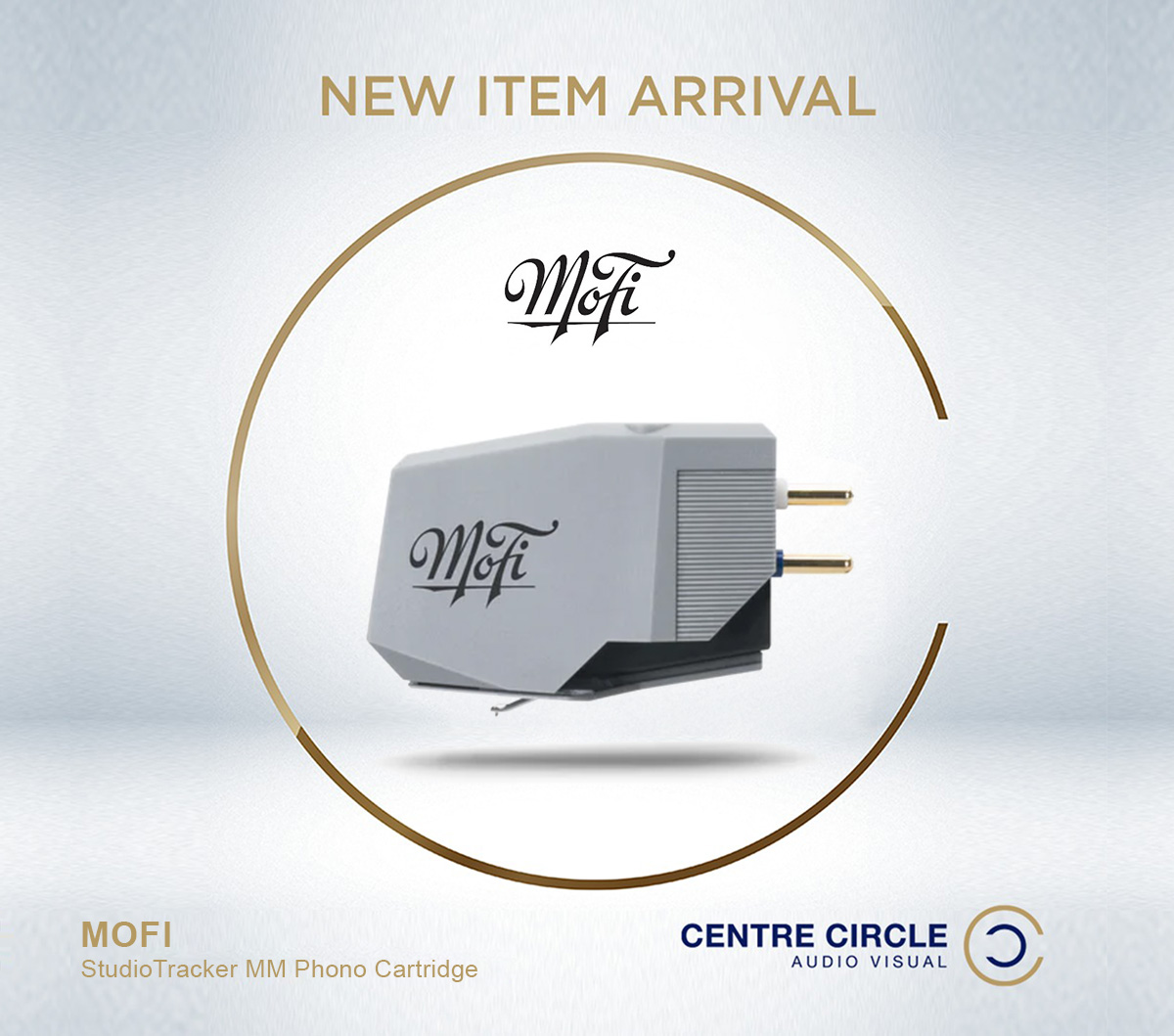
Phono cartridges are crucial components in the world of vinyl playback, translating the physical grooves of a record into audible sound. Understanding the various elements that comprise a phono cartridge helps in appreciating its role in audio systems and aids in making informed choices when selecting or upgrading equipment.
A phono cartridge consists of several key components that work collaboratively to achieve high-fidelity sound reproduction. Each part plays a specific role in the process of converting mechanical energy into electrical signals, which are then amplified and converted into sound.
Key Components of a Phono Cartridge
The primary components of a phono cartridge include the stylus, cantilever, generator system, and housing. Each of these elements has a distinct function that enhances the cartridge’s performance:
- Stylus: Often referred to as the needle, the stylus is the point that physically contacts the vinyl record. Typically made from materials like diamond or sapphire, the stylus is designed to accurately trace the grooves of the record, ensuring minimal wear while extracting the most detail.
- Cantilever: This slender arm connects the stylus to the generator system within the cartridge. Made from materials such as aluminum, magnesium, or carbon fiber, the cantilever transmits vibrations from the stylus to the generator. The rigidity and mass of the cantilever can significantly affect the cartridge’s tracking ability and overall sound quality.
- Generator System: This is the heart of the cartridge, consisting of either a moving magnet (MM) or moving coil (MC) mechanism. The generator converts the mechanical vibrations from the cantilever into electrical signals. MM cartridges are known for their ease of use and affordability, while MC cartridges typically offer superior sound quality but require more precise setup.
- Housing: The outer shell of the cartridge protects the internal components and provides a stable platform for mounting. It is usually made from a combination of plastic and metal, chosen for their ability to dampen vibrations and minimize interference.
Materials Used in Phono Cartridges
The materials used in constructing phono cartridges have a significant influence on their performance. Different materials can enhance the cartridge’s ability to reproduce sound faithfully and minimize distortion.
Phono cartridges often utilize a variety of materials that impact their sound characteristics:
- Stylus Materials: Diamond is the preferred material for stylus tips due to its hardness and durability, which allow for precise tracking and longevity. Some cartridges may use sapphire or other hard materials, but they may not offer the same level of precision.
- Cantilever Materials: Lightweight and rigid materials such as aluminum, magnesium, and carbon fiber are favored for cantilevers. These materials help reduce unwanted resonances while maintaining the strength needed for effective vibration transmission.
- Magnet Materials: In MM cartridges, ferrite or alnico magnets are commonly used, while MC cartridges may utilize stronger materials like neodymium, which can result in higher output levels and better overall sensitivity.
- Body Materials: The cartridge body is typically made from composite plastics or metals, which can help in damping vibrations. High-end cartridges may use materials like wood or special composites to enhance acoustic properties.
The interplay of these components and materials defines the overall performance of a phono cartridge, influencing factors such as tonal balance, clarity, and dynamic range. Understanding these aspects allows users to make more informed decisions in their audio setups and appreciate the artistry of vinyl playback.
Comparing Moving Magnet and Moving Coil Cartridges
When diving into the world of vinyl, understanding the differences between moving magnet (MM) and moving coil (MC) cartridges is essential for audiophiles and casual listeners alike. Both types of cartridges serve the crucial function of translating the grooves on a record into sound, yet they do so through different mechanisms and offer distinct listening experiences.
Moving magnet cartridges are often praised for their user-friendly nature, making them a popular choice for casual users. In contrast, moving coil cartridges are generally favored by audiophiles who seek higher fidelity and nuanced sound reproduction. Here’s a closer look at the distinctive features of each type.
Characteristics of Moving Magnet and Moving Coil Cartridges
The differences between moving magnet and moving coil cartridges can be observed in their construction, sound quality, and cost. Understanding these traits is vital for selecting the right cartridge for your turntable setup.
1. Construction:
– Moving magnet cartridges use a magnet attached to the stylus, with coils fixed in place. This design allows for greater durability and ease of replacement.
– Moving coil cartridges, on the other hand, have a lightweight coil attached to the stylus, while the magnets remain stationary. This design results in lower mass, which can improve tracking accuracy.
2. Sound Reproduction:
– Moving magnet cartridges typically offer a warm, fuller sound, making them suitable for a variety of musical genres. They tend to excel in bass response, providing a rich listening experience.
– Moving coil cartridges provide superior detail and clarity, particularly in the mid and high frequencies. They can reveal subtle nuances in recordings that MM cartridges might miss, making them an ideal choice for critical listening.
3. Cost:
– Moving magnet cartridges are generally more affordable, with entry-level models available for budget-conscious consumers. Replacement of the stylus is also relatively inexpensive.
– Moving coil cartridges are usually more expensive to manufacture and purchase, as they require precise engineering. Additionally, their styluses can be costlier to replace, making them a more substantial investment.
In summary, while both moving magnet and moving coil cartridges have their unique advantages and disadvantages, the choice between them often boils down to personal preference, budget, and listening habits. Understanding these factors will help you select the cartridge that best suits your vinyl experience.
Understanding Phono Cartridge Setup and Alignment
Proper setup and alignment of a phono cartridge are critical for achieving optimal sound quality from a turntable system. A well-aligned cartridge ensures accurate tracking of the vinyl grooves, minimizing distortion and wear on both the record and the stylus. Neglecting this crucial process can lead to subpar audio playback and shorten the lifespan of your precious vinyl collection.
The importance of proper setup and alignment cannot be overstated. Misalignment can result in uneven wear on your records, a loss of dynamics, and a decrease in overall audio fidelity. To prevent such issues, it is essential to follow precise steps for aligning your phono cartridge. Utilizing tools like a protractor can greatly enhance the accuracy of your alignment efforts, ensuring an enjoyable listening experience.
Steps for Aligning a Phono Cartridge
Aligning a phono cartridge involves a series of methodical steps. The following guide Artikels the necessary actions to achieve a precise alignment:
1. Gather Required Tools: Ensure you have the following tools ready:
– A protractor specifically designed for cartridge alignment.
– A small screwdriver for adjusting the cartridge.
– A level to ensure the turntable is perfectly horizontal.
2. Set Up the Turntable: Place your turntable on a stable surface and ensure it is level. Use the level tool to check that it is perfectly horizontal.
3. Install the Cartridge: If not already done, mount the phono cartridge onto the tonearm, ensuring it is securely fastened but not overly tight.
4. Position the Protractor: Place the protractor on the turntable platter, aligning it with the spindle. Most protractors have two alignment grids—one for inner and one for outer alignment points.
5. Align the Cartridge:
– At the outer alignment point, adjust the cartridge so that the stylus tip sits precisely at the intersection of the grid lines.
– Lock the cartridge in place with the screws.
6. Check the Inner Alignment: Rotate the tonearm to the inner grid and ensure the stylus tip is still aligned with the grid lines. Make minor adjustments if necessary.
7. Set Tracking Force and Anti-Skate: Adjust the tracking force according to the cartridge manufacturer’s specifications. Additionally, set the anti-skate to match the tracking force for optimal performance.
8. Final Test: After completing the alignment, play a test record to evaluate sound quality. Listen for any distortion or imbalances, and make adjustments as needed.
By following these steps meticulously, you can enhance your turntable’s performance significantly, leading to richer, more detailed sound reproduction. A properly aligned phono cartridge not only preserves the integrity of your records but also elevates your overall vinyl listening experience.
{The Role of Phono Cartridge Stylus in Sound Quality}
The stylus of a phono cartridge is pivotal in determining the overall sound quality of your vinyl playback. It acts as the interface between the record and the cartridge, translating the grooves of the vinyl into an electrical signal that is processed into sound. The type of stylus, including its shape and material, greatly influences the fidelity and clarity of the audio output, making it essential for audiophiles and casual listeners alike to choose wisely.
The shape and material of a stylus can significantly affect sound fidelity. Various stylus shapes, such as conical, elliptical, and microlinear, each have distinct attributes that influence how they interact with the grooves of the record. For instance, a conical stylus has a rounded tip that tracks grooves effectively but may miss finer details in the music, leading to a less nuanced sound. In contrast, an elliptical stylus has a more elongated shape that can reach deeper into the grooves, capturing higher frequencies and providing a more detailed and accurate sound reproduction. A microlinear stylus, with its advanced design, offers even greater precision, reducing distortion and improving clarity across a wider frequency range.
The materials used in stylus construction also play a crucial role. Most styli are made from diamond, prized for its hardness and durability. However, some high-end models utilize other materials or coatings that can enhance sound quality, such as boron or sapphires. The choice of material affects not only longevity but also how the stylus interacts with the groove, impacting overall sound fidelity. A well-chosen stylus can elevate the listening experience, revealing details in recordings that might otherwise be lost.
{Choosing the Right Stylus for Your Phono Cartridge}
Selecting the appropriate stylus for your phono cartridge involves consideration of several factors, which can enhance your playback experience. To make an informed decision, keep the following points in mind:
- Understand Compatibility: Ensure the stylus is compatible with your specific cartridge model. Not all styli fit all cartridges, so refer to the manufacturer’s specifications.
- Evaluate Your Listening Preferences: Consider what type of music you primarily listen to. If you enjoy classical or jazz, a stylus that emphasizes detail and clarity may be ideal, whereas a conical stylus might suffice for casual listening.
- Consider the Record Condition: If you often play older or worn records, a stylus with a conical shape may provide better tracking and longevity, as it is less likely to damage delicate grooves.
- Budget: Stylus prices can vary widely. High-end options can offer superior sound quality but may not be necessary for everyone. Set a budget that balances quality with your listening needs.
- Research Reviews: Look for reviews and recommendations from audiophile communities or reputable audio publications to gauge the performance of various stylus options.
Choosing the right stylus is not just about brand; it’s about matching your listening habits with the technology that best suits them.
Selecting the right stylus can dramatically enhance your vinyl listening experience, translating into richer, more detailed sound that brings your records to life.
Maintenance Tips for Phono Cartridges
Proper maintenance of phono cartridges is essential for preserving sound quality and extending their lifespan. Regular upkeep not only enhances audio fidelity but also prevents damage that can result from neglect. Understanding the intricacies of your cartridge can make a significant difference in your listening experience.
Taking care of a phono cartridge involves several key procedures, including cleaning, proper handling, and periodic checks. These maintenance tasks help ensure that your cartridge performs at its best and that you continue to enjoy your vinyl records without any degradation in sound quality over time.
Cleaning the Stylus
The stylus is one of the most delicate components of a phono cartridge and requires regular cleaning to maintain optimal performance. Dust and debris can accumulate on the stylus, affecting tracking and sound quality. A clean stylus will not only enhance audio clarity but also protect your records from unnecessary wear.
To clean the stylus, use a soft brush or specialized stylus cleaning solution. Gently brush from back to front to remove any particles. Avoid using excessive pressure, as this can damage the stylus.
Tracking Force and Alignment
Maintaining the correct tracking force and ensuring proper alignment is crucial for the longevity of your phono cartridge. Incorrect tracking force can lead to premature wear of both the stylus and your vinyl records.
Adjust the tracking force using the counterweight on the tonearm, and consult your cartridge’s specifications for the optimal range. For alignment, a protractor can be used to ensure the cartridge is positioned correctly, minimizing distortion and maximizing sound quality.
Routine Maintenance Checklist
Implementing a routine maintenance checklist can help keep your phono cartridge in peak condition. Here are the essential tasks to perform regularly:
- Inspect the stylus for wear or damage every month.
- Clean the stylus weekly to remove dust and debris.
- Check the tracking force monthly and adjust as necessary.
- Verify the alignment of the cartridge quarterly.
- Examine the tonearm for any signs of wear or imbalance.
- Clean the records before playing them to reduce debris on the stylus.
Storage and Handling
Proper storage and handling of your phono cartridge can greatly extend its lifespan. When not in use, always replace the protective cap on the stylus to prevent damage.
Store the turntable in a stable environment, avoiding extreme temperatures and humidity. Additionally, when transporting your turntable, ensure that the cartridge is secured to prevent any jarring or impact that could misalign the components.
Important Considerations
Regular maintenance not only improves performance but also safeguards your investment in high-quality audio equipment.
“Investing time in routine maintenance can save you money in the long run by prolonging the life of your cartridge and records.”
Modifying and Upgrading Phono Cartridges
Upgrading or modifying a phono cartridge can significantly enhance the sound quality of your vinyl playback experience. Whether you’re aiming for more detail in the highs, a richer midrange, or a deeper bass response, there are various approaches to consider. However, it’s important to navigate the modification process carefully to avoid pitfalls that can lead to unwanted effects on sound quality or performance.
When considering upgrades or modifications, it’s essential to evaluate the compatibility of your new cartridge with your existing setup, including the turntable, tonearm, and phono stage. Ensuring that these components work harmoniously can optimize the benefits of any modifications made. Furthermore, the type of cartridge—moving magnet (MM) or moving coil (MC)—will influence both the upgrade options available and the overall cost.
Considerations for Upgrading Phono Cartridges
Successfully upgrading a phono cartridge involves multiple factors that can affect the outcome. It’s crucial to pay attention to the following aspects:
- Matching Components: Assess the impedance and capacitance of your existing phono stage to ensure compatibility with the new cartridge. Mismatched components can lead to degraded sound quality.
- Tracking Force and Alignment: Properly setting the tracking force and ensuring correct alignment of the cartridge in the tonearm is vital for optimal playback. Misalignment can result in distortion and uneven wear on your records.
- Break-In Period: New cartridges often require a break-in period where the sound quality may evolve over time. Be patient and allow your cartridge to develop its full sonic potential.
- Quality of the Upgrade: Invest in reputable brands known for their craftsmanship and performance. Cheaper options may not deliver the quality you expect and could lead to dissatisfaction.
Potential Pitfalls of Cartridge Modification
Engaging in cartridge modification can lead to unexpected issues if not approached with careful consideration. Here are some common pitfalls and how to avoid them:
- Incompatibility Issues: Using a cartridge that doesn’t match the turntable or tonearm specifications can lead to poor performance. Always check the manufacturer’s recommendations before purchasing.
- Overlooking Setup Details: Skipping the setup process can result in significant audio degradation. Ensure that you pay attention to tracking weight, azimuth, and anti-skating adjustments.
- Neglecting the Environment: External factors such as vibrations from speakers, improper placement of the turntable, or lack of isolation can affect sound quality. Consider using an appropriate isolation platform to minimize these effects.
- Ignoring Feedback and Reviews: Not researching user feedback on potential upgrades can lead to poor choices. Take the time to read reviews and seek advice from knowledgeable sources.
“Investing time in proper research and setup can transform your vinyl listening experience, maximizing both enjoyment and performance.”
{The Future of Phono Cartridges in the Digital Age}
The landscape of audio technology is constantly evolving, and phono cartridges are no exception. As digital music consumption grows, the design and functionality of phono cartridges are being influenced by advancements in technology. This shift not only enhances the playback experience but also preserves the essence of analog sound, appealing to both audiophiles and casual listeners alike.
Innovations in materials and design are leading the way in the development of next-generation phono cartridges. For instance, advancements in the use of high-purity materials, such as diamond and advanced polymers, are improving the tracking capabilities and overall sound quality of cartridges. These materials provide better compliance and reduce distortion, enabling a more accurate reproduction of the music recorded on vinyl records. Additionally, the integration of digital technologies, like Bluetooth connectivity in some modern turntables, is making it easier for users to combine their analog and digital listening experiences seamlessly.
{Emerging Technologies in Phono Cartridge Design}
A range of new technologies is emerging that promises to reshape the future of phono cartridge development. These innovations enhance performance and cater to the growing demand for user-friendly features within the vinyl playback community. Here are some notable trends:
- Advanced Materials: Utilization of high-tech materials such as carbon fiber and advanced ceramics ensures durability and improved sound fidelity. These materials can help reduce unwanted resonances, enhancing the listening experience.
- Digital Integration: The incorporation of digital signal processing (DSP) within cartridges allows for real-time adjustment of sound characteristics, enabling users to customize their audio experience.
- Wireless Technology: Some manufacturers are exploring wireless phono cartridges that can connect directly to speakers or audio systems, eliminating the need for complex connections while maintaining sound quality.
- Smart Features: Emerging cartridges are being designed with features such as automatic calibration and tracking force adjustment, simplifying setup and ensuring optimal performance.
As the popularity of vinyl records continues to rise, the trends in playback technology will further influence cartridge design. The resurgence of interest in analog sound is not just a fleeting moment; it represents a genuine desire for warmer, richer audio that digital formats often fail to replicate. This revival is leading to a renewed focus on the craftsmanship and engineering of phono cartridges, ensuring that they meet the high expectations of today’s listeners while adapting to the conveniences offered by modern technology.
“As technology evolves, so too does the potential for phono cartridges to bridge the gap between analog warmth and digital convenience.”
Closing Summary
In conclusion, mastering the nuances of phono cartridges can greatly elevate your enjoyment of vinyl records. By understanding their components, types, and proper setup, you can ensure that your turntable delivers the finest sound possible. As technology continues to evolve, so too will the phono cartridge, promising exciting advancements for both new and experienced listeners alike.
Question & Answer Hub
What is the main function of a phono cartridge?
The main function of a phono cartridge is to pick up the vibrations from the record’s grooves and convert them into electrical signals that can be amplified and heard through speakers.
How often should I replace my phono cartridge?
Replacement frequency depends on usage, but a good rule of thumb is to replace it every 500 to 1,000 hours of playtime to maintain sound quality.
Can I use a moving magnet cartridge with any turntable?
Most turntables can accommodate moving magnet cartridges, but it’s important to check compatibility with your specific model.
Do phono cartridges require special maintenance?
Yes, regular cleaning of the stylus and checking alignment will help maintain performance and longevity.
What’s the difference between a standard and high-end phono cartridge?
High-end phono cartridges typically offer better sound fidelity, increased detail, and improved materials compared to standard ones, making them ideal for audiophiles.