
 Zoe Nora
Living room soundbar sets the stage for this enthralling narrative, offering readers a glimpse into a story that is rich in detail and brimming with originality from the outset. As home entertainment continues to evolve, the soundbar has emerged as a pivotal component in enhancing audio experiences, transforming how we enjoy movies, music, and games. Modern soundbars are designed with advanced technology and sleek aesthetics, catering to a wide range of living spaces and preferences while providing a simple solution to achieve immersive sound without the clutter of traditional audio setups.
From their humble beginnings as an alternative to surround sound systems, soundbars have undergone significant transformations, incorporating features like built-in subwoofers, wireless connectivity, and smart home integration. This evolution not only reflects advancements in audio technology but also addresses consumer needs for convenience and quality in an increasingly digital world. Let’s delve into the various aspects of living room soundbars, from their key features and installation tips to their impact on movie nights and smart home ecosystems.
The evolution of soundbars in home entertainment systems
The journey of soundbars in home entertainment systems showcases a remarkable transformation from bulky traditional audio systems to sleek, space-saving devices that deliver impressive sound quality. Initially, home audio setups relied on multiple speakers strategically placed around a room, which often required complex wiring and significant spatial planning. Over the years, the advent of soundbars has simplified this experience, allowing users to enjoy rich audio without the clutter.
The evolution of soundbars has been heavily influenced by advancements in technology. Early soundbars primarily served as a basic upgrade from the TV’s built-in speakers, providing better sound quality in a single speaker unit. As technology progressed, manufacturers began incorporating features such as virtual surround sound, Bluetooth connectivity, and built-in subwoofers. These innovations drastically improved the listening experience, making soundbars more appealing to a broader audience. Today’s models often support high-definition audio formats like Dolby Atmos and DTS:X, which create an immersive sound environment that can rival traditional surround sound systems.
Shift from traditional surround sound systems to soundbars
The transition from traditional surround sound systems to soundbars can be attributed to several key factors that highlight the practicality and efficiency of soundbars. Users have sought more streamlined and user-friendly solutions, leading to the popularity of soundbars. Here are some notable aspects of this shift:
- Space Efficiency: Soundbars occupy minimal space compared to multiple speaker setups. Their slim design allows for easy placement in front of televisions or mounting on walls without compromising aesthetics.
- Ease of Setup: Unlike traditional systems, which require extensive wiring and speaker placement, soundbars can be set up within minutes using just a few cables. This convenience appeals to consumers who prefer hassle-free installations.
- Cost-Effectiveness: Soundbars generally provide a more affordable solution for enhancing audio quality. With prices ranging from budget-friendly to high-end models, they cater to various consumer needs without breaking the bank.
- Versatility: Many soundbars now include multiple connectivity options such as HDMI ARC, optical inputs, and Bluetooth streaming, making them compatible with various devices like smartphones, tablets, and gaming consoles.
The integration of advanced technologies, such as AI-driven sound optimization and adaptive audio settings, has further solidified soundbars’ position as essential components of modern home entertainment systems. The combination of superb sound quality, user-centric design, and technological advancements has established soundbars as the preferred choice for many households, effectively transforming the landscape of home audio systems.
Key features to consider when purchasing a living room soundbar
When looking to enhance your living room audio experience, a soundbar can be a fantastic addition. However, with so many options available, it’s crucial to know which features will provide the best auditory experience tailored to your needs. Understanding these key features will help you make an informed decision, ensuring your investment significantly elevates your home entertainment setup.
Sound Quality
The primary function of any soundbar is to deliver high-quality audio. Features like frequency response range, total harmonic distortion (THD), and the number of built-in speakers contribute to overall sound quality. A wider frequency range allows for deeper bass and clearer highs, while a lower THD value ensures that the audio remains clean and uncolored.
- The Sonos Beam is a great example, offering rich sound and clear dialogue.
- The Bose Soundbar 700 excels with its powerful sound profile and impressive bass response.
High-quality sound enhances the experience of movies, music, and games, making it feel more immersive and engaging.
Connectivity Options
Versatile connectivity options are essential for a soundbar to integrate seamlessly with various devices. Look for features such as HDMI ARC, optical connections, Bluetooth, and Wi-Fi capabilities.
- The Samsung HW-Q90R provides multiple HDMI inputs, along with Bluetooth and Wi-Fi options.
- The LG SN11RG offers both HDMI and optical connections, along with Bluetooth support for easy pairing.
These connectivity options allow for easy integration with televisions, gaming consoles, and streaming devices, simplifying your setup while reducing clutter.
Built-in Smart Features
With the rise of smart home technology, built-in smart features can greatly enhance the user experience of a soundbar. Features such as voice control, compatibility with virtual assistants, and smart home integration can transform how you interact with your audio system.
- The Amazon Echo Studio serves as a smart speaker with high-quality sound and Alexa built-in.
- The Sony HT-G700 features voice command capabilities and works with Google Assistant for added convenience.
These features not only streamline the experience but also allow you to control your soundbar effortlessly through voice commands or your smartphone.
Design and Size
The aesthetic appeal and dimensions of a soundbar can impact how well it fits into your living space. A soundbar should complement your decor while fitting comfortably beneath your television or mounted on a wall.
- The Vizio SB36512-F6 has a sleek design that blends well with modern decor.
- The Yamaha YAS-209 is compact yet powerful, making it a great fit for smaller spaces.
Choosing a soundbar that matches your living room’s design enhances the overall ambiance while providing quality sound.
Surround Sound Capabilities
Many soundbars now come equipped with technologies that simulate surround sound, giving you an immersive audio experience from a single unit. Features like Dolby Atmos and DTS:X create a three-dimensional soundstage that can make movies and music feel more dynamic.
- The LG SN9YG supports Dolby Atmos and offers great surround sound capabilities.
- The Sony HT-ST5000 is equipped with advanced surround sound tech, enhancing film and music experiences.
These capabilities can transform your living room into a cinematic experience, allowing you to enjoy content as if you’re in a theater.
The impact of soundbars on enhancing movie night experiences
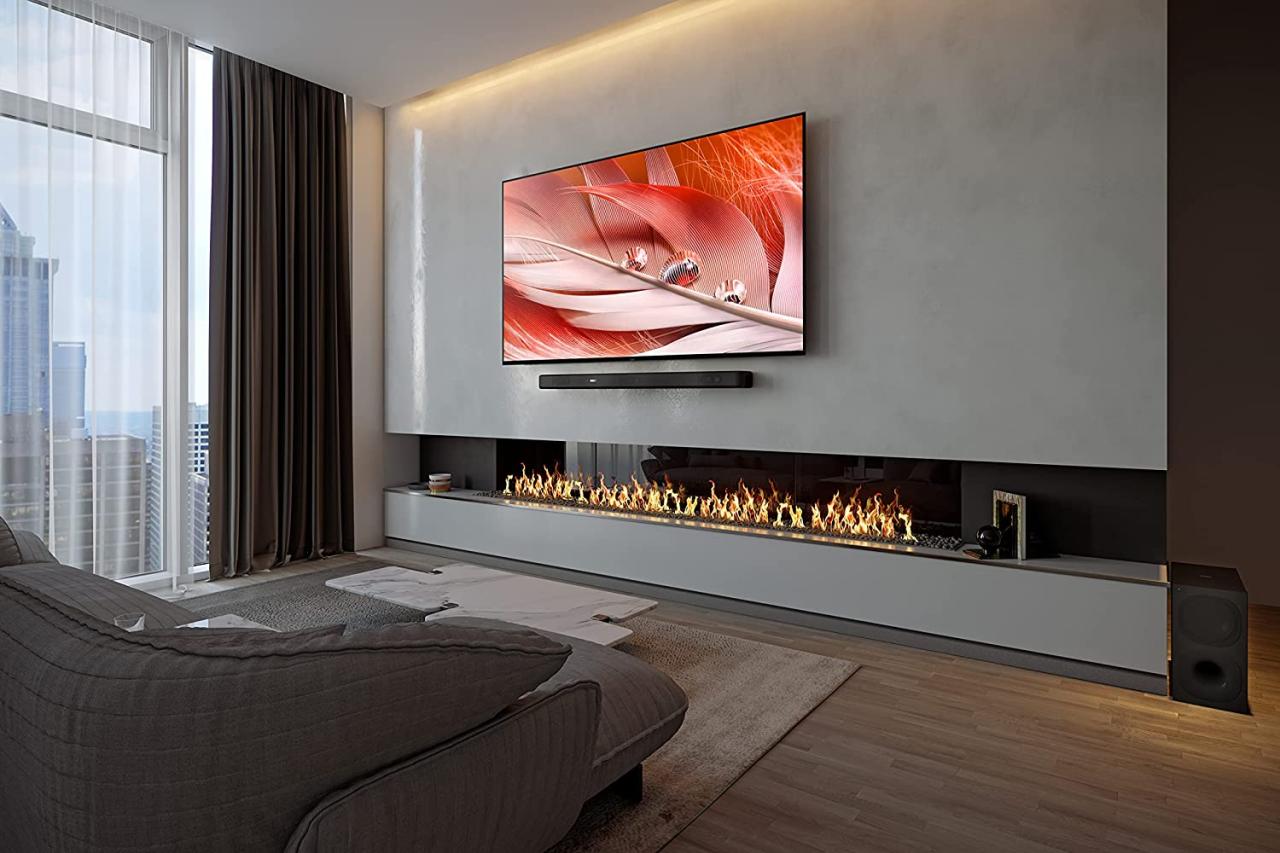
Soundbars have become a popular choice for home entertainment, particularly for movie nights. These sleek audio devices offer a significant upgrade from traditional TV speakers, transforming the way we experience films at home. By providing immersive soundscapes and enhancing audio clarity, soundbars create an engaging atmosphere that draws viewers deeper into the story being told on screen.
The sound quality difference between built-in TV speakers and soundbars is substantial. While most TVs come equipped with basic speakers that often lack depth and clarity, soundbars are designed specifically to deliver high-quality audio. The improved bass response and spatial audio capabilities of soundbars allow for a more dynamic listening experience. This enhancement is especially noticeable in action sequences, where the clarity of explosions and the subtlety of quieter moments can significantly impact the overall enjoyment of the film.
Genres That Benefit from Soundbar Use
Certain movie genres amplify the advantages of soundbar technology, making the viewing experience much more enjoyable. The following genres particularly benefit from immersive sound:
- Action: High-energy films filled with explosions and intense sound effects utilize the enhanced bass and clarity of soundbars to create an adrenaline-pumping experience. Viewers can feel the impact of every explosion, making the action sequences more thrilling.
- Horror: The ambiance in horror films relies heavily on sound to build tension. Soundbars provide the crispness needed for subtle whispers, creaking doors, and sudden loud noises, heightening the emotional impact of the film.
- Documentaries: Many documentaries use sound to convey emotion and urgency. A soundbar can help deliver the powerful narratives and subtle background sounds that add depth to the storytelling, enriching the viewer’s understanding and engagement.
- Fantasy and Sci-Fi: These genres often feature intricate sound design that creates immersive worlds. Soundbars can enhance the experience by providing detailed audio cues, allowing viewers to fully appreciate the unique soundscapes of otherworldly environments.
“With soundbars, every movie night becomes an adventure, transforming your living room into a cinematic experience.”
When it comes to enhancing the mood and overall enjoyment of movie nights, investing in a quality soundbar can make a world of difference. From the heart-pounding action to the spine-tingling moments of suspense, soundbars help elevate the home theater experience to new heights.
Different types of soundbars and their suitability for various living spaces
Soundbars have become a popular choice for enhancing audio experiences in home entertainment systems. They offer a space-saving solution to elevate sound quality without the need for bulky speaker systems. Understanding the various types of soundbars and their suitability for different living spaces is essential for making an informed choice that complements your home.
When exploring soundbars, it’s crucial to recognize the different types available, including those with subwoofers and complete soundbar systems. Each type serves specific needs based on your living room’s dimensions and layout, as well as your personal sound preferences.
Types of soundbars
The following Artikels the main types of soundbars and their respective advantages:
- Soundbar with built-in subwoofer: This type features an integrated subwoofer that provides deep bass without requiring additional space for a separate unit. Ideal for smaller living rooms, it delivers a balanced sound experience while maintaining a sleek profile.
- Soundbar with external subwoofer: An external subwoofer can enhance bass performance significantly. This setup is suitable for larger spaces where powerful sound may be necessary, allowing for greater flexibility in placement and acoustic tuning.
- Multi-channel soundbars: These soundbars are designed to simulate surround sound by utilizing multiple speakers within the bar itself. They are perfect for larger living rooms or home theaters, providing an immersive audio experience that enhances movie watching and gaming.
- Soundbar systems: Complete soundbar systems include additional speakers and subwoofers that work together to create a full surround sound experience. They are suited for dedicated home theater rooms where space and acoustics allow for optimal performance.
Suitability based on room size and layout
Choosing the right soundbar is heavily influenced by the dimensions and acoustic properties of your living room. The following points Artikel how different types of soundbars can be matched to various room conditions:
- For small to medium-sized rooms (up to 200 square feet), soundbars with built-in subwoofers or compact models work best, providing adequate sound without overwhelming the space.
- In medium to large rooms (200 to 400 square feet), soundbars with external subwoofers are recommended to ensure deeper bass and a fuller sound experience.
- For large rooms (over 400 square feet), multi-channel soundbars or complete soundbar systems are ideal. They can fill the space with sound and create an immersive audio environment, especially for multimedia consumption.
“The right soundbar type can transform your viewing experience, tailoring sound to your specific room characteristics.”
Selecting a soundbar should consider not only the room size but also the acoustic properties, such as how sound travels and interacts with surfaces. Rooms with hard surfaces may require soundbars that emphasize bass, while those with carpeting or soft furnishings might benefit from a more balanced setup to avoid muddied sound. Understanding these dynamics will enhance the overall audio experience in your living space.
Installation and setup tips for optimizing soundbar performance
Setting up a soundbar in your living room can significantly enhance your audio experience, turning movie nights and music sessions into immersive events. Proper installation and optimization of your soundbar can lead to a noticeable difference in sound quality, ensuring every dialogue and note is crystal clear. Below are detailed steps and considerations to help you maximize your soundbar’s performance.
Steps for Setting Up a Soundbar
To achieve the best sound experience, it’s essential to follow a structured approach to installing your soundbar. Here are the steps to ensure a seamless setup:
1. Choose the Right Location: Place the soundbar directly in front of your TV for optimal sound projection. Avoid placing it inside a cabinet or too close to walls, as this can restrict sound dispersion.
2. Connect the Soundbar: Use HDMI ARC or optical cables for the best audio quality. Ensure all connections are secure and that the soundbar is powered on.
3. Adjust Settings on Your TV: Access your TV’s audio settings. Set the audio output to the soundbar and disable the TV’s internal speakers to prevent audio delay and echo.
4. Configure Soundbar Settings: Utilize the soundbar’s remote to adjust settings like bass, treble, and surround sound options to suit your listening preferences.
5. Test and Calibrate: Play various audio types, from dialogue-heavy scenes to intensive music tracks, to assess sound performance. Adjust settings as needed for balance and clarity.
Common Mistakes to Avoid During Installation
Avoiding common pitfalls during installation can prevent sound quality issues that can hinder your listening experience. Here are key mistakes to steer clear of:
– Ignoring Wall Reflections: Placing the soundbar too close to walls or corners can cause sound distortion. Aim for a few inches of space.
– Using Incompatible Connections: Utilizing outdated cables or incompatible connections can result in poor sound quality. Always refer to the soundbar’s manual for recommended connections.
– Altering Audio Settings Improperly: Over-adjusting TV audio settings, such as enabling unnecessary sound enhancement features, may lead to muddled audio. Stick to basic sound adjustments.
– Neglecting Wireless Connection Stability: For wireless soundbars, ensure a strong Wi-Fi signal. Weak signals can lead to audio dropouts or lag.
Optimizing Soundbar Placement for Best Listening Experience
The placement of your soundbar is crucial for delivering the best audio experience. Here are strategies to ensure optimal positioning:
– Centering the Soundbar: Place your soundbar centered beneath your TV for balanced sound. This alignment helps in creating a more cohesive audio experience across all frequencies.
– Height Considerations: The ideal height is ear level when seated. If wall-mounted, position it so that the soundbar’s drivers are aligned with your ears during typical viewing.
– Adjusting Angle: If wall-mounted, angle the soundbar slightly down towards the listening area. This adjustment can enhance clarity and direct sound toward the audience.
– Placement from Other Equipment: Ensure there’s space between the soundbar and other electronics. Devices like gaming consoles or streaming boxes can interfere with wireless signals.
“Proper installation and setup are key to unlocking the full potential of your soundbar.”
Exploring the connectivity options available for modern soundbars
Modern soundbars have evolved significantly in terms of connectivity, making them versatile companions for home theaters and music systems. They offer various connection methods that cater to different preferences and setups, allowing users to enhance their audio experience effortlessly. Understanding these options helps users choose a soundbar that best fits their needs while integrating seamlessly with their existing devices.
The connectivity options available for soundbars primarily include wired and wireless connections. Each has its unique advantages, influencing how soundbars fit into a home entertainment system. Wired connections, such as HDMI, optical, and analog cables, provide stable and high-quality audio output. In contrast, wireless connections, such as Bluetooth and Wi-Fi, offer the convenience of eliminating cable clutter, facilitating easy streaming from mobile devices and smart home systems.
Types of connectivity options for soundbars
A variety of connectivity options enhance the functionality and user experience of modern soundbars. Here are the most common types:
- HDMI ARC (Audio Return Channel): This allows a single HDMI cable to transmit audio both ways, simplifying connections between your TV and soundbar and enabling the TV to control the soundbar’s volume.
- Optical Audio: This digital connection transmits high-quality audio from the TV to the soundbar while being less susceptible to interference, making it ideal for clear sound reproduction.
- Bluetooth: This wireless option allows for easy pairing with smartphones, tablets, and laptops, enabling users to stream music directly to their soundbars without needing physical connections.
- Wi-Fi: Utilizing home networks, Wi-Fi connectivity allows for multi-room audio setups and streaming services like Spotify or Apple Music, providing enhanced audio versatility.
- Auxiliary (3.5mm) Input: This traditional analog connection is useful for connecting older devices, making soundbars compatible with a wider range of audio sources.
Utilizing the right connectivity option is crucial for achieving the best audio experience. Each method has its distinct advantages, and users should consider their specific setup preferences and requirements when selecting a soundbar.
Importance of wireless versus wired connections
The choice between wired and wireless connections significantly impacts the overall user experience with soundbars. Wired connections generally offer superior audio quality and reliability compared to their wireless counterparts, making them preferable for home theater setups where sound clarity is paramount. However, wireless connections provide a unique advantage in terms of convenience and flexibility. Users can place soundbars in optimal locations without being restricted by cable lengths, creating a cleaner and more organized living space.
Wireless connections are also essential for integrating multiple devices within a smart home ecosystem. For instance, connection to smart speakers and voice-activated devices allows users to control playback through voice commands, enhancing user interaction and accessibility. The ability to stream from various devices also means that users can enjoy their preferred content without the hassle of switching cables or adjusting settings frequently.
Devices that can be connected to soundbars
Modern soundbars can connect to a range of devices, amplifying their functionality and enhancing the user experience. Here are some examples of devices that can be paired with soundbars:
- Televisions: Most soundbars are designed to connect directly to TVs, providing better sound quality for movies and shows.
- Streaming Devices: Devices like Roku, Amazon Fire Stick, and Apple TV can stream content directly to the soundbar, facilitating an all-in-one entertainment solution.
- Gaming Consoles: Consoles such as PlayStation and Xbox can be easily connected to soundbars, allowing gamers to experience immersive sound during gameplay.
- Smartphones and Tablets: Using Bluetooth or Wi-Fi, users can stream music or podcasts from their mobile devices directly to the soundbar.
- Smart Home Assistants: Integration with devices like Amazon Echo or Google Home enables users to control soundbars with voice commands, adding an element of convenience and modernity.
Connecting these devices not only enhances the audio-visual experience but also simplifies the process of accessing different media, making entertainment more enjoyable and interactive for users.
The role of soundbars in smart home ecosystems

Soundbars have emerged as significant components in the modern smart home ecosystem, seamlessly integrating with various smart devices and systems. Their versatility not only enhances audio quality but also contributes to a cohesive, interconnected home environment. With the rise of smart technology, soundbars have evolved to offer features that align with the needs of users seeking efficiency and convenience in their living spaces.
Integration with smart home devices is one of the key aspects that highlight the role of soundbars in a smart ecosystem. Many contemporary soundbars are designed to work with popular platforms such as Amazon Alexa, Google Assistant, and Apple HomeKit. This compatibility allows users to control their sound systems alongside other smart devices, creating a unified control center for their home. For example, a user can adjust the soundbar’s volume, switch inputs, or even play music simply by issuing voice commands through their smart assistants.
Voice control capabilities in modern soundbars
Voice control has transformed the way users interact with their soundbars, making it an essential feature in modern models. The convenience of voice commands means that users can manage their audio experience without needing to physically interact with the device. This capability is particularly beneficial in a multi-tasking environment, allowing users to enjoy their entertainment hands-free.
The advantages of voice control extend beyond mere convenience. Here are some notable benefits:
-
Hands-free operation
allows users to multitask without having to pause their activities to adjust settings.
- Voice commands can enhance accessibility for individuals with mobility challenges, providing an inclusive experience.
- Integration with other smart devices means users can create complex commands, such as “Play my favorite playlist and dim the lights,” streamlining their smart home experience.
- Continuous updates to voice recognition technology ensure that soundbars become more responsive and accurate over time, enhancing the overall user experience.
Smart features that enhance soundbar functionality
In addition to voice control, modern soundbars come equipped with several smart features that significantly enhance their functionality in a living room setting. These features include:
-
Multi-room audio capabilities
allow users to connect multiple soundbars or speakers throughout their home, providing a seamless audio experience across different spaces.
- Automatic sound optimization adjusts audio settings based on the room’s acoustics or the content being played, ensuring the best sound quality is delivered at all times.
- Streaming services are often built directly into the soundbar, enabling users to access their favorite music and podcasts without needing additional devices.
- App control gives users the ability to manage their soundbar settings from their smartphones, providing a user-friendly interface for customization and control.
These integrations and features demonstrate how soundbars play a pivotal role in enriching the smart home experience, making them indispensable in contemporary living spaces.
Budget considerations when choosing a soundbar for your living room
Determining a budget for purchasing a soundbar is crucial for ensuring you get a product that meets your needs without compromising on quality. It’s important to understand that while there are many affordable options available, investing a bit more can lead to better sound quality and additional features that enhance your overall experience. A well-planned budget allows you to explore various options while making informed decisions based on your preferences.
When setting a budget, consider your specific requirements for sound quality, compatibility with your existing devices, and any extra features you might want, such as smart capabilities or surround sound.
Soundbar options across different price ranges
The soundbar market offers a diverse range of products catering to varying budgets. Below are some examples that highlight different price points along with their notable features:
- Budget-friendly options ($100 – $200):
These soundbars often provide decent sound quality for casual listening and are suitable for smaller living rooms.
– Example: TCL Alto 6+ – Offers built-in Bluetooth, a wireless subwoofer, and decent audio performance for everyday use. - Mid-range options ($200 – $500):
This range typically includes soundbars with enhanced audio features, better build quality, and additional functionalities.
– Example: Sonos Beam – A compact soundbar with excellent voice clarity, smart assistant integration, and multi-room audio capabilities. - Premium options ($500 and above):
High-end soundbars provide superior sound quality, advanced features, and often come with separate subwoofers for a more immersive experience.
– Example: Bose Soundbar 700 – Features advanced voice pickup technology, built-in voice assistants, and superb audio performance suitable for home theater systems.
For those seeking value for money, consider looking for soundbars that offer discounts during seasonal sales or promotions. Additionally, researching customer reviews and expert opinions can provide insights into the performance and reliability of specific models.
“Investing wisely in a soundbar can elevate your entertainment experience significantly, making it a worthwhile addition to your living room.”
End of Discussion
In conclusion, a living room soundbar is more than just a device; it’s a gateway to a richer audio experience that can elevate any entertainment occasion. Whether you’re watching your favorite film, hosting a game night, or simply enjoying your favorite music, the right soundbar can make all the difference. By understanding the various types, features, and installation techniques, you can easily find a soundbar that complements your living space and enhances your auditory experience, ensuring every viewing is memorable.
FAQ Resource
What is a soundbar used for?
A soundbar is used to improve audio quality for televisions, providing clearer dialogue and richer sound for movies, music, and games.
Can soundbars replace a surround sound system?
While soundbars can provide an impressive audio experience, they may not fully replace a traditional surround sound system, especially in larger spaces.
Do soundbars require a subwoofer?
Not necessarily; while many soundbars come with built-in subwoofers, external subwoofers are optional and can enhance bass performance.
How do I connect my soundbar to my TV?
You can connect your soundbar to your TV using HDMI ARC, optical cables, or Bluetooth, depending on your soundbar and TV’s compatibility.
Are soundbars good for music streaming?
Yes, soundbars can provide excellent audio quality for music streaming, especially those with built-in Wi-Fi or Bluetooth capabilities for easy connection to devices.
What should I consider when placing my soundbar?
Consider placing the soundbar at ear level, ensuring it’s not obstructed by furniture, and that it’s centered with the TV for optimal sound distribution.