
 Zoe Nora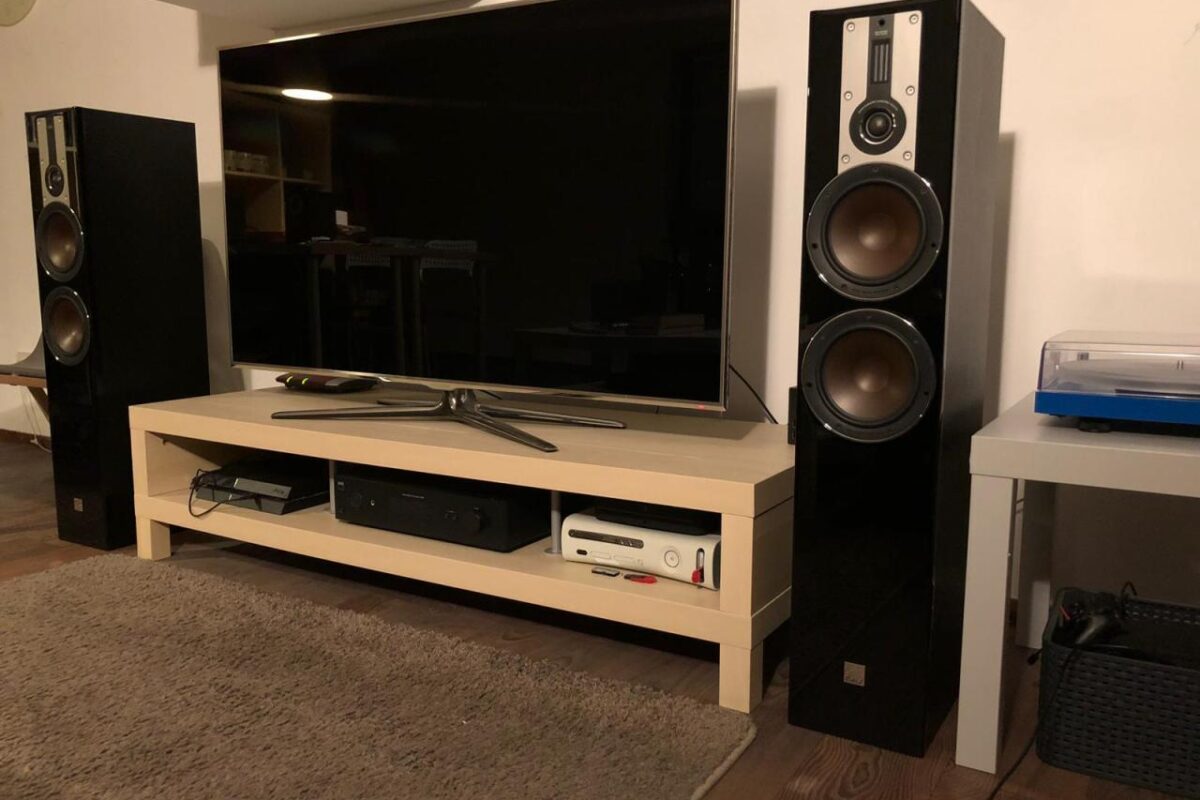
Best audiophile setup is not just about having high-end equipment; it’s a meticulous blend of various components working harmoniously to create an unparalleled listening experience. For audiophiles, the journey towards perfect sound is as thrilling as the music itself, making every detail in the setup crucial. From choosing the right speakers to optimizing room acoustics, each element contributes to the richness and clarity of sound that defines true audiophile enjoyment.
This guide will delve into the essential components of a superior audiophile setup, exploring everything from speaker types and high-quality audio sources to amplification and the impact of room acoustics. We’ll also provide insights into personalization and emerging trends, giving you a comprehensive understanding of what it takes to achieve that dream audio experience.
The essential components of a best audiophile setup should be discussed in detail.
Creating an audiophile setup that delivers exceptional sound quality is an art and science, involving careful selection of components that work harmoniously together. Each element plays a crucial role in the overall listening experience, emphasizing clarity, detail, and accuracy in sound reproduction. Understanding these components helps audiophiles tailor their systems to meet specific audio preferences and requirements.
The essential components of an audiophile setup include a source, amplifier, speakers, and accessories like cables and power conditioning. Each of these elements not only serves a distinct purpose but also interacts with one another to produce the rich, immersive sound that audiophiles seek.
Source Components
The source component is the starting point of any audiophile setup, responsible for delivering audio signals to the amplifier. It can range from a digital audio player to a high-end turntable. The quality of the source significantly impacts the clarity and fidelity of the sound.
– Digital Sources: High-resolution digital audio players or streaming devices support formats like FLAC or DSD, ensuring the best audio quality. Brands like Astell&Kern and Chord Electronics are known for their premium digital players.
– Analog Sources: High-quality turntables, such as those from Rega or Technics, offer rich, warm sound often preferred by vinyl enthusiasts.
Each source type has its distinct characteristics, and the choice often depends on personal preference and the music being played.
Amplifiers
An amplifier boosts the audio signal from the source before sending it to the speakers. The interaction between the amplifier and speakers is crucial, as the wrong pairing can lead to poor sound quality or even damage to the equipment.
– Solid-State Amplifiers: These provide clean and powerful amplification, with brands like McIntosh and Benchmark setting the standard for performance.
– Tube Amplifiers: Valued for their warm and rich sound, tube amplifiers from brands like Audio Research and Cary Audio are often favored by audiophiles seeking a vintage audio experience.
The amplifier’s power rating should match the speaker’s requirements to achieve optimal performance without distortion.
Speakers
Speakers are perhaps the most critical component, as they convert electrical signals into sound. Their design and placement can greatly influence the listening environment.
– Floorstanding Speakers: Offering full-range sound and robust bass, models from Bowers & Wilkins and Focal are excellent choices for spacious setups.
– Bookshelf Speakers: Suitable for smaller spaces, bookshelf speakers from KEF and Dynaudio can deliver impressive sound quality without taking up too much room.
Quality speaker stands are also essential for proper placement and sound projection.
Accessories
Accessories such as cables, power conditioners, and acoustic treatments play a crucial role in optimizing the setup.
– Cables: High-quality interconnects and speaker cables from brands like AudioQuest and Nordost reduce signal loss and ensure clarity in sound.
– Power Conditioners: Devices like those from Furman can filter out electrical noise, providing cleaner power to the system, which is vital for achieving the best sound performance.
– Acoustic Treatment: Adding diffusers and absorbers in the listening area can greatly enhance sound quality by managing reflections and reverb.
Understanding how these components work together allows audiophiles to create a personalized and high-fidelity listening experience tailored to their preferences.
An exploration of speaker types and their roles in an audiophile experience needs to be conducted.
The speaker system is a critical component of any audiophile setup, profoundly affecting sound quality and the overall listening experience. Understanding the different types of speakers available and their unique sound characteristics helps enthusiasts make informed choices tailored to their preferences and listening environments.
Speakers can be categorized based on their design and functionality, each type offering distinct advantages and disadvantages. The following Artikels the most common types of speakers utilized in audiophile setups, providing insights into their individual characteristics and roles.
Types of Speakers and Their Characteristics
When selecting speakers, it’s essential to consider their characteristics, as this directly impacts sound reproduction. Below are the primary speaker types, along with their unique attributes and potential drawbacks.
- Dynamic Speakers: These are the most common type, featuring a diaphragm that moves air to produce sound. Dynamic speakers provide a warm and rich audio experience with a full range of frequencies. However, they can struggle with precision at higher volumes.
- Planar Magnetic Speakers: These speakers utilize a thin diaphragm suspended in a magnetic field, offering exceptional clarity and detail. They excel at mid and high frequencies but may lack the robust bass response compared to dynamic speakers.
- Electrostatic Speakers: Known for their incredible soundstage and transparency, electrostatic speakers use a thin, electrically charged diaphragm. They deliver remarkable detail and imaging but require dedicated amplification and careful placement to optimize performance.
- Bookshelf Speakers: Compact and versatile, bookshelf speakers can fit into smaller spaces while maintaining good sound quality. They usually provide a balanced sound but may require a subwoofer to enhance low-frequency response.
- Floor-standing Speakers: These larger speakers are designed for full-range sound, capable of producing deep bass and clear highs without needing additional support. While they offer impressive sound, their size may be a limitation in smaller rooms.
Speaker placement is an equally important factor in achieving optimal sound quality. The positioning of speakers within a room can significantly influence the acoustic performance and listening experience.
Influence of Speaker Placement on Sound Quality
Proper speaker placement is crucial in creating an immersive listening environment. The following aspects should be considered when positioning speakers to enhance sound quality:
- Distance from Walls: Ideally, speakers should be placed away from walls to minimize reflections that can muddy sound clarity. A distance of at least 12 inches is often recommended.
- Equilateral Triangle Setup: For stereo systems, positioning speakers in an equilateral triangle with the listener can enhance imaging and provide a balanced sound field.
- Room Acoustics: The acoustics of a room can significantly affect sound quality. Hard surfaces may create echoes, while soft furnishings can help absorb unwanted reflections. Experimenting with placement can lead to improved audio performance.
- Height and Angle: The height at which the speakers are placed should ideally be at ear level when seated. Additionally, angling speakers slightly towards the listening position can enhance clarity and detail.
Understanding the types of speakers and the impact of placement plays a vital role in crafting an audiophile experience. Each speaker type offers unique sound characteristics, and thoughtful placement can elevate the listening experience to an entirely new level.
The significance of high-quality audio sources in achieving the best audiophile setup should be highlighted.
High-quality audio sources are the backbone of any audiophile’s setup, significantly influencing the overall listening experience. An excellent audio source can bring out the nuances and details in music, while a poor-quality source may mask these subtleties, resulting in a lackluster performance. This section delves into the different audio formats, the distinction between digital and analog sources, and highlights some recommended audio source devices that can elevate your audio experience.
Differences Between Audio Formats and Their Impact on Sound Fidelity
The audio format used to store music can greatly affect fidelity. Key formats include:
- MP3: A compressed format that sacrifices sound quality for smaller file sizes. While convenient, it often lacks depth and detail.
- WAV: An uncompressed format that retains all the audio data, providing a richer sound. However, it requires more storage space.
- FLAC (Free Lossless Audio Codec): A popular lossless format that compresses audio without losing quality. It strikes a balance between storage efficiency and sound fidelity.
- DSD (Direct Stream Digital): A high-resolution format known for its smooth sound and wide dynamic range, ideal for audiophiles seeking the best fidelity.
“The format of your audio files is as crucial as the equipment used to play them.”
Understanding these formats allows audiophiles to make informed decisions about their music libraries, ensuring their setups can deliver the best possible sound.
Importance of Digital Versus Analog Sources
The debate between digital and analog sources is ongoing in the audiophile community. Each offers distinct characteristics that can impact the overall sound quality:
- Digital Sources: These include CD players, streaming devices, and digital downloads. They offer precision and convenience, with the ability to hold vast music libraries and provide high-resolution audio options. Digital sources can also incorporate advanced features like upsampling and digital signal processing, enhancing audio quality.
- Analog Sources: Vinyl records and tape players represent the analog side of audio. Many audiophiles appreciate the warmth and organic sound that analog formats provide. The tactile experience of handling records and the larger album artwork also contribute to their appeal.
A well-rounded audiophile setup may benefit from a combination of both digital and analog sources to capture the strengths of each, catering to diverse listening preferences.
Recommended Audio Source Devices and Their Features
Choosing the right audio source device can be pivotal in achieving exceptional sound quality. Here are some noteworthy options:
- BluRay Audio Players: These players offer high-definition audio playback, supporting formats like Dolby TrueHD and DTS-HD Master Audio, which can elevate your home theater experience.
- High-Resolution Music Streamers: Devices such as the Auralic Aries or the Cambridge Audio CXN allow access to streaming services that offer high-quality audio files, providing flexibility and convenience without sacrificing sound fidelity.
- Premium Turntables: Models like the Rega Planar or Pro-Ject Debut are excellent for those seeking the rich sound of vinyl. Many come equipped with quality cartridges and adjustable settings to fine-tune playback.
- DACs (Digital-to-Analog Converters): A good DAC can significantly enhance the audio quality from digital sources by converting digital signals into analog outputs with precision. Look for options like the Schiit Modi or the AudioQuest DragonFly for excellent performance.
Investing in high-quality audio source devices is essential for audiophiles who want to fully appreciate their music collections and achieve the best sound possible.
A comprehensive look at the role of amplification in an audiophile system needs to be included.
In an audiophile setup, amplification plays a crucial role in delivering high-quality sound. The amplifier is responsible for boosting the audio signal from your source component, such as a CD player or digital streaming device, so it can be adequately processed by your speakers. A well-chosen amplifier not only influences the overall sound quality but also ensures that the nuances of your favorite tracks are captured, offering a rich and immersive listening experience.
There are various types of amplifiers, each serving distinct functions within an audio setup. The primary categories include integrated amplifiers, which combine a preamplifier and power amplifier into one unit, and separate amplifiers, where the preamplifier and power amplifier are housed in separate units. Each type has its unique advantages, such as convenience and often superior performance in the case of separate units. Additionally, amplifiers can vary significantly in terms of design and technology, leading to differences in sound performance.
Comparison of Solid-State and Tube Amplifiers
When discussing amplifiers, the two main types that come to mind are solid-state and tube amplifiers, each known for their distinct sound profiles. Solid-state amplifiers, which utilize transistors for amplification, are often praised for their reliability, efficiency, and ability to deliver powerful output with low distortion. They tend to produce a more precise and accurate sound, making them suitable for genres that require clarity, such as classical and electronic music.
On the other hand, tube amplifiers, which use vacuum tubes for amplification, are cherished for their warm, rich sound and harmonic distortion that many audiophiles find pleasing. They are particularly favored in genres like jazz and rock, where a more rounded sound can enhance the listening experience. While tube amplifiers may require more maintenance and can be less efficient, their unique tonal qualities often justify the investment for serious music enthusiasts.
In selecting the right amplifier for your system, it’s important to consider both speaker specifications and personal preferences. A few key tips can help guide your decision:
- Match Power Output: Ensure that the amplifier’s power output aligns with the speaker’s power handling capacity to avoid damage and achieve optimal performance.
- Consider Impedance Compatibility: Speakers typically have an impedance of 4, 6, or 8 ohms, and it’s essential to choose an amplifier that can handle the speaker’s impedance effectively.
- Evaluate Listening Environment: Take into account the size of your listening space, as larger rooms may require more powerful amplifiers to fill the space adequately.
- Listen Before Buying: If possible, audition various amplifiers with your speakers to determine which sound profile resonates with your personal taste.
In essence, the choice between solid-state and tube amplifiers ultimately comes down to individual audio preferences and the type of music one enjoys. Each amplifier type brings its own character to the sound, making informed selection key to achieving the best audiophile experience.
The impact of room acoustics on the listening experience should be analyzed.
The acoustics of a room play a pivotal role in shaping the overall listening experience. Factors such as room shape, size, and materials directly influence how sound waves interact within the space. An understanding of these elements is essential for audiophiles aiming to create the best possible setup for their audio equipment.
Room shape and size can dramatically affect sound quality. For instance, rectangular rooms may produce standing waves that can amplify certain frequencies while diminishing others, leading to an uneven listening experience. Larger spaces tend to allow sound to dissipate, which may result in a lack of clarity, particularly in the bass frequencies. Conversely, smaller rooms can create a more intimate feel but may also lead to overwhelming bass if not treated properly.
Room Shape, Size, and Materials
Analyzing various shapes and materials reveals how sound behaves in different environments. The geometry of a room influences how sound waves reflect off surfaces, while the choice of materials can absorb or amplify these waves.
- Rectangular Rooms: These often lead to problematic standing waves, creating peaks and nulls in frequency response. Sound waves can bounce between parallel walls, causing resonance at certain frequencies. To mitigate this effect, consider adding acoustic treatments to break up these reflections.
- Square Rooms: These rooms can intensify issues with low-frequency buildup. The equal distance between walls allows for standing waves across multiple frequencies. Ideal strategies include using bass traps in corners to manage low frequencies and prevent overwhelming bass response.
- Ceiling Height: A higher ceiling can enhance sound diffusion but can also create challenges with reverberation time. Decreasing the distance between the listening position and the ceiling, perhaps with acoustic panels, can help control reflections.
- Material Selection: Hard surfaces like tile or concrete reflect sound, while soft materials such as carpets and curtains absorb sound. A balanced combination of both types is ideal for reducing unwanted echoes while maintaining clarity.
Strategies for Optimizing Room Acoustics
Optimizing room acoustics is crucial for improving sound quality in any listening environment. Implementing effective strategies can significantly enhance the listening experience.
- Acoustic Panels: These are designed to absorb sound energy, reducing reflections and echoes. Placing them strategically on walls and ceilings, especially at reflection points, can create a more balanced sound field.
- Bass Traps: Utilizing bass traps in corners can effectively manage low-frequency sound waves, preventing them from overwhelming the listening experience. The placement and density of these traps will depend on the specific room characteristics.
- Diffusers: These help scatter sound waves rather than absorb them. Incorporating diffusers, particularly on the rear wall, can enhance spatial perception and create a more immersive audio environment.
- Furniture Arrangement: The layout of furniture can affect sound distribution. Avoid placing large furniture directly against walls, as this can cause sound reflections. Instead, allow some space for sound to travel unobstructed.
Soundproofing Methods
In addition to optimizing acoustics, soundproofing techniques can further enhance audio performance by minimizing external noise interference.
- Sealing Gaps: Ensuring that windows and doors are properly sealed can reduce sound leakage, creating a quieter environment for listening. Weatherstripping and door sweeps are effective solutions for this.
- Soundproof Curtains: Thick, heavy curtains can help dampen external noise, making them a practical addition for windows in noisy environments.
- Floating Floors: Implementing a floating floor system can reduce sound transmission through the floor, a common issue in multi-story buildings.
- Isolation Pads: Placing speakers on isolation pads can minimize vibrations transferring to floors and walls, which can compromise sound clarity.
The importance of cables and interconnects in an audiophile setup requires attention.
In an audiophile setup, the focus is often placed on the speakers, amplifiers, and source components. However, the quality and type of cables and interconnects used in the system play a critical role in shaping the overall audio performance. A strong foundation of quality cables can enhance sound clarity, dynamic range, and the overall listening experience, making it essential to delve into this often-overlooked aspect of audio systems.
Different types of cables are utilized in an audiophile setup, each serving unique functions that contribute to the overall sound quality. The most common cables include speaker cables, interconnects, power cables, and digital cables. Understanding the role of each type can help audiophiles make informed decisions when setting up their systems.
Types of Cables in an Audiophile Setup
Speaker cables connect the amplifier to the speakers, ensuring that the electrical signals are transmitted effectively. The gauge, insulation, and material of these cables can impact the sound quality significantly. For example, thicker cables (lower gauge numbers) reduce resistance and can deliver more power to the speakers.
Interconnects, also known as RCA or XLR cables, are used to connect different components of the audio system, such as a CD player to an amplifier. The quality of interconnects can affect the audio signal’s clarity and noise levels, which is vital for achieving a clean sound.
Power cables connect audio components to power sources. While often overlooked, the quality of power cables can influence the performance of the entire system by reducing noise and improving energy delivery.
Digital cables, including optical and coaxial cables, are crucial for transmitting digital audio signals without degradation. The choice of digital cables can affect the fidelity of the audio, especially in high-resolution audio systems.
Cable Quality and Audio Performance
The quality of cables can significantly influence audio performance, including sound clarity and detail. High-quality cables can minimize signal loss and interference, enhancing the listening experience. The construction materials, such as oxygen-free copper (OFC) or silver, and the shielding techniques used in cables are essential factors in their performance.
Cable quality impacts signal integrity and sound fidelity.
Audiophiles often report noticeable differences in sound when upgrading their cables, particularly in terms of clarity, depth, and instrument separation. The difference may be subtle but can be easily recognized once the system is properly calibrated and the listener is attuned to the nuances of their audio setup.
Recommendations for High-Quality Cables
Choosing the right cables can be daunting given the variety of options available. Here are some recommendations that have earned a reputation in the audiophile community for their quality and performance:
Known for its innovative design, this cable minimizes distortion and enhances frequency response. Highly regarded for their speed and low capacitance, providing excellent transparency and detail. Offers high-quality materials and construction for improved power delivery and noise reduction. Celebrated for its precision and clarity in digital audio transmission, particularly in high-resolution formats.
Investing in high-quality cables can be as crucial as selecting premium audio components. The right cables ensure that your system performs at its best, providing a rich and immersive listening experience that true audiophiles crave.
Creating a personalized audiophile listening space should be a focal point.
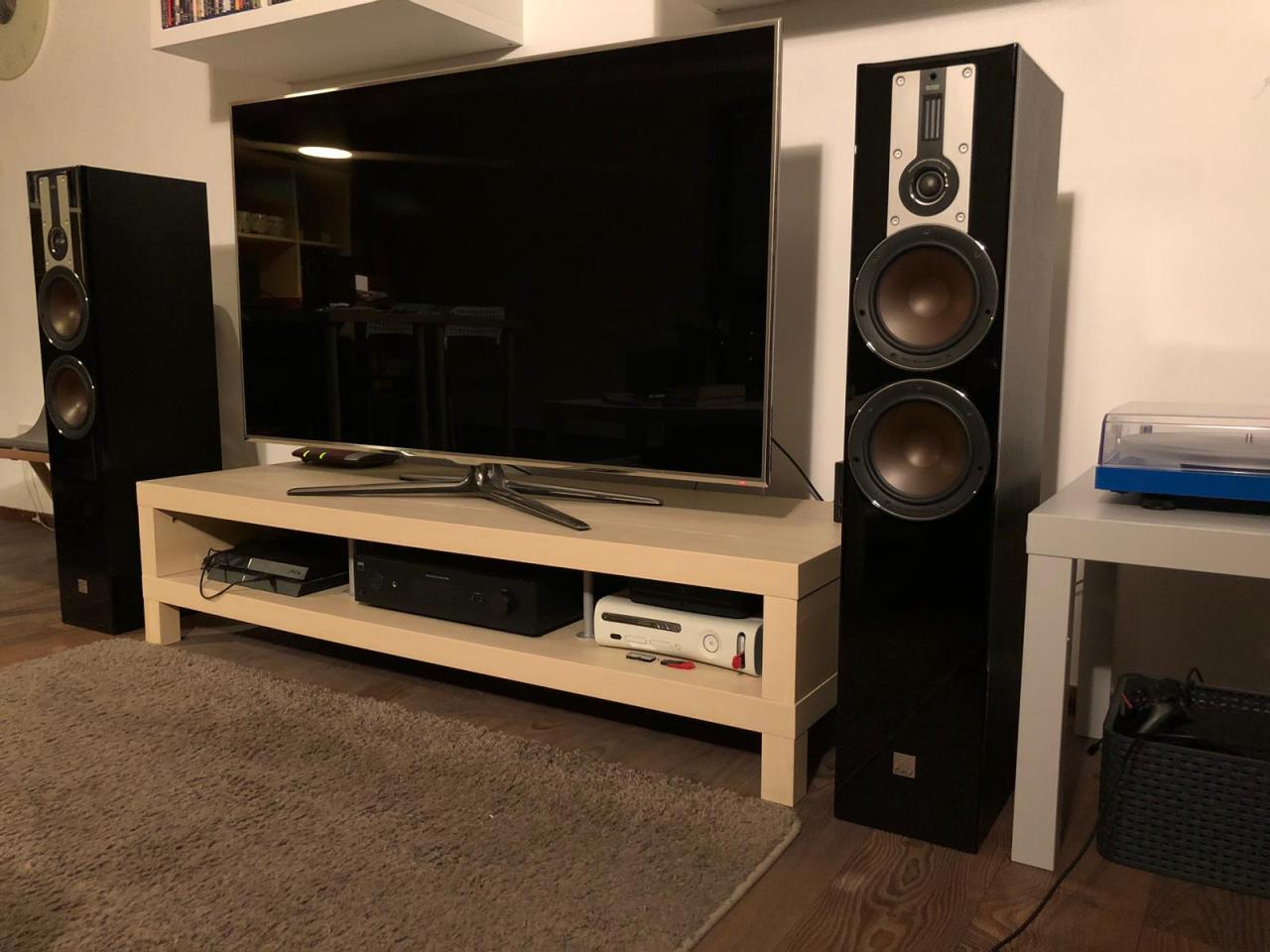
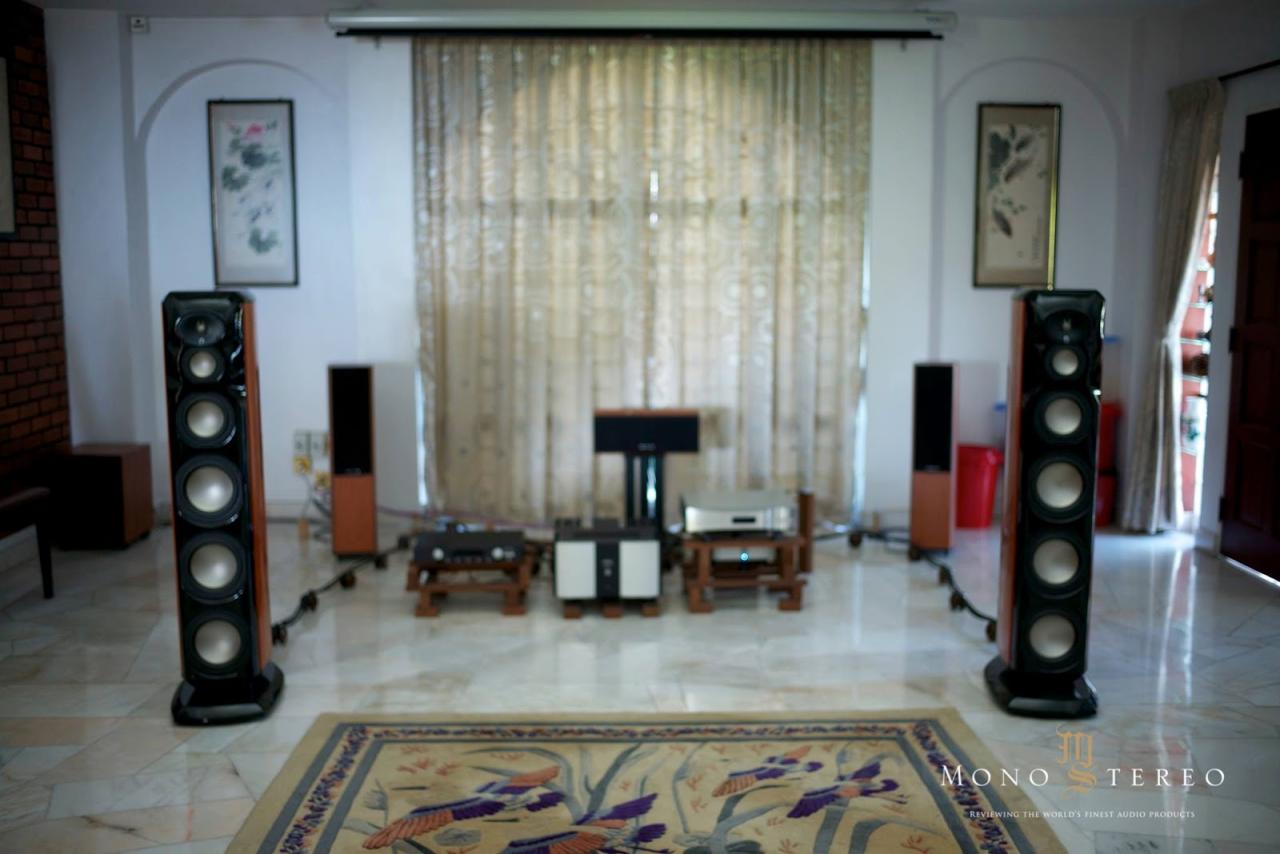
Designing a dedicated audiophile listening space is more than just a technical endeavor; it’s about creating an environment that resonates with your musical preferences and enhances the overall listening experience. This personalized space should embody your passion for sound while taking into account various factors that can considerably affect audio quality and comfort.
When crafting an audiophile listening room, several key factors come into play. Room dimensions, acoustics, and soundproofing are fundamental considerations, as they directly influence how music is perceived. A well-designed space can significantly reduce unwanted reflections and bass issues, ensuring a cleaner sound that allows you to appreciate the nuances in your favorite tracks.
Factors to Consider in Room Design
To achieve the ideal listening environment, consider these essential elements:
- Room Shape and Size: Rectangular rooms tend to perform better than square ones due to natural sound wave behavior. Opt for dimensions that allow for proper speaker placement and listening positions.
- Acoustic Treatment: Utilize bass traps, diffusers, and absorption panels to manage sound reflections. These treatments can greatly enhance audio clarity and balance.
- Soundproofing: Incorporate soundproofing materials in walls, ceilings, and floors to prevent outside noise interference and internal sound leakage. This can be achieved with heavy curtains, carpets, and specialized drywall.
In addition to technical aspects, the choice of furniture, lighting, and décor plays a vital role in enhancing the overall atmosphere of your listening space.
Furniture, Lighting, and Décor Choices
The furniture should be both functional and aesthetically pleasing, complementing the overall design while providing comfort during long listening sessions. Consider the following:
- Seating: Opt for high-quality, comfortable chairs or sofas that allow for extended listening without discomfort. Recliners with built-in sound features can elevate the experience.
- Speaker Placement: Ensure that speakers are positioned at ear level and equidistant from the listening position to create a balanced soundstage. Stands and furniture should facilitate this arrangement.
- Lighting: Soft, adjustable lighting can create a relaxing atmosphere. Dimmable lamps or smart lighting solutions allow you to set the mood according to your listening preference.
The décor should reflect your personal style while maintaining a focus on sound quality. Decor items like wall art, area rugs, and plants can enhance acoustics and aesthetics.
Successful Audiophile Setups in Various Environments
Real-world examples of effective audiophile listening spaces showcase the importance of tailored designs.
- Dedicated Room: Some audiophiles invest in fully dedicated rooms with extensive acoustic treatments, specialized furniture, and high-end equipment. These spaces are optimized for both visual appeal and sound quality.
- Living Room Integration: Other enthusiasts creatively integrate their audio setups into living spaces, selecting stylish furniture that blends with the décor while still prioritizing speaker placement and acoustic treatments.
- Compact Spaces: In smaller apartments, clever use of multifunctional furniture, wall-mounted speakers, and selective soundproofing allows for a satisfying audiophile experience without sacrificing style or space.
Each of these setups exemplifies how careful planning and consideration can transform any space into a personal audiophile sanctuary, allowing for an immersive and enjoyable listening experience.
An investigation into the role of digital signal processing in audio setups is necessary.
Digital Signal Processing (DSP) has revolutionized the way we experience sound in audiophile setups. By utilizing complex algorithms and advanced technology, DSP enhances audio quality and provides listeners with unprecedented customization options. This integration goes beyond traditional audio setups, bringing new dimensions to sound reproduction.
One of the primary benefits of digital signal processors is their ability to enhance sound quality through precise manipulation of audio signals. DSP technology can correct for various acoustic issues, such as room reflections and speaker placement, ensuring a cleaner and more accurate sound. This is achieved through several features and settings available in modern DSP devices that tailor the listening experience to individual preferences.
Features and Settings of DSP Devices
Modern DSP devices come equipped with a variety of features that cater to audiophiles looking for optimization in their audio setups. Understanding these functionalities can significantly enhance the listening experience:
- Equalization (EQ): DSP devices allow users to adjust frequency response curves, enabling the enhancement of specific audio ranges. This ensures that the sound is tailored to both the room acoustics and personal taste.
- Room Correction: Advanced algorithms measure the acoustic characteristics of a space and apply corrective measures to optimize sound delivery, reducing the impact of unwanted reflections and resonances.
- Dynamic Range Control: This feature allows for the adjustment of volume levels, ensuring that quiet sounds are audible without distorting loud ones, thus providing a balanced listening experience.
- Crossovers: DSP can manage and fine-tune crossover frequencies in multi-driver systems, ensuring that each speaker operates within its optimal range, enhancing overall sound coherence.
- Time Alignment: This setting adjusts the timing of audio signals to ensure that sounds from different speakers reach the listener’s ears simultaneously, improving sound staging and imaging.
Integrating DSP technology into a traditional audiophile setup yields several benefits that can elevate the audio experience. One significant advantage is the ability to customize sound profiles to suit different musical genres or personal preferences, allowing users to switch between settings with ease.
Additionally, DSPs can simplify complex setups by consolidating multiple functionalities into a single device, reducing the need for additional equipment. The capability to instantly recall preset configurations also enhances convenience, ensuring that users can enjoy their preferred sound signature without the hassle of manual adjustments.
As an example, consider a setup that employs a DSP to manage a high-fidelity system comprising multiple speakers and subwoofers. By using the DSP’s room correction feature, listeners can experience a more immersive soundstage that faithfully represents the original recording, irrespective of the room’s acoustics. Such enhancements are not only about fidelity but also the pleasure of listening, making DSP an essential tool for modern audiophiles.
A discussion on vinyl versus digital playback systems must be included.
The debate between vinyl and digital playback systems has sparked considerable interest among audiophiles and casual listeners alike. Each format possesses distinct sound characteristics and appeal, prompting a revival of vinyl records in recent years. Understanding the nuances of both systems is essential for anyone looking to create the ultimate listening experience.
Vinyl records are often celebrated for their warm, rich sound, which many enthusiasts attribute to the analog nature of the format. This warmth is characterized by a certain depth and fullness that can sometimes be lost in digital representations. On the other hand, digital formats offer clarity and precision, allowing for greater dynamic range and the absence of surface noise, which is often a hallmark of vinyl playback. However, some listeners argue that the digital experience can feel sterile in comparison to the organic sound of vinyl.
Sound Characteristics of Vinyl Records and Digital Formats
When comparing the sound characteristics of vinyl and digital formats, several key aspects emerge that highlight their differences:
- Dynamic Range: Digital formats can achieve a wider dynamic range, allowing for nuances in music to be captured effectively. This results in a cleaner sound that can handle louder volumes without distortion.
- Frequency Response: Vinyl can reproduce lower frequencies with a warmth that many find appealing. However, it may have limitations at the extreme high end, while digital formats can accurately reproduce a broader frequency spectrum.
- Surface Noise: Vinyl records are susceptible to surface noise, including pops and clicks, which can detract from the listening experience. In contrast, digital playback systems typically produce a cleaner sound devoid of these imperfections.
- Coloration: Many audiophiles appreciate the natural coloration of vinyl, which can enhance the musicality of recordings, while digital can sometimes lack this characteristic, leading to a more clinical sound.
The unique appeal of vinyl for audiophiles lies not only in its sound characteristics but also in the tangible experience of handling records. Collectors often find joy in the artwork, the ritual of playing a record, and the nostalgia associated with vinyl. The resurgence of vinyl in recent years can be attributed to a growing appreciation for these qualities, with millions of records sold annually, illustrating a renaissance of analog music.
Necessary Equipment for Vinyl and Digital Playback
The choice of equipment significantly impacts the sound quality of both vinyl and digital playback systems. Below are key components for each method:
- Vinyl Playback Equipment: A quality turntable, a phono preamp, and speakers or a receiver are essential for a good vinyl setup. The turntable’s build quality affects resonance, while the phono preamp plays a crucial role in amplifying the signal without adding distortion.
- Digital Playback Equipment: Digital systems require a digital-to-analog converter (DAC), a good source device (like a CD player or streaming device), and speakers or headphones. The quality of the DAC is vital for achieving accurate sound reproduction from digital formats.
Investing in high-quality equipment tailored to each format can vastly improve the listening experience, as the interplay between the source and playback devices is crucial for capturing the true essence of the music.
“The beauty of vinyl lies not only in its sound but also in the tactile experience it offers.”
The evolving trends in audiophile equipment and technology should be explored.
The world of audiophile equipment is undergoing rapid transformation, driven by technological advancements and changing consumer preferences. As audio enthusiasts seek superior sound quality and convenience, the landscape of what constitutes an ideal audiophile setup is evolving. This section highlights the key trends and innovations that are shaping the future of audiophile experiences.
Emerging technologies and innovations
The audiophile market is embracing several innovative technologies that are pushing the boundaries of sound reproduction. These technologies are not only enhancing audio fidelity but also providing users with unprecedented control over their listening experiences. Key innovations include:
- High-Resolution Audio Formats: Formats like DSD and MQA offer superior sound quality compared to traditional audio codecs, allowing listeners to experience music as it was intended.
- Wireless Technologies: Bluetooth and Wi-Fi advancements facilitate high-fidelity streaming without the clutter of cables, making it easier for audiophiles to enjoy music from various sources.
- Digital Signal Processing (DSP): DSP technology enables the customization of sound profiles to suit individual tastes, allowing users to tailor frequencies and acoustics to their preference.
- Smart Speakers: These devices are integrating voice control and smart home compatibility, transforming the listening experience by making music more accessible and interactive.
Impact of streaming services on traditional audiophile practices
The rise of streaming services has significantly altered how audiophiles consume music. While physical media like vinyl and CDs have long been cherished for their tactile and nostalgic qualities, streaming platforms are offering convenience and an extensive library of music. Factors contributing to this shift include:
- Accessibility: Streaming services provide audiophiles with instant access to millions of tracks, making it easier to explore new genres and artists without the need for extensive physical collections.
- Curated Playlists: Many services offer curated playlists created by music experts, enabling listeners to discover new and classic tracks that they might not encounter otherwise.
- Quality Options: High-fidelity streaming options, such as Tidal and Qobuz, cater specifically to audiophiles by offering lossless audio streaming, which maintains the integrity of the original recordings.
Changing audiophile preferences with evolving technology
As technology continues to advance, audiophile preferences are shifting towards more integrated and versatile setups. This evolution is evident in several key areas:
- Portable Listening: Audiophiles are increasingly favoring portable high-resolution players and headphones, enabling them to enjoy premium sound quality on the go.
- Customization and Modularity: Many enthusiasts are looking for modular systems that allow them to upgrade or customize components, ensuring their setups remain current with technological advancements.
- Eco-Friendly Practices: A growing number of audiophiles are prioritizing sustainability, choosing products made from environmentally friendly materials and supporting brands with eco-conscious practices.
Summary
In conclusion, assembling the best audiophile setup is an art that combines knowledge, personal preference, and an understanding of how each component interacts within the system. By paying attention to detail and focusing on quality, you can create an environment that not only enhances your listening experience but also brings your favorite music to life. Whether you prefer the warmth of vinyl or the precision of digital, the right setup awaits to elevate your audio journey.
FAQ Section
What is the ideal budget for a best audiophile setup?
The ideal budget can vary greatly, but a solid entry-level setup can start around $1,000, while high-end systems can exceed $10,000.
Can I use home theater speakers for an audiophile setup?
While home theater speakers can work, they typically prioritize volume over sound quality, so dedicated audiophile speakers are recommended for the best experience.
Is it necessary to have a subwoofer in an audiophile setup?
A subwoofer can enhance the low-frequency response, but its necessity depends on your music preferences and the type of speakers you choose.
How important is speaker placement in achieving the best sound?
Speaker placement is crucial; the position can significantly affect soundstage and imaging, so it’s worth experimenting to find the optimal setup.
What are some common mistakes to avoid in an audiophile setup?
Common mistakes include poor cable management, neglecting room acoustics, and not considering synergy between components.