
 Zoe Nora
Did you know the global market for professional audio gear reached a staggering $0.845 billion in 2023? This massive growth shows a big change in how musicians perform live.
Many artists are now using ear monitor systems instead of traditional floor wedges. These tools offer a level of precision that older technology can’t match.
Finding the right equipment is key for any serious performer. By choosing the best in-ear monitors, you get the clarity needed to hear every detail of your mix. This change protects your hearing and ensures a professional sound on any stage.
In this guide, we explore the main benefits of upgrading your audio setup. Let us help you find the perfect fit for your unique needs.
Key Takeaways
- The audio industry is seeing rapid growth as performers prioritize high-fidelity sound.
- Personal audio solutions provide better clarity than traditional floor wedges.
- Investing in quality gear is vital for long-term hearing protection.
- Modern technology allows for a customized listening experience on stage.
- Our guide simplifies the selection process for professional audio equipment.
What Are In-ear Monitors?
Ever wondered how performers keep perfect pitch on a loud stage? The secret often lies in in-ear monitors. These devices were made to solve the “volume war” caused by old floor wedge monitors. By putting sound right in your ear, musicians can hear a clear mix without loud stage volumes.
Definition of In-ear Monitors
IEMs are special earphones for high-fidelity sound. They’re not like regular earbuds. These ear monitor systems focus on accuracy and balanced sound. They let users hear every detail of a performance or recording.
Comparison to Regular Headphones
Professional in-ear monitors differ from regular headphones in how they fit in your ear. They seal your ear canal, offering great noise isolation. This is key for clear sound in loud places. Unlike regular headphones, IEMs aim for a flat, clear sound.
| Feature | Standard Headphones | In-ear Monitors |
|---|---|---|
| Isolation | Low to Moderate | High (Seal-based) |
| Sound Profile | V-shaped/Colored | Flat/Reference |
| Primary Use | Casual Listening | Professional Monitoring |
Common Uses in Music and Audio
Today, earphone monitors are key for touring musicians. They need to hear their mix clearly, no matter the venue. Studio engineers also rely on them for critical listening. Many audiophiles use ear monitor systems to enjoy detailed, high-resolution audio.
Key Features to Consider
When we look at high-end audio gear, we need to dig deeper than the surface. Choosing the right in-ear monitors means finding a balance between technical details and design. This ensures our choice delivers top-notch results anywhere.
Sound Quality and Frequency Response
The core of any audio setup is its ability to accurately play sound across all frequencies. We seek a balanced sound with clear highs, detailed mids, and strong bass. Professional-grade ear monitor systems often use multiple drivers to achieve this without distortion.
For wireless setups, UHF (Ultra High Frequency) is the top choice for professionals. It cuts down on interference, keeping our signal clear and strong during live shows. High-quality IEMs turn this signal into a clear soundstage, letting us catch every detail of the mix.
Comfort and Fit
Even the best sound won’t matter if it’s uncomfortable to wear for long. We look for earphone monitors that are shaped ergonomically for a snug fit in the ear. A good fit is key for sound isolation and bass quality.
Many find that trying different tip materials, like silicone or memory foam, makes a big difference. When our gear fits perfectly, we can focus on the music without distractions. This comfort is a sign of premium in-ear monitors made for professionals.
Build Quality and Durability
Reliability is crucial when we take our gear on the road. We seek IEMs made from top materials that can handle travel and stage life. A strong cable and durable connectors are signs of a product built to last.
Investing in durable ear monitor systems saves us from mid-show issues. Always check the housing and cable to keep our gear in top shape. The table below shows the key features we compare when picking our next pair of earphone monitors.
| Feature | Importance | Impact on Performance |
|---|---|---|
| Frequency Response | High | Determines tonal balance and clarity |
| Fit/Seal | Critical | Affects noise isolation and bass depth |
| Build Material | Medium | Ensures longevity and stage reliability |
| Wireless Band | High | Reduces interference for stable audio |
Types of In-ear Monitors
Understanding the different types of in-ear monitors is key to finding the right audio gear. The design of our audio equipment greatly affects how we hear music. By looking at these options, we can pick what suits our needs best.
Single Driver vs. Multi-Driver Models
The driver is the core of any monitor, turning electrical signals into sound. Single-driver models use one driver for all frequencies, offering a natural sound. They are popular for being simple and affordable.
Multi-driver IEMs have separate drivers for different sounds, like bass and highs. This setup brings out more detail and clarity. Professional musicians often choose these for live performances to focus on specific sounds.
Wired vs. Wireless Options
Wired and wireless options are a big choice for many. Wired monitors are expected to be 55.1% of the market by 2025. They offer unmatched reliability and no delay. This is crucial for live performances where sound quality is key.
Wireless in-ear monitors let performers move freely without cables. Modern wireless systems have low latency, but managing frequencies is important to avoid interference. We must consider the freedom of wireless against the stability of wired.
Custom vs. Universal Fit
The fit of the monitor is as important as its sound. Universal-fit models have different tips for a quick fit. They are great for those who need a versatile option.
Custom in-ear monitors are made from ear impressions for a perfect fit. They offer better sound and block out background noise. While they cost more, they are worth it for those who use them a lot.
| Feature Type | Primary Benefit | Best For |
|---|---|---|
| Multi-Driver | High Fidelity | Professional Audio |
| Wired | Zero Latency | Critical Monitoring |
| Custom Fit | Superior Isolation | Ear monitor systems |
How to Choose the Right In-ear Monitors
Choosing the right gear is about finding the perfect mix of what we need and what we can afford. We need to figure out if we stay in one place or move around. This helps us pick the right in-ear monitors for our job.
Assessing Your Needs
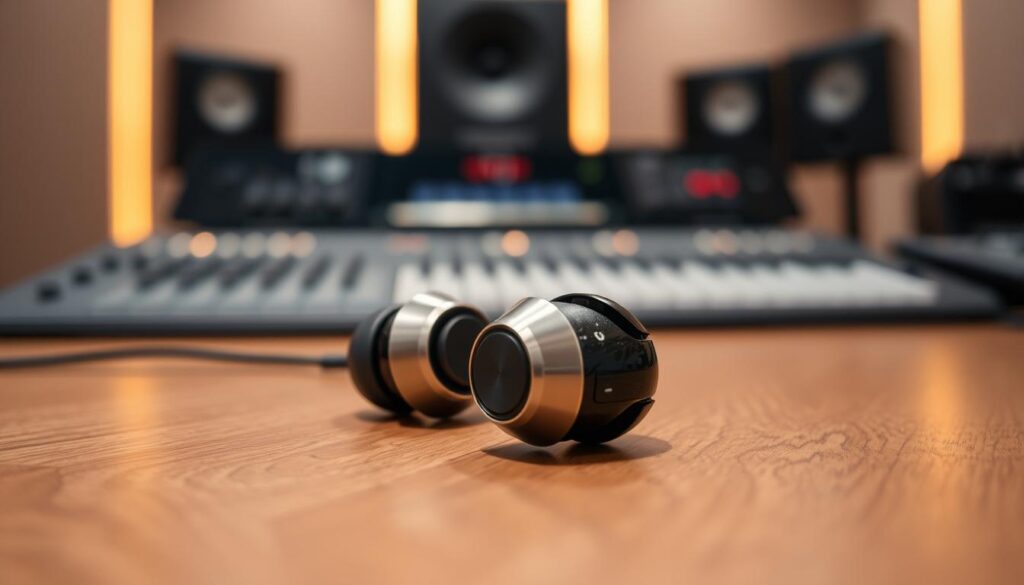
If we sit still, like keyboard players or drummers, we might want the best sound quality. In this case, wired IEMs are often the best choice. But, if we’re on the move, like singers or guitarists, wireless in-ear monitors give us the freedom we need.
Think about where you play most. Big venues might need stronger ear monitor systems to avoid signal problems. Knowing this early can save us from future upgrades.
Budget Considerations
Keeping an eye on our budget is key to a good audio setup. A smart choice is to mix wired and wireless gear. This way, we can spend more on what’s important for each musician.
Custom in-ear monitors are a big investment. But, for beginners, universal-fit models might be enough. We should focus on spending on things that make a big difference right away.
| User Type | Recommended Gear | Primary Benefit | Budget Level |
|---|---|---|---|
| Stationary Musician | Wired IEMs | Reliability | Low to Mid |
| Dynamic Performer | Wireless IEMs | Mobility | High |
| Professional Touring | Custom IEMs | Comfort/Isolation | Premium |
Trying Before You Buy
It’s a good idea to try out gear before buying it. Every ear is different, and the fit of IEMs can change how we hear. Trying different tips or demo units helps us find the right sound for us.
Going to audio trade shows or music stores is a great idea. Trying gear in a setting like a stage lets us check how it feels and sounds. This step ensures we’re happy with our choice for a long time.
Understanding Sound Isolation
Sound isolation is key for many performers switching to new audio gear. It creates a barrier between our ears and the outside world. This control is crucial for keeping pitch and timing sharp during energetic shows.
Importance of Noise Isolation
Using in-ear monitors blocks out stage noise. This lets us keep our monitor levels down, protecting our hearing. With clearer sound, we can focus on our performance without distractions.
Looking to add these tools to your setup? Check out 10 home audio setup options for mini speakers. Good isolation means our ear monitor systems stay reliable, no matter the venue. This is what makes pro audio setups stand out.
How Different Designs Achieve Isolation
The design of our IEMs affects how much noise we block. Standard models use silicone or memory foam tips. But, they differ in how well they block sound at different frequencies.
For top performance, many go for custom-molded shells. These fit our ears perfectly, offering a tight seal. This can cut down stage noise by 20 dB or more. Whether we pick wireless in-ear monitors or wired ones, a good seal is key to our satisfaction.
| Design Type | Isolation Level | Best For |
|---|---|---|
| Silicone Tips | Moderate | Casual listening |
| Memory Foam | High | Active movement |
| Custom-Molded | Superior | Professional stage use |
Popular Brands in the Market
Choosing the right manufacturer is key to finding the best in-ear monitors for you. We’ve looked at the market to find the most trusted names. These brands offer top-notch audio performance, whether you’re a touring musician or just enjoy listening.
Shure: Quality and Heritage
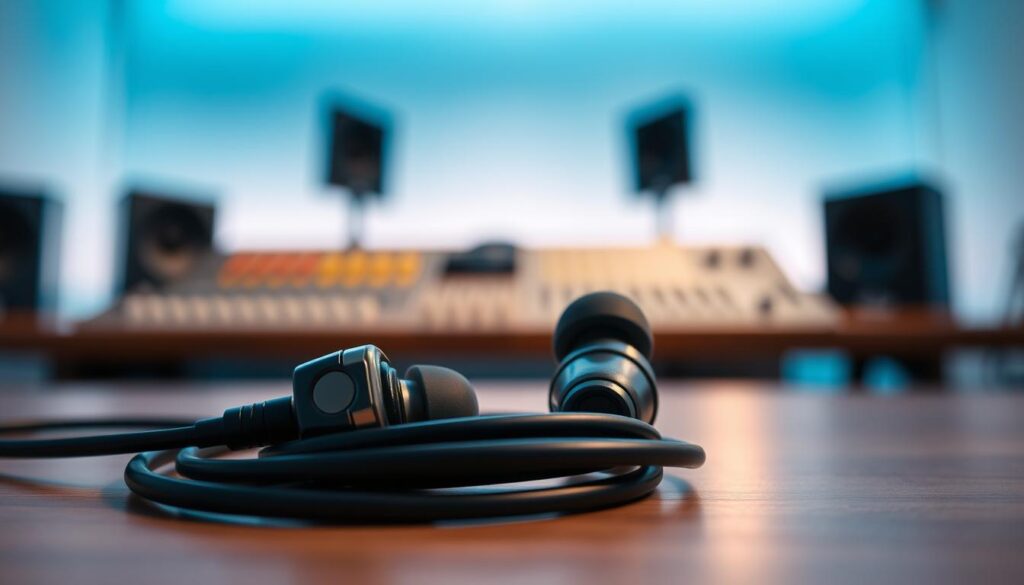
Shure is famous for their PSM series, loved by musicians around the world. Their professional in-ear monitors are tough and reliable. They’re perfect for those who need gear that lasts through tough performances.
Sennheiser: Versatile Offerings
Sennheiser is known for its wide range of ear monitor systems. They have options for both beginners and pros. If you want the best in-ear monitors with great sound and tech, start with Sennheiser.
Westone: Custom Solutions
Westone is the go-to for custom IEMs. They focus on making them fit perfectly. This means you can wear them for hours without discomfort.
Choosing a well-known brand means your money is well spent. These companies keep improving IEMs for live and studio use. Check out these brands to find the best fit for your audio needs.
Maintenance and Care Tips
Keeping our audio gear in top shape is key for long-term performance. With professional in-ear monitors, we must focus on regular care. This ensures they work well every time.
Cleaning Your In-ear Monitors
Regular cleaning stops sound loss from dirt. Use a special tool to clean out earwax after each use.
Gentle care is crucial for our IEMs. Don’t use harsh chemicals or liquids. They can harm the drivers or the outer shell.
Proper Storage Practices
Storing our gear right prevents damage and moisture. Always put our in-ear monitors in a hard case when not in use.
- Keep the case in a cool, dry place to avoid humidity damage.
- Coil the cable loosely to prevent wire stress.
- Use silica gel packets in the case to soak up moisture.
Extending Lifespan Through Care
Regular checks help spot issues early. We should inspect the cable connections and the shell of our ear monitor systems weekly.
Good cable management is simple but effective. Avoiding sharp bends and keeping cables untangled helps our IEMs last longer. This keeps our professional in-ear monitors in great shape for years.
Enhancing Your Listening Experience
Mastering your audio environment changes how you enjoy music. High-quality gear is just the start. We can enhance our in-ear monitors with software tweaks. Small changes can make a big difference in sound quality.
Using Equalizers and Apps
Today’s digital tools let us customize our IEMs to our liking. Many apps allow us to adjust sound levels precisely. A parametric equalizer can fine-tune our audio for better clarity.
It’s important to experiment and find a sound that feels right. Consistency is key. Save your favorite settings for different music types or places. This keeps our listening experience exciting, no matter the music.
The Role of Source Quality
Even the best ear monitor systems can’t fix bad audio. Poor quality files will show up more clearly. Always choose high-resolution or lossless audio for the best sound.
Using high-quality sources makes a big difference. High-quality sources help our devices capture sound details that lower-quality files miss. Investing in good source material is as crucial as choosing the right hardware.
Tips for Optimizing Fit and Comfort
Comfort is key for long listening or performances. Our IEMs need to seal well for good sound and isolation. Try different tips to find the best fit for your ears.
For stage use, an AUX send on a mixing console is handy. It lets each performer customize their monitor mix. A secure fit and a tailored signal make for a top-notch experience with our ear monitor systems.
Conclusion: Make an Informed Choice
Investing in top-notch audio gear changes how we see our performances on stage. It helps us focus on sound quality and keeps us isolated. This gives us the confidence to do our best every time we perform.
Summary of Essential Priorities
We’ve looked at key parts of professional audio setups. Finding the right in-ear monitors means balancing comfort, durability, and sound quality. Brands like Shure and Sennheiser offer strong options that are key to a successful music career.
Embracing Personal Audio Evolution
Finding the perfect sound is a continuous journey. We suggest trying out different ear monitor systems to find what suits your hearing best. By trying out different tips and settings, you can make your IEMs perform at their best.
Choosing wisely today means a better professional experience for the future. We encourage you to keep up with new technology. This way, your equipment will grow with your musical dreams.