
 Zoe Nora
Did you know that over 70% of listeners will abandon a podcast within the first minute when audio sounds unprofessional? Your choice of hardware is the most critical factor in keeping your audience engaged. Finding the right dynamic mic is not just about price; it means matching your recording goals with the right technology.
Whether you are launching a new stream, recording vocals, or capturing live instruments, each setting needs different features. We must consider how room acoustics and available space shape the final sound. Taking the time to assess your setup helps you avoid common pitfalls, including background noise and poor clarity.
Before you purchase, we recommend evaluating your current equipment and long-term plans. A high-quality dynamic mic serves as the foundation for your creative projects. By focusing on compatibility and your unique recording environment, you can achieve professional results that stand out in a crowded digital space.
Key Takeaways
- Audio quality is the primary reason listeners stay or leave your content.
- Recording goals dictate whether you need specific hardware features.
- Room acoustics and physical space significantly impact your sound profile.
- Always check equipment compatibility before finalizing your purchase.
- Investing in the right gear saves time and money on post-production editing.
Understanding Dynamic Microphones
Most live sound setups rely on the versatile, rugged dynamic microphone. These workhorse devices deliver reliable performance in demanding environments.
What Is a Dynamic Mic?
A dynamic microphone is a transducer. It uses electromagnetic induction to change sound waves into electrical signals. Unlike other microphones, it offers exceptional durability and handles high sound pressure levels without distortion.
How Does It Work?
Inside its casing, a thin diaphragm connects to a wire coil suspended in a magnetic field. Sound waves make the diaphragm vibrate, moving the coil back and forth through the field.
This movement creates a small electrical current that mirrors the original sound wave. A cable carries this signal to your mixer or audio interface for processing.
Key Features of Dynamic Mics
A key advantage of a dynamic microphone is its simple operation. It needs no external power, such as phantom power, so setup is easy anywhere.
A dynamic microphone also has low sensitivity, helping it ignore background noise and focus on the intended source. This feature makes these mics ideal for loud stages or untreated rooms, where isolation is a priority.
| Feature | Dynamic Microphone | Condenser Microphone |
|---|---|---|
| Power Requirement | None | Phantom Power (48V) |
| Durability | High | Low |
| SPL Handling | Very High | Moderate |
| Best Use Case | Live Vocals/Drums | Studio Recording |
Benefits of Using Dynamic Mics
When you search for the best dynamic mic, you will see its design suits many settings. It handles daily use well, so professionals and home users rely on it.
Durability and Versatility
These microphones have a famously rugged build. They can survive drops, rough handling, and the constant movement of touring musicians. They need no external power, which makes them useful for mobile recording rigs.
You can record loud sources, such as guitar amplifiers or drums, without worrying about distortion. Their ability to handle high sound pressure levels makes the best dynamic mic a reliable tool for any engineer.
Great for Live Performances
Live stages create tough conditions for audio gear. These microphones resist moisture and temperature changes. Your gear can stay consistent in a humid club or outdoor festival.
“The true beauty of a dynamic microphone lies in its ability to survive the chaos of a live stage while delivering a warm, punchy sound that cuts through the mix.”
Minimal Feedback Issues
Their focused pickup pattern is a major benefit. By rejecting sound from the sides and rear, these mics reduce unwanted ambient noise. This design helps prevent feedback loops during loud performances.
Their lower sensitivity helps them capture sound directly in front of the capsule. Choosing the best dynamic mic gives you more control over stage volume and mix clarity.
| Feature | Dynamic Mic | Condenser Mic |
|---|---|---|
| Durability | High | Low |
| Power Needed | None | 48V Phantom |
| Feedback Resistance | Excellent | Moderate |
| Best Use Case | Live/Loud Sources | Studio/Vocals |
Types of Dynamic Microphones
When we assess the top dynamic microphones, grouping them by their main use helps us choose the right tool. Each design suits certain sound sources, whether we record in a studio or perform live. These differences help us match each microphone to our audio needs.
Vocal Mics
Vocal models capture the human voice clearly while reducing unwanted background noise. These models rank among the top dynamic microphones for podcasters, streamers, and stage vocalists who need clarity and presence. By exploring different types of microphones, we can find a smooth frequency response for speech and singing.
Instrument Mics
To record loud sources like guitar amplifiers or drum kits, we use instrument-specific dynamic units. These top dynamic microphones handle high sound pressure levels without distorting the signal. Rugged builds help them survive intense live shows and frequent studio setups.
Specialized Mics
Some models bridge categories and offer useful flexibility in many settings. Broadcast microphones, such as the iconic Shure SM7B, are known for strong isolation and rich tone. These specialized tools are highly recommended for reliable recording of both vocals and instruments.
Factors to Consider When Choosing a Dynamic Mic
When you search for a dynamic mic for vocals, consider several technical factors. These choices help your equipment work smoothly with your studio or live setup.
Connectivity Options
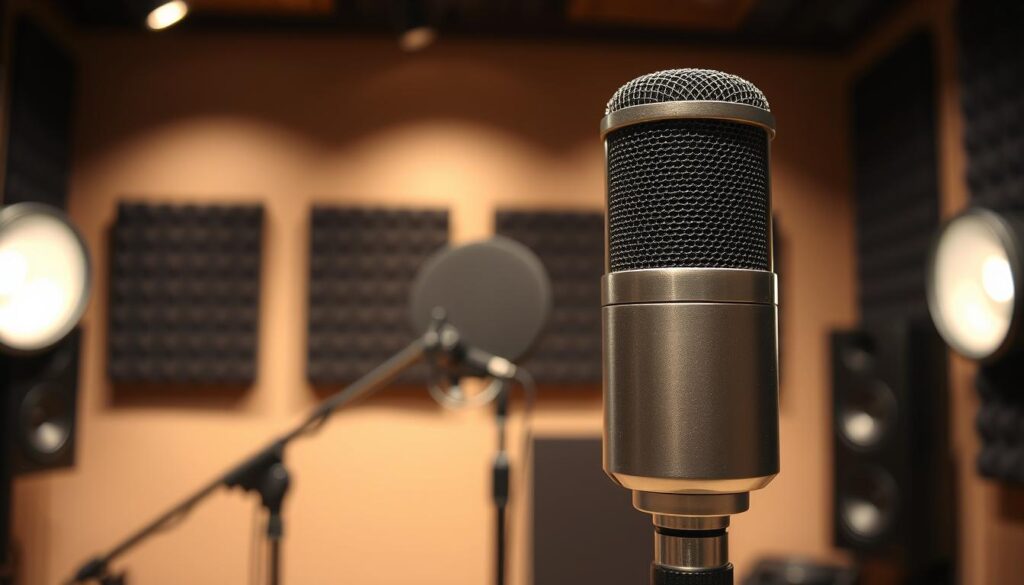
Most professional-grade microphones use an XLR connection, which needs an external audio interface or mixing console. This setup provides a stable, balanced signal for high-quality vocal recordings.
Some modern versions offer USB connectivity for direct computer recording. Choose a dynamic mic for vocals that meets your hardware’s input requirements. This helps prevent signal loss or noise.
Frequency Response
Frequency response shows how a microphone captures different tonal ranges. A flat response sounds natural, while boosted presence helps voices cut through dense mixes.
Watch for the proximity effect, which raises bass frequencies as you move closer to the capsule. Managing it preserves clarity and reduces unwanted plosives during vocal performances.
Polar Patterns
The polar pattern shows where the microphone hears sound best. Choosing the right pattern helps provide isolation and control feedback during live performances.
| Pattern Type | Best Use Case | Isolation Level |
|---|---|---|
| Cardioid | General vocal use | Moderate |
| Supercardioid | Live stages | High |
| Hypercardioid | Maximum rejection | Very High |
Cardioid patterns are standard for most vocalists because they reject sound from the rear. In loud settings, a supercardioid or hypercardioid dynamic mic for vocals rejects more side-stage noise. Always test microphone distance to find the sweet spot for your vocal style.
Popular Brands of Dynamic Microphones
Finding a reliable dynamic mic for recording means examining what leading brands offer. Brand recognition helps, but focus on technical specifications and your intended use instead of relying on a name. Each manufacturer has features that may better suit your studio or live setting.
Shure
Shure is one of the best-known audio brands and makes gear built for daily use. These microphones serve professional broadcast studios, concert stages, and home recording setups. Choosing a Shure dynamic mic for recording often means getting proven vocal clarity and instrument isolation.
Audio-Technica
Audio-Technica has a strong reputation for quality construction at competitive prices. Users often praise its balanced sound, making these microphones useful for many tasks. Many users also find the build quality offers strong value against pricier boutique options.
Sennheiser
Sennheiser is respected for precise engineering and steady performance in many acoustic settings. Its microphones often deliver a detailed sound that suits engineers seeking a distinct character. Whether tracking drums or recording a podcast, its gear meets modern production standards.
“The best microphone is the one that makes your source sound exactly how you imagined it, regardless of the logo on the side.”
To compare these industry leaders, we listed their main strengths in the table below. Use it to find the manufacturer that best matches your recording goals.
| Brand | Primary Strength | Best Application |
|---|---|---|
| Shure | Durability & Reliability | Vocals & Broadcast |
| Audio-Technica | Versatility & Value | General Studio Use |
| Sennheiser | Precision & Detail | Instruments & Live |
Ultimately, the right dynamic mic for recording depends on your needs and desired sound. Test different models when possible because each microphone reacts differently to your voice or instrument. By comparing technical strengths, you can choose wisely for creative projects that last for years.
Budgeting for Your Dynamic Mic
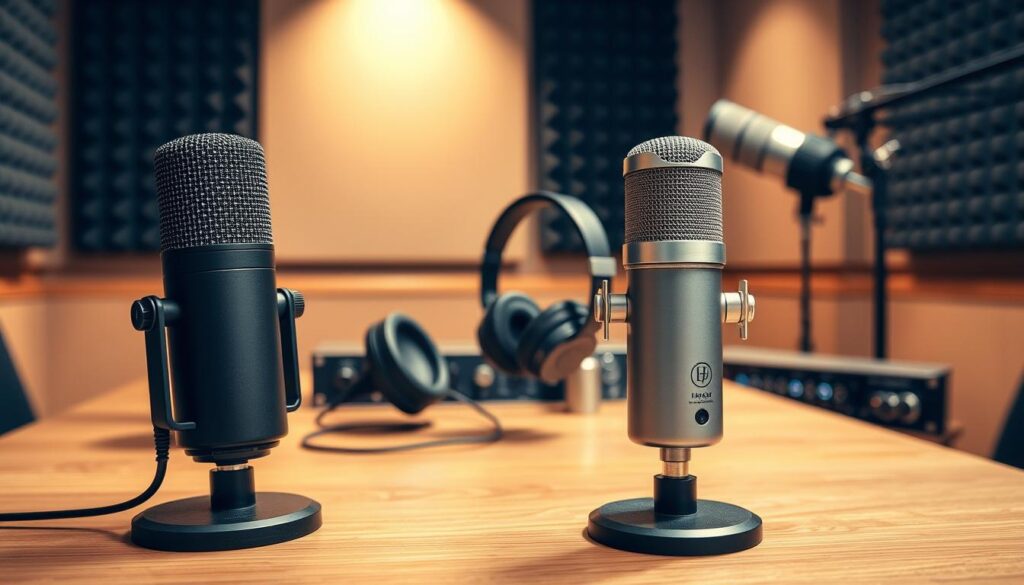
Choosing audio gear often starts with the common debate of dynamic mic vs condenser models. Condenser microphones offer high sensitivity, while dynamic models provide strong durability and easy use in many settings. Your budget should cover more than the microphone hardware.
Also include stands, cables, and perhaps a high-quality preamp. A well-planned budget helps you get the best performance for your recording needs without paying for unused features.
Entry-Level Options
Entry-level microphones suit beginners and people recording in spaces with poor acoustics. These models focus on rugged construction for live performances and home practice sessions. They are forgiving because they need neither phantom power nor complex signal chains.
Mid-Range Alternatives
Mid-range models provide more refined frequency responses and better off-axis rejection, making the dynamic mic vs condenser comparison useful. Mid-range dynamic models can rival entry-level condensers in clarity. These microphones are excellent investments for podcasters and musicians needing consistent, professional results.
High-End Choices
High-end dynamic microphones show the highest level of engineering and build quality. These professional tools offer superior output levels and specialized polar patterns for studio-grade recording. Premium models cost more because their precision components give recordings a distinct, warm character.
Best Practices for Dynamic Microphone Use
Mastering your recording setup is the secret to professional-sounding audio. Understanding mic placement and care helps you maximize the dynamic mic benefits. These habits keep recordings crisp, clear, and free from unwanted noise.
Proper Placement Techniques
The distance between your mouth and the microphone greatly affects your sound. Moving closer creates a warm, bass-heavy tone from the proximity effect and often suits radio-style vocals. Yet getting too close can cause harsh plosives on “p” and “b” sounds.
Keep the mic at a slight angle to your mouth instead of pointing it at your lips. This adjustment reduces breath blasts while keeping clarity high. A steady distance helps create a balanced signal throughout your performance.
Handling and Maintenance Tips
Careful treatment greatly extends your equipment’s lifespan. Store your microphone in a dry, dust-free case when it is not in use. This keeps debris from affecting the diaphragm and helps the exterior finish look new.
Use a soft, slightly damp cloth to clean the metal grille. Never spray liquid directly onto the capsule, because moisture can damage sensitive internal components. Check your XLR cables often for kinks or frayed ends to ensure a reliable connection during every recording.
Recommended Accessories
The right support gear is essential for high-quality audio. A stable boom arm or microphone stand is the foundation of a good setup. It prevents handling noise from traveling through the stand into the mic.
Use a high-quality pop filter to remove unwanted air bursts during vocal takes. In spaces with vibrations, a shock mount provides isolation and keeps tracks clean. Together, these accessories highlight the inherent dynamic mic benefits and let you focus entirely on your creative output.
Pairing Your Dynamic Mic with Audio Equipment
Professional audio needs more than a great mic. It also needs a thoughtful signal chain. Correct connections capture each part of your performance clearly and precisely, helping create a polished sound.
Choosing the Right Mixer
When choosing a mixer, separate gain from volume. Gain is the preamp’s input sensitivity; it boosts a dynamic microphone’s quiet signal to usable line level. Volume controls the output level sent to your speakers or headphones.
Many dynamic microphones need clean gain to work well. If your mixer has weak preamps, raising gain may add unwanted noise or hiss. Choose a mixer with clean, transparent gain to keep your audio signal pristine.
Compatible Audio Interfaces
For modern studios, choosing the right audio interface can change everything. High-quality units like the Audient iD14 MKII offer strong preamp capability for passive microphones without distortion. These interfaces serve as the center of your digital recording setup.
A strong interface keeps your signal stable from the mic to your computer. A device with a low noise floor lets your microphone perform without interference. This matters most when recording quiet sources or delicate acoustic instruments.
Essential Cables and Connectors
Your gear’s physical connection matters as much as the hardware. Most dynamic microphones are passive, so they do not need phantom power. Modern dynamic mics tolerate 48V phantom power, but it is unnecessary and best left off to avoid pops or clicks.
Use high-quality XLR cables to maintain a balanced signal path. Balanced cables are highly effective at rejecting electromagnetic interference, keeping recordings free from hum and buzz. Organized, well-kept cables provide a reliable connection for every session.
Troubleshooting Common Issues
When recordings sound wrong, use a systematic troubleshooting approach. Small changes to your signal chain often fix audio problems without new gear.
Poor Sound Quality
If audio sounds thin or distorted, check your microphone angle and distance from the source. Move the mic closer for more warmth, or farther away to reduce signal intensity.
Next, check your gain staging. Input gain set too high causes digital clipping. Gain set too low forces later boosting, which adds unwanted background hiss.
Handling Noise
Poor technique often causes plosives or feedback. Use a pop filter to soften harsh “p” and “b” sounds that strike the diaphragm too hard.
To control the proximity effect, adjust your distance slightly. It causes an unnatural bass boost when you are too close. If feedback occurs, place speakers behind the microphone, not in front.
Connection Problems
A faulty XLR cable or loose connector usually causes intermittent signal loss. Make sure cables sit fully in the microphone and interface inputs.
If the problem continues, test the microphone with another cable. This can reveal internal wire breaks. Also check your interface settings for phantom power or input selection.
| Issue | Potential Cause | Recommended Fix |
|---|---|---|
| Distorted Audio | High Gain | Lower interface gain |
| Excessive Hiss | Low Gain | Increase preamp gain |
| Intermittent Signal | Bad Cable | Replace XLR cable |
| Feedback Loop | Speaker Placement | Reposition speakers |
Staying Informed About Industry Trends
Microphone design keeps changing, giving creators new tools. Tracking these changes helps us keep a professional edge in our recordings. By choosing lasting value over short-term hype, we can build a setup that lasts.
New Technologies in Microphone Design
Recent advancements in dynamic microphone technology focus on internal noise rejection and build quality. Manufacturers now use lighter, more responsive diaphragms that capture detail once reserved for condenser models. These improvements help us achieve studio-grade results in untreated rooms.
Microphones are also gaining digital processing inside analog shells. This design creates cleaner signals and works better with modern interfaces. When you review top microphone picks for every budget in 2024, you will see these refinements across the industry.
Popular Use Cases in 2023
Dynamic models work well for many digital media formats. Their versatility makes them a go-to choice across several key areas:
- Podcasting: Creators value the ability to isolate voices from background noise.
- Gaming Streams: These mics handle loud environments and keyboard clicks with ease.
- YouTube Production: Reliable performance makes them perfect for on-camera talent.
- Broadcast: The classic “radio sound” remains a staple for professional voice-over work.
Expert Opinions and Reviews
Online reviews can be hard to navigate, so focus on objective metrics. When reading expert evaluations, check frequency response and polar pattern consistency. These specifications show more clearly how a mic may perform in your environment.
We suggest comparing these criteria before making a purchase:
- Output Level: Ensure your interface has enough gain to drive the mic properly.
- Durability: Check for metal construction that can withstand daily use.
- Real-world Application: Look for tests that mirror your intended use, such as home studio recording or live stage performance.
Choose equipment that fits your unique workflow. By staying informed and studying specifications, you help your investment support your creative goals for years.
Conclusion: Your Perfect Dynamic Mic Awaits
Selecting the right gear transforms your audio projects from amateur efforts into professional productions. We explored how room acoustics, noise levels, and recording goals shape the best equipment for your studio or stage.
Summary of Essential Factors
Your final decision balances your budget with the tonal character you want. Shure, Audio-Technica, and Sennheiser offer diverse models that handle high sound pressure levels with ease. These tools remain reliable because they reject background noise and need no external power sources.
Tailoring Your Audio Workflow
Evaluate your unique environment before making a purchase. Consider whether you need a specialized instrument mic or a versatile vocal workhorse. Matching your microphone to your interface and mixer ensures the best signal chain performance.
Start Your Recording Journey
Test different polar patterns and frequency responses in your own space. Your ears are the ultimate judge when finding the right sound. Begin your search today and discover the dynamic microphone that elevates your creative output.