
 Zoe Nora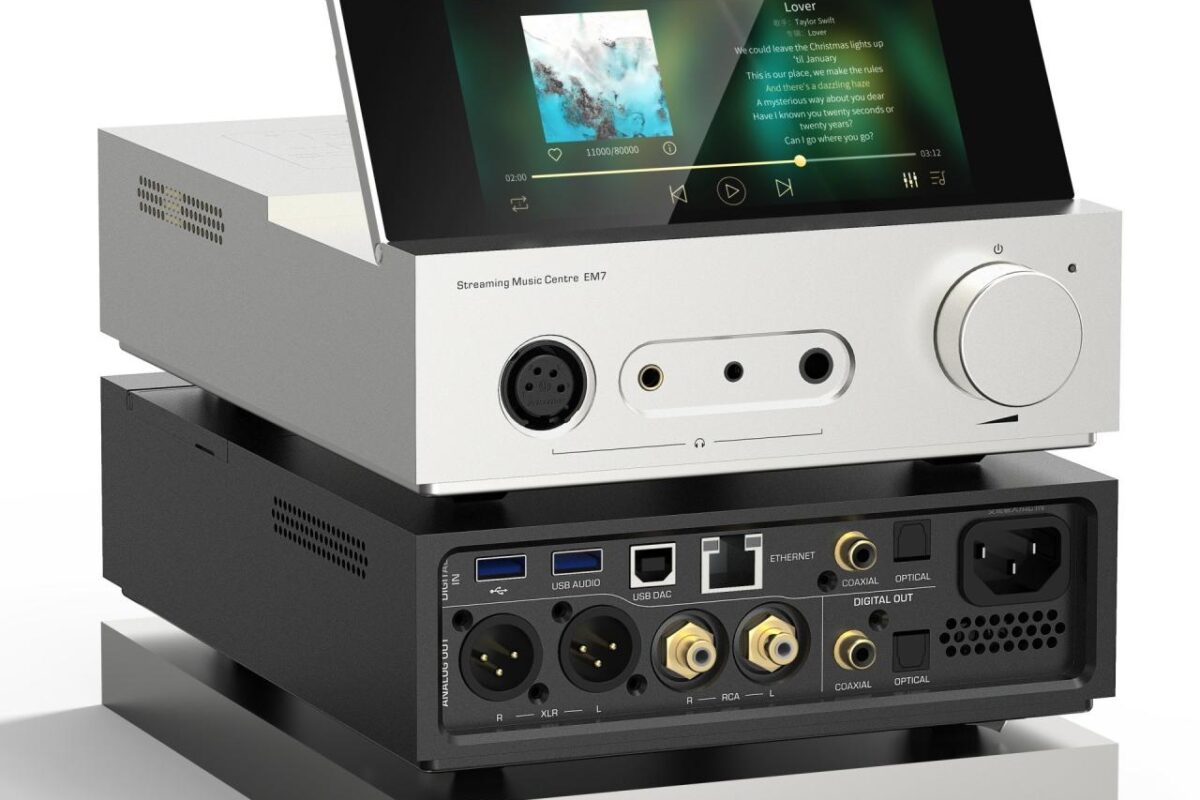
Digital audio streamer sets the stage for this enthralling narrative, offering readers a glimpse into a story that is rich in detail and brimming with originality from the outset.
Digital audio streamers have revolutionized the way we experience music and audio content, merging technology and sound quality into a seamless listening experience. These devices allow users to access a vast array of audio sources, from high-definition music libraries to online radio stations, all while maintaining high fidelity. The versatility of digital audio streamers is further enhanced by their connectivity features, enabling them to integrate with various audio systems and smart home setups. This exploration will delve into their fundamental features, streaming quality, and how to choose the right device to elevate your audio experience.
Understanding the Fundamental Features of Digital Audio Streamers
Digital audio streamers have revolutionized the way we engage with music and audio content, providing seamless access to a wide variety of sources and services. These devices allow users to stream high-quality audio from platforms such as Spotify, Tidal, or personal libraries directly to their speakers or headphones. Their core functionalities include not just streaming capabilities but also advanced audio processing, compatibility with various audio formats, and user-friendly interfaces that enhance overall usability. Understanding these fundamental features can help users choose the right digital audio streamer that fits their needs and preferences.
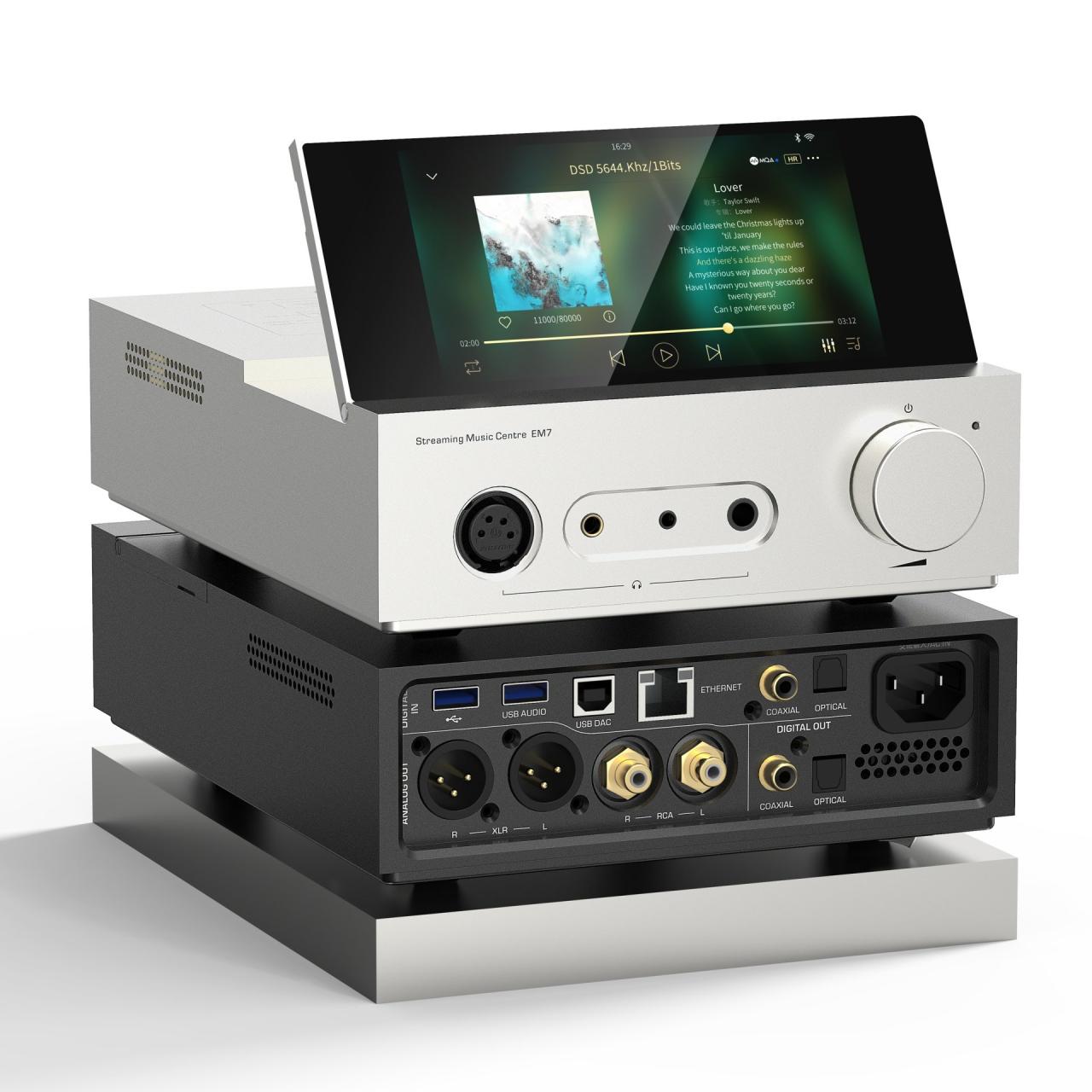
The role of connectivity options in digital audio streamers is crucial for enhancing the user experience. The variety of connectivity options available allows users to integrate their streamers into a wide range of audio setups, ensuring flexibility and convenience. A key feature is Wi-Fi connectivity, which enables high-resolution streaming without the need for cumbersome cables. Ethernet ports provide a reliable connection, minimizing latency and dropouts, which is particularly important for audiophiles who demand the best sound quality. Additionally, Bluetooth capabilities allow for quick and easy connections to mobile devices, making it user-friendly for those who prefer streaming from their smartphones or tablets.
Another significant aspect is the inclusion of USB and optical outputs, allowing users to connect directly to DACs (Digital-to-Analog Converters) or other audio devices. This versatility ensures that a digital audio streamer can cater to various audio setups, whether one is building a high-end home theater system or a simple room setup. Moreover, many newer models support multi-room streaming, enabling users to enjoy synchronized audio throughout their living spaces. This feature is particularly appealing for those who value a seamless listening experience across different rooms or outdoor spaces, contributing to a more dynamic audio environment.
Differences in User Interfaces Across Various Models
User interfaces can vary significantly across different models of digital audio streamers, impacting how easily users can navigate their devices. A well-designed interface simplifies the streaming experience, allowing users to find their favorite content quickly. Some streamers feature touchscreens, providing intuitive controls for browsing and selecting music, while others may rely on physical buttons or remote controls, which can appeal to those who prefer tactile feedback.
Additionally, the software ecosystem plays a pivotal role in user interface design. Some devices come with proprietary software that optimizes the user experience, offering personalized recommendations and playlists tailored to individual listening habits. Conversely, models that incorporate third-party integrations, such as Apple AirPlay or Google Cast, can enhance their functionality by offering familiar interfaces that users may already be accustomed to, allowing for a smoother transition between devices.
Other notable differences include the extent of voice control capabilities, where some streamers are equipped with built-in voice assistants like Amazon Alexa or Google Assistant, enabling hands-free operation. This feature adds convenience, allowing users to control playback and access information without needing to interact directly with the device. Overall, the user interface can significantly influence how effectively a digital audio streamer serves its purpose, making it an essential factor to consider when selecting the right model.
The Impact of Streaming Quality on Listener Experience
The quality of audio streaming plays a crucial role in how listeners engage with their favorite music or podcasts. With the proliferation of streaming platforms, audio quality has become a significant factor in determining user satisfaction. Various streaming formats can distinctly affect sound quality, from the clarity of vocals to the richness of instrumental sounds. Understanding these differences is essential for both casual listeners and audiophiles who seek the best experience from their streaming services.
Bandwidth is a vital component in the realm of audio streaming, as it directly influences the quality of the audio experience. Higher bandwidth allows for more data to be transmitted per second, enabling the transfer of high-quality audio without interruptions or buffering. Streaming services typically offer multiple audio formats to accommodate various bandwidths, which can affect the final listening experience. For instance, when a user has a limited bandwidth connection, a streaming service may default to a lower quality format to prevent playback interruptions. In contrast, a stable and high-bandwidth connection can support lossless audio formats, providing listeners with a richer, more immersive experience.
Comparison of Lossless and Lossy Audio Formats
Lossless and lossy audio formats each have unique implications for users, impacting both sound quality and storage requirements. Lossless formats, such as FLAC (Free Lossless Audio Codec) and ALAC (Apple Lossless Audio Codec), preserve the original audio data, ensuring that listeners hear music exactly as it was intended by the artist. This is particularly important for audiophiles who appreciate intricate sound details and the full dynamic range of recordings. Lossless files are larger in size, which means they require more storage space but reward listeners with an enhanced audio experience.
On the other hand, lossy audio formats, such as MP3 and AAC (Advanced Audio Codec), compress audio data, resulting in smaller file sizes. While this compression makes streaming more feasible for users with limited bandwidth or storage, it often sacrifices some sound quality. The degree of degradation varies based on the bitrate used for compression; higher bitrates generally yield better audio quality. However, even at higher bitrates, lossy formats may not capture the full depth and clarity of the original recording.
The choice between lossless and lossy formats can significantly impact a user’s listening experience. For those who prioritize sound quality and have the bandwidth to support it, lossless formats are the ideal choice. Conversely, users who prioritize convenience and storage space may lean towards lossy formats. Ultimately, the decision hinges on the listener’s preferences and the context in which they consume audio.
Lossless formats offer an unparalleled listening experience, preserving the original quality of recordings, while lossy formats prioritize convenience and compatibility.
Choosing the Right Digital Audio Streamer for Your Needs
Selecting a digital audio streamer can significantly enhance your music listening experience. With a multitude of options available, it is essential to evaluate personal preferences and requirements to ensure you pick a device that matches your unique audio environment. This guide will help you through the process of identifying what features matter most to you, the importance of system compatibility, and what to expect across various price ranges.
Evaluating Personal Preferences
When assessing personal preferences for a digital audio streamer, consider your listening habits and the types of content you enjoy. Some key factors include:
- Streaming Services: Ensure the streamer supports your favorite services like Spotify, Tidal, or Apple Music.
- User Interface: A user-friendly app can make navigating your music library a more enjoyable experience.
- Audio Format Support: Look for support of high-resolution audio formats if you prefer premium sound quality.
- Wireless Capabilities: Decide between Wi-Fi and Bluetooth, keeping in mind your home’s layout and connectivity options.
Significance of Compatibility with Existing Audio Systems
Choosing a digital audio streamer that seamlessly integrates with your existing audio setup is vital for optimal performance. Compatibility ensures you can utilize your current equipment without needing extensive modifications. Here are some factors to consider regarding compatibility:
“The right streamer can elevate your existing audio system, while the wrong choice may lead to limited functionality.”
When evaluating compatibility, consider the following aspects:
- Connection Types: Check for supported outputs like HDMI, optical, or RCA connections that match your audio receiver or speakers.
- Multi-Room Audio Setup: If you have a multi-room system, ensure the streamer can synchronize with other devices effectively.
- Smart Home Integration: Consider devices that integrate with your smart home systems for enhanced control and convenience.
- Firmware Updates: Select a model that frequently receives updates to maintain compatibility with new technologies and services.
Price Ranges and Expected Features
Digital audio streamers come in various price ranges, each offering distinct features. Understanding these can guide you in finding the right device for your budget:
- Entry-Level ($100 – $300): Basic streaming capabilities, support for popular services, and standard audio formats.
- Mid-Range ($300 – $700): Enhanced audio quality, support for high-resolution formats, and better user interfaces.
- High-End ($700 and above): Premium audio components, advanced features like multi-room audio, and extensive format support.
Investing in the right digital audio streamer can greatly enhance your listening experience, making it worthwhile to carefully consider your preferences, compatibility needs, and budget.
The Role of Digital Audio Streamers in Modern Home Automation
Digital audio streamers have become a cornerstone in the evolution of modern home automation, providing a seamless way to integrate high-quality audio functionalities into smart home ecosystems. As households increasingly adopt smart technologies, the capability to control audio experiences through automation enhances convenience, improves user engagement, and enriches everyday living.
Digital audio streamers act as a hub for integrating various smart home devices, allowing users to manage their audio systems easily. By connecting with devices like smart speakers, lighting systems, and home assistants, these streamers enable a cohesive audio experience that can adapt to any specific mood or occasion. For instance, when you enter a room, the audio streamer can automatically start playing your favorite playlist and adjust the lighting accordingly, creating a welcoming atmosphere without requiring manual input.
Voice Control and Automation Potential
Voice control is rapidly becoming a critical feature in home automation, and digital audio streamers are at the forefront of this trend. These devices often support voice commands through popular virtual assistants such as Amazon Alexa, Google Assistant, and Apple Siri. This integration allows users to control their audio playback hands-free, providing a new level of convenience and accessibility.
The potential for voice control enhances the automation capabilities of digital audio streamers. For instance, users can command their audio systems to play specific songs, pause playback, or adjust volume levels without needing to reach for their smartphones or remotes. Voice control not only streamlines the user experience but also promotes inclusivity for individuals with mobility challenges.
To illustrate the power of voice control in smart home setups, consider the following scenarios:
- Morning Routine: As you wake up, you can say, “Good morning” to your smart assistant, prompting it to start your favorite morning playlist while gradually brightening the lights in the room.
- Movie Night: A simple command like “Movie time” can dim the lights and switch the audio system to the home theater mode, creating an immersive environment with minimal effort.
- Party Mode: With a single voice command, you can set the audio to a specific party playlist, adjust the lighting to a vibrant color scheme, and activate any connected smart appliances for a seamless entertaining experience.
Major ecosystems supporting audio streaming functionalities include Amazon’s Alexa, Google Home, and Apple’s HomeKit. These platforms enable compatibility with numerous digital audio streamers, ensuring users can choose from a wide range of devices that best fit their preferences. The versatility of these ecosystems allows for expanded functionalities, such as multi-room audio streaming, where users can enjoy synchronized playback throughout their homes.
In summary, digital audio streamers play a pivotal role in enhancing modern home automation. By integrating with smart home devices and harnessing the power of voice control, they not only improve user convenience but also create a more immersive and connected living environment.
Exploring the Innovations in Digital Audio Streaming Technology
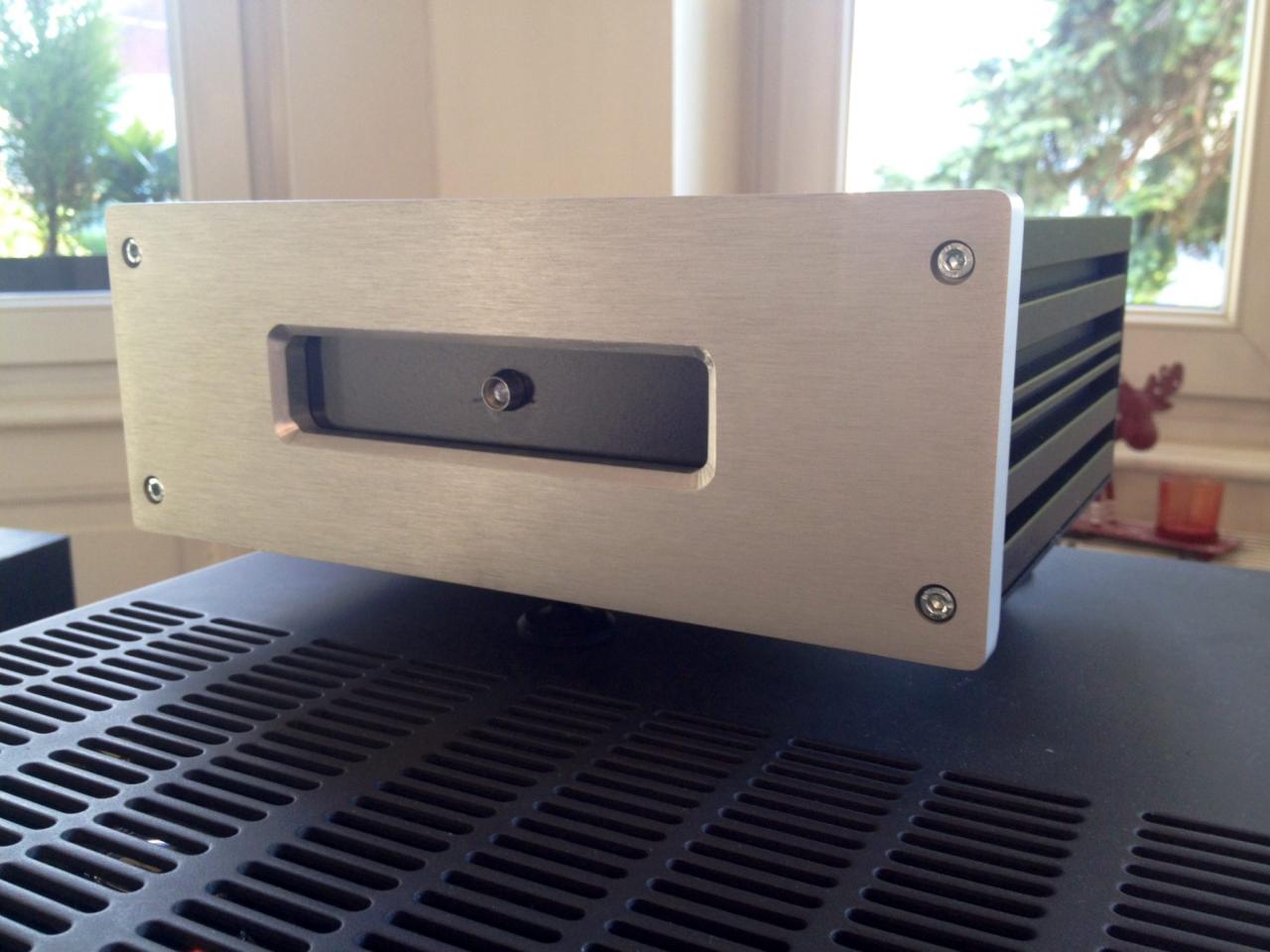
The landscape of digital audio streaming has evolved dramatically over the past few years, driven by a wave of technological advancements that enhance user experience and audio quality. Innovations in codec efficiency, adaptive streaming, and cloud-based infrastructure have paved the way for a more immersive and engaging audio experience. In this exploration, we will delve into the role of artificial intelligence in audio personalization, recent advancements that improve streaming performance, and emerging trends in user interface design that significantly impact user engagement.
Recent Advancements in Streaming Performance
The improvements in digital audio streaming performance can be attributed to several key advancements. With the introduction of more efficient audio codecs, such as AAC (Advanced Audio Codec) and Opus, users can enjoy higher audio quality at lower bitrates. This efficiency means faster streaming speeds and less buffering, which are crucial for maintaining user satisfaction.
Another significant advancement is the implementation of adaptive bitrate streaming. This technology allows audio quality to adjust in real-time based on the user’s internet speed and device capabilities, ensuring optimal listening experiences without interruption. Additionally, the rise of low-latency streaming technologies has enhanced live broadcasting and interactive audio experiences, making it easier for users to engage with live content.
The Role of Artificial Intelligence in Audio Personalization
Artificial intelligence (AI) plays a vital role in personalizing audio experiences, fundamentally transforming how users discover and interact with music and podcasts. AI algorithms analyze user data, including listening habits, preferences, and even mood, to deliver highly tailored content. This personalization offers several benefits:
– Recommendation Systems: Platforms like Spotify and Apple Music employ AI to create personalized playlists and suggest new music based on a user’s listening history. This capability enhances user satisfaction by introducing listeners to new artists and genres they may not have found otherwise.
– Content Curation: AI can curate podcasts or audiobooks based on individual interests, ensuring that listeners receive content that aligns with their tastes. This is particularly useful for users with niche preferences who may struggle to find relevant content.
– Mood-Based Playlists: Advanced systems can even assess a user’s emotional state through voice recognition or other cues, allowing them to suggest tracks that match or alter their mood. This dynamic interaction with the music enhances emotional engagement and overall enjoyment.
The integration of AI not only enriches the user experience but also drives user retention, as personalized content keeps listeners coming back for more.
Trends in User Interface Design
User interface (UI) design has become a crucial element in the success of digital audio streaming platforms. Innovative UI approaches are increasingly focused on enhancing user engagement and making navigation intuitive. Key trends in UI design include:
– Minimalist Design: Many platforms opt for a clean and minimalist interface, prioritizing ease of navigation. This simplicity allows users to find their desired content quickly without unnecessary distractions.
– Voice Activation: With the rise of smart speakers and voice assistants, many streaming services are incorporating voice activation features, allowing users to control playback and search for content hands-free. This trend enhances accessibility and user engagement, particularly for those on the go.
– Interactive Elements: Platforms are introducing interactive elements, such as personalized visualizers that respond to the audio being played. These features provide a more immersive experience, merging audio with visual stimulation.
The evolution of user interface design in digital audio streaming is critical for maintaining user interest and ensuring a seamless listening experience, emphasizing the importance of functionality and visual appeal.
Common Issues and Troubleshooting for Digital Audio Streamers
Digital audio streamers have revolutionized how we experience music and audio content, bringing unparalleled convenience and versatility. However, like any technology, they are not immune to issues. This section will identify common connectivity problems users encounter, offer practical solutions, and provide tips for optimizing network settings and maintaining streamer software.
Frequent Connectivity Issues and Solutions
Connectivity problems can severely impact your audio streaming experience. Users often face issues such as intermittent drops in connection, buffering, or complete inability to connect to the network. Here are some prevalent issues and their solutions:
- Weak Wi-Fi Signal: If your streamer is far from the router, it may struggle with a weak signal. Consider relocating the router or using Wi-Fi extenders to boost coverage.
- Network Congestion: Streaming can suffer on busy networks. Reducing the number of devices connected or scheduling streaming during off-peak hours can help.
- Incompatible Network Settings: Ensure your streamer is compatible with your router settings. Some streamers require specific configurations, such as WPA2 encryption.
- Firmware Issues: Outdated firmware can cause connectivity problems. Regularly check for updates and install them to ensure optimal performance.
Optimizing Network Settings for Better Performance
To achieve seamless performance from your digital audio streamer, optimizing your network settings is crucial. Here’s how to enhance your network setup for superior streaming:
- Use a Wired Connection: Connecting your streamer directly to the router via Ethernet can significantly reduce latency and interference, leading to a more stable connection.
- Change Wi-Fi Channel: If multiple networks overlap in your area, switching to a less congested channel can help. Use tools like Wi-Fi analyzers to find the best option.
- Adjust Router Placement: Position your router in a central location, away from walls or obstructions. Elevated positions often provide better signal coverage.
- Enable Quality of Service (QoS): This feature prioritizes streaming data over other traffic. Configuring QoS settings can enhance the audio streaming experience.
- Update Router Firmware: Just like your streamer, your router benefits from regular firmware updates. Check the manufacturer’s website for the latest versions and instructions.
Maintaining and Updating Streamer Software for Reliability
Keeping your digital audio streamer’s software up to date is essential for performance and security. Regular maintenance ensures the device functions smoothly and reliably. Here are a few best practices:
- Enable Automatic Updates: If your streamer supports it, enable automatic updates to receive the latest features and security patches promptly.
- Manual Check for Updates: Regularly check the settings menu for any available updates. Even if automatic updates are enabled, some software may require manual intervention.
- Backup Settings: Before applying updates, back up your current settings. This precaution allows you to restore them if the update leads to unexpected issues.
- Monitor Performance Post-Update: After an update, observe the streamer’s behavior. If issues arise, consult the manufacturer’s support resources for troubleshooting.
The Future of Digital Audio Streaming and Its Market Trends
The landscape of digital audio streaming is evolving rapidly, fueled by technological advancements and changing consumer preferences. As we look to the future, several emerging technologies are poised to reshape how we experience audio content. Innovations in artificial intelligence, immersive sound formats, and improved connectivity are at the forefront of this transformation, promising to enhance both the quality and accessibility of audio streaming services.
As consumer preferences shift, the audio landscape is adapting to meet the demands of a more tech-savvy audience. Listeners are increasingly seeking personalized experiences, which has led to the rise of algorithm-driven playlists and recommendations. Moreover, the growing popularity of smart speakers and voice-activated devices is altering how users interact with audio content. Podcasts and audiobooks are gaining traction, providing an alternative to traditional music streaming, and reflecting a broader trend toward on-demand content consumption.
Emerging Technologies in Audio Streaming
Several technologies are emerging as game-changers in the audio streaming industry. These advancements offer new ways for users to engage with audio content and enhance their listening experiences.
1. Artificial Intelligence: AI is revolutionizing content curation, enabling platforms to analyze user behavior and preferences to create personalized playlists that adapt over time. For instance, Spotify’s Discover Weekly playlist uses AI algorithms to suggest tracks that align with users’ tastes.
2. Spatial Audio and 3D Sound: Immersive sound formats such as spatial audio are becoming increasingly popular, providing listeners with a more engaging experience. Apple Music and Tidal have started offering tracks that utilize Dolby Atmos technology, allowing for a surround-sound experience that mimics a live performance.
3. Blockchain Technology: Blockchain is being explored as a means to improve transparency and fairness in music distribution. By enabling direct transactions between artists and listeners, it can potentially eliminate intermediaries, ensuring that creators receive fair compensation for their work.
4. 5G Connectivity: The rollout of 5G networks is set to enhance streaming quality and accessibility, allowing for seamless playback and high-resolution audio streaming without buffering. This improvement will cater to the growing demand for high-fidelity audio experiences.
Market Leaders and Their Innovations
In the competitive landscape of digital audio streaming, several key players have emerged, each introducing unique innovations to attract users.
– Spotify: A leader in the streaming space, Spotify has pioneered algorithm-based recommendations and has expanded its offerings to include podcasts, enhancing user engagement across genres.
– Apple Music: With its focus on high-resolution audio and exclusive content, Apple Music has integrated features such as spatial audio to enhance the listening experience, appealing to audiophiles.
– Amazon Music: Leveraging its extensive ecosystem, Amazon Music offers seamless integration with Alexa devices, allowing users to control playback through voice commands, tapping into the growing trend of smart home technology.
– Tidal: Known for its commitment to high-fidelity sound quality, Tidal appeals to serious music listeners by offering lossless audio and exclusive releases from top artists, setting itself apart from competitors.
As these market leaders continue to innovate, the future of digital audio streaming promises to deliver even richer and more personalized experiences for listeners.
Conclusion
In conclusion, digital audio streamers are not just devices; they are gateways to a richer listening experience. As technology continues to evolve, these streamers will adapt, integrating seamlessly with our smart homes while offering high-quality audio. Whether you’re a casual listener or a serious audiophile, understanding the capabilities and features of digital audio streamers can help you make informed decisions for an optimal audio journey.
FAQ Insights
What is a digital audio streamer?
A digital audio streamer is a device that allows users to access and play audio content from various sources over the internet or a local network.
Do I need a special speaker to use a digital audio streamer?
No, most digital audio streamers can connect to a variety of speakers or audio systems, but compatibility may vary.
Can I use a digital audio streamer with my existing audio system?
Yes, many digital audio streamers are designed to work with existing systems, enhancing your current setup.
What factors should I consider when choosing a digital audio streamer?
Consider factors such as sound quality, connectivity options, compatibility with your audio system, and the user interface when selecting a streamer.
Are digital audio streamers expensive?
Prices vary significantly based on features and quality, with options available for different budgets.
How do I maintain my digital audio streamer?
Regularly update the software, optimize network settings, and ensure proper connectivity to maintain performance.