
 Zoe Nora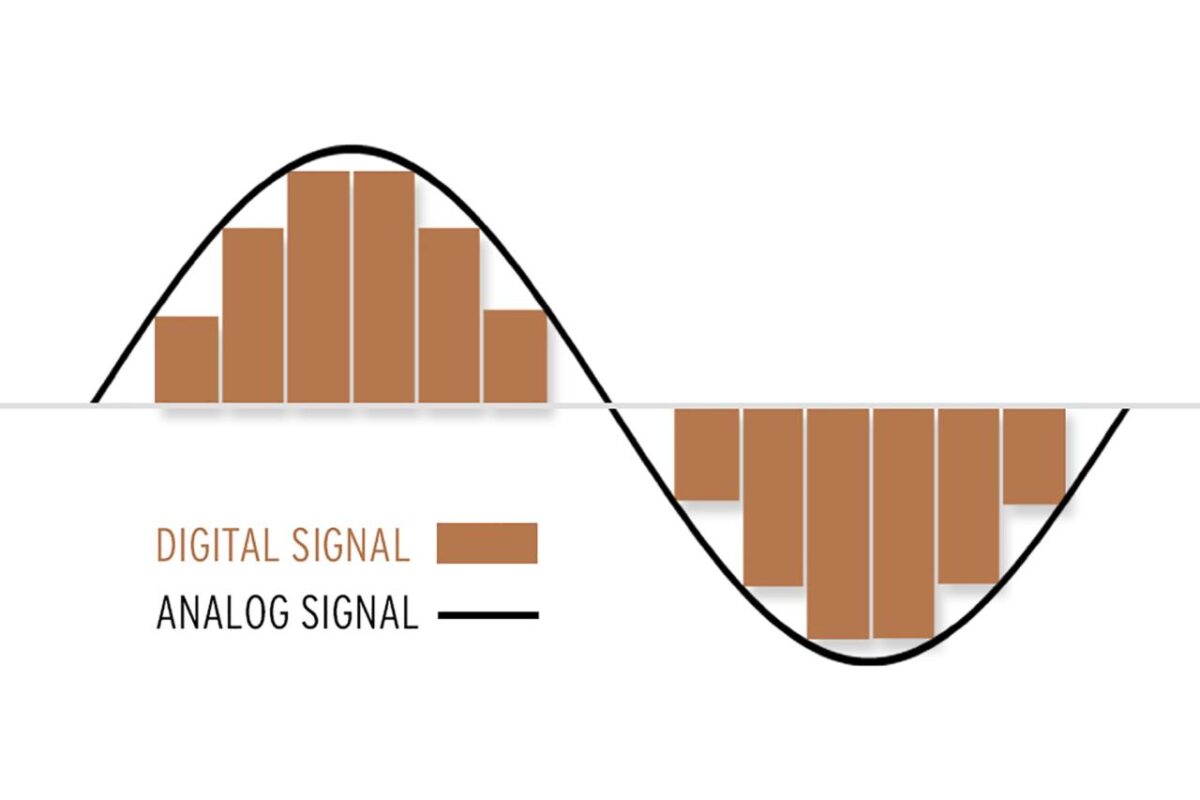
With Analog audio at the forefront, this exploration takes you on a journey through the rich history, technology, and cultural significance of analog sound. From its origins in the early 20th century to its resurgence in today’s digital age, analog audio represents a unique blend of artistry and innovation.
This fascinating world encompasses everything from the mechanics of turntables and tape decks to the distinctive warmth that characterizes various music genres. As we delve deeper into its revival and the passionate communities surrounding it, we’ll uncover why this vintage sound continues to resonate with listeners and musicians alike.
The Historical Evolution of Analog Audio
The journey of analog audio technology is a fascinating tale that traces back to the 19th century, where the earliest forms of sound recording and reproduction began. This evolution has significantly influenced how we listen to and perceive music today, making it a pivotal aspect of audio history. From the initial attempts at capturing sound to the rich variety of formats and devices that emerged, analog audio technology has undergone remarkable transformations over the decades.
The origins of analog audio technology can be traced to the invention of the phonograph by Thomas Edison in 1877, which marked the first successful attempt to record sound. Edison’s device used a cylinder covered in tinfoil, where sound vibrations were etched into the surface. This innovation laid the groundwork for future developments. The 1880s saw Emile Berliner invent the gramophone, which utilized flat discs, allowing for easier mass production and playback of recordings. Over the decades, several key innovations shaped analog audio devices and formats, including magnetic tape in the 1930s, which revolutionized the recording industry by allowing for high-fidelity sound and editing capabilities. The introduction of the LP record in the late 1940s further transformed music consumption, allowing for longer playtime with superior sound quality compared to earlier formats.
Key Innovations in Analog Audio Technology
The evolution of analog audio was characterized by several innovations that significantly enhanced sound reproduction and accessibility. These innovations played a crucial role in expanding the reach of music and the audio industry itself. Below are some pivotal developments:
- Phonograph and Gramophone: The transition from cylinders to discs represented a major leap in sound reproduction, making music more accessible to the public.
- Magnetic Tape: This technology allowed for multi-track recording, which became the standard in studios, enabling artists to layer sounds and create complex audio landscapes.
- Vinyl Records: The introduction of LP records brought about a new era of music albums, allowing listeners to enjoy entire collections of songs with improved sound quality.
- 8-Track and Cassette Tapes: These portable formats revolutionized music consumption, enabling people to take their music on the go.
- Reel-to-Reel Tape Recorders: Favored by audio engineers and enthusiasts, these devices offered superior sound quality and fidelity for professional recordings.
The impact of analog audio on music and sound reproduction in the 20th century was profound. The ability to record and distribute music on a larger scale transformed the music industry, allowing for the rise of famous artists and the birth of various genres. Sound quality improved dramatically, leading to the creation of dedicated listening spaces like home theaters and record stores that catered to audiophiles. Furthermore, analog formats have left a lasting legacy, with many contemporary artists and producers seeking to capture the warmth and depth of analog sound. This nostalgic return to analog processes in a digital age has reignited interest in vintage audio equipment and records among modern listeners.
The evolution of analog audio reflects both technological advancements and cultural shifts, bridging the past and present in sound reproduction.
The Mechanics of Analog Audio Equipment
Analog audio equipment represents a rich tradition in sound reproduction, relying on physical mediums to capture and convey audio waves. Unlike digital systems, which convert sound into binary data, analog devices maintain the continuous waveforms of sound. This seamless reproduction often results in a warmth and depth that enthusiasts cherish. Understanding the mechanics behind devices such as turntables, reel-to-reel tape machines, and cassette players is essential for appreciating their unique qualities and contributions to audio fidelity.
The fundamental components of analog audio devices play crucial roles in the process of sound capture and reproduction. Each type of equipment utilizes specific mechanisms to convert audio signals into physical representations and vice versa.
Fundamental Components of Analog Devices
Analog audio devices are comprised of several essential components that work together to produce sound. These include:
- Turntables: Consisting of a platter, tonearm, cartridge, and stylus, a turntable spins vinyl records while the stylus tracks the grooves to convert mechanical vibrations into electrical signals.
- Reel-to-Reel Tape Machines: Features reels, tape heads, and magnetic tape. The tape moves over the heads, which magnetically encode audio signals for playback.
- Cassette Players: Use a cassette housing two reels of magnetic tape, with play and record heads that read and write audio signals as the tape moves past them.
The process of capturing and reproducing sound in analog systems involves converting sound waves into electrical signals and then back again into sound waves. In turntables, for example, the needle or stylus moves through the grooves of a record, generating an electrical signal that corresponds to the variations in the groove pattern. This signal is then amplified and converted back into sound through speakers.
Differences Between Analog and Digital Audio Circuitry
Understanding the distinct nature of analog and digital audio circuitry is essential for grasping their respective sound qualities.
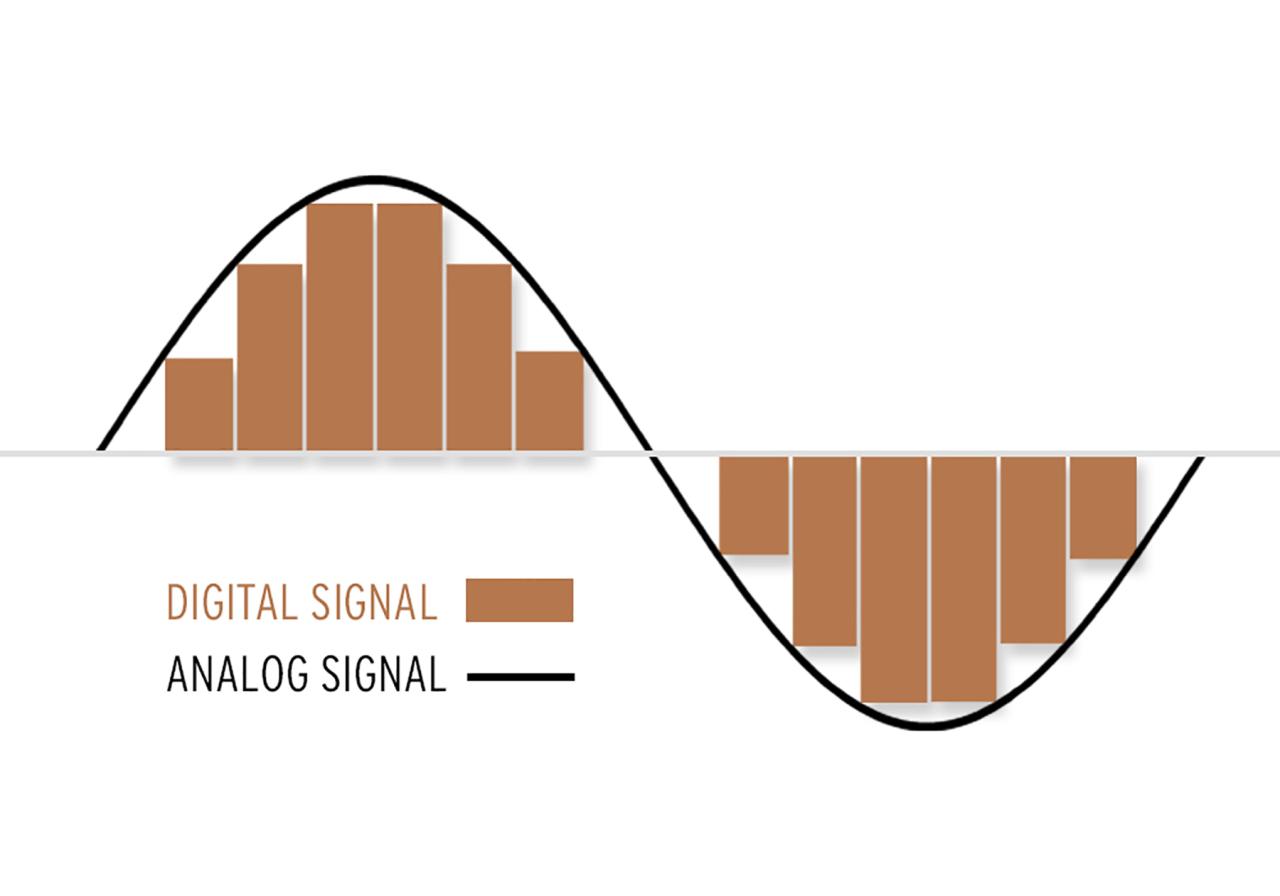
Analog audio circuitry operates with continuous signals that represent sound waves, capturing the full essence of audio as it naturally occurs. In contrast, digital audio systems digitize sound into discrete samples, which can lead to loss of some nuances in the audio spectrum.
A key difference lies in the representation of sound:
The analog system captures the waveforms continuously, while digital systems use a sampling rate to approximate these waveforms.
The following points highlight the differences further:
- Sound Quality: Many listeners prefer the warmth of analog sound, which can feel more organic compared to the often sharper and cleaner digital reproduction.
- Dynamic Range: Digital systems usually provide a greater dynamic range, allowing for clearer sound at both low and high volumes.
- Noise Levels: Analog systems can introduce hiss or hum, particularly from older equipment, while digital systems can reproduce sound without such noise.
- Longevity: Vinyl records and magnetic tapes can degrade over time, while digital files, when preserved properly, can be maintained indefinitely without loss of quality.
The Role of Analog Audio in Music Genres
Analog audio has played a critical role in shaping various music genres, offering a warmth and depth that digital recordings often struggle to replicate. The tactile nature of analog equipment, from tape machines to vinyl presses, allows for a unique sound quality that resonates with musicians and listeners alike. This characteristic makes analog audio particularly appealing in genres that emphasize authenticity, emotion, and organic sound textures.
Many music genres prominently feature analog audio for its distinct sonic qualities, which contribute to their overall aesthetic. Genres like rock, jazz, and electronic music have leaned heavily on analog techniques, resulting in an array of soundscapes that are rich and engaging. The preference for analog can often be attributed to the way these techniques capture dynamic range and warmth, enriching the listening experience.
Music Genres Utilizing Analog Audio
Several genres have embraced analog audio due to its unique characteristics, leading to a more vibrant and immersive sound. The following list highlights key genres that prominently feature analog techniques:
- Rock: Classic rock bands, such as Pink Floyd and The Rolling Stones, often used analog tape machines and vintage microphones to achieve a rich, atmospheric sound on albums like “Dark Side of the Moon” and “Exile on Main St.”
- Jazz: The organic nature of jazz music benefits from analog recording, as seen in iconic albums like Miles Davis’s “Kind of Blue,” where the warmth of analog recordings complements the improvisational style of the genre.
- Electronic: Many electronic artists, such as Daft Punk, have utilized analog synthesizers and drum machines to create distinctive textures in albums like “Random Access Memories,” blending electronic soundscapes with organic warmth.
- Indie Folk: Artists like Bon Iver and Fleet Foxes frequently employ analog recording techniques to capture the authenticity and emotional resonance of their music, resulting in a sound that feels grounded and sincere.
- Hip Hop: Early hip hop producers often sampled analog recordings, creating a gritty, warm sound that has influenced countless tracks. Notable examples include J Dilla’s “Donuts,” where the use of vinyl samples adds a layer of depth to the beats.
Analog techniques also contribute to the unique sound characteristics within these genres. Techniques such as tape saturation, natural reverb, and the inherent imperfections of analog equipment play vital roles in shaping the auditory experience. For example, the compression that occurs during analog tape recording often adds a pleasing warmth and cohesion to the sound, making it more inviting for the listener.
“The imperfections of analog audio create a sense of humanity in music that digital recordings may lack.”
Examples of iconic albums that showcase the benefits of analog audio are abundant. “Abbey Road” by The Beatles exemplifies the use of analog tape and vintage equipment to create a lush soundscape, while “Rumours” by Fleetwood Mac highlights the warmth and clarity that analog recording can provide. These albums not only solidified the artists’ legacies but also underscored the lasting impact of analog audio in music production.
The Cultural Significance of Analog Audio
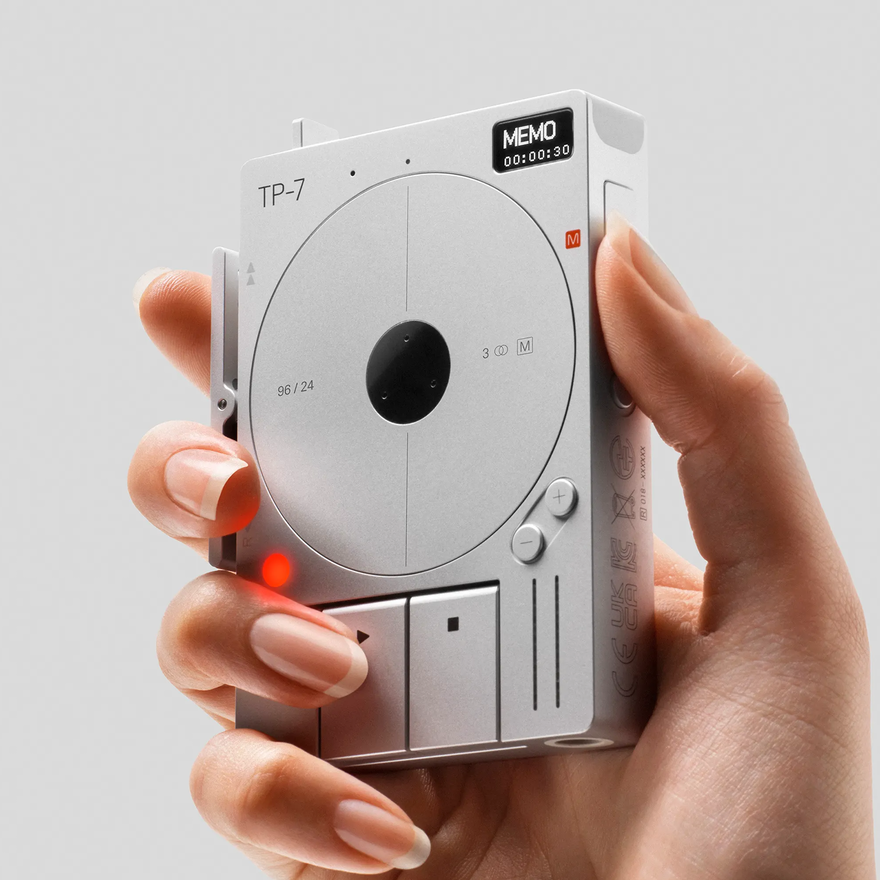
The revival of analog audio in recent years has become more than just a trend; it symbolizes a cultural movement deeply rooted in nostalgia and authenticity. As music enthusiasts increasingly turn back to vinyl records and analog sound systems, this shift is reshaping how we engage with music, sound, and the experiences that accompany them. The interplay between technology and personal expression has never been more pronounced, fostering communities that cherish the unique qualities of analog audio.
The Cultural Revival of Analog Audio
The resurgence of analog audio has brought forth a new appreciation for music’s tactile and auditory qualities. This revival is seen in several key areas:
- Vinyl Records: Sales have skyrocketed, with vinyl records outselling CDs in certain markets for the first time in decades, reflecting a growing desire for a physical music medium.
- Turntables and Analog Gear: High-quality turntables and analog sound systems are becoming increasingly popular, with enthusiasts investing in vintage equipment to enhance their listening experience.
- Record Stores: The resurgence of independent record shops has created a community hub where music lovers gather, share recommendations, and celebrate the art of music.
Community and Lifestyle Surrounding Vinyl Records
The culture surrounding analog audio fosters a sense of community and lifestyle that is distinct and vibrant. Vinyl enthusiasts often connect over their shared interests, creating a rich social tapestry centered around music.
“Vinyl records are not just about the music; they are a tangible connection to the past and a way to engage with music on a deeper level.”
This lifestyle is manifested in various ways:
- Record Fairs: Events where collectors swap, sell, and trade records, allowing them to discover rare items while building relationships with other music lovers.
- Listening Parties: Gatherings that encourage people to come together and appreciate music in an immersive and communal setting.
- Social Media Communities: Platforms where individuals share their collections, discuss new releases, and exchange insights about analog audio gear.
Analog Audio as Artistic Expression and Authenticity
For many artists and producers, analog audio represents a form of artistic expression that is inherently authentic. The warmth and depth of analog recordings often evoke emotions that digital formats struggle to replicate.
“The imperfections in analog recording, such as vinyl crackles and tape hiss, contribute to a unique sound that speaks to the listener’s soul.”
Several factors underscore this perception:
- Sound Quality: Many argue that analog audio provides a richer, more dynamic listening experience, allowing listeners to connect more profoundly with the music.
- Creative Control: Artists often prefer analog recording techniques to convey their artistic vision, capturing performances in a way that feels genuine and unfiltered.
- Symbol of Resistance: The choice of analog over digital can represent a stand against the mass production and uniformity of contemporary music, embracing individuality and craftsmanship.
The Future of Analog Audio in a Digital World
As the music industry continues to evolve in the digital age, the future of analog audio remains a topic of interest. With the rapid advancements in technology and shifting consumer preferences, examining how analog audio can coexist and thrive alongside digital formats is essential. This exploration reveals current trends and innovations that may shape the landscape of sound recording and playback in the foreseeable future.
Current trends indicate a growing appreciation for analog audio’s unique qualities, which might influence its future relevance. Many artists and producers are increasingly turning to analog equipment to capture the warmth and depth that digital systems often lack. This move is not solely about nostalgia; rather, it reflects a desire for authenticity in a heavily digitized world. As music consumers become more discerning, the demand for high-fidelity audio experiences continues to rise, potentially fostering a resurgence in analog technologies.
Hybrid Systems Combining Analog and Digital Technologies
The integration of analog and digital technologies has the potential to offer the best of both worlds. Hybrid systems are becoming increasingly popular in professional studios and among home audio enthusiasts, allowing users to harness the strengths of both formats. These systems merge the warmth of analog sound with the convenience of digital editing and distribution, creating an appealing solution for modern audio engineering.
The benefits of hybrid systems include:
- Flexibility: Users can choose between analog and digital processing depending on the desired sound, enabling creative freedom in music production.
- Enhanced Workflow: The speed of digital editing combined with analog’s rich sound can streamline the recording process while maintaining audio quality.
- Cost-Effectiveness: Investing in a hybrid setup may reduce the need for extensive analog equipment, providing access to high-quality sound without excessive spending.
However, there are challenges associated with these systems as well:
- Complexity: Balancing analog warmth with digital precision requires a deep understanding of both systems, which may be daunting for some users.
- Maintenance: Analog equipment can require more upkeep and repair than digital alternatives, potentially leading to higher long-term costs.
- Learning Curve: Producers and engineers may need to acquire new skills to effectively blend both technologies, which can take time and effort.
“Hybrid systems provide an opportunity to embrace the rich character of analog while leveraging the efficiency of digital technology.”
The continued exploration of hybrid systems reflects a broader trend in the music industry, where the quest for unique sound experiences drives innovation. As the lines between analog and digital continue to blur, the future of analog audio promises to offer exciting possibilities for musicians and audio professionals alike.
Advantages and Disadvantages of Continuing Analog Technologies in Modern Music Production
The choice to incorporate analog technologies into contemporary music production involves weighing a variety of factors. While analog audio is celebrated for its distinct characteristics, it also presents certain limitations that may affect its viability in the long run.
Advantages of maintaining analog technologies include:
- Sound Quality: Many audiophiles argue that analog recordings possess a warmth and richness that digital formats struggle to replicate.
- Aesthetic Appeal: The tactile nature of analog equipment can enhance the creative process, offering a hands-on experience that resonates with artists.
- Nostalgic Value: For some listeners and musicians, analog audio represents a connection to the past, evoking memories and sentiments that digital formats may lack.
Conversely, there are notable disadvantages:
- Cost: High-quality analog equipment can be prohibitively expensive, making it less accessible for new artists and independent producers.
- Portability: Analog gear is often bulkier and less portable than digital solutions, which can be a significant drawback for touring musicians.
- Obsolescence: As digital technology progresses, certain analog formats may become obsolete, raising concerns about long-term investment.
“While analog technologies offer unique advantages, their disadvantages must be carefully considered to ensure sustainability in modern production.”
In summary, the future of analog audio in a digital world is influenced by shifting trends, the integration of hybrid systems, and an ongoing dialogue about the advantages and drawbacks of analog technologies in music production. As the auditory landscape evolves, it will be fascinating to see how these elements interconnect and shape the sound of tomorrow.
Maintenance and Care for Analog Audio Equipment
Proper maintenance and care of analog audio equipment is crucial for achieving the best sound quality and longevity of your devices. Just like any mechanical system, these devices require regular attention to function optimally. By following well-defined steps and tips, you can ensure that your analog audio gear remains in excellent condition over the years.
Step-by-Step Maintenance Procedures
Regular maintenance helps to prevent common issues that can arise with analog equipment. Here’s a concise list of steps you should follow:
- Regularly check connections and cables for wear and tear. Loose or frayed cables can lead to poor sound quality.
- Keep the equipment in a stable, dry environment to avoid damage from humidity or extreme temperatures.
- Inspect and clean the device’s exterior with a soft, dry cloth to avoid scratching surfaces.
- Perform regular checks of moving parts such as tonearms and belt drives to ensure they are functioning smoothly.
- Schedule periodic servicing from a professional technician for intricate components that require specialized tools.
Cleaning and Preserving Analog Media Formats
Maintaining the quality of your analog media, such as vinyl records and tapes, is essential for preserving sound fidelity. Here are effective tips for cleaning and preserving these formats:
Proper cleaning not only enhances audio quality but also extends the lifespan of your media.
- For vinyl records, use a carbon fiber brush to remove dust before and after each use.
- Deep clean records with a specialized vinyl cleaning solution and a soft microfiber cloth, ensuring to follow the grooves.
- Store records vertically in a cool, dry place, away from direct sunlight to prevent warping.
- For audio tapes, keep them in a stable environment, and use a tape cleaner or a soft, lint-free cloth to remove dirt from the tape surface.
Troubleshooting Common Issues
Analog audio equipment is prone to several common issues that can affect performance. Here’s how to address them:
Identifying and resolving issues early can save you from costly repairs later.
- Skips in playback are often caused by dust on the stylus. Clean it gently with a stylus brush.
- If your turntable runs slow or fast, check the belt or drive mechanism, replacing worn parts as necessary.
- Distorted sound can indicate dirty contacts or a failing cartridge, which may need cleaning or replacement.
- For tape players, if the sound is muffled, check the playback head for dirt buildup and clean it properly.
The Aesthetic Appeal of Analog Audio Formats
The aesthetic appeal of analog audio formats is an intriguing facet that transcends mere sound quality. It embodies a rich tapestry of physical characteristics, tactile experiences, and visual artistry that collectively enhance the appreciation of music. For many enthusiasts, analog audio is not just about listening; it’s a sensory journey that engages multiple senses and evokes nostalgia.
Physical Characteristics of Analog Formats
The physical attributes of analog audio formats contribute significantly to their aesthetic value. Vinyl records, for instance, are often celebrated for their large, tactile surfaces and the unique textures that accompany them. The distinctive grooves of a vinyl record create not only a visual representation of sound but also a tangible connection to the music. Holding a record in one’s hands and placing it on a turntable offers a sense of ritual that digital formats lack.
“The warmth of vinyl creates an intimate listening experience that many audiophiles cherish.”
Moreover, the materials used in the production of analog formats, such as high-quality vinyl or sturdy cardboard for album covers, further accentuate their aesthetic appeal. These materials possess a weight and durability that digital devices simply cannot replicate.
Tactile Experience of Using Analog Equipment
The tactile experience of using analog audio equipment stands in stark contrast to the often sterile interaction with digital devices. Operating a turntable or cassette deck involves a series of deliberate actions: removing an album from its sleeve, placing the needle on the record, and adjusting the volume on a vintage amplifier. Each step is infused with a sense of purpose and engagement that digital interfaces, characterized by touchscreens and quick clicks, do not provide.
The satisfaction derived from manually adjusting the tonearm or cleaning a record creates a connection between the listener and the music that is deeply personal. This interaction fosters a greater appreciation for the art form itself and transforms listening into an event rather than a mere background activity.
Album Artwork and Packaging
Album artwork and packaging play a crucial role in the overall appreciation of analog music releases. The size of vinyl records allows for expansive artwork that can be visually stunning. Iconic covers, such as Pink Floyd’s “The Dark Side of the Moon” or The Beatles’ “Sgt. Pepper’s Lonely Hearts Club Band,” serve as artistic milestones that enhance the listening experience.
The physical packaging often includes additional elements, such as inserts, booklets, and even posters, which provide context and enrich the interaction with the album. These artistic pieces not only offer insights into the music but also become collectible items that can appreciate in value over time.
In this way, the experience of owning an analog album transcends the audio quality, creating a holistic appreciation of the music as an art form. The interplay of sound, tactile engagement, and visual artistry defines the nostalgic allure of analog audio formats, making them cherished by many enthusiasts around the globe.
Conclusive Thoughts
In conclusion, the enduring charm of analog audio lies not only in its nostalgic appeal but also in its ability to create authentic musical experiences. As we embrace the future with digital advancements, the rich textures and emotional depth of analog sound remind us of the beauty found in simplicity and craftsmanship.
FAQ Guide
What is analog audio?
Analog audio refers to sound that is recorded and reproduced through continuous signals, contrasting with digital audio, which uses discrete values.
Why do musicians prefer analog audio?
Many musicians favor analog audio for its warm, rich sound and the character it imparts, which can enhance the emotional impact of their music.
What are common maintenance tips for analog equipment?
Regular cleaning of components, proper storage of tapes and records, and ensuring that the equipment is kept in a controlled environment can significantly extend its lifespan.
Can analog audio coexist with digital technology?
Absolutely! Many artists and producers are now using hybrid systems that combine the warmth of analog with the convenience of digital, creating a unique sound palette.
Is analog audio making a comeback?
Yes, there has been a notable resurgence in the popularity of vinyl records and analog equipment, driven by a desire for authenticity and a tactile music experience.