
 Zoe Nora
Component speakers have become a game-changer in the world of audio systems, delivering a level of sound quality that captivates music lovers and audiophiles alike. Unlike traditional setups, component speakers separate the different sound frequencies into distinct units, allowing for a more precise and immersive listening experience. This unique arrangement not only enhances clarity but also creates a more realistic soundstage that makes you feel like you’re in the front row of a concert.
Their role extends beyond just sound reproduction; component speakers are engineered to work harmoniously with your audio system. By understanding how they function alongside other elements, such as amplifiers and crossovers, you can unlock the true potential of your audio setup. Whether you’re upgrading your car’s sound system or enhancing your home audio, component speakers offer the flexibility and performance that can transform your listening experience.
Component speakers and their role in audio systems
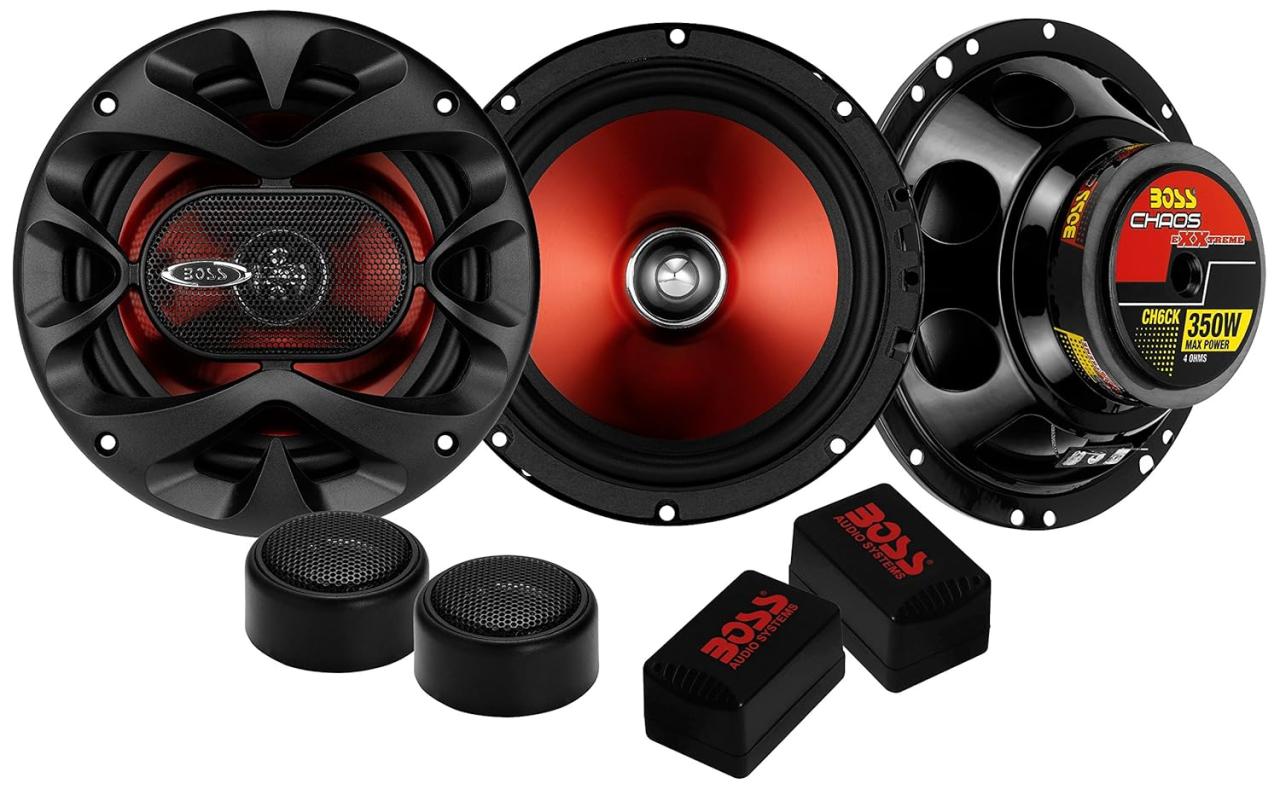
Component speakers play a crucial role in enhancing the audio experience within various sound systems, including home theaters, car audio setups, and professional audio installations. Unlike more basic speaker types, component speakers are designed to produce a fuller, clearer sound by separating their elements, such as woofers, tweeters, and sometimes midrange drivers. This separation allows for a more precise sound reproduction, making them a preferred choice for audiophiles and those seeking superior audio quality.
Component speakers function by utilizing multiple individual drivers, each engineered to handle specific frequency ranges. The woofer is responsible for producing low frequencies, which gives depth and fullness to the sound. The tweeter, on the other hand, is designed for high frequencies, ensuring crisp and clear highs. Some systems also incorporate a midrange driver to cover the middle frequencies, resulting in a more balanced audio output. This three-way configuration allows each driver to function optimally without the limitations that can occur when a single unit attempts to handle all frequencies. This arrangement not only enhances clarity but also improves stage presence and depth in sound, making the listening experience more engaging.
Differences between component speakers and coaxial speakers
Understanding the distinctions between component speakers and coaxial speakers is essential for anyone looking to invest in an audio system. Each type of speaker has its unique characteristics and applications, which cater to different listener preferences and requirements.
– Driver Configuration: Component speakers have separate drivers mounted independently, while coaxial speakers integrate the woofer and tweeter into one unit. This means that component speakers can offer more flexibility in placement and sound tuning.
– Sound Quality: Component speakers generally provide superior sound quality due to their tailored driver configurations, which help to minimize distortion and enhance audio fidelity. Coaxial speakers, while convenient, often sacrifice some audio quality for the sake of a compact design.
– Installation Flexibility: Component speakers allow for more versatile installation options. Users can place drivers in different locations to achieve an optimal sound stage, whereas coaxial speakers are limited to the location of the single unit.
The placement of component speakers significantly influences sound quality and performance. Proper placement can enhance stereo imaging, ensuring that sounds appear to come from distinct locations rather than a single point. When positioning the woofer and tweeter, care should be taken to ensure they are aligned and at ear level when seated, as this alignment helps to create a more cohesive and dynamic audio experience. Additionally, using proper mounting techniques can minimize vibrations and resonances, further improving overall sound clarity.
Optimal placement and configuration are key to maximizing the performance of component speakers and achieving a high-quality audio experience.
Selecting the right component speakers for your needs
Choosing the right component speakers can significantly enhance your audio experience, whether you’re a casual listener or an audiophile. Understanding the various factors that influence speaker performance is essential for making an informed decision that aligns with your specific requirements and sound preferences.
When selecting component speakers, it’s important to consider various key factors that directly affect performance and compatibility. The power handling capability, often measured in watts, indicates how much power a speaker can handle without distortion. This is crucial to match with your audio source for optimal performance. Sensitivity ratings, measured in decibels (dB), indicate how efficiently a speaker converts power into sound. A speaker with a higher sensitivity rating will produce more sound with less power, making them ideal for low-powered amplifiers.
Assessing compatibility with existing audio equipment
Ensuring that your component speakers are compatible with your current audio system is vital for optimal performance. A few aspects to consider include impedance matching, amplifier power output, and physical fitment in your vehicle or desired space.
– Impedance: Most speakers have an impedance rating of 4, 6, or 8 ohms. Ensure your amplifier can handle the impedance of the speakers to avoid damage and achieve the best sound quality.
– Power Output: Check the power output of your amplifier and compare it with the RMS (Root Mean Square) power handling of the speakers. Ideally, the amplifier should provide enough power to drive the speakers without distortion.
– Physical Size: Measure the available space for your speakers to ensure they will fit. Component speakers often require specific mounting locations, which must be considered before purchasing.
A thorough understanding of these compatibility factors can prevent poor audio performance and potential damage to your equipment.
To assist you in your journey of selecting component speakers, here’s a comprehensive list of popular brands and models categorized by budget, ensuring there’s something for everyone:
– Budget-Friendly Options:
– Pioneer TS-A1670F: Affordable and versatile, suitable for various sound systems.
– JBL Stage 2: Offers good sound quality at a low price point.
– Mid-Range Selections:
– Rockford Fosgate R165X3: Known for its clarity and depth, providing excellent value.
– Alpine SPS-610: Delivers balanced sound with quality materials for durability.
– High-End Choices:
– Focal Access 165 A1: Exceptional sound reproduction and build quality for serious audiophiles.
– Morel Tempo Ultra 602: Premium sound with superior craftsmanship, perfect for high-end installations.
These brands and models are highly regarded in the audio community, making them reliable choices across various price ranges. By considering the key factors of power handling, sensitivity ratings, and compatibility with your existing audio equipment, you’re well on your way to making an informed purchase that meets your audio needs.
Installation techniques for component speakers
Installing component speakers can significantly enhance the audio quality in your vehicle, transforming your listening experience. Understanding the right techniques and having the right tools are essential for a successful installation. This guide will provide you with a comprehensive overview of the necessary tools, a step-by-step installation process, and common pitfalls to avoid.
Necessary tools and materials for installation
Before diving into the installation, having the right tools and materials is crucial for a smooth process. Essential items include:
- Tools:
- Wire strippers
- Screwdrivers (flathead and Phillips)
- Drill with bits
- Torx bit set (if needed for your vehicle)
- Plastic trim removal tools
- Socket set
- Materials:
- Component speakers
- Speaker wire (if not included with the speakers)
- Electrical tape or heat-shrink tubing
- Screws and mounting hardware (usually provided with speakers)
- Sound deadening material (for better acoustics)
Having these tools and materials at hand will set the stage for a successful installation.
Step-by-step guide for installing component speakers
The installation process for component speakers can vary based on your vehicle type, but following a general procedure can ensure consistency. Here is a step-by-step guide:
- Preparation: Disconnect the vehicle battery to ensure safety during the installation process.
- Remove the existing speakers: Use the appropriate tools to carefully remove the factory speakers. This may involve removing trim pieces or door panels.
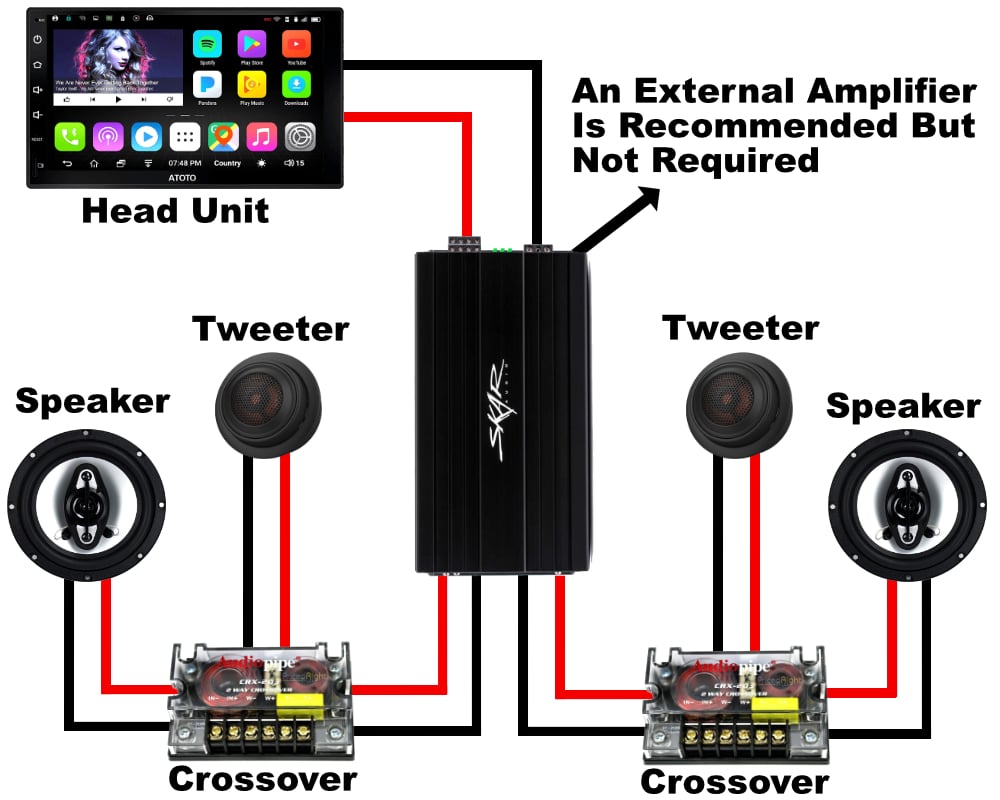
- Install the crossovers: Position the crossovers in a suitable location within the door or dashboard, securing them as needed. Ensure they are not obstructed by any moving parts.
- Mount the woofers: Secure the woofer speakers into the designated location using screws or mounting hardware. Ensure they are tight and fit properly.
- Install the tweeters: Mount the tweeters in a suitable location, such as the A-pillar or dashboard. Use the appropriate tools to ensure they are securely in place.
- Wiring: Connect the wiring from the speakers to the crossovers and then to the head unit. Ensure the connections are secure and insulated properly.
- Testing: Reconnect the vehicle battery and test the speakers to ensure they are functioning correctly before reassembling any panels.
- Reassemble: Once tested, carefully reattach all removed panels and components, ensuring everything is secure and looks tidy.
This step-by-step guide provides a general framework for installation, though specific vehicles may have unique requirements.
Common installation mistakes to avoid
Even experienced installers can make mistakes during the installation of component speakers. Being aware of common pitfalls can save you time and ensure a better overall sound experience.
- Incorrect polarity: Connecting the speakers with reversed polarity can result in poor sound quality. Always ensure positive is connected to positive and negative to negative.
- Ignoring crossover placements: Failing to install crossovers in an appropriate location can hinder their performance. They should be placed securely and away from moisture.
- Insufficient insulation: Not using electrical tape or heat-shrink tubing on wire connections can lead to shorts or interference. Proper insulation is vital for longevity and performance.
- Over-tightening screws: Applying too much pressure when securing speakers can damage the mounts or the speakers themselves. Aim for snug, but not overly tight, connections.
- Neglecting sound deadening: Failing to apply sound deadening materials can result in rattling or unwanted vibrations, negatively affecting audio quality.
Troubleshooting issues is also an important aspect of the installation process. If you encounter problems, check your connections meticulously, and ensure that all components are securely installed and functioning as expected.
Enhancing the performance of component speakers
Optimizing the sound quality of component speakers can significantly elevate your audio experience. By focusing on proper tuning, making informed adjustments, and understanding the importance of soundproofing, you can achieve a sound that is not just good, but exceptional. Let’s explore effective methods to enhance your component speakers’ performance.
Sound Quality Optimization through Tuning
Proper tuning is essential to unlock the full potential of your component speakers. It involves adjusting various parameters to create a balanced and immersive listening experience. Here are some key methods to consider:
- Equalization (EQ): Fine-tuning frequency response can help eliminate unwanted peaks or dips in sound. Using a digital signal processor (DSP), you can adjust the EQ settings to tailor the sound to your vehicle’s acoustics.
- Time Alignment: Ensuring that sound from each speaker reaches your ears at the same time enhances clarity. This can often be achieved through DSP settings or by physically adjusting speaker placement.
- Volume Level Matching: Balancing the output levels of each speaker is crucial. This prevents one speaker from overpowering another, creating a more harmonious soundstage.
Comparison of Different Types of Crossovers
Crossovers play a pivotal role in directing specific frequencies to the appropriate speakers, enhancing both dispersion and clarity. Understanding the differences between various types of crossovers can help you make an informed choice:
- Passive Crossovers: Typically used in most car audio systems, these utilize passive components like capacitors and inductors. They are simple to install and require no additional power. However, they may introduce phase issues at certain frequencies.
- Active Crossovers: These require a power source and are placed before the amplifier. They allow for greater control over frequency ranges and can improve sound clarity significantly. Active crossovers also minimize phase issues, providing a smoother audio experience.
- Digital Crossovers: Operating through DSPs, these offer the most precise frequency management and tuning options. They can adjust crossover points in real-time, offering flexibility that can adapt to different listening environments.
Importance of Soundproofing in Vehicles
Soundproofing is a critical factor that contributes to the overall audio experience in vehicles. By minimizing external noise and vibrations, soundproofing allows the audio system to perform at its best. Key benefits of soundproofing include:
- Reduced Road Noise: Effective soundproofing materials, such as mass-loaded vinyl or acoustic foams, help to dampen external sounds, allowing you to enjoy music at lower volume levels without interference.
- Improved Sound Clarity: When unwanted noise is minimized, the clarity of the music improves, allowing for a more enjoyable and detailed listening experience.
- Enhanced Bass Response: Soundproofing can prevent bass frequencies from escaping the vehicle, leading to a richer and more powerful low-end response.
Maintenance and care for component speakers
Component speakers are an essential part of any audio system, delivering rich sound quality and enhancing your listening experience. To ensure these speakers perform at their best for years to come, proper maintenance and care are crucial. This section will explore effective cleaning techniques, signs that may indicate a need for servicing or replacement, and the impact of environmental factors on component speakers.
Cleaning and maintaining component speakers
Regular cleaning and maintenance can significantly prolong the lifespan of your component speakers. Dust and debris can accumulate over time, affecting sound quality and speaker performance. Here are some tips to keep your speakers in top shape:
- Dusting: Use a soft, dry microfiber cloth to gently wipe down the speaker’s surface. This prevents scratches and removes dust without damaging the finish.
- Inspecting connections: Regularly check the speaker wires and connectors for corrosion or wear. Clean any dirty connections with electrical contact cleaner to ensure optimal conductivity.
- Cleaning grilles: If your component speakers have removable grilles, take them off and clean them with a vacuum or a soft brush. This helps maintain clarity in sound by ensuring unobstructed audio flow.
- Avoid moisture: Keep speakers away from humid areas to prevent damage from moisture, which can cause speakers to warp or develop mold.
Signs that indicate servicing or replacement
Recognizing the warning signs of a failing speaker is key to maintaining audio quality. Below are some symptoms that suggest it’s time to seek servicing or consider replacement:
- Distorted sound: Any sudden distortion in sound quality, especially at high volumes, can indicate a damaged driver or other internal issues.
- Unusual noises: Clicking, popping, or rattling sounds during operation may be signs of loose components or damage within the speaker.
- Physical damage: Visible damage such as tears or dents in the speaker cone can affect performance and should be addressed immediately.
- Age of the speakers: If your component speakers are several years old and show signs of wear, it may be time to consider replacement for better sound quality and reliability.
Environmental factors affecting component speakers
Environmental conditions can have a significant impact on the performance and longevity of component speakers. Here are some factors to consider and how to protect your speakers:
- Temperature: Extreme temperatures can warp materials and affect sound quality. Keep speakers in a stable climate-controlled environment.
- Humidity: High humidity levels can lead to moisture damage. Use dehumidifiers in damp areas to maintain optimal conditions.
- Sunlight exposure: Direct sunlight can fade finishes and cause material degradation. Position speakers away from windows or use UV-protective covers.
- Vibration and physical impact: Avoid placing speakers in areas with heavy foot traffic or on unstable surfaces. Use vibration-damping pads to minimize movement.
The future of component speaker technology
As audio technology continues to advance, component speakers are evolving to meet the demands of modern listeners. Innovations in design and sound processing are reshaping how these speakers deliver audio experiences. Emerging trends point toward greater integration of technology that enhances sound quality, accessibility, and user experience, paving the way for a future where component speakers are more versatile than ever.
Emerging trends and innovations in component speaker design and technology
The development of component speakers is increasingly influenced by consumer preferences for high-definition audio and sleek designs. Manufacturers are focusing on creating lightweight, compact speakers without sacrificing sound quality. This shift is driving innovations such as:
- Advanced materials: Use of materials like carbon fiber and aluminum for speaker cones enhances rigidity and minimizes distortion.
- Modular designs: Allowing users to customize their audio setup based on their preferences or to easily upgrade components.
- Smart technology integration: Incorporating smart features, such as voice control and app connectivity, for easier operation and personalized audio settings.
Impact of digital sound processing on the evolution of component speakers
Digital sound processing (DSP) has revolutionized the way audio is delivered through component speakers. The application of DSP enables precise sound tuning, allowing for enhanced clarity and a more immersive listening experience. Key benefits include:
- Room correction: DSP can analyze the acoustics of the listening environment and adjust speaker output for optimal sound quality.
- Equalization: Users can adjust frequency responses to suit their preferences or audio content, making DSP a powerful tool in achieving personalized sound.
- Dynamic range control: Ensures that soft sounds are audible while preventing loud sounds from distorting, enhancing overall audio clarity.
Advancements in wireless component speaker systems and their implications for audio performance
Wireless technology continues to make significant strides in the realm of component speakers, leading to greater flexibility and convenience for users. The evolution of wireless systems is characterized by:
- Improved connectivity options: Technologies like Bluetooth 5.0 and Wi-Fi 6 offer faster data transfer rates and lower latency, enhancing the listening experience.
- Multi-room audio capabilities: Users can connect multiple speakers across different rooms, allowing seamless audio distribution throughout their homes.
- Battery efficiency: Innovations in battery technology mean that wireless speakers can operate longer without needing a recharge, making them more practical for mobility.
Conclusive Thoughts
In summary, component speakers stand out as a vital component of any high-quality audio system, promising unparalleled sound fidelity and performance. With the right selection, proper installation, and maintenance, you can enjoy an audio experience that not only meets but exceeds your expectations. As technology continues to advance, the future of component speakers looks bright, hinting at even more innovations that will elevate the way we enjoy music.
FAQ Guide
What is the main difference between component and coaxial speakers?
Component speakers separate the woofer and tweeter for better sound quality, while coaxial speakers combine these elements into a single unit for convenience.
Do I need an amplifier for component speakers?
While not strictly necessary, using an amplifier can significantly enhance the performance and clarity of component speakers.
How can I tell if my component speakers need replacement?
Signs include distorted sound, rattling, or a complete loss of audio, indicating they may need servicing or replacement.
Can I install component speakers myself?
Yes, with the right tools and a good installation guide, many people successfully install component speakers on their own.
What environmental factors can affect component speaker performance?
Humidity, temperature fluctuations, and exposure to sunlight can impact the lifespan and performance of component speakers.