
 Zoe Nora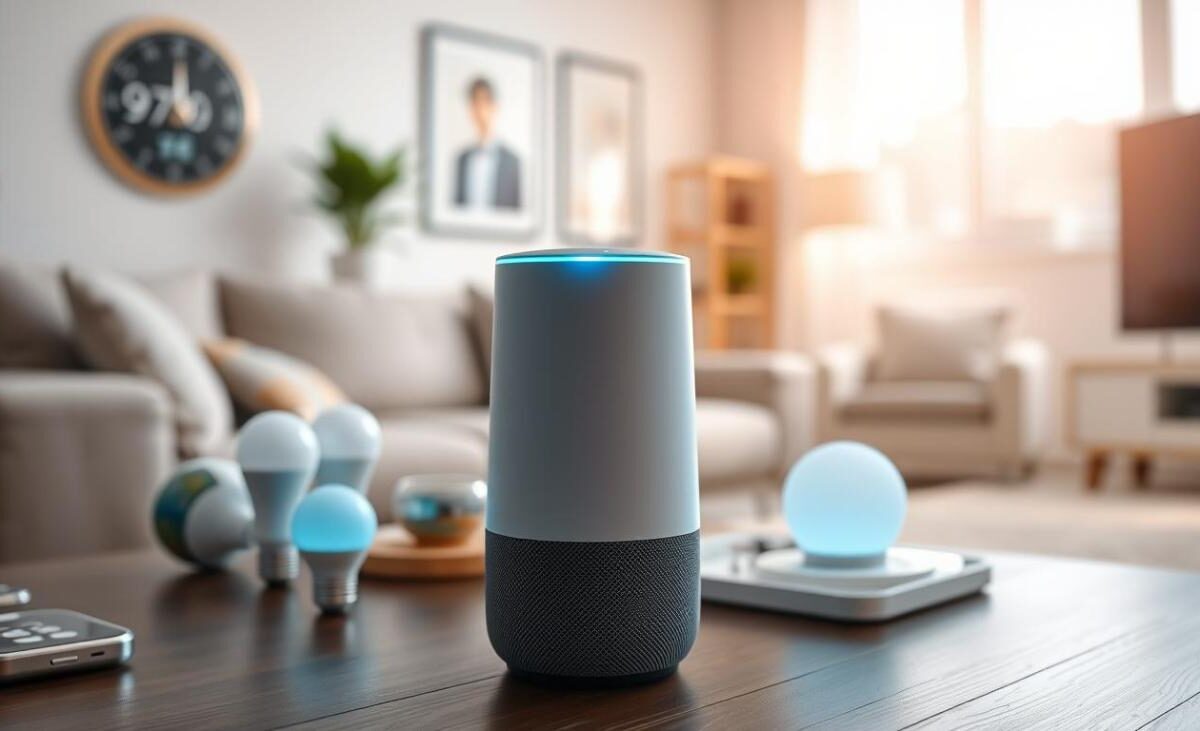
Did you know over 100 million households in the United States use automated tech? This shift has made the AI speaker key to modern homes.
Finding the right voice assistant speaker is crucial. You might need top-notch audio or a way to control your lights. We’ve looked at the best options to help you choose.
Want to compare these devices? Check out this guide to the best smart devices. We focus on privacy, compatibility, and ease of use. This way, you can easily improve your home.
Key Takeaways
- Understand the core differences between major smart home ecosystems.
- Prioritize devices that offer robust privacy and security settings.
- Consider future-proofing your setup by choosing hardware with built-in hubs.
- Evaluate audio quality versus smart functionality based on your specific needs.
- Learn how to integrate new technology seamlessly into your daily routine.
What is a Voice Assistant Speaker?
A voice assistant speaker is key to a more connected life. It acts as the central nervous system of your home. It connects your wishes to digital actions.
Definition and Functionality
A voice assistant speaker is a special device with super-sensitive microphones. These microphones listen for a “wake word” to start working.
When it hears the wake word, it captures your voice. Then, it sends your voice to the cloud for understanding. This lets it do tasks, answer questions, or control other devices with remarkable speed and accuracy.
How They Enhance Home Automation
These speakers are more than just voice assistants. They are the heart of your smart home. They bring together controls for lights, thermostats, and security systems in one place.
This makes it easy to manage devices that don’t connect to Wi-Fi. A centralized grouping system connects them all. This makes your home work as one unit. It makes your life easier and more convenient for everyone.
Top Brands in Voice Assistant Speakers
When you look for a voice command speaker, you’ll find three big names. These companies have changed the smart home world with their own software and hardware. Picking the right voice assistant speaker depends on your tech and what you like.
Amazon Echo Series
Amazon has a wide range of devices. They have small speakers and big displays with cool audio. You can find the perfect voice command speaker for any room, from your bed to the kitchen.
Google Nest Lineup
Google makes devices that work well with their search and calendar services. Their products are great for managing your home. If you use Google Workspace or Android, a Google Nest voice assistant speaker will work best for you.
Apple HomePod Options
Apple focuses on quality and privacy for iOS users. Their speakers sound great and look good. Even though there are fewer options, Apple’s voice command speaker is perfect for iPhone and Mac users.
| Brand | Primary Strength | Ecosystem Focus | Best For |
|---|---|---|---|
| Amazon | Device Variety | Alexa/Retail | Budget & Versatility |
| Search/AI | Google Services | Information & Scheduling | |
| Apple | Audio Quality | iOS/Privacy | Audiophiles & Apple Users |
Key Features to Consider
When looking for a smart speaker, it’s important to check its performance. A smart speaker is more than a device; it’s your daily digital companion. By focusing on key technical areas, you ensure it stays useful for years.
Sound Quality and Performance
Good sound quality is crucial for music lovers and those who want a home theater. Look for a balanced audio profile with clear highs and deep bass. This ensures your music sounds great in any room.
Compatibility with Smart Devices
A good voice command speaker works well with your home’s smart devices. Check if it supports your favorite brands for lights, thermostats, and security. This makes controlling your home easy with just your voice.
Voice Recognition Capabilities
Being able to hear you clearly is key for a smooth experience. Look for devices with advanced microphone arrays. This precision technology makes sure your voice commands work every time, even with background noise.
| Feature Category | Primary Benefit | What to Look For |
|---|---|---|
| Audio Output | Immersive Listening | Balanced frequency response |
| Ecosystem Sync | Unified Control | Broad third-party support |
| Voice Pickup | Reliable Interaction | Far-field microphone arrays |
| Connectivity | Stable Performance | Dual-band Wi-Fi support |
Understanding Different Voice Assistants
The smarts of a voice command speaker really shape how it fits into our daily lives. Each platform has its own strengths and weaknesses. These affect how we use our tech every day.
Amazon Alexa
Amazon Alexa is known for its huge library of compatible smart-home devices and third-party skills. It’s perfect for those who love setting up complex home automation.
Its wide support for hardware makes it a top pick for flexibility. You can link everything from smart lights to advanced security systems easily.
Google Assistant
Google Assistant is great at giving accurate, internet-based information and answering tough questions. It’s ideal for those who use Google services a lot for their daily tasks.
It works well with Google Calendar, making it easy to manage your schedule with your smart speaker. It also gives real-time updates from the web, which is very helpful.
Apple Siri
Apple Siri focuses on user privacy, offering a secure experience. It’s designed for those who already use Apple products.
It keeps things simple and ensures your data stays private. This makes it a strong voice command speaker for controlling HomeKit devices.
How to Choose the Right Speaker for Your Needs
Choosing the right device means thinking about your home and daily life. Whether you need a simple smart speaker or a top-notch system for music, there are many options. The right choice makes your technology a help, not a hassle.
Assessing Your Space
First, think about where the device will go. A small interactive speaker is great for tight spots like nightstands or small offices. But, bigger rooms like kitchens or living areas need speakers with more power to fill the room.
Also, consider your room’s acoustics. Hard surfaces can echo, while soft furniture absorbs sound. Place your device in an open area for better microphone performance.
Your Use Cases
What you want to do with the device will guide your choice. For controlling lights and thermostats, choose a smart speaker with a hub. If music quality is key, look for models with deep bass and clear highs.
- Daily Planning: Devices with strong calendar and reminder features are best.
- Home Entertainment: Focus on sound quality and multi-room capabilities.
- Smart Home Control: Make sure it works with your current system, like Alexa or Google Home.
Budget Considerations
Setting a budget is crucial. Basic models are great for simple tasks, while premium ones offer better sound and features. Find a balance between what you want and what you need.
| Speaker Category | Best For | Typical Price Range |
|---|---|---|
| Entry-Level | Basic voice commands | $30 – $60 |
| Mid-Range | Balanced audio and control | $80 – $150 |
| Premium | Audiophile-grade sound | $200+ |
Setting Up Your Voice Assistant Speaker
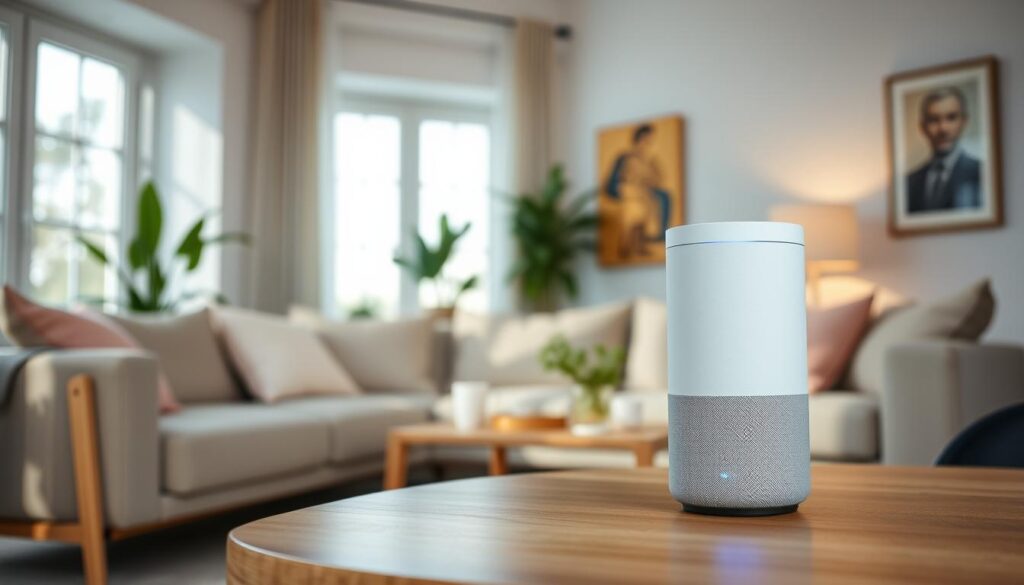
Getting your smart home assistant up and running takes just a few minutes. The tech inside is advanced, but setting it up is easy for everyone.
Just follow a few simple steps to get your device ready. The most important thing is a stable internet connection for a smooth setup.
Step-by-Step Setup Guide
First, download the official app from the manufacturer on your phone or tablet. This app connects your device to your voice-controlled speaker.
After installing the app, here’s what to do next:
- Plug your device into a wall outlet and wait for the light to turn on.
- Open the app and choose to add a new device, making sure Bluetooth is on.
- Follow the app’s instructions to connect to your Wi-Fi network.
- Sign in to your account to customize your interactive speaker experience.
Common Troubleshooting Tips
Even with a smooth setup, you might run into small problems. Most issues come from weak Wi-Fi or wrong passwords.
Here are quick fixes for common problems:
- Restart your router: This often fixes hidden connection problems.
- Check microphone settings: Make sure the mute button on your voice-controlled speaker is off.
- Perform a factory reset: If it’s not working, reset it to its original settings.
- Update the firmware: Always check for software updates in the app to keep your interactive speaker working well.
By taking these small steps, you keep your technology reliable. A strong connection means your device works best for you every day.
Integrating Smart Home Devices
Connecting gadgets to your interactive speaker brings new convenience and automation. Your home becomes more responsive with your voice assistant and smart hardware. This central hub lets you control your environment with voice commands.
Compatible Devices to Pair
A voice-controlled speaker is a command center for your home. It pairs with many devices to make daily tasks easier. Most systems work well with:
- Smart Lighting: Change brightness or color without a switch.
- Climate Control: Keep the perfect temperature automatically.
- Security Hardware: See camera feeds or lock doors from afar.
- Smart Plugs: Make appliances smart by controlling power.
Creating Routines and Automations
Connected devices let you create complex routines with one command. For example, “Good Morning” can adjust your thermostat, turn on lights, and read your schedule. This seamless coordination saves time and makes your home smart.
Try different triggers to fit your lifestyle. These routines save energy or boost security. Below, see how different devices can improve your day.
| Device Category | Primary Benefit | Automation Potential |
|---|---|---|
| Smart Lighting | Energy Efficiency | Scheduled dimming at night |
| Thermostats | Comfort Control | Auto-adjust when you leave |
| Security Cameras | Home Safety | Alerts on motion detection |
| Smart Locks | Access Management | Auto-lock when doors close |
Improving Your Voice Experience
We often overlook simple adjustments that can greatly improve our digital assistant speaker experience. By refining our communication and managing device settings, we can have a smoother smart home experience.
Best Practices for Voice Commands
Speak clearly and naturally to get the best results. Modern microphones are designed to pick up conversational tones from across the room. Avoid shouting.
Consistency is key when giving commands. If your voice-controlled speaker struggles, try rephrasing your requests. Break down complex questions into shorter, actionable phrases.
Background noise can affect recognition accuracy. If your device is near a TV or loud kitchen appliance, move it to a quieter spot. This will improve its listening capabilities.
Enhancing Privacy and Security Settings
Keeping your personal data safe is as important as the convenience these devices offer. Most manufacturers provide tools to manage your privacy in their apps.
Regularly review your voice recording history. You can set your digital assistant speaker to delete recordings after a certain time. This keeps your data small.
For total peace of mind, use the physical mute button on your voice-controlled speaker. This switch turns off the microphone, ensuring privacy until you’re ready to use it again.
The Future of Voice Assistant Technology
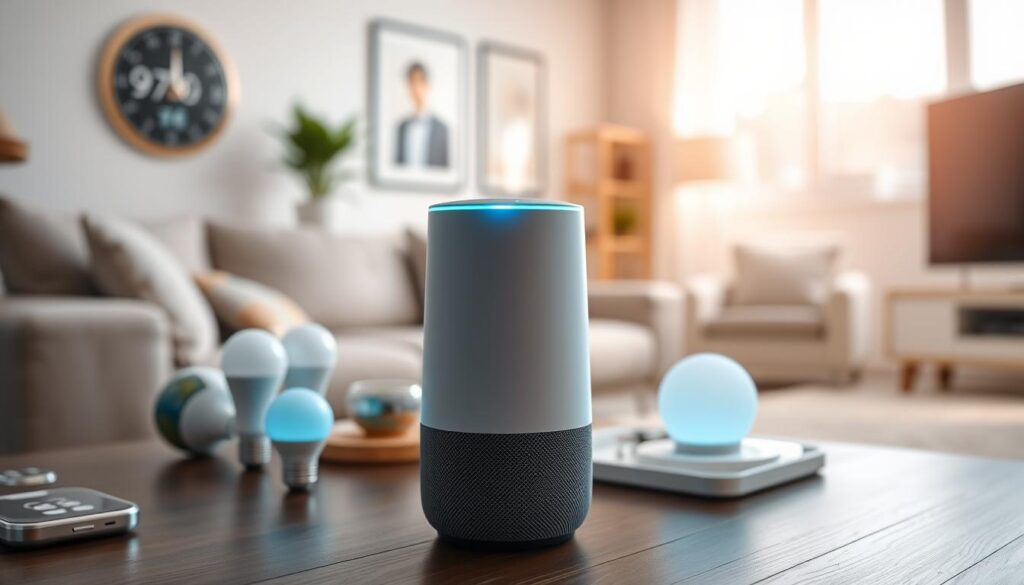
Artificial intelligence is changing voice assistant speakers in big ways. We’re moving from simple commands to systems that really get what we mean. This means our homes will better meet our needs.
Upcoming Trends in Smart Speakers
The next smart speakers will use conversational AI for better chats. You won’t need to say “Hey, Alexa” for every question. It’s like talking to a real helper.
Expect proactive assistance too. Devices will guess what you need before you ask. This makes life easier and more connected.
Potential Innovations
Imagine asking your device to set up for a movie night. It would do everything for you, from dimming lights to starting the movie. This is the future of smart speakers.
As tech gets better, devices need to last longer. Look for speakers that can keep up with new features. They should have:
- Advanced neural processing units for faster local execution.
- Enhanced microphone arrays for better voice isolation in noisy rooms.
- Broad compatibility with emerging smart home standards like Matter.
By choosing the right speaker, your home will stay smart for years. The future of voice tech is exciting, making our lives easier and more fun.
Comparing Voice Assistant Speakers
When you start looking for a digital assistant speaker, it’s key to understand the technical details. This way, you can pick a device that really fits your life and home. Don’t get caught up in the marketing; focus on what you really need.
Looking at the hardware can tell you a lot. You can tell if a speaker is just for basic tasks or if it’s meant for great sound. This helps you avoid spending too much on things you might not use. And you make sure you get the sound quality you want.
Feature-by-Feature Analysis
The heart of any smart speaker is its microphone array and driver setup. Top models have many far-field microphones. This lets them hear you even when music is loud.
On the other hand, cheaper speakers might have fewer microphones. This can cause them to miss commands in loud places. Also, bigger speakers usually sound better, with deeper bass and clearer highs. They’re great for living rooms.
Price Comparisons
Money matters when choosing a speaker. High-end models sound better and have more features. But, cheaper speakers can still do the basics like setting timers or controlling lights.
Think about what you’ll use the speaker for before buying. If you love music, a pricier virtual assistant speaker might be worth it. But for simple voice control in a bedroom or office, a cheaper model works fine.
| Model Category | Audio Quality | Microphone Array | Price Range |
|---|---|---|---|
| Entry-Level | Basic | 2-Mic System | $30 – $50 |
| Mid-Range | Balanced | 4-Mic System | $80 – $120 |
| Premium | High-Fidelity | 6+ Mic System | $199+ |
Popular Use Cases for Voice Assistants
From waking up to bedtime, a virtual assistant speaker is at the heart of your home. These devices have grown from simple novelties to key tools that simplify our lives. They let us tackle complex tasks with just our voice.
Daily Routines
Starting your day is easier with a digital helper. You can set alarms, check the weather, and get traffic updates without leaving bed.
These devices are great for staying organized. We use them to:
- Create and manage dynamic shopping lists that sync to our phones.
- Set hands-free timers while cooking in the kitchen.
- Add important appointments to our digital calendars instantly.
Entertainment
Your home turns into a personal media center with a top-notch virtual assistant speaker. Stream your favorite music or news podcasts without lifting a finger.
Many enjoy syncing audio across rooms. This makes parties or quiet nights more immersive. You can even ask for specific music or moods to match your mood.
Home Security
Keeping your home safe is crucial, and your voice-controlled device is key. It connects to smart cameras and doorbells for real-time monitoring.
When someone comes to your door, your virtual assistant speaker alerts you instantly. This lets you stay updated without constantly checking your phone. Adding these security features gives you peace of mind, knowing your home is always watched.
Conclusion
Choosing the right AI speaker is all about finding the right mix. You need to think about your digital ecosystem, budget, and what you want from your audio. We’ve looked at the key features, top brands, and privacy settings that shape today’s smart homes.
Your AI speaker is the starting point for a more connected life. By looking at what you need and using our tips, you can create a smart home that works for you. It will be efficient and responsive.
This guide is meant to help you pick a device that makes your daily life better. The right choice will bring lasting benefits and convenience. Begin your smart home journey by choosing the right hardware for your vision.