
 Zoe Nora
Audio streamers are at the forefront of modern audio technology, transforming the way we enjoy music and audio content. These devices allow users to access a vast array of digital sound sources, delivering high-quality audio through various streaming services and formats. With the evolution from traditional media to digital streaming, audio streamers have set the stage for a revolution in how we experience sound.
The technology behind audio streaming encompasses a variety of protocols and formats, ensuring seamless playback and accessibility. This overview will guide you through the different types of audio streamers available, their benefits, and how to set one up in your home environment to maximize your listening pleasure.
Understanding the Basics of Audio Streamers
Audio streamers are devices or software applications that allow users to access and listen to audio content over the internet. They are a crucial part of the modern digital landscape, facilitating the consumption of music, podcasts, audiobooks, and other audio formats without the need for physical media. With the rise of streaming services, audio streamers have become indispensable tools for both casual listeners and audiophiles alike, offering convenience and a vast array of content at one’s fingertips.
Audio streaming technology relies on a variety of protocols and formats to ensure smooth playback and quality sound. Commonly used protocols include HTTP Live Streaming (HLS), Real-Time Messaging Protocol (RTMP), and more recently, WebRTC for real-time audio streaming. These protocols manage the transmission of audio data packets over the internet, adapting to bandwidth conditions to maintain audio quality. Audio formats such as MP3, AAC, and FLAC are prevalent in the streaming world, each offering different balances of file size and audio fidelity. This technological framework allows users to enjoy high-quality audio seamlessly, irrespective of their location.
Evolution of Audio Streamers
The evolution of audio streamers has been remarkable, transitioning from traditional media formats to digital streaming methods. In the past, listening to music involved physical media such as vinyl records, cassette tapes, and CDs. The introduction of the internet in the late 20th century paved the way for digital formats, which began to gain traction in the early 2000s. The shift to digital audio streaming was driven by the advent of MP3 technology, which revolutionized how music was stored and shared.
As internet connectivity improved and broadband became more accessible, streaming services like Pandora, Spotify, and Apple Music emerged, allowing users to stream music directly to their devices. This transition marked a significant change in consumer behavior, as more individuals preferred the flexibility of streaming over purchasing physical albums. Today, audio streamers not only support music but also expand to podcasts and live radio, demonstrating their versatility in the audio consumption landscape.
Additionally, the rise of smart speakers and multi-room audio systems has integrated audio streamers into daily life, making it easier to access audio content across different devices and locations. The continuous advancements in technology and user preferences will likely shape the future of audio streamers, further enhancing their functionality and user experience.
The Different Types of Audio Streamers in the Market
Audio streamers have revolutionized the way we consume music and podcasts, providing an easy and versatile method for accessing a vast range of audio content. With rapid advancements in technology, consumers now have numerous options to choose from, catering to different needs and preferences. This discussion explores various types of audio streamers available, comparing features of entry-level and high-end models, while highlighting popular brands and models trending in the market.
Types of Audio Streamers
Audio streamers can be categorized based on their functionalities and target audiences. Here are some prominent types of audio streamers:
- Standalone Streamers: These devices are dedicated to streaming audio and often come with built-in DACs (Digital-to-Analog Converters). They typically provide high-quality sound and support various audio formats. Examples include models from brands like Bluesound and Cambridge Audio.
- Integrated Amplifiers with Streaming Capability: These combine traditional amplification with streaming functions, making them ideal for audiophiles who want high-quality sound without multiple devices. Notable models include the NAD C 389 and the Cambridge Audio CXA81.
- Smart Speakers: Devices like Amazon Echo and Google Nest Audio serve dual purposes, functioning as smart home assistants and music streamers. They are user-friendly and offer voice control but may not provide the same audio fidelity as standalone options.
- Streaming Media Players: These devices, such as the Roku and Apple TV, can also stream audio content alongside video. They are versatile but may not focus exclusively on audio quality.
Comparison of Entry-Level and High-End Audio Streamers
When considering audio streamers, it’s essential to understand the distinctions between entry-level and high-end options. Entry-level streamers are generally more affordable and cater to casual listeners, offering basic streaming capabilities and decent sound quality. High-end streamers, on the other hand, are designed for audiophiles with advanced features that enhance audio performance and compatibility.
The following points highlight key differences:
- Sound Quality: High-end streamers typically feature superior DACs and components, resulting in clearer and more dynamic audio reproduction.
- Supported Formats: Entry-level models may limit audio format support, while high-end streamers often handle high-resolution audio files like FLAC and DSD.
- Connectivity Options: Premium streamers offer a broader range of connectivity options, including balanced outputs and support for multi-room setups.
- User Interface and Features: High-end models often come with advanced user interfaces, mobile apps, and additional streaming services, providing a more immersive user experience.
Popular Brands and Models
Several brands dominate the audio streaming market, offering models that cater to different user preferences. Some of the currently trending brands and their popular models include:
- Bluesound: The Node 2i is a popular choice due to its excellent sound quality and support for high-res streaming.
- NAD: Models like the C 658 integrate streaming capabilities with high-end audio performance, appealing to serious audio enthusiasts.
- Sonos: Known for their wireless multi-room setup, the Sonos Port allows users to stream music seamlessly throughout their homes.
- Cambridge Audio: The CXN V2 is celebrated for its impressive sound and user-friendly interface, making it a top pick for audiophiles.
“Audio streamers are not just about streaming; they’re about transforming the way we interact with music and sound.”
Analyzing the Benefits of Using an Audio Streamer
Audio streamers have revolutionized the way we enjoy music and audio content. Unlike traditional playback devices, which often rely on physical media or limited connectivity options, audio streamers provide a seamless and versatile listening experience. They integrate various streaming services, enabling users to access a vast library of content without the hassle of switching devices or managing physical collections.
One of the primary advantages of audio streamers is their ability to deliver high-quality sound. They often support high-resolution audio formats that traditional devices may not accommodate, resulting in a richer listening experience. Many audio streamers come equipped with advanced digital-to-analog converters (DACs) that significantly enhance sound quality, allowing listeners to appreciate the nuances of their favorite tracks. The clarity, depth, and detail presented by these devices create an immersive audio environment that can transform routine music listening into a captivating experience.
Convenience of Wireless Streaming Options
The convenience of audio streamers lies in their wireless streaming capabilities and mobile integration. Users can enjoy music from various sources without being tethered to their devices, which enhances overall flexibility. This mobility factor is particularly beneficial in today’s fast-paced world, where people are often on the go.
The following points highlight the key conveniences offered by audio streamers:
- Seamless Connectivity: Audio streamers typically support Wi-Fi and Bluetooth, allowing for easy connections to multiple devices, including smartphones, tablets, and smart home systems.
- Access to Streaming Services: Most audio streamers come pre-loaded with popular services such as Spotify, Tidal, and Apple Music, making it easy to find and play favorite tracks with just a few clicks.
- Remote Control Features: Many audio streamers can be controlled via mobile apps, providing the ability to adjust settings, browse libraries, and manage playback from anywhere in the home.
- Multi-Room Streaming: Advanced models support multi-room audio setups, enabling users to play synchronized music throughout their homes or different content in different rooms, enhancing the overall listening experience.
Incorporating these features into a daily routine not only simplifies the listening experience but also allows for more spontaneous enjoyment of music and podcasts. The integration of audio streamers into modern lifestyles exemplifies how technology can enhance entertainment while providing the freedom to explore audio content effortlessly.
Setting Up Your Audio Streaming System Effectively
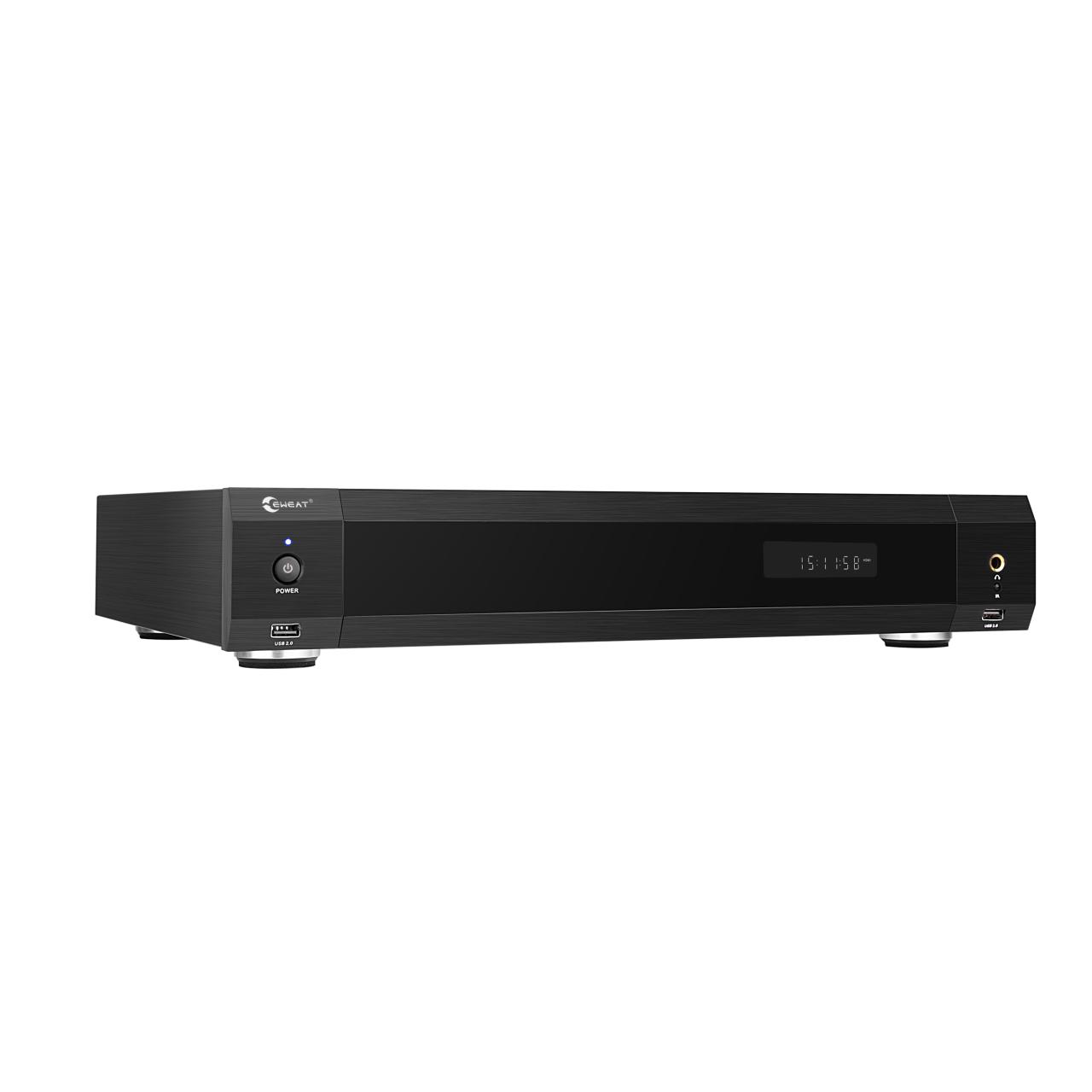
Establishing a reliable audio streaming system in your home enhances your listening experience, allowing you to enjoy high-quality sound from various devices seamlessly. This guide will walk you through the necessary steps to set up your audio streamer, ensuring optimal performance and enjoyment.
Essential Equipment for Optimal Performance
To achieve the best audio streaming quality, it’s important to gather the right equipment and accessories. Here’s a list of critical components that you will need:
- Audio Streamer: The core of your setup, it connects to your Wi-Fi network and streams music from online services.
- Network Router: A stable router is essential for maintaining a strong Wi-Fi signal, especially in larger homes.
- Speakers: Choose high-fidelity speakers that suit your listening environment; consider options like bookshelf, floor-standing, or wireless speakers.
- Amplifier: If using passive speakers, an amplifier may be needed to boost the audio signal.
- Cables: Quality audio cables (like HDMI, optical, or RCA) are necessary for connecting your devices.
- Smartphone or Tablet: Use these devices as controllers for your audio streamer, giving you easy access to music libraries and streaming services.
Step-by-Step Setup Process
Setting up your audio streaming system involves a few straightforward steps that will ensure everything works harmoniously together. Follow these steps for a successful installation:
- Connect Your Audio Streamer: Plug in your audio streamer to a power source and connect it to your network via Wi-Fi or Ethernet cable.
- Install the Required App: Download and install the appropriate application for your audio streamer on your smartphone or tablet.
- Configure Network Settings: Open the app to set up your audio streamer, selecting your Wi-Fi network and entering your password.
- Connect Audio Output: Depending on your audio setup, connect the streamer to your speakers using the appropriate cables.
- Test the Connection: Use the app to play a song to ensure that audio is streaming correctly through your speakers.
Troubleshooting Common Setup Issues
It’s not uncommon to encounter issues during the setup process. Here are some common problems and solutions to help you troubleshoot effectively:
- No Audio Output: Check your connections and ensure that the speakers are powered on. Ensure that the correct output is selected in the app.
- Buffering or Lag: This may indicate a weak Wi-Fi signal. Consider moving your router closer to the audio streamer or using a Wi-Fi extender.
- App Connectivity Issues: Restart your audio streamer and ensure your app is updated to the latest version. Rebooting your router can also help resolve connectivity problems.
“A well-configured audio streaming system transforms your home into a personal concert hall.”
By gathering the right equipment, following the setup steps closely, and being prepared for common troubleshooting issues, you can create a robust audio streaming environment that meets your listening preferences.
Exploring the Integration of Smart Home Technology with Audio Streamers
The integration of audio streamers into smart home ecosystems creates a seamless experience for users, allowing them to control their audio and multimedia environments effortlessly. As smart home technology continues to advance, audio streamers play a crucial role in enhancing the functionality and enjoyment of connected devices. This integration not only provides convenience but also elevates the overall user experience in home entertainment.
The role of voice assistants and companion applications cannot be overstated when discussing the control and management of audio streamers within a smart home setup. These technologies allow users to interact with their audio systems through voice commands or mobile applications, providing an easy and intuitive way to access music, podcasts, and other audio content. For instance, popular voice assistants like Amazon Alexa, Google Assistant, and Apple Siri can be used to change tracks, adjust volume, and even manage playlists, making it simpler for users to enjoy their favorite sounds hands-free.
Compatibility of Audio Streamers with Smart Home Devices
Understanding the compatibility of various audio streamers with smart home devices is essential for creating an integrated entertainment system. Each audio streamer offers different features and connectivity options, making it necessary to choose one that aligns with the existing smart home products. Here are key points to consider regarding compatibility:
- Wi-Fi Connectivity: Many modern audio streamers connect to home networks via Wi-Fi, allowing for high-quality streaming and integration with smart home systems. Devices like the Sonos One and Google Nest Audio exemplify this capability.
- Bluetooth Functionality: Some audio streamers utilize Bluetooth for quick and easy pairing with mobile devices, enabling control from anywhere within the home. For example, the Bose SoundTouch series supports Bluetooth, making it user-friendly for casual listeners.
- Support for Multi-Room Audio: Devices such as the Amazon Echo Link and Apple HomePod can engage in multi-room audio setups, allowing users to play music across various rooms through synchronized control.
- Integration with Smart Home Hubs: Compatibility with smart home hubs like SmartThings or Wink enhances the functionality of audio streamers, enabling users to incorporate their music systems into broader automation routines.
“The ability to command your favorite tunes with just your voice transforms the way we interact with audio streamers.”
Audio streamers are not only evolving to support existing smart home technologies but are also influencing the design of new devices to ensure interoperability and enhanced user experience. As the market expands, consumers can expect even more integration possibilities that deliver convenience and foster a connected lifestyle.
A Comprehensive Look at Streaming Services Compatible with Audio Streamers
In today’s digital age, audio streamers serve as essential devices for music enthusiasts, enabling seamless access to a variety of streaming services. These platforms not only offer extensive libraries of music but also cater to different preferences through unique features and pricing structures. Here’s a closer look at some of the major streaming services that are compatible with audio streamers, along with their subscription models and distinctive offerings.
Major Streaming Services Supported by Audio Streamers
Several well-known streaming services are compatible with audio streamers, providing users with diverse options depending on their listening habits and preferences. The following list highlights prominent services along with their subscription models:
-
Spotify
Spotify offers a free tier supported by ads and a Premium subscription that removes ads and allows for offline listening. The Premium tier is priced at approximately $9.99 per month, with discounts available for students and families.
-
Apple Music
Apple Music is a subscription-only service that offers a vast library of over 75 million songs. The standard subscription costs around $9.99 per month, with family plans available for $14.99 per month and student discounts for $4.99.
-
Tidal
Tidal focuses on high-fidelity sound quality and exclusive content. It offers two main tiers: Tidal Premium at $9.99 per month and Tidal HiFi at $19.99 per month, the latter providing lossless audio quality.
-
Amazon Music
Amazon Music Unlimited is available for $9.99 per month for non-Prime members and $7.99 for Prime members. There’s also a free version available for Prime users with limited access to the library.
-
Deezer
Deezer offers a Free tier supported by ads, with Deezer Premium available for $9.99 per month. It also includes a HiFi tier for audiophiles at $14.99 per month, providing lossless audio streaming.
Unique Offerings of Each Service
Each streaming service distinguishes itself through unique features that cater to various user preferences. The following details highlight these unique aspects:
-
Spotify
Spotify excels with its personalized playlists like Discover Weekly and Wrapped, utilizing algorithms to recommend music based on user preferences.
-
Apple Music
Apple Music integrates seamlessly with the Apple ecosystem, offering exclusive album releases and curated playlists by artists and music experts.
-
Tidal
Tidal’s emphasis on high-quality audio appeals to audiophiles, while exclusive content such as music videos and documentaries enhances user engagement.
-
Amazon Music
Amazon Music offers integration with Alexa for voice-controlled streaming and an extensive library of podcasts, making it a versatile choice for users.
-
Deezer
Deezer’s Flow feature personalizes music recommendations, while its extensive podcast library caters to non-music audio enthusiasts.
Reviewing Popular Audio Streamer Models in Detail
Audio streamers have revolutionized the way we enjoy music, providing seamless access to vast libraries of audio content. As technology continues to evolve, numerous models have emerged, catering to various preferences and budgets. In this section, we will review some of the most popular audio streamer models, highlighting their key specifications and user feedback to help guide consumers in their selection process.
Comparison of Popular Audio Streamer Models
To provide a clearer perspective on the available options, here is a comparison table detailing key specifications of popular audio streamer models:
| Model | Audio Format Support | Connectivity Options | Streaming Services Supported | Price |
|---|---|---|---|---|
| Sonos Port | MP3, WMA, AAC, FLAC, WAV | Wi-Fi, Ethernet, RCA, Optical | Spotify, Apple Music, Tidal, Amazon Music | $449 |
| Amazon Echo Link | MP3, FLAC, AAC | Wi-Fi, Ethernet, Optical, Coaxial | Amazon Music, Apple Music, Spotify | $199 |
| Google Chromecast Audio | MP3, AAC, FLAC, WAV | Wi-Fi, 3.5mm Aux | Spotify, Google Play Music, Pandora | $35 (discontinued) |
In-Depth Reviews of Top-Rated Audio Streamers
The following reviews reflect user experiences and critical assessments of three leading audio streamers, emphasizing their strengths and areas for improvement.
1. Sonos Port
The Sonos Port stands out for its versatility and ease of use in multi-room systems. Users appreciate its sleek design and robust build quality. It supports a wide range of audio formats and integrates seamlessly with various streaming services. However, some users noted that the price point might be high for budget-conscious buyers.
2. Amazon Echo Link
The Amazon Echo Link is praised for its excellent value, offering a good combination of features at a lower price. Users enjoy the simplicity of its user interface and the ability to control it through voice commands. On the downside, some users have pointed out connectivity issues with certain high-end audio systems, which can be a limitation for audiophiles.
3. Google Chromecast Audio
Although the Google Chromecast Audio has been discontinued, it remains a favorite among users for its affordability and effective streaming capabilities. Its compact design allows it to fit easily into any setup, and it supports a variety of audio formats. However, the lack of direct controls can be frustrating for those who prefer a more hands-on experience.
Factors Influencing Consumer Choice in Audio Streamers
When selecting an audio streamer, consumers often consider several key factors that can greatly influence their decision-making process. Understanding these aspects is crucial for making an informed choice.
- Audio Quality: The ability to support high-resolution audio formats is a primary concern for many users, particularly audiophiles who seek the best sound reproduction.
- Compatibility: Ensuring the audio streamer works seamlessly with existing audio systems and streaming services is vital for a hassle-free experience.
- Ease of Use: A user-friendly interface and straightforward setup process are essential for consumers who may not be tech-savvy.
- Price: Consumers often weigh the features against the price, looking for the best value that fits their budget.
- Brand Reputation: Established brands with positive customer feedback and reliability often attract consumers seeking quality assurance.
Future Trends in Audio Streaming Technology
The landscape of audio streaming is constantly evolving, driven by technological innovations and changing consumer preferences. As we look toward the future, several key trends are emerging that are set to shape the audio streaming industry significantly. These trends not only promise enhanced user experiences but also introduce new opportunities for content creators and platforms alike.
Emerging Technologies Influencing Audio Streaming
As technology advances, several emerging technologies are beginning to play a crucial role in audio streaming. The following technologies are expected to have a profound impact on how content is delivered and consumed:
- Spatial Audio: This technology creates an immersive audio experience by simulating a three-dimensional sound environment. With the rise of headphones and devices supporting spatial audio, platforms like Apple Music and Tidal are already incorporating this feature to enhance the listening experience.
- Blockchain Technology: Blockchain has the potential to transform the music industry by offering transparent royalty distribution and protecting artists’ rights. Platforms leveraging blockchain can ensure artists get paid fairly and swiftly, encouraging more original content creation.
- 5G Connectivity: The rollout of 5G networks brings significantly higher speeds and reduced latency. This advancement allows for higher-quality audio streaming without buffering, enabling users to enjoy lossless audio formats seamlessly.
Impact of Advancements in Internet Speed and Network Infrastructure on Audio Quality
Advancements in internet speed and network infrastructure are pivotal in enhancing audio quality for streaming services. With higher bandwidth availability, audio streaming platforms can deliver higher resolution audio files, such as FLAC (Free Lossless Audio Codec) and other high-definition formats. The implications of this transformation include:
- High-Resolution Audio Streams: As internet speeds increase, streaming services can offer high-resolution audio, significantly improving the listening experience for audiophiles and casual listeners alike.
- Reduced Latency: Enhanced network infrastructure leads to lower latency, allowing for real-time interactions in live audio streaming events and minimizing delays in audio transmission.
- Adaptive Streaming Technologies: With faster networks, audio streaming platforms can implement adaptive streaming, adjusting audio quality in real-time based on the user’s connectivity, optimizing the experience without interruptions.
Artificial Intelligence and Personalized Audio Streaming Experiences
Artificial intelligence is set to revolutionize the way users interact with audio streaming platforms. AI-driven algorithms can analyze user preferences and listening habits to create highly personalized experiences. Key impacts of AI in this domain include:
- Curated Playlists: AI can automatically generate playlists tailored to individual tastes, analyzing factors like listening history and mood to provide a unique auditory journey for each user.
- Smart Recommendations: Machine learning algorithms can suggest new artists or songs based on user behavior, promoting discovery and engagement with diverse content.
- Voice Recognition: Enhanced voice recognition capabilities allow users to interact with audio streaming services more naturally, enabling hands-free control and personalized commands.
Advancements in technology, internet infrastructure, and AI are poised to redefine the audio streaming landscape, creating opportunities for richer, more immersive listening experiences.
Conclusion
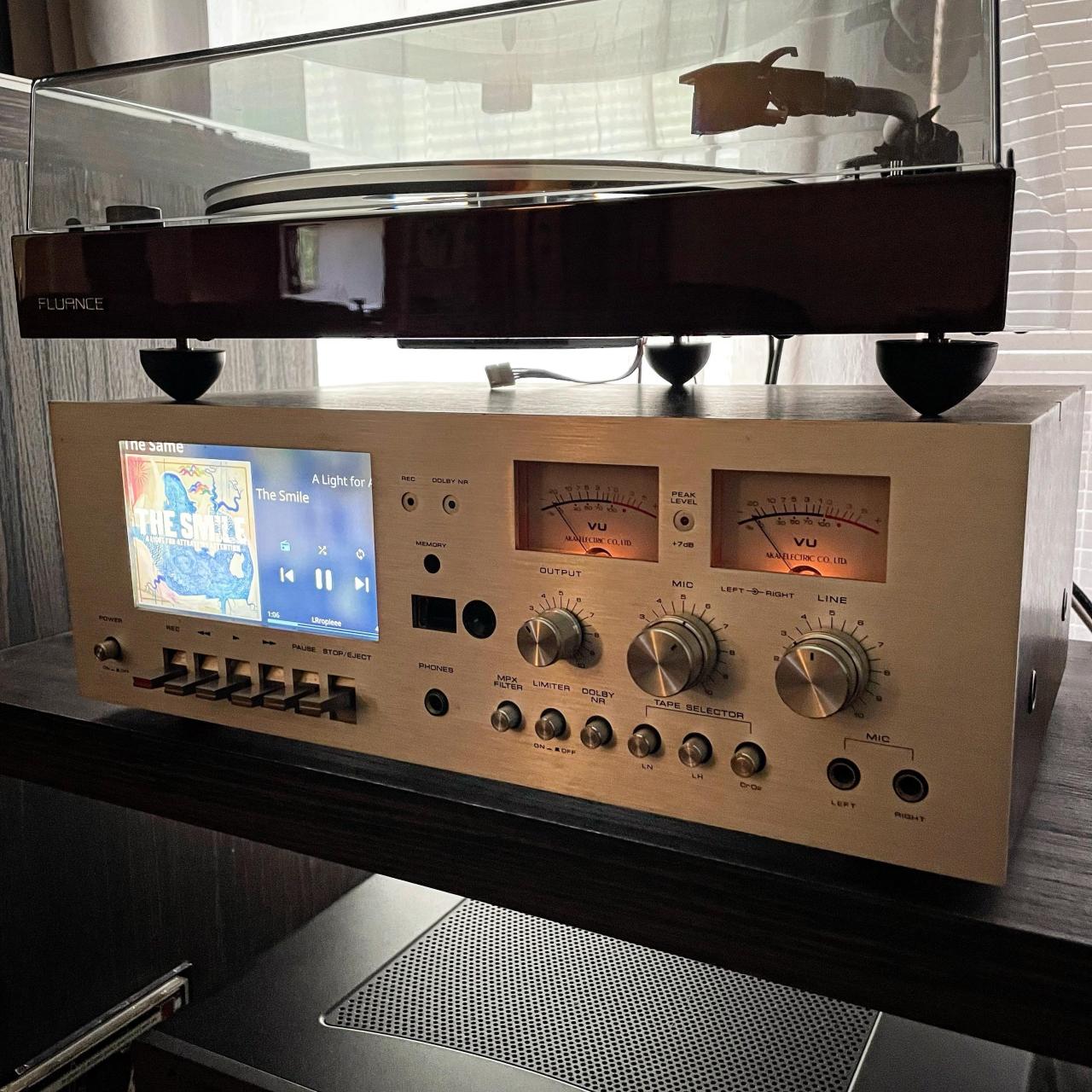
In summary, audio streamers offer unparalleled convenience and quality for music lovers and audiophiles alike. As these devices continue to integrate with smart home technologies and adapt to emerging trends, their role in our audio experiences will only grow. Embracing an audio streamer not only enhances your listening experience but also opens up a world of possibilities for exploring sound in ways you’ve never imagined.
Essential Questionnaire
What is an audio streamer?
An audio streamer is a device that streams digital audio content from various sources, allowing users to play music or other audio formats wirelessly.
Do I need a Wi-Fi connection for an audio streamer?
Yes, most audio streamers require a Wi-Fi connection to access online streaming services and deliver content to your audio system.
Can audio streamers be used with any speakers?
Many audio streamers can connect to a wide range of speakers, but it’s essential to check compatibility to ensure optimal performance.
Are audio streamers easy to set up?
Yes, most audio streamers are designed for user-friendly setup, often involving simple steps to connect to your home network and audio system.
What streaming services can I use with an audio streamer?
Popular streaming services like Spotify, Apple Music, and Tidal are commonly supported by many audio streamers, but it’s best to check specific device compatibility.