
 Zoe Nora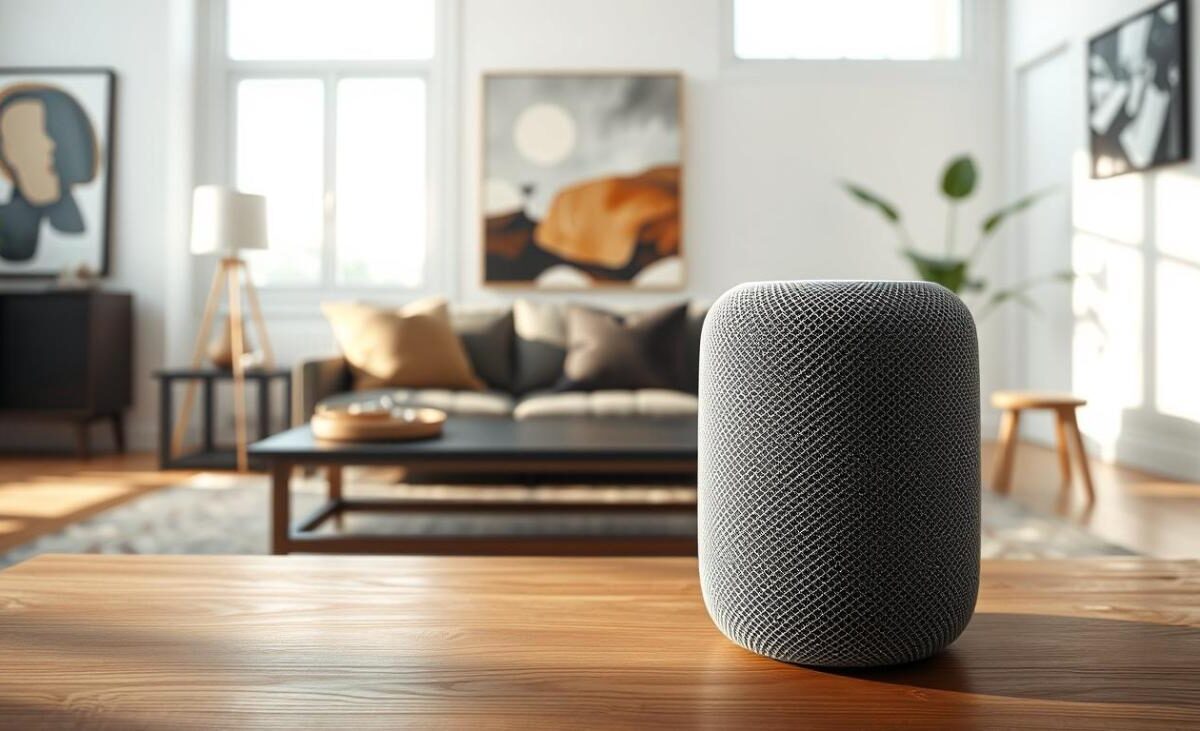
Did you know over 40% of American households use voice-activated tech daily? Finding a smart speaker that offers great sound and keeps your data safe is key.
We’ve tested the Apple HomePod for weeks. It’s a secure hub for your home, keeping your privacy safe while connecting everything smoothly.
This guide checks how the Apple HomePod fits into your home. It’s perfect for both music lovers and casual listeners. We cover everything from setting it up to how it performs over time. This ensures you know what you’re getting before buying an Apple HomePod.
Key Takeaways
- Evaluates the device as a secure, central hub for home automation.
- Focuses on the balance between high-quality audio and user privacy.
- Provides a comprehensive look at setup and long-term value.
- Analyzes performance metrics based on real-world user feedback.
- Helps you decide if the hardware fits your specific audio needs.
Overview of the Apple HomePod
The Apple HomePod is key for those in the Apple ecosystem. It’s a top-notch, stationary speaker that connects your digital world with amazing sound. It stays in your home, needing constant power to work its best.
Key Features
This device shines by linking all your devices smoothly. Thanks to the Apple ecosystem, it quickly connects with your iPhone or iPad. You get easy music streaming, smart home control, and voice help that gets to know you.
Design and Build Quality
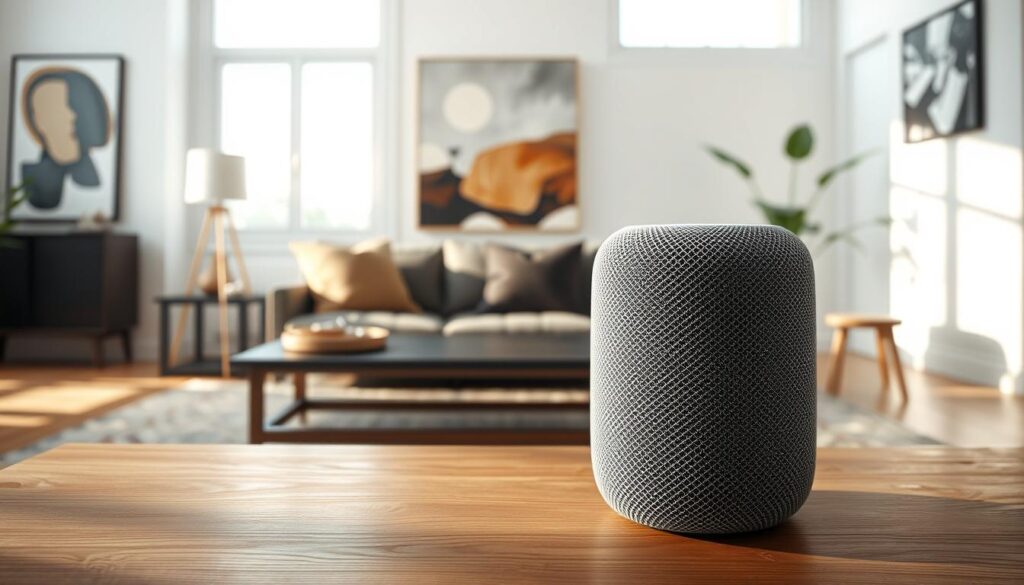
The HomePod’s design shows Apple’s focus on looks and quality. Its sleek, mesh fabric lets sound flow freely while looking refined. Inside, it has special woofers and tweeters for the best sound.
The design fits well with today’s homes and feels premium. The top has a touch interface that lights up, showing it’s active.
| Feature | Specification | Benefit |
|---|---|---|
| Exterior | Acoustic Mesh Fabric | Seamless sound dispersion |
| Connectivity | Apple ecosystem | Instant device pairing |
| Power | Stationary AC | Consistent high-power output |
| Interface | Touch-sensitive top | Intuitive manual control |
Sound Quality and Performance
The HomePod’s acoustic engineering sets it apart in the smart audio device market. It uses advanced computational audio to adjust sound in real-time. This ensures a balanced sound, no matter where you are.
This technology makes the speaker adapt to its surroundings. It provides premium sound quality that works well with all kinds of music.
Immersive Audio Experience
The HomePod fills the room with sound, making it seem like audio is coming from everywhere. It uses room-sensing tech to adjust the sound for your space. Whether it’s music or podcasts, the sound is always clear.
This immersive experience comes from smart design choices. These choices improve how we hear sound:
- Spatial awareness adjusts audio based on where the speaker is.
- Seamless wireless connectivity via AirPlay for top-notch playback.
- Support for high-resolution music streaming from major platforms.
Bass Response and Clarity
The device has a high-excursion woofer for deep, clear bass. Even at high volumes, the sound stays clean. This is because the internal hardware controls distortion well.
Beamforming tweeters also improve the sound, directing it precisely. This mix of hardware and software gives listeners a premium sound quality. It’s as good as bigger, traditional systems.
The wireless connectivity makes it easy to connect devices. This means you can enjoy great audio without cables. The HomePod is a top pick for modern homes because of its focus on performance.
Smart Home Integration
The HomePod is a key part of your connected home. It connects your voice commands to all your devices. This makes your home smart and easy to control.
If you’re already using the Apple ecosystem, the HomePod is perfect. It makes controlling your home simple. You can do things with just your voice.
Compatibility with Apple HomeKit
At the center of it all is Apple HomeKit. It makes sure all your smart home devices work well together. They’re secure and easy to manage from one place.
Setting up scenes is easy. For example, a “Good Morning” scene can turn on lights and start your news briefing. It makes your morning routine smoother.
- Secure communication: Your data stays safe in your network.
- Intuitive setup: Just scan a QR code to add new devices.
- Remote access: Control your home from anywhere with your iPhone or iPad.
Working with Other Smart Devices
The HomePod works with many devices, not just lights and thermostats. It uses sensors to notice changes in your environment. This lets it adjust things like temperature or lighting.
The table below shows how different devices work together in the Apple ecosystem. They make your home more comfortable every day:
| Device Category | Primary Function | HomePod Benefit |
|---|---|---|
| Smart Thermostats | Climate Control | Voice-activated temperature adjustments |
| Smart Lighting | Ambiance Management | Automated scheduling and dimming |
| Security Cameras | Home Monitoring | Instant alerts and live status checks |
Make sure your smart home device is compatible. Look for the “Works with Apple Home” badge. This ensures it works well with your other devices.
Voice Assistant Capabilities
The Apple HomePod’s heart is its advanced voice assistant. It acts as a central hub for managing daily tasks with voice control. Even though it values user privacy, it’s a powerful tool for Apple users.
Siri Features and Functionality
The Siri integration lets users do complex tasks like setting alarms and managing calendars. It’s also great for controlling smart home devices. But, sometimes it might be slower than other assistants.
This delay is because it keeps your data safe by processing locally. Still, it’s very good at handling multi-step commands at home. You can easily control scenes or adjust lights just by talking.
Voice Recognition Accuracy
The HomePod has a special microphone array for better voice recognition. It’s designed to pick up your voice even when there’s loud music. We’ve tested it and it works well in different settings.
The Siri integration uses this tech to make sure your commands are understood. It works whether you whisper or speak over background noise. Here’s how the HomePod does in different voice scenarios.
| Feature | Performance Level | User Benefit |
|---|---|---|
| Far-field Recognition | Excellent | Reliable command capture |
| Noise Isolation | High | Works during music playback |
| Response Speed | Moderate | Prioritizes data privacy |
| Task Complexity | Advanced | Handles multi-step requests |
User Interface and Controls
The modern smart speaker experience balances physical interaction and hands-free control. It combines tactile feedback with advanced voice control. This way, you stay in command of your space at all times.
Touch Controls vs. Voice Commands
The speaker’s top surface has a responsive touch interface. You can tap to play or pause music, adjust volume, or activate the assistant. But, the physical volume indicators can be hard to see in dim light. This might make you rely more on your voice.
When your hands are full, Siri integration is a great backup. Just speak your requests to manage playback, set timers, or control home accessories. This hands-free method is often the quickest way to interact.
“The true power of a smart speaker lies in how effortlessly it disappears into your daily routine, responding to your needs before you even have to reach for a button.”
Setup Process and User Experience
Setting it up is easy, thanks to Apple’s ecosystem. iPhone and iPad users just need to hold the device close to the speaker for automatic setup.
After setup, the experience is consistent and reliable. Here are some tips to enhance your daily use:
- Proximity Pairing: Keep your iPhone near the device during the initial power-up to trigger the automatic setup card.
- Voice Commands: Use clear, natural language to trigger Siri integration for complex tasks.
- Touch Gestures: Remember that a single tap plays or pauses, while a double tap skips to the next track.
By learning these simple inputs, your voice control experience will be smooth and responsive. Whether you like the touch surface or verbal commands, the interface adapts to your style.
Comparison with Competitors
The world of home audio is filled with many options. Apple stands out by focusing on a premium, closed-loop experience. This means how you interact with your home and media is unique.
Apple HomePod vs. Amazon Echo
The HomePod and Amazon Echo have different approaches. The Echo works with many devices, making it great for varied homes. The HomePod, on the other hand, is designed for Apple devices, offering a smooth experience.
For music streaming, the Echo supports many services. The HomePod is best for Apple Music, focusing on sound quality. If you want a system that works well together, the HomePod might be better.
Apple HomePod vs. Google Nest Audio
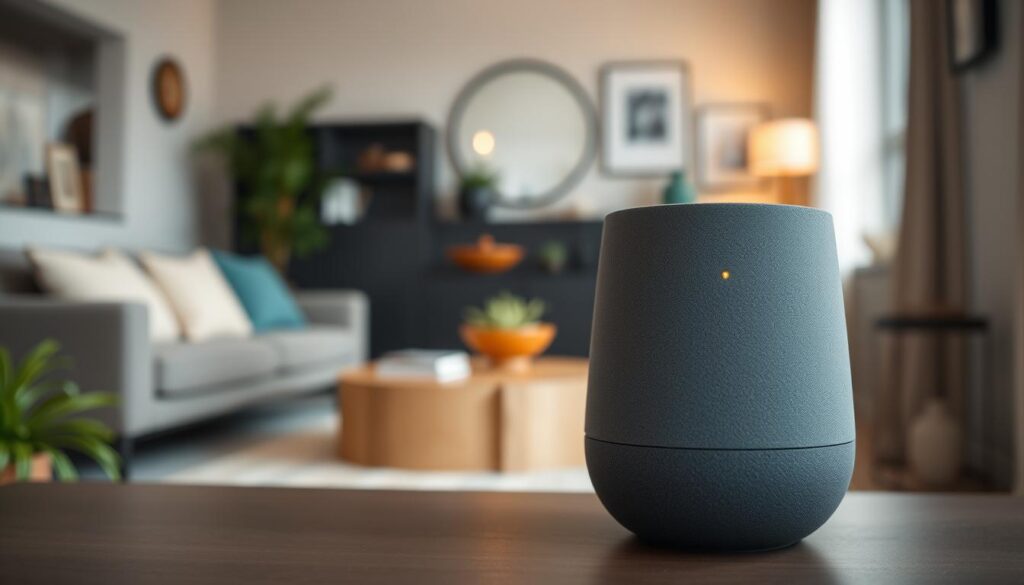
The Google Nest Audio uses Google Assistant for smart answers and scheduling. It’s a good smart speaker for utility, but not as focused on sound quality as the HomePod. Google fans often prefer the assistant’s smarts over sound.
Both rely on wireless connectivity to be your home’s center. The HomePod uses advanced audio to fill a room. The Nest Audio aims for a balanced sound. Your choice depends on whether you want superior sound quality or a wide wireless connectivity network for music streaming.
Pricing and Value
Looking at the value of a smart speaker means more than just the price. We need to consider how much it adds to our daily lives. This includes the joy and usefulness it brings every day.
Cost Analysis for Features Offered
The Apple HomePod shows that its price is worth it. It offers high-fidelity audio that’s as good as big, expensive speakers.
This smart home device is made for those who love great sound. It’s not just for music lovers. It’s for anyone who wants the best sound quality.
Long-term Investment in Smart Technology
This smart home device is more than a music player. It’s a long-term choice that makes our lives easier. It connects everything smoothly.
Buying this product means your sound system will stay up-to-date. It gets better with time, thanks to new software updates. This keeps your home network strong and your sound quality top-notch.
For those in the Apple ecosystem, this is a smart choice. It’s not just a speaker. It’s a key part of a growing, reliable system that meets your needs.
Pros and Cons of the Apple HomePod
When considering the Apple HomePod, it’s key to weigh its good points and downsides. This helps you decide if it fits well into your life and music tastes.
Advantages of Choosing HomePod
The HomePod shines in the Apple world. It offers seamless music streaming. This means you can easily switch between devices without stopping your tunes.
It also keeps your data safe with strong privacy features. The voice control works well, making sure your commands are understood clearly. For more on this, check out this review of the Apple HomePod.
Potential Drawbacks to Consider
The sound quality is top-notch, but there are some downsides. The biggest is that it can’t move around since it needs to stay plugged in.
It also doesn’t have ports for connecting to other devices with cables. Here’s a quick look at these points in a table:
| Feature | Strength | Weakness |
|---|---|---|
| Connectivity | Seamless ecosystem | No physical inputs |
| Portability | Sturdy build | Not battery-powered |
| Control | Advanced voice control | Limited third-party support |
In summary, the Apple HomePod is great for those who use Apple services a lot. If you love music streaming and voice control, it’s a top choice for your home.
Future Updates and Improvements
Apple plans to keep the HomePod at the top of audio tech. They focus on small updates to keep your device up-to-date. This way, your investment stays valuable and the speaker’s capabilities grow.
Upcoming Software Features
Future updates will make Siri smarter and more intuitive. They will also improve high-fidelity audio to fit your room’s acoustics better. These changes will make your music sound better without needing a new speaker.
Expect better wireless connectivity for smoother multi-room music. This will make your devices talk to each other better. It’s all about keeping premium sound quality across all your devices.
Hardware Enhancements on the Horizon
Experts think Apple might add a screen for video calls and home control. This could turn the HomePod into a central hub for your home. It would still offer top-notch premium sound quality.
Look for better sensors to sense when you’re around. New wireless connectivity might also speed up streaming. These updates show how the HomePod keeps up with today’s needs.
| Feature Category | Current Status | Future Potential |
|---|---|---|
| Audio Processing | High-fidelity audio | AI-driven room mapping |
| Connectivity | Standard wireless | Advanced mesh protocols |
| User Interface | Touch and Voice | Integrated visual display |
| Smart Home | HomeKit support | Enhanced automation logic |
Final Verdict
Choosing the right audio equipment means knowing your digital setup. We think the Apple HomePod is great for those in the Apple ecosystem.
Is the Apple HomePod Worth the Investment?
This speaker offers top-notch sound quality. It’s worth the cost for music lovers. Plus, it keeps your audio private.
It’s also a smart home device that makes life easier. Its design looks good in any modern home.
Overall Recommendations for Consumers
For a smooth experience, go for the Apple HomePod. Its Siri integration makes controlling your space easy.
If you like a unified system, this speaker is a top choice. Think about how it fits into your life and music needs.