
 Zoe Nora
Subwoofer connectivity plays a crucial role in enhancing your audio experience, transforming ordinary sound systems into powerful home theaters. By understanding the various types of connections and their implications, you can elevate your listening sessions to new heights.
This guide delves into the fundamentals of subwoofer connectivity, exploring everything from wired and wireless options to the intricacies of AV receiver compatibility. Whether you’re a seasoned audiophile or just starting your journey, this information will help you ensure your subwoofer is connected for the best possible performance.
Understanding the Basics of Subwoofer Connectivity
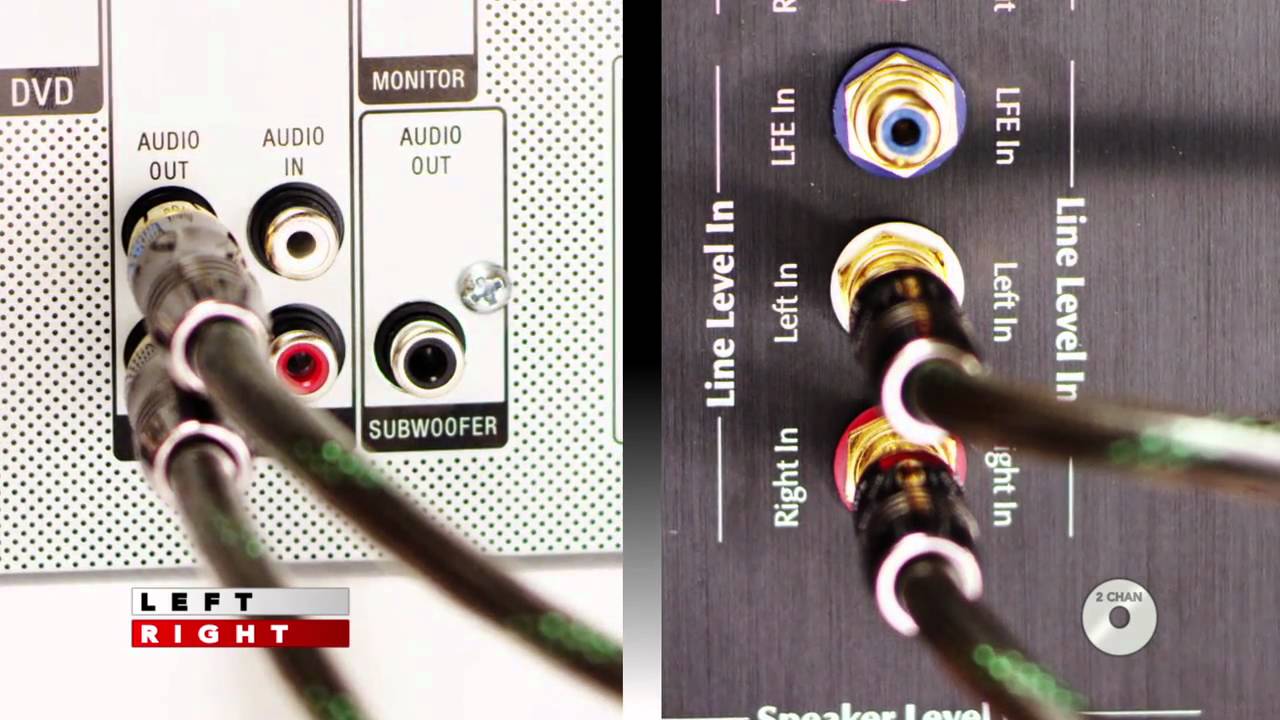
Subwoofer connectivity is a crucial aspect of setting up a home audio system, transforming ordinary sound into a rich, immersive experience. With the right connections, subwoofers enhance low-frequency sounds, adding depth to music, movies, and gaming. Understanding the various connectivity options available can help users achieve optimal audio performance and tailor their systems to their specific needs.
When connecting a subwoofer to an audio system, several types of connections are commonly used, each with its unique characteristics and advantages. These connections dictate how the subwoofer interacts with the rest of the audio components, ensuring that the sound produced is as impactful as it should be.
Types of Connections Used for Subwoofers
The choice of connection type significantly influences the performance of a subwoofer in an audio setup. Here are the primary connection methods:
- RCA Connection: This is the most common method for connecting subwoofers. It involves using a single RCA cable with a low-frequency signal sent from the AV receiver to the subwoofer. This connection is straightforward and widely compatible.
- High-Level (Speaker) Inputs: This connection method uses speaker wire to connect the subwoofer directly to the speaker outputs of the amplifier or receiver. It is advantageous for systems that do not have an RCA output, allowing the subwoofer to receive the same signal as the main speakers.
- Wireless Connectivity: Many modern subwoofers support wireless connections, allowing them to receive audio signals via Wi-Fi or Bluetooth. This option provides flexibility in placement without the clutter of cables, although it may have latency issues in some cases.
- Digital Inputs: Some high-end subwoofers come equipped with digital inputs like optical or coaxial connections. These provide a direct digital signal that can enhance audio quality by reducing the risk of interference.
The benefits of ensuring proper connectivity for subwoofers are manifold. High-quality connections can enhance audio performance, minimize distortion, and improve overall sound clarity.
“Proper connectivity is vital for achieving the best sound quality from your subwoofer, allowing low frequencies to resonate beautifully in your audio environment.”
It’s essential to understand the requirements of your specific audio system when selecting the appropriate connection type. Each method has its potential benefits and drawbacks that can affect the listening experience, making informed choices critical for audio enthusiasts.
Exploring Different Types of Subwoofer Connections
Subwoofers enhance the low-frequency sounds in your audio setup, providing the deep bass that transforms your listening experience. Understanding the various types of connections available for subwoofers is essential for optimal performance and ease of installation. This section will cover the differences between wired and wireless connections, as well as provide an overview of popular connection types such as RCA, speaker wire, and LFE.
Wired and Wireless Subwoofer Connections
Wired subwoofer connections are the traditional method of linking your subwoofer to an audio system, offering consistent performance and reliability. In contrast, wireless connections provide flexibility and eliminate the need for running cables across a room, though they may be prone to interference. Below are the key differences:
- Wired Connections: These typically use RCA cables or speaker wire for direct connections, ensuring stable signal transmission and minimal latency. They are less susceptible to interference from other electronic devices.
- Wireless Connections: Utilizing a transmitter and receiver, wireless connections allow for placement flexibility. However, they can suffer from audio lag and potential signal interference, particularly in crowded wireless environments.
Overview of RCA, Speaker Wire, and LFE Connections
Different types of connections serve specific purposes in subwoofer setups, influencing sound quality and installation ease. Understanding these types can guide you in making the right choice for your audio system.
- RCA Connections: RCA cables are commonly used to connect subwoofers to receivers. The connection involves a single cable with red and white connectors. This type supports both mono and stereo audio signals. They are easy to install, requiring you to plug the cables into the ‘Sub Out’ port on the receiver and the corresponding input on the subwoofer.
- Speaker Wire Connections: This method involves connecting the subwoofer directly to the amplifier or receiver using speaker wire. You’ll need to strip the ends of the wire and connect the positive and negative terminals on both the subwoofer and the receiver. This type is often used in passive subwoofers and can produce high-quality sound when done correctly.
- LFE Connections: Low-Frequency Effects (LFE) connections are specific to home theater systems and are usually facilitated through a dedicated subwoofer output on the receiver. This connection works well with AV receivers and includes a single RCA cable. Simply plug the LFE output into the subwoofer’s input for optimal bass performance.
Installation Process for Each Type of Connection
The installation process varies depending on the connection type chosen. Below are step-by-step instructions for each:
Installing RCA Connections
1. Locate the ‘Sub Out’ port on your receiver.
2. Connect one end of the RCA cable to the ‘Sub Out’ port.
3. Connect the other end of the RCA cable to the RCA input on the subwoofer.
4. Power on the subwoofer and adjust the volume settings as necessary.
Installing Speaker Wire Connections
1. Strip the ends of the speaker wire to expose the bare copper.
2. Connect one end of the wire to the positive terminal on the amplifier/receiver and the corresponding positive terminal on the subwoofer.
3. Repeat the process for the negative terminals.
4. Ensure the connections are secure, power on the system, and adjust the settings accordingly.
Installing LFE Connections
1. Locate the LFE output on the AV receiver.
2. Use a single RCA cable to connect the LFE output to the LFE input on the subwoofer.
3. Make sure the subwoofer is powered on and configure the settings on your receiver for optimal performance.
Each type of connection has its advantages and limitations; understanding these will enhance your audio setup experience.
The Role of AV Receivers in Subwoofer Connectivity
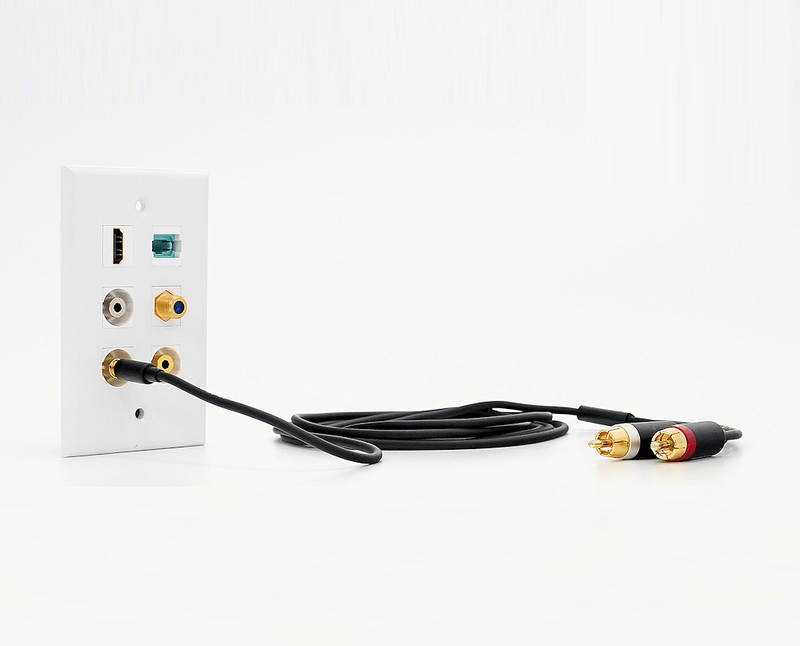
In a home theater setup, the AV receiver plays a critical role not just in managing audio and video signals, but also in optimizing the performance of connected subwoofers. Understanding the functions and features of AV receivers regarding subwoofer connectivity is essential for achieving the best sound experience.
AV receivers facilitate subwoofer connections through dedicated subwoofer output ports, typically labeled as “Sub Out.” This output sends a low-frequency audio signal directly to the subwoofer, ensuring that the bass is both powerful and clear. Moreover, many modern AV receivers come equipped with advanced equalization technology that calibrates subwoofer performance based on the room’s acoustics, enhancing overall sound quality. This feature is particularly beneficial in adjusting the subwoofer’s volume, phase, and crossover frequency to seamlessly blend with the main speakers.
Compatibility Between Receivers and Subwoofers
Selecting an AV receiver that is compatible with your subwoofer is paramount for optimal performance. Compatibility ensures that the receiver can handle the power requirements and frequency ranges of the subwoofer effectively. Key factors to consider include:
- Output Power: Ensure that the receiver’s subwoofer output can deliver sufficient power to the subwoofer, preventing distortion and ensuring deep bass reproduction.
- Impedance Matching: Verify that the receiver’s output impedance aligns with the subwoofer’s specifications, usually 4 to 8 ohms, to maintain efficiency and performance.
- Connection Type: Check if the subwoofer requires RCA connections, speaker wire connections, or wireless connectivity, and ensure the receiver supports the chosen format.
Selecting an AV Receiver for Optimal Subwoofer Connectivity
Choosing the right AV receiver involves considering several features that enhance subwoofer connectivity. Here are some key features to look for:
- Multiple Subwoofer Outputs: Some AV receivers offer dual subwoofer outputs, allowing for two subwoofers to be connected. This can create a more immersive audio experience by improving bass distribution in larger rooms.
- Room Calibration Technology: Look for receivers that include automatic room calibration systems, such as Audyssey or YPAO, which analyze the room’s acoustics and adjust the subwoofer settings accordingly.
- Crossover Settings: An adjustable crossover frequency allows you to determine the point at which the audio signal is sent to the subwoofer, enhancing its integration with the other speakers.
“An AV receiver with robust subwoofer connectivity options can significantly impact the richness of your home theater audio experience.”
Ensuring that your AV receiver is well-matched with your subwoofer can make a notable difference in sound quality, allowing you to enjoy a fuller and more dynamic audio performance.
Troubleshooting Common Connectivity Issues with Subwoofers
Connectivity issues with subwoofers can disrupt the audio experience, leaving you frustrated and eager for solutions. Identifying and resolving these problems is key to restoring that powerful bass and ensuring optimal performance. This guide will help you understand common connectivity problems, along with effective troubleshooting steps and best practices for avoiding these issues in the future.
Common Connectivity Problems and Their Causes
Several frequent connectivity issues can arise when using subwoofers, often stemming from both hardware and software configurations. Recognizing these problems is the first step to effective troubleshooting. Here are some of the most common issues:
- No Sound from Subwoofer: This issue may be due to incorrect settings on the audio receiver or amplifier, faulty cables, or an unpowered subwoofer.
- Intermittent Sound: Loose connections or interference from other electronic devices can cause sporadic sound from the subwoofer.
- Distorted Sound: Overdriving the subwoofer or improper phase settings can lead to sound distortion.
- Connectivity Issues with Wireless Subwoofers: Problems with wireless subwoofers often arise from signal interference or low battery levels.
Troubleshooting Steps to Resolve Issues
Addressing these connectivity problems requires a systematic approach. Here are steps to troubleshoot each issue effectively:
Check connections thoroughly and ensure cables are securely connected to both the subwoofer and the audio source.
- Verify Power Supply: For powered subwoofers, ensure the power cable is properly connected and the outlet is functional.
- Inspect Cables: Check for any wear or damage on both speaker wires and RCA cables. Replace if necessary.
- Adjust Settings: Access your audio receiver settings to confirm that the subwoofer output is enabled and properly configured. Adjust crossover and phase settings for optimal sound.
- Test with Alternate Source: Connect the subwoofer to another audio source to determine if the problem lies with the subwoofer or the original source.
- Check for Interference: For wireless subwoofers, reduce potential interference by moving other electronic devices away or changing the wireless channel.
Best Practices to Avoid Connectivity Problems
Preventing connectivity issues with your subwoofer involves implementing best practices during setup and usage. These steps can save time and enhance performance:
- Use Quality Cables: Invest in high-quality cables to reduce the risk of connection issues caused by signal degradation.
- Regular Maintenance: Periodically inspect and clean connections to avoid dust and debris buildup that could impact connectivity.
- Keep Firmware Updated: For wireless subwoofers, ensure that firmware is up-to-date to maintain compatibility and improve performance.
- Positioning: Place the subwoofer away from potential sources of interference and ensure it’s within a reasonable range of the audio source.
Enhancing Subwoofer Performance through Optimal Connectivity
Achieving the best sound quality from a subwoofer involves more than just connecting it to an audio source; it also hinges on the methods of connectivity and the placement within a room. Various connection methods can significantly influence the audio output, and understanding these nuances is essential for optimizing your home audio experience.
Different connection methods can have substantial effects on subwoofer sound quality. For instance, using an RCA cable typically provides a more stable and higher-quality signal compared to speaker wire connections. Digital connections, such as HDMI or optical, can also enhance sound clarity and reduce interference, while wireless connections might introduce latency or signal loss depending on the environment. Therefore, selecting the right connection method tailored to your audio system can greatly impact overall performance.
Connection Techniques and Placement Optimization
To maximize subwoofer performance, proper placement and connection are key. Here are a few effective techniques for positioning your subwoofer:
– Corner Placement: Placing a subwoofer in a corner can amplify its bass response due to boundary reinforcement. However, this may lead to uneven sound distribution in the room.
– One-Third Rule: A common technique is to position the subwoofer one-third of the way along the wall from the nearest corner. This placement often results in a balanced sound throughout the room.
– Listening Position Test: By moving the subwoofer around while listening to bass-heavy content, you can identify the position that delivers the best sound. This method requires patience but can yield excellent results.
– Isolation Pads: Using isolation pads or stands can improve sound quality by reducing vibrations and unwanted resonance, allowing for cleaner bass output.
To ensure optimal performance of your subwoofer, consider the following checklist:
- Choose the right connection method (RCA, HDMI, optical).
- Utilize high-quality cables to minimize interference.
- Test subwoofer placement using the one-third rule or corner placement techniques.
- Employ isolation pads to reduce vibrations and enhance sound quality.
- Adjust crossover settings on the receiver to match speaker capabilities.
- Calibrate your system using an audio meter or calibration microphone.
By following these guidelines and employing strategic techniques for connectivity and placement, you can significantly enhance your subwoofer’s performance, leading to a richer and more immersive audio experience.
The Future of Subwoofer Connectivity Technology
As technology progresses, subwoofer connectivity is evolving beyond traditional wired systems. The rise of wireless and smart technologies is shaping the way audio enthusiasts experience sound. This transformation promises to enhance not only the convenience of setting up audio systems but also the overall listening experience.
Emerging technologies are set to revolutionize how we connect subwoofers to audio systems. Wireless connectivity, including Bluetooth and Wi-Fi, offers the freedom to place subwoofers anywhere without the clutter of cables. Additionally, smart systems that sync with home automation networks allow for more intuitive control and integration with other devices. These advancements bring significant benefits, including ease of use, flexibility in placement, and enhanced sound quality.
Wireless Connectivity Options
The shift towards wireless connectivity provides numerous advantages that cater to modern audio needs. Here are key aspects of wireless subwoofer technology:
- Installation Flexibility: The absence of wires allows users to place subwoofers in optimal locations for sound distribution, leading to a more immersive listening experience.
- Enhanced Aesthetics: Without wires, users can maintain a clean and uncluttered living space, making the audio setup visually appealing.
- Ease of Use: Modern wireless technologies, such as Bluetooth and Wi-Fi, simplify connections, allowing users to easily pair devices without complicated setups.
- Integration with Smart Home Devices: Wireless subwoofers can seamlessly connect with smart home systems, enabling users to control audio settings via voice commands or mobile applications.
Smart Subwoofer Systems
Smart subwoofers equipped with advanced technologies are enhancing the audio landscape. These systems offer functionality that goes beyond traditional subwoofer capabilities. Consider the following features:
- Automatic Room Calibration: Many smart subwoofers utilize microphones to analyze room acoustics, automatically adjusting settings for optimal sound performance.
- App-Controlled Features: Users can manage sound profiles, adjust levels, and access firmware updates via dedicated applications, offering a personalized listening experience.
- Multi-Room Audio Capability: Smart subwoofers can connect with other audio systems throughout the home, allowing synchronized playback across different rooms.
“The integration of smart technologies in subwoofers is not just a trend, but a significant step towards a fully immersive home audio experience.”
As we look ahead, the advancements in subwoofer connectivity technology are set to redefine home audio experiences. With wireless options becoming the norm and smart systems providing unprecedented control and adaptability, users can expect a significantly enriched listening environment. The future holds exciting possibilities, transforming how we interact with sound in our homes.
Conclusive Thoughts
In conclusion, mastering subwoofer connectivity is vital for achieving the ultimate audio experience. By selecting the right connection methods and troubleshooting common issues, you can significantly enhance your sound quality. As technology continues to evolve, staying informed will help you keep pace with innovations that can further improve your home audio setup.
FAQ Summary
Can I use a subwoofer with any audio system?
Not all audio systems are compatible with subwoofers; make sure your system has the necessary outputs or supports a compatible connection type.
What is the difference between LFE and regular RCA connections?
LFE (Low-Frequency Effects) connections are specifically designed for subwoofers, allowing them to receive a dedicated low-frequency signal, while RCA connections can carry a wider range of audio frequencies.
Do I need an AV receiver to connect my subwoofer?
An AV receiver is recommended for optimal connection and performance, although some powered subwoofers can connect directly to audio sources.
How can I tell if my subwoofer is properly connected?
Check for clear, resonant bass output; a lack of sound or distortion may indicate that your subwoofer is not properly connected.
Are wireless subwoofers as good as wired ones?
While wireless subwoofers offer convenience and flexibility, wired connections often provide a more stable and reliable audio signal.