
 Zoe Nora
Audiophile quality is more than just a term; it’s an entire realm dedicated to the pursuit of perfect sound. This world attracts audio enthusiasts who crave clarity, depth, and an immersive listening experience that transports them straight to the heart of a recording. Understanding what defines audiophile quality is essential for both aspiring audiophiles and seasoned listeners alike, as it encompasses a variety of technical aspects, equipment components, and personal preferences that shape the experience.
From the intricacies of sound fidelity to the evolution of audio equipment, this exploration sheds light on the factors that contribute to achieving the ultimate listening pleasure. As we delve deeper, we’ll uncover the historical advancements that have shaped audiophile standards, the significance of source material, and even tips for those looking to enjoy high-quality sound without spending a fortune.
Understanding the Fundamentals of Audiophile Quality
Audiophile quality refers to the high standard of sound reproduction that enthusiasts strive for in their audio systems. It represents a commitment to precision, clarity, and fidelity, where the goal is to recreate sound as accurately as possible to the original recording. This quality is not merely about loudness or bass, but involves a nuanced understanding of the technology that underpins high-fidelity sound systems.
The technical aspects that define audiophile quality encompass several key criteria. These include the frequency response, which refers to the range of audible frequencies that a system can reproduce; total harmonic distortion (THD), which measures the amount of distortion produced by audio equipment; dynamic range, which indicates the difference between the quietest and loudest sounds; and signal-to-noise ratio (SNR), highlighting the level of background noise in relation to the desired signal. A high-quality audio system will aim for a flat frequency response, minimal distortion, and a broad dynamic range to closely mirror the original sound.
Importance of Sound Accuracy and Fidelity
Sound accuracy and fidelity are paramount in achieving audiophile standards, as they directly affect the listening experience. Accurate reproduction means that the sound an audiophile hears should closely resemble the sound as it was intended by the recording artist. This is crucial for musical genres that rely on intricate production techniques, where subtle nuances in sound can significantly impact the overall perception.
To achieve audiophile quality, several components must be meticulously selected and integrated. Each component plays a vital role in ensuring high fidelity:
- Speakers: The most crucial element in any audio system, speakers must be capable of reproducing a wide frequency range and have minimal distortion. High-end speakers are often designed with premium materials and advanced technologies to produce clear and accurate sound.
- Amplifiers: Amplifiers are responsible for boosting audio signals. A high-quality amplifier will maintain the integrity of the signal without introducing distortion, allowing the speakers to perform at their best.
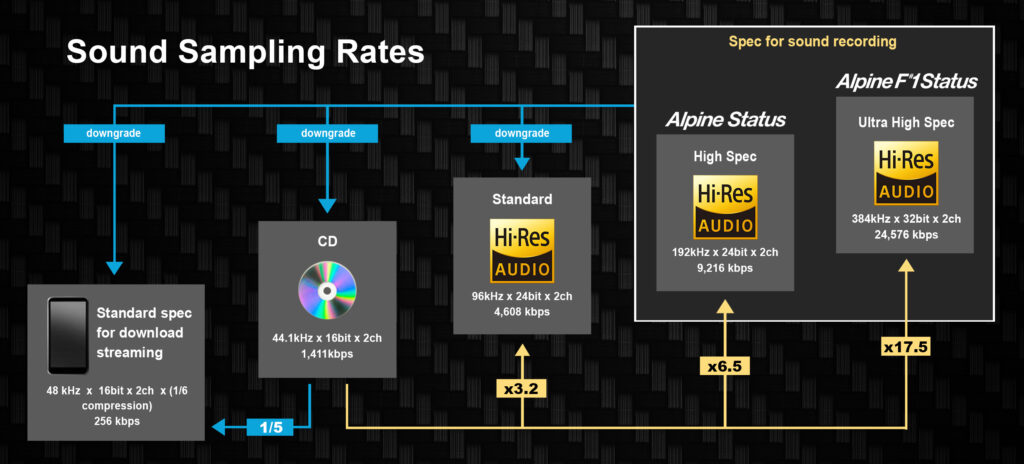
- Digital Sources: The quality of the digital source, such as a DAC (Digital-to-Analog Converter), affects the sound as well. High-resolution audio files and quality streaming services provide a better foundation for audiophile playback.
Achieving audiophile quality is an ongoing pursuit for many, requiring careful consideration of every component in the audio chain. Each element must work harmoniously to ensure that listeners can experience the music as it was intended, resulting in an immersive and enjoyable experience.
The Evolution of Audiophile Equipment Over the Years
The world of audiophile equipment has undergone remarkable transformations over the decades, with advancements in technology continuously reshaping the standards of sound quality. From vinyl records to high-resolution digital audio, the evolution of audiophile gear reflects the growing sophistication of audio reproduction and the ever-increasing demands of discerning listeners. This evolution is not just about improved sound quality; it encompasses the entire audio experience, including the design, materials, and technologies used in high-fidelity systems.
The historical advancements in audio technology have played a pivotal role in defining current audiophile standards. In the early 20th century, the introduction of the phonograph brought recorded music into homes. The shift from mechanical to electrical recording in the 1920s enhanced sound quality significantly. The 1950s heralded the era of high-fidelity sound with the invention of stereo recording, which allowed for more immersive listening experiences. The introduction of solid-state amplifiers in the 1960s replaced tube amplifiers, providing greater reliability and efficiency. The digital revolution of the 1980s with the birth of the CD format brought about a new standard in audio clarity and convenience, further pushing audiophile standards forward.
Key Manufacturers and Innovations in Audiophile Equipment
Several key manufacturers have made significant contributions to the audiophile market, constantly innovating to meet the evolving needs of consumers. Brands like McIntosh, Audio Research, and Bang & Olufsen have established themselves as leaders in high-end audio. These companies have introduced groundbreaking technologies that have set benchmarks in audio fidelity.
For instance, McIntosh is renowned for its iconic blue watt meters and powerful amplifiers, which combine aesthetic appeal with superior sound. Audio Research has been influential in the development of vacuum tube technology in modern audio, emphasizing warmth and musicality in sound reproduction. Bang & Olufsen has merged high-end audio with design excellence, creating products that are not only functional but also art pieces.
In terms of innovations, the introduction of Digital-to-Analog Converters (DACs) has drastically improved audio playback quality, allowing for more detailed and nuanced sound. High-resolution audio formats, such as DSD and MQA, have also emerged, providing listeners with unprecedented levels of detail and realism. Additionally, the rise of streaming services and wireless audio technology has transformed how listeners access and enjoy music, making high-quality audio more accessible than ever before.
Comparing vintage equipment to modern audiophile setups reveals significant differences in quality and performance. Vintage turntables, for example, such as the Technics SL-1200, are often celebrated for their robust build quality and mechanical precision, providing an authentic analog sound that many enthusiasts cherish. However, modern audiophile systems leverage advancements in digital technology, resulting in cleaner sound with less distortion and better dynamic range.
In terms of audio amplification, vintage tube amplifiers are prized for their warm, rich sound, while modern solid-state amplifiers offer higher power output and improved efficiency. The integration of software and digital signal processing in contemporary setups allows for greater customization and optimization of sound, which vintage systems cannot match.
Ultimately, the evolution of audiophile equipment is not just a story of technological progress; it reflects the changing tastes and expectations of listeners who demand the best from their audio experiences.
Factors Influencing Audiophile Listening Experience
The audiophile listening experience is not solely defined by high-quality equipment; rather, it is influenced by a variety of psychological and environmental factors. Understanding how these elements interact can profoundly enhance the depth of music enjoyment and sound quality perception. From initial setups to mental states, every aspect contributes to the overall experience.
Acoustics play a critical role in sound quality perception within a listening environment. The physical characteristics of a room can either amplify or diminish audio performance. For instance, hard surfaces like tile or glass reflect sound waves, potentially creating echoes that distort clarity. On the other hand, soft furnishings absorb sound, reducing unwanted reverberation and leading to a more balanced auditory experience. Therefore, the design and materials of a listening space are paramount in optimizing sound fidelity. Properly addressing acoustics ensures that the nuances in recordings are preserved and experienced as intended by the artists.
Recommended Practices for Optimizing Listening Environments
Creating an ideal listening environment requires careful attention to detail and an understanding of acoustic principles. The following practices can significantly improve sound quality and the overall audiophile experience:
– Room Treatment: Utilize acoustic panels or foam to minimize echoes and standing waves. Position these strategically at first reflection points to capture sound before it bounces back into the listening area.
– Speaker Placement: Position speakers away from walls and corners to avoid bass buildup and to create a more immersive soundstage. A typical recommendation is to place them at least 1-2 feet from walls.
– Listening Position: Establish a ‘sweet spot’ where the listener is equidistant from both speakers, forming an equilateral triangle. This ensures balanced sound delivery from both channels.
– Furniture Arrangement: Avoid placing large pieces of furniture directly in the path of sound waves. Instead, opt for arrangements that facilitate clear sound travel and reduce interference.
– Flooring Choices: Carpets or area rugs can help absorb excessive sound reflections from hard floors, enhancing overall acoustics.
– Control Ambient Noise: Keep external noise to a minimum by choosing a quiet location for the listening area. Use soundproofing materials if necessary to prevent disturbances.
– Proper Equipment Setup: Ensure that all audio components are properly connected and calibrated. Use quality cables and connectors to maintain signal integrity and prevent losses.
By implementing these practices and considering the psychological factors at play, such as mood and familiarity with the music, audiophiles can create an environment conducive to an unparalleled listening experience. The fusion of technical setup and personal engagement with the music is what ultimately elevates the enjoyment of high-fidelity sound.
The Role of Source Material in Audiophile Quality
The quality of source material is paramount in shaping the audiophile experience. Audiophiles often seek perfection in sound reproduction, and this pursuit begins with the quality of the recordings they choose to listen to. The nuances and fidelity captured in the original recording directly influence how the music is perceived, making it essential to understand the significance of various formats.
The impact of recording quality cannot be overstated. High-quality recordings reveal subtleties in instrumentation, dynamics, and timbre that lesser-quality recordings simply cannot capture. When audiophiles listen to well-produced tracks, they experience a lifelike soundstage that immerses them in the music. Conversely, poorly recorded material can lead to a flat and uninspiring listening experience, highlighting the necessity of investing in quality source material.
Comparison of Audio Formats: Vinyl, CD, and High-Res Digital
Different music formats are prevalent in the audiophile community, each with its own merits and drawbacks. Understanding these characteristics is crucial for audiophiles who wish to optimize their listening experience. The primary formats of interest are vinyl records, compact discs (CDs), and high-resolution digital audio files.
The following table summarizes the pros and cons of these audio formats:
| Audio Format | Pros | Cons |
|---|---|---|
| Vinyl |
|
|
| CD |
|
|
| High-Res Digital |
|
|
The audiophile community often debates these formats, with many preferring vinyl for its analog warmth, while others lean towards high-resolution digital for its clarity and detail. Compact discs serve as a middle ground, providing durability and convenience. Ultimately, the choice of format can significantly influence the overall listening experience, emphasizing the importance of source material quality in achieving true audiophile satisfaction.
The Importance of Cables and Accessories in Audiophile Setups
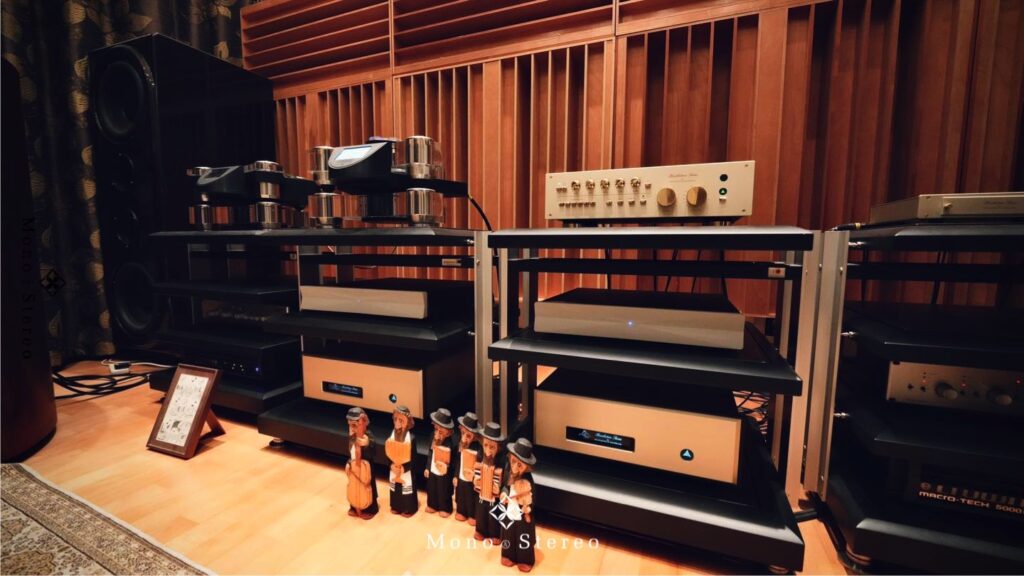
In the realm of high-fidelity audio, the significance of cables and accessories cannot be overstated. Audiophiles often obsess over achieving perfect sound quality, and while speakers and amplifiers are pivotal, the components that connect them are equally crucial. Quality cables and accessories can profoundly influence the sound quality, ensuring that the audio signal remains pure and free from interference.
The debate around the impact of cable quality on sound performance is riddled with myths and realities. A common myth among enthusiasts is that all cables sound the same, leading to the assumption that any budget-friendly option will suffice. However, this overlooks the fact that the materials, construction, and shielding of cables can significantly affect performance. Premium cables often utilize higher-grade materials such as oxygen-free copper or silver, enhancing conductivity and minimizing signal loss. Additionally, the construction of these cables, including twisting, insulation, and connectors, plays a vital role in reducing electromagnetic interference and other external factors that can degrade the audio signal.
Essential Accessories for Audiophiles
To maximize the listening experience, audiophiles should consider several essential accessories that complement their setups. These accessories not only enhance sound quality but also improve overall system performance. Here are key items to consider:
- Isolation Pads: These pads minimize vibrations from speakers and amplifiers, which can lead to cleaner sound reproduction.
- Power Conditioners: By filtering out electrical noise and providing stable power, these devices ensure that audio components operate at their best.
- Interconnects: High-quality interconnects are critical for transferring audio signals between components without loss or distortion.
- Speaker Stands: Properly designed stands can enhance speaker positioning, helping to achieve optimal soundstage and imaging.
- Cable Management Systems: Organizing cables prevents tangling and interference, maintaining a tidy setup that can help preserve sound integrity.
“Investing in quality cables and accessories is as vital as choosing the right speakers and amplifiers for achieving audiophile-grade sound.”
By acknowledging the role of cables and accessories, audiophiles can make informed decisions that lead to a more satisfying and immersive listening experience. Quality components ensure that the investment in high-end audio gear yields the best possible results, allowing for an unparalleled acoustic journey.
The Community and Culture Surrounding Audiophile Quality
The world of audiophilia is not just about high-quality sound equipment; it’s a vibrant community of passionate individuals who share a love for music and sound reproduction. This culture is rich with a sense of camaraderie, driven by collective experiences and knowledge-sharing, which significantly enhances the audiophile journey.
The social aspects of being an audiophile extend far beyond personal enjoyment. Audiophiles often engage in community events, forums, and local meetups, creating spaces where individuals can discuss their passion in depth. Events like audio shows, product launches, and listening sessions allow enthusiasts to explore new technologies and network with others who share similar interests. These gatherings foster a sense of belonging, while also serving as platforms for education and exploration of the latest trends in the audio industry.
Knowledge Sharing and Experience Exchange
The sharing of knowledge and experiences is a cornerstone of audiophile culture. Online forums and social media platforms are particularly effective for this purpose, enabling audiophiles to connect globally, regardless of geographical limitations. Popular platforms like Reddit, Head-Fi, and various audiophile-specific forums serve as hubs for discussion, where members can post reviews, seek advice, and share personal anecdotes related to audio gear and music.
These online spaces also facilitate the exchange of valuable tips on optimizing audio setups, including insights on speaker placement, cable selection, and the impact of room acoustics. Enthusiasts often share detailed gear reviews, helping others make informed purchasing decisions based on real-world experiences rather than just marketing claims.
In addition to written communication, many audiophiles participate in video channels and podcasts dedicated to audio topics. These mediums allow for dynamic discussions where experts and hobbyists alike can share their findings and insights. Video reviews, unboxings, and listening tests provide a tangible sense of what the equipment sounds like, making it easier for potential buyers to gauge their options.
The Role of Online Communities in Audiophile Culture
The rise of online communities has significantly impacted the growth and evolution of audiophile culture. With the internet breaking down geographical barriers, enthusiasts can now connect with others who may be thousands of miles away. This accessibility has democratized knowledge, allowing individuals from diverse backgrounds to contribute their unique perspectives on sound quality, equipment, and music genres.
The sense of community is further strengthened through group buys and collaborative projects, where audiophiles pool resources to acquire high-end equipment or invest in custom builds. These collaborations not only promote camaraderie but often lead to innovations in audio technology as members exchange ideas and feedback.
Moreover, social media platforms like Instagram and Facebook have enabled audiophiles to showcase their setups and gear, inspiring others with their creative installations. These visual platforms offer an artistic avenue to express the passion for sound, often accompanied by curated playlists that reflect personal tastes.
Audiophiles are also known for their enthusiastic participation in local clubs and meetups, where they gather to listen to music together, share gear, and provide recommendations. This face-to-face interaction enhances the appreciation of sound quality and builds lasting friendships that extend beyond the realm of audio.
“The joy of music is amplified when shared with others who understand its nuances and intricacies.”
Audiophile Quality on a Budget
Achieving audiophile quality sound doesn’t always come with a hefty price tag. With strategic planning and a keen eye for value, it’s possible to assemble an impressive audio setup without draining your wallet. This guide delves into ways to elevate your listening experience while keeping expenses in check.
When comparing entry-level audiophile equipment to high-end options, the difference often lies in the level of detail, clarity, and overall sonic experience rather than sheer performance. Entry-level gear can still provide an engaging listening experience while high-end equipment tends to offer refined sound characteristics that discerning listeners may appreciate. However, the value for money in entry-level gear is substantial, offering near-audiophile performance at a fraction of the cost. For instance, a well-reviewed budget DAC (Digital-to-Analog Converter) can dramatically improve sound quality compared to built-in computer soundcards, while still being affordable.
One effective strategy for sourcing affordable audiophile equipment and accessories involves exploring various avenues to find the best deals. Here are some tips to consider:
– Buy Used Equipment: Many audiophiles upgrade their gear frequently. Checking platforms like eBay, Craigslist, or specialized audio forums can yield high-quality used equipment at significantly reduced prices.
– Attend Audio Shows and Expos: These events often feature demo units for sale at discounted rates. You can also gain insights from experts and fellow enthusiasts about budget-friendly options.
– Join Audiophile Communities: Online forums and social media groups can provide recommendations on budget gear, and members often sell or trade equipment.
– Consider DIY Options: Building your own speakers or modifying existing ones can be a fun and cost-effective way to achieve unique sound characteristics tailored to your preferences.
– Start with Essential Components: Prioritize purchasing essential components such as headphones, speakers, and an amplifier or receiver before branching out to other accessories.
– Use Quality Cables: While you don’t need to splurge on the most expensive cables, investing in decent quality ones can help maintain audio integrity without overspending.
– Research Lesser-Known Brands: While high-end brands are often well-advertised, there are many lesser-known manufacturers that offer excellent products at competitive prices.
– Look for Sales and Discounts: Keep an eye out for seasonal sales, promotional discounts, or clearance items from trusted retailers to snag a bargain on quality audiophile gear.
Investing time in research and being open to exploring different options will enhance your chances of achieving outstanding sound quality without overspending.
Ultimate Conclusion
In conclusion, the world of audiophile quality is one of continuous discovery and passion. Whether you’re a newcomer seeking to enhance your listening experience or a longtime enthusiast aiming to refine your setup, understanding the components, techniques, and community surrounding audiophile sound is invaluable. As technology progresses and the culture evolves, the pursuit of that perfect sound remains a thrilling journey that unites audio lovers everywhere.
FAQ
What is audiophile quality?
Audiophile quality refers to sound reproduction standards that prioritize accuracy, clarity, and fidelity, aiming to deliver an experience as close to the original recording as possible.
Do expensive cables really make a difference?
While high-quality cables can improve signal integrity and durability, the impact on sound quality is often debated; it’s essential to consider both quality and practicality.
Can I achieve audiophile quality on a budget?
Yes, there are many budget-friendly options available; researching entry-level gear and seeking second-hand equipment can help achieve excellent sound without overspending.
What role does room acoustics play in audiophile quality?
Room acoustics significantly influence sound perception, as factors like wall materials, furniture placement, and room shape can enhance or detract from listening quality.
Is vinyl better than digital formats for audiophile quality?
While many audiophiles prefer vinyl for its warmth and richness, high-resolution digital formats can also deliver exceptional sound quality; personal preference plays a crucial role.