
As Virtual surround takes center stage, audio experiences are being transformed in ways previously unimagined. This technology has evolved from traditional surround sound systems, opening up new avenues for immersive sound experiences that cater to a wide range of consumer needs. With advancements in algorithms and signal processing, virtual surround sound now provides users an unparalleled auditory journey, whether they’re gaming, watching movies, or engaging with virtual reality content.
From its humble beginnings to its current state, virtual surround technology has made significant strides, reshaping how we perceive sound. It caters to diverse user preferences by employing innovative methods to deliver surround sound through various devices. Understanding these developments provides insight into the future of audio technology, revealing a landscape rich with potential for both casual listeners and audiophiles alike.
The evolution of virtual surround technology has changed audio experiences for users.
The journey of virtual surround technology has significantly altered how users experience audio, offering a more immersive and engaging listening environment. From the days of basic stereo sound to the advanced virtual surround systems we have today, the evolution has been driven by a combination of technological advancements and changing consumer expectations. In this discourse, we will explore how virtual surround has transitioned from traditional surround sound systems, the advancements that have facilitated this shift, and its broader implications for consumer electronics.
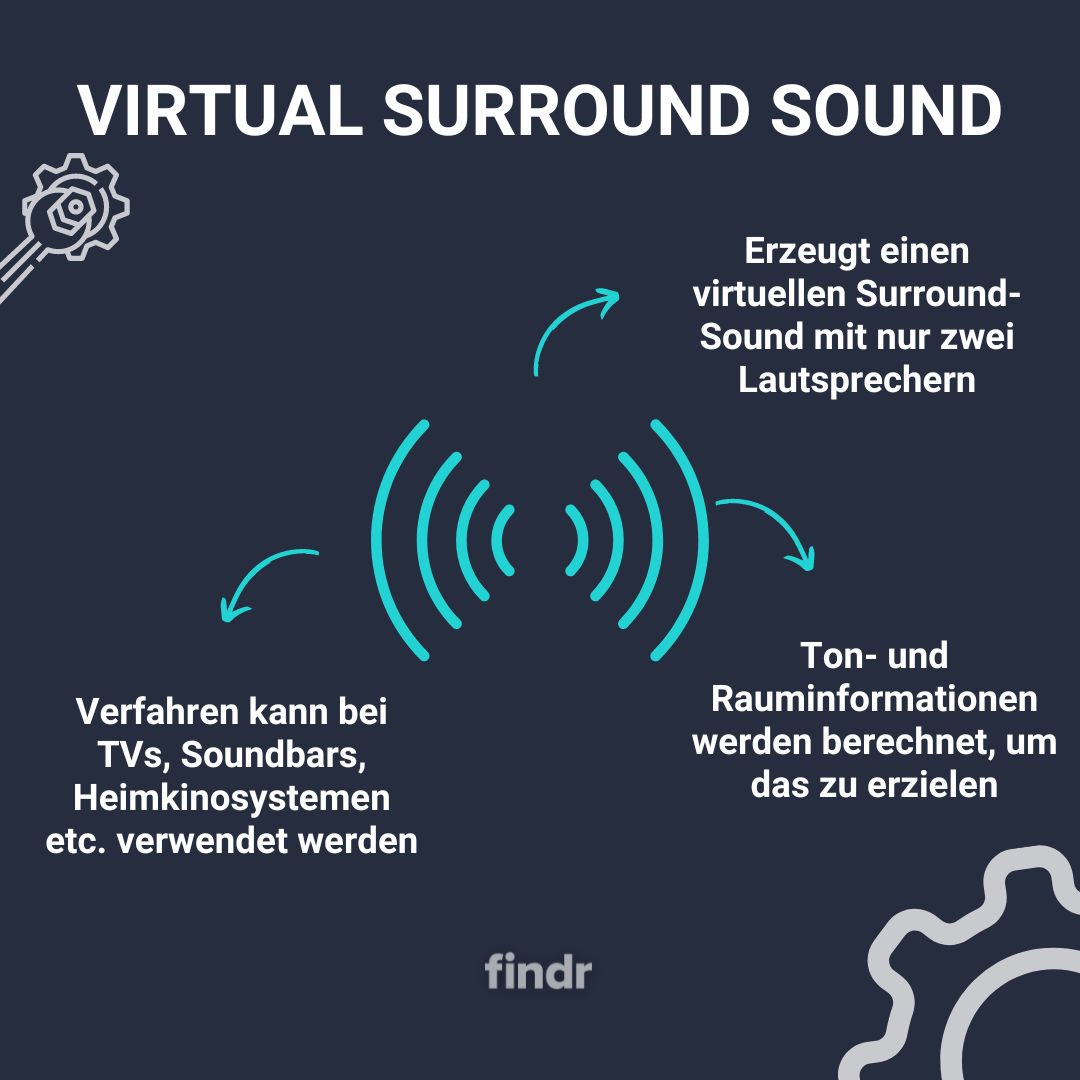
The transition from traditional surround sound systems to virtual surround technology marks a pivotal shift in audio engineering. Traditional systems required multiple physical speakers arranged around a listener to create an immersive sound environment. In contrast, virtual surround technology utilizes advanced algorithms and digital signal processing to simulate the effect of surround sound using fewer speakers, or even just headphones. This means users can enjoy a multi-dimensional audio experience without the need for extensive speaker setups, making it both convenient and accessible.
Technological advancements contributing to virtual surround audio
Several technological advancements have played a crucial role in the development of virtual surround audio, enhancing the overall listening experience. Notably:
– Digital Signal Processing (DSP): DSP allows for real-time analysis and manipulation of audio signals, enabling the simulation of complex sound fields that closely resemble true surround sound.
– Head-Related Transfer Function (HRTF): This technology mimics how human ears perceive sound from different directions, allowing users to experience spatial audio cues through headphones.
– Room Simulation Techniques: These techniques use algorithms to replicate how sound interacts with physical spaces, providing a more realistic experience regardless of the listener’s environment.
– Advanced Codec Technologies: Innovations in audio codecs have improved the efficiency and quality of sound transmission, making virtual surround audio more accessible across various devices.
The impact of these advancements on consumer electronics has been profound. Companies have begun to integrate virtual surround technology into a wide range of devices, from smartphones to televisions, and gaming consoles. This integration has made immersive audio experiences more widely available, appealing to a larger audience. As a result, consumers can enjoy cinematic audio in their homes, enhancing their overall entertainment experiences and driving demand for high-quality audio equipment.
Different methods of achieving virtual surround sound can cater to various user needs.

Virtual surround sound has emerged as a pivotal technology, allowing users to experience immersive audio environments without the need for multiple speakers. Different methods of creating virtual surround sound aim to accommodate a variety of user preferences and settings, making it essential to explore the distinct approaches available for headphones.
One prevalent approach to virtual surround sound involves sophisticated algorithms that manipulate audio signals to simulate the experience of multiple-channel sound. This technique is commonly found in software solutions, where digital signal processing (DSP) modifies sound spatially to create a surround effect. Alternatively, hardware implementations utilize dedicated audio processors built into headphones or external devices. These hardware solutions often provide built-in surround sound virtualization, delivering a more immediate and integrated experience without the need for software installation.
Software versus Hardware Solutions
The choice between software and hardware solutions significantly influences the user experience when it comes to virtual surround sound. Understanding the strengths and weaknesses of each approach can help users make informed decisions.
Software solutions for virtual surround sound often include applications that can be installed on computers or gaming consoles. These applications offer flexibility by allowing users to customize sound profiles and fine-tune settings to their liking. They might include features such as equalization settings and the ability to switch between various surround sound formats. However, they may require adequate processing power and can sometimes introduce latency, which may affect real-time audio performance in gaming scenarios.
In contrast, hardware solutions offer a more straightforward “plug and play” experience. Dedicated headphones or external sound cards with hardware surround capabilities generally provide consistent and reliable performance without the need for additional software configuration. They tend to deliver lower latency, making them ideal for competitive gaming. However, hardware solutions can be less flexible compared to software ones when it comes to customization and may not support as many surround sound formats.
The user experience with virtual surround sound methods also varies significantly between gaming and movie watching. In gaming, virtual surround sound can enhance situational awareness, allowing players to detect the direction of in-game sounds, such as footsteps or gunfire, which can be crucial for gameplay. In this context, the immediacy and accuracy of sound placement offered by hardware solutions may provide a competitive edge. On the other hand, movie watchers often appreciate the cinematic experience that software solutions can provide, as they allow for a rich, enveloping soundscape that enhances storytelling. The choice of method may ultimately depend on individual preferences, with some users valuing customization and adaptability, while others prioritize ease of use and performance reliability.
The role of algorithms and signal processing in virtual surround sound is crucial for optimal performance.
Virtual surround sound technology relies heavily on sophisticated algorithms and advanced signal processing techniques to create immersive audio experiences. These elements work together to simulate a multi-dimensional sound field, allowing users to perceive audio sources from various directions, much like how sounds are experienced in real life. The effectiveness of virtual surround sound is determined largely by the quality of the algorithms employed and the intricacies of the signal processing methods utilized.
Algorithms play a pivotal role in shaping the way virtual surround audio is generated. They analyze the audio signals and apply various mathematical transformations to emulate the spatial characteristics of sound. This is crucial for achieving high fidelity in audio playback. For instance, algorithms such as Head-Related Transfer Functions (HRTF) are essential for simulating how sound reaches the ears from different directions, accounting for factors like the shape of the ear and the head’s position. The precision of these algorithms directly impacts the clarity and realism of the audio experience.
Key signal processing techniques enhancing surround sound experiences
Numerous signal processing techniques contribute significantly to enhancing virtual surround sound. These processes optimize sound reproduction and ensure an engaging listening environment. Here are some of the essential techniques used:
- Equalization: This technique adjusts the balance between frequency components, allowing for clear sound reproduction across different audio ranges. It ensures that dialogue, music, and sound effects remain distinct and balanced.
- Dynamic Range Compression: By controlling the volume levels of audio signals, this technique prevents distortion and maintains clarity, especially in complex soundscapes with varying loudness.
- Reverberation Processing: This simulates how sound reflects off surfaces in an environment, enhancing the sense of space and depth in the audio experience.
- Spatialization Algorithms: These algorithms manipulate audio signals to create a convincing sense of three-dimensional space, allowing users to perceive the origin of sounds accurately.
Different algorithms can dramatically affect the fidelity of virtual surround sound. For instance, advanced spatial audio algorithms can produce a more accurate localization of sounds, leading to a more immersive experience. Conversely, less sophisticated algorithms may lead to a flat or indistinct audio experience, diminishing the overall quality. Ultimately, the choice of algorithms and signal processing methods is vital for delivering a rich, realistic auditory environment that enhances various media forms, from films to video games, ensuring users enjoy the full potential of virtual surround sound technology.
Virtual surround systems have become essential in enhancing immersive experiences in gaming.
Virtual surround sound systems have revolutionized the way gamers experience audio in video games, providing an immersive environment that traditional sound methods simply cannot match. The technology mimics a multi-channel surround sound setup, allowing sound to come from multiple directions, which enhances the realism of the gaming experience. As titles become more complex, the importance of sound design has grown, making virtual surround an indispensable tool for gamers seeking to engage fully with their virtual worlds.
Virtual surround sound impacts gameplay significantly by delivering an auditory experience that enhances spatial awareness and directional sound cues. Gamers can identify the location of sounds more accurately, which is crucial in competitive gaming where awareness of surroundings often dictates success. Imagine a player navigating a dense forest in a first-person shooter; with virtual surround, they can hear the rustling of leaves or the faint sound of footsteps approaching from behind, enabling them to react faster and make informed tactical decisions. This immersive sound experience fosters a deeper connection between the player and the game, often leading to longer and more enjoyable gaming sessions.
Effectiveness of Virtual Surround versus Traditional Surround Sound in Gaming
While traditional surround sound systems have their merits, they often require multiple speakers strategically placed in a room to create the desired audio effect. Virtual surround systems, on the other hand, can deliver a comparable experience using fewer speakers or even through headphones. This flexibility makes them more accessible for gamers, especially those in smaller living spaces or using portable devices. Additionally, virtual surround sound technologies often incorporate advanced algorithms that not only simulate directionality but also adapt to various audio environments, providing a level of customization that traditional setups may lack.
Several popular games effectively utilize virtual surround sound technology to enhance gameplay and immersion. These titles showcase how audio can improve the overall gaming experience and have become favorites among gamers:
- Call of Duty: Modern Warfare – Features pinpoint audio cues that help players locate enemies through sound.
- Resident Evil 2 (Remake) – Utilizes environmental sounds to create a tense atmosphere, heightening the horror experience.
- Valorant – Offers distinct audio feedback for different weapons and abilities, allowing players to strategize based on sound.
- Overwatch – Implements spatial awareness through audio, helping players identify character abilities and movements.
- Battlefield V – Uses immersive sound to recreate the chaos of battle, making players feel like they are in the midst of the action.
The integration of virtual surround sound in virtual reality platforms leads to a new level of immersion.
The advent of virtual surround sound technology has significantly transformed the landscape of virtual reality (VR) experiences. By enabling users to perceive sound from different directions, developers can create a more immersive and engaging environment. This heightened auditory experience is crucial for realism, enhancing the overall enjoyment and effectiveness of VR applications.
Implementing virtual surround sound in VR applications presents various challenges. One major hurdle is the technical complexity involved in accurately simulating sound environments. Traditional stereo sound systems may not provide the spatial accuracy required for VR, requiring developers to adopt advanced audio processing techniques. Furthermore, creating a seamless audio experience across different VR platforms necessitates a standardized approach to sound design.
Another challenge lies in the hardware limitations of certain VR headsets. Many devices may not have the capability to render complex surround sound due to insufficient processing power or audio output systems. This limitation affects audio fidelity and can detract from the immersive experience. To address these issues, developers are increasingly leveraging sophisticated algorithms and spatial audio technologies, such as binaural audio, to enhance realism without heavily taxing system resources.
User feedback has been overwhelmingly positive regarding the implementation of virtual surround sound. Many users report that it significantly enhances their sense of presence in virtual environments, making gameplay more engaging and lifelike. This feedback highlights the importance of sound in VR, emphasizing its role in creating believable worlds.
Below is a comparison of various VR platforms and their approaches to virtual surround sound:
| VR Platform | Surround Sound Approach |
|---|---|
| Oculus Quest 2 | Binaural audio processing, spatial audio support for immersive experiences. |
| HTC Vive | Uses Steam Audio technology for dynamic sound placement and acoustic modeling. |
| PlayStation VR | Tempest 3D AudioTech for advanced audio positioning and environmental sounds. |
| Valve Index | Integrated spatial audio capabilities with advanced tracking for realistic soundscapes. |
User feedback highlights that immersive audio significantly enhances the sense of realism in VR settings. Many users express how the ability to hear sounds coming from specific directions adds depth to their experiences, whether in gaming or educational simulations. The effectiveness of virtual surround sound not only enriches gameplay but also fosters a heightened emotional response during interactions, making the VR experience truly transformative.
The perception of sound localization in virtual surround technology is a vital aspect of audio design.
The ability to perceive sound directionality, known as sound localization, plays a crucial role in enhancing the immersive experience in virtual surround technology. This phenomenon is underpinned by various psychological principles that dictate how humans interpret auditory information. Understanding these principles is essential for audio designers aiming to create realistic soundscapes in virtual environments.
Sound localization is primarily influenced by several factors, including interaural time differences (ITD) and interaural level differences (ILD). ITD refers to the time it takes for sound to reach one ear compared to the other, while ILD denotes the difference in sound pressure levels reaching the two ears. The brain processes these cues to determine the origin of sounds. In virtual surround systems, accurate replication of these auditory cues is vital. Techniques such as binaural recording and HRTF (Head-Related Transfer Function) are employed to simulate how sounds interact with the listener’s head and ears, thus enhancing localization accuracy. By manipulating these factors, audio designers can create experiences where sound appears to originate from specific locations in a 3D space.
Methods used to test and measure sound localization accuracy in virtual surround systems
Testing and measuring sound localization accuracy is a critical step in developing effective virtual surround systems. Various methodologies are utilized to evaluate how well a system replicates real-world sound localization.
In the following points, we Artikel some of the key methods used for this testing:
- Controlled Listening Tests: Participants are placed in an anechoic chamber and presented with various sounds from different angles. Their task is to identify the direction of the sound source, allowing researchers to measure localization accuracy.
- Spatial Hearing Assessments: These assessments examine the listener’s ability to perceive sound directionality through headphones or speakers, helping evaluate the effectiveness of virtual surround setups.
- Virtual Environments: Testing in immersive virtual environments simulates real-life scenarios, providing insights into how well users can localize sounds in more complex settings.
Real-world applications of effective sound localization are prevalent in several fields. For instance, in gaming, developers prioritize accurate sound localization to enhance player immersion and realism during gameplay. In film production, sound engineers utilize advanced virtual surround technology to create an authentic auditory experience, ensuring that viewers feel as if they are part of the action. Additionally, in fields like aviation, accurate sound localization aids pilots in identifying and reacting to auditory signals, ultimately enhancing safety protocols. The precision of sound localization thus remains a vital consideration across diverse applications, influencing design choices and technological advancements in virtual surround systems.
Future trends in virtual surround technology promise exciting developments for audio enthusiasts.
As technology continues to advance, the realm of virtual surround sound is poised for groundbreaking innovations that will cater to the ever-evolving demands of audio enthusiasts. This transformative journey is characterized by the intersection of new hardware capabilities, sophisticated software algorithms, and shifting consumer preferences, all converging to enhance the immersive experience of sound.
Several key advancements are anticipated in the field of virtual surround sound. One prominent area of growth is the integration of artificial intelligence (AI) into sound processing. AI can analyze audio content in real-time and adapt the sound field to optimize the listening experience, effectively tailoring it to the user’s environment and preferences. This could result in more personalized audio experiences, such as 3D sound mapping for headphones that provide an experience similar to that of a multi-speaker setup.
Additionally, spatial audio technologies are gaining traction, with formats like Dolby Atmos and DTS:X leading the charge. These formats utilize object-based audio that allows sound designers to place audio sources in a three-dimensional space, ultimately providing listeners with a more immersive experience. Expect to see further innovations in this area, particularly as more content creators adopt these technologies.
Emerging technologies influencing virtual surround systems
The future of virtual surround sound systems is also being shaped by various emerging technologies. The advent of augmented reality (AR) and virtual reality (VR) is set to influence how sound is perceived and experienced. These platforms leverage advanced sound localization techniques, enhancing user immersion by creating a sense of presence in a virtual environment.
Furthermore, the rise of the Internet of Things (IoT) is allowing for interconnected audio systems that adapt to user behavior and preferences. Smart speakers and audio devices can communicate with one another, creating an ecosystem that adjusts audio settings automatically based on the user’s activities.
Consumer behavior is a key driver in the evolution of virtual surround sound technology. As users increasingly seek high-quality audio experiences at home, the demand for affordable yet sophisticated sound systems continues to rise. The popularity of streaming services has also spurred the creation of content optimized for advanced audio formats, encouraging manufacturers to innovate continually. As audio enthusiasts become more discerning, the industry must adapt by prioritizing quality, customization, and ease of use in virtual surround sound products.
“The evolution of sound technology is directly linked to consumer expectations for immersive audio experiences.”
Conclusion
The discussion surrounding virtual surround sound illustrates not only its evolution but also its critical role in enhancing our audio experiences. As technology continues to advance, we anticipate even more exciting innovations that will further immerse us in soundscapes that blur the lines between reality and virtual experiences. Embracing these changes, consumers can look forward to a future where audio fidelity and user engagement reach new heights, making every listening moment profoundly captivating.
Helpful Answers
What is virtual surround sound?
Virtual surround sound is a technology that simulates a multi-channel audio experience using fewer speakers or headphones, creating an immersive audio environment.
How does virtual surround differ from traditional surround sound?
Traditional surround sound uses multiple speakers placed around a room, while virtual surround employs algorithms to simulate sound directionality using fewer speakers or headphones.
Can virtual surround sound enhance gaming experiences?
Yes, virtual surround sound can significantly improve gaming experiences by providing directional audio cues, enhancing immersion, and helping players locate sounds in the game environment.
Are there specific types of headphones recommended for virtual surround sound?
While many headphones can produce virtual surround sound, those specifically designed for gaming or audio fidelity often provide the best performance due to their enhanced soundstage and clarity.
Is virtual surround sound effective in virtual reality?
Absolutely! Virtual surround sound plays a crucial role in creating a convincing immersive experience in virtual reality applications, helping users feel as though they are truly inside the virtual environment.