
 Zoe Nora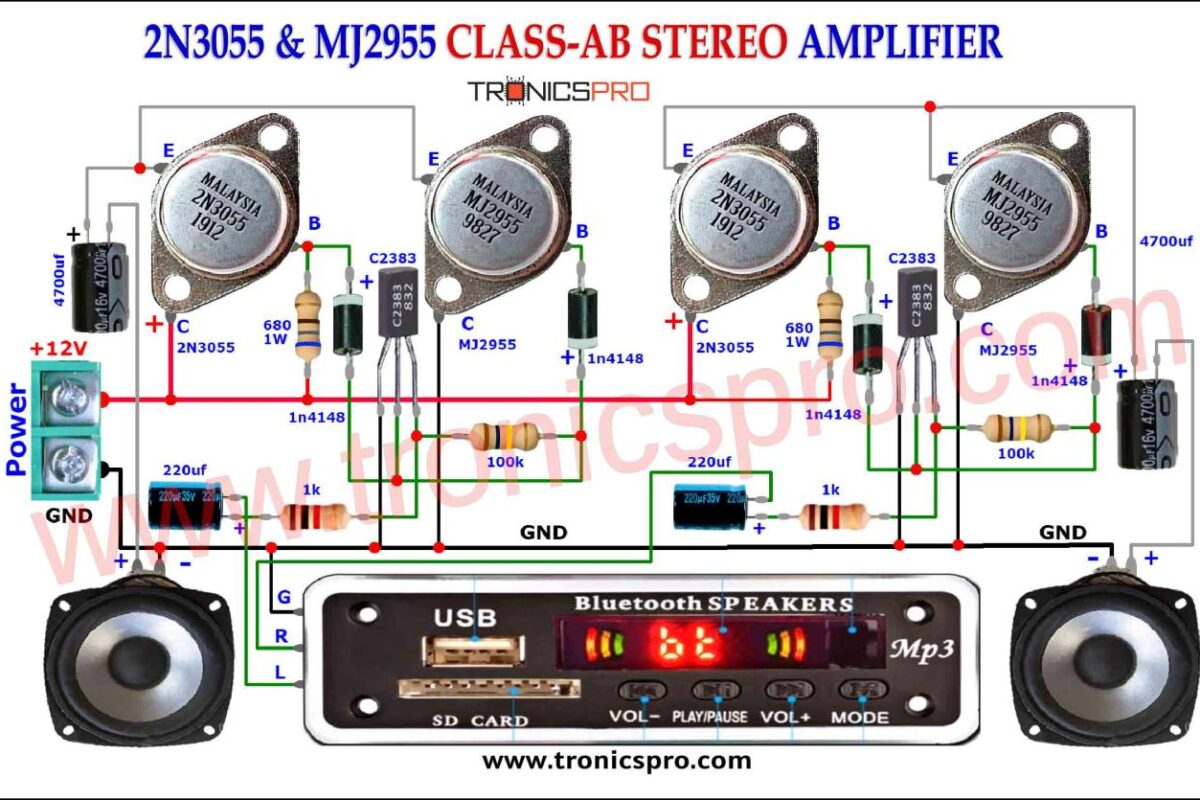
Stereo amplifier is the unsung hero of modern audio systems, elevating sound quality and transforming how we experience music. These devices play a pivotal role in enhancing our listening experiences, ensuring that every note and beat resonates with clarity and richness. Whether you’re an audiophile or a casual listener, understanding the advantages of stereo amplifiers can significantly impact your audio setup, making it crucial to explore their functionalities.
From integrating seamlessly into home theaters to powering high-fidelity audio systems, stereo amplifiers come in various types, each with unique features catering to different needs. As technology evolves, so do the capabilities of these amplifiers, impacting everything from power ratings to built-in connectivity options. This guide aims to unveil the intricacies of stereo amplifiers and equip you with the knowledge to make informed choices for your audio experiences.
The Role of a Stereo Amplifier in Modern Audio Systems
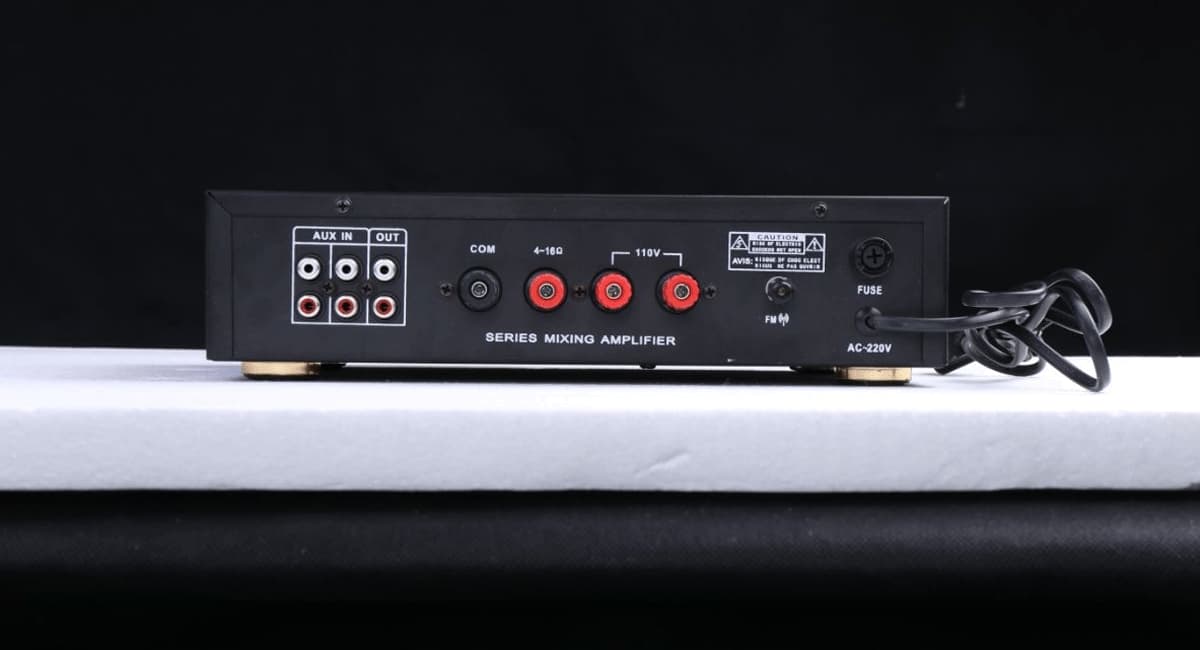
In the realm of audio technology, the stereo amplifier stands out as a vital component that significantly elevates the sound experience. By acting as a bridge between the audio source and the speakers, it ensures that sound is not only amplified effectively but also delivered with exceptional clarity and richness. This discussion explores the transformative role of stereo amplifiers in contemporary audio setups, emphasizing their contributions to sound quality and the overall listening experience.
Stereo amplifiers enhance sound quality in audio systems by increasing the power of audio signals, allowing for more dynamic range and detail. They take a low-level audio signal from a source, such as a CD player or digital audio workstation, and amplify it to a level suitable for driving loudspeakers. This amplification process is essential for delivering a full-bodied sound, particularly in larger spaces or with high-performance speakers that demand more power. The quality of amplification plays a crucial role; high-fidelity amplifiers minimize distortion and noise, preserving the nuances of the original recording.
Impact of Stereo Amplifiers on Music Listening Experiences
The presence of a quality stereo amplifier profoundly affects how music is perceived. Listeners can discern subtle details in their favorite tracks that could otherwise go unnoticed. This enhancement is particularly impactful in various audio setups. Here are some examples where stereo amplifiers are crucial:
- Home Theater Systems: In a multi-channel setup, stereo amplifiers are essential for driving the main speakers, ensuring that dialogue and sound effects are crisp and immersive.
- High-Fidelity Stereo Systems: Audiophiles often pair high-end amplifiers with premium speakers to achieve the purest sound reproduction possible, highlighting the tonal qualities of different music genres.
- Portable Audio Systems: Compact amplifiers can significantly improve the performance of portable speakers or headphones, making them ideal for on-the-go music enthusiasts who desire high-quality sound.
The clarity and depth provided by stereo amplifiers transform routine listening into a rich, engaging experience. One can appreciate the artistry in music, whether it’s the subtle strumming of a guitar or the layered harmonies in choral arrangements.
“A well-matched stereo amplifier not only enhances volume but elevates the entire listening experience.”
In essence, the role of stereo amplifiers transcends mere amplification. They are the key to unlocking the full potential of audio systems, delivering an experience that resonates with music lovers across various platforms and setups.
Different Types of Stereo Amplifiers and Their Functions
Stereo amplifiers play a crucial role in audio systems, enhancing sound quality and output power to speakers. Understanding the different types available in the market is essential for selecting the right amplifier that meets specific audio needs. This discussion will explore the various types of stereo amplifiers, their functionalities, and the advantages and disadvantages of integrated versus separate amplifiers.
Types of Stereo Amplifiers
There are several types of stereo amplifiers, each designed for different applications and user preferences. Below are the main types categorized by their configurations and functionalities:
- Integrated Amplifiers: Designed to combine a preamplifier and power amplifier in one unit, making them a convenient choice for many users. They are ideal for smaller setups where space saving is a priority.
- Power Amplifiers: These amplifiers focus solely on boosting the audio signal to drive speakers, lacking the preamplification stage. They are often used in high-end audio systems where sound quality is paramount.
- Preamplifiers: Responsible for receiving audio signals from various sources and preparing them for amplification. They include controls for adjusting volume and tone, making them essential for complex audio setups.
- Receiver Amplifiers: These amplifiers integrate a radio tuner, preamp, and power amp into one unit, making them versatile for home theater systems. They often come with features like surround sound processing.
Integrated Amplifiers Versus Separate Amplifiers
When choosing between integrated and separate amplifiers, it’s essential to consider their functionalities and performance capabilities. Integrated amplifiers combine multiple functions into a single unit, while separate amplifiers consist of distinct components.
- Integrated Amplifiers:
- Space-efficient due to their all-in-one design.
- Typically more affordable, making them suitable for budget-conscious consumers.
- Simplifies setup and operation, especially for casual listeners.
- Separate Amplifiers:
- Allows for tailored system configurations, enhancing overall sound quality.
- Offers potential for upgrades, as each component can be replaced independently.
- Typically superior in performance, especially in high-fidelity audio systems.
“The choice between integrated and separate amplifiers ultimately depends on the user’s audio preferences, budget, and the specific requirements of their audio system.”
Advantages and Disadvantages
Understanding the benefits and downsides of each type of amplifier is crucial for making an informed decision.
- Advantages of Integrated Amplifiers:
- Convenience of having multiple functions in one unit.
- Lower cost compared to purchasing separate components.
- Ideal for smaller spaces and simple setups.
- Disadvantages of Integrated Amplifiers:
- Limited upgrade potential since the components are combined.
- May not achieve the same audio fidelity as high-end separate systems.
- Advantages of Separate Amplifiers:
- Higher sound quality, particularly in premium systems.
- Greater flexibility in customizing and upgrading components.
- Disadvantages of Separate Amplifiers:
- Higher overall cost due to multiple components.
- Requires more space and can complicate setup.
The Importance of Power Ratings in Stereo Amplifiers
Power ratings play a crucial role in determining the overall performance and sound quality of stereo amplifiers. Understanding these ratings helps users to select the right amplifier that matches their speakers and listening environment. A well-matched amplifier can enhance audio clarity, dynamics, and overall listening experience, making power ratings a vital consideration in any audio setup.
Power ratings, measured in watts, indicate the maximum output capability of an amplifier. This measurement influences how well an amplifier can drive speakers to produce sound at various volume levels. Higher power ratings typically allow for louder playback without distortion. However, it is essential to recognize that more power isn’t always better; it must be paired appropriately with compatible speakers to achieve optimal performance.
Power Output and Speaker Compatibility
The relationship between power output and speaker compatibility is fundamental to achieving the best sound quality from an audio system. Matching an amplifier’s power output with the speaker’s power handling capacity ensures that both components work harmoniously together.
When choosing an amplifier, consider the following important points regarding power ratings and speaker compatibility:
- Speaker Impedance: Most speakers have a defined impedance, typically 4, 6, or 8 ohms. An amplifier should be able to handle the impedance of the speakers to provide adequate power. For instance, an amplifier rated for 100 watts per channel at 8 ohms may output more at lower impedances.
- Continuous vs. Peak Power: Continuous power ratings (RMS) indicate how much power the amplifier can deliver consistently, while peak power ratings show the maximum output capacity for short bursts. Choose an amplifier with sufficient continuous power to drive your speakers effectively without distortion.
- Headroom: Having additional power beyond what is typically needed provides headroom, allowing for transient peaks in sound without distortion. Amplifiers with higher power ratings generally provide better dynamic range and performance in demanding listening situations.
Selecting an amplifier based on power requirements involves evaluating both your listening habits and the specifications of your speakers. For example, if you have a pair of bookshelf speakers rated for 50 watts RMS, a suitable amplifier might be rated between 50-100 watts per channel at the same impedance. This range allows for dynamic peaks without risking damage to the speakers.
“Always ensure your amplifier’s power output aligns with your speaker’s requirements to avoid distortion and enhance sound quality.”
A practical example can be found in pairing high-efficiency speakers, like those from brands such as Klipsch, which may only require 10-20 watts for loud listening levels. In contrast, less efficient speakers, like some models from Bowers & Wilkins, might need a more powerful amplifier to achieve the same volume levels without distortion.
Understanding power ratings and their implications empowers users to craft an audio system that delivers the best performance, ensuring a satisfying listening experience tailored to individual preferences and environments.
Features to Look for When Buying a Stereo Amplifier
When diving into the world of audio equipment, selecting the right stereo amplifier can significantly enhance your listening experience. Audiophiles often have specific needs that can make or break their enjoyment of music. Understanding the key features of a stereo amplifier is crucial for making an informed purchase. Here are some essential features to consider.
Must-Have Features for Audiophiles
Identifying the right features is vital for audiophiles seeking a superior sound experience. Below are key features that should be prioritized when selecting a stereo amplifier.
- Power Output: Look for amplifiers that can deliver sufficient wattage to drive your speakers effectively. A higher wattage generally means better sound quality at higher volumes.
- Sound Quality: Ensure the amplifier has high-quality components that reduce distortion and enhance sound clarity, allowing for a more immersive listening experience.
- Impedance Matching: Select models that can handle the impedance of your speakers, typically rated at 4 to 8 ohms, to ensure optimal performance.
- Cooling Mechanism: Consider amplifiers with effective cooling systems that prevent overheating during extended use, ensuring longevity and consistent performance.
- Build Quality: A well-constructed unit typically includes robust materials that contribute to durability and resistance to interference.
Significance of Connectivity Options
Modern audio setups often incorporate various devices, making connectivity options essential. Bluetooth and Wi-Fi capabilities provide flexibility in how you enjoy your music.
- Bluetooth Connectivity: Enables wireless streaming from smartphones or tablets, offering convenience and eliminating cable clutter.
- Wi-Fi Streaming: Offers better audio quality compared to Bluetooth and allows access to high-resolution music streaming services, enhancing the listening experience.
- Multiple Inputs: Ensure your amplifier has various input options such as RCA, optical, and HDMI to accommodate different devices like turntables, CD players, and gaming consoles.
Importance of Built-in Equalizers and Sound Processing Technologies
An amplifier’s ability to customize audio output through built-in equalizers is essential for audiophiles who wish to tailor their sound experience.
- Equalizer Functions: Built-in equalizers enable users to adjust frequencies, allowing for a personalized sound that can compensate for room acoustics or speaker characteristics.
- Sound Processing Technologies: Look for amplifiers that offer advanced technologies like Dolby Atmos or DTS:X, which enhance surround sound capabilities and improve overall audio immersion.
- Room Correction: Some amplifiers come with automatic room calibration systems that analyze acoustics and adjust output for optimal sound quality in your specific environment.
Stereo Amplifiers and Home Theater Systems Integration
Integrating stereo amplifiers into home theater systems can significantly enhance the overall audio experience. By providing high-quality amplification, stereo amps can transform the way sound is perceived, elevating movies, music, and gaming to new heights. This discussion will explore how stereo amplifiers can be integrated into home theater setups, address potential challenges, and provide real-world examples of successful configurations.
Stereo amplifiers play a crucial role in enhancing the audio quality of home theater systems. They are designed to drive speakers with greater power and clarity, which is essential for an immersive audio experience. Stereo amplifiers work by boosting low-level audio signals to a level that can effectively drive speakers and produce rich sound. This enhancement is particularly important in home theater systems, where sound staging and clarity can make a substantial difference in viewer engagement.
Challenges and Solutions in Integration
Integrating stereo amplifiers with surround sound setups can present several challenges, such as compatibility issues, signal processing limitations, and complex wiring requirements. Understanding these challenges is essential for effective integration.
– Compatibility Issues: Not all stereo amplifiers are compatible with surround sound receivers. Ensuring compatibility often requires careful selection of components.
– Signal Processing Limitations: Stereo amplifiers typically handle two-channel audio, which can limit their effectiveness in a multi-channel surround sound system. Utilizing a home theater receiver that can decode surround sound signals before sending the output to the stereo amplifier can help mitigate this issue.
– Complex Wiring Requirements: The wiring needed to connect stereo amplifiers to a home theater system can be daunting. Proper planning and organization of cables can simplify the process and ensure clean installation.
To address these challenges, consider the following solutions:
1. Use of A/B Speaker Switches: These allow users to switch between different sets of speakers, providing flexibility in managing both stereo and surround sound.
2. Utilizing High-Quality Cables: Investing in quality speaker cables and interconnects can improve signal integrity, reducing noise and enhancing audio quality.
3. Employing a Processor or Receiver with Pre-Outs: This setup allows for direct connection to a stereo amplifier while maintaining the benefits of surround sound processing.
Successful Home Theater Configurations
Numerous configurations can effectively integrate stereo amplifiers into home theater systems, providing great examples of optimal setups.
– Example 1: A common configuration involves pairing a multi-channel AV receiver with a high-end stereo amplifier. The AV receiver processes the surround sound signals and sends them to the stereo amplifier, which then powers the front left and right speakers. This setup enhances the overall sound quality significantly, especially for music playback and action scenes in movies.
– Example 2: Another successful configuration utilizes a dedicated stereo amplifier for a 2.1 channel setup, where two bookshelf speakers and a subwoofer are employed. The subwoofer can be connected to the AV receiver, while the stereo amp drives the speakers, allowing for rich bass and clear treble that enhances the cinematic experience.
– Example 3: A more advanced setup can involve a combination of a dedicated home theater processor with a stereo amplifier driving a pair of high-efficiency floor-standing speakers. This arrangement not only provides excellent stereo sound for music but also integrates seamlessly with a surround setup for films and gaming, creating a fully immersive audio environment.
By understanding and addressing the challenges of integrating stereo amplifiers into home theater systems, enthusiasts can create configurations that significantly enhance their audio experiences, leading to richer, more engaging soundscapes.
Maintenance Tips for Ensuring Longevity of Stereo Amplifiers
Maintaining a stereo amplifier is essential for preserving sound quality and ensuring its longevity. Regular upkeep not only enhances performance but also prevents potential issues that could disrupt your listening experience. Understanding common problems and implementing simple maintenance practices can go a long way in prolonging the life of your equipment.
Essential Maintenance Practices
To keep your stereo amplifier in optimal condition, it’s important to adopt a series of routine maintenance practices. These practices help mitigate wear and tear and maintain high performance.
- Regular Cleaning: Dust and debris can accumulate on and inside your amplifier, affecting its performance. Use a soft, dry microfiber cloth to clean the exterior regularly. For deeper cleaning, carefully open the unit and use compressed air to blow out dust from the internal components.
- Proper Ventilation: Amplifiers generate heat during operation. Ensure that your amplifier is placed in a well-ventilated area, away from walls or other obstructions. Keeping vents clear allows for effective heat dissipation, reducing the risk of overheating.
- Check Connections: Periodically inspect all connections, including speaker wires and input/output jacks. Loose or corroded connections can lead to audio issues and should be tightened or replaced as necessary.
- Use Quality Cables: The quality of cables can impact sound. Invest in good quality speaker cables and interconnects to minimize signal loss and interference.
- Update Firmware: Some modern amplifiers come with firmware that can be updated to enhance performance. Check the manufacturer’s website for any available updates and follow the instructions carefully for installation.
Common Issues and Troubleshooting
Understanding potential issues that may arise with stereo amplifiers can aid in effective troubleshooting, ensuring that minor problems don’t escalate.
- No Sound Output: If you experience no sound, first check the power source and ensure the amplifier is turned on. Next, verify that all connections are secure and that the input source is correctly selected.
- Distorted Sound: Distortion can occur due to incorrect impedance matching between the amplifier and speakers. Ensure that the speakers are compatible with the amplifier’s specifications. Additionally, check for any loose connections.
- Overheating: Amplifiers can overheat if they are placed in enclosed spaces or if they are driven too hard. If overheating occurs, turn off the unit and allow it to cool down. Consider relocating it to a more ventilated area.
- Buzzing or Humming Noise: This can often be attributed to ground loops or faulty cables. Check for proper grounding and consider using a ground loop isolator or replacing old cables to reduce unwanted noise.
Importance of Regular Cleaning and Proper Ventilation
Maintaining cleanliness and ensuring proper ventilation are critical for the performance and longevity of stereo amplifiers.
Regular cleaning prevents buildup that can impair performance, while adequate ventilation ensures that heat dissipates effectively, reducing the risk of component damage.
The internal components of an amplifier, such as capacitors and resistors, can be sensitive to dust and heat. Regular cleaning helps maintain their functionality, while proper ventilation reduces the risk of overheating, which can lead to irreversible damage. By incorporating these practices into your routine, you can enjoy high-quality sound for years to come.
The Evolution of Stereo Amplifier Technology
Over the past few decades, stereo amplifier technology has undergone significant transformations, reshaping how audio enthusiasts experience sound. From the early vacuum tube amplifiers that defined the high-fidelity audio movement to today’s sophisticated digital designs, the journey of stereo amplifiers reflects the broader evolution of audio technology itself.
The advancements in stereo amplifier technology have been influenced by various factors, including the integration of digital technology, improvements in materials, and greater consumer demands for sound quality and functionality. Modern amplifiers now often feature digital signal processing (DSP), which enhances sound clarity and allows for customization of audio profiles tailored to individual preferences. Additionally, the transition from analog to digital has introduced various connectivity options, such as Bluetooth and Wi-Fi, enabling wireless streaming from a myriad of devices.
Advancements in Stereo Amplifier Design
Modern stereo amplifiers are characterized by several innovative features that were not present in earlier models. The following points illustrate the key technological enhancements that have revolutionized the design and functionality of stereo amplifiers:
- Digital Signal Processing (DSP): DSP allows for real-time manipulation of audio signals, providing users with enhanced control over sound quality and enabling features like room correction and equalization.
- Class D Amplification: This technology has enabled amplifiers to become more efficient, producing less heat while delivering high power, making them suitable for compact and portable devices.
- Higher Bit Rates and Sampling Frequencies: Modern amplifiers now support high-resolution audio formats, allowing for more detailed and dynamic sound reproduction, a significant upgrade from classic models.
- Network Connectivity: Today’s amplifiers often include built-in streaming services, allowing direct access to music libraries and internet radio without needing additional hardware.
Performance Comparison: Classic vs. Modern Amplifiers
When comparing classic amplifiers to their modern digital counterparts, there are several performance metrics that highlight the evolution of technology:
- Power Output: Modern amplifiers typically offer higher power output with less distortion compared to classic models, which enhances overall sound quality, especially at higher volumes.
- Dynamic Range: The capability of modern amplifiers to reproduce a wider dynamic range allows for more nuanced audio experiences, whereas classic amplifiers may struggle to avoid clipping at peak levels.
- Efficiency: Class D amplifiers are significantly more efficient than traditional Class A or Class AB amplifiers, consuming less power while delivering superior performance.
- Feature Set: While classic amplifiers were often limited to basic functionalities, modern amplifiers are equipped with features such as Bluetooth connectivity, integrated DACs, and customizable sound profiles, catering to the diverse needs of today’s consumers.
“The transition from analog to digital has not only improved sound quality but has also expanded the way we interact with audio technology.”
The evolution of stereo amplifier technology continues to push the boundaries of what is possible, blending traditional audio fidelity with modern convenience and versatility. As the audio landscape continues to change, stereo amplifiers will remain at the forefront of delivering high-quality sound experiences.
How to Set Up a Stereo Amplifier for Optimal Sound
Setting up a stereo amplifier is key to achieving the best sound quality in your listening environment. Whether you’re an audiophile or simply enjoying your favorite tunes, getting your amplifier set up correctly can make a significant difference in your listening experience. This guide provides a step-by-step approach to help you optimize your stereo system’s performance.
Step-by-Step Setup of a Stereo Amplifier
To ensure proper setup of your stereo amplifier, follow these steps carefully:
- Choose the Right Location: Place your amplifier in a well-ventilated area away from other electronic devices to avoid interference.
- Connect Your Sources: Use high-quality cables to connect your audio source (like a CD player or turntable) to the amplifier’s input jacks.
- Connect the Speakers: Ensure you connect your speakers to the correct output terminals, maintaining polarity (positive to positive, negative to negative).
- Power it Up: Plug in the amplifier and turn it on, ensuring all connections are secure.
- Adjust Volume Levels: Start with the volume at a low level to prevent damage to your speakers and gradually increase it to your desired listening level.
Speaker Placement and Room Acoustics
The placement of speakers within a room plays a crucial role in overall sound quality. Proper positioning can enhance clarity, balance, and depth of sound. Consider the following factors:
– Distance from Walls: Speakers should be at least a few inches away from walls to minimize reflections that can muddy sound quality.
– Triangle Configuration: Position the speakers and listening area in a triangular formation. The speakers should be equidistant from the listening position to create an optimal stereo image.
– Room Acoustics: Hard surfaces can lead to echoes, while soft furnishings (like curtains and rugs) can absorb sound. Aim for a balanced mix to reduce unwanted reverberations.
Optimal speaker placement can enhance sound stage and overall audio performance significantly.
Adjusting Settings for Optimal Audio Performance
Fine-tuning your amplifier’s settings is essential for achieving optimal sound based on your listening environment. Here are some adjustments you might consider:
– Equalizer Settings: Adjust the bass, midrange, and treble frequencies to match your personal preferences and the characteristics of your room. A good starting point is to boost or cut frequencies based on the music genre; for example, rock music might benefit from enhanced bass.
– Volume Level Matching: Ensure that all connected audio sources are set to similar volume levels to avoid drastic changes when switching sources.
– Balance Control: Adjust the balance to ensure that both speakers deliver sound evenly, especially if the room has asymmetrical acoustics.
Implementing these techniques can transform your listening experience, making it more enjoyable and immersive. Consider testing different settings and positioning to find what works best for you and your space.
The Impact of Stereo Amplifiers on Different Music Genres
Stereo amplifiers play a crucial role in shaping the listening experience across various music genres. Each genre has its unique characteristics, and the right amplifier can enhance these traits, making the music more enjoyable and nuanced. Understanding how different amplifiers interact with genres such as classical, rock, and electronic can help listeners choose the best equipment for their preferences.
The type of stereo amplifier can significantly influence the sound quality and overall experience of different genres. For example, a tube amplifier may provide a warm and organic sound that complements the intricate layers of classical music, while a solid-state amplifier might deliver the punch and clarity that rock music demands. The key factors include frequency response, power handling, and distortion levels, which vary with different amplifier types and affect how well they can reproduce the unique aspects of each genre.
Classical Music and Tube Amplifiers
Classical music often contains a wide range of dynamics and subtle nuances that can be beautifully rendered by tube amplifiers. These amplifiers create a warm, rich sound that enhances the harmonic content of orchestral music, allowing for a more immersive experience. Tube amplifiers tend to produce even-order harmonic distortion, which many listeners find pleasing to the ear.
– Harmonic richness: Tube amplifiers amplify the natural warmth of string instruments, making violins and cellos sound fuller.
– Dynamic range: The smooth clipping of tube amplifiers can help to reproduce the soft and loud passages found in classical compositions, conveying emotion effectively.
– Soundstage: The spatial characteristics of tube amplifiers enhance the perceived depth and width of orchestral recordings, creating an engaging listening environment.
Rock Music and Solid-State Amplifiers
Rock music typically demands a lot of power and clarity, especially when it comes to driving electric guitars and drums. Solid-state amplifiers are often favored for their ability to deliver high output levels without distortion, ensuring that the punchy elements of rock are represented accurately.
– High power handling: Solid-state amplifiers can handle the high wattage needed to drive rock music effectively, especially in live settings.
– Transient response: The quick response of solid-state amplifiers allows for the crisp articulation of percussive sounds, making guitar riffs and drum hits stand out.
– Clean sound: The low distortion levels in solid-state designs ensure that no details are lost, allowing the intricacies of a rock band’s performance to shine through.
Electronic Music and Class D Amplifiers
Electronic music often features deep bass lines and intricate sound layers, making the choice of amplifier critical. Class D amplifiers are particularly well-suited for this genre due to their efficiency and ability to handle low frequencies effectively.
– Bass response: Class D amplifiers excel at reproducing low-end frequencies, maintaining clarity and punch in bass-heavy electronic tracks.
– Efficiency: These amplifiers generate less heat compared to traditional designs, allowing for prolonged listening sessions without performance loss.
– Compact size: Many Class D amplifiers are compact, making them ideal for setups where space is limited, such as in home studios or small living areas.
“The right amplifier can enhance the nuances of each music genre, making the listening experience more enjoyable.”
The Future of Stereo Amplifiers in an Increasingly Digital World
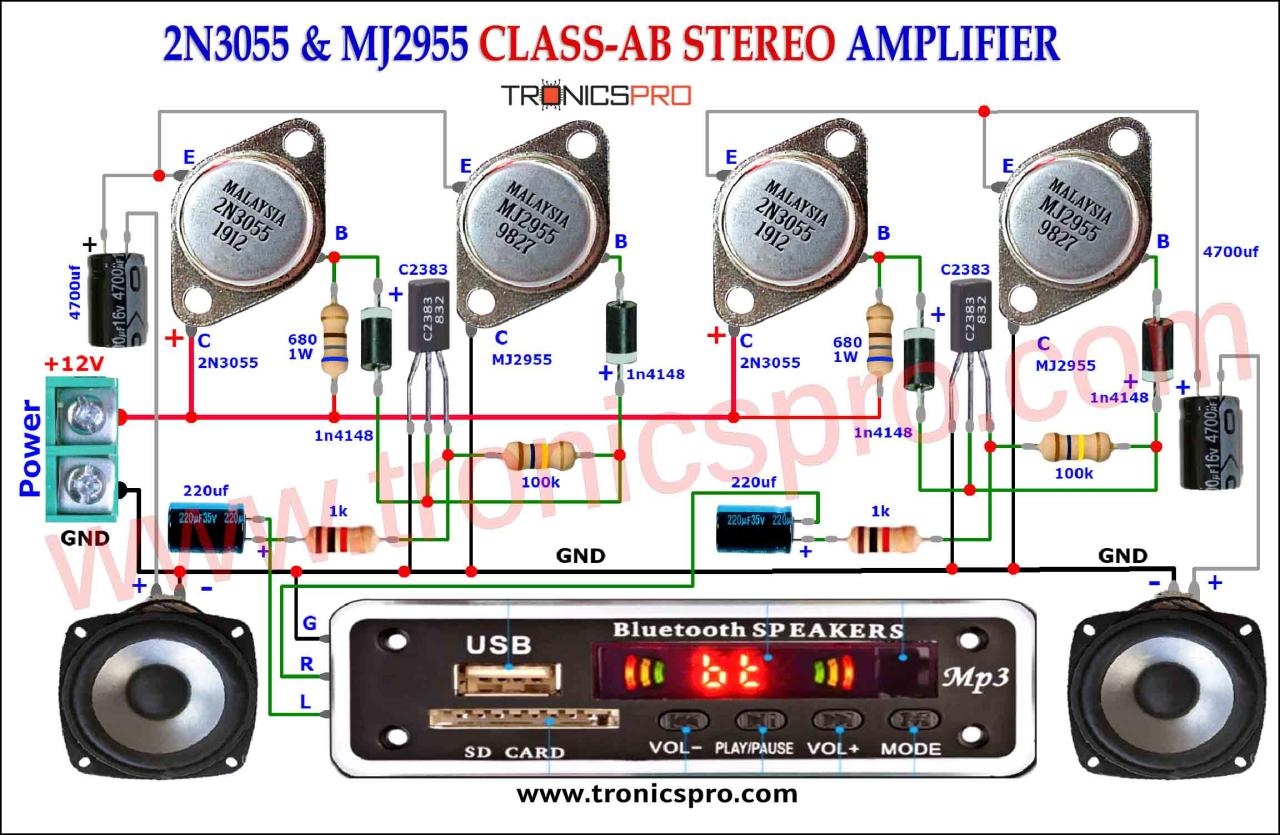
As technology continues to evolve, stereo amplifiers are entering a new era where digital integration plays a pivotal role. This transformation is driven by the rise of streaming services, advancements in sound processing technologies, and changing consumer preferences. Understanding these dynamics is essential for manufacturers looking to remain relevant in a rapidly digitizing market.
The evolution of stereo amplifiers is increasingly intertwined with digital technology. Traditional amplifiers are now being enhanced with features that cater to a more connected and versatile audio experience. With the rise of high-resolution audio formats and digital streaming services like Spotify and Tidal, amplifiers are expected to evolve to accommodate these changes. For instance, many modern amplifiers now include built-in DACs (Digital-to-Analog Converters) to facilitate the seamless playback of high-quality digital audio.
Integration with Streaming Services
The integration of streaming services into stereo amplifier design is becoming a key feature as consumer demand shifts towards convenience and accessibility. Amplifiers are increasingly being equipped with Wi-Fi and Bluetooth connectivity, allowing users to access their favorite music from various platforms without the need for physical media. This shift reflects a broader trend where users prioritize flexibility and ease of use.
The following points illustrate the significance of integrating streaming services into stereo amplifiers:
- Compatibility with multiple streaming platforms provides users with a wide range of music options at their fingertips.
- Wireless streaming capabilities eliminate the clutter of cables and physical connections.
- Voice control integration through devices like Amazon Alexa or Google Assistant enhances user experience by allowing hands-free operation.
- Firmware updates over the air ensure that amplifiers remain up-to-date, bringing new features and improvements without the need for manual upgrades.
Adapting to Changing Consumer Needs
Manufacturers are adapting to the changing landscape of audio technology by introducing innovative features that cater to modern consumers. The rise of digital audio has led to a demand for amplifiers that offer more than just amplification; they need to provide a complete, integrated experience.
Several trends highlight how manufacturers are responding to these consumer needs:
- High-resolution audio support is becoming standard, reflecting a growing demand for superior sound quality.
- Multi-room audio systems are on the rise, allowing users to enjoy synchronized music across different spaces in their homes.
- Smart home integration is increasingly important, with amplifiers being designed to work seamlessly with smart home ecosystems.
- Customizable EQ settings and sound profiles allow users to tailor their audio experience to their personal preferences.
In summary, the future of stereo amplifiers is set to be defined by digital innovation and consumer-centric design. As the audio landscape continues to evolve, stereo amplifiers will play a crucial role in delivering high-quality sound experiences that cater to the modern listener’s lifestyle.
Last Word
In summary, stereo amplifiers are essential tools for anyone looking to enhance their audio experience, whether at home or on the go. With a better understanding of their role, types, and features, you can select the perfect amplifier to match your musical preferences and setup. As we look to the future, the continued evolution of stereo amplifiers promises to further enrich our listening journeys, ensuring that great sound remains at the forefront of music enjoyment.
Expert Answers
What is the main function of a stereo amplifier?
A stereo amplifier’s primary function is to boost audio signals so that they can be effectively played through speakers, enhancing sound quality and volume.
How do I know which stereo amplifier is right for me?
The right stereo amplifier for you depends on your audio needs, the type of speakers you own, and the spaces where you’ll use it. Consider power output, connectivity options, and features like built-in equalizers.
Can I use a stereo amplifier with a home theater system?
Yes, stereo amplifiers can greatly enhance the audio quality of home theater systems, although you may need to ensure compatibility with surround sound setups.
Do I need a separate amplifier for each speaker?
Not necessarily; many stereo amplifiers can power multiple speakers, although using separate amplifiers for individual speakers can improve sound quality in larger setups.
How important is the power rating of a stereo amplifier?
Power rating is crucial as it determines how well an amplifier can drive your speakers. It’s essential to match the power output with your speakers’ requirements for optimal performance.
What features should I look for in a modern stereo amplifier?
Look for features such as Bluetooth and Wi-Fi connectivity, built-in equalizers, multiple inputs for various devices, and high-quality sound processing technologies.