
 Zoe Nora
High-fidelity speakers set the stage for this enthralling narrative, offering readers a glimpse into a story that is rich in detail and brimming with originality from the outset.
These speakers are designed to deliver exceptional sound quality, making them a crucial component in any audio system. High-fidelity sound reproduction provides listeners with an authentic experience, capturing the nuances of music as the artist intended. In this guide, we’ll delve deep into the technology, benefits, and features that elevate high-fidelity speakers above standard models, ensuring that your audio experience is nothing short of remarkable.
Understanding the Concept of High-Fidelity Speakers
High-fidelity speakers, often referred to as hi-fi speakers, are designed to reproduce sound with exceptional accuracy and detail. These speakers are crucial for audiophiles and music enthusiasts who desire an immersive listening experience that faithfully replicates the original audio source. The importance of high-fidelity speakers lies in their ability to deliver music and soundscapes that feel true to life, allowing listeners to experience the nuances of their favorite tracks as the artist intended.
The technology behind high-fidelity sound reproduction encompasses several advanced engineering principles and components that work together to enhance audio quality. High-fidelity speakers utilize high-quality materials in their construction, such as premium woofers and tweeters, to produce sound across a wide frequency range. This technology often includes features like improved magnet systems, sophisticated crossover networks, and precision driver alignment, which all contribute to the clarity and richness of the sound. The goal is to minimize distortion and colorization, ensuring that the output remains as close to the original recording as possible.
Key Features of High-Fidelity Speakers
High-fidelity speakers stand apart from standard speakers due to several defining characteristics that enhance their audio performance. Understanding these features can help consumers make informed decisions when investing in sound systems.
The following features are essential for distinguishing high-fidelity speakers from their standard counterparts:
- Wide Frequency Response: High-fidelity speakers are designed to reproduce a broad range of frequencies, typically from 20 Hz to 20 kHz, which encompasses the entire audible spectrum. This ensures that both low bass notes and high treble sounds are delivered with precision.
- Low Distortion Levels: High-fidelity speakers are engineered to minimize distortion, which preserves the integrity of the sound. They achieve this through advanced materials and design techniques that allow for clean playback even at higher volumes.
- Accurate Imaging: High-fidelity speakers provide a well-defined sound stage, allowing listeners to perceive the positioning of instruments and vocals within the audio. This spatial accuracy enhances the overall listening experience.
- Quality Components: The materials used in high-fidelity speakers, such as high-grade wood for enclosures and specialized fabric for speaker cones, contribute to their performance. These components are carefully selected to reduce unwanted resonances and enhance sound quality.
- Advanced Crossover Networks: Crossover networks play a crucial role in directing the appropriate frequencies to the right drivers. High-fidelity speakers often feature sophisticated designs that ensure seamless transitions between woofers, mid-range drivers, and tweeters.
The combination of these features results in a superior listening experience that is essential for anyone serious about audio quality. High-fidelity speakers not only reproduce music but also engage listeners, bringing the essence of a live performance into their homes.
The Benefits of Using High-Fidelity Speakers
High-fidelity speakers represent a significant leap in audio technology, providing listeners with an immersive sound experience that captures the nuances of music like never before. The clarity and richness of high-fidelity sound create a more authentic listening environment, allowing music enthusiasts to appreciate their favorite tracks in a way that more basic speakers simply cannot offer. This section explores the numerous advantages of high-fidelity sound quality and how it enhances the overall music-listening experience.
Advantages of High-Fidelity Sound Quality
The primary advantage of high-fidelity speakers is their ability to reproduce sound with remarkable accuracy. Unlike standard speakers, high-fidelity models deliver a broader frequency range, allowing listeners to hear both the highs and lows of music as intended by the artist. This precision results in a more lifelike listening experience, where every instrument and vocal is distinctly articulated. Here are some key advantages of high-fidelity sound quality:
-
Improved clarity: High-fidelity speakers eliminate distortion and provide crisp sound reproduction.
-
Enhanced dynamic range: These speakers can handle the subtleties of soft passages and the power of louder sections seamlessly.
-
Greater detail: Every note and subtle nuance is picked up, enabling listeners to discover new layers in their favorite music.
Enhancement of Music Listening Experiences
High-fidelity speakers transform a typical music listening session into an extraordinary auditory journey. By utilizing advanced technologies like high-quality drivers, better enclosure designs, and sophisticated crossover networks, these speakers create a more engaging and immersive atmosphere. For instance, an evening dedicated to jazz can be elevated by the intricate sounds of a saxophone or the subtle brush of snare drums, all rendered with stunning detail. Consider how these speakers enhance various music genres:
-
Classical music becomes a grand experience as orchestral compositions are played with the full depth of individual instruments.
-
Electronics and synthesizers are rendered with precision, allowing listeners to appreciate the complexity of modern music production.
-
Vocals are presented with lifelike clarity, making it easier to connect emotionally with the lyrics and delivery of the artist.
Scenarios Where High-Fidelity Speakers Shine
High-fidelity speakers are particularly advantageous in certain scenarios where sound quality is paramount. These speakers not only improve the audio experience but also create an emotional connection to the music. The following examples illustrate situations where high-fidelity speakers truly excel:
-
Home theater systems benefit from high-fidelity speakers, providing a cinematic experience with clear dialogue and immersive soundtracks.
-
Music studios utilize high-fidelity monitors to produce and mix tracks accurately, ensuring the final product translates well across various listening environments.
-
Live performances in intimate venues are enhanced, allowing the audience to experience the music as if they were part of the performance.
A Comparison of High-Fidelity Speakers and Standard Speakers
High-fidelity speakers and standard speakers serve the same fundamental purpose of delivering sound, but the way they achieve this can be markedly different. High-fidelity speakers are designed to reproduce sound as accurately as possible, aiming to create a listening experience that closely mimics the original audio source, while standard speakers are typically engineered for general use, often sacrificing some sound quality for price and convenience. This comparison explores the core differences in technology, sound quality, and user experiences between these two types of speakers.
The technological differences between high-fidelity and standard speakers are substantial and contribute to the overall sound quality. High-fidelity speakers typically feature better materials, advanced engineering, and a greater range of frequency response. This leads to tighter bass, clearer mids, and more precise highs, allowing listeners to discern intricate details in recordings that standard speakers might miss. Standard speakers, on the other hand, often rely on mass-produced components that prioritize affordability over sound fidelity.
Sound Quality Differences
The sound quality between high-fidelity and standard speakers can be illustrated through various aspects, including frequency response, distortion levels, and dynamic range. High-fidelity speakers generally offer a broader frequency response, meaning they can reproduce lower bass sounds and higher treble frequencies more accurately. Additionally, the distortion levels in high-fidelity speakers are lower, which means that even at louder volumes, the sound remains clear and undistorted.
To better understand the impact of sound quality on user experiences, it’s useful to look at testimonials from audiophiles who have made the switch from standard to high-fidelity speakers. Many report a significant transformation in their listening experience; they can hear nuances in their favorite tracks that they were previously unaware of. For instance, one user noted that listening to classical music through high-fidelity speakers allowed them to appreciate the subtle interplay of instruments, while standard speakers rendered the performance as a flat and indistinct sound.
A case study involving a music production studio highlights these differences effectively. When a studio upgraded from standard speakers to high-fidelity models, the engineers noted a marked improvement in their mixing accuracy. They could identify and correct issues in their tracks that were previously masked by the limitations of their standard equipment. This change not only enhanced the quality of their productions but also improved their workflow, allowing for more creative freedom.
“Investing in high-fidelity speakers is not just about better sound; it’s about experiencing music as it was meant to be heard.” – Audiophile Magazine
The differences in sound quality between high-fidelity and standard speakers are not merely technical; they also profoundly impact the listener’s emotional connection to music. Users often express a renewed passion for their albums as they uncover layers of sound previously unexperienced. This enhancement contributes to an overall more satisfying and immersive listening experience that standard speakers cannot match.
Factors to Consider When Choosing High-Fidelity Speakers
When selecting high-fidelity speakers, it’s essential to delve into various factors that influence both quality and performance. With the right information, buyers can make informed decisions that enhance their listening experiences, whether for music, movies, or gaming. Let’s explore the critical elements to consider when purchasing high-fidelity speakers.
Essential Features to Look For
Several features play a significant role in determining the quality of high-fidelity speakers. Recognizing these elements can help you choose speakers that best suit your audio needs. Key features include:
- Frequency Response: Look for a wide frequency range, typically between 20 Hz and 20 kHz, to ensure that the speakers can reproduce all audible sounds clearly.
- Power Handling: Check the RMS (Root Mean Square) power rating, which indicates how much power the speakers can handle continuously without distortion. Higher ratings suggest better handling of various audio outputs.
- Sensitivity: This measures how efficiently speakers convert power into sound. A higher sensitivity rating (above 85 dB) means the speakers will produce louder sounds with less power, which is particularly useful in larger spaces.
- Impedance: Most modern amplifiers work well with 4-8 ohm speakers; however, matching the impedance to your amplifier is crucial for optimal performance.
- Build Quality: Consider the materials used in the construction of the speakers. Quality materials not only enhance durability but also improve sound performance through better acoustic properties.
Importance of Room Acoustics
Room acoustics significantly impact how sound is perceived. Understanding your space can lead to better speaker selection and placement for optimal audio quality. Factors to consider include:
- Room Size: Larger rooms may require more powerful speakers or additional units to fill the space with sound, whereas smaller rooms can benefit from compact designs.
- Surface Materials: Hard surfaces like tile or wood can create echoes, while carpets and drapes can absorb sound. Consider how these features will affect the clarity of audio.
- Speaker Placement: The positioning of speakers can alter sound quality. Speakers should typically be placed at ear level and away from walls to minimize reflections and distortion.
Checklist for Evaluating Potential High-Fidelity Options
Creating a checklist can streamline the process of evaluating high-fidelity speakers and ensure that essential factors are accounted for. Here’s a concise evaluation checklist:
- Frequency response range: 20 Hz to 20 kHz?
- RMS power handling: Is it sufficient for your needs?
- Sensitivity rating: Above 85 dB?
- Impedance: Compatible with your amplifier?
- Build quality: Are materials durable and acoustically effective?
- Room size and acoustics: Does your space support the speakers you plan to buy?
- Speaker type: Are you looking for floor-standing, bookshelf, or satellite speakers?
- Brand reputation: Is the manufacturer known for high-quality audio products?
The Role of Materials and Design in High-Fidelity Speakers
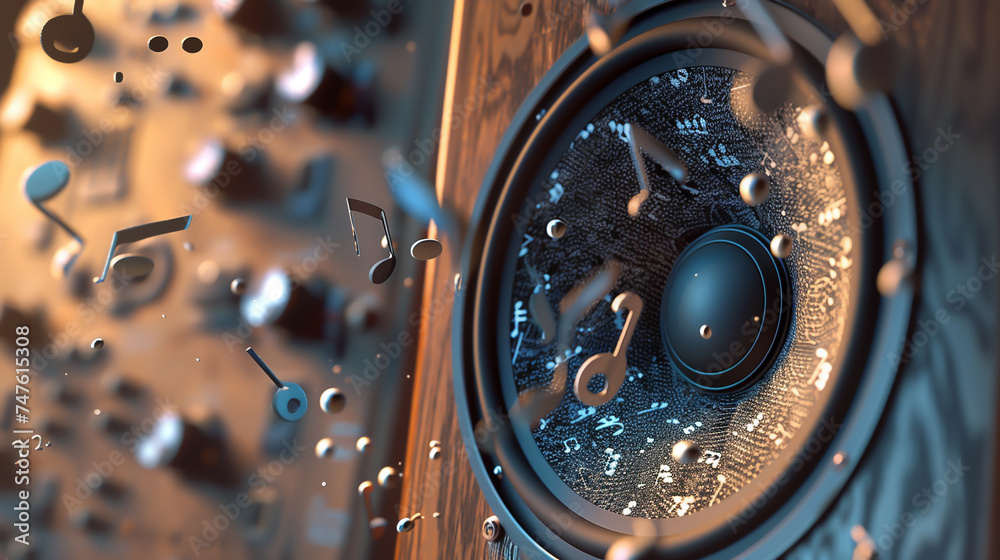
The materials and design of high-fidelity speakers play a crucial role in defining their audio performance, durability, and aesthetic appeal. Different types of materials can significantly influence the sound quality, while innovative design choices can enhance both functionality and visual attractiveness. Understanding these aspects allows audiophiles and casual listeners alike to make informed decisions when selecting speakers.
The choice of materials directly affects the speaker’s ability to reproduce sound accurately. Various components such as the driver cone, cabinet, and internal components utilize different materials, each contributing uniquely to sound quality.
Impact of Materials on Sound Quality
The materials used in constructing speaker components, like the driver and cabinet, have a profound impact on sound fidelity. High-quality materials can minimize distortion and enhance clarity, resulting in a more enjoyable listening experience.
Some commonly used materials include:
- Paper: Often used for driver cones, paper provides a natural sound with excellent damping characteristics, allowing for smooth frequency response.
- Polypropylene: This lightweight plastic is popular for its durability and resistance to environmental changes, making it suitable for woofers and mids, delivering strong bass performance.
- Kevlar: Known for its strength and rigidity, Kevlar cones can produce accurate sound across a broad range, enhancing both treble and bass performances.
- Aluminum: Used in tweeters, aluminum offers a lightweight yet rigid structure, facilitating quick response times and crisp high frequencies.
Each material brings distinct advantages that can cater to different audio preferences and genres, making it essential to consider what works best for specific listening environments.
Impact of Design on Audio Performance and Aesthetics
Speaker design not only influences audio performance but also affects the overall aesthetics of the speakers. The shape and construction of the cabinet can greatly influence sound dispersion and resonance.
Key design elements include:
- Cabinet Shape: A well-designed cabinet minimizes standing waves and resonance, which can muddy the sound. Common designs include sealed, ported, and transmission line, each creating different acoustic properties.
- Size and Volume: The dimensions of a speaker cabinet play a vital role in defining the bass response. Larger cabinets typically produce deeper bass but may lack clarity, while smaller ones can offer tighter sound.
- Driver Configuration: The arrangement of drivers (e.g., woofers, mids, and tweeters) affects the overall soundstage and imaging, with designs like bi-amping or tri-amping allowing for more precise control.
- Finish and Materials: The use of wood veneer, metal finishes, or synthetic materials can enhance the visual appeal of speakers, making them not just functional but also a statement piece in a room.
Popular speaker designs like the floor-standing models, bookshelf speakers, and in-wall speakers each highlight the significance of combining aesthetics with functionality. These designs showcase how thoughtful engineering can lead to high-fidelity sound without compromising on style.
“The synergy between materials and design is what ultimately defines the sonic characteristics and visual appeal of high-fidelity speakers.”
Maintenance and Care Tips for High-Fidelity Speakers
High-fidelity speakers are an investment that can significantly enhance your audio experience, but they require proper maintenance to ensure they perform at their best over time. Regular care and attention can prolong the life of your speakers and maintain sound quality, allowing you to enjoy your favorite music or movies as intended. Understanding the best practices for upkeep will help you avoid common pitfalls that could lead to deterioration.
Maintaining high-fidelity speakers involves regular cleaning and monitoring for any potential issues. Speakers can be sensitive to dust, humidity, and temperature, making their environment crucial. A consistent maintenance routine not only keeps your speakers looking good but also ensures optimal performance.
Cleaning and Caring for Speaker Components
A clean speaker is essential for maintaining sound quality. Dust and debris can muffle sound and cause unwanted distortions. Follow these steps to effectively clean and care for your speakers:
1. Power Down and Unplug: Always turn off and unplug your speakers before cleaning to avoid any electrical hazards or damage.
2. Dusting: Use a soft, lint-free microfiber cloth to gently wipe the surfaces of your speakers. Avoid using any abrasive materials that could scratch the finish.
3. Speaker Grilles: If your speakers have removable grilles, take them off and vacuum them lightly with a soft brush attachment. If they are not removable, use the same microfiber cloth to clean them gently.
4. Drivers: To clean the drivers, use a soft brush or a can of compressed air to remove dust. Be careful not to touch the cone directly, as this can damage delicate materials.
5. Wooden Surfaces: For wooden cabinets, apply a small amount of wood polish or a damp cloth—never excessively wet. Wipe with the grain to avoid streaking.
6. Inspect Connections: Regularly check the speaker wires and connections for any signs of wear or corrosion. Clean the contacts with a dry cloth if necessary.
7. Environmental Considerations: Keep speakers away from direct sunlight, humidity, and extreme temperatures. Ideally, maintain a stable indoor environment to protect the components.
Regular maintenance not only enhances sound clarity but also prolongs the lifespan of your high-fidelity speakers.
Common Issues and Solutions
Despite their robust design, high-fidelity speakers can encounter a few common issues over time. Being aware of these can help in early detection and resolution.
1. Distorted Sound: This often arises from damaged drivers or improper placement. Check connections and positioning to ensure they are on a stable surface and not obstructed.
2. Buzzing or Humming: This can result from interference or grounding issues. Ensure all cables are properly shielded and connections are secure. If necessary, relocate the speakers to avoid electromagnetic interference from other devices.
3. Disconnected Wires: Loose or frayed wiring can lead to poor sound quality. Regularly inspect and replace any damaged wires to maintain optimal performance.
4. Overheating: High-fidelity speakers can become warm during extended use. Ensure adequate ventilation and avoid placing them in enclosed spaces to allow heat to dissipate.
5. Moisture Damage: Humidity can cause corrosion and affect sound quality. Use a dehumidifier in areas prone to dampness and store speakers in dry conditions when not in use.
Addressing issues promptly can prevent further damage and maintain the integrity of your high-fidelity speakers.
The Future of High-Fidelity Audio Technology
As we look ahead, the landscape of high-fidelity audio technology is poised for exciting transformations. With advancements in engineering, materials, and connectivity, the way we experience sound is evolving rapidly. This evolution is not only capturing the ears of audiophiles but also appealing to everyday listeners who seek richer auditory experiences.
Emerging trends in high-fidelity audio technology are heavily influenced by consumer demand for improved performance and convenience. Innovations in speaker design and the incorporation of smart technology are reshaping the audio landscape. For instance, the adoption of advanced materials like graphene and customized driver designs are enhancing sound reproduction, allowing for greater detail and fidelity. Additionally, the integration of artificial intelligence in audio systems is enabling personalized sound profiles based on individual listening preferences.
Impact of Wireless Technology on High-Fidelity Speakers
Wireless technology is extremely influential in the future of high-fidelity speakers, fundamentally changing how audio is delivered and experienced. The movement towards wireless systems provides unprecedented freedom and flexibility for users, allowing them to enjoy high-quality sound without the clutter of cables. This shift is powered by advancements in Bluetooth and wi-fi technologies, which are continually improving in terms of bandwidth and stability.
The significance of these developments can be encapsulated in key points:
- Low Latency: Emerging wireless protocols reduce lag, making them suitable for high-fidelity audio streaming, enhancing real-time audio experiences.
- Multi-Room Audio: Wireless systems enable users to stream music throughout their homes seamlessly, creating a cohesive listening environment.
- Improved Connectivity: Enhanced Bluetooth codecs like aptX HD and LDAC allow for high-resolution audio streaming without sacrificing quality.
“The future of audio is wireless, and as quality improves, so does the listening experience.”
As we predict the evolution of high-fidelity audio experiences in the coming years, several trends emerge that are likely to shape consumer preferences and technology applications. The use of spatial audio, for example, is expected to gain traction as it allows for immersive listening experiences that mimic 3D soundscapes. This technology is becoming increasingly accessible with platforms like Apple Music and Amazon Music offering spatial audio formats.
Another prediction is the rise of smart audio systems that integrate seamlessly with home automation setups. These systems will not only provide high-quality audio but will also adapt to the environment, optimizing sound based on room acoustics and user behavior.
Overall, the future of high-fidelity audio technology is bright, driven by innovation and the desire for enhanced auditory experiences. As companies continue to push the boundaries, consumers can look forward to a richer, more engaging relationship with sound that transcends traditional listening environments.
Popular Brands and Models of High-Fidelity Speakers
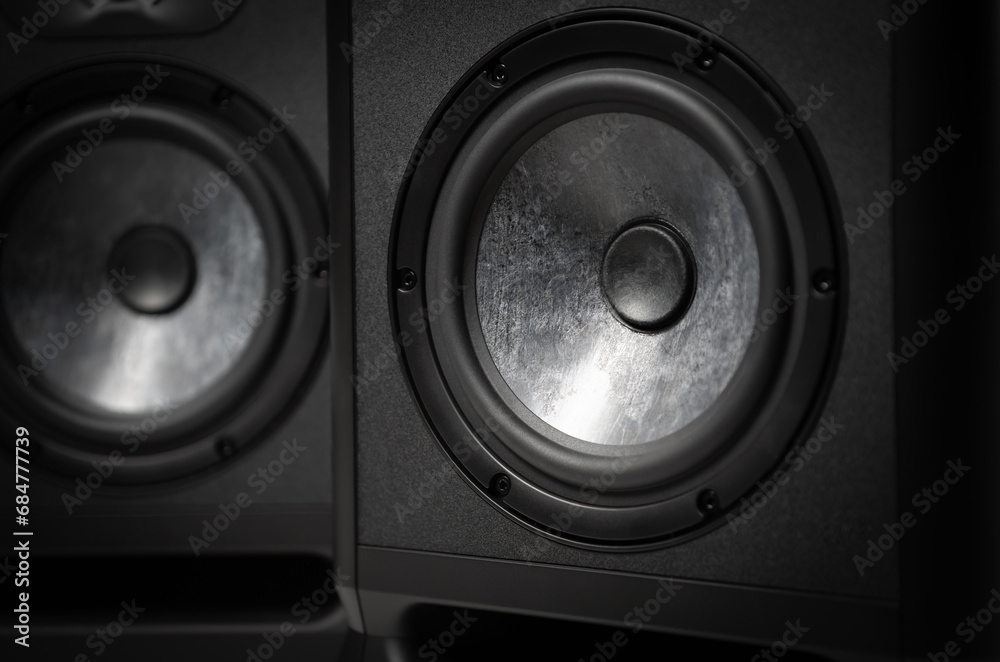
High-fidelity speakers are designed to provide superior sound quality, making them an essential component for audiophiles and music lovers alike. Various brands have established themselves as leaders in the high-fidelity speaker market, each offering unique models that cater to different preferences and budgets. Understanding these brands and their standout models can significantly influence purchasing decisions.
The landscape of high-fidelity speakers is vast, with brands known for their commitment to sound accuracy, premium materials, and innovative technology. Below is a curated list of some of the most popular brands, along with a comparison of key models that exemplify their offerings.
Leading Brands of High-Fidelity Speakers
Several brands dominate the high-fidelity speaker market, known for their craftsmanship and sound quality. Here are some of the most notable:
- Bowers & Wilkins: Renowned for their elegant design and rich sound, Bowers & Wilkins offers models such as the 800 D4 and the 603 S2 Anniversary Edition.
- Audioengine: Popular for their compact designs, Audioengine’s A5+ Wireless speakers provide excellent connectivity options and superb sound for smaller spaces.
- Sony: A household name with a strong lineup, models like the Sony SSCS5 and SSCS3 offer a blend of performance and value.
- Paradigm: Known for their innovative designs and technology, Paradigm’s Prestige 100 and Monitor SE series are highly regarded among audiophiles.
- Klipsch: Famous for their horn-loaded tweeters, Klipsch speakers, such as the RP-600M and the Heresy IV, combine efficiency with a lively sound.
Comparison of Key Models
When comparing models from different brands, it’s important to consider their unique features. Here are a few notable examples from top brands:
| Brand | Model | Unique Features | Approx. Price |
|---|---|---|---|
| Bowers & Wilkins | 800 D4 | Continuum cone technology for clarity and precision. | $30,000 |
| Audioengine | A5+ Wireless | Built-in Bluetooth and USB DAC, compact design. | $499 |
| Sony | SSCS5 | Three-way speaker design with a 5.1″ woofer for deep bass. | $198 |
| Paradigm | Prestige 100 | Advanced Active Ridge Technology for smooth midrange response. | $3,000 |
| Klipsch | RP-600M | Dynamic bass response with Tractrix horn technology. | $550 |
Pricing and Value for Money
The pricing of high-fidelity speakers can vary greatly, influenced by factors such as brand reputation, technology, and design. While premium options like the Bowers & Wilkins 800 D4 come with a hefty price tag, they often justify the cost through superior sound quality and build. On the other hand, brands like Sony and Audioengine provide excellent entry-level options that balance affordability with impressive performance.
For instance, the Audioengine A5+ Wireless speakers offer remarkable value at $499, combining high-quality sound with modern connectivity features that are perfect for casual listeners. In contrast, models like the Paradigm Prestige 100, priced around $3,000, cater to serious audiophiles who demand the highest fidelity and are willing to invest in their audio experience.
In summary, the world of high-fidelity speakers is filled with options that can meet a variety of needs and budgets, making it essential to assess both the features and pricing to find the best fit for your audio aspirations.
End of Discussion
In conclusion, high-fidelity speakers not only enhance your listening experience but also transform how you perceive music and audio. From understanding the technology behind them to recognizing the importance of materials and design, we’ve explored the many facets of these impressive devices. As audio technology continues to evolve, embracing high-fidelity speakers will ensure that you stay at the forefront of sound quality and enjoy every note to its fullest.
User Queries
What makes high-fidelity speakers different from standard speakers?
High-fidelity speakers are designed to reproduce sound more accurately and with greater detail, focusing on clarity and range that standard speakers may lack.
Are high-fidelity speakers worth the investment?
Yes, for serious music lovers and audiophiles, the superior sound quality and immersive experience make high-fidelity speakers a worthwhile investment.
How do I know if my room is suitable for high-fidelity speakers?
Consider the room’s acoustics, size, and layout. A well-balanced space with minimal echo and good sound distribution is ideal for high-fidelity speakers.
Can I use high-fidelity speakers for home theater systems?
Absolutely! High-fidelity speakers can enhance the audio experience in home theater setups, providing clearer dialogue and immersive sound effects.
What should I look for when purchasing high-fidelity speakers?
Look for specifications like frequency response, sensitivity, and build quality, as well as the type of materials used in the speaker construction.