
 Zoe Nora
Audiophile speakers are the cornerstone of exceptional sound quality, captivating enthusiasts with their precision and fidelity. These speakers are meticulously designed to deliver an immersive auditory experience, distinguishing themselves from standard audio equipment through superior materials and engineering. For audiophiles, the pursuit of perfect sound is not just a hobby; it’s a passion that drives them to explore the finest intricacies of audio reproduction.
From understanding the essential characteristics that define these speakers to delving into the importance of design and amplification, this exploration reveals how audiophile speakers provide an unparalleled listening experience that can transform any space into a concert hall.
Understanding the Definition of Audiophile Speakers
Audiophile speakers are specifically designed to deliver an unparalleled listening experience that prioritizes sound quality and fidelity above all else. Unlike regular speakers, which may cater to general preferences and affordability, audiophile speakers are typically crafted with precision to meet the discerning tastes of audio enthusiasts. This distinction leads to a deeper appreciation for the subtleties of music and sound reproduction, making them essential for anyone serious about high-fidelity audio.
The characteristics that define audiophile speakers include, but are not limited to, superior sound reproduction, high-quality components, and meticulous engineering. Audiophile speakers often feature wide frequency response, low distortion, and high dynamic range, which allows them to reproduce the nuances in music that are often lost in regular speakers. These features contribute significantly to their performance, setting them apart in both design and functionality.
Sound Quality and Fidelity Significance
For audiophiles, sound quality and fidelity are not just preferences; they are essential components of the listening experience. The clarity, detail, and richness of sound are paramount, as they influence how music is perceived and enjoyed. Audiophiles seek speakers that can accurately reproduce the original recording, capturing every detail from the subtlest notes to the most powerful crescendos. This level of fidelity allows listeners to connect with music on an emotional level, enhancing overall enjoyment.
Materials Used in Audiophile Speakers
The choice of materials in audiophile speakers plays a crucial role in sound performance, impacting everything from resonance to sound clarity. Several key materials are commonly employed, each contributing unique characteristics to the speaker’s overall sound quality.
The following materials are frequently used in the construction of audiophile speakers:
- Wood: Often used for speaker enclosures, wood provides natural resonance and warmth to the sound. Types like MDF (Medium-Density Fiberboard) or birch plywood are popular for their acoustic properties.
- Metals: Aluminum and titanium are often used for driver components due to their strength and lightweight nature, contributing to better sound clarity and responsiveness.
- Fabrics: High-quality fabrics are commonly used for speaker grilles, designed to minimize sound absorption while providing protection.
- Composite materials: These materials combine various elements to achieve specific acoustic properties, often resulting in improved damping and reduced distortion.
The selection of these materials is essential as they directly affect the acoustic performance of the speakers, leading to enhanced sound quality and fidelity. By employing these high-grade materials, audiophile speakers can create a more immersive listening experience that retains the essence of the original music recording.
“The beauty of audiophile speakers lies in their ability to reveal every subtlety of a performance, making the listener feel as if they are present in the recording studio.”
The Importance of Speaker Design in Audiophile Speakers
Speaker design plays a crucial role in the performance and sound quality of audiophile speakers. Various design elements interact harmoniously to create an immersive listening experience that meets the high expectations of audiophiles. By understanding these elements, one can appreciate the intricacies involved in crafting speakers that deliver exceptional audio fidelity.
One of the primary aspects of speaker design is the cabinet, which houses the drivers and influences the acoustic performance. The cabinet type and shape can significantly affect the sound produced, making the selection of materials and design critical.
Cabinet Types and Shapes
The cabinet’s design impacts not only the aesthetics but also the resonance and sound quality. Different cabinet shapes and constructions lead to various sonic characteristics. Key factors include:
- Enclosed Cabinets: These provide better control over sound waves and reduce distortion by preventing unwanted resonance.
- Ported Cabinets: These allow sound waves to escape through a vent, enhancing bass response but may introduce some distortion if not designed properly.
- Transmission Line Cabinets: These utilize a long pathway for sound waves, which can improve bass response and reduce distortion.
- Open Baffle Designs: These lack a cabinet, allowing for a more natural sound but may sacrifice bass response due to the absence of enclosure.
The choice of cabinet design should align with the intended sound profile of the speaker, whether it favors warmth, clarity, or bass extension.
Driver Configuration
The arrangement and type of drivers in a speaker system are paramount in determining audio output. Each driver is designed to reproduce a specific frequency range, and their configuration can profoundly influence soundstage and tonal balance.
Factors to consider regarding driver configuration include:
- Woofer: Responsible for low frequencies, a well-designed woofer is crucial for a rich bass experience. Dual or multiple woofers can enhance low-end performance.
- Midrange Driver: This driver handles the critical mid frequencies, where the human ear is most sensitive. Accurate reproduction here is vital for vocal clarity.
- Tweeter: Handling high frequencies, a tweeter ensures the sparkle and detail in music. Various types, such as dome, ribbon, or AMT tweeters, offer different sound signatures.
- Crossover Design: The crossover network divides the audio signal into appropriate frequency ranges for each driver. A well-tuned crossover optimizes the performance of each driver and minimizes phase issues.
The combination of these drivers, along with the crossover, creates a coherent sound that can provide an engaging auditory experience.
“The essence of audiophile speakers lies in their meticulous design, where every element is optimized for exceptional sound reproduction.”
Evaluating the Best Brands for Audiophile Speakers
When it comes to audiophile speakers, the brand you choose can significantly influence your listening experience. Various manufacturers have carved a niche in the market, offering high-quality sound reproduction while integrating advanced technologies. This evaluation focuses on the leading brands recognized for their superior craftsmanship and sound performance, dissecting their unique features, pricing strategies, and customer feedback.
Several brands stand out in the audiophile speaker landscape, each bringing something unique to the table. Here are some of the most recognized names in the industry:
Leading Brands for Audiophile Speakers
The following brands are known for their exceptional audiophile speakers, often hailed for their engineering excellence and sound fidelity:
- Bowers & Wilkins – This British brand is famous for its commitment to sound quality, characterized by precision engineering and a wide range of models, from bookshelf to floor-standing speakers. Their 800 Series Diamond is particularly praised for its clarity and depth.
- Focal – A French manufacturer known for innovative technology, Focal speakers are often equipped with unique speaker drivers that enhance the listening experience. The Sopra and Utopia series are standout models that have garnered rave reviews.
- Dynaudio – Renowned for its meticulously crafted speakers, Dynaudio blends high sensitivity with low distortion. The Confidence series exemplifies their dedication to high-performance sound and aesthetic appeal.
- KEF – Known for its Uni-Q driver technology, KEF speakers provide a remarkable soundstage and imaging. The LS50 Wireless II has been particularly well-received, combining modern design with excellent acoustics.
- Sonus Faber – An Italian brand celebrated for its craftsmanship and luxurious aesthetics, Sonus Faber speakers often feature natural materials that contribute to their unique sound. The Olympica series is a testament to their dedication to sonic quality and elegance.
The above brands have established themselves as leaders through a combination of innovative technology, meticulous design, and customer-centric approaches.
Comparison of Features and Pricing Strategies
When evaluating these brands, it’s essential to consider the features they offer and how their pricing strategies align with market expectations. The following points highlight key differences:
- Technology – Brands like Focal and KEF focus heavily on proprietary technologies such as advanced driver designs and unique cabinet constructions that minimize distortion.
- Design and Aesthetics – Sonus Faber emphasizes craftsmanship and luxurious materials, making their speakers not just audio devices but pieces of art.
- Pricing – Pricing can vary widely, with Bowers & Wilkins and Dynaudio offering models that cater to both entry-level audiophiles and high-end enthusiasts. While some brands target premium segments, others provide a more accessible entry point.
The differences in technology and design philosophies not only affect sound quality but also influence customer choices based on personal preferences and budgets.
Customer Reviews and Expert Opinions
Customer reviews and expert opinions are crucial for assessing the overall performance and reliability of audiophile speakers. Here are some insights drawn from industry reviews and customer feedback:
“The clarity and precision of the sound from the Bowers & Wilkins 800 Series Diamond make it a must-have for serious audiophiles.”
Feedback often highlights the following aspects:
- Sound Quality – Most customers agree that brands like Focal and Dynaudio excel in sound quality, often citing their ability to reproduce a wide range of frequencies without distortion.
- Ease of Setup – Many users appreciate KEF’s LS50 for its user-friendly setup, making it suitable for both beginners and seasoned audiophiles.
- After-Sales Support – Sonus Faber receives praise for its customer service, ensuring that users feel supported in their audio journey.
In summary, evaluating audiophile speakers means looking beyond just specifications. The brands discussed offer a blend of technology, aesthetic appeal, and customer satisfaction that can cater to varied preferences, ensuring a remarkable listening experience for audiophiles.
The Role of Amplification in Audiophile Listening Experiences
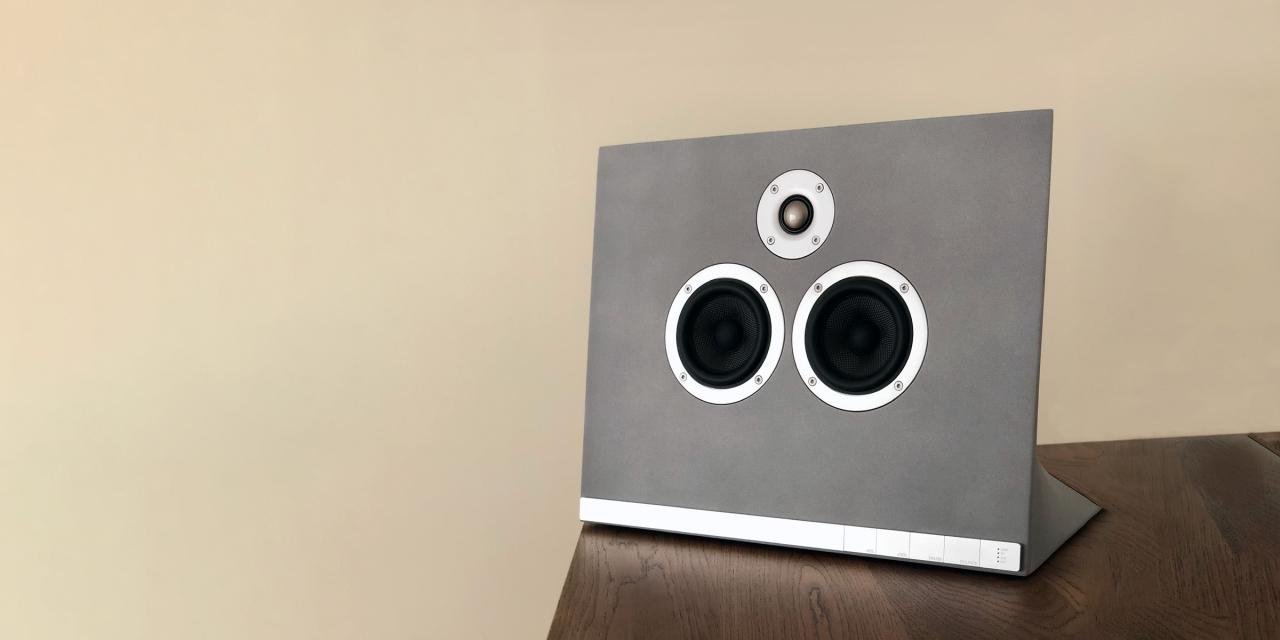
In the realm of audiophile listening, the importance of high-quality amplification cannot be overstated. Amplifiers serve as the heart of any audio system, breathing life into the sound produced by speakers. The right amplifier can transform the listening experience, allowing the listener to connect deeply with the music while revealing intricate details that lesser equipment may miss. Understanding the different types of amplifiers and their compatibility with audiophile speakers is essential for achieving an optimal sound reproduction.
The quality of the amplifier significantly influences the performance of audiophile speakers. A premium amplifier ensures that the audio signal is clean, powerful, and free from distortion. It provides the necessary power to drive speakers to their full potential, enhancing the dynamics and overall clarity of sound. When paired with high-end speakers, a superior amplifier minimizes noise and maximizes detail, offering an immersive listening experience.
Types of Amplifiers Used with Audiophile Speakers
Different types of amplifiers are utilized in conjunction with audiophile speakers, each offering distinct advantages that can enhance the listening experience. The primary types include:
- Solid-State Amplifiers: Known for their reliability and low distortion, solid-state amplifiers are a popular choice among audiophiles. They provide a high power output and can drive difficult speaker loads effectively, ensuring consistency in sound performance.
- Tube Amplifiers: Valued for their warm, rich sound, tube amplifiers impart a unique character to the audio. They are particularly favored for vocal and instrumental music, where warmth and fullness can enhance the listening experience.
- Class D Amplifiers: These amplifiers are efficient and compact, making them suitable for various settings. Known for their ability to deliver high power with minimal heat generation, Class D amplifiers are becoming increasingly popular in high-fidelity systems.
Each of these amplifier types brings specific strengths to the table, catering to different preferences and listening environments.
Importance of Matching Amplifiers with Speakers
For optimal sound reproduction, matching amplifiers with speakers is crucial. The impedance and power handling capacity of the speakers must align with the output specifications of the amplifier. Incorrect matching can lead to poor performance or even damage to the equipment.
“The right amplifier can make even modest speakers sound extraordinary, while a poor match can hinder the performance of even the most advanced systems.”
When considering the match, the following aspects are key:
- Impedance Compatibility: Ensuring that the amplifier’s output impedance matches the speaker’s input impedance is vital for efficient power transfer and sound quality.
- Power Rating: The amplifier should provide sufficient power to drive the speakers without clipping or distortion, allowing for dynamic range and clarity in music playback.
- Sound Signature: Different amplifiers impart unique tonal characteristics. Pairing an amplifier that complements the speaker’s sound signature can enhance the overall audio experience.
Proper integration of amplifiers and speakers leads to a cohesive sound stage, enabling listeners to appreciate the subtleties and nuances of their favorite music.
Room Acoustics and its Impact on Audiophile Speaker Performance
The acoustics of a room play a vital role in determining the overall sound quality produced by audiophile speakers. Understanding how factors like room size and shape can influence sound waves is essential for achieving optimal audio performance. The interaction between sound and the physical characteristics of a room can drastically alter the listening experience, making it crucial for audiophiles to consider these elements during setup.
Room size and shape are foundational aspects that affect how sound waves propagate within a space. In small rooms, sound waves can reflect off walls, leading to a buildup of sound energy known as standing waves. This phenomenon can cause certain frequencies to sound louder or softer, resulting in a skewed audio experience. Conversely, larger rooms may lead to a more balanced sound but can also introduce echo and reverberation, which may blur the clarity of the audio.
Optimizing Room Acoustics
To achieve the best sound quality from audiophile speakers, it’s essential to optimize the room’s acoustics. Several methods can enhance acoustic performance, addressing issues such as reflections, standing waves, and absorption. Here are some effective strategies:
1. Placement of Speakers and Listening Position: The positioning of both speakers and the listening area can significantly affect sound quality. A common recommendation is to place speakers away from walls to minimize reflections. The “golden triangle” setup, where the speakers and the listener form an equilateral triangle, is often suggested for optimal sound staging.
2. Use of Acoustic Treatments: Incorporating acoustic panels, bass traps, and diffusers helps manage sound reflections and absorption. Acoustic panels can be placed on walls to reduce mid and high-frequency reflections, while bass traps positioned in corners can help control low-frequency resonances.
3. Adjusting Furniture and Decor: Soft furnishings like rugs, curtains, and upholstered furniture can absorb sound, reducing unwanted reverberation. Hard surfaces, such as tile or glass, should be balanced with softer materials to create a more neutral acoustic environment.
4. Testing and Experimentation: Experimenting with speaker placement and room configurations allows for personalized optimization. Listening tests can help identify the best positions for speakers and furniture to achieve the desired sound quality.
Tools and Technologies for Measuring Room Acoustics
Several tools and technologies are available to measure and improve room acoustics, enabling audiophiles to make informed adjustments. These instruments can help identify issues and evaluate the effectiveness of acoustic treatments.
– Room Measurement Software: Software like Room EQ Wizard (REW) can analyze sound in a room by measuring frequency response, decay times, and other acoustic properties. This data helps users understand how their room interacts with sound and guides them in making improvements.
– Sound Level Meters: These devices measure sound pressure levels at different frequencies, providing insights into how sound behaves in the room. With this information, audiophiles can make necessary adjustments to achieve a balanced audio experience.
– Microphone Calibration Tools: Special calibration microphones paired with measurement software allow for accurate assessments of room acoustics. These tools help audiophiles analyze frequency response and detect problematic areas in the room.
Incorporating these methods and tools can lead to a significantly enhanced listening experience, bringing out the full potential of audiophile speakers in any room configuration. By understanding room acoustics and taking proactive steps to optimize them, audiophiles can enjoy music and audio content as intended, with clarity and precision.
The Influence of Speaker Placement on Sound Quality
Proper speaker placement is essential for audiophiles seeking to achieve the highest sound quality in their listening environments. The way speakers are positioned can significantly affect the soundstage, imaging, and overall listening experience. Understanding the nuances of speaker placement allows listeners to unlock the full potential of their audio systems, providing a more immersive and enjoyable experience.
The optimal positioning of audiophile speakers involves several key practices that enhance sound quality. Factors such as room acoustics, speaker distance, and the relationship between speakers and the listener all play crucial roles in sound reproduction. Finding the right balance and arrangements can transform a modest audio setup into a high-fidelity experience, making it a valuable skill for any audio enthusiast.
Best Practices for Positioning Audiophile Speakers
To achieve optimal soundstage and imaging, the following best practices should be considered for speaker placement:
1. Distance from Walls: Position speakers at least 2-3 feet away from walls to reduce reflections that can muddy sound clarity. This distance helps in creating a more open soundstage.
2. Equilateral Triangle Formation: Arrange the speakers and the listening position in an equilateral triangle. This configuration helps in achieving a balanced sound distribution.
3. Toe-in Adjustment: Slightly angle the speakers towards the listening position. This toe-in technique can enhance detail and imaging while allowing for a focused soundstage.
4. Height Considerations: Ensure that the speakers are at ear level when seated. This alignment is crucial for accurately reproducing highs and mids.
5. Avoid Room Nodes: Be aware of standing waves and room modes that can color the sound. Experimenting with speaker height and placement can mitigate these issues.
Step-by-Step Guide for Experimenting with Speaker Placement
Experimentation is a vital part of optimizing speaker placement. Here’s a step-by-step guide that can help audiophiles achieve the best sound possible in various room setups:
1. Start with a Baseline Position: Begin with the speakers placed in the recommended positions for height and distance.
2. Listen and Evaluate: Play a familiar track and listen carefully to the soundstage, depth, and clarity. Take notes on the overall impression.
3. Adjust One Variable at a Time: Make incremental adjustments to either the distance from walls or the angle. This can be done by moving the speakers closer or further away or changing their orientation.
4. Test Different Heights: If possible, use speaker stands to adjust the height of the speakers and find the sweet spot.
5. Evaluate Room Acoustics: Make note of how furniture and other elements in the room influence the sound. Consider adding rugs, curtains, or acoustic panels as needed.
6. Document Your Findings: Keep track of all adjustments made and their impacts on sound quality to help refine the process over time.
Common Mistakes to Avoid in Speaker Placement
When positioning audiophile speakers, several common mistakes can hinder sound quality. Awareness of these pitfalls can help enthusiasts achieve a superior listening experience:
– Neglecting Room Acoustics: Failing to consider how sound waves interact with furniture and room dimensions can result in poor audio fidelity.
– Placing Speakers Too Close Together: This can lead to a collapsed soundstage, where distinct imaging is lost.
– Ignoring Listening Position: Many overlook the importance of the listener’s position in relation to the speakers. The sweet spot should be clearly defined and respected.
– Overly Symmetrical Arrangements: While symmetry can benefit aesthetics, it can sometimes lead to uneven sound distribution. Experimenting with asymmetrical placements may yield better results.
– Not Using a Subwoofer Properly: Misplacing the subwoofer can lead to uneven bass response. It should be positioned to blend seamlessly with the main speakers for a cohesive sound.
“Proper speaker placement is as critical as the quality of the speakers themselves in achieving a high-fidelity listening experience.”
Exploring Different Types of Audiophile Speakers
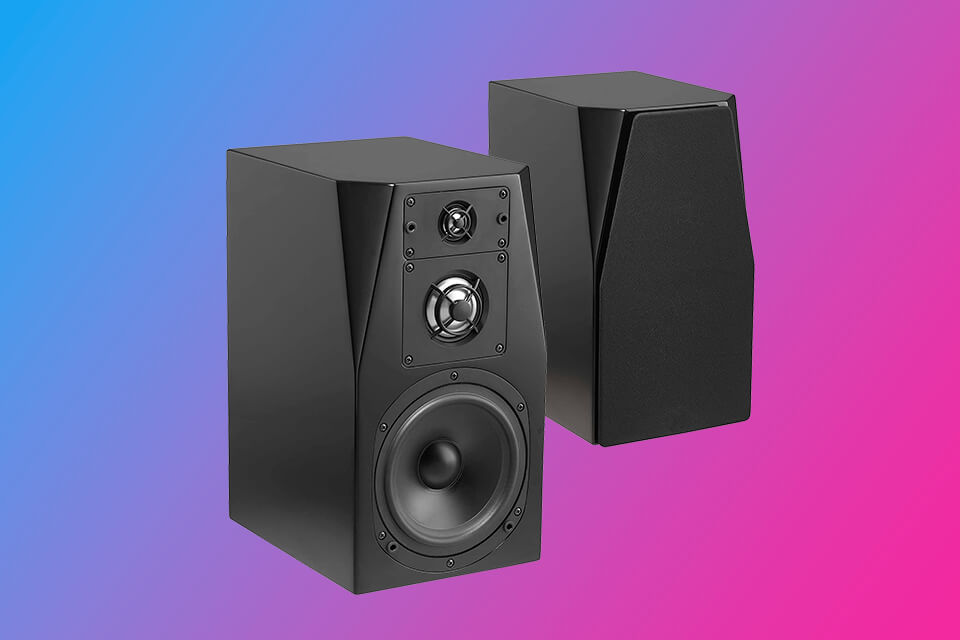
Audiophile speakers come in various forms, each designed to cater to specific audio preferences and environments. Understanding the distinctions between different types of speakers can help audiophiles make informed choices that enhance their listening experiences. This section delves into the key characteristics, advantages, and disadvantages of floor-standing, bookshelf, and satellite speakers, along with notable models in each category.
Distinctions Between Speaker Types
Floor-standing, bookshelf, and satellite speakers each serve unique purposes and excel in different setups. To better appreciate their differences, it’s essential to examine their construction, sound quality, and placement flexibility.
- Floor-standing Speakers: These speakers are larger and designed to stand on the floor. They typically house multiple drivers that cover a wide frequency range, making them ideal for larger spaces. Popular models include the KEF Q950, known for its impressive bass response and clarity, and the Bowers & Wilkins 603, which offers a rich soundstage.
- Bookshelf Speakers: Compact and versatile, bookshelf speakers are designed to fit on shelves or small stands. They deliver surprisingly powerful sound for their size, making them suitable for both small rooms and as part of a larger home theater system. The ELAC Debut 2.0 B6.2 stands out for its detailed sound and value, while the Dynaudio Emit M20 is praised for its refined audio performance.
- Satellite Speakers: These small speakers are commonly used in surround sound setups and are intended to complement larger speakers. They require a subwoofer to handle deep bass frequencies. The Bose Virtually Invisible 191 can blend seamlessly into any room, while the KEF T301 offers excellent sound without taking up much space.
Advantages and Disadvantages in Various Setups
Each type of speaker has its strengths and weaknesses depending on the listening environment and specific requirements.
- Floor-standing Speakers:
- Advantages: Provide full-range sound, enhance bass response, and reduce the need for additional subwoofers.
- Disadvantages: Require more floor space and can be less aesthetically pleasing in smaller rooms.
- Bookshelf Speakers:
- Advantages: Space-efficient, versatile for various setups, and often more affordable than floor-standing models.
- Disadvantages: Limited low-frequency response compared to larger speakers, which may necessitate a subwoofer for optimal sound.
- Satellite Speakers:
- Advantages: Compact design allows for easy integration into home theater systems, especially for surround sound.
- Disadvantages: Typically require a subwoofer for deep bass; sound quality may be limited compared to larger speakers.
Examples of Popular Models and Key Features
Several models stand out in each category due to their performance and reputation among audiophiles.
- Floor-standing Speakers:
- Focal Chorus 726: Features a three-way design for excellent sound clarity and depth.
- MartinLogan Motion 40i: Offers electrostatic tweeters for detailed highs and a dynamic soundstage.
- Bookshelf Speakers:
- Klipsch R-41PM: Active speakers with Bluetooth connectivity and an impressive sound profile.
- Q Acoustics 3020i: Praised for its detailed imaging and rich sound, suitable for various music genres.
- Satellite Speakers:
- Definitive Technology ProMonitor 800: Compact yet powerful with a built-in 5.25-inch bass radiator for enhanced low-end.
- Yamaha NS-IC800: In-ceiling satellite speakers that offer a clean look and impressive sound quality for home theater applications.
The Future of Audiophile Speakers in a Digital Age
As technology continues to advance, the landscape of audiophile speakers is rapidly evolving. The integration of digital technology is reshaping how audio enthusiasts experience sound, leading to innovations that enhance both performance and convenience. This transformation is not just about better sound quality; it reflects a broader shift in how we consume music and engage with audio technology.
The rise of wireless technology and high-resolution audio formats has become a defining trend in the audiophile community. Many audiophiles are now gravitating towards wireless speakers that support high-fidelity audio streaming, eliminating the need for cumbersome cables while maintaining exceptional sound quality. Wireless protocols such as Bluetooth and Wi-Fi have matured, allowing for seamless connectivity with various devices, from smartphones to laptops, and even streaming services offering high-resolution audio files. These innovations enable users to enjoy their favorite music with convenient access while preserving the intricate details that audiophiles cherish.
Integration of High-Resolution Audio Formats
The adoption of high-resolution audio formats is revolutionizing how listeners perceive sound. Unlike standard-definition audio formats, high-resolution audio delivers a broader frequency range and greater detail, which is especially appreciated by those who invest in premium speaker systems. The availability of high-resolution audio files from platforms like Tidal and Qobuz has introduced audiophiles to an entirely new listening experience, where nuance and clarity are paramount.
Many modern audiophile speakers are now being designed to support these high-resolution formats, allowing enthusiasts to fully appreciate the quality of their music. These speakers often come equipped with advanced digital-to-analog converters (DACs) and support for various audio codecs, ensuring that the audio fidelity is preserved during playback.
Challenges and Opportunities for Audiophiles
While the digital age brings numerous opportunities, it also presents challenges for audiophiles trying to keep up with rapid technological changes. Adapting to new audio technologies can be daunting for many, leading to concerns about compatibility and the reliability of wireless connections. Furthermore, the audiophile community often debates the merits of analog versus digital sound, with purists advocating for traditional setups that some believe offer superior warmth and authenticity.
However, these challenges can also lead to growth within the community, as audiophiles explore hybrid setups that combine vintage equipment with cutting-edge technology. For example, integrating a high-resolution digital source with a classic amplifier can provide a unique listening experience that marries the best of both worlds. The ongoing evolution of audiophile speakers in the digital age is a testament to the resilience and adaptability of the audiophile community, as they continue to seek out the ultimate sound experience in an increasingly digital world.
Concluding Remarks
In conclusion, the world of audiophile speakers offers a fascinating glimpse into the art and science of sound. As technology evolves, so do the possibilities for enhancing your audio experience, blending traditional craftsmanship with modern innovation. Whether you are a seasoned audiophile or just beginning your journey, understanding these elements will empower you to make informed choices that elevate your listening pleasure.
FAQs
What defines an audiophile speaker?
An audiophile speaker is defined by its superior sound quality, high fidelity, and the use of premium materials to achieve a more accurate audio reproduction compared to standard speakers.
Why is amplifier quality important for audiophile speakers?
The quality of an amplifier directly affects the performance of audiophile speakers, as a high-quality amplifier ensures optimal sound reproduction by providing clean and powerful signals.
Can room acoustics affect sound quality?
Yes, room acoustics significantly impact sound quality; factors like room size, shape, and furnishings can either enhance or detract from the listening experience.
What types of materials are used in audiophile speakers?
Common materials include high-grade wood, metals, and advanced composites that contribute to better sound performance by reducing distortion and enhancing resonance.
Is speaker placement really that important?
Absolutely! Proper speaker placement can dramatically affect soundstage and imaging, allowing for a more immersive listening experience.