
 Zoe Nora
Smart speakers are not just a trend; they represent a remarkable evolution in how we engage with technology daily. These innovative devices have transformed our homes into interactive environments, allowing us to control everything from music to smart home systems with just our voice. As we explore the significant advancements that brought smart speakers to the forefront, we’ll uncover how they enhance our lives and change the dynamics of human-technology interaction.
The journey of smart speakers began decades ago, evolving from basic voice recognition systems to sophisticated devices equipped with artificial intelligence. This evolution has been marked by crucial milestones in technology, including improved voice recognition capabilities and enhanced integration with smart home devices, making them indispensable allies in modern living.
The Evolution of Smart Speakers
Smart speakers have transformed the way we interact with technology, progressing from simple voice-activated devices to sophisticated home assistants. Their journey began in the early 2010s with the introduction of the first smart speaker, which laid the groundwork for a new era in audio technology. Initially perceived as novelty items, these devices have rapidly evolved into essential components of modern smart homes, integrating various functionalities beyond music playback, such as home automation, information retrieval, and personal assistance.
The technological advancements driving the popularity of smart speakers include improvements in artificial intelligence, voice recognition, and connectivity. Companies like Amazon, Google, and Apple have invested heavily in refining voice recognition algorithms that enable devices to understand natural language better. Early voice recognition systems struggled with accents and background noise, often leading to user frustration. However, the implementation of deep learning techniques has significantly enhanced the accuracy of these systems, allowing smart speakers to comprehend a wider range of commands with greater precision.
Key Milestones in Voice Recognition Technology
Several key milestones have marked the evolution of voice recognition technology, contributing to the functionality of smart speakers:
1. Initial Development (1950s-1980s): Voice recognition began with basic systems that could recognize isolated words. These rudimentary models lacked the capability to understand continuous speech, limiting their applications.
2. Statistical Models (1990s): The introduction of statistical models like Hidden Markov Models improved speech recognition accuracy, paving the way for more sophisticated applications. This period saw a rise in voice recognition in telecommunications and customer service.
3. Natural Language Processing (2000s): The integration of natural language processing (NLP) allowed devices to not only recognize words but also understand context and intent. This was pivotal for applications in virtual assistants.
4. Deep Learning Era (2010s): The advent of deep learning revolutionized voice recognition by enabling systems to learn from vast datasets. Technologies such as neural networks allowed for substantial improvements in accuracy and responsiveness.
5. Smart Home Integration (2014-Present): With the launch of devices like the Amazon Echo and Google Home, voice recognition technology became central to smart speaker functionality. These devices leveraged advanced voice recognition to control smart home devices, answer queries, and play media seamlessly.
In summary, the evolution of smart speakers is closely tied to advancements in voice recognition technology. As these systems continue to improve, smart speakers are becoming more intuitive and capable, shaping the future of home automation and personal assistance.
Key Features of Smart Speakers
Smart speakers have transformed the way we interact with technology, offering features that go far beyond what traditional speakers provide. These devices combine audio playback capabilities with advanced functionalities, making them indispensable in modern homes. They leverage voice recognition technology, smart home integration, and streaming services to deliver a unique user experience that enhances everyday convenience and efficiency.
One of the standout features of smart speakers is their voice assistant functionality. This hands-free capability allows users to control the device using simple voice commands, making multitasking easier. For example, users can ask their smart speakers to play music, set reminders, or provide weather updates without needing to touch a button. These voice assistants, such as Amazon Alexa, Google Assistant, or Apple Siri, can also answer questions, control smart home devices, and perform online searches, allowing for a fluid and interactive experience.
Smart Home Integration
Integrating smart speakers with home automation systems is a significant advantage that enhances convenience and control over one’s living space. Smart speakers serve as a central hub for various smart home devices, enabling seamless communication between devices such as smart lights, thermostats, and security systems.
These integrations allow users to:
- Control multiple devices: With a single command, users can turn off all lights, adjust their thermostat, or even lock their doors. For instance, saying “Goodnight” to a smart speaker can trigger a routine that powers down lights and appliances.
- Enhance home security: Smart speakers can connect with security cameras and alarms. Users can check their camera feeds or receive security alerts, ensuring peace of mind while away from home.
- Automate routines: Scheduling daily tasks becomes effortless. Users can program their smart speakers to execute specific actions at certain times, such as turning on lights at sunset.
Streaming Services and Music Playback
Smart speakers excel in offering access to various streaming services, which is a notable upgrade from traditional audio devices. Users can easily stream music from popular services like Spotify, Apple Music, or Pandora, simply by asking their smart speakers to play specific songs or playlists.
The benefits include:
- Personalized playlists: Based on listening habits, smart speakers can create curated playlists, enhancing the discovery of new music that aligns with the user’s taste.
- High-quality audio: Many smart speakers offer impressive sound quality, making them suitable for casual listening as well as more immersive audio experiences.
- Multi-room audio: Users can synchronize multiple smart speakers throughout their home, creating a cohesive sound environment wherein music plays seamlessly in every room.
The combination of voice control, smart home integration, and access to streaming services significantly enhances the user experience, making daily tasks more manageable while providing entertainment at the tip of their tongues. Smart speakers have indeed set a new standard in the realm of audio devices.
The Impact of Smart Speakers on Daily Life
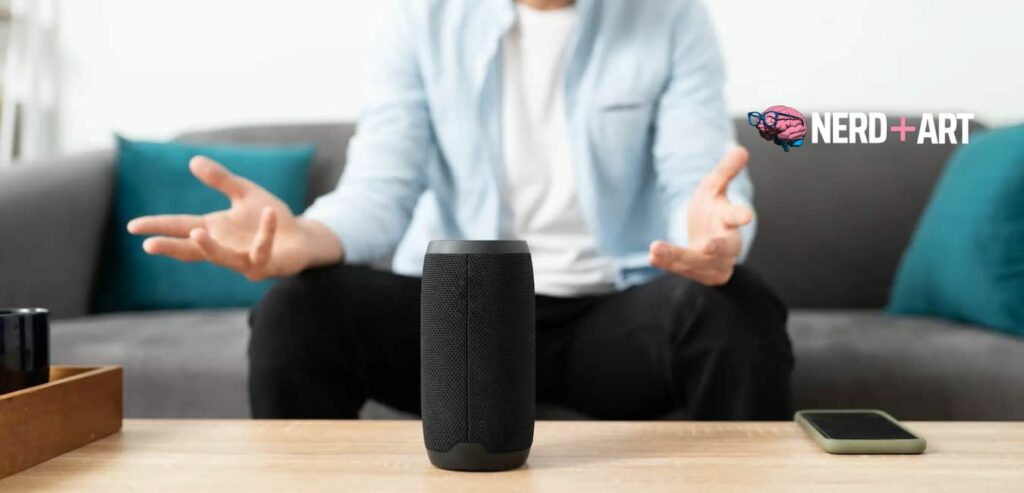
Smart speakers have significantly altered the landscape of everyday technology interaction, creating a seamless bridge between users and their digital environments. As these devices become increasingly integrated into households, they reshape the way individuals engage with information, control smart home functions, and access entertainment. With voice recognition technology at their core, smart speakers allow for a more intuitive, hands-free experience that aligns with the fast-paced lifestyles of modern society.
The introduction of smart speakers has revolutionized how technology is perceived and utilized in daily routines. Users can now interact with their devices without the need for physical touch or manual input, creating an effortless experience. Tasks that once required multiple steps can now be executed with a simple voice command. This shift emphasizes convenience and accessibility, making technology more approachable for people of all ages and backgrounds.
Benefits of Hands-Free Operation and Multitasking Capabilities
The hands-free operation of smart speakers facilitates multitasking, allowing users to engage in other activities simultaneously. This capability is particularly beneficial for busy individuals who are often juggling multiple responsibilities. With smart speakers, users can manage their schedules, control household devices, and access information all while cooking, exercising, or working.
Several key benefits highlight the importance of hands-free functionality:
- Enhanced Efficiency: Users can set timers, add appointments to calendars, and check the weather without interrupting their current tasks. This not only saves time but also reduces the cognitive load associated with managing these tasks manually.
- Accessibility for All: Voice activation makes technology accessible to individuals with mobility challenges or those who may find traditional interfaces difficult to navigate. Smart speakers can bridge the gap, enabling everyone to benefit from modern technology.
- Improved Focus: By allowing users to voice commands instead of being tied to a screen, smart speakers help maintain focus on the task at hand, whether it’s cooking dinner or helping children with their homework.
Real-life experiences demonstrate the convenience smart speakers provide. For instance, a busy parent can easily ask their smart speaker for a recipe while cooking, or a professional can manage their work calendar during a commute. Many users report that they have seamlessly integrated these devices into their daily routines, noting improved productivity and reduced stress.
“Having a smart speaker has transformed my mornings. I can ask for news updates and weather while I’m getting ready for work. It’s a game-changer!”
In various settings, smart speakers have become trusted companions. In the kitchen, they provide hands-free assistance while cooking, ensuring that users can follow recipes without the hassle of touching screens. In the living room, they serve as entertainment hubs, allowing users to control music or movies with ease. As these devices continue to evolve, they promise to enhance daily life further, making technology an even more integrated aspect of our routines.
Privacy Concerns Surrounding Smart Speakers
Smart speakers have revolutionized the way we interact with technology, bringing convenience and connectivity into our homes. However, their pervasive presence and the data they collect raise significant privacy concerns. As these devices become increasingly integrated into our daily lives, understanding the implications of their functionality is crucial for protecting personal information.
The core privacy issue surrounding smart speakers lies in the extensive data collection they perform. These devices require constant access to audio and, in some cases, video feeds to function effectively, which raises questions about consent and the extent of monitoring. According to a study by the Electronic Frontier Foundation, many popular smart speakers are designed to listen for “wake words” continuously, which means they are always on and ready to record. This always-on technology can inadvertently capture private conversations, leading to potential breaches of privacy. Despite assurances from manufacturers about encryption and data security, instances of data leaks and unauthorized access to recorded audio have been reported. For instance, in 2020, it was revealed that Amazon employees could listen to recorded interactions with Alexa, sparking public outrage regarding the transparency of data handling practices.
Steps to Protect Privacy When Using Smart Speakers
To mitigate privacy risks associated with smart speakers, users can adopt several proactive measures. Understanding these steps is essential for maintaining control over personal information and ensuring a safer smart home experience.
- Adjust Privacy Settings: Users should review and modify the privacy settings on their devices. This includes disabling features that allow for continuous listening or turning off microphone access when not needed.
- Regularly Delete Voice Recordings: Most smart speakers offer options to delete stored voice recordings. Regularly purging this data can minimize the risk of unauthorized access to sensitive information.
- Use a Physical Mute Switch: Many smart speakers now come equipped with a physical mute button. Utilizing this feature can prevent the device from responding to commands or capturing audio when it’s not in use.
- Be Mindful of Wake Words: Users should be conscious of when and how they use wake words. Being aware of conversations in proximity to the device can reduce the chances of accidental activations that lead to recording.
- Educate Yourself on Data Policies: Understanding the data collection practices of manufacturers can empower users to make informed decisions about the devices they choose to use.
“Smart speakers can bring convenience, but understanding their impact on privacy is crucial.”
Implementing these strategies can significantly enhance user privacy while still enjoying the benefits of smart technology. As smart speakers evolve, staying informed and vigilant about privacy concerns is essential for all users.
The Future of Smart Speakers in Home Automation
The landscape of smart speakers is rapidly evolving, positioning them as central hubs in home automation. With advancements in artificial intelligence and connectivity, smart speakers are set to transcend their initial roles as merely voice-controlled assistants. These devices are becoming increasingly capable of managing and integrating various smart home technologies, creating a more cohesive and intuitive living environment.
As we look to the future, several potential developments in smart speaker technology could enhance their functionality and user experience. With the integration of more sophisticated machine learning algorithms, smart speakers will likely become better at understanding user preferences and behaviors. This could lead to a more personalized interaction, where the speaker not only responds to commands but anticipates needs based on past activities. For instance, if a user consistently sets the thermostat to a specific temperature during the evening, the smart speaker may automatically adjust the settings without requiring explicit instructions.
Emerging Technologies Enhancing Smart Speaker Capabilities
The integration of emerging technologies will significantly enhance the capabilities of smart speakers, transforming them into indispensable tools for home automation. Key advancements include:
- Artificial Intelligence and Machine Learning: These technologies will allow smart speakers to learn from user interactions, improving their response accuracy and personalization over time.
- Enhanced Integration with IoT Devices: As more devices become part of the Internet of Things (IoT), smart speakers will evolve to seamlessly connect and control various appliances, from lighting to security systems.
- Voice Recognition Improvements: Future speakers may include advanced voice recognition that can distinguish between different users, allowing for tailored responses and security features.
- Augmented Reality (AR): The incorporation of AR could allow smart speakers to provide visual feedback or instructions through compatible devices, enhancing user interaction.
- Energy Management Features: Smart speakers could play a crucial role in monitoring and managing home energy consumption, providing insights and suggestions to users for optimizing efficiency.
The integration of smart speakers into future smart home environments promises to create scenarios where daily routines are streamlined and optimized. Imagine a smart home where, upon waking, a user greets their smart speaker, which then adjusts the blinds to let in natural light, brews coffee, and provides a personalized weather update. As the user moves through their home, the smart speaker could communicate with other devices, adjusting lighting based on the room’s occupancy and mood.
A scenario involving the integration of security systems showcases the potential of smart speakers. In the event of a security breach, a smart speaker could alert the homeowner and automatically contact emergency services while providing real-time information on the situation, such as video feeds from security cameras. This interaction exemplifies how smart speakers could serve as a critical component of home safety and automation.
In essence, smart speakers are on a trajectory to become central figures in home automation, seamlessly integrating with various technologies to create personalized, efficient, and secure living environments. As advancements continue to unfold, these devices will redefine how individuals interact with their homes, making everyday tasks simpler and enhancing overall quality of life.
The Role of Smart Speakers in Accessibility
Smart speakers have emerged as transformative tools, significantly enhancing accessibility for individuals with disabilities. These devices have become essential in bridging the gap between technology and everyday tasks, providing individuals with innovative ways to interact with their environment without traditional barriers. The unique voice-activated features of smart speakers empower users to perform various functions effortlessly, making daily life more manageable and inclusive.
Smart speakers offer a host of features that cater specifically to users with mobility or vision impairments. These functionalities not only simplify tasks but also foster independence, allowing users to control their surroundings with minimal physical interaction. For individuals with mobility impairments, voice commands can replace the need for manual switches or remotes, enabling them to control smart home devices such as lights, thermostats, and locks without the need to physically move. Additionally, smart speakers can assist users in managing daily activities, such as setting reminders for medication or appointments, which can be crucial for those who may struggle with mobility.
For users with vision impairments, smart speakers provide vocal feedback, allowing users to receive information audibly instead of visually. Features such as screen reader compatibility further enhance the accessibility of smart speakers, enabling users to access and control applications designed for smart devices. The ability to ask questions and receive spoken responses allows visually impaired users to interact with technology in a way that is intuitive and user-friendly.
Numerous organizations and initiatives are leveraging smart speakers to enhance accessibility. For instance, the American Foundation for the Blind launched programs integrating smart speakers into homes of individuals with vision impairments, providing training and support to maximize these devices’ benefits. Similarly, various rehabilitation centers are incorporating smart speakers into their programs to teach individuals with disabilities how to utilize technology effectively for improved independence and quality of life.
The integration of smart speakers in everyday life reflects a growing recognition of the importance of accessibility, showcasing how technology can be a powerful ally in enhancing the autonomy and inclusivity of individuals with disabilities.
Comparing Popular Smart Speaker Brands
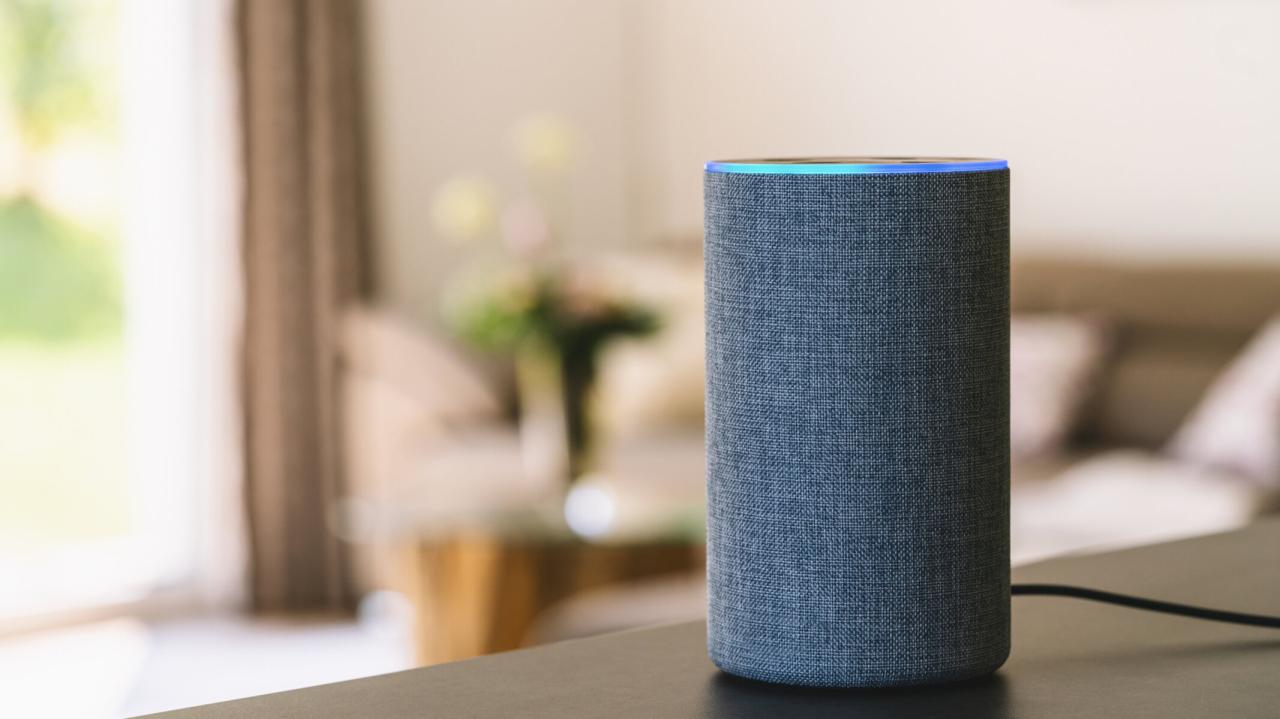
The market for smart speakers has become increasingly competitive, with several brands vying for consumer attention. Each brand offers unique features, characteristics, and price points that cater to different user preferences. This analysis focuses on major smart speaker brands: Amazon Echo, Google Nest, and Apple HomePod. We’ll evaluate their functionality, pricing, and overall user satisfaction to guide potential buyers in making informed decisions.
Brand Comparison Overview
To effectively compare the popular smart speaker brands, it’s essential to look at their specifications, features, and user reviews. The following table summarizes the core details for each brand:
| Brand | Model | Price | Key Features | User Reviews |
|---|---|---|---|---|
| Amazon | Echo Dot (4th Gen) | $49.99 | Voice control, smart home integration, Alexa, compact design | 4.7/5 stars |
| Nest Audio | $99.99 | High-quality sound, Google Assistant, smart home compatibility, sleek design | 4.8/5 stars | |
| Apple | HomePod Mini | $99.00 | Exceptional sound quality, Siri integration, HomeKit support, privacy-focused | 4.6/5 stars |
Each brand has its own strengths and weaknesses. Here’s a detailed overview of the pros and cons of each smart speaker brand:
Amazon Echo
The Amazon Echo line has been popular due to its affordability and versatility. It serves as an excellent hub for smart home devices.
- Pros:
- Wide range of Alexa skills
- Affordable pricing options
- Seamless integration with Amazon services
- Cons:
- Sound quality may not match competitors
- Privacy concerns regarding voice recordings
Google Nest
Google Nest speakers provide powerful sound and exceptional voice recognition through Google Assistant, making them a favorite among users.
- Pros:
- Outstanding sound quality for music
- Smart home device compatibility
- Excellent natural language processing
- Cons:
- Higher price point than some competitors
- Limited integration with non-Google services
Apple HomePod
Apple’s HomePod Mini is geared towards users deeply integrated into the Apple ecosystem, focusing on sound quality and privacy.
- Pros:
- Superior audio performance
- Privacy-centric features
- Great for Apple ecosystem users
- Cons:
- Higher price for entry-level model
- Limited smart home compatibility compared to others
Smart Speakers and the Music Industry
The emergence of smart speakers has profoundly transformed the landscape of music consumption, influencing how fans engage with their favorite artists and genres. These devices have not only changed listening habits but have also created new opportunities and challenges within the music industry. By providing hands-free access to vast libraries of music, smart speakers have catered to users’ demands for convenience and instant gratification.
The way people listen to music has been significantly reshaped by the rise of smart speakers. Listeners no longer depend on traditional methods of accessing music, such as radio or physical media. Instead, they prefer streaming music directly through voice commands. This shift has led to an increase in casual listening, with many users playing music while performing other tasks at home. According to a report by the Consumer Technology Association, nearly 60% of smart speaker owners listen to music daily, highlighting the device’s role in integrating music into everyday life.
Partnerships Between Smart Speaker Manufacturers and Music Streaming Services
The collaboration between smart speaker manufacturers and music streaming services has been pivotal in enhancing user experience and expanding their market reach. Major smart speaker brands like Amazon Echo and Google Nest have formed strategic partnerships with leading music platforms, including Spotify, Apple Music, and YouTube Music. These partnerships enable users to access a broad range of music seamlessly through voice commands.
For instance, Amazon’s Alexa has deep integrations with Spotify, allowing users to create playlists, play specific songs, or explore new music just by using their voice. Similarly, Google Assistant supports multiple music services, giving users the flexibility to choose their preferred platform. This collaborative approach not only improves user experience but also drives subscriptions to these music services, as consumers find the convenience of voice-activated music appealing.
Artists and labels have recognized the importance of these platforms in reaching their audience. They are adapting their marketing strategies to leverage the capabilities of smart speakers. Many artists are now curating exclusive playlists or engaging in targeted promotions that use smart speaker technology to connect with fans. For example, the widely popular “Spotify Wrapped” campaign, which summarizes users’ listening habits, often encourages sharing and discovery through smart speakers, driving user engagement and increasing streams.
Furthermore, the integration of voice-activated features has compelled artists to consider how their music is programmed and promoted. The rise of voice searches means that optimizing tracks for voice queries and creating catchy hooks that align with user trends has become vital. Labels are also exploring interactive experiences, such as voice-enabled trivia or Q&A sessions with artists, using smart speakers to create a more immersive fan connection.
In summary, smart speakers have revolutionized how music is consumed and marketed, fostering a new era of interaction between artists, labels, and listeners. As this technology continues to evolve, its impact on the music industry will surely grow, creating avenues for innovative collaborations and fresh listening experiences.
Smart Speakers in Education
Smart speakers have revolutionized various sectors, and education is no exception. Their integration in classrooms and remote learning environments has opened new avenues for enhancing learning experiences. These devices not only assist in information retrieval but also foster interactive and engaging learning atmospheres.
In educational settings, smart speakers serve as versatile tools that can cater to diverse teaching methods and learning styles. They support personalized learning by providing tailored responses to student inquiries and facilitating interactive lessons. The use of voice-activated technology allows students to engage with the material in an intuitive way, encouraging participation and curiosity. For instance, students can ask about historical events, solve math problems, or even learn new languages, all through simple voice commands.
Applications of Smart Speakers in Classrooms and Remote Learning
Smart speakers are being effectively utilized in classrooms and remote learning environments to support various educational objectives. Their applications include:
– Interactive Learning: In classrooms, teachers can use smart speakers to conduct quizzes or interactive sessions. For example, by asking the speaker questions related to the lesson, students can respond verbally, making learning more dynamic.
– Accessibility of Information: Smart speakers provide instant access to vast amounts of information. For instance, research conducted by the University of Michigan showcased how students utilized these devices for quick fact-checking during presentations, enhancing their understanding and retention of the subject matter.
– Language Learning: Educational institutions have leveraged smart speakers for language classes. By interacting with the device, students practice pronunciation and comprehension in real-time. Schools like Roslyn High School in New York have integrated smart speakers into their language curriculum, resulting in improved student engagement and performance.
– Remote Learning Facilitation: During the pandemic, smart speakers proved invaluable in remote learning scenarios. They acted as assistants for both teachers and students, helping schedule classes, set reminders, and manage assignments. Institutions like the University of California, Berkeley utilized smart speakers to create virtual study aids, allowing students to access course materials seamlessly.
– Administrative Support: Smart speakers reduce administrative burdens by enabling voice commands for tasks such as setting appointments or managing classroom schedules. This capability was notably employed by educators at Stanford University, enhancing efficiency within their administrative tasks.
These applications highlight how smart speakers can transform educational experiences, making learning more accessible, engaging, and efficient for both students and teachers alike.
Customization and Personalization of Smart Speakers
Smart speakers have revolutionized the way we interact with technology in our homes. Beyond their basic functionalities, one of their most appealing aspects is their ability to be customized and personalized to fit individual user preferences. This is important because it enhances the user experience, allowing each person to engage with their device in a way that feels unique and tailored to their needs.
Customization options are vast, allowing users to change everything from the wake word to the voice of the assistant. One of the primary methods of personalization is through user profiles, which enable smart speakers to recognize different voices. This feature allows the device to distinguish between users, providing tailored responses based on individual preferences, routines, and even music tastes. For instance, a family of four can have a single smart speaker that understands who is speaking and adjusts its responses accordingly. This system greatly enhances the user experience, making it feel more intimate and relevant.
User Profiles and Voice Recognition
User profiles are crucial for creating personalized experiences with smart speakers. When a device recognizes a user’s voice, it can access their specific settings, preferences, and history. This means that when someone asks for their favorite playlist, the speaker knows which one to play based on the user profile. The importance of voice recognition extends beyond music; it also applies to calendar events, reminders, and even news briefings. Each user receives a customized experience that aligns with their daily life.
To set up user profiles, users typically follow a straightforward process within the associated app. After enabling voice recognition, the speaker prompts users to say specific phrases several times to accurately capture their voice. Once established, users can manage their profiles through settings, editing preferences as needed.
Tailoring Smart Speaker Responses and Features
Users can further customize their smart speakers by adjusting various settings to enhance the response and functionality of the device. This includes changing the default language, accent, or even the type of information the speaker prioritizes. For example, users can select specific news sources for daily briefings or curate their own playlists from streaming services.
Another effective way to personalize interactions is through routines. Smart speakers allow users to create automated actions, such as setting a morning routine that turns on the lights, reads the news, and brews coffee all with a single command. This not only streamlines activities but also caters to individual lifestyles and preferences.
- Changing wake words: Users can often choose different wake words, providing a personal touch.
- Setting reminders and calendar events: Users can tailor their smart speakers to help manage personal schedules, ensuring they are reminded of important tasks.
- Integrating smart home devices: Tailoring responses can also involve connecting various smart home devices, allowing the user to control their environment seamlessly.
- Personalized voice settings: Users can often select different voice options for their smart assistant, making interactions more enjoyable.
By utilizing these customizable features, users can transform their smart speakers into personalized assistants that enhance their daily routines and overall lifestyle.
Final Summary
In conclusion, smart speakers have seamlessly integrated into our lives, enhancing convenience and accessibility while also raising important questions about privacy and security. As we look to the future, these devices will likely become even more central to our daily routines, enabling smarter homes and promoting inclusivity. Embracing this technology means not just enjoying its benefits but also being mindful of the responsibilities that come with it.
FAQ Resource
What is a smart speaker?
A smart speaker is a voice-activated device that connects to the internet, allowing users to play music, control smart home devices, and access information using voice commands.
Can smart speakers work offline?
Most smart speakers require an internet connection for full functionality, but some features may work offline, such as playing downloaded music.
Are smart speakers secure?
While smart speakers have security measures in place, they can be vulnerable to hacking; users are advised to regularly update security settings and firmware.
How do smart speakers recognize different voices?
Smart speakers use voice recognition technology that can identify and differentiate between users based on their unique vocal characteristics.
Can smart speakers be integrated with other smart devices?
Yes, smart speakers often act as central hubs, allowing integration with various smart devices like lights, thermostats, and security systems for seamless control.