
 Zoe Nora
WiFi speakers have marked a significant shift in how we experience sound in our homes. Gone are the days of tangled wires and limited audio options; today, these innovative devices provide seamless connectivity and exceptional sound quality, enabling us to enjoy music and podcasts in ways we never thought possible.
The evolution of WiFi speakers has been propelled by technological advancements, making them an essential part of modern living. From their humble beginnings to the sophisticated models available today, WiFi speakers have transformed the audio landscape, offering incredible features such as voice control, multi-room audio, and integration with smart home devices.
The Evolution of WiFi Speakers Over the Years
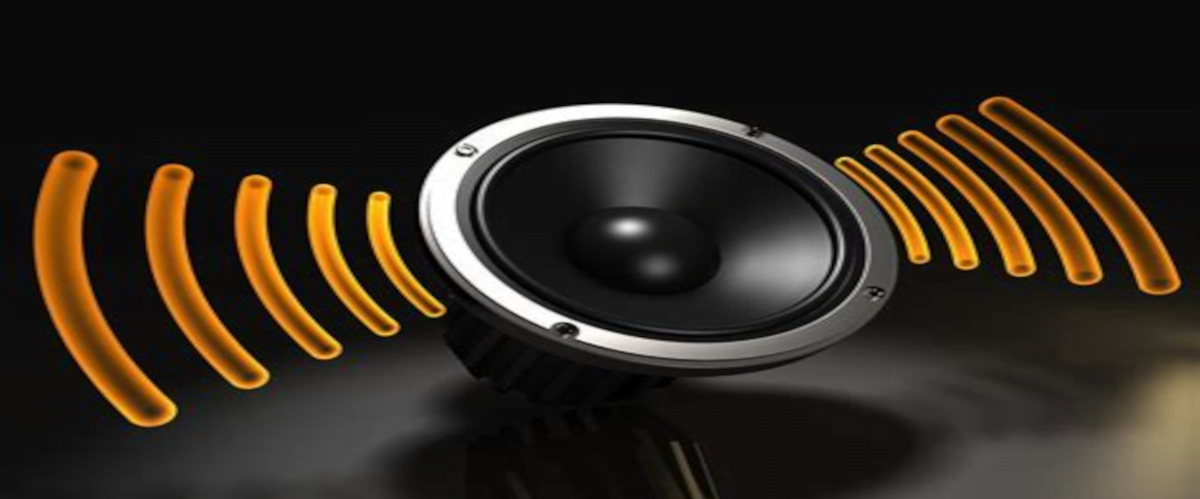
The technological landscape has undergone remarkable changes in the last decade, particularly in the realm of audio devices. WiFi speakers have evolved significantly since their inception, driven by advancements in wireless technology, audio quality, and user interactivity. This evolution reflects the broader trends in consumer electronics, illustrating how innovation can reshape everyday experiences.
Initial WiFi speakers, which emerged around the early 2010s, were primarily limited to playback via streaming services and local network connections. These devices often relied on basic WiFi protocols for connectivity, leading to connectivity issues and limited sound quality. However, as WiFi technology improved, so too did the performance and capabilities of these audio devices. The introduction of WiFi standards such as 802.11ac allowed for greater bandwidth and less interference, resulting in high-fidelity audio streaming without the interruptions that plagued earlier generations.
Over the years, several key advancements have transformed WiFi speakers into sophisticated audio systems. These include:
Technological Advancements in WiFi Speakers
The incorporation of various technologies has played a pivotal role in redefining the WiFi speaker experience. The following advancements have significantly influenced their evolution:
- Multi-Room Audio Systems: With the rise of smart home technology, WiFi speakers have adapted to support multi-room setups. This allows users to synchronize audio playback across several speakers located in different rooms, creating a cohesive listening experience throughout a home. Services like Sonos have popularized this feature, making it a staple in modern audio setups.
- Voice Assistant Integration: The integration of voice assistants like Amazon Alexa, Google Assistant, and Apple Siri has turned WiFi speakers into interactive hubs. Users can control music playback, manage smart home devices, and access information simply by speaking, enhancing convenience and functionality.
- High-Resolution Audio Support: As consumer demand for superior sound quality has grown, many WiFi speakers have started to support high-resolution audio formats. This capability allows users to experience music as the artist intended, with greater detail and clarity.
- Enhanced Connectivity Options: In addition to WiFi, modern speakers often include Bluetooth functionality. This dual connectivity ensures users can easily connect their devices, regardless of their location or internet availability.
- Advanced Acoustic Engineering: Improved speaker design, including better drivers and enhanced sound processing algorithms, has allowed for richer sound profiles. Technologies like spatial audio and Dolby Atmos provide immersive listening experiences, making WiFi speakers suitable for both music and home theater setups.
As WiFi speaker technology continues to evolve, the future looks promising. Innovations in artificial intelligence and machine learning may lead to even more personalized listening experiences, while ongoing improvements in wireless technology will likely enhance connectivity and audio quality further. The transformation of WiFi speakers from simple streaming devices to dynamic, multifunctional audio systems exemplifies the potential of technology to enrich our everyday lives.
Benefits of Using WiFi Speakers in Modern Homes
WiFi speakers have rapidly become a staple in contemporary living environments, bringing a multitude of advantages that enhance both audio experiences and home automation. Their wireless nature and connectivity options make them an attractive choice for anyone looking to elevate their sound quality and overall living experience. Below, we will explore three distinct benefits of incorporating WiFi speakers into modern homes.
Enhanced Sound Quality
One of the most significant advantages of WiFi speakers is their superior sound quality compared to traditional Bluetooth speakers or wired systems. WiFi speakers can stream audio at higher bit rates, resulting in clearer, more detailed sound reproduction. This is especially important for audiophiles or anyone who appreciates music in its full fidelity.
Moreover, WiFi speakers often utilize advanced audio technologies such as multi-room audio and spatial sound processing. This capability allows for seamless synchronization across multiple speakers placed throughout the home, providing a consistent listening experience regardless of where you are. For example, you can enjoy your favorite playlist in the living room and seamlessly transition it to the kitchen without any interruption, creating an immersive sound environment.
Additionally, many WiFi speakers come equipped with built-in equalizers and sound customization options, allowing users to tailor the audio output to their preferences or the acoustics of their space. These features enable a personalized listening experience that can enhance everything from casual background music to more dedicated listening sessions, making them a versatile addition to any modern home.
Convenient Integration with Smart Home Systems
WiFi speakers are designed to work effortlessly with various smart home devices, making them an integral part of a connected home ecosystem. They can be controlled through voice commands via virtual assistants like Amazon Alexa, Google Assistant, or Apple’s Siri. This hands-free operation adds a layer of convenience, allowing users to adjust volume, skip tracks, or change playlists without needing to touch their devices.
The integration possibilities are vast. For instance, many WiFi speakers can be paired with smart lighting systems, allowing users to create synchronized lighting and sound experiences for different moods or occasions. Imagine hosting a dinner party where the lights dim and your carefully curated playlist plays seamlessly in the background, all activated by a simple voice command.
Furthermore, WiFi speakers often allow for easy connectivity with streaming services such as Spotify, Apple Music, and YouTube Music. This direct integration means that users can enjoy their favorite music without relying on a smartphone or other devices, streamlining their experience and enabling instant access to a vast library of audio content.
Multi-Room Audio Capability
Another notable benefit of WiFi speakers is their ability to deliver multi-room audio, which allows users to enjoy music throughout their entire home. This feature is particularly beneficial for those who love to entertain or simply want to maintain a consistent audio experience in different areas of their living space.
Multi-room audio systems enable users to play the same song in every room or select different music for each space, all controlled from a single app or device. This flexibility can enhance gatherings and parties, where you can have upbeat music in the living room while playing something more subdued in the bedroom. The coordinated playback across various rooms is seamless, thanks to the low latency that WiFi technology offers, making it possible to enjoy perfect synchronization without gaps or interruptions.
Additionally, many systems allow users to group speakers together or select specific zones, providing a tailored listening experience for various activities. For instance, during a family movie night, you can set the audio to play through the television speakers while simultaneously keeping the ambient music in the kitchen at a lower volume. This level of control is not only convenient but also enriches the overall atmosphere of the home, making WiFi speakers an essential element for modern living.
Conclusive Thoughts

As we look to the future, WiFi speakers are poised to continue evolving, incorporating cutting-edge technology that enhances our listening experiences. Whether you’re hosting a party or unwinding after a long day, these speakers provide both convenience and quality, making them a worthy investment for any audiophile.
Q&A
What are WiFi speakers?
WiFi speakers are audio devices that connect to a home WiFi network, allowing for wireless streaming of music and sound from various sources like smartphones and computers.
Can I use WiFi speakers outdoors?
Yes, many WiFi speakers are designed for portability and can be used outdoors, but ensure they are weather-resistant for longevity.
Do WiFi speakers require a special app?
Most WiFi speakers come with a dedicated app for easier setup and management, although they can also be controlled through popular streaming services.
How do I enhance the sound quality of my WiFi speakers?
To enhance sound quality, ensure proper placement away from walls, utilize equalizer settings in the app, and keep the firmware updated.
Are WiFi speakers compatible with Bluetooth?
Many WiFi speakers also support Bluetooth, allowing for versatile connectivity options when WiFi is not available.