
 Zoe Nora
Did you know that global superstars like Taylor Swift and Doja Cat have produced entire chart-topping albums from home? This shift proves you no longer need a million-dollar facility for professional audio. With the right condenser microphone, we can turn any quiet room into a high-end recording space.
Selecting the best condenser microphone requires more than checking its price. We must consider how these tools work with our voices, instruments, and room acoustics. Our guide covers sensitivity, polar patterns, and frequency response to help you find a match.
Whether you are a beginner or a seasoned pro, finding the top condenser microphone for your specific needs is possible. We will explain technical requirements so your recordings sound crisp, clear, and polished every time.
Key Takeaways
- Professional-grade audio is now achievable in home environments.
- Room acoustics play a vital role in how your gear performs.
- Sensitivity and polar patterns dictate the versatility of your equipment.
- Price does not always equate to the best fit for your specific voice.
- Understanding technical specs helps you make an informed investment.
What is a Condenser Microphone?
A condenser microphone serves as the backbone of modern studio production due to its unique ability to capture subtle details. Unlike dynamic microphones, these devices use a lightweight diaphragm to convert sound waves into electrical signals.
This design allows for a much faster transient response, meaning the mic reacts instantly to quick sounds. Professionals rely on these tools for high-fidelity results in their top microphone picks for every budget in.
Overview of Condenser Microphones
The primary difference between a condenser microphone and other types is the sensitivity of the capsule. While dynamic mics handle high volume well, condensers are built for accuracy and clarity.
They excel at picking up the delicate textures of a performance. However, this high sensitivity can capture unwanted background noise, so a quiet recording environment is essential.
How They Work
At the heart of the device is a capacitor consisting of two plates: a solid backplate and a movable diaphragm. When sound waves hit the diaphragm, the distance between the plates changes, creating an electrical signal.
Most models require 48V phantom power to operate this internal circuitry. A compatible audio interface, mixer, or dedicated preamp must provide this voltage.
Common Uses in Audio Production
Because of their ability to capture fine detail, these microphones are the go-to choice for studio vocals and acoustic instruments. They are frequently used to record guitars, pianos, and string sections where natural tone is vital.
Engineers also use them as room microphones to capture the natural ambiance of a space. A high-quality condenser microphone preserves every performance nuance with professional-grade transparency.
Benefits of Using a Condenser Microphone
A condenser microphone delivers precise, clear sound for home and professional studios. It captures sound waves with great accuracy. Understanding these strengths can improve our recordings.
High Sensitivity and Detail
The main advantage of this technology is its high sensitivity. Its lightweight diaphragm responds quickly to sound waves and captures breath, articulation, and complex dynamics. This detail makes a high-quality condenser microphone for vocals a top choice for audio engineers.
This sensitivity also creates a tradeoff. These mics can easily capture unwanted background noise and room reflections. Use them in a treated acoustic environment to keep attention on the performance.
Broad Frequency Response
Another major benefit is its broad frequency response. These microphones capture the full sound range, from deep lows to shimmering highs, with consistency. A neutral model, such as the Audio-Technica AT4050, stays versatile because it adds little color.
This neutral sound lets us use one microphone for many sources. It works for a deep male voice or bright acoustic guitar while keeping the output balanced and natural. This flexibility saves mixing time because we begin with a clean, accurate signal.
Ideal for Vocals and Instruments
For our projects, we want transparent sound and low self-noise. Models like the Rode NT1 provide a clean, quiet signal that shows the source’s natural character. A condenser microphone for vocals preserves every emotional inflection for listeners.
We find these microphones excel in several key areas:
- Vocal clarity: Capturing the intimate details of a singer’s performance.
- Acoustic instruments: Picking up the resonance and texture of strings.
- Studio versatility: Providing a reliable, high-fidelity sound for various recording tasks.
Popular Brands of Condenser Microphones
When you search for a new microphone, you will notice that a few key manufacturers lead the industry. Learning these condenser microphone brands reputations and sound profiles helps you achieve professional audio results.
Whether you build a home setup or upgrade a professional space, knowing your options matters. Each manufacturer brings a unique design approach for different needs and budgets.
Audio-Technica
Audio-Technica offers impressive versatility across its product line. It provides an affordable condenser microphone for beginners while meeting seasoned engineers’ high standards.
Models like the AT2020 are home studio staples. The AT4040 and AT4050 offer a more refined, neutral sound. These microphones are excellent all-rounders for vocals, acoustic guitars, and more.
Rode
Rode has gained a large following through low-noise performance and user-friendly designs. It is a popular choice for creators needing a reliable studio condenser microphone that works immediately.
Many models come in complete starter kits with shock mounts and cables. These kits help beginners avoid buying each component separately.
Neumann
When you are ready to invest in top-quality audio, Neumann sets the industry standard. Its microphones are reference tools for professional recording environments.
The TLM 103 and legendary U87Ai are prized for their unmatched clarity and warmth. They require a significant investment, but offer detail that budget-friendly alternatives cannot easily match.
| Brand | Best For | Price Range |
|---|---|---|
| Audio-Technica | Versatility | Low to Mid |
| Rode | Home Recording | Mid |
| Neumann | Professional Studio | High-End |
Key Features to Look For
Finding the right microphone means looking past the brand and checking its hardware features. Match these features to your recording space and project goals.
Polar Patterns
The settings of a polar pattern condenser microphone determine how it captures sound from different directions. A cardioid pattern suits solo vocals because it blocks rear noise, while an omnidirectional pattern captures natural room sound.
Some advanced models, such as the Audio-Technica AT4050, offer switchable patterns for greater versatility. Choosing the right pattern helps you adapt from intimate podcasts to complex acoustic instrument sessions.
Frequency Response Range
A balanced condenser microphone frequency response gives recordings clear, professional sound across the full audio spectrum. Choose a flat response for accuracy, or a boosted high end for a brighter, modern vocal tone.
Many modern microphones include tools that shape sound before it reaches your computer. For instance, the AT2035 features a low-cut filter that reduces rumble and proximity buildup. This keeps your tracks clean and usable.
Build Quality
Investing in high-quality condenser microphone build quality supports long-term reliability in any studio. A sturdy metal chassis protects delicate internal parts from daily bumps and drops.
Check for shock-mount compatibility to stop low-frequency vibrations from ruining your takes. Reliable gear lasts longer and delivers steady performance, so you can focus on your creative work.
Best Condenser Microphones for Home Recording
Choosing the best condenser microphone for your home studio can greatly improve your audio quality. The market feels crowded, so we grouped our findings to match your needs.
Budget-Friendly Options
If you are starting your audio journey, you do not need to spend much for great results. An affordable condenser microphone like the Audio-Technica AT2020 offers incredible clarity for vocals and acoustic instruments. The Behringer BC3000 gives beginners a solid way to learn signal flow and recording techniques.
Mid-Range Choices
As your skills grow, you may want lower self-noise and stronger build quality. The Rode NT1-A stands out in our condenser microphone reviews for ultra-quiet operation and versatility. It is a reliable workhorse for home producers seeking clean, professional sound without a premium price.
High-End Selections
Those ready for professional-grade equipment may prefer models like the Audio-Technica AT4050. It provides exceptional flexibility with multiple polar patterns. The Neumann U87Ai is often considered the industry reference standard, but it may be excessive for a typical home studio. Choose high-end options with features that fit your recording environment.
| Model | Category | Best For |
|---|---|---|
| Audio-Technica AT2020 | Budget | Vocals & Demos |
| Rode NT1-A | Mid-Range | Low-Noise Recording |
| Audio-Technica AT4050 | High-End | Versatile Studio Use |
| Neumann U87Ai | Professional | Reference Standard |
Top Studio Condenser Microphones
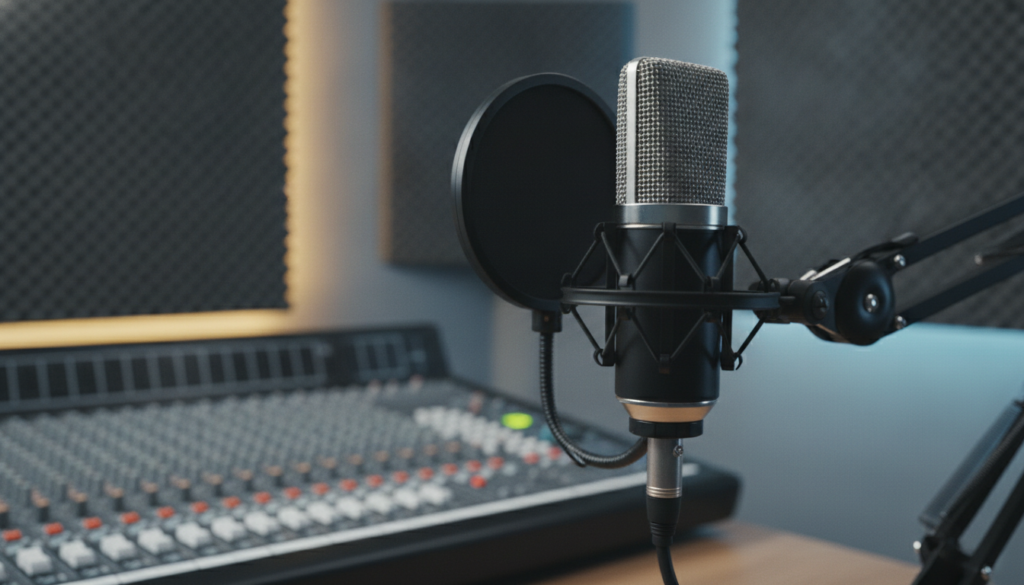
Choosing the right studio condenser microphone requires understanding your recording space and sound source. Professional audio depends less on price than on how well a tool captures performance details. Whether recording delicate acoustic guitar or powerful vocals, the right choice can improve your final mix.
Versatile All-Rounders
A reliable workhorse can support a productive studio. Models like the Audio-Technica AT4050 offer a flat, natural response for almost any source. These microphones are incredibly flexible, letting you switch polar patterns for drum overheads or intimate speech.
The AT4040 provides a clean, consistent signal. When you need a studio condenser microphone for any session, these options help preserve the original performance.
Specialty Microphones for Vocals
Capturing the human voice may call for a specialized tool. Finding the best condenser microphone for vocals involves traits such as a boosted presence peak or smooth high-frequency roll-off. These features help the voice sit well in a dense mix without heavy processing.
Some vocalists prefer a microphone that adds warmth or “expensive” character to their sound. To explore different textures, compare how a ribbon microphone performs with your condenser setup for specific vocal styles.
Instruments and Acoustic Sounds
Capturing acoustic instruments naturally requires a microphone with an excellent transient response. The Shure KSM32C handles high sound pressure levels while keeping a neutral, uncolored sound. This makes it an ideal condenser microphone for vocals and acoustic instruments alike.
For ensembles or room ambience, use a pair of microphones to capture a clear stereo image. Proper placement matters as much as the hardware for a professional, wide soundstage.
| Microphone Type | Best Application | Key Characteristic |
|---|---|---|
| Versatile All-Rounder | General Studio Use | Flat, Neutral Response |
| Vocal Specialist | Lead Vocals | Presence and Smoothness |
| Instrument Mic | Acoustic/Percussion | High Transient Detail |
| Room/Ambient Mic | Ensembles/Space | Wide Dynamic Range |
Tips for Using a Condenser Microphone
A professional recording starts with a controlled environment. A condenser microphone captures subtle details in your performance. Use these simple tips to keep recordings crisp, clear, and free of unwanted artifacts.
Proper Placement and Setup
The distance between you and the condenser microphone strongly affects the final sound. Stay about six to eight inches from the capsule for a balanced tone. Getting too close can create extra bass, called the proximity effect.
Always use a pop filter to block harsh plosives from hitting the diaphragm. Keep input levels healthy without letting them peak in the red. This keeps your signal clean and free from digital distortion.
Avoiding Background Noise
These sensitive microphones can pick up unwanted room reflections. Record in a space with soft furnishings, such as curtains or rugs, to dampen sound waves. If your room echoes, a reflection filter behind the condenser microphone can improve results.
Place your setup away from noisy appliances like computers or air conditioners. Reducing these sounds saves editing time later. A quiet environment supports a high-quality audio track.
Maintaining Your Microphone
Protecting your investment supports long-term performance. Always store your condenser microphone in a protective case when unused, preventing dust on delicate internal parts. A shock mount also isolates the device from vibrations through your desk or stand.
Handle cables carefully to prevent internal wire damage. Keep your equipment away from high-humidity areas because moisture can harm sensitive electronics. These steps will keep your gear functioning perfectly for years.
| Action | Benefit | Frequency |
|---|---|---|
| Use Pop Filter | Reduces Plosives | Every Session |
| Shock Mount | Eliminates Vibration | Always |
| Dust Cover | Protects Capsule | After Use |
| Cable Check | Prevents Noise | Monthly |
Frequently Asked Questions About Condenser Microphones
Choosing a microphone starts with your recording space and technical needs. Many users read condenser microphone reviews before choosing a model. Your audio goals should guide the final choice.
How Do I Choose the Right One?
First, evaluate your recording environment. Background noise or echoes can make a highly sensitive microphone capture unwanted sounds.
Set your main recording purpose, such as vocals, acoustic instruments, or voiceovers. High-sensitivity models capture detail well, but need a controlled space.
Do I Need an Audio Interface?
The output type determines whether you need an interface. A USB condenser microphone connects directly to a computer, which suits beginners and mobile setups.
An XLR condenser microphone needs an external audio interface. This hardware supplies phantom power and gain control for a clean, professional signal.
Can I Use a Condenser Mic for Podcasting?
You can use a condenser microphone for podcasting if your recording area is fairly quiet. These microphones capture the human voice’s natural nuances well.
In an untreated room, a dynamic microphone may reject noise better. Consider your environment before finalizing your purchase.
| Feature | USB Condenser | XLR Condenser |
|---|---|---|
| Connectivity | Direct to Computer | Audio Interface |
| Power Source | USB Bus Power | 48V Phantom Power |
| Best For | Quick Setup/Podcasts | Professional Studio |
| Expandability | Limited | High |
Conclusion: Finding Your Perfect Condenser Microphone
Choosing the right condenser microphone means balancing your recording space with your long-term creative goals. The best results come from matching your budget to your needs, not chasing high prices.
Refining Your Selection Process
The Audio-Technica AT2020 is a reliable starting point for many home studios. For specialized features, the Rode Procaster and Audio-Technica AT4050 offer different paths for growth. The Neumann U87Ai is a gold standard for professional reference, but technique matters more than owning an expensive top condenser microphone.
Mastering Your Sound Through Practice
Test different microphone placements and room treatments to hear how they change your audio. Each condenser microphone reacts differently to various voices and instruments. Trust your ears, and record samples to judge performance for your unique style, rather than relying only on technical specifications.