
 Zoe Nora
Wireless audio is reshaping the way we experience sound, allowing for greater freedom and flexibility in how we listen to our favorite tunes. With significant advancements in technology, wireless audio solutions have become increasingly commonplace, offering high-quality sound without the hassle of tangled wires. From Bluetooth to Wi-Fi, each protocol contributes to a rapidly evolving audio landscape that caters to both casual listeners and audiophiles alike.
The journey of wireless audio began with simple innovations and has now culminated in sophisticated systems that enhance our daily lives. This overview delves into the fascinating evolution of wireless audio technology, the various protocols available, and the impact these developments have had on home entertainment and the music industry.
The Evolution of Wireless Audio Technology
Wireless audio technology has undergone remarkable transformations since its inception, revolutionizing the way we experience sound. From early radio transmissions to today’s high-fidelity streaming, the quest for wireless audio has continually pushed technological boundaries. This evolution has not only improved convenience but also enhanced audio quality, making it accessible to a broader audience.
The journey of wireless audio began with the advent of radio technology in the early 20th century, which allowed sound to be transmitted over the airwaves without wires. Significant milestones include the development of FM radio in the 1930s, which provided clearer sound quality compared to AM radio, and the introduction of digital audio broadcasting in the 1990s. However, the explosion of wireless audio truly began with the advent of Bluetooth technology in the late 1990s and Wi-Fi in the early 2000s, both of which have dramatically reshaped audio delivery and consumption.
Advancements in Bluetooth and Wi-Fi
The improvements in Bluetooth and Wi-Fi technologies have had a profound impact on audio quality and user experience. Bluetooth, which initially suffered from low bandwidth and limited range, has evolved significantly over the years with the introduction of new versions and profiles. The latest versions of Bluetooth, such as Bluetooth 5.0 and beyond, support higher data rates and greater range, which enhances the streaming quality of audio devices.
Similarly, Wi-Fi has progressed to support higher bandwidths and lower latency, enabling the streaming of high-resolution audio formats. This advancement is particularly important for audiophiles who seek the best possible sound quality without the constraints of physical connections.
Codec Innovations Enhancing Wireless Audio Streaming
Codec innovations play a critical role in maximizing the efficiency and quality of wireless audio streaming. A codec is responsible for encoding and decoding audio data, determining how sound is compressed and transmitted over networks. Various codecs have emerged, each offering unique advantages.
The development of codecs such as aptX, AAC, and LDAC has made significant strides in enhancing audio clarity and reducing latency. For instance, aptX HD supports high-definition audio streaming at 24-bit/48kHz, providing a superior listening experience compared to standard Bluetooth audio. Meanwhile, LDAC, developed by Sony, allows for higher bitrate transmission, supporting high-res audio streaming over Bluetooth connections.
Moreover, the integration of adaptive bitrate streaming has allowed devices to dynamically adjust the audio quality based on current network conditions, ensuring a seamless listening experience.
The convergence of Bluetooth and Wi-Fi advancements, along with codec innovations, has propelled wireless audio technology into a new era, providing users with unparalleled sound quality and convenience.
Comparing Different Wireless Audio Protocols
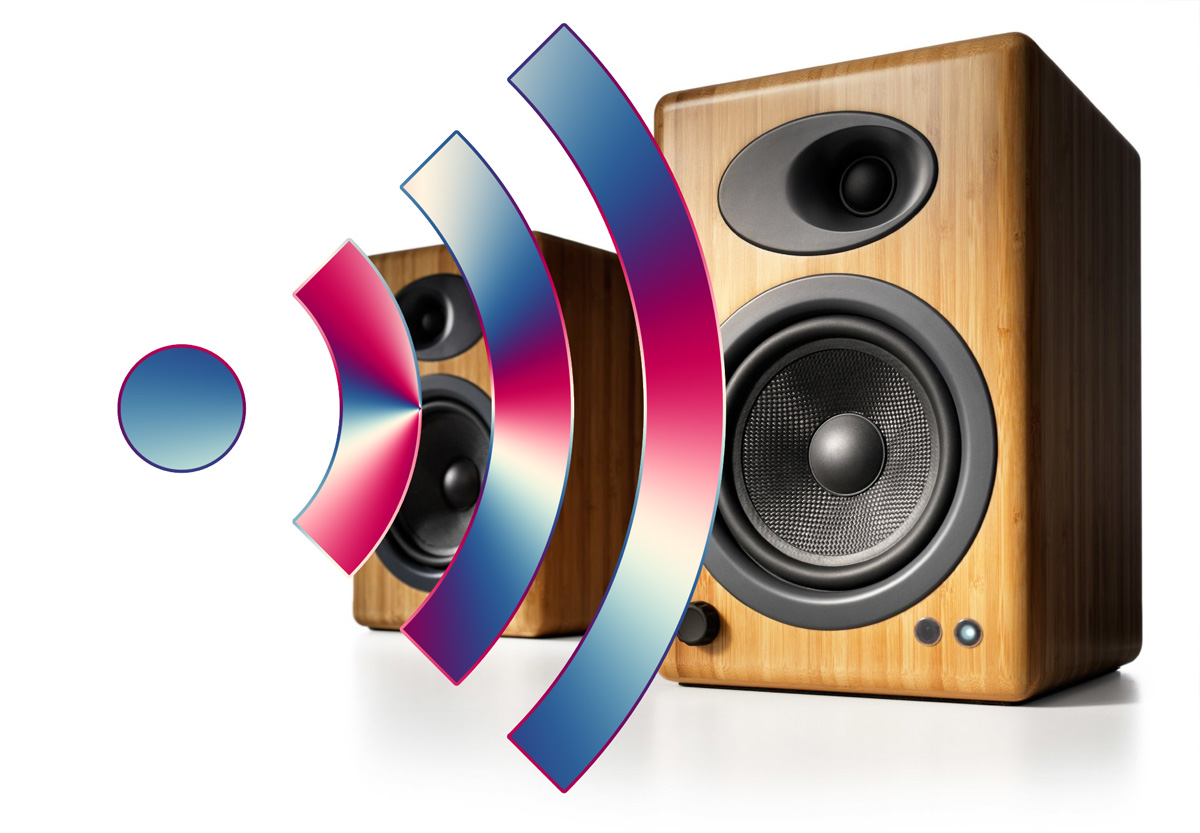
Wireless audio protocols facilitate the transmission of sound without physical connections, enabling greater mobility and flexibility. As technology has progressed, various protocols have emerged, each with unique characteristics, advantages, and limitations. This comparison focuses on three major wireless audio protocols: Bluetooth, AirPlay, and Wi-Fi Direct, examining their sound quality, range, compatibility, and optimal use cases.
Overview of Wireless Audio Protocols
The effectiveness of wireless audio protocols can significantly impact user experience. Understanding their strengths and weaknesses will help in selecting the right technology for different scenarios and needs. Below is a breakdown of each protocol.
- Bluetooth: This widely used protocol is known for its ease of pairing with devices such as headphones, speakers, and smartphones. It generally offers decent sound quality and ranges up to 30 feet.
- AirPlay: Developed by Apple, AirPlay excels in delivering high-quality audio over Wi-Fi networks, making it suitable for home environments where multiple Apple devices are in use. Its range is typically limited only by the Wi-Fi network.
- Wi-Fi Direct: This protocol enables devices to connect without a traditional Wi-Fi network, allowing for faster data transfer and superior sound quality. It’s particularly beneficial for high-definition audio streaming.
Advantages and Disadvantages
Each protocol comes with distinct advantages and disadvantages that influence user preference and application. Below is a comparison of their characteristics.
| Protocol | Advantages | Disadvantages |
|---|---|---|
| Bluetooth | Widely compatible, easy to use, low power consumption | Limited range, potential for audio compression |
| AirPlay | High sound quality, seamless integration with Apple devices | Limited to Apple ecosystem, dependent on Wi-Fi network |
| Wi-Fi Direct | High-quality audio, minimal lag, large range | More complex setup, potential compatibility issues |
Use Cases for Different Protocols
The choice of wireless audio protocol often depends on the specific environment and user needs. Here are some common scenarios where each protocol shines:
- Bluetooth: Ideal for personal use, such as connecting headphones to smartphones while commuting or exercising.
- AirPlay: Best suited for home installations, where users want to stream music from their Apple devices to speakers or televisions without loss of quality.
- Wi-Fi Direct: Perfect for scenarios requiring high-definition audio transfer, like connecting a laptop to a sound system for a home theater experience.
“The right wireless audio protocol can transform your listening experience, making it essential to choose based on your specific needs and environment.”
The Impact of Wireless Audio on Home Entertainment Systems
![7 Trends in the Wireless Audio Devices Market [2024] - Verified Market ...](https://audiolifeinc.com/wp-content/uploads/2026/02/8e07aba0-range-and-coverage.jpg "7 Trends in the Wireless Audio Devices Market [2024] - Verified Market ...")
Wireless audio technology has significantly transformed how we experience sound in our homes, enhancing the overall enjoyment of movies, music, and gaming. Traditional home entertainment systems, often characterized by a complex web of cables and intricate setups, have evolved into streamlined, user-friendly configurations thanks to advancements in wireless audio technology. With the ability to stream high-quality sound without the clutter of wires, consumers are embracing a new era of convenience and flexibility in their home audio experiences.
Wireless audio systems, such as Bluetooth speakers and Wi-Fi-enabled soundbars, have become crucial components of modern entertainment setups. These devices not only simplify the installation process but also offer superior sound quality and versatility compared to their wired counterparts. As consumers look for ways to declutter their living spaces, the appeal of wireless audio solutions has grown tremendously.
Integration of Wireless Speakers and Soundbars in Home Setups
The integration of wireless speakers and soundbars into home entertainment systems has become increasingly popular due to their ease of use and enhanced functionality. These devices can be effortlessly connected to televisions, smartphones, and streaming services, creating a seamless audio experience.
Key advantages of integrating wireless audio solutions include:
- Flexibility in Placement: Wireless speakers can be placed in any location without the restrictions of cables. This allows for optimal sound distribution throughout a room, enhancing the overall audio experience.
- Multi-Room Audio: Many wireless audio systems support multi-room setups, enabling users to play music or sound across different rooms simultaneously, controlled via a single app or device.
- Ease of Use: Connecting devices via Bluetooth or Wi-Fi is straightforward, often requiring just a few taps on a smartphone, which appeals to tech-savvy consumers.
- Sleek Design: Most wireless speakers and soundbars have a modern, minimalist aesthetic, which fits well with contemporary home decor, making them not just functional but also stylish additions to any room.
The growing consumer preference for wireless audio solutions over wired alternatives stems from both practical and aesthetic considerations. Wired systems can be cumbersome, involving extensive installations and maintenance. In contrast, wireless options provide a level of convenience that aligns with the increasingly mobile lifestyle of today’s consumers.
“The elimination of wires not only simplifies setup but also brings a new level of freedom in how audio is experienced in the home.”
As wireless audio technology continues to advance, it is expected that integration will only become more seamless, with emerging innovations providing even more dynamic listening opportunities. In a world where convenience and quality are paramount, wireless audio has indeed redefined the landscape of home entertainment systems.
The Role of Wireless Audio in the Music Industry
Wireless audio technology has significantly reshaped the landscape of the music industry, influencing how music is produced, distributed, and experienced. The advent of wireless solutions has not only streamlined production processes but also redefined live performances, creating immersive experiences for audiences worldwide. As artists and producers embrace these advancements, the music scene continues to evolve in exciting ways.
Influence on Music Production and Distribution
The integration of wireless audio technology in music production has revolutionized the creative process for artists and producers. With wireless microphones, instruments, and monitoring systems, musicians can move freely during recording sessions, allowing for more organic performances. This flexibility encourages creativity and spontaneity, often leading to innovative sounds that were previously unattainable with wired setups.
Furthermore, wireless technology has transformed distribution methods. Platforms like Spotify and Apple Music utilize advanced streaming technologies that depend on reliable audio compression and transmission. This has enabled artists to reach global audiences instantly, breaking geographical barriers and democratizing access to music. For instance, the rise of remote collaborations through wireless audio software allows musicians from different parts of the world to co-create in real-time, enhancing cross-cultural influences in music.
Impact on Live Performances and Concert Experiences
Wireless audio has dramatically enhanced live performances, providing artists with the tools to engage audiences like never before. Wireless microphones enable performers to interact with fans, move around the stage, and create dynamic shows without being tethered to a sound system. This freedom fosters a more engaging and energetic atmosphere, which is essential for concert experiences.
The advancements in wireless sound systems also ensure high-quality audio delivery, regardless of the venue’s size or layout. For example, festivals now utilize wireless audio networks to manage sound across multiple stages, ensuring that each audience has a consistently high-quality listening experience. The ability to easily set up and dismantle equipment has also streamlined event logistics, allowing for more efficient use of time and resources.
“Wireless audio technology is no longer just an option; it’s a necessity for creating memorable live experiences.”
Adaptation by Artists and Producers
As wireless audio solutions continue to gain traction, artists and producers have adapted their workflows and approaches to harness these technologies effectively. Many are investing in advanced wireless equipment to enhance their live shows and studio sessions. For instance, major artists like Beyoncé and Ed Sheeran have incorporated wireless technology into their tours, allowing for stunning visual and auditory experiences.
Moreover, producers are increasingly leveraging wireless tools for remote recording and collaboration, which has become especially crucial during the recent global events that limited in-person interactions. Digital audio workstations (DAWs) now support various wireless plugins that enable seamless integration of remote contributions, allowing projects to thrive despite distance.
As the music industry embraces the evolution of sound through wireless technology, it stands on the brink of a new era, where creativity knows no bounds and audiences experience music in unprecedented ways.
Challenges and Limitations of Wireless Audio Solutions
As wireless audio solutions become increasingly popular, they present unique challenges and limitations that users must navigate. Understanding these issues is crucial for anyone looking to adopt wireless audio technology, from casual listeners to professionals. This discussion will highlight common problems associated with wireless audio, such as latency, connectivity issues, and implications for sound quality, while also exploring potential solutions to mitigate these challenges.
Common Issues in Wireless Audio Devices
Wireless audio devices can experience several technical problems that impact user experience. The most notable issues include latency and connectivity problems, which can detract from the overall enjoyment of audio content.
– Latency: This refers to the delay between the audio signal being sent and the sound being heard. High latency can lead to poor synchronization between audio and video, especially noticeable during movies or gaming. For instance, a delay of even a few milliseconds can disrupt an immersive experience.
– Connectivity Issues: Wireless audio devices can suffer from interruptions in connectivity due to interference from other wireless devices or physical obstructions. For example, a Bluetooth speaker may cut out if the user moves too far away from the source device or if multiple devices are connected simultaneously, leading to bandwidth limitations.
Implications for Audio Fidelity and Sound Quality
While wireless audio technology offers convenience, it can sometimes result in compromises in audio fidelity and sound quality. Various factors contribute to these limitations:
– Compression Artifacts: Many wireless audio formats utilize compression to transmit data efficiently. This can lead to a loss of audio detail, impacting the richness and clarity of sound.
– Interference: Wireless signals can be affected by environmental factors like walls, furniture, and even other electronic devices. This interference can result in reduced sound quality and dropouts during playback.
– Limited Bandwidth: Certain wireless audio technologies may not support high-resolution audio formats, restricting users to lower quality audio streaming options.
“The quality of audio playback is directly influenced by the bandwidth and technology used in wireless transmission.”
Potential Solutions to Overcome Limitations
To address the challenges associated with wireless audio devices, users and manufacturers can implement several strategies:
– Upgrading to Advanced Technologies: Adopting newer technologies such as aptX or LDAC can significantly reduce latency and improve audio quality by allowing higher bit rates for wireless transmission.
– Utilizing Dual-Band Networks: Using dual-band routers can help minimize interference by allowing devices to connect to either the 2.4 GHz or 5 GHz band, optimizing performance based on the environment.
– Regular Firmware Updates: Keeping devices updated ensures that improvements and fixes are applied, often enhancing connectivity and performance over time.
– Using Wired Connections When Necessary: In situations where audio fidelity is paramount, reverting to wired connections can eliminate latency and maintain sound quality.
These solutions can help users navigate the common pitfalls of wireless audio technology, enhancing their overall experience while enjoying the convenience that wireless solutions offer.
Final Conclusion
As we look ahead, it’s clear that wireless audio technology is not just a fleeting trend, but a transformative force in how we connect with sound. With emerging technologies continuously pushing boundaries, the future promises even more exciting developments, from improved audio fidelity to immersive listening experiences. Whether you are a music enthusiast or someone seeking convenience, wireless audio solutions are here to stay, making our auditory experiences richer than ever.
FAQ Explained
What is wireless audio?
Wireless audio refers to the transmission of sound without the use of physical cables, typically utilizing technologies like Bluetooth or Wi-Fi.
Can wireless audio devices work with older systems?
Many wireless audio devices can connect to older systems via adapters or specific protocols; however, compatibility may vary.
How does wireless audio affect sound quality?
While some wireless technologies can introduce latency or compression, advancements in codecs and protocols have significantly improved overall sound quality.
Are wireless audio devices more expensive than wired ones?
Wireless audio devices can be more expensive due to the technology involved, but prices vary widely across brands and features.
What should I consider when buying wireless audio equipment?
Consider factors like battery life, range, sound quality, brand reputation, and compatibility with your existing systems before making a purchase.