
 Zoe Nora
Wired subwoofers play a pivotal role in elevating your home audio experience, delivering deep, powerful bass that can transform any listening environment. By connecting directly to your audio system, they provide a reliable and consistent sound output, making them a preferred choice for audiophiles and casual listeners alike.
In this discussion, we will explore the functionality of wired subwoofers, their advantages over wireless options, installation tips, and compatibility considerations, all aimed at helping you make the most out of your audio setup.
Understanding the Basic Functionality of a Wired Subwoofer
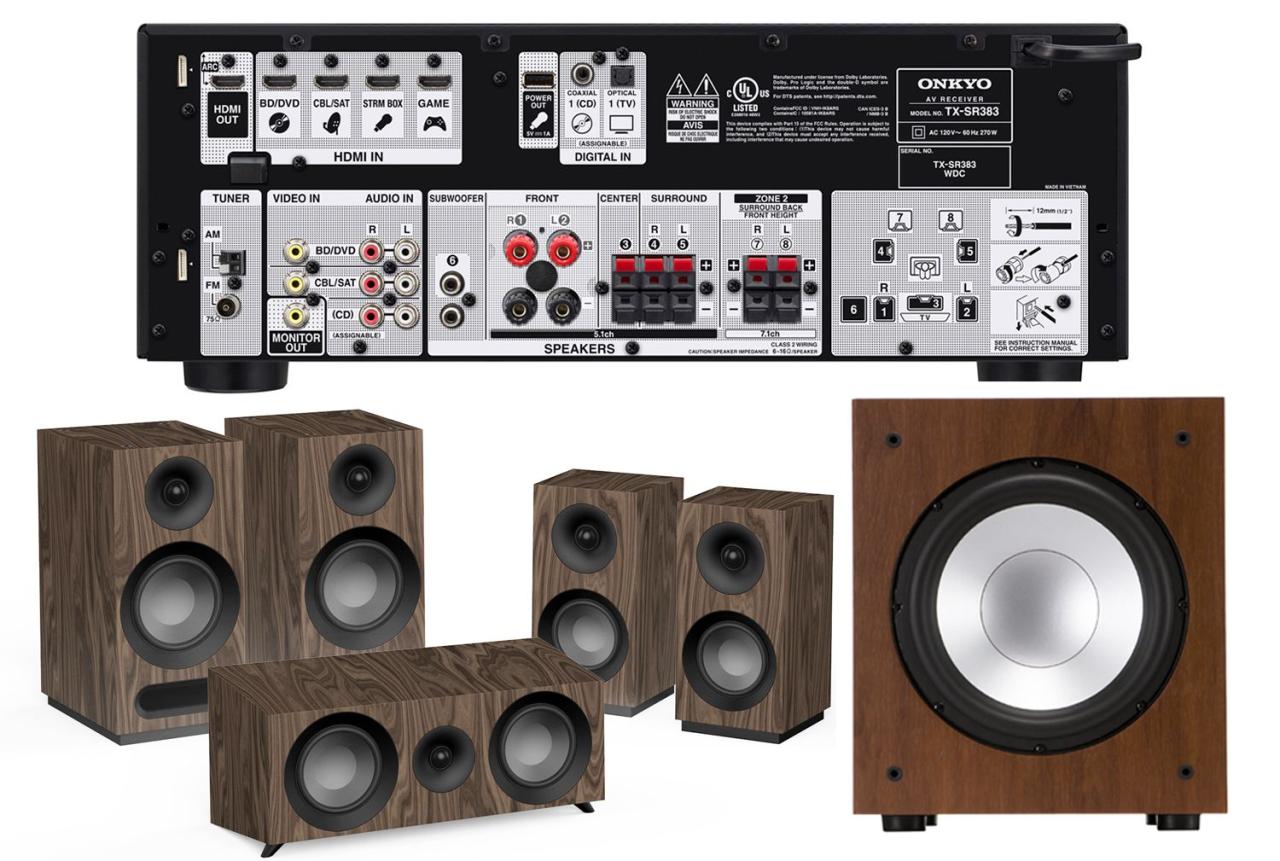
A wired subwoofer is a crucial component of a home audio system, providing deep bass sounds that enhance the overall audio experience. Unlike a standard speaker, a subwoofer is specifically designed to reproduce low-frequency sounds, creating a more immersive soundstage for music, movies, and gaming. Understanding how a wired subwoofer operates and the components involved can significantly improve your audio setup.
A wired subwoofer operates by receiving audio signals from an audio source, such as an amplifier or a receiver, through a direct cable connection. This connection ensures that the signals are transmitted without interference, allowing for a clearer and more powerful bass response. The subwoofer uses a driver, typically a large cone, that moves back and forth to generate low-frequency sounds. The efficiency of this process greatly depends on the accompanying components that work in unison with the subwoofer.
Components of a Wired Subwoofer Setup
A wired subwoofer setup consists of several key components that interact to produce high-quality sound. Each component plays a specific role that contributes to the overall performance of the system. The main components include:
- Subwoofer Driver: The heart of the subwoofer; it converts electrical signals into sound waves by moving air to create bass tones.
- Enclosure: The housing of the subwoofer, designed to optimize sound production and minimize distortion. It can be either sealed for tighter bass or ported for enhanced low-end response.
- Amplifier: Vital for boosting the audio signal to a level suitable for driving the subwoofer. It greatly impacts the clarity and power of the sound output.
- Audio Cables: The wiring used to connect the subwoofer to the audio source, ensuring a stable and efficient signal transfer.
- Receiver or Processor: Generates the audio signal, sending it to the subwoofer and other speakers in the system, while also managing sound settings and balancing.
The amplifier is particularly important in the configuration of a wired subwoofer. It not only powers the subwoofer but also enhances sound quality by regulating the signal strength. An amplifier tailored for a specific subwoofer can minimize distortion and optimize dynamic range, allowing the subwoofer to handle peaks in audio without losing fidelity.
“An efficient subwoofer amplifier can significantly enhance the low-frequency performance, making the listening experience more enjoyable and impactful.”
In summary, understanding the functionality and components involved in a wired subwoofer setup is essential for anyone looking to improve their home audio system. By paying attention to the interplay between the subwoofer, amplifier, and other components, users can achieve an exceptional audio experience.
The Advantages of Using a Wired Subwoofer Over Wireless Alternatives
When it comes to enhancing your audio experience, choosing the right subwoofer can make a significant difference. While wireless subwoofers offer convenience, wired subwoofers bring a range of advantages that often outweigh the benefits of their wireless counterparts. This discussion focuses on the key benefits of wired subwoofers in terms of sound quality, reliability, and installation efficiency.
Sound Quality Benefits
Wired subwoofers are known for delivering superior sound quality, which is crucial for audiophiles and casual listeners alike. The wired connection ensures a stable audio signal transmission without interference, which is often a challenge with wireless systems.
“The lack of compression in wired connections results in clearer, more powerful bass response.”
Some of the key benefits of wired subwoofers in terms of sound quality include:
- Direct audio signal transmission minimizes latency, providing immediate sound response.
- Higher maximum volume levels without distortion, allowing for a more immersive listening experience.
- Ability to produce deeper bass tones, enhancing overall audio performance in music and home theater setups.
Reliability of Wired Connections
Reliability is another area where wired subwoofers shine. Unlike wireless systems, which can suffer from signal dropouts or interference from other electronic devices, wired connections offer consistent performance.
“Wired subwoofers provide a dependable connection that is unaffected by environmental factors.”
Factors contributing to the reliability of wired connections include:
- Consistent audio reproduction regardless of distance between the subwoofer and the audio source.
- No need for batteries or additional power sources, reducing maintenance issues.
- Less susceptibility to interference from Wi-Fi networks, Bluetooth devices, or physical obstructions.
Installation Processes
When it comes to installing subwoofers, the process for wired models can be straightforward and efficient. While wireless subwoofers may seem simpler at first glance, they often require additional setup procedures for optimal performance.
“Proper installation of a wired subwoofer can lead to better sound quality and overall system integration.”
The installation process for wired subwoofers typically involves:
- Running speaker cables to the subwoofer, which can be done during initial setup or renovations.
- Clear and direct physical connections to the audio receiver, reducing the potential for connectivity issues.
- Positioning flexibility, as wires can be easily managed to avoid clutter and optimize room acoustics.
Installation Tips for Setting Up Your Wired Subwoofer
Setting up a wired subwoofer can significantly enhance your audio experience, providing deep bass that enriches music and movies alike. However, proper installation is crucial to ensure you get the best sound performance. This guide will walk you through the steps to effectively install your subwoofer, covering various room layouts, common mistakes to avoid, and the significance of proper cable management.
Step-by-Step Guide for Installing a Wired Subwoofer
When installing a wired subwoofer, the layout of your room can greatly affect sound quality. Here’s a step-by-step guide that caters to various configurations:
1. Choose the Right Location:
Ideally, the subwoofer should be placed in a corner or along a wall to maximize bass response. Performing the “subwoofer crawl” can help determine the best position. Play a familiar track and move the subwoofer around the room to find where it sounds best.
2. Connect the Subwoofer:
Use an RCA cable to connect the subwoofer to your receiver. Look for the ‘sub out’ port on your AV receiver. Ensure that the connection is secure and that the cable is not damaged.
3. Adjust the Settings:
After connecting, adjust the subwoofer settings like phase, crossover frequency, and volume. A good starting point for the crossover is around 80-100 Hz. Experiment with these settings to suit your listening preferences.
4. Secure the Cables:
Proper cable management is essential not only for aesthetics but also for sound clarity. Use cable clips or ties to keep your cables organized and away from foot traffic to prevent accidental disconnections.
5. Test the Sound:
Finally, play some audio to test the sound quality. Adjust the settings again if necessary, taking note of any rattles or distortions that may indicate further adjustments are needed.
Common Mistakes to Avoid During Installation
To achieve the best sound performance and avoid frustrating issues, be mindful of these common pitfalls during installation:
- Ignoring Room Acoustic Issues: Room acoustics can significantly affect sound quality. Avoid placing the subwoofer in a space with too many sound-absorbing materials, as this may diminish the bass output.
- Using Poor Quality Cables: Always use high-quality cables for connections. Low-grade cables can lead to signal loss and degraded sound quality.
- Incorrect Volume Settings: Setting the volume too high can result in distortion, while too low may lead to underwhelming performance. Always test and adjust accordingly.
- Not Considering Subwoofer Phase: The phase setting is crucial in aligning the subwoofer with your other speakers. Failing to address this can lead to muddied sound.
- Neglecting Cable Management: Cables left exposed can not only be unsightly but can also lead to tripping hazards and signal interference.
Importance of Proper Cable Management
Proper cable management is critical for both sound performance and safety. When cables are organized and secured, you significantly reduce the risk of interference and damage. Keeping cables tidy can also prevent accidental unplugging or damage during everyday activities.
– Minimizing Interference: Running cables alongside power cords can introduce noise and affect sound quality. Keep audio cables separated from power cables to minimize this risk.
– Improving Safety: Loose cables can be tripping hazards or may become damaged over time. Using cable management tools, like clips or sleeves, can help prolong the life of your cables and keep your space safe.
– Aesthetic Appeal: A clean setup is visually appealing. Properly managed cables improve the overall look of your audio setup, making your space more enjoyable.
Utilizing these installation tips will set you on the path to enjoying your wired subwoofer to its fullest potential. Take your time, pay attention to details, and enjoy the enhanced audio experience!
Compatibility Considerations for Wired Subwoofers with Different Audio Systems
Pairing a wired subwoofer with various audio systems requires careful consideration to ensure optimal performance and sound quality. Compatibility plays a crucial role in achieving the desired audio output, allowing the subwoofer to enhance the overall experience without compromising audio fidelity. Understanding key factors, such as amplifier output, impedance, and equipment synergy, can greatly influence the effectiveness of your setup.
The process of matching a subwoofer to an amplifier or audio system involves several critical factors. One significant aspect to consider is the power handling capacity of the subwoofer, which should align with the output capabilities of the amplifier. Moreover, the impedance of both components must be compatible to facilitate efficient power transfer and prevent damage to the equipment. This compatibility ensures that the subwoofer can operate effectively within its designated range, producing clear and powerful bass without strain.
Impedance Matching for Optimal Sound Quality
Impedance matching is vital for achieving high-quality sound when integrating a wired subwoofer into an audio system. The impedance of speakers and amplifiers must be compatible to maximize performance. Most subwoofers have an impedance rating of 4, 6, or 8 ohms, while amplifiers often have a specified range for optimal matching. When the impedance is mismatched, it can lead to reduced sound quality, distortion, and potential damage to the audio equipment.
It is crucial to adhere to the manufacturer’s specifications for both the subwoofer and amplifier. For instance, if a subwoofer is rated at 8 ohms, it is advisable to pair it with an amplifier capable of driving 8-ohm loads. Using an amplifier with a lower impedance rating may cause the subwoofer to receive excessive power, leading to overheating and possible failure.
Compatible Audio Equipment for Enhanced Performance
Choosing the right audio equipment can significantly enhance the performance of wired subwoofers. Below is a list of compatible audio components that work well with wired subwoofers to provide an improved listening experience:
- Amplifiers: Look for amplifiers designed for subwoofers, such as dedicated subwoofer amplifiers or AV receivers with subwoofer outputs. Brands like Yamaha, Denon, and Onkyo offer models specifically tailored for this purpose.
- Audio Interfaces: Consider audio interfaces that feature multiple outputs, making it easier to connect your subwoofer to various sources. Brands such as Focusrite and PreSonus provide reliable options.
- Crossovers: Use electronic crossovers to direct the appropriate frequency range to the subwoofer, allowing for clearer sound. Behringer and DBX manufacture quality crossovers that can optimize audio performance.
- Speaker Wire and Connectors: Utilize high-quality speaker cables and connectors to ensure solid connections and minimize signal loss. Brands like Monster and AudioQuest offer premium options.
Ensuring compatibility between your wired subwoofer and audio equipment is essential for achieving the best sound quality. By considering impedance matching and selecting compatible components, audiophiles can enjoy a rich and immersive audio experience.
Common Issues Faced with Wired Subwoofers and Their Solutions
Wired subwoofers, while offering robust sound quality and reliable connectivity, can encounter several common issues that may affect their performance. By understanding these issues and their symptoms, users can troubleshoot and implement solutions effectively. This guide Artikels frequent problems faced by users and provides practical solutions to enhance subwoofer performance.
Frequency of Humming and Buzzing Sounds
One prevalent issue users experience with wired subwoofers is an unwanted humming or buzzing sound, often referred to as ground loop noise. This can be particularly frustrating, as it detracts from the listening experience. The source of this problem is typically related to improper grounding or interference from other electronic devices.
To address this issue, consider the following troubleshooting techniques:
- Ensure all audio components are connected to the same power outlet to minimize ground loop interference.
- Use a ground loop isolator to eliminate noise that may arise from multiple devices plugged into different outlets.
- Check cable connections for any signs of wear or damage, and replace cables if necessary to ensure a solid connection.
Poor Sound Quality and Distortion
Another common complaint relates to sound quality, where users may notice distortion or a lack of clarity in output. Such problems can arise from several factors, including incorrect settings on the receiver or subwoofer, improper speaker placement, or low-quality cables.
Improving sound quality involves examining various aspects of your setup:
- Adjust the crossover frequency settings on the subwoofer to ensure that it blends well with the main speakers.
- Experiment with subwoofer placement in the room to find an optimal position that reduces phase issues and enhances bass response. Corner placement can often boost low frequencies.
- Use high-quality RCA cables to connect the subwoofer to the receiver, as inferior cables can impact audio fidelity.
Connectivity Issues
Users may also face connectivity issues with their wired subwoofers, such as intermittent connections or complete failure to connect. These problems can stem from loose connections, damaged ports, or faulty cables.
To troubleshoot connectivity problems, consider these steps:
- Inspect all connections to ensure they are secure and properly seated in their respective ports.
- Test different cables to rule out the possibility of a defective cable causing the connection issue.
- Check the ports on both the subwoofer and receiver for any signs of damage, which may require repair or replacement.
Performance in Various Environments
The environment in which a wired subwoofer operates can significantly influence its performance. Factors such as room acoustics, size, and furnishings can affect sound quality and output.
To optimize performance in different environments, users should:
- Consider adding acoustic treatment, such as bass traps or sound-absorbing panels, to manage reflections and improve sound clarity.
- Adjust the volume and gain settings according to the room size; larger rooms may require higher output levels.
- Utilize subwoofer phase controls to enhance bass response, particularly in rooms with challenging acoustics.
Addressing these common issues can significantly enhance the functionality and audio experience of wired subwoofers, ensuring that users fully enjoy the deep, rich sounds they are designed to deliver.
The Impact of Room Acoustics on Wired Subwoofer Performance
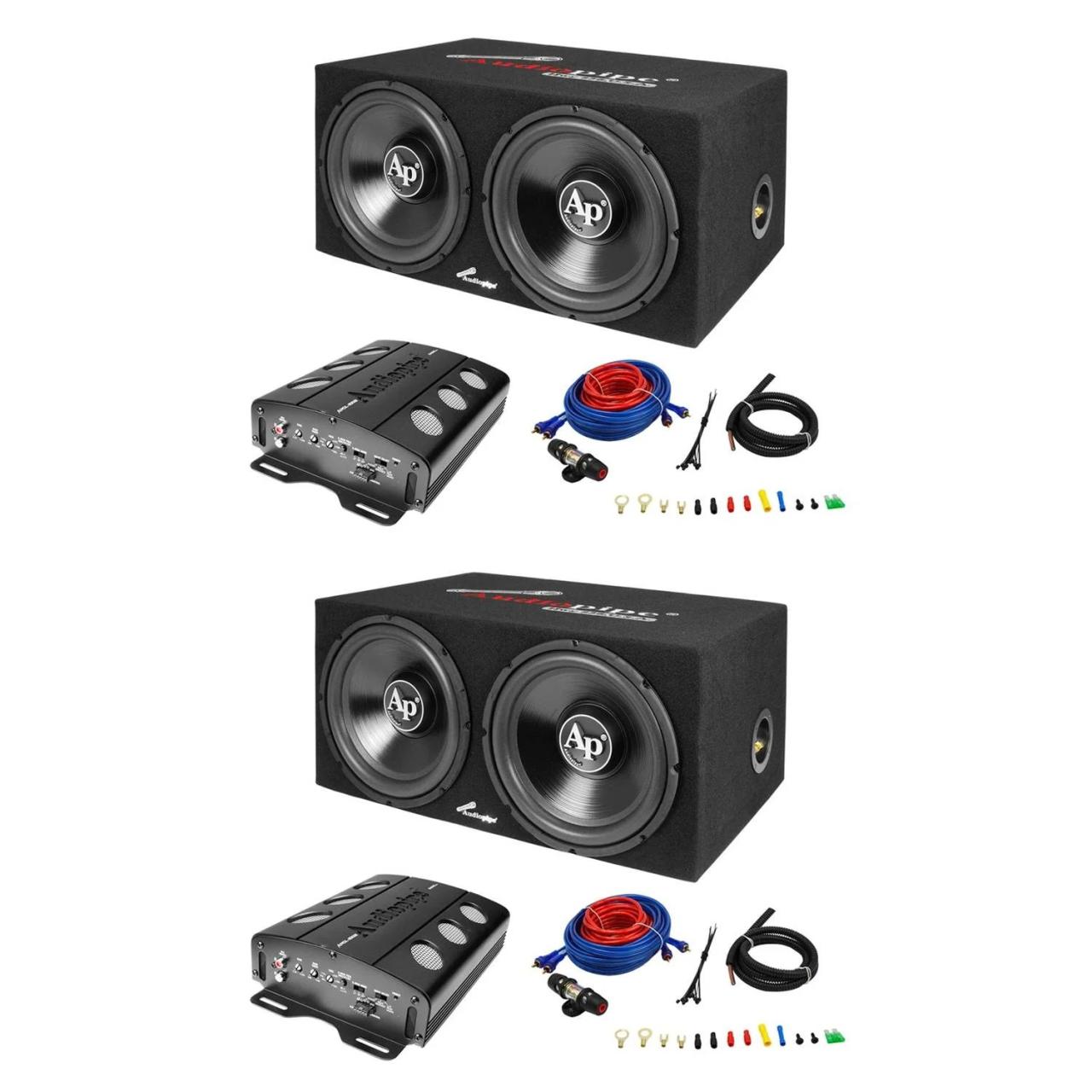
The performance of a wired subwoofer is heavily influenced by the acoustics of the room in which it is placed. Understanding how various factors such as room size, shape, and treatment can impact bass response is essential for achieving optimal sound quality. This section delves into the relationship between room acoustics and subwoofer performance, providing insights and strategies for enhancement.
Room size and shape significantly affect the bass response of a wired subwoofer. Larger rooms generally allow for the development of deeper bass frequencies, whereas smaller rooms can create challenges such as bass cancellation or reinforcement. Irregularly shaped rooms may also introduce standing waves, which can distort bass frequencies. The interaction between sound waves and room dimensions means that placement and positioning are crucial.
Room Dimensions and Bass Response
The dimensions of a room play a key role in determining how sound waves propagate and interact with the environment. A few key points to consider include:
- Room Size: Larger rooms can provide improved bass extension, allowing for a fuller and richer sound. However, in very large spaces, subwoofers may struggle to fill the room evenly.
- Room Shape: Rectangular rooms tend to exhibit better bass response compared to square rooms. The corners of a square room can trap sound waves, leading to uneven bass distribution.
- Ceiling Height: Higher ceilings can enhance bass response since they provide more space for sound waves to move. Conversely, low ceilings can cause bass to sound boomy or muffled.
The importance of soundproofing and acoustic treatment cannot be understated when optimizing subwoofer performance. Soundproofing involves insulating the walls, ceiling, and floor to minimize sound leakage, while acoustic treatment focuses on managing reflections and absorptions within the space.
Acoustic Treatment Strategies
To enhance the performance of a wired subwoofer, implementing acoustic treatments can be highly beneficial. Effective strategies include:
- Absorptive Materials: Use materials like bass traps, foam panels, or heavy curtains to absorb excess bass frequencies and reduce echo, leading to a clearer sound.
- Diffusion: Incorporate diffusers to scatter sound waves evenly throughout the room, preventing the formation of standing waves that can muddy bass response.
- Positioning and Placement Techniques: Experiment with different placements of the subwoofer, such as near walls or corners, to find the optimal location for bass reinforcement without causing excessive boominess.
The placement of a subwoofer can greatly influence its performance. Key considerations in positioning the subwoofer include:
Positioning Strategies
The positioning of a wired subwoofer within a room plays a critical role in how effectively it can reproduce bass frequencies. For optimal performance, consider the following strategies:
- Corner Placement: Placing the subwoofer in a corner can enhance bass output due to boundary reinforcement, but may lead to excessive low-frequency buildup.
- Distance from Walls: Positioning the subwoofer at least a few inches away from walls can help reduce unwanted reflections that can muddle bass clarity.
- Listening Position: Conduct a subwoofer crawl by placing the subwoofer at the listening position and moving around the room to identify the best location for bass response.
By carefully considering room acoustics, soundproofing, and subwoofer placement, users can significantly improve the performance of their wired subwoofers, resulting in a more immersive listening experience.
Advanced Features of Modern Wired Subwoofers
The landscape of wired subwoofers has evolved significantly over recent years, incorporating a range of advanced features that enhance sound quality and user experience. These innovations not only improve the overall audio performance but also provide users with a customizable listening experience that adapts to their specific preferences. The integration of cutting-edge technologies has made contemporary wired subwoofers a vital component in high-fidelity audio systems.
Modern wired subwoofers are now equipped with a variety of innovative technologies that cater to audiophiles and casual listeners alike. Features like phase control and variable crossover frequency play a crucial role in optimizing sound output and ensuring a balanced audio experience across different frequency ranges. These enhancements contribute to a more immersive listening environment, making it easier to appreciate the nuances in music and movie soundtracks.
Innovative Technologies in Contemporary Wired Subwoofers
The implementation of several advanced technologies in wired subwoofers significantly influences their performance. Here are some of the key features:
- Phase Control: This feature allows users to adjust the timing of the subwoofer’s output relative to the main speakers. Proper phase alignment can minimize sound cancellations, resulting in a more coherent and powerful bass response.
Phase control enhances the integration between subwoofers and other speakers, preventing audio discrepancies.
- Variable Crossover Frequency: This allows users to set the frequency at which the subwoofer starts to produce sound. By fine-tuning crossover settings, listeners can achieve a seamless blend between subwoofer and satellite speakers, enhancing overall sound quality.
- Room Calibration Technology: Many modern subwoofers come with built-in calibration systems that analyze room acoustics and adjust settings automatically. This ensures optimal performance regardless of the listening environment.
- Smart Connectivity: Subwoofers now often support wireless streaming and integration with smart home devices, enabling users to control settings via mobile apps or voice-activated assistants.
Impact of Features on Sound Quality
The features mentioned above have a profound impact on sound quality. By utilizing phase control, listeners can experience an enhanced cohesiveness in audio playback. For example, if a subwoofer is out of phase with the main speakers, it can lead to a hollow sound. When phase control is engaged, this effect is mitigated, resulting in richer bass.
Variable crossover frequency further contributes to audio clarity. If set incorrectly, the transition between frequencies can become jarring, disrupting the listening experience. By adjusting the crossover point, listeners can ensure that bass frequencies are properly directed to the subwoofer, while higher frequencies are handled by the main speakers. This results in a smoother, more natural sound across the entire audio spectrum.
Comparative Overview of Entry-Level versus High-End Wired Subwoofers
When comparing entry-level wired subwoofers to high-end models, several differences in features and performance capabilities emerge. Entry-level options typically offer basic functionalities, while high-end subwoofers provide a suite of advanced features that greatly enhance audio performance.
- Entry-Level Subwoofers: These models generally come equipped with standard functionalities such as fixed crossover settings and basic power handling capabilities. They are ideal for casual listeners who seek an improved bass response without the need for extensive customization.
- High-End Subwoofers: In contrast, high-end models boast features such as digital signal processing, multiple phase adjustments, advanced room calibration, and customizable crossovers. These subwoofers are designed for audiophiles who demand the utmost precision and clarity in their audio experience.
The investment in high-end wired subwoofers often translates to a noticeable improvement in sound quality, offering deeper bass and clearer audio reproduction. For instance, a high-end model might utilize a dual driver setup, capable of producing frequencies as low as 20 Hz, which is essential for an immersive home theater experience.
In summary, the advanced features of modern wired subwoofers significantly enhance their performance, providing users with the ability to tailor their listening experience. Whether for casual use or high-fidelity audio, these innovations have made wired subwoofers more versatile and effective than ever before.
Maintenance Tips for Prolonging the Life of Your Wired Subwoofer
Maintaining your wired subwoofer is essential to ensure it performs optimally and lasts for years. Proper care not only enhances sound quality but also prevents costly repairs. By following a few simple maintenance tips, you can keep your subwoofer in excellent condition.
Regular maintenance is important for identifying issues early and preventing long-term damage. Here’s a comprehensive checklist along with signs that your subwoofer may need servicing or repair, as well as tips for cleaning and care.
Maintenance Checklist for Wired Subwoofers
To keep your wired subwoofer running smoothly, consider this maintenance checklist. Regularly reviewing these items can help you catch any potential issues before they escalate.
- Inspect the power and audio cables for wear or damage.
- Check speaker connections to ensure they are secure and free of corrosion.
- Verify that the subwoofer is placed in an ideal location, away from direct sunlight and moisture.
- Clean dust and debris from the speaker grill and vents regularly.
- Test the subwoofer settings on your audio receiver to ensure they are calibrated correctly.
- Monitor for any unusual noises or distortion during playback.
Signs Indicating Service or Repair is Needed
Recognizing when your subwoofer needs professional attention can save you from further damage and costly repairs. Here are some signs that indicate it may be time for servicing:
- Distorted sound or buzzing noises during playback.
- Unresponsive controls or remote functions.
- Overheating during use.
- Unusual smells, such as burning or electrical odors.
- Physical damage, such as cracks or dents in the enclosure.
Cleaning and Care Tips for Longevity
Keeping your wired subwoofer clean and well-maintained is crucial for its longevity. Here are some effective tips to ensure your subwoofer remains in peak condition:
- Use a soft, dry cloth to wipe the surface of the subwoofer regularly.
- Avoid using harsh chemicals or abrasive materials that can scratch or damage the finish.
- Keep the subwoofer in a dry environment; excessive moisture can cause internal damage.
- Occasionally vacuum the area around the subwoofer to prevent dust accumulation.
- Store the remote control and other accessories in a safe place to prevent loss or damage.
“Regular maintenance and timely servicing can significantly extend the life of your wired subwoofer, ensuring you enjoy high-quality sound for years to come.”
Epilogue
In summary, wired subwoofers offer superior sound quality and reliability, making them an excellent investment for any audio enthusiast. With proper installation and maintenance, they can significantly enhance your listening experience, allowing you to enjoy music and movies like never before.
Questions Often Asked
What is the ideal placement for a wired subwoofer?
For optimal performance, place your subwoofer in a corner or along a wall to boost bass response, but be sure to test different locations to find the best sound for your space.
Can a wired subwoofer work with wireless systems?
While wired subwoofers are designed for wired connections, you can use adapters to connect them to wireless systems, but this may introduce latency and affect performance.
How do I know if my wired subwoofer needs servicing?
Common signs include unusual noises (like humming or buzzing), a lack of sound output, or distorted sound quality, indicating that maintenance may be required.
What type of amplifier is best for a wired subwoofer?
A dedicated subwoofer amplifier is ideal, as it’s designed to handle the specific power needs and impedance of subwoofers, ensuring better sound quality and reliability.
Do wired subwoofers require special cables?
Using high-quality speaker wire is recommended to ensure minimal signal loss and optimal audio performance. Typically, 14 to 16-gauge wire is suitable for most setups.