
 Zoe Nora
Voice assistant speaker technology has transformed the way we interact with our homes and digital devices. These innovative gadgets utilize advanced mechanisms of voice recognition and natural language processing to understand and respond to our commands, making daily tasks simpler and more efficient.
Over the past decade, voice assistant speakers have evolved significantly, gaining popularity due to their ease of use and integration with smart home systems. From playing music to controlling lighting, they are becoming essential tools in modern households, blending seamlessly into our routines and enhancing our quality of life.
Voice Assistant Speaker Technology Overview
Voice assistant speakers have revolutionized the way we interact with technology in recent years. These devices utilize advanced technologies to facilitate seamless communication between humans and machines, enabling hands-free control and intelligent responses to user queries. At their core, voice assistant speakers blend sophisticated hardware with complex software algorithms to provide an intuitive user experience that can adapt to individual preferences and contexts.
The mechanisms underpinning voice recognition and natural language processing (NLP) are crucial for the functionality of these devices. Voice recognition technology relies on acoustic models to convert spoken language into text, using algorithms that analyze sound waves. It starts with capturing audio input through an array of microphones designed to filter out background noise and focus on the user’s voice. This audio is then processed through a series of steps, including feature extraction, where the system identifies important characteristics of the speech, such as pitch and tone.
Once the audio has been digitized, it enters the realm of natural language processing. NLP is instrumental in interpreting the meaning behind the recognized words. This process involves several layers, including syntactic analysis to decipher sentence structure and semantic analysis to understand context. Advanced NLP leverages machine learning algorithms that have been trained on vast datasets, allowing the system to learn from user interactions and improve over time. The culmination of voice recognition and NLP is the generation of responses, often powered by text-to-speech (TTS) systems, which convert the processed information back into spoken words.
Over the past decade, voice assistant speakers have evolved significantly. Initially, devices like Amazon Echo and Google Home introduced the concept of voice-activated assistance to mainstream consumers. Early iterations primarily focused on basic tasks such as setting alarms or playing music. However, advancements in AI and machine learning have led to the development of more sophisticated systems capable of executing complex commands, controlling smart home devices, and providing personalized recommendations based on user preferences.
The significance of voice assistant speakers in modern technology cannot be overstated. They represent a shift towards more intuitive and accessible interfaces, allowing users to interact with technology in a more natural manner. The integration of these speakers into everyday life highlights their utility across various sectors, from home automation to customer service, showcasing their adaptability and wide-ranging applications. In essence, voice assistant speakers epitomize the convergence of artificial intelligence, machine learning, and user-centric design, making them a cornerstone of contemporary technology.
Popular Voice Assistant Speakers in the Market
Voice assistant speakers have revolutionized the way we interact with technology in our homes. They provide hands-free convenience, smart home integration, and access to a plethora of information and entertainment. With a variety of options available, choosing the right speaker can be overwhelming. This discussion highlights five of the leading voice assistant speakers available on the market today, detailing their features, specifications, and pricing to help consumers make informed decisions.
Leading Voice Assistant Speakers
The following speakers stand out due to their unique features, user experiences, and overall performance. Analyzing these models will provide insights into what consumers value most in their voice assistant devices.
-
Amazon Echo (4th Gen)
The Amazon Echo (4th Gen) features a spherical design that fits seamlessly into any modern décor. It is powered by Alexa, boasting superior sound quality with a 3-inch woofer and dual-firing tweeters. Additionally, it functions as a hub for smart home devices, allowing users to control their home environment effortlessly.
Users appreciate its rich sound and wide range of compatible smart home devices.
Price: $99.99
-
Google Nest Audio
The Google Nest Audio offers a sleek design and powerful audio performance. With Google Assistant at its core, it allows for easy access to Google services and smart home controls. The speaker’s Adaptive Sound feature automatically adjusts volume based on the room’s acoustics, providing an optimal listening experience.
Consumers rave about the speaker’s crisp audio quality and seamless interaction with Google services.
Price: $99.00
-
Apple HomePod mini
Apple’s HomePod mini delivers rich, high-fidelity audio in a compact design, powered by Siri. It features an intercom function and connects smoothly with other Apple devices, making it ideal for users within the Apple ecosystem. The speaker also prioritizes privacy and security, a hallmark of Apple products.
Users favor the HomePod mini for its sound quality and seamless integration with Apple services.
Price: $99.00
-
Sonos One
The Sonos One combines voice control with incredible sound quality. Compatible with both Amazon Alexa and Google Assistant, it offers flexibility for users. The device stands out with its ability to connect with other Sonos speakers, creating a multi-room audio experience.
Feedback often highlights its superior sound quality and build, though it comes at a higher price point.
Price: $199.00
-
JBL Link Portable
The JBL Link Portable is a versatile choice, offering portability with its built-in battery while delivering robust sound. Equipped with Google Assistant, it allows users to take it on the go without sacrificing features. Its waterproof design makes it ideal for outdoor use.
Consumers love its portability and sound quality, particularly for outdoor gatherings.
Price: $149.95
User reviews and feedback on these models reveal distinct consumer preferences, with sound quality, smart home integration, and design being critical factors. Understanding these aspects aids potential buyers in selecting the speaker that best suits their needs.
The Role of Voice Assistant Speakers in Smart Homes
Voice assistant speakers have emerged as pivotal components in modern smart homes, seamlessly integrating with various devices to create a cohesive and automated living environment. These speakers not only serve as hubs for voice interaction but also enhance the functionality of numerous smart home devices, making daily life more convenient and efficient.
The integration of voice assistant speakers with other smart home devices facilitates a streamlined approach to home automation. By utilizing voice commands, users can control lighting, temperature, security systems, and more, all from a central device. This synergy allows for a more intuitive and simplified way to manage household tasks without the need for multiple remote controls or apps.
Smart Home Devices Compatible with Voice Assistants
A variety of smart home devices work in harmony with voice assistant speakers, extending their capabilities and making home automation more accessible. Here are some examples:
- Smart Lights: Devices like Philips Hue and LIFX can be easily controlled through voice commands, allowing users to adjust brightness, change colors, or set lighting schedules effortlessly.
- Smart Thermostats: Nest and Ecobee thermostats enable users to manage home temperatures via their voice assistants, optimizing energy efficiency and comfort by simply saying, “Set the living room temperature to 72 degrees.”
- Smart Locks: Brands such as August and Schlage provide smart locks that can be locked or unlocked through voice commands, enhancing home security and convenience.
- Smart Plugs: Devices like TP-Link Kasa Smart Plugs allow users to control appliances remotely, making it easy to turn devices on or off with a simple voice command.
- Smart Security Cameras: Cameras from Ring and Arlo can be monitored or controlled through voice assistants, enabling users to check on their homes hands-free.
The advantages of using voice assistant speakers extend beyond convenience. They promote efficiency and save time by enabling users to multitask while managing household tasks. For instance, setting reminders or managing grocery lists can be done while cooking, without having to stop and type on a phone or tablet.
“Voice assistants transform mundane tasks into effortless actions, creating a more connected and responsive home environment.”
In addition, voice assistant speakers can facilitate routines that enhance daily living. For example, a morning routine can be programmed to gradually turn on lights, start the coffee maker, and read out the day’s weather, all triggered by a single voice command. This level of automation not only improves comfort but also supports energy savings by efficiently managing devices according to user preferences.
Overall, the role of voice assistant speakers in smart homes is integral to creating a more automated, user-friendly environment that elevates the everyday living experience.
Security and Privacy Concerns with Voice Assistant Speakers
Voice assistant speakers have revolutionized the way we interact with technology in our homes, offering convenience and hands-free control over various smart devices. However, this convenience comes with significant security and privacy risks that cannot be overlooked. As these devices continuously listen for wake words and process voice commands, they raise concerns about unauthorized access to sensitive information and potential data breaches.
Manufacturers are increasingly aware of these risks and are taking steps to bolster user privacy and data security. These measures are crucial as they aim to build trust with consumers, ensuring that their interactions with voice assistants are secure. Companies are implementing advanced encryption technologies, regular software updates, and enhanced user controls to minimize vulnerabilities that could be exploited by malicious actors.
Potential Security Risks
Despite advancements in security measures, several potential risks are associated with voice assistant speakers. Understanding these risks is essential for users to make informed decisions about their use. The following points highlight key concerns:
-
Unauthorized access to personal data:
Voice assistant speakers can inadvertently capture sensitive information during conversations, which may be accessed by hackers or third parties if proper security measures are not in place.
-
Data storage vulnerabilities:
Many devices store user data, and if this data is not properly secured, it could be susceptible to breaches, leading to the exposure of private information.
-
Voice spoofing:
Attackers may attempt to mimic a user’s voice to gain access to voice-controlled accounts or services, posing a serious threat to privacy and security.
-
Malicious applications:
Installing third-party applications on voice assistants can introduce malware, which can compromise the device’s security and the confidentiality of user data.
Manufacturer Measures for User Privacy
To mitigate security risks, manufacturers are implementing various strategies aimed at enhancing user privacy. These initiatives focus on creating a safer environment for voice assistant users:
-
End-to-end encryption:
Many voice assistant brands now deploy encryption protocols to protect voice data during transmission, ensuring that sensitive information remains confidential.
-
Regular software updates:
Companies are committed to providing frequent updates that not only introduce new features but also address security vulnerabilities and bugs.
-
User control options:
Enhanced settings allow users to manage their privacy, such as disabling voice recording features or deleting stored voice data at any time.
-
Transparency reports:
Some manufacturers publish reports detailing their data handling practices, informing users about how their information is used and shared.
User Protection Strategies
Users play a vital role in safeguarding their information when using voice assistant speakers. To enhance security and ensure safe usage, users can adopt the following strategies:
-
Regularly review privacy settings:
Users should frequently check and adjust their privacy settings to ensure they are comfortable with the level of data sharing enabled.
-
Limit sensitive commands:
Avoid using voice assistants for tasks involving sensitive information, such as banking transactions or sharing personal details.
-
Secure home networks:
Ensuring that home Wi-Fi networks are secure with strong passwords and encryption can help prevent unauthorized access to voice assistant devices.
-
Be cautious with third-party integrations:
Users should be selective when adding third-party skills or applications to their voice assistants, as these may introduce security vulnerabilities.
Future Trends in Voice Assistant Speaker Development
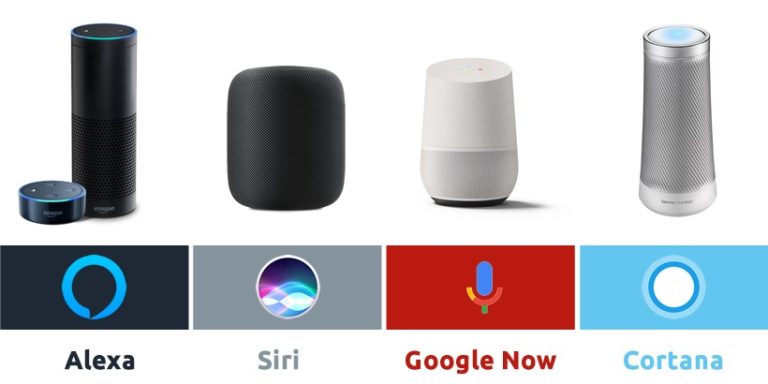
As voice assistant speakers continue to gain traction in households and offices worldwide, the technology behind these devices is rapidly evolving. The future of voice assistants holds exciting possibilities, driven by advancements in artificial intelligence (AI) and machine learning (ML). These developments are set to redefine the user experience, making interactions more intuitive and personalized.
Emerging trends in voice assistant speaker technology indicate a shift towards greater integration and smarter functionalities. Devices are becoming increasingly capable of understanding context, tone, and even emotional cues, which enhances their ability to serve diverse user needs. The convergence of voice technology with smart home devices, wearables, and other IoT ecosystems is expected to expand the utility of voice assistants beyond simple tasks.
Advancements in Artificial Intelligence and Machine Learning
The implications of AI and ML in voice assistant speakers are profound. These technologies enable devices to learn from user interactions, improving their responses and functionalities over time. The following aspects are crucial in understanding this evolution:
- Contextual Awareness: Future devices will increasingly leverage AI to understand the context of conversations, allowing for responses that take into account previous interactions and user preferences.
- Natural Language Processing: Enhanced NLP capabilities will make conversations feel more natural, enabling the devices to handle complex queries and multi-turn dialogues seamlessly.
- Personalization: Voice assistants will become more adept at recognizing individual users and tailoring responses based on unique preferences, habits, and histories.
- Proactive Assistance: With advanced predictive analytics, voice assistants may anticipate user needs and provide recommendations or reminders before being prompted.
The ongoing refinement of these AI capabilities is expected to yield a more engaging and user-friendly experience, ultimately driving wider adoption and integration into daily life.
Predictions for Evolving Consumer Needs
As consumer expectations shift, voice assistant speakers will need to adapt to meet new demands. Several predictions can be made regarding their evolution:
- Increased Multimodal Interactions: Future voice assistants are likely to incorporate visual elements, such as displays or augmented reality features, to complement audio interactions and provide richer content.
- Enhanced Security Features: As users become more concerned about privacy and data security, voice assistants will implement advanced authentication methods, such as biometric voice recognition.
- Integration with Health Monitoring: There is a growing expectation for voice assistants to help with health management, offering reminders for medication, tracking fitness goals, or even providing mental health support through conversational techniques.
- Sustainability and Energy Efficiency: With increasing awareness of environmental issues, consumers are likely to prefer voice assistants that can optimize energy consumption and promote sustainable practices.
These anticipated trends reflect a broader shift in how technology is perceived and utilized, indicating that voice assistants will develop into indispensable components of modern life, adapting to the changing landscape of user needs and preferences.
“The future of voice assistant technology is not just about voice; it’s about creating a cohesive ecosystem that enhances everyday life.”
The Impact of Voice Assistant Speakers on Daily Life

Voice assistant speakers have significantly altered the way we engage with technology in our daily routines. These devices, equipped with artificial intelligence, allow users to interact with various services and smart home functionalities through voice commands, making everyday tasks more intuitive and streamlined. As a result, the integration of voice assistants into our lives has led to a notable transformation in our habits and routines, enhancing convenience and efficiency.
The ability to perform tasks hands-free has revolutionized how users manage their time and responsibilities. From setting reminders to controlling smart home devices, voice assistant speakers have simplified various daily activities. Examples include:
- Setting alarms and timers while cooking, allowing users to focus on meal preparation without worrying about the clock.
- Controlling smart appliances such as lights, thermostats, and security systems effortlessly through voice commands, enhancing home automation.
- Accessing real-time information like weather updates or news briefings while getting ready in the morning, saving valuable time.
- Making hands-free phone calls or sending messages while driving, promoting safety and connectivity.
User Experiences with Voice Assistant Speakers
Numerous users have shared their positive experiences, highlighting the profound changes brought about by voice assistant speakers in their everyday lives. These anecdotes provide insight into the real-world impact of this technology.
“Since I got my voice assistant speaker, my mornings have become so much easier. I can ask it to turn on the coffee maker while I’m still getting dressed. It’s a game-changer!”
This transformation is evident in families as well. For instance, parents can multitask more effectively, helping children with homework while managing household tasks through simple voice commands.
“I can ask my assistant to play music while I cook dinner and even set reminders for my kids’ activities. It feels like I have an extra pair of hands!”
In a more professional context, individuals working from home have expressed how voice assistants have streamlined their workflow. By dictating notes and setting reminders, they can maintain productivity without the distractions of manual input.
“My voice assistant helps me stay organized. I can manage my schedule with just my voice, which keeps me focused on my work.”
Overall, the integration of voice assistant speakers in daily life serves to enhance not only convenience but also the overall quality of life for many users.
Last Word
In summary, voice assistant speakers are not just a technological trend; they are a glimpse into the future of home automation and personal convenience. As we continue to embrace this technology, we can expect further innovations that will shape our interactions with our environments and elevate our daily experiences.
Common Queries
What are the main functions of a voice assistant speaker?
Voice assistant speakers can play music, answer questions, control smart home devices, set reminders, and more, all through voice commands.
Can voice assistant speakers work offline?
Most voice assistant speakers require an internet connection to function effectively, as they rely on cloud-based services for processing commands.
How do voice assistant speakers recognize different accents?
They use machine learning algorithms trained on diverse speech patterns to improve accuracy in recognizing various accents and dialects.
Are voice assistant speakers secure?
While they have security measures in place, there are potential risks. Users should regularly update their devices and review privacy settings to enhance security.
Can multiple users interact with the same voice assistant speaker?
Yes, many voice assistant speakers can recognize different voices and provide personalized experiences based on the user’s voice profile.