
 Zoe Nora
Surround sound has revolutionized the way we experience audio, transforming our living rooms into immersive theaters that captivate our senses. The journey of surround sound technology is a fascinating tale of innovation and artistry, leading us from the early days of mono sound to the rich, multi-dimensional audio experiences we enjoy today. As we dive deeper into the world of surround sound, we’ll explore its evolution, various formats, and the impact it has on our media consumption.
The evolution of surround sound has been marked by significant technological advancements, with each new development contributing to a richer auditory experience. From the introduction of stereo sound to the cutting-edge formats available today, such as Dolby Atmos and DTS:X, understanding this progression is essential for audio enthusiasts and casual listeners alike. We’ll also look at how speaker placement and calibration play crucial roles in delivering the full potential of surround sound in different environments.
The Evolution of Surround Sound Technology is a critical aspect to understand in today’s audio landscape.
Surround sound technology has significantly transformed how we experience audio, especially in the realms of cinema and home entertainment. From its early beginnings to its current state, the evolution of this technology reflects both advancements in engineering and a deeper understanding of auditory perception. This journey showcases the progression from simple stereo sound to complex audio systems that create immersive environments, enhancing the overall user experience.
The historical development of surround sound can be traced back to the introduction of stereo sound in the 1930s. The first notable attempt at surround sound was made in 1940 with the film “Fantasia,” which utilized a system called Fantasound. This innovation aimed to immerse viewers by placing sound in multiple locations around the theater. However, it wasn’t until the late 1970s and early 1980s that the groundwork for modern surround sound systems was laid with the introduction of Dolby Stereo. This format was pivotal in allowing films to utilize multiple channels of audio, leading to a more captivating viewing experience.
Technological Advancements in Surround Sound Systems
The evolution of surround sound technology has been marked by key milestones that have influenced both professional and home entertainment systems. These advancements have shaped how audio is produced and consumed, creating a rich landscape of options for the audiophile and casual listener alike. Some of the most significant technological advancements include:
- Dolby Digital (1992): This breakthrough allowed for five channels of audio (left, center, right, left surround, and right surround) plus a low-frequency effects channel, significantly enhancing the cinematic experience.
- DTS (Digital Theater Systems, 1993): Competing with Dolby, DTS offered a similar multi-channel audio format that became popular in theaters, ultimately leading to its adoption in home systems.
- DVD and Blu-ray Formats: The introduction of these formats in the late 1990s and early 2000s brought high-quality audio and video to home entertainment, facilitating the widespread adoption of surround sound systems.
- Atmos Technology (2012): Dolby Atmos introduced the concept of object-based audio, allowing sounds to be treated as individual entities that can move freely in a three-dimensional space, further blurring the lines between reality and the cinematic experience.
- Wireless Surround Sound Systems: The advancement of wireless technology has allowed for the creation of compact surround sound systems that can be installed easily, providing flexibility for users without compromising on audio quality.
These milestones illustrate how surround sound technology has advanced from basic multi-channel systems to sophisticated audio experiences that can replicate real-world environments. The impact of these developments is evident in both commercial cinema and home theaters, where immersive sound has become a standard expectation. As technology continues to evolve, the future of surround sound promises even more innovations that will further enhance how we connect with audio environments, making them increasingly realistic and engaging.
Various Formats of Surround Sound Available in the Market serves to educate consumers.
Many consumers are looking to enhance their audio experience, and choosing the right surround sound format can be crucial. Surround sound technology has evolved significantly over the past few years, offering various formats that cater to different needs and preferences. Some of the most popular formats include Dolby Atmos, DTS:X, and Auro-3D. Understanding these formats will help consumers make informed decisions when upgrading their home theater systems.
Dolby Atmos is perhaps the most recognized surround sound format available today. It utilizes object-based audio, allowing sound designers to position sounds in a three-dimensional space, creating a more immersive experience. This technology is compatible with a range of devices, including soundbars, home theater systems, and even mobile devices. Dolby Atmos also supports a variety of content, including movies, music, and video games, making it a versatile choice for entertainment.
DTS:X is another advanced audio format that offers similar object-based audio capabilities as Dolby Atmos. One of its strong points is its flexibility; it does not require specific speaker layouts, allowing users to set up their audio systems according to their preferences. DTS:X can also adapt to the acoustics of a room, providing an optimized listening experience. This format is compatible with many home theater receivers and sound systems, further expanding its appeal.
Auro-3D distinguishes itself by focusing on a three-layered audio experience: the traditional surround sound layer, a height layer for overhead sound, and a top layer for immersive audio effects. While it may not be as widely adopted as Dolby Atmos or DTS:X, Auro-3D is recognized for its high-quality audio reproduction, especially in cinematic applications. Auro-3D systems generally require specific hardware and setup, which might limit its accessibility for some consumers.
To summarize the strengths and weaknesses of these surround sound formats, the following comparative table illustrates their key features and compatibilities.
| Format | Strengths | Weaknesses | Device Compatibility |
|---|---|---|---|
| Dolby Atmos | Immersive sound experience, wide content support | Requires specific hardware for best results | Soundbars, AV receivers, mobile devices |
| DTS:X | Flexibility in sound placement, adapts to room acoustics | Less content availability compared to Dolby Atmos | Compatible with many home theater systems |
| Auro-3D | High-quality audio, focus on cinema | Limited hardware options, less widely adopted | Specialized audio systems |
The Role of Speakers and Placement in Creating an Immersive Experience is essential for optimal sound quality.

Creating a captivating surround sound experience hinges on the type and placement of speakers within a room. The technology behind audio reproduction is sophisticated, and choosing the right speakers is just as crucial as their arrangement. The correct setup can transport listeners into the heart of the action, whether they are watching a movie or listening to music.
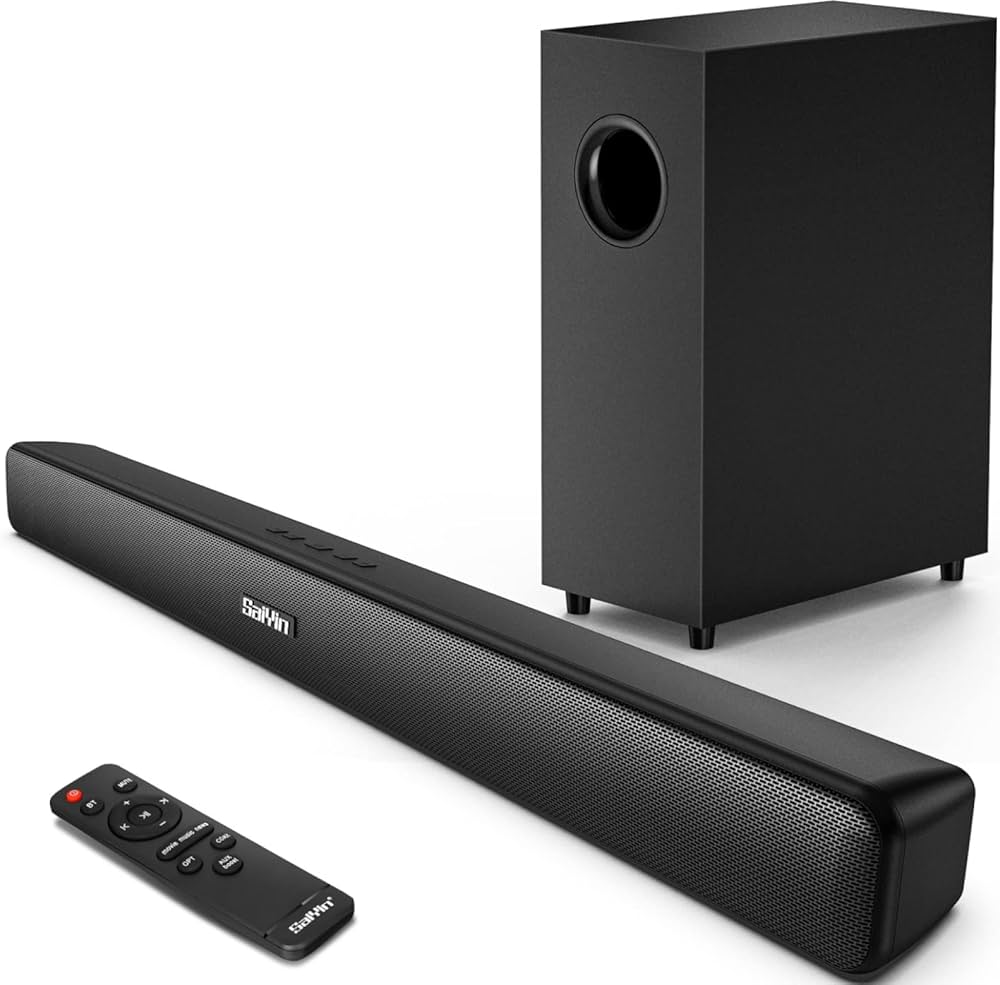
Different types of speakers are utilized in surround sound systems, each serving a unique purpose. Soundbars offer a compact solution, ideal for minimalistic setups while still providing a wide soundstage. Multi-speaker systems, comprising distinct surrounds, subwoofers, and floor-standing speakers, deliver a more dynamic and enveloping audio experience. These systems allow for precise placement of speakers to create sound channels that immerse the listener in every nuance of the audio landscape.
Significance of Speaker Placement and Room Acoustics on Sound Performance
Speaker placement and room acoustics play a pivotal role in the overall sound quality of a surround system. The way sound waves travel and interact with room surfaces greatly affects clarity and fidelity. Poor speaker placement can lead to uneven sound distribution, with certain areas becoming hotspots of sound while others remain muted. This inconsistency detracts from the immersive experience that surround sound strives to achieve.
Room acoustics also influence how sound reverberates, potentially causing echoes or muffled tones. For instance, rooms with hard surfaces like tile or hardwood may reflect sound waves, while those with carpets and drapes can absorb them, changing the audio dynamics.
To ensure optimal speaker arrangement and sound quality, consider the following tips tailored for various room sizes and layouts:
- In a small room, place the front speakers about 3-6 feet apart, with the subwoofer positioned in a corner for enhanced bass response.
- For medium-sized rooms, aim for a triangle formation where the distance between the speakers and the listener is equal, typically around 8-10 feet apart.
- In larger spaces, utilize a 5.1 or 7.1 setup, ensuring the back speakers are at ear level and spaced evenly to create a cohesive surround experience.
- Experiment with speaker angles; a 30-degree angle from the listening position often improves immersion.
- Adjust the subwoofer’s placement based on trial and error, as its position can dramatically change bass performance; consider the “subwoofer crawl” technique to find the ideal spot.
By strategically considering both speaker types and their placement in relation to room acoustics, one can significantly enhance the surround sound experience, making it more engaging and true to the intended audio design.
Surround Sound in Different Media Formats highlights its versatility and application.
Surround sound technology has transformed the way we experience audio across various media formats, bringing an immersive quality that captivates audiences and players alike. From films and video games to music, surround sound enhances the auditory experience by creating a three-dimensional sound environment that makes the listener feel as though they are part of the action. This technology has become a staple in modern media, providing depth and realism that traditional stereo sound simply cannot match.
The impact of surround sound on viewer and player experiences is profound, fundamentally altering how content is consumed and appreciated. In film, surround sound allows directors to craft intricate soundscapes that complement the visual storytelling. For example, sound effects can come from specific directions, enhancing the realism of scenes and drawing viewers deeper into the narrative. Similarly, in video games, surround sound creates an engaging atmosphere, helping players to navigate their environments and react to in-game cues effectively. The ability to hear enemies approaching from behind or to sense the location of important events adds an element of strategy and excitement that enhances gameplay.
Examples of Films and Games Utilizing Surround Sound
Numerous films and video games exemplify the effectiveness of surround sound technology. The application of this technology not only enhances the overall experience but also showcases its versatility across different formats.
In cinema, films like “Dunkirk” and “Gravity” utilize surround sound to create a sense of immersion that is vital to their storytelling. “Dunkirk,” with its intense aerial dogfights and the chaos of war, employs a sophisticated sound design that places the audience amidst the action, making them feel the tension and urgency of the narrative. Similarly, “Gravity” uses surround sound to evoke the vastness of space, with sounds coming from all directions, increasing the audience’s sense of isolation and vulnerability.
In the realm of video games, titles such as “The Last of Us Part II” and “Battlefield V” leverage surround sound to enhance player engagement. “The Last of Us Part II” features a deeply immersive environment where players can hear the subtle sounds of nature, as well as the movements of characters around them, allowing for strategic gameplay that relies heavily on audio cues. “Battlefield V” amplifies the chaos of warfare, with sounds of gunfire, explosions, and distant artillery coming from different directions, creating a realistic battlefield experience that is thrilling and intense.
In the music industry, surround sound has also made significant strides, with artists like Pink Floyd and Radiohead producing albums mixed in immersive formats. These albums create rich sonic environments that allow listeners to experience music in an entirely new way, pushing the boundaries of traditional listening experiences.
Surround sound technology is not merely an enhancement; it is a transformative element that redefines our interaction with media.
The Future Trends in Surround Sound Technology that enthusiasts should keep an eye on.
As technology continues to advance at a rapid pace, the landscape of surround sound audio is evolving significantly. Enthusiasts should be aware of upcoming trends that promise to reshape audio experiences, making them more immersive and user-friendly. With an increasing focus on enhancing sound quality and interaction, the future of surround sound technology looks promising, driven by innovative breakthroughs and a growing understanding of audio perception.
The integration of artificial intelligence (AI) and machine learning (ML) into audio technologies is set to revolutionize the way we experience sound. These technologies can analyze listener preferences and adapt audio playback in real-time, resulting in a highly personalized experience. For instance, machine learning algorithms can process vast amounts of data to identify optimal sound settings based on room acoustics, listener location, and even individual hearing profiles. This means future surround sound systems could automatically adjust parameters such as speaker output, equalization, and sound placement to create an ideal listening environment tailored to the user.
Additionally, AI can enhance the creation of immersive audio experiences by simulating realistic soundscapes. This involves spatial audio techniques that position sounds in three-dimensional space, allowing users to perceive audio as if it were coming from specific directions. Innovations like Dolby Atmos already employ this technology to provide depth and dimension to soundtracks, but future advancements may leverage AI to generate dynamic audio that reacts in real-time to user interactions or changes in the environment.
As we look ahead, several anticipated features are likely to define future surround sound systems:
Anticipated Features in Future Surround Sound Systems
Considering the rapid changes in audio technology, it’s clear that upcoming surround sound systems will encompass a range of innovative features designed to enhance user experience. Here are some of the most exciting developments to keep an eye on:
- Adaptive Sound Optimization: Systems will utilize AI to automatically adjust sound profiles based on the unique acoustics of a room.
- Personalized Audio Profiles: Listeners will be able to create profiles that cater to their individual hearing preferences and styles.
- Enhanced Spatial Audio Rendering: Advanced algorithms will provide greater accuracy in sound placement, creating a more immersive listening experience.
- Multi-Device Connectivity: Future systems will seamlessly integrate with multiple devices, allowing users to experience surround sound across different platforms.
- Voice Control and Smart Home Integration: Audio systems will feature advanced voice recognition capabilities, enabling hands-free control and interconnectivity with smart home devices.
- Real-time Sound Tracking: Utilizing sensors and AI, systems will adjust audio dynamically based on listener movements within the space.
These features not only promise enhanced sound quality but also aim to make the listening experience more intuitive and engaging. The synergy between AI and audio technology will likely lead to breakthroughs that transform our relationship with sound, making it an even more integral part of our everyday lives.
The Importance of Calibration and Setup for Optimal Surround Sound Experience is often overlooked.
Proper calibration and setup of a surround sound system can significantly enhance the audio experience, yet many users fail to recognize its importance. A well-calibrated system ensures that sounds are delivered accurately, providing an immersive experience akin to a movie theater. It’s not just about having the right equipment; the way it is set up and adjusted to the environment plays a crucial role in sound quality.
The process of calibrating surround sound systems involves a few key steps that adjust the system to suit the acoustics of the room. Each environment can affect sound differently, so it’s essential to tailor settings accordingly. This includes considering factors such as room size, wall materials, and furniture placement. Proper calibration helps mitigate issues like sound reflections and echoes, leading to a clearer and more balanced audio experience.
Calibration Tools and Methods for Surround Sound
To achieve accurate sound settings, various tools and methods are available. Utilizing sound level meters, calibration microphones, and software can significantly aid in the calibration process. Here’s an overview of the tools and some effective methods:
1. Sound Level Meter: This device measures sound levels at different frequencies, helping to identify inconsistencies in audio output across the listening area.
2. Calibration Microphones: Often included with receivers, these microphones analyze the audio output from each speaker to ensure they are balanced according to the room’s acoustics.
3. Room Correction Software: Many modern receivers come equipped with built-in software that automatically calibrates the system based on the room’s unique characteristics. Examples include Audyssey and Dirac Live.
For an effective setup, follow this structured step-by-step guide:
1. Speaker Placement:
– Position the front speakers at ear level, ideally 22 to 30 degrees from the listening position.
– Place surround speakers slightly above ear level and at an angle of around 90-110 degrees from the listening position.
– The subwoofer can be positioned anywhere in the room, but testing different locations can yield better bass performance.
2. Connect All Components:
– Ensure that all speakers, the receiver, and the source devices (like Blu-ray players or gaming consoles) are connected properly.
3. Run Automated Calibration:
– Use the calibration microphone and the receiver’s automatic setup feature to analyze the room and adjust settings accordingly.
4. Manual Adjustments:
– After the automated calibration, fine-tune levels and distances manually to suit personal preferences.
5. Final Testing:
– Play a variety of audio tracks and movies to ensure that all sounds are balanced and the surround effects are noticeable.
Utilizing these tools and following this structured approach ensures that your surround sound system provides the best possible listening experience, tailored specifically to your environment.
The Psychological Impact of Surround Sound on Listeners enhances the appreciation of audio experiences.
Surround sound technology has revolutionized the way audiences experience audio in various media, from films to video games. The immersive nature of surround sound creates a more engaging environment, allowing listeners to feel a deeper connection to the content. This emotional resonance can significantly enhance the overall appreciation of audio experiences, making them more memorable and impactful.
The science behind sound perception plays a crucial role in understanding the psychological effects of surround sound. Human hearing is not merely a physical process; it involves complex neurological mechanisms that interpret sound waves. When sound is produced in a surround format, it utilizes multiple channels, allowing audio to come from various directions. This mimics the way we naturally perceive sounds in our environment, enhancing spatial awareness and immersion. The brain processes these auditory signals, interpreting nuances that might be lost in traditional stereo sound. Research has shown that engaging multiple auditory pathways enhances emotional responses. For example, surround sound can make a viewer feel the tension and excitement of a film scene more acutely, leading to a heightened emotional experience.
Listener Immersion and Emotional Response
The differentiation between surround sound and stereo sound significantly impacts listener immersion and emotional responses. Studies indicate that audiences often prefer surround sound because it creates a fuller auditory landscape. This sense of immersion is not just about volume; it involves the intricate layering of sounds that envelops the listener. A well-crafted surround sound experience can transport listeners into the scene, making them feel as if they are part of the action. The psychological effects can be profound, leading to increased empathy and emotional involvement in the storyline.
For instance, a study conducted by researchers at the University of California demonstrated that participants watching a horror film with surround sound reported feeling more frightened and engaged compared to those watching the same film in stereo. The surround sound format heightened their alertness and awareness of the sound cues designed to elicit fear. This emotional arousal can be attributed to the brain’s response to realistic soundscapes that mirror real-life experiences.
Experiences from individuals further illustrate this point. A cinema-goer might recount how the sound of a plane flying overhead in a surround sound environment not only made the experience more thrilling but also stirred intense feelings of nostalgia associated with past adventures. Another anecdote from a gamer highlights how the immersive audio of footsteps and ambient noises in a surround sound setup heightened the thrill of gameplay, creating a genuine sense of danger and excitement that wasn’t achieved with stereo sound.
In essence, surround sound acts as a catalyst for emotional engagement, transforming passive listening into an active emotional experience. The impact of sound perception extends beyond mere enjoyment; it alters how we connect with audio-visual content, making it a powerful tool for storytelling in various media.
Conclusion
In conclusion, surround sound is more than just an audio format; it’s a powerful tool that enhances our emotional connection to the media we consume. By understanding its history, formats, and the science behind sound perception, we can appreciate the intricacies of audio technology that bring our favorite films, games, and music to life. As we look to the future, it’s clear that surround sound will continue to evolve, offering even more immersive experiences for generations to come.
Helpful Answers
What is surround sound?
Surround sound is an audio technology that creates an immersive listening experience by using multiple audio channels and speakers placed around the listener.
How many speakers are needed for surround sound?
Typically, a surround sound system consists of at least five speakers (5.1 system) and a subwoofer, but configurations can vary based on the format.
Do I need a special receiver for surround sound?
Yes, a compatible AV receiver is essential to decode surround sound formats and distribute audio to the appropriate speakers.
Can I use surround sound with headphones?
Yes, many headphones have virtual surround sound capabilities, allowing for an immersive experience even without physical speakers.
Is surround sound only for movies?
No, surround sound is used in various media, including video games, music, and live events, to enhance the overall audio experience.