
 Zoe Nora
Portable speakers have transformed the way we experience music, offering freedom and flexibility without compromising on sound quality. From backyard barbecues to beach outings, these devices have become essential companions for any music lover. As technology evolves, so do the features and capabilities of portable speakers, making them better than ever.
This journey into the realm of portable speakers delves into their historical evolution, the significance of battery life, sound quality, connectivity options, and design. With insights into both the current landscape and future trends, we’ll explore what makes these devices a must-have for modern consumers.
Understanding the Evolution of Portable Speakers
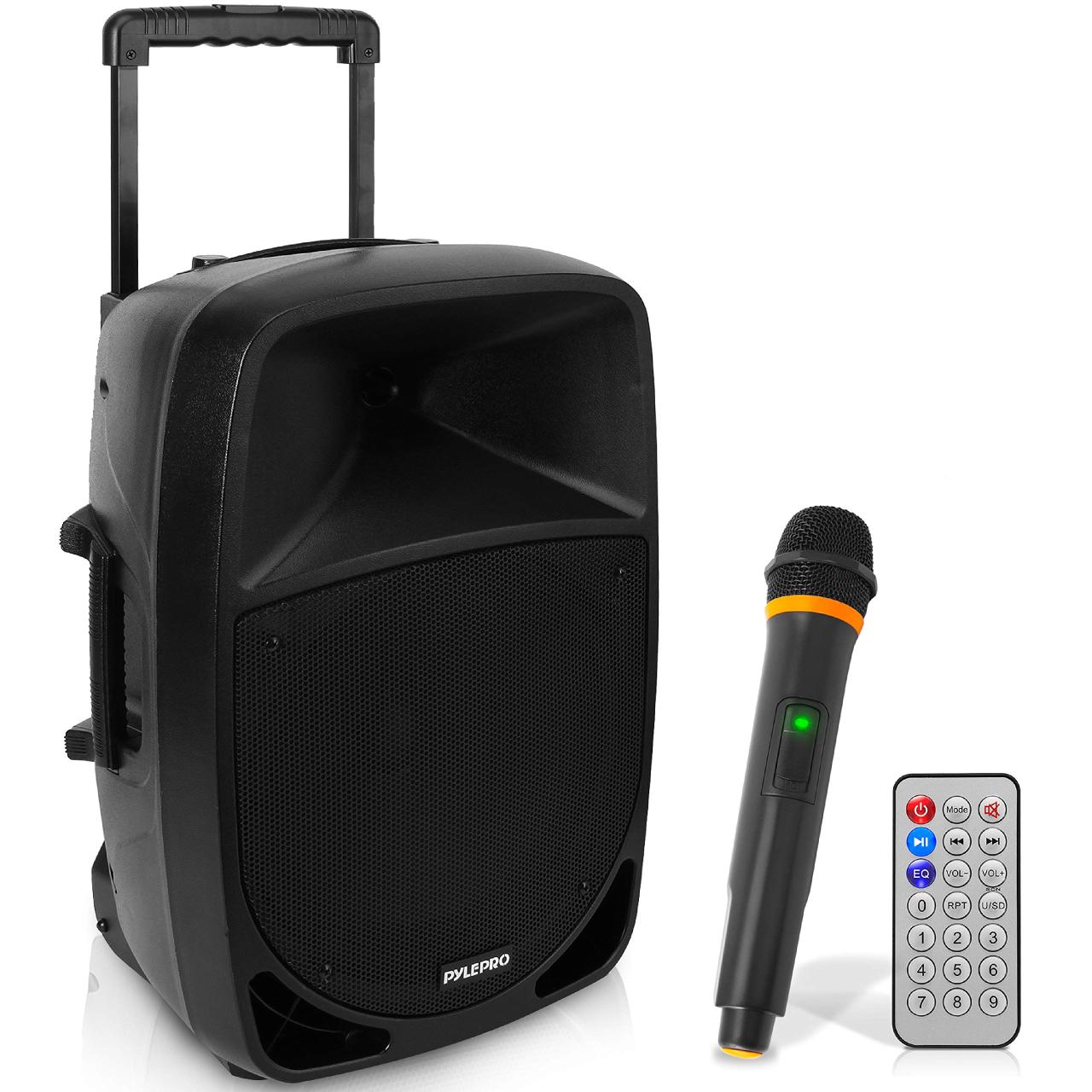
The journey of portable speakers has been remarkable, marked by various innovations that have transformed the way we experience sound on the go. From early attempts to amplify music without wires to modern high-fidelity devices, the evolution of portable speakers showcases a blend of creativity and technological advancement. This evolution reflects not only changes in consumer needs but also the rapid pace of technological development that has made quality audio more accessible than ever before.
Technological advancements have significantly improved both sound quality and portability in consumer devices. The introduction of Bluetooth technology revolutionized how speakers connect to devices, eliminating the need for cumbersome cables and allowing users to stream audio wirelessly. Additionally, advancements in battery technology have enabled longer playtimes and quicker charging, further enhancing the convenience of portable speakers. The sophistication of digital signal processing (DSP) has also played a critical role in improving sound quality, allowing for richer, clearer audio despite the compact size of these devices.
Key Historical Milestones in Portable Speaker Development
Understanding the evolution of portable speakers involves recognizing several key milestones that have defined their development over the years. These milestones highlight significant innovations that have influenced both design and functionality:
- 1960s-1970s: Introduction of Battery-Powered Speakers – The era saw the emergence of the first battery-powered portable speakers, primarily used for radios. These devices were bulky but allowed for mobile audio experiences.
- 1980s: The Boombox Phenomenon – The rise of the boombox represented a cultural milestone, bringing powerful sound to the streets. These devices combined cassette players with large speakers, making music portable and social.
- 2000s: The Digital Revolution – The advent of digital music players and later smartphones prompted the development of smaller, more efficient portable speakers. Bluetooth technology began to gain traction, changing how we connected to these devices.
- 2010s: Miniaturization and Smart Features – Portable speakers became more compact and stylish, with many brands introducing models that included smart features such as voice assistants and the ability to connect with other smart home devices.
- 2020s: High-Fidelity Wireless Sound – Today’s portable speakers boast advanced audio technologies including high-resolution audio, noise cancellation, and multi-room capabilities, providing an immersive listening experience comparable to traditional home audio systems.
Major brands have played a crucial role in shaping the landscape of portable speakers. Companies like Bose, JBL, and Sonos have consistently introduced innovative products that push the boundaries of sound quality and design. Bose’s SoundLink series, for example, is well-known for its rich sound and durable build, while JBL has become synonymous with vibrant, bass-heavy sound and rugged, outdoor-ready designs. Sonos has contributed significantly to the market with speaker systems that integrate seamlessly into smart homes, elevating the concept of portability to include versatility in home audio streaming. These brands exemplify how innovation drives the evolution of portable speakers, catering to the diverse needs of consumers while continuously enhancing audio experiences.
The Importance of Battery Life in Portable Speakers
In the realm of portable speakers, battery life stands as a critical factor influencing user satisfaction and overall performance. A speaker’s battery capacity directly correlates to how long it can provide uninterrupted sound, making it essential to understand the nuances of battery technology and its implications for daily use.
The battery capacity of portable speakers, typically measured in milliampere-hours (mAh), determines the duration of playback on a single charge. For instance, a speaker with a 5000 mAh battery may offer around 20 hours of playtime at moderate volume levels. However, actual usage often varies based on factors like volume level, audio content, and connectivity options. Users frequently find that while some models boast impressive battery life in specifications, real-world performance can differ significantly due to these variables.
Comparison of Battery Technologies in Portable Speakers
Different battery technologies each carry their own sets of advantages and disadvantages, impacting overall speaker performance. Key technologies include lithium-ion, lithium-polymer, and nickel-metal hydride (NiMH).
– Lithium-ion Batteries: These are the most common in portable speakers today due to their high energy density and lightweight nature.
– *Advantages*: Fast charging capabilities and minimal memory effect contribute to their popularity.
– *Disadvantages*: They have a limited lifespan and can degrade over time, especially if not properly managed.
– Lithium-Polymer Batteries: Similar to lithium-ion but typically lighter and can be molded into various shapes.
– *Advantages*: Flexible design allows for slimmer speaker profiles and reduced weight.
– *Disadvantages*: Generally cost more and can have slightly less power capacity compared to lithium-ion.
– Nickel-Metal Hydride (NiMH) Batteries: Once a common choice, these batteries are now less frequently found in high-end models due to technological advancements.
– *Advantages*: More environmentally friendly and provide reliable performance.
– *Disadvantages*: Heavier, with a lower energy density and a pronounced memory effect.
User experiences with battery performance often highlight the trade-off between size and battery life. For example, outdoor enthusiasts may prefer a bulkier speaker with a larger battery to ensure extended playtime during camping trips, while casual users might opt for a more compact, stylish model with potentially less battery life.
Performance in real-world scenarios can vary widely among different speakers. Users have reported that while some brands provide consistent, long-lasting playback, others might struggle to maintain battery efficiency under high-demand usage, such as at high volumes or when using additional features like Bluetooth or lights.
In summary, understanding battery life and the associated technologies is essential for consumers looking to maximize their portable speaker experience. The relationship between battery capacity and actual usage duration is pivotal, and the choice of battery technology can significantly impact performance and user satisfaction.
Exploring the Sound Quality of Portable Speakers
When it comes to portable speakers, sound quality is often the defining feature that influences a listener’s experience. The clarity, depth, and richness of audio can vary significantly based on several design factors and specifications. Understanding these elements can help consumers make informed choices when selecting a speaker that meets their audio needs.
Sound quality in portable speakers hinges on multiple factors, with driver size and design playing crucial roles. The drivers are essentially the components that produce sound, and their size can greatly impact the audio performance. Larger drivers typically generate more powerful and fuller sound, especially in the bass range. However, smaller drivers can still produce high-quality audio if designed well. Other design elements, such as the speaker’s enclosure, affect how sound resonates, often enhancing or muddling audio fidelity. It’s important to note that the materials used in the speaker components also contribute to the overall sound quality, influencing clarity, distortion levels, and the frequency response.
Price Range and Audio Fidelity
The correlation between price and sound quality in portable speakers is significant, as higher-end models usually incorporate superior technology and materials. This often results in enhanced audio fidelity. Understanding this relationship helps consumers appreciate the various options available at different price points.
– Budget Speakers: Typically retailing below $50, these models often sacrifice sound quality for affordability. While they can be suitable for casual listening, the audio fidelity may be limited in bass response and clarity. Examples include the Anker Soundcore mini and JBL GO.
– Mid-Range Speakers: Priced between $50 and $150, these speakers offer a marked improvement in sound quality. They often feature enhanced drivers, better sound processing technology, and improved materials. For instance, the Ultimate Ears Wonderboom 2 delivers good bass and a balanced sound profile, making it a favorite in this category.
– Premium Speakers: Ranging from $150 to $500, these portable speakers excel in audio fidelity, often using advanced driver technology and premium materials. For example, the Bose SoundLink Revolve+ offers 360-degree sound, deep bass, and rich audio clarity, making it a standout in the premium category.
Investing in higher-end portable speakers not only enhances the listening experience but also ensures durability and advanced features that elevate sound quality.
Examples of Exceptional Sound Quality
Several portable speakers are renowned for their exceptional sound quality, reflecting the culmination of thoughtful design and advanced technology. Analyzing their features provides insight into what makes them stand out.
– Sonos Roam: This speaker combines portability with impressive audio performance, featuring automatic Trueplay tuning that adapts the sound to the environment. Its balanced audio profile and robust bass response make it a top choice for audiophiles on the go.
– Bose SoundLink Flex: Known for its deep bass and clear treble, this portable speaker utilizes a unique acoustic design that maximizes sound output and minimizes distortion. Its rugged build and water resistance make it perfect for outdoor use without compromising sound quality.
– JBL Charge 5: With its powerful battery life and durable design, the JBL Charge 5 delivers impressive sound quality with a powerful bass response. The built-in power bank feature also allows users to charge other devices, making it a practical choice for outdoor gatherings.
These examples illustrate how thoughtful engineering and quality materials can dramatically improve the sound quality of portable speakers, ensuring a rich listening experience wherever you are.
Connectivity Options in Modern Portable Speakers
Modern portable speakers are designed to provide flexibility and convenience for users, making it essential to understand their connectivity options. These options are crucial for ensuring seamless playback, ease of use, and compatibility with various devices, ultimately enhancing the listening experience.
Portable speakers primarily utilize two major connectivity technologies: Bluetooth and Wi-Fi. Bluetooth offers a simple and effective way to connect devices wirelessly over short distances, making it a popular choice for on-the-go listening. Wi-Fi connectivity, on the other hand, allows for a more robust connection, enabling not just audio streaming but also integration with home networks and smart devices. This opens up new avenues for controlling and managing audio playback within a smart home ecosystem.
Pros and Cons of Wired versus Wireless Connections
When considering connectivity for portable speakers, it’s important to evaluate the advantages and disadvantages of wired and wireless options. Each method has its unique features that cater to different user needs.
Wired connections typically offer:
- Stable Connection: Wired speakers provide a consistent audio quality without interference.
- No Battery Dependency: They do not require battery power, ensuring uninterrupted playback.
- Higher Audio Quality: Generally, wired connections can deliver superior sound quality compared to wireless options.
Conversely, wireless connections come with their own set of benefits:
- Portability: Wireless speakers can be easily moved and used in different locations without the hassle of cables.
- Ease of Connectivity: Connecting via Bluetooth or Wi-Fi is often as simple as a few taps on a device.
- Multiple Device Pairing: Many wireless speakers allow for simultaneous connections to multiple devices, enhancing versatility.
However, wireless connections also present challenges such as potential connectivity issues and dependency on battery life.
Integration with Smart Home Systems
The integration of portable speakers with smart home systems significantly enhances their functionality, transforming them into versatile audio hubs. This integration allows users to control their speakers through smart assistants like Amazon Alexa or Google Assistant, enabling voice-activated playback and smart home commands.
Portable speakers equipped with Wi-Fi can connect to various smart home devices, allowing for synchronized audio experiences throughout the home. For instance, users can play music across multiple rooms using compatible speakers, creating a cohesive sound environment.
Moreover, the integration fosters features such as:
- Streaming Services Access: Users can stream music directly from services like Spotify or Apple Music without needing an intermediary device.
- Smart Home Integration: Speakers can serve as control points for lights, thermostats, and other smart devices.
- Customization: Users can tailor their audio experiences based on personal preferences or routine schedules.
The ability to seamlessly blend audio playback with smart home functionality is revolutionizing how we interact with our audio devices, making modern portable speakers more than just simple sound systems.
Design and Portability Features of Portable Speakers
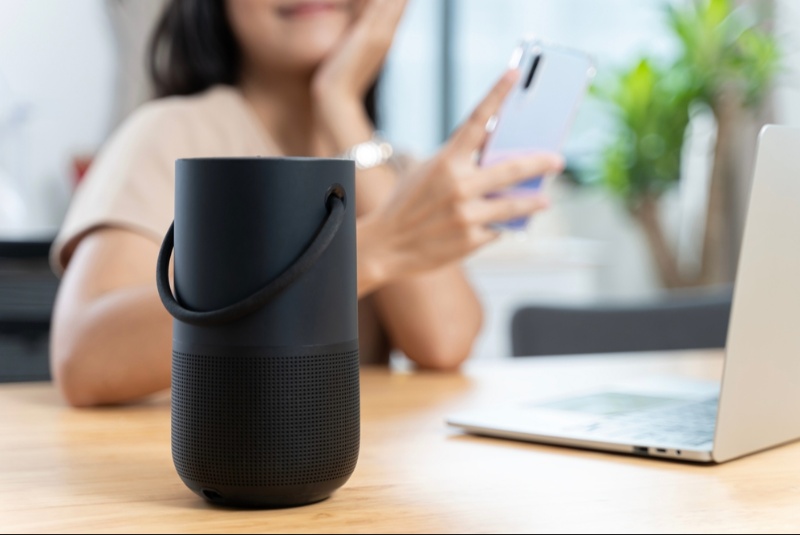
Portable speakers have evolved into essential gadgets for music lovers and outdoor enthusiasts alike. Their convenience lies in their ability to deliver high-quality sound without the constraints of traditional wired speakers. Various design features and materials contribute to their portability, making them suitable for a range of environments, from beach trips to cozy living rooms.
The portability of speakers hinges on several critical factors, primarily weight, size, and build materials. Lighter speakers made from materials like plastic and aluminum are easier to carry, while compact designs ensure they can fit into bags or even cup holders. The choice of materials not only affects the speaker’s weight but also its durability, with waterproof and rugged constructions catering to outdoor use.
Factors Contributing to Portability
The choice of design features significantly influences the usability of portable speakers. Understanding these factors helps consumers make informed decisions:
- Weight: A lighter speaker, typically weighing under 2 pounds, enhances portability and is ideal for travel.
- Size: Compact speakers with dimensions around 6 to 8 inches are easier to transport and store.
- Build Materials: High-quality plastics and aluminum not only reduce weight but also enhance durability while providing water resistance.
- Battery Life: Extended battery life ensures the speaker can be used for longer periods without needing a charge, making it more practical for outings.
Popular Design Trends in Portable Speakers
The portable speaker market has seen several design trends that cater to modern consumer preferences, emphasizing aesthetics along with functionality:
- Sleek and Minimalist Designs: Many brands focus on clean lines and subtle colors, appealing to consumers desiring a modern look that fits into any décor.
- Customizable Skins: Some speakers offer interchangeable covers, allowing users to personalize their devices, a trend driven by consumer desire for individuality.
- Smart Features: Integration with voice assistants and smart home systems has become popular, making speakers multifunctional beyond just audio output.
- Eco-Friendly Materials: A growing emphasis on sustainability has encouraged brands to use recycled materials and eco-friendly designs in their products.
Comparison of Form Factors
The form factor of portable speakers plays a crucial role in their usability across various environments. Different shapes and designs can impact sound quality, ease of use, and transportability:
- Cylindrical Speakers: These often provide 360-degree sound and are perfect for outdoor gatherings, as they can be placed anywhere without losing audio quality.
- Square or Rectangular Speakers: Typically offering more robust bass due to their larger size, these speakers are great for home use but can be bulkier to carry.
- Wearable Speakers: Devices designed to be worn, such as those that clip onto bags or are integrated into clothing, offer a unique portability advantage for active users.
- Satellite Speakers: Smaller, portable units that act as companions to a main speaker can provide surround sound experiences in various settings, though they require a main unit to function.
The Role of Waterproof and Durability Ratings in Portable Speakers
In today’s world, portable speakers have become essential for music lovers who enjoy taking their tunes on the go. As outdoor activities become more popular, the demand for speakers that can withstand various environmental conditions has increased. Waterproof and durability ratings play crucial roles in ensuring that these devices perform well in challenging settings, from beach parties to camping trips.
Waterproof ratings are particularly significant for users who plan to use portable speakers outdoors, as they indicate the degree of protection against water exposure. The most common rating system is the Ingress Protection (IP) rating, where a higher number signifies better resistance. For example, an IP67 rating means that the speaker is dust-tight and can withstand immersion in water for up to 30 minutes at a depth of 1 meter. This level of protection is ideal for outdoor enthusiasts who might encounter rain or accidental splashes.
Materials and Construction Techniques Enhancing Durability
The durability of portable speakers is influenced by the materials used in their construction and the techniques employed in their design. High-quality plastics, rubberized coatings, and aluminum housings are common choices that provide resistance to impacts and scratches. Additionally, features such as reinforced corners and shockproof designs can enhance the overall resilience of these devices.
Several portable speakers exemplify ruggedness, making them suitable for various user demographics. For instance, the Ultimate Ears BOOM 3 is known for its IP67 rating, allowing it to be submerged in water and survive falls from significant heights. This speaker caters to adventurous users who enjoy outdoor activities like hiking or beach outings. Similarly, the JBL Xtreme 3 combines powerful audio performance with a durable, waterproof design, targeting partygoers and outdoor enthusiasts alike who need a robust speaker to keep the music flowing in any environment.
In summary, understanding waterproof and durability ratings can significantly enhance the user experience for portable speaker enthusiasts. By selecting devices that utilize advanced materials and construction techniques, users can ensure their speakers withstand the rigors of outdoor use while delivering excellent sound quality.
The Future of Portable Speaker Technology
The landscape of portable speaker technology is continuously evolving, and several trends are poised to shape its future. As consumers increasingly prioritize convenience and versatility, we can expect advancements that not only enhance sound quality but also adapt to user lifestyles and environmental considerations. The next generation of portable speakers will likely focus on integrating cutting-edge technology with sustainable practices, elevating both audio experiences and consumer satisfaction.
Emerging trends in portable speaker technology will heavily influence consumer preferences. As smart technology becomes more prevalent, features such as voice recognition and smart home integration are expected to become standard in portable speakers. Consumers will gravitate towards devices that provide seamless connectivity and compatibility with devices like smartphones and home automation systems. Additionally, the demand for personalization will drive manufacturers to create customizable sound profiles that cater to individual listening preferences.
Advancements in Sound Technology
The next generation of portable speakers will likely be characterized by significant advancements in sound technology. Key developments to watch for include:
- Spatial Audio Technology: Innovations in spatial audio will allow for immersive listening experiences, where sound seems to emanate from various directions, enhancing the overall audio clarity and depth.
- High-Resolution Audio Support: As consumers become more discerning about audio quality, portable speakers are expected to support high-resolution audio formats, providing a richer and more detailed sound experience.
- Enhanced Battery Life: With advancements in battery technology, future portable speakers may boast significantly longer playback times, allowing users to enjoy uninterrupted music for extended periods without frequent recharging.
- AI-Driven Sound Optimization: The incorporation of artificial intelligence may lead to real-time sound optimization, where speakers adjust their output based on the acoustics of the environment and user preferences.
These advancements will not only elevate sound quality but also redefine how users interact with their audio devices, making listening experiences more intuitive and enjoyable.
Challenges in Sustainability and Consumer Expectations
While the future of portable speaker technology looks promising, the industry must navigate challenges related to sustainability and evolving consumer expectations. As environmental concerns grow, consumers are increasingly demanding products that are not only high-performing but also eco-friendly. This includes the use of sustainable materials in speaker construction and responsible manufacturing practices.
Moreover, challenges include balancing performance with eco-consciousness. Consumers often seek powerful audio performance from portable speakers, which can conflict with the use of sustainable materials that may not provide the same output. Companies will need to innovate to create products that meet both performance and sustainability targets.
Additionally, the lifecycle of portable speakers presents a challenge. The industry will need to address the disposal and recycling of outdated devices to minimize electronic waste. Establishing take-back programs and designing products that are easier to recycle can help meet consumer expectations while contributing to a more sustainable future.
“Advancing technology must align with sustainable practices to meet the expectations of the conscious consumer.”
Concluding Remarks
In conclusion, portable speakers have come a long way, offering unparalleled sound quality and convenience while adapting to consumer needs. As we look forward to future advancements in technology, it’s clear that these devices will continue to enhance our audio experiences, breaking boundaries and setting new standards. Whether you’re an audiophile or a casual listener, there’s a portable speaker out there that fits your lifestyle perfectly.
Essential Questionnaire
What is the average battery life of portable speakers?
The average battery life can range from 6 to 20 hours, depending on the model and usage.
Do portable speakers work with all devices?
Most portable speakers are compatible with devices that support Bluetooth or auxiliary input, making them versatile for various gadgets.
Are waterproof portable speakers worth the investment?
Yes, waterproof speakers are ideal for outdoor use, as they withstand splashes and can be used near water without worry.
How do I improve sound quality on my portable speaker?
Positioning the speaker in an open space away from walls and obstacles can enhance sound quality significantly.
Can I connect multiple portable speakers together?
Many modern portable speakers support multi-room or party modes, allowing you to connect several speakers for a synchronized audio experience.