
 Zoe Nora
Did you know that over 90% of hit songs today are crafted in home studios rather than massive, expensive facilities? Many people think meaningful music needs thousands of dollars in gear, but that is not true.
Starting a journey into music production is easier than ever. This creative path blends art and technical skill, and patience matters more than perfection. You can begin exploring sound today without a professional setup.
With modern music technology, simple ideas can become finished tracks. Build consistent habits and finish your projects. Every expert began with mistakes, so embrace the process and enjoy growth in each new session.
Key Takeaways
- Start with the gear you currently own to avoid unnecessary barriers.
- Prioritize finishing your tracks over achieving immediate perfection.
- Consistency in your daily practice builds better skills than sporadic bursts of work.
- Learn from your mistakes to refine your unique creative voice.
- Focus on the joy of the process rather than comparing your progress to others.
Understanding the Basics of Music Production
At its core, music production turns raw ideas into polished audio experiences. It covers each step, from a melody’s first spark to a streaming-ready digital file. Mastering this process gives you control over your artistic vision.
What is Music Production?
Think of production as a song’s architectural blueprint. It organizes sounds, selects instruments, and helps the music’s emotion reach listeners. Once limited to costly studios and specialist teams, modern music technology now makes it available to everyone.
Today, one creator can be the songwriter, performer, and engineer. This change brings more creative freedom and faster experiments in your home studio.
Key Components of Music Production
The production process has distinct phases that work together to build a cohesive track. Understanding them helps you manage your workflow:
- Songwriting and Arrangement: Defining the structure, chords, and melody of your piece.
- Sound Design: Creating unique textures and tones using synthesizers or samplers.
- Recording: Capturing live performances or MIDI data into your software.
- Audio Engineering: Managing the technical aspects of signal flow and gain staging.
- Mixing and Mastering: Balancing levels and finalizing the sonic quality for commercial release.
The Role of a Music Producer
A producer serves as both visionary and technician. You guide the song’s direction while maintaining high audio engineering standards. Advances in music technology mean you need less outside help for each task.
| Role | Traditional Studio | Modern Home Studio |
|---|---|---|
| Creative Direction | Producer | You |
| Recording | Engineer | You |
| Mixing | Mix Engineer | You |
| Mastering | Mastering Engineer | You/Software |
Taking on these roles deepens your understanding of how music is built. The music production journey is challenging, yet rewarding when your ideas come alive.
Essential Music Production Equipment to Get Started
Building a functional music studio does not require a huge budget or room full of expensive gear. The best music equipment solves an immediate problem in your creative process. Expensive hardware will not improve your skills automatically, so build a setup for your goals.
Choosing the Right Digital Audio Workstation (DAW)
Your DAW serves as the central hub for all your projects. This essential music software lets you record, edit, and arrange compositions digitally. Most modern programs offer free trials, so test a few before buying one.
Choose a platform that feels natural for your workflow. Whether you prefer loops or a traditional linear timeline, choose the DAW that supports your creative flow state. Do not seek every plugin on day one; master the stock tools included with your software first.
Recommended Audio Interfaces for Beginners
An audio interface connects your instruments to your computer. It converts analog signals into digital data, a vital step for high-quality music recording. Look for low latency and reliable drivers, so sessions run smoothly.
For most home setups, a simple two-input interface is enough to begin. These units let you connect a microphone and an instrument at the same time. Reliability is key, so choose brands known for stable performance and clear preamps.
Suggested Studio Monitors and Headphones
Accurate monitoring forms the foundation of professional audio engineering. You need to hear tracks as they are, without artificial coloring or boosted frequencies. Investing in flat-response studio monitors can help you make better mixing decisions.
If your room lacks acoustic treatment, high-quality open-back headphones are a fantastic alternative. They provide a detailed soundstage that helps you find balance and panning issues. Remember, consistency in your listening environment matters more than your speakers’ price tag.
The Importance of Learning Music Theory
Successful producers often use music theory as a practical tool, not a set of strict rules. See it as a creative compass that guides your workflow. Knowing sound’s language helps you turn ideas into music faster.
Basic Music Theory Concepts Every Producer Should Know
Build a strong foundation by focusing on a few core elements. Learn how notes form scales and how scales shape your track’s mood. Harmony and melody are building blocks that keep listeners engaged throughout your composition.
Rhythm and song structure help maintain energy. Understanding how they work together lets you arrange tracks with confidence. These basics help you explore complex ideas while keeping your music production grounded in musical logic.
How Music Theory Improves Your Production Skills
Learning theory helps you make faster choices when you feel stuck. Knowing which chords work together means less guessing and more creating. This knowledge helps you build strong chord progressions that connect with your audience.
Theory also shows why some sounds clash while others work well together. This insight can improve your music production quality. Applying these ideas helps you fix arrangement problems more easily.
Resources for Learning Music Theory Online
You can sharpen your skills without earning a formal degree. Start with structured music production courses covering theory and digital composition. Coursera, Udemy, and specialized music schools offer guided lessons for any schedule.
For self-paced learning, read music theory books written for modern producers. Online communities and YouTube channels also offer free, high-quality tutorials. Time spent in these music production courses can build confidence and help you create professional-sounding tracks.
Exploring Different Music Production Software
Choosing your main music software is often the first major decision for a new producer. No single option is best; your choice depends on your workflow and creative goals.
Overview of Popular DAWs: Ableton, FL Studio, and Logic Pro
Ableton Live is known for its unique session view, which supports fluid, non-linear composition. Electronic musicians often choose it for live performance and quick experiments.
FL Studio uses a visual approach and its iconic step sequencer. This design makes beat-making and pattern-based production easy. Many producers use its interface to build complex drum loops quickly.
Logic Pro offers a complete, all-in-one environment closely tied to the macOS ecosystem. Its large library of high-quality stock instruments and effects supports almost any music genre.
Why You Should Consider Free Music Production Software
You do not need to spend a fortune to learn the basics of music technology. Many free digital audio workstations offer strong features, from MIDI sequencing to basic audio editing.
Free tools help you learn arrangement and mixing without a large financial investment. After you learn these environments, moving to professional-grade software becomes much easier.
Extensions and Plugins to Elevate Your Sound
After you feel comfortable with your DAW, expand your sonic palette with third-party plugins. These tools, such as synthesizers and samplers, act as creative catalysts during production.
These tools should support your vision, not replace your musical judgment. Depending too much on presets can slow your growth. Experiment with manual adjustments to create your own unique sound.
Mastering the basics of music software gives you confidence to explore advanced music technology. Learn your current tools well before adding new layers to your setup.
Setting Up Your Home Studio for Success
Transforming a spare room into a useful music studio takes careful planning. You do not need a huge budget to create a professional space. Smart placement and workflow can help you achieve quality results at home.
Room Acoustics: Tips for Better Sound
Your room’s sound matters as much as the gear you own. Hard surfaces, such as walls and ceilings, create reflections that can muddy your mix. To improve your music recording environment, try these simple changes:
- Place your monitors in an equilateral triangle with your head to ensure an accurate stereo image.
- Use heavy curtains or rugs to dampen unwanted echoes in the room.
- Position your desk away from corners to avoid the buildup of low-frequency energy.
“The room is the most important instrument in your studio. If you cannot hear the truth, you cannot make the right decisions.”
Essential Studio Gear for Beginners
When choosing your music equipment, value reliability over luxury. Start with a high-quality audio interface and flat-response headphones. These tools help you hear your tracks without added coloration.
Keep your setup simple to avoid technical distractions. Choose gear that works well with your software. This keeps your music equipment focused on creativity instead of frustration.
| Gear Category | Primary Function | Beginner Priority |
|---|---|---|
| Audio Interface | Signal Conversion | High |
| Studio Monitors | Accurate Playback | Medium |
| Headphones | Critical Listening | High |
Organizing Your Workspace for Creativity
A cluttered desk can lead to a cluttered mind. Good cable management keeps your music studio clean and helps you focus. Use velcro ties to bundle cables and keep your floor free of tripping hazards.
Efficient workflow is essential for successful music recording. Create custom project templates that load favorite plugins and track settings automatically. Keep a consistent backup system, because lost files can quickly stop your creative progress.
Learning Sound Design Fundamentals
Sound design lets us shape unique textures that define our musical identity. It transforms raw audio into something new. By shaping tone, timbre, and movement, we raise our music production to a professional level.
What is Sound Design and Why It Matters
Sound design means creating and changing audio elements with purpose. It shapes a sound’s character to match a track’s emotional context. Modern music technology offers many ways to create sounds that stand out in a crowded market.
Moving beyond factory presets gives us full control of our sonic palette. It keeps our compositions fresh and original. This skill helps producers leave a lasting impression on listeners.
Crafting Unique Sounds with Synths and Samplers
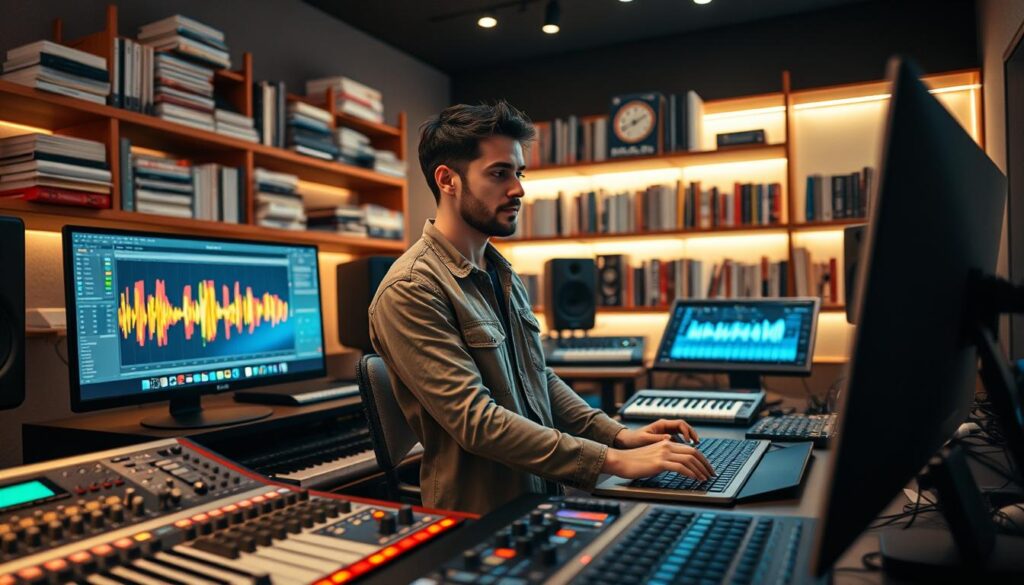
We use synthesizers and samplers as our main tools for exploring sound. These pieces of music software can create waveforms or change recorded audio. Filters, distortion, and modulation can turn simple tones into complex, changing textures.
Experimentation helps us find a signature sound. Try changing attack, decay, and release to hear how each affects a sound. Good music production habits, like labeling custom presets, save time in future sessions.
Tips for Layering Sounds Effectively
Layering adds depth and width to our arrangements. Stacking different sounds creates a richer, more unified frequency spectrum. White noise can add brightness or texture to thin-sounding elements.
Resampling helps us build complex soundscapes. After processing a sound, we export it and re-import it for more changes. This workflow keeps our creative libraries organized and ready to use.
| Tool Type | Primary Function | Best For |
|---|---|---|
| Synthesizers | Generating waveforms | Creating original leads and basses |
| Samplers | Manipulating audio files | Transforming real-world recordings |
| Audio Plugins | Applying effects | Adding distortion and filtering |
| Music Software | Host environment | Managing all sound design tasks |
The Art of Recording Audio
Great music starts with a clean, careful recording process. Strong audio engineering fundamentals help us capture high-quality signals with little correction later. A strong source recording forms the backbone of a professional mix.
Best Practices for Recording Vocals
A clear vocal performance is often the most critical part of music recording. Use a pop filter to stop harsh plosive sounds from hitting the microphone capsule. Positioning the singer about six inches from the mic usually creates a balanced, intimate sound.
- Ensure the room is quiet and free from background noise.
- Use a cardioid polar pattern to reject unwanted sound from the back.
- Keep the microphone at mouth level for the most natural frequency response.
How to Capture Instruments Properly
When recording instruments, your method depends on using direct input or a microphone. For electric guitars and basses, a high-quality DI box protects signal integrity before it reaches your interface. When miking an acoustic instrument, test placement to find the “sweet spot” with the most balanced tone.
Check your gain staging before you press the record button. Aim for a healthy signal that peaks around -6dB to -10dB in your DAW. This prevents digital clipping and leaves headroom for later processing.
Tips for Maintaining Audio Quality During Recording
High standards during tracking show skilled audio engineering. Watch room reflections closely because unwanted echoes can muddy a clean take. Soft materials like blankets or acoustic foam can dampen a space that sounds too “live.”
Monitoring also matters during a successful session. We suggest using closed-back headphones to stop the backing track from bleeding into the microphone. These details help each music recording session produce professional-grade audio files ready for mixing.
Mixing Basics: Bringing Your Track Together
Turning raw audio files into a professional song takes a clear mixing plan. This stage of music production brings drums, vocals, and synths together into one cohesive sound. Small, careful changes can improve tracks without over-processing them.
Understanding the Mixing Process
The process starts with gain staging, which keeps signal levels healthy throughout your project. First, set a clear volume balance so each instrument fits comfortably in the mix. Then use panning to spread sounds across the stereo field and prevent clutter.
If you want to master these ideas, learning how to mix music is a vital step in your journey. Good audio engineering starts by finding frequency conflicts early. When instruments compete for the same space, the mix can sound muddy or crowded.
Essential Mixing Techniques for Beginners
Use Equalization (EQ) to make space for each element and clean up your mix. Cutting unnecessary low frequencies from non-bass instruments adds clarity and punch. Compression controls dynamic range, so quiet parts stay audible and loud parts do not peak.
Reverb and delay add depth and dimension to your recordings. They place instruments in a virtual room, making them sound natural instead of “dry.” Use these effects lightly, because subtle settings often sound best.
Tools Every Beginner Should Use for Mixing
Automation changes volume or effects over time, which keeps listeners engaged. Use reference tracks to compare your work with professional standards. This practice builds perspective and reveals areas to improve in your mixing and mastering workflow.
| Tool Category | Primary Function | Beginner Benefit |
|---|---|---|
| EQ | Frequency Balancing | Removes unwanted mud |
| Compressor | Dynamic Control | Evens out volume levels |
| Panning | Stereo Placement | Creates sonic width |
| Reference Track | Objective Comparison | Provides professional goals |
Applying these techniques regularly will sharpen your ear for detail. Experiment with your plugins and trust your instincts as you shape your unique sound. Each completed mix moves you closer to professional-grade results.
Mastering Your Tracks for a Polished Finish
Mastering adds the final polish, helping your music sound professional on every speaker. Many people confuse them, but mixing and mastering are separate creative stages. Mixing balances individual tracks, while mastering prepares the final stereo file for distribution.
What is Mastering in Music Production?
Mastering provides the final quality check before your song reaches the public. It makes subtle changes to the track’s overall frequency balance and dynamic range. This process helps your music sound clear on studio monitors and smartphone speakers.
“Mastering is the last creative step in the process, and the first technical step in the release.”
Steps to Master Your Music at Home
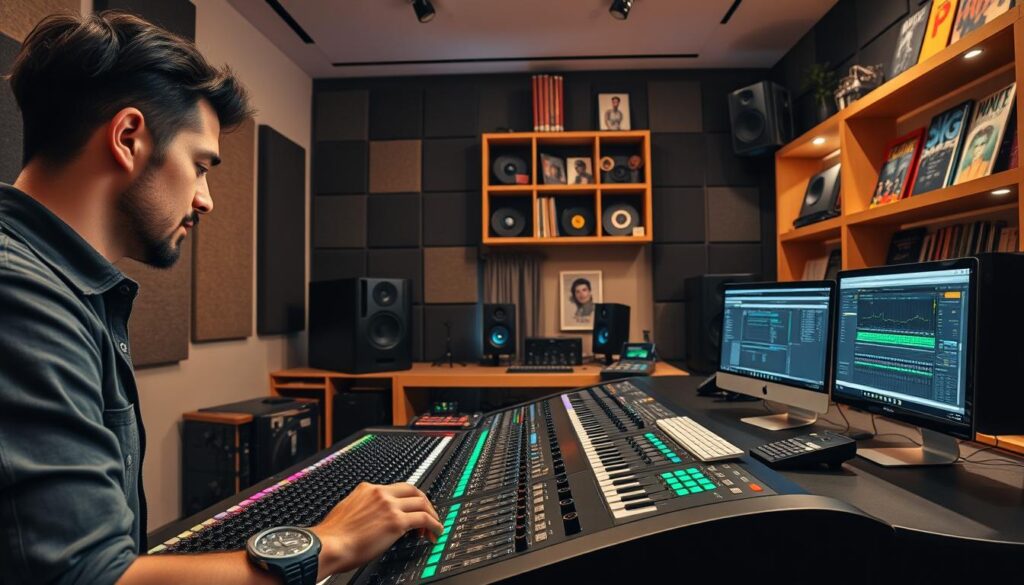
Professional sound at home requires a disciplined approach to audio engineering. Start with reference tracks from commercially released songs in similar genres. They show whether your volume and frequency range are close to the right level.
Follow these essential steps to refine your final output:
- Corrective EQ: Gently remove harsh frequencies that might have been missed during the mix.
- Dynamics Processing: Use a compressor to glue the track together and control sudden volume spikes.
- Limiting: Apply a limiter to bring the track to a competitive loudness level without causing distortion.
- Export Verification: Always check your final file in different environments to ensure consistency.
Common Mastering Mistakes to Avoid
One major music production mistake is using mastering to fix basic problems. A cluttered arrangement or poor recording cannot be saved through mastering. Solve these issues during earlier project stages.
Avoid over-processing with too much compression or excessive EQ. Subtlety is key when working on a full stereo file. Take frequent breaks, because ear fatigue can lead to poor decisions during the final stages.
Collaborating with Other Musicians
Collaboration drives artistic growth in the modern music industry. Many producers work alone, but inviting others into your creative space can spark breakthroughs.
Benefits of Collaboration in Music Production
Working with fellow artists pushes us beyond our comfort zones. Sharing workflows gives us new views of arrangement, sound design, and mixing techniques. This exchange builds creative confidence and helps us shape our unique musical voice.
Collaboration also expands our professional network, which supports long-term success. Connecting with others opens doors to projects and shared opportunities in the competitive music industry.
How to Find Collaborators and Network
Finding the right partner starts with active involvement in local and digital communities. Attend workshops, join local producer meetups, or take part in online music production forums. If you need gear, learning how to choose the right audio interface for your studio helps prepare it for guests.
Social media platforms also offer useful ways to connect. Commenting on other creators’ work or sharing your projects can lead to natural partnerships. Stay authentic and respectful when contacting potential collaborators.
Tips for Effective Communication During Collaboration
Clear communication prevents confusion and keeps creative momentum high. Create a shared project folder and set realistic deadlines from the start. Clear roles help everyone understand their duties and reduce production conflicts.
| Strategy | Action Item | Benefit |
|---|---|---|
| File Management | Use cloud storage | Prevents data loss |
| Goal Setting | Define project scope | Keeps focus sharp |
| Feedback Loop | Practice active listening | Improves final output |
| Scheduling | Set firm deadlines | Ensures project completion |
Always offer constructive feedback instead of harsh criticism. Respectful communication creates a positive space where everyone can experiment. Treating collaborators with kindness builds lasting relationships that support careers in the music industry.
Staying Inspired in Your Music Production Journey
A lasting creative practice helps artists grow over time. The best moments often come from balancing technical discipline with free experimentation.
Finding Your Unique Sound
To develop a signature style, look beyond your main influences. Listen across diverse genres. Notice textures and rhythms that match your taste.
Using reference tracks helps us understand professional arrangements. Custom sound libraries keep our sonic palette distinct and ready for each project.
“Creativity is intelligence having fun.”
Overcoming Creative Blocks
Every artist faces times when ideas stop flowing. When this happens, step away from the screen and take a mental break. This can help restore perspective.
We find that finishing songs—even if they are not perfect—is more valuable than starting many unfinished drafts. Constructive feedback from peers helps refine our workflow and overcome perfectionism.
Resources for Inspiration: Books, Podcasts, and More
Structured learning can spark motivation when it fades. High-quality music production courses teach new techniques and connect us with a wider creator community.
Explore these resources to keep your skills sharp:
- Podcasts: Listen to interviews with industry professionals to hear how they handle creative challenges.
- Books: Read literature on the psychology of creativity to better understand your own artistic process.
- Online Communities: Join forums where you can share your work and receive honest, helpful critiques.
Your music production journey is a marathon, not a sprint. Professional music production courses and curiosity can keep your passion as vibrant as your sound.
Navigating the Music Industry as a Beginner Producer
Creative talent alone does not build a career. We must understand the music industry and turn our passion into a lasting path.
Protecting Your Creative Assets
We need to register our work with organizations like ASCAP or BMI to protect our rights. Clear records help us receive royalties when our tracks gain traction. This step matters for producers who want to earn money from their art.
Building Your Professional Presence
Regular promotion on SoundCloud or Spotify helps us reach new listeners. We should treat growth as a long-term process and network with other artists. Learning the latest music technology lets us offer ghost production or sound design for film and television.
Refining Your Technical Edge
High-quality mixing and mastering set the professional standard for our work. We should finish a small catalog of songs to show our range. Strong relationships and persistence can help us succeed in this competitive field.