
 Zoe Nora
With Lossless audio leading the way, the world of sound quality opens up to enthusiasts and casual listeners alike, revealing the intricate details and nuances that can elevate the listening experience. Imagine enjoying your favorite music exactly as the artist intended, with every note captured without compromise.
This exploration delves into the various lossless audio formats available, their technical differences from lossy formats, and the unique advantages they bring to sound reproduction. As we journey through the impact of lossless audio on music production, streaming services, and everyday listening preferences, you’ll discover why this format is gaining traction among audio lovers and professionals.
Lossless audio formats and their characteristics
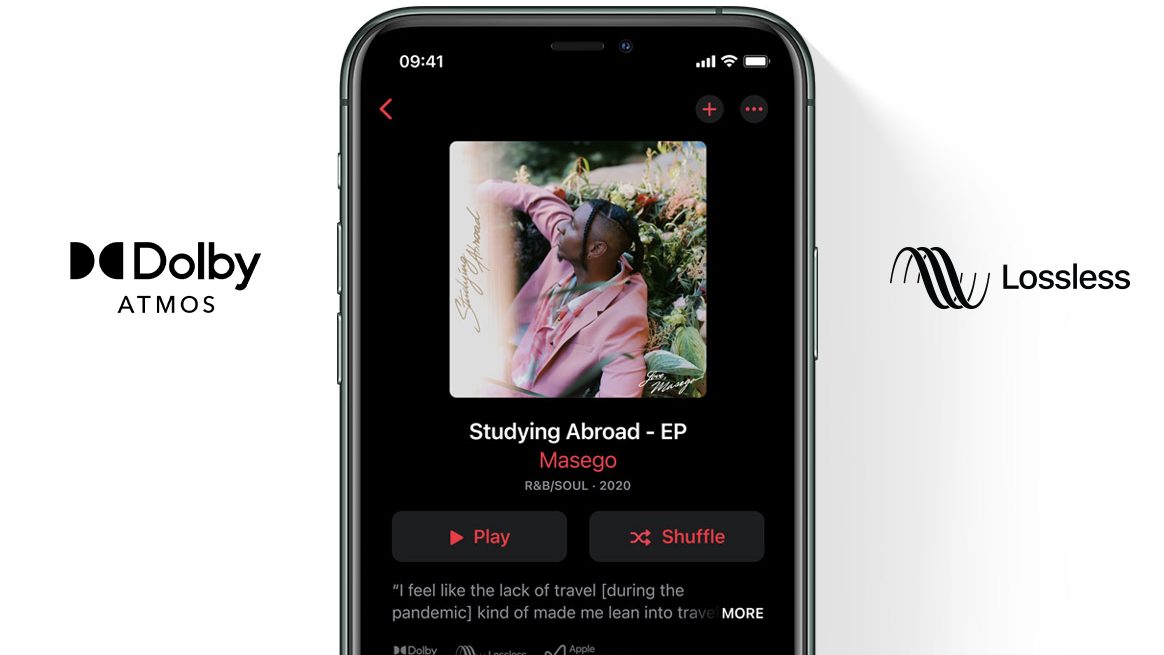
Lossless audio formats have gained popularity among audiophiles and music enthusiasts due to their ability to preserve the original quality of sound without any data loss during compression. Unlike lossy formats, which sacrifice some audio detail to reduce file size, lossless formats maintain the integrity of the audio data, making them ideal for high-fidelity listening experiences.
There are several lossless audio formats available on the market, each with unique characteristics and technical specifications. These formats utilize different encoding methods and provide varying levels of compatibility with devices and software. Understanding these differences is crucial for anyone looking to optimize their audio library for quality and performance.
Popular Lossless Audio Formats
A variety of lossless audio formats are widely used, each offering specific benefits and limitations. Here are some of the most common lossless formats:
- FLAC (Free Lossless Audio Codec): FLAC is one of the most popular lossless formats, known for its efficient compression that reduces file sizes without sacrificing quality. It supports sample rates up to 192 kHz and bit depths of 24 bits.
- ALAC (Apple Lossless Audio Codec): Developed by Apple, ALAC offers similar compression to FLAC but is primarily used within the Apple ecosystem. It supports the same high-quality audio specifications as FLAC.
- WAV (Waveform Audio File Format): WAV files are uncompressed and provide the highest audio quality at the expense of large file sizes. They are widely compatible across different platforms but do not support metadata efficiently.
- AIF (Audio Interchange File Format): Similar to WAV, AIF files are also uncompressed and deliver high-quality audio. They are commonly used in professional audio applications.
- DSD (Direct Stream Digital): DSD is a format used primarily for high-resolution audio recordings. It employs a one-bit sigma-delta modulation technique, offering a unique listening experience for high-end audio systems.
Technical Specifications of Lossless Audio
Lossless audio formats differentiate themselves from lossy formats through key technical specifications. The primary distinction lies in how audio data is compressed:
- Compression Method: Lossless formats compress audio data without discarding any information, while lossy formats, like MP3 or AAC, remove some audio details to reduce file sizes.
- Bit Depth and Sample Rate: Lossless formats support higher bit depths (up to 24 bits) and sample rates (up to 192 kHz), allowing for a more accurate representation of sound.
- Metadata Support: Many lossless formats can embed rich metadata, which provides detailed information about the audio file, such as artist, album, and track information.
Advantages and Disadvantages of Lossless Audio Formats
Using lossless audio formats comes with distinct advantages and disadvantages, which are essential for users to consider when choosing their audio storage solutions.
The benefits include:
- Preservation of Audio Quality: Lossless formats retain the original sound quality, making them ideal for critical listening and archiving.
- Playback Flexibility: Many lossless formats are supported by a wide range of audio players and software, catering to different user needs.
- Versatility for Editing: Lossless formats offer more freedom for audio editing and manipulation without quality degradation.
However, there are also some drawbacks:
- Increased File Size: Lossless files are significantly larger than their lossy counterparts, requiring more storage space, which can be an issue for limited-capacity devices.
- Compatibility Issues: While most modern devices support lossless formats, some older systems may struggle, potentially limiting playback options.
- Longer Download Times: The larger file sizes associated with lossless formats can lead to longer download times, which may be an inconvenience for users with slower internet speeds.
Choosing the right audio format ultimately depends on personal preferences, usage scenarios, and the importance of sound quality in your listening experience.
The impact of lossless audio on sound quality
Lossless audio formats, such as FLAC and ALAC, have gained popularity among audiophiles and casual listeners alike due to their ability to deliver superior sound quality. Unlike lossy formats like MP3 or AAC, lossless audio preserves the original audio data without any compression artifacts. This results in a more faithful reproduction of the artist’s intention, capturing nuances and details often lost in lower-quality formats.
The differences in sound quality between lossless and lossy audio can be quite pronounced. Lossy formats achieve smaller file sizes by removing certain audio data deemed less critical, which can lead to noticeable artifacts such as muddiness in the lower frequencies or harshness in the higher ranges. For example, a lossless version of a classical symphony will convey the fullness and richness of the orchestra, allowing listeners to appreciate the intricate interplay of instruments. In contrast, a lossy encoding might compress dynamic ranges, resulting in a flatter, less engaging listening experience.
Sound fidelity perception among audio enthusiasts
Audio enthusiasts often place a high value on sound fidelity, and lossless audio formats play a significant role in meeting their expectations. The following points highlight the key aspects contributing to their perception of superior sound quality:
- Dynamic Range: Lossless audio maintains the full dynamic range of the recording, allowing listeners to experience the quietest whispers and loudest crescendos without distortion.
- Detail Retrieval: High-resolution audio captures subtle details like the texture of a vocalist’s voice or the resonance of an acoustic guitar, making the listening experience more immersive.
- Clarity: The absence of compression artifacts in lossless formats leads to clearer sound reproduction, allowing for better separation of individual instruments and vocals.
- Spatial Imaging: Lossless audio can create a more accurate soundstage, helping listeners to perceive the spatial placement of instruments as intended by the producer.
In practical scenarios, music producers and sound engineers often use lossless formats during the mixing and mastering processes to ensure that the final product retains its intended quality. Many audiophiles invest in high-end audio equipment, such as DACs (digital-to-analog converters) and high-fidelity headphones, specifically to exploit the advantages of lossless audio. The phrase, “Better sound quality begins with lossless,” encapsulates the growing consensus among dedicated listeners that if one seeks true musical fidelity, lossless formats are the way to go.
Applications of lossless audio in music production
Lossless audio plays a critical role in the realm of music production, allowing for an unparalleled level of fidelity and clarity in both recording and mixing processes. As music evolves and listeners demand higher quality sound, producers and engineers have increasingly turned to lossless formats to ensure that every nuance of their work is preserved. This segment delves into the specific applications of lossless audio in professional environments, highlighting the workflows of producers and engineers and showcasing notable case studies.
Role of lossless audio in professional music recording and mixing
In professional music recording and mixing, lossless audio formats such as WAV and FLAC are favored for their ability to capture every detail of a sound without any loss of quality. When an artist records a track, it is crucial to retain the original nuances and dynamics of the performance. Lossless audio ensures that the recording phase captures the full frequency range and subtle tonal variations, which can be critical during the mixing process.
The importance of using lossless formats is underscored by their impact on the final product. Producers benefit from the ability to manipulate audio with precision, allowing for creative arrangements, layering, and effects without degrading sound quality. The clarity provided by lossless formats means that the mix can be honed to perfection, with every instrument and vocal line clearly defined.
Utilization of lossless formats in production workflows
Producers and engineers incorporate lossless formats into their workflows for several reasons, each contributing to a more efficient and effective production process. The following points highlight some of the key utilizations:
- Sound Quality Preservation: Lossless formats preserve the integrity of the original audio, which is vital for high-quality productions.
- Flexible Editing: The ability to edit audio without introducing artifacts allows for detailed adjustments and enhancements.
- Collaboration: Sharing lossless files among collaborators ensures everyone is working with the best possible sound quality.
- Mastering Benefits: In the mastering stage, lossless files provide the perfect foundation for final tweaks and adjustments before distribution.
The adoption of lossless audio formats facilitates an environment where creativity thrives, supported by a robust technical foundation.
Case studies of albums using lossless audio during production
Several albums stand out for their exceptional use of lossless audio during production, setting benchmarks in both artistic and technical quality. Noteworthy examples include:
- Radiohead – “OK Computer”: This landmark album utilized lossless audio to fully capture the band’s intricate soundscapes, allowing for a rich and immersive listening experience.
- Steely Dan – “Aja”: Known for their meticulous production techniques, Steely Dan embraced lossless formats, which helped bring out the clarity and depth of their layered instrumentation.
- Michael Jackson – “Thriller”: The production of this iconic album involved extensive use of lossless recordings, ensuring every detail was preserved for both the original release and subsequent remasters.
These albums not only showcase the capabilities of lossless audio but also highlight how producers and engineers leverage this technology to create timeless music that resonates with audiences on a deeper level.
Streaming services and lossless audio offerings
As the demand for high-quality audio experiences increases among music enthusiasts, many streaming services are beginning to offer lossless audio options. Lossless audio provides a significant upgrade from standard streaming quality by preserving the original sound quality of recordings. This development is reshaping how listeners engage with music and prompting a shift in consumer preferences.
The competitive landscape of streaming services offering lossless audio options can be assessed by examining the major players in the market. Companies such as Tidal, Amazon Music HD, and Apple Music are leading the charge by providing high-definition audio solutions. Each platform has its unique features and offerings which cater to different types of listeners. Below is a comparison of these popular platforms.
Comparison of Streaming Platforms
The following table summarizes the key lossless audio offerings from leading streaming services:
| Service | Lossless Audio Format | Subscription Cost | Notable Features |
|---|---|---|---|
| Tidal | FLAC 24-bit/96 kHz | Starting at $19.99/month | Exclusive content, artist interviews, and high-fidelity music videos. |
| Amazon Music HD | FLAC 24-bit/192 kHz | Included in Amazon Music Unlimited ($9.99/month for Prime members) | Large catalog with over 70 million songs available in HD and Ultra HD. |
| Apple Music | ALAC | $10.99/month | Integration with Apple ecosystem and curated playlists. |
The benefits of subscribing to lossless audio streaming services are substantial. First and foremost, users experience superior sound quality that closely resembles studio recordings. For audiophiles and casual listeners alike, this can enhance the enjoyment of music dramatically. Additionally, lossless audio formats retain all the nuances of the original recordings, ensuring that no detail is lost in the compression process.
However, there are limitations associated with lossless audio streaming that should be considered. Streaming lossless audio requires significantly more bandwidth compared to standard quality music, which can lead to higher data usage for mobile listeners. Moreover, not all devices or headphones are capable of reproducing the intricate details that lossless audio offers, potentially limiting the benefits for some users.
Consumer trends indicate a growing interest in high-fidelity audio experiences. Recent surveys show that an increasing number of users are willing to pay extra for lossless audio services, particularly among younger demographics who prioritize audio quality. This shift is evident as streaming services continue to enhance their offerings, with more consumers adopting lossless streaming options as part of their everyday listening habits.
Lossless audio is shaping the future of music consumption, appealing to those who value sound quality.
The debate between lossless and lossy audio for everyday listeners
In recent years, the conversation around audio quality has intensified, particularly with the rise of streaming services and high-fidelity audio formats. The distinction between lossless and lossy audio is critical for users looking to enhance their listening experience. While audiophiles may prioritize the highest quality, average listeners often find themselves caught in the debate about whether the benefits of lossless audio justify its usage in everyday settings.
Understanding the arguments for and against lossless audio can help everyday users make informed decisions regarding their listening habits. Proponents of lossless audio argue that it provides a pure and authentic listening experience, preserving every detail of the original recording. On the other hand, opponents contend that the average listener may not notice the differences, especially given the convenience and storage efficiency of lossy formats. This debate ultimately hinges on personal preference, listening environment, and the importance placed on audio fidelity.
Arguments for and against using lossless audio for average users
The decision to embrace lossless audio involves several considerations that can impact everyday listening experiences. This section presents key arguments both for and against the use of lossless formats.
Arguments for Lossless Audio:
– Superior Sound Quality: Lossless formats like FLAC or ALAC preserve the full depth and quality of audio recordings, making them ideal for critical listening sessions.
– Future-Proofing: As technology advances, lossless audio may become more accessible, ensuring that listeners can take advantage of higher-quality playback equipment when available.
– Professional Use: For individuals working in music production, mastering, or sound engineering, lossless audio is essential to accurately assess and edit tracks.
Arguments Against Lossless Audio:
– Storage Space: Lossless files consume significantly more storage than lossy formats (e.g., MP3, AAC), which can be a challenge for users with limited device capacity.
– Inconvenience: Streaming services predominantly use lossy formats for their efficiency. This can make access to lossless audio less convenient for everyday listening.
– Minimal Perceived Difference: Many average listeners may not discern a significant difference between high-bitrate lossy audio and lossless formats, particularly on standard playback equipment.
Comparison table of scenarios for lossless audio
The following table illustrates various scenarios where lossless audio may or may not be beneficial for everyday listeners:
| Scenario | Lossless Audio Benefits | Lossy Audio Suffices |
|---|---|---|
| Listening at home with high-quality speakers | Enhanced sound quality adds richness to the experience. | Standard quality is often satisfactory. |
| On-the-go listening through headphones | Noise-cancellation benefits from high quality in noisy environments. | Convenience and storage efficiency are prioritized. |
| Music production and editing | Essential for precise sound editing and mastering. | Not ideal; high fidelity is required for accuracy. |
| Casual background music during activities | May not be noticeable in the mix of sounds. | Perfectly acceptable and space-saving. |
User testimonials on transitioning to lossless audio
Personal experiences often provide insight into the subjective value of lossless audio. Here are a few testimonials from users who have made the switch:
“After switching to lossless audio, I realized how much detail I was missing in my favorite songs. The clarity and depth make listening more enjoyable, especially with a good pair of headphones.” – Sarah M.
“I used to think that MP3 sounded good enough. But once I tried FLAC files, I couldn’t go back. The difference is especially noticeable in genres like classical and jazz where subtle details matter.” – Mike T.
“I primarily listen to music while commuting, so I switched back to lossy formats to save space. Lossless is great, but I appreciate the convenience of storing more tracks for everyday use.” – Jenna R.
The future of lossless audio technology
The landscape of audio technology is rapidly evolving, especially with the increasing demand for higher fidelity sound experiences. Lossless audio, which preserves the original quality of recordings without any compression artifacts, is positioned to play a pivotal role in this transformation. As technology advances, various innovations are emerging that promise to enhance how we experience lossless audio, catering to the evolving preferences of consumers.
Emerging technologies that enhance the lossless audio experience are paving the way for a richer listening environment. Innovations such as spatial audio, which adds a three-dimensional aspect to sound, and improved streaming capabilities are at the forefront. High-resolution streaming services are becoming more commonplace, allowing users to access lossless formats without needing extensive storage. Additionally, advancements in wireless technology, such as Bluetooth 5.0 and beyond, are enabling higher quality audio transmission, making it easier for consumers to enjoy lossless audio on various devices without compromising sound quality.
Trends in consumer behavior
Current trends indicate a growing consumer preference for high-quality audio experiences. As music streaming continues to dominate, a significant portion of users are seeking subscriptions that offer lossless audio options. The rise of vinyl sales and high-fidelity audio equipment signifies a resurgence in the appreciation for sound quality. With this increasing awareness, consumers are becoming more discerning about the formats they choose, often prioritizing sound fidelity over convenience.
– The increasing popularity of high-end audio equipment is driven by:
- The desire for audiophile-grade listening experiences.
- Enhanced accessibility to lossless formats through streaming platforms.
- The influence of social media and online communities promoting high-quality audio.
- Shifts in demographics, with younger consumers showing interest in music quality.
Predictions for the evolution of lossless audio
Looking ahead to the next decade, lossless audio is likely to evolve significantly, driven by both technological advancements and consumer demand. Enhanced capabilities in both hardware and software will support a seamless experience for listeners. For instance, the integration of artificial intelligence in audio processing may lead to personalized listening experiences, where algorithms curate playlists based on individual preferences while maintaining lossless quality.
– Potential developments in lossless audio technology include:
- The widespread adoption of immersive audio formats like Dolby Atmos, enhancing spatial awareness in music.
- Integration of lossless audio with virtual reality (VR) and augmented reality (AR) experiences, allowing users to engage with sound in new ways.
- Increased availability of lossless audio formats in popular streaming services, leading to broader consumer adoption.
- Advancements in codec technology that reduce file sizes without sacrificing quality, facilitating easier sharing and streaming.
In conclusion, the future of lossless audio technology is bright, with emerging trends and consumer preferences driving innovation. As both technology and the market evolve, listeners can expect an enriched audio experience that honors the integrity of original recordings while catering to the demands of modern consumption.
Final Conclusion
In conclusion, the world of Lossless audio presents a compelling case for those seeking superior sound quality, whether in professional settings or personal enjoyment. With advancements in technology and an increasing demand from consumers, the future of lossless audio looks bright, promising an even richer auditory experience.
Commonly Asked Questions
What is Lossless audio?
Lossless audio refers to audio files that preserve the original sound quality without any data loss during compression.
How does Lossless audio compare to Lossy audio?
Lossy audio compresses sound files by removing some data for smaller file sizes, resulting in potential quality loss, whereas lossless retains all audio information.
Are Lossless audio files larger than Lossy files?
Yes, Lossless audio files are typically larger as they retain all original audio data, while Lossy files are smaller due to data removal.
Do I need special equipment to listen to Lossless audio?
While not mandatory, high-quality headphones or speakers can enhance the listening experience of Lossless audio, allowing you to appreciate its full fidelity.
What streaming services offer Lossless audio?
Many services, such as Tidal, Qobuz, and Apple Music, provide Lossless audio options for subscribers who want high-quality streaming.
Can casual listeners benefit from Lossless audio?
Yes, even casual listeners can enjoy the enhanced sound quality, especially in quieter environments where details can be appreciated more easily.