
 Zoe Nora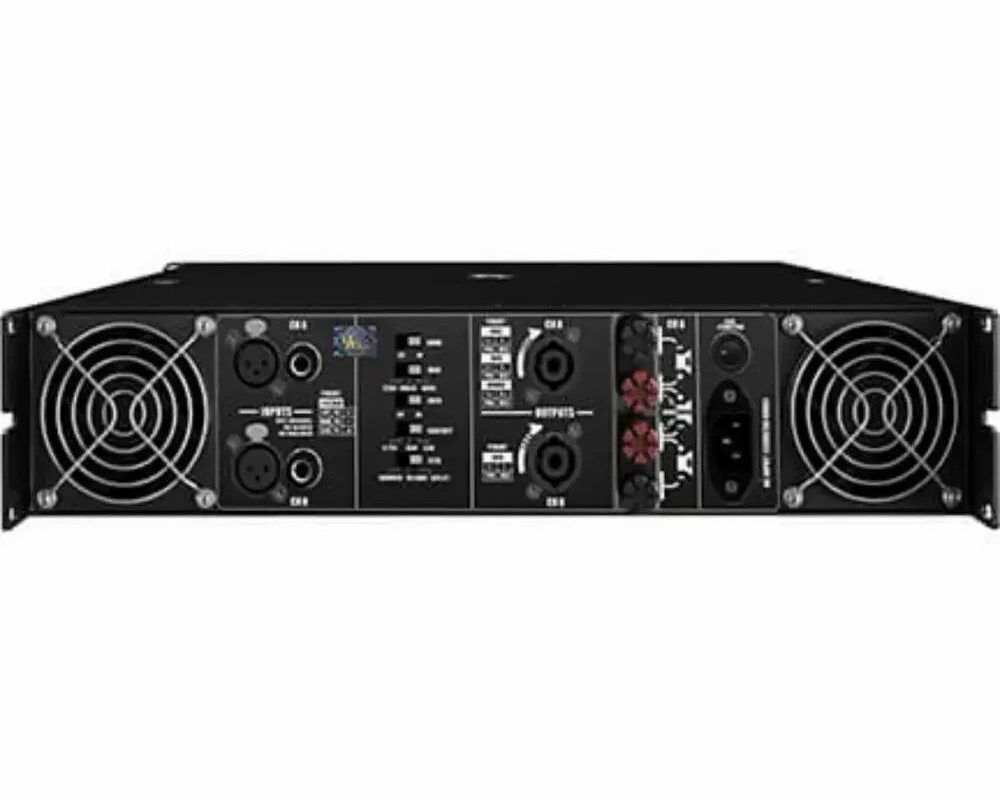
Kicking off with High-power amp, these devices play a pivotal role in transforming audio experiences across various settings, from home theaters to professional sound stages. Their ability to deliver robust power and clarity makes them essential for anyone serious about sound quality.
In modern audio systems, high-power amplifiers enhance the overall listening experience by ensuring that sound is delivered with precision and depth. Whether it’s the booming bass of a concert or the subtle nuances in a film’s soundtrack, these amplifiers are designed to handle the demands of high-performance audio equipment, making them a vital component for audiophiles and professionals alike.
The Role of High-Power Amplifiers in Modern Audio Systems
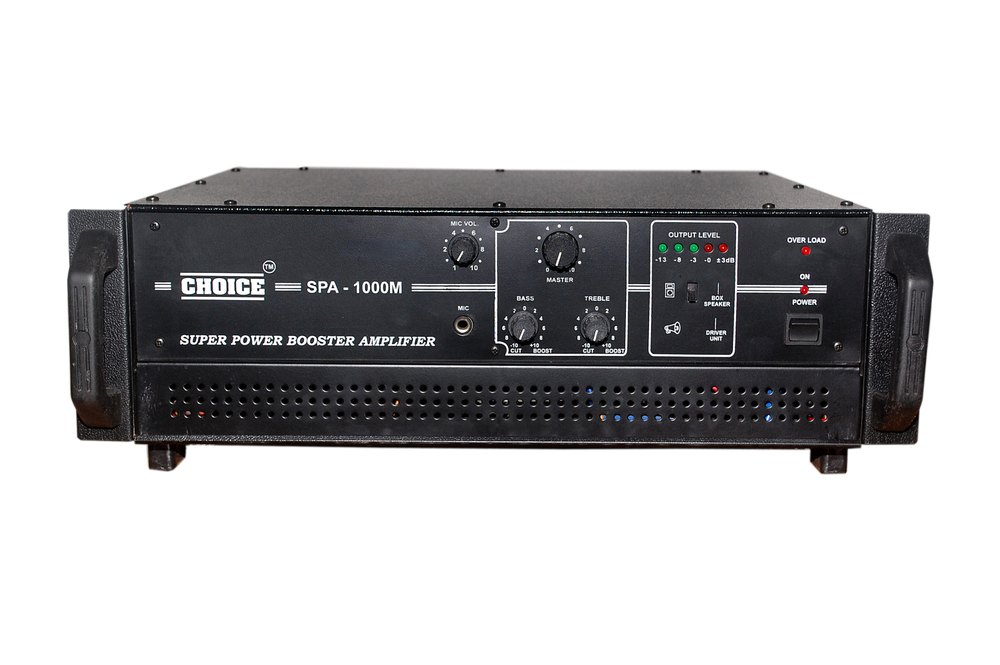
High-power amplifiers play a pivotal role in modern audio systems, significantly enhancing audio quality and delivering an immersive experience. These amplifiers are designed to drive loudspeakers at higher volumes without distortion, making them essential for various applications ranging from personal audio setups to large-scale professional sound systems. Their ability to handle high power levels ensures that audio signals remain clean and uncompressed, which is crucial for both clarity and detail in sound reproduction.
High-power amplifiers are particularly important in scenarios where audio fidelity is paramount. In home theater systems, for example, these amplifiers provide the necessary power to make soundtracks more dynamic and engaging. A high-power amplifier can easily drive multiple channels of sound, ensuring that dialogue, sound effects, and music are all balanced and impactful. Likewise, in professional sound systems used at concerts and events, high-power amplifiers are essential for delivering the volume and clarity needed to reach large audiences. The demand for high sound pressure levels without compromising audio quality makes these amplifiers indispensable in the industry.
Applications of High-Power Amplifiers
High-power amplifiers find widespread use in both home and professional audio systems, serving various purposes that enhance audio experiences. Below are some key applications where high-power amplification is crucial:
- Home Theater Systems: In home theaters, high-power amplifiers ensure that soundtracks are reproduced with impact, allowing viewers to experience a cinematic feel. They support surround sound setups, providing the necessary power for multiple speakers and subwoofers.
- Live Sound Reinforcement: In concerts and live events, high-power amplifiers are used to drive large PA systems, ensuring that sound reaches the entire audience clearly and powerfully, even in open-air venues.
- Recording Studios: High-power amplifiers are crucial in studios for monitoring and mixing audio. They help sound engineers hear the nuances in recordings, ensuring high-quality production.
- Subwoofer Systems: Subwoofers require significant power to produce low-frequency sounds effectively. High-power amplifiers are designed to handle these demands, enhancing the overall audio experience.
High-power amplifiers are especially needed for equipment that requires specific levels of input power to operate effectively. This includes:
- Loudspeakers: Particularly those designed for high-output applications, such as concert speakers or home theater towers.
- Subwoofers: These devices often require more power to produce deep bass sounds without distortion.
- PA Systems: Public address systems that need consistent audio levels across various environments.
The impact of high-power amplifiers cannot be overstated. They provide the necessary power and quality that enable audio systems to perform at their best, delivering a rich, immersive sound experience that is vital for both entertainment and professional applications.
High-power amplifiers are the backbone of audio systems, providing clarity and volume while maintaining the integrity of sound.
Understanding the Technical Specifications of High-Power Amplifiers
High-power amplifiers are essential components in audio systems, serving to boost signals to levels suitable for driving speakers and achieving optimal sound quality. To choose the right high-power amplifier for your needs, it’s crucial to understand its technical specifications. Key specifications such as power output, total harmonic distortion (THD), and frequency response play significant roles in determining performance and suitability for various applications.
Power Output
Power output is a fundamental specification that indicates the amount of electrical power an amplifier can deliver to a load, typically measured in watts (W). This value directly influences an amplifier’s ability to drive speakers and produce sound at desired volume levels without distortion. Higher power output is generally associated with better sound quality and volume, making it crucial for use cases like concert sound reinforcement or high-fidelity home audio systems.
For example, a high-power amplifier rated at 1000W can efficiently drive larger speakers, ensuring that they perform well in larger spaces. Understanding the requirements of your audio setup will help you choose an amplifier with an appropriate power rating.
Total Harmonic Distortion
Total harmonic distortion (THD) measures the percentage of distortion added to a signal due to the amplifier’s operation. A lower THD percentage indicates a cleaner, more accurate representation of the input signal, which is vital for high-fidelity audio reproduction. High-quality amplifiers typically have a THD of less than 1%, while lower-end models may exhibit higher levels of distortion.
Considering THD is essential when evaluating an amplifier’s performance, especially for critical listening environments such as recording studios or audiophile setups. For instance, an amplifier with a THD of 0.05% will provide a more faithful sound reproduction than one with a THD of 0.5%.
Frequency Response
Frequency response indicates the range of frequencies an amplifier can reproduce accurately, typically expressed in hertz (Hz). A wider frequency response ensures that the amplifier can handle both low bass and high treble frequencies without significant roll-off or distortion.
When selecting an amplifier, it’s important to consider its frequency response relative to the type of music or audio content you plan to use. Standard audio amplifiers often have a frequency response of 20Hz to 20kHz, which covers the entire audible range. For example, a high-power amplifier designed for subwoofer applications might have a frequency response extending down to 10Hz, allowing it to reproduce deep bass sounds effectively.
Popular High-Power Amplifiers and Their Specifications
Several high-power amplifiers on the market stand out due to their impressive specifications and reliability. Here are a few examples:
- QSC PLD Series – Known for their lightweight design and advanced DSP capabilities, they offer power outputs ranging from 500W to 2000W per channel with a THD of less than 0.1%.
- Crown XLi Series – These amplifiers are popular in live sound applications, delivering up to 3000W of power with a frequency response of 20Hz to 20kHz and a THD of less than 0.5%.
- Yamaha PX Series – Featuring built-in DSP, these amplifiers provide power outputs from 500W to 2000W per channel, with a THD of 0.1% and frequency response from 20Hz to 20kHz.
Understanding these specifications helps in making informed decisions when selecting a high-power amplifier that matches specific audio needs, ensuring optimal performance for various applications.
Comparing Solid-State and Tube High-Power Amplifiers
Solid-state and tube amplifiers are two distinct types of high-power amplifiers, each with unique characteristics that cater to varying audio preferences and applications. Understanding these differences is essential for audio professionals and enthusiasts alike, as it informs their choices based on the specific requirements of their setups.
The fundamental design differences between solid-state and tube amplifiers stem from their internal components and operation principles. Solid-state amplifiers utilize transistors and integrated circuits to amplify audio signals, offering a more compact and reliable design. In contrast, tube amplifiers rely on vacuum tubes, which contribute to their larger size and more intricate circuitry. This difference in design leads to noticeable variations in sound characteristics, with solid-state amplifiers typically providing a clean, precise output, while tube amplifiers are known for their warm, rich sound that often adds a desirable harmonic distortion.
Advantages and Disadvantages for Audio Applications
Both solid-state and tube amplifiers have their own advantages and disadvantages, influencing their suitability for various audio applications.
Solid-state amplifiers boast several benefits, including:
- Durability and Reliability: Solid-state designs are less prone to damage and require minimal maintenance, making them suitable for everyday use.
- Power Efficiency: They generally consume less power and generate less heat, which is advantageous for long sessions and in applications where energy consumption matters.
- Cost-Effectiveness: Solid-state amplifiers are typically more affordable than their tube counterparts, presenting a more accessible option for budget-conscious consumers.
However, they also have some drawbacks:
- Sound Quality: Some audiophiles argue that solid-state amplifiers lack the warmth and character inherent to tube amplifiers.
- Less Headroom: They may clip more abruptly, which can be undesirable in live sound situations.
On the other hand, tube amplifiers offer unique advantages:
- Warm Sound Quality: The harmonic distortion from tubes can enhance the sound, creating a lush listening experience favored by many audiophiles.
- Dynamic Response: Tube amplifiers are often praised for their ability to handle transients and complex musical passages more gracefully.
Despite these advantages, tube amplifiers come with their own set of disadvantages:
- Fragility: Vacuum tubes can be sensitive to physical shock and heat, requiring careful handling and storage.
- Maintenance Needs: Tubes may need to be replaced periodically, adding to the long-term cost of ownership.
- Higher Cost: The initial investment for tube amplifiers tends to be higher compared to solid-state options.
Comparison Table of Solid-State and Tube Amplifiers
The following table Artikels key differences in performance, maintenance, and cost between solid-state and tube amplifiers, providing a quick reference for users evaluating their options.
| Feature | Solid-State Amplifiers | Tube Amplifiers |
|---|---|---|
| Sound Character | Clean, precise | Warm, rich |
| Durability | High; resistant to shock | Low; sensitive to shock |
| Power Efficiency | High | Lower |
| Maintenance | Low; minimal upkeep needed | Moderate; tubes require replacement |
| Cost | Generally lower | Generally higher |
In summary, the choice between solid-state and tube high-power amplifiers ultimately depends on the user’s specific needs, preferences, and the intended application. Each type offers unique qualities that can significantly impact the overall listening experience.
Installation Best Practices for High-Power Amplifiers
Installing high-power amplifiers requires a solid understanding of the environment and components involved to achieve optimal sound quality and performance. With proper planning and execution, enthusiasts can ensure their audio systems deliver impressive sound without compromising on safety or reliability.
Installation Steps for Different Environments
Setting up high-power amplifiers varies depending on the environment—be it a home theater, studio, or live venue. Each space has unique considerations that can impact performance. Below are key steps tailored for various environments that should be followed during installation:
- Home Theater: Ensure proper ventilation is available—amplifiers can generate heat. Position the amp in a rack or cabinet that allows airflow. Use RCA cables for connecting to the receiver, and consider using power conditioners to eliminate noise.
- Recording Studio: Isolate the amplifier from electric noise sources. Use balanced cables to connect to the mixer for reduced interference. Ensure that the power supply is stable and meets the amplifier’s requirements, avoiding potential damage or distortion.
- Live Venue: Position the amplifier near the speaker stacks to minimize cable lengths. Use high-quality speaker wires rated for the amplifier’s power output. Ensure that there are proper grounding and circuit protection to handle the high demands during performances.
Speaker Matching and Cable Selection
The compatibility of speakers with high-power amplifiers is crucial for achieving optimal performance. Mismatched speakers can lead to distortion or even damage. Here are important points to consider for speaker matching and cable selection:
- Impedance Matching: Always ensure the amplifier’s output impedance matches the speaker’s impedance. For instance, if the amplifier outputs 8 ohms, connect it to speakers rated at 8 ohms. This prevents overheating and maximizes efficiency.
- Power Handling: Select speakers that can handle the wattage output of the amplifier. If an amplifier outputs 500 watts, speakers should ideally handle at least 500 watts RMS to avoid damage.
- Cable Selection: Use high-quality, low-resistance cables appropriate for the distance between the amplifier and speakers. Typically, 12 to 14 gauge wire is recommended for runs over 50 feet to ensure minimal signal loss.
Troubleshooting Common Installation Issues
Even with careful planning, issues can arise during setup. Addressing these problems promptly can save time and prevent further complications. Common issues and their solutions include:
- Distorted Sound: Check for any speaker impedance mismatch or faulty connections, as these are often the culprits behind distortion.
- Overheating: Ensure that the amplifier has adequate ventilation. If overheating persists, consider reducing the volume or adding additional cooling solutions.
- Noise and Hum: Grounding issues often cause unwanted noise. Ensure all components share a common ground, and use balanced cables when possible to minimize interference.
“Proper installation of high-power amplifiers not only enhances performance but significantly prolongs the life of your audio equipment.”
The Impact of High-Power Amplifiers on Sound Quality
High-power amplifiers play a significant role in enhancing audio experiences. These devices can deliver higher volumes without distortion, making them integral in achieving optimal sound quality. By providing greater dynamic range and clarity, high-power amplifiers allow listeners to enjoy music and audio content in its truest form.
High-power amplifiers enhance sound quality primarily by increasing dynamic range and clarity. Dynamic range refers to the difference between the quietest and loudest sounds that can be produced without distortion. High-power amplifiers can drive speakers to their maximum potential, ensuring that both subtle nuances and powerful crescendos are accurately reproduced. This capability leads to a more immersive listening experience, where the listener can appreciate the full spectrum of sound. Clarity is improved as well because these amplifiers handle peaks in audio without compression or distortion, retaining the integrity of the original recording.
Utilizing High-Power Amplifiers for Optimal Audio Experience
To achieve the best audio experience with high-power amplifiers, proper utilization is key. The following practices can significantly enhance performance:
1. Matching Amplifier Power to Speaker Requirements:
The relationship between amplifier power and speaker efficiency is crucial. High-efficiency speakers require less power to produce the same volume as less efficient counterparts. For instance, a 100-watt amplifier might be excessive for a speaker rated at 85 dB sensitivity, while a 50-watt amplifier would suffice, preventing unnecessary strain on the components.
2. Consider Impedance Compatibility:
Ensuring that the amplifier’s output impedance matches the speaker’s input impedance is essential. A mismatch can lead to signal loss and reduced efficiency. For example, using an 8-ohm rated speaker with a compatible 8-ohm amplifier can optimize sound quality.
3. Proper Placement and Setup:
The physical placement of both amplifier and speakers can impact sound quality. Positioning speakers at ear level and away from walls can reduce unwanted reflections and enhance clarity.
4. Quality Cables and Connections:
Using high-quality speaker cables and ensuring secure connections can prevent signal degradation. Poor connections can introduce noise and reduce overall sound quality.
5. Avoid Overdriving the Amplifier:
While high-power amplifiers can handle significant power, overdriving them can lead to distortion and potential damage. Maintaining the volume at a reasonable level ensures longevity and sound integrity.
“Properly matched amplifiers and speakers can transform an audio setup into a high-fidelity experience.”
Understanding the interplay between amplifier power and speaker efficiency is vital in achieving desired sound output. High-power amplifiers can indeed elevate the listening experience, but only when paired correctly with efficient speakers. The efficiency rating of a speaker, typically measured in decibels (dB), indicates the sound pressure level produced for a given power input. For instance, speakers with a sensitivity rating of 90 dB will require less power to reach a certain volume level compared to those rated at 85 dB. This relationship underscores the importance of choosing the right amplifier for the speakers in use, ensuring optimal performance and sound quality.
Innovations in High-Power Amplifier Technology
Recent years have witnessed a remarkable evolution in high-power amplifier technology, driven by advancements in design, materials, and digital processing. These innovations not only enhance the performance of amplifiers but also contribute to energy efficiency and adaptability in various applications, from telecommunications to audio systems. As the demand for high-performance amplification continues to grow, understanding these advancements becomes essential for both manufacturers and consumers.
Digital signal processing (DSP) is at the forefront of high-power amplifier advancements. By integrating DSP technology, amplifiers can achieve superior sound quality, improved linearity, and reduced distortion. This integration allows for real-time adjustments and optimizations based on user preferences or environmental conditions, leading to a more tailored audio experience. Additionally, innovations in energy efficiency are transforming how high-power amplifiers operate. Manufacturers are now focusing on developing Class D and Class H amplifiers, which utilize switching techniques to minimize power losses. This results in amplifiers that not only perform better but also consume significantly less energy, aligning with growing environmental concerns.
Recent Technological Advancements
The landscape of high-power amplifier technology is constantly evolving, with several key advancements shaping the market. Some noteworthy innovations include:
- Wideband Amplification: Recent designs allow for wide frequency response, enabling amplifiers to deliver consistent performance across various bands, making them versatile for multiple applications.
- Improved Cooling Solutions: New heat dissipation technologies, such as advanced thermal interface materials and integrated cooling systems, enhance reliability by preventing overheating during extended use.
- Smart Amplification: Incorporating IoT capabilities allows for remote monitoring and management of amplifier performance, providing users with insights into their systems and enabling proactive maintenance.
Energy Efficiency Improvements
Energy efficiency is becoming a critical factor in high-power amplifier design, influencing both consumer choices and regulatory standards. The shift towards eco-friendly technology has driven manufacturers to innovate in several ways, including:
- Class D Amplifiers: These amplifiers utilize pulse-width modulation, significantly reducing energy consumption and heat generation while maintaining high output power.
- Adaptive Power Control: This technology adjusts the power output based on the input signal, ensuring that amplifiers only use the energy needed for performance without sacrificing sound quality.
- Power Factor Correction (PFC): Implementing PFC reduces harmonic distortion and improves the overall efficiency of power usage, making amplifiers more sustainable.
Cutting-Edge High-Power Amplifiers
Several manufacturers are leading the charge with innovative high-power amplifiers that exemplify the latest technological trends. Notable examples include:
- QSC PLD Series: This line of amplifiers features advanced DSP for precise control and a unique power-sharing technology that optimizes output across channels.
- Crest Audio Pro-LITE Series: Known for its lightweight design combined with high power output, this series incorporates Class D technology for improved energy efficiency without compromising performance.
- Yamaha PX Series: These amplifiers offer built-in DSP functions, automatic feedback suppression, and a comprehensive protection system, showcasing a blend of usability and advanced processing capabilities.
The Economics of High-Power Amplifiers
Investing in high-power amplifiers involves a careful analysis of cost versus performance, particularly considering the diverse needs of different consumer segments. Understanding these economic dynamics can help potential buyers make informed choices that align with their desired audio experiences and budgets.
The cost implications of high-power amplifiers vary widely depending on the target consumer segment—ranging from casual listeners to professional audio engineers. While budget options may provide satisfactory performance for everyday use, high-end solutions often justify their price through superior sound quality, durability, and additional features. The performance enhancements in premium high-power amplifiers often include advanced circuitry, better component quality, and enhanced thermal management, leading to a more enjoyable listening experience overall.
Cost Implications for Consumer Segments
Different consumer segments exhibit varying levels of willingness to invest in high-power amplifiers. Understanding these distinctions can aid in making well-informed purchasing decisions.
- Casual Listeners: Typically prioritize affordability, with budget amplifiers ranging from $100 to $500. These options may lack advanced features but provide decent sound quality for general listening.
- Audio Enthusiasts: Willing to spend between $500 and $1,500, seeking amplifiers that offer better performance, features, and durability. Enhanced sound quality and power output are essential for their listening experience.
- Professional Users: Often invest $1,500 and above for high-end amplifiers. These units deliver exceptional sound fidelity, reliability, and long-term value, essential for studio environments and live performances.
Performance Enhancements Justifying Price
The advantages of investing in premium high-power amplifiers often outweigh the initial financial outlay. Key enhancements that justify the cost include:
High-end amplifiers typically feature superior components, which translate into enhanced sound quality, clarity, and overall performance.
Performance enhancements include the following aspects:
- Sound Quality: Premium amplifiers employ high-grade capacitors, resistors, and transistors, resulting in cleaner audio reproduction and reduced distortion.
- Power Handling: High-power amplifiers can deliver a significant amount of output power, allowing for better sound in larger spaces without distortion.
- Thermal Management: Advanced cooling systems prevent overheating, ensuring prolonged performance without compromising sound quality.
- Connectivity Options: Premium models often include a variety of connectivity options (like balanced XLR inputs), catering to diverse audio setups.
Budget Options vs. High-End Solutions
A comparative breakdown of budget and high-end solutions can help clarify the financial implications of investing in high-power amplifiers.
| Feature | Budget Options | High-End Solutions |
|---|---|---|
| Price Range | $100 – $500 | $1,500 and above |
| Sound Quality | Decent for casual use | Exceptional clarity and detail |
| Power Output | Moderate, suitable for small rooms | High, suitable for large venues |
| Durability | Basic build quality | Robust with superior materials |
| Features | Limited connectivity options | Diverse and advanced features |
High-Power Amplifiers in Live Sound Engineering
High-power amplifiers play a pivotal role in live sound engineering, particularly for concerts and large-scale events. These amplifiers ensure that sound signals are transmitted with sufficient power to reach every corner of a venue, delivering an immersive audio experience for the audience. The importance of these devices cannot be overstated, as they directly impact the clarity, volume, and overall quality of the sound.
Selecting the right high-power amplifier for live sound situations involves various challenges for sound engineers. They must consider factors such as the power requirements of the speakers used, venue acoustics, and the potential for feedback or distortion. Additionally, the operational environment can present obstacles, such as temperature variations and electrical interference, which can affect the performance of the amplifiers during a live show. Sound engineers need to be adept at balancing these variables to achieve optimal sound quality.
Challenges in Selecting and Deploying Amplifiers
Several key considerations arise when sound engineers are tasked with selecting and deploying high-power amplifiers in live environments. Understanding these challenges is crucial for maintaining sound integrity and reliability throughout an event.
- Power Requirements: Each speaker has a specific power handling capability which must be matched with an appropriate amplifier. Over- or under-powering speakers can lead to equipment damage or subpar sound performance.
- Venue Acoustics: The size and shape of the venue greatly influence how sound propagates. Engineers must assess these factors to ensure the selected amplifier can cater to the acoustic characteristics of the space.
- Thermal Management: High-power amplifiers generate heat, particularly under sustained use. Proper ventilation and cooling solutions are essential to prevent overheating and ensure consistent performance.
- Feedback Management: In live sound settings, feedback can be a significant issue. Engineers must choose amplifiers with low noise floors and implement strategies like speaker placement to mitigate this risk.
- Electrical Stability: Live events often face power fluctuations that can disrupt performance. Engineers need reliable power sources and backup systems to maintain amplifier functionality throughout the event.
Best Practices for Reliable Performance
To ensure high-power amplifiers operate reliably during live events, sound engineers should adopt best practices that address both preparation and real-time operational strategies. Implementing these practices can significantly enhance the effectiveness and stability of sound systems.
- Pre-Event Testing: Conduct thorough sound checks and testing of all equipment, including amplifiers, to identify potential issues before the event begins. This includes checking for any distortion and ensuring the power capacity is adequate.
- Monitor Signal Levels: Engineers should closely monitor input and output levels during the event to prevent distortion and maintain audio quality. Utilizing limiters can help protect against unexpected spikes in volume.
- Redundancy Systems: Incorporate backup amplifiers and power supplies to ensure a seamless experience in case of equipment failure. This is particularly important in environments where downtime can lead to significant disruption.
- Proper Cabling: Use high-quality cables and connectors to minimize signal loss and interference. Regularly check for wear and damage to ensure optimal performance.
- Training and Preparation: Ensure that all personnel involved in the sound setup and operation are well-trained. Familiarity with the equipment and its capabilities allows for quick troubleshooting during live events.
Wrap-Up
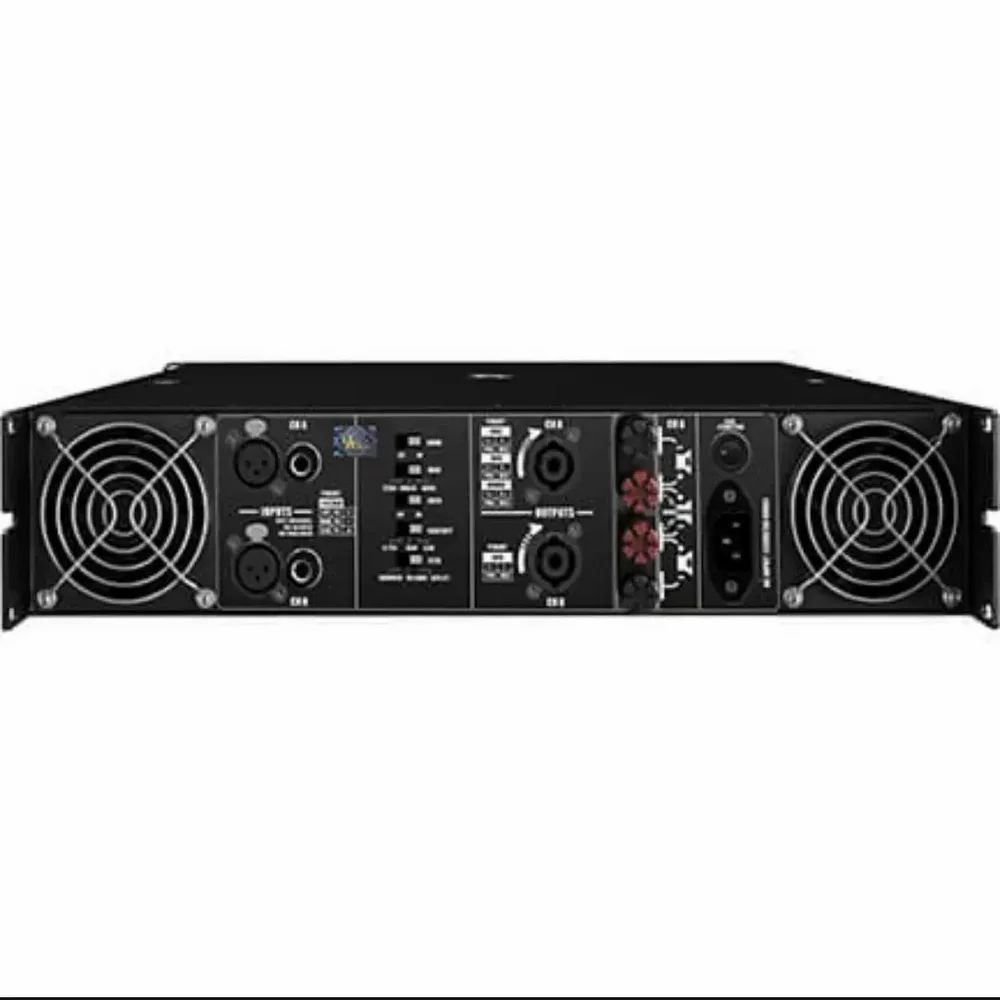
In summary, high-power amplifiers are not just technical tools; they are the heartbeat of any serious audio setup. By understanding their specifications, types, and installation best practices, you can ensure that your audio experience is unmatched, whether you’re enjoying a movie night at home or rocking out at a live event.
FAQ Corner
What is a high-power amplifier?
A high-power amplifier is a device designed to increase the power of audio signals, allowing them to drive large speakers effectively.
How do I choose the right high-power amp for my system?
Consider factors such as power output, compatibility with speakers, and the intended use (home, studio, or live events) when selecting an amplifier.
Can high-power amplifiers damage speakers?
Yes, if the power output exceeds the speaker’s capacity, it can lead to distortion or damage. Always match the amplifier’s output with the speakers’ ratings.
Are tube amplifiers better than solid-state amplifiers?
This depends on personal preference. Tube amplifiers are praised for their warm sound, while solid-state amplifiers are known for reliability and efficiency.
What should I consider for installation?
Ensure proper ventilation, speaker matching, and high-quality cables to achieve optimal performance and avoid common installation issues.
How do high-power amplifiers affect sound quality?
They enhance sound quality by improving dynamic range and clarity, allowing for a more immersive listening experience.