
 Zoe Nora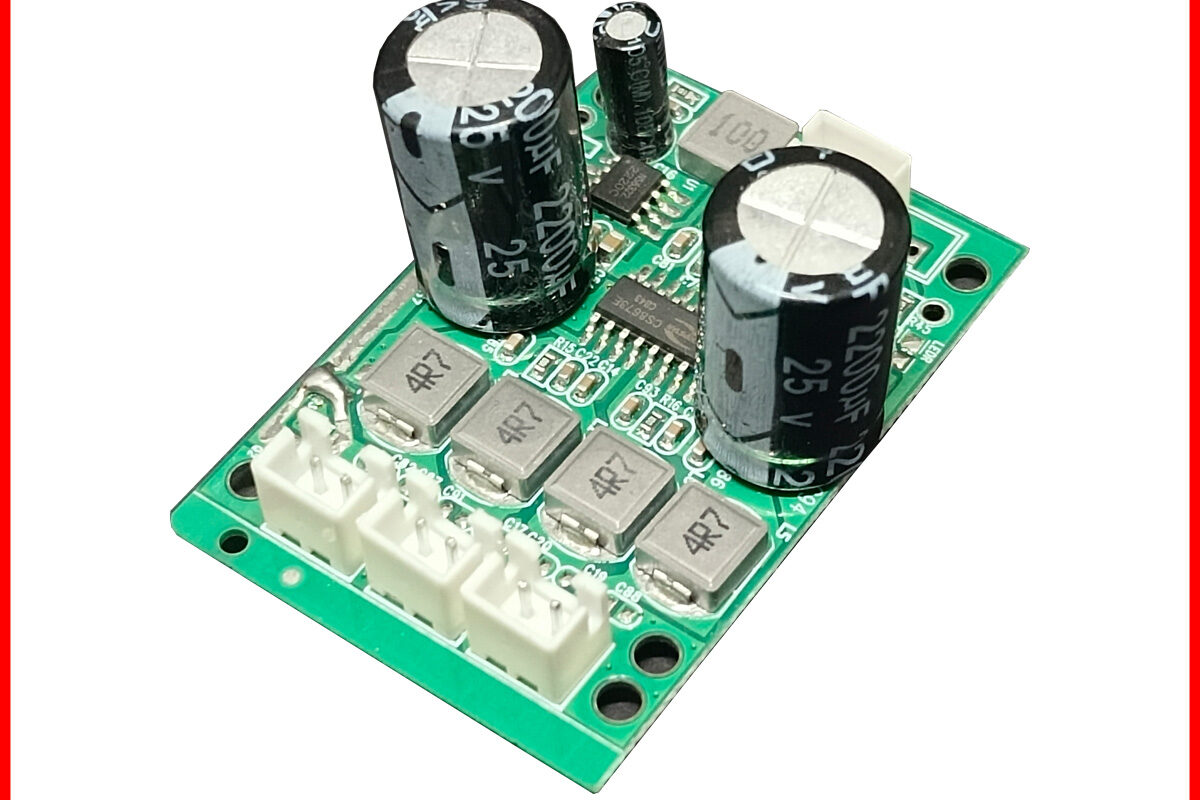
Digital amplifier technology has revolutionized how we experience sound, blending advanced engineering with user-friendly design. As we delve into the mechanics of these devices, we uncover the intricate processes that allow them to transform analog signals into high-fidelity audio, all while maintaining efficiency and performance. From home audio systems to professional sound reinforcement, digital amplifiers are at the center of modern audio innovation.
Understanding how digital amplifiers operate is essential for anyone looking to enhance their audio experience. By employing techniques such as pulse width modulation, these amplifiers provide superior sound quality and energy efficiency compared to their analog predecessors, paving the way for a new era of audio technology.
The fundamental principles of how digital amplifiers operate
Digital amplifiers have revolutionized the way audio and signal processing is handled in modern electronics. Unlike traditional analog amplifiers, digital amplifiers utilize digital signals for amplification, which leads to numerous advantages in efficiency and sound quality. This transition from analog to digital not only enhances performance but also allows for more compact designs and improved power management.
At the core of digital amplification is the conversion of analog signals into digital format. This process begins with the analog input signal being sampled and quantized. The analog signal is captured at specific intervals, resulting in a series of discrete values that represent the original waveform. These samples are then processed using techniques such as pulse width modulation (PWM), which encodes the amplitude of the sound into varying pulse widths. This method allows the amplifier to recreate the audio signal accurately while minimizing distortion and preserving sound quality. The digital signal, once modulated, is then sent to the output stage, where it is amplified and converted back into an analog signal, ready to drive speakers.
Significance of pulse width modulation in digital amplification
Pulse width modulation plays a crucial role in the operation of digital amplifiers. By varying the duration of the pulses, PWM effectively controls the amount of power delivered to the load (such as a speaker) while maintaining high efficiency. This mechanism reduces the heat generated during amplification, allowing for cooler operation and more compact designs. The importance of PWM in digital amplifiers is highlighted by its ability to provide:
- Increased efficiency: Digital amplifiers can achieve efficiency ratings of over 90%, compared to traditional analog amplifiers that typically range around 50-70%.
- Reduced distortion: The sampling and modulation process minimizes nonlinear distortion, resulting in clearer sound reproduction.
- Improved dynamic range: PWM enables a greater range of output levels, which enhances the listening experience by accurately reproducing both quiet and loud passages without clipping.
An example to illustrate the differences between digital and analog amplifiers lies in their operational efficiency. Digital amplifiers, due to their PWM technology, deliver more power to the speakers while producing less heat compared to their analog counterparts. This means that digital amplifiers can operate with smaller heat sinks and can be integrated into more compact devices. In contrast, analog amplifiers often generate more heat and have to be larger to handle the thermal output, which limits design flexibility. Furthermore, the sound quality produced by digital amplifiers tends to be crisper and more precise, especially in high-frequency ranges, making them the preferred choice for modern audio applications.
The advantages that digital amplifiers offer over traditional amplifiers
Digital amplifiers have revolutionized audio technology, providing significant advancements over traditional amplifiers. These improvements manifest in various aspects, including efficiency, size, and energy consumption, making digital amplifiers a popular choice among audiophiles and casual listeners alike.
Benefits of Digital Amplifiers
One of the primary advantages of digital amplifiers is their efficiency. Unlike traditional analog amplifiers, which can waste a considerable amount of power as heat, digital amplifiers employ advanced signal processing techniques that ensure more of the input power is converted into audio output. This leads to enhanced performance and less thermal management.
Another key benefit is the compact size and lightweight design of digital amplifiers. These amplifiers utilize modern components that require less physical space, making them ideal for portable audio equipment and systems with limited real estate. This reduction in size also contributes to a more manageable weight, enhancing usability for mobile applications.
Lastly, digital amplifiers have a positive impact on energy consumption. With their ability to convert power more efficiently, they consume significantly less energy compared to their analog counterparts. This not only lowers operational costs but also supports sustainability efforts. For instance, using a digital amplifier in a home audio setup can reduce electricity usage, which is beneficial for both the environment and individual energy bills.
The efficient design of digital amplifiers can lead to energy savings of up to 50% compared to traditional amplifiers.
A detailed comparison between Class D and Class A digital amplifiers
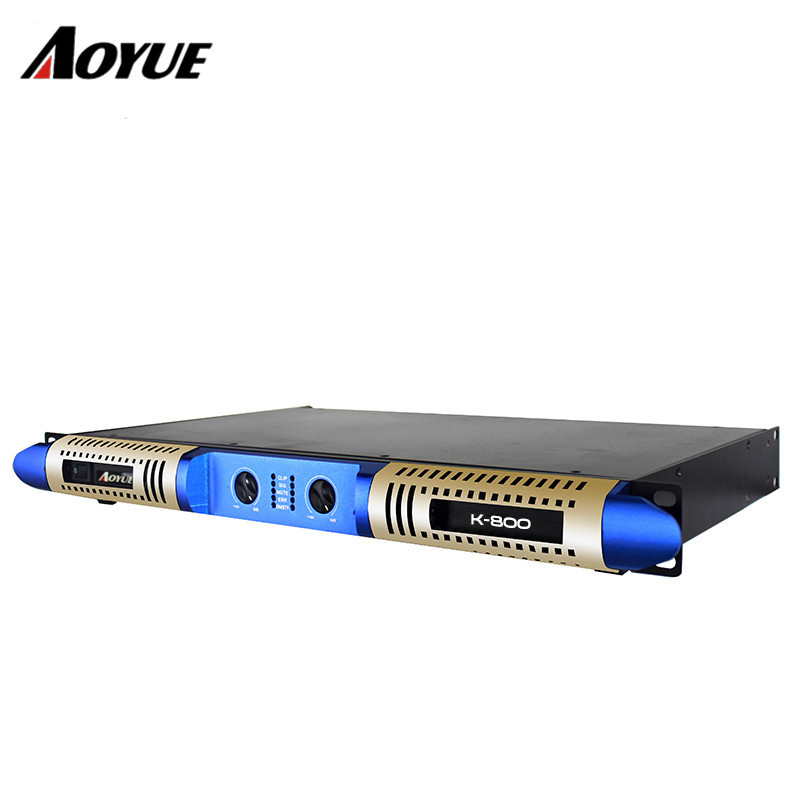
Class D and Class A amplifiers are two prominent types of amplification technologies used in audio systems. Each has its unique characteristics, performance aspects, and preferred use cases. Understanding the differences between these amplifier classes helps in making informed decisions when selecting the right amplifier for specific applications.
Operational efficiencies of Class D and Class A amplifiers
Class D amplifiers are known for their high operational efficiency, often exceeding 90%, making them an excellent choice for battery-operated devices and high-power applications. This efficiency stems from their method of operation, where the output transistors switch on and off rapidly, minimizing the time they spend in the linear region, thus reducing wasted power as heat. For example, in a portable audio system, a Class D amplifier can provide significant power output without requiring large heatsinks or active cooling systems, enhancing portability and reliability.
In contrast, Class A amplifiers operate at lower efficiencies, typically around 20-30%. This inefficiency is due to the fact that the output transistors conduct for the entire cycle of audio signals, resulting in constant power dissipation, generating heat. While this leads to high linearity and low distortion, it also necessitates robust heat management strategies. For instance, in high-end audio applications where sound fidelity is prioritized, the trade-off for efficiency is accepted due to the superior sound quality delivered by Class A designs.
Sound quality differences between Class D and Class A amplifiers
When comparing sound quality, Class A amplifiers are often revered for their warmth and richness in audio reproduction. The linear amplification in Class A leads to minimal distortion, making them favored in audiophile circles and professional audio setups. Their ability to faithfully reproduce sound signals makes them ideal for critical listening environments, such as concert halls and high-end home theaters.
On the other hand, Class D amplifiers, while improving significantly in sound quality over the years, can still exhibit certain artifacts, particularly at high frequencies or when pushed to their output limits. However, advancements in digital signal processing and feedback technology have led to Class D amplifiers producing sound that is increasingly comparable to Class A, making them suitable for a wider range of applications, including home audio systems and public address setups.
Typical applications for Class D and Class A amplifiers
Different applications often dictate the choice between Class D and Class A amplifiers. Class D amplifiers are commonly used in settings requiring efficiency and compactness. Their applications encompass various devices, including:
- Portable audio equipment, such as Bluetooth speakers, where battery life is crucial.
- Subwoofers and home theater systems, where high power and efficiency are needed.
- Public address systems that require lightweight amplification solutions without sacrificing sound quality.
Conversely, Class A amplifiers find their niche in applications where sound fidelity takes precedence over efficiency. Typical use cases include:
- High-end audio systems, where the focus is on achieving the purest sound possible.
- Recording studios, where detailed audio reproduction is critical for mixing and mastering.
In scenarios where power consumption is less of a concern, the richer sound quality of Class A amplifiers can be favored, while Class D amplifiers are ideal for applications that require efficient power management and compact design without drastically compromising audio performance.
The various components that make up a digital amplifier
Digital amplifiers are sophisticated devices that convert digital audio signals into amplified sound. Understanding the key components and the signal path within these amplifiers is crucial for appreciating how they work and troubleshooting potential issues that may arise.
The main components of a digital amplifier include the input stage, digital signal processor (DSP), power supply, output stage, and feedback circuit. Each plays a significant role in transforming a weak audio signal into a powerful output, ensuring high fidelity and efficiency throughout the process.
Key Components and Their Functions
Each component within a digital amplifier serves a specific purpose that contributes to the overall functionality. Here’s a breakdown of these essential parts:
- Input Stage: This is where the audio signal enters the amplifier. It converts analog signals into a digital format for processing.
- Digital Signal Processor (DSP): The heart of the digital amplifier, the DSP manipulates audio data. It applies various algorithms for equalization, compression, and sound enhancements.
- Power Supply: This component provides the necessary voltage and current to the amplifier. A stable power supply is critical for maintaining sound quality and preventing distortion.
- Output Stage: The amplified digital signal is converted back into an analog signal and sent to the speakers. This stage is crucial for maintaining the fidelity of the audio output.
- Feedback Circuit: This ensures that the output signal remains consistent with the input. It monitors the sound output and adjusts it to minimize distortions, enhancing overall sound quality.
Signal Path from Input to Output
Understanding the signal path in a digital amplifier is essential for grasping how sound is processed. The flow of the audio signal can be described in a sequential manner:
1. Input Processing: The analog signal is received through the input stage. Here, it is converted to a digital signal using an analog-to-digital converter (ADC).
2. Digital Processing: The digital signal is sent to the DSP, where it undergoes various processes, including filtering and equalization, before moving to the next stage.
3. Amplification: The processed signal is amplified by the output stage, which prepares it for driving speakers. The signal is converted back into analog form by a digital-to-analog converter (DAC).
4. Output Delivery: Finally, the analog signal is outputted to the speakers, delivering the amplified sound for listening.
Common Issues and Resolutions
While digital amplifiers are efficient, they can encounter several issues related to their components. Here are common problems and their solutions:
- Overheating: Caused by excessive load or inadequate cooling. Resolution includes ensuring proper ventilation and using heat sinks.
- Signal Distortion: Often results from poor power supply regulation. Using high-quality power supplies can mitigate this issue.
- Audio Latency: Delays in audio processing can occur if the DSP is overloaded. Upgrading the DSP or optimizing processing algorithms can help reduce latency.
- Component Failure: Components such as capacitors may fail over time. Regular maintenance and timely replacement of worn-out parts are recommended.
Understanding the components and signal path of a digital amplifier aids in effective troubleshooting and enhances audio performance.
The role of digital signal processing in enhancing amplifier performance
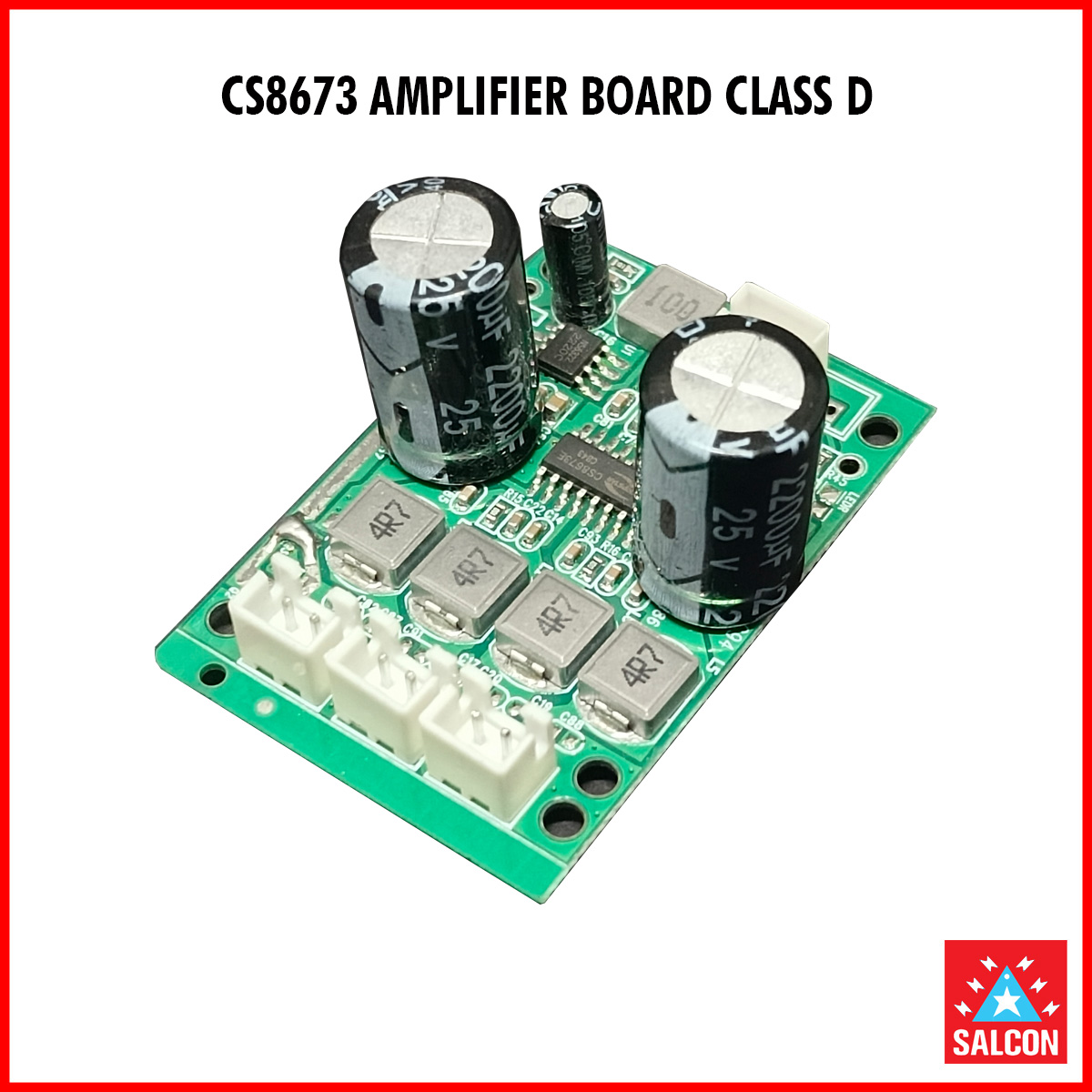
Digital signal processing (DSP) has revolutionized the way audio signals are processed and amplified. By utilizing algorithms and advanced computational techniques, DSP enhances the performance of digital amplifiers by improving sound quality, maximizing efficiency, and offering features that were previously unattainable with analog systems. This technology allows for greater control over audio signals, enabling precise adjustments that result in a more pleasant listening experience.
The optimization of output through DSP is achieved via several key techniques. Firstly, DSP can implement equalization, allowing engineers to adjust frequency response precisely. By correcting for room acoustics or the inherent resonance of speakers, amplifiers can deliver a sound that is not only louder but also clearer and more balanced. Moreover, DSP enables dynamic range compression, which maintains the integrity of sound by preventing distortion during high-volume playback. This is particularly beneficial in environments where sound levels fluctuate significantly, ensuring a consistent listening experience.
Features added by digital signal processing
Digital signal processing incorporates several advanced features that significantly enhance the functionality of digital amplifiers. These include:
- Adaptive Equalization: This feature continuously adjusts the frequency response based on the environment, allowing for optimal sound delivery regardless of the room setup.
- Multi-channel Processing: DSP can handle multiple audio signals simultaneously, enabling surround sound applications that create an immersive listening experience.
- Noise Reduction: Using algorithms to filter out background noise, DSP ensures that the audio is crystal clear, which is essential in both music and communication systems.
- Time Alignment: This ensures that audio from multiple speakers reaches the listener simultaneously, enhancing clarity and spatial accuracy in sound reproduction.
An example of DSP in action can be observed in professional audio setups, such as live concerts. Here, DSP is used to analyze the venue acoustics in real-time, making adjustments dynamically to ensure that every seat in the audience receives optimal sound. Similarly, in home theaters, various DSP algorithms can simulate surround sound from stereo inputs, providing a more immersive cinematic experience. This flexibility and power of DSP make it an indispensable tool in modern audio applications, ultimately enhancing the overall quality and enjoyment of sound.
Future trends and innovations in digital amplifier technology
As digital amplifiers continue to evolve, the integration of advanced technologies is set to redefine audio performance and efficiency. Emerging trends indicate that the future landscape of digital amplifiers will feature innovations that not only enhance sound quality but also cater to the growing demands of consumers for smarter and more efficient devices. This section explores the potential advancements in digital amplifier technology that could significantly impact the audio industry.
Emerging technologies shaping digital amplifiers
The audio industry is witnessing a shift towards the adoption of new technologies that aim to improve the overall performance of digital amplifiers. Innovations in materials, circuit designs, and digital signal processing are paving the way for more sophisticated amplifiers that offer superior audio experiences. Two notable advancements include:
- Class D Amplification: The continued refinement of Class D amplification technology leads to increased efficiency and reduced heat generation. This allows for more compact designs without sacrificing audio fidelity, making it ideal for portable devices and high-performance audio setups.
- Artificial Intelligence Integration: Implementing AI algorithms can enhance sound personalization by analyzing user preferences and automatically adjusting parameters to optimize audio output. This innovation caters to the demand for customized listening experiences, further enhancing user satisfaction.
In addition to these advancements, the integration of wireless technologies, such as Bluetooth and Wi-Fi, into digital amplifiers is further driving innovation. This not only enables seamless connectivity but also supports multi-room audio setups, greatly enhancing user convenience.
Consumer demand influencing amplifier design
The preferences of consumers play a pivotal role in shaping the innovation landscape of digital amplifiers. As audio enthusiasts seek higher fidelity, lower power consumption, and versatile functionality, manufacturers are compelled to adapt their designs accordingly. The following factors highlight how consumer demand is steering amplifier technology:
- Sustainability: With growing environmental awareness, consumers are increasingly favoring energy-efficient amplifiers. Innovations that focus on reducing power consumption while maintaining audio quality are becoming essential in product development.
- Smart Features: The rise of smart home technology has made features such as voice control and app integration highly desirable. Amplifiers that offer these functionalities are more likely to attract tech-savvy buyers looking for convenience and modernity in their audio solutions.
The interplay between technological advancements and consumer expectations ensures that digital amplifiers will continue to evolve, providing enhanced audio experiences while meeting the demands of a changing market.
Practical applications of digital amplifiers in different fields
Digital amplifiers have revolutionized the way sound is amplified and delivered across various platforms. Their efficiency, compact size, and superior sound quality make them a preferred choice in a wide range of applications, from home audio systems to professional sound setups. Understanding their use in different contexts helps to appreciate their versatility and impact on audio experiences.
Digital amplifiers in home audio systems
In residential environments, digital amplifiers enhance the listening experience by providing high-quality sound while being energy-efficient. They are commonly found in various devices like soundbars, home theater systems, and tabletop speakers. Digital amplifiers typically offer features such as Bluetooth connectivity and integration with smart home systems, making them user-friendly and versatile.
- Soundbars: Many modern soundbars incorporate digital amplifiers, which allow for powerful audio playback in a compact design. This is particularly important for smaller living spaces where traditional speaker systems may be impractical.
- Home theater systems: Digital amplifiers in home theater receivers enable the processing of surround sound formats, providing an immersive cinema-like experience. They can easily drive multiple speakers without requiring excessive power consumption.
- Smart speakers: Devices like Amazon Echo and Google Home utilize digital amplifiers for crisp sound quality in a compact form factor, making them suitable for everyday listening and smart home integration.
Digital amplifiers in professional sound systems
In professional audio setups, digital amplifiers are crucial for delivering high-performance sound across various settings such as concerts, theaters, and broadcasting. Their capacity to handle high power levels and low distortion makes them ideal for demanding environments where sound clarity and volume are critical.
- Concerts and live events: Digital amplifiers are often used in large PA systems, allowing for clear sound reproduction across vast areas. Their lightweight design simplifies setup and transport, a key consideration for touring artists.
- Recording studios: In studio environments, digital amplifiers ensure accurate monitoring of sound, allowing engineers to produce high-fidelity recordings. Their low noise floor is essential for capturing clean audio.
- Theater productions: Digital amplifiers are employed in theater sound systems to manage multiple channels of audio, enhancing the audience’s experience with precise sound effects and dialogue clarity.
Digital amplifiers in automotive audio systems
Automotive audio systems benefit significantly from digital amplifiers, which enhance sound quality while optimizing space within the vehicle. Traditional amplifiers can be bulky and inefficient, while digital amplifiers provide a modern solution that meets the demands of contemporary car audio setups.
- Space-saving design: Digital amplifiers are compact and lightweight, allowing for installation in tight spaces without sacrificing sound quality. This is particularly advantageous in vehicles where space is at a premium.
- Improved sound quality: Through advanced digital processing, these amplifiers deliver clearer sound with less interference, improving the overall listening experience even at high volumes.
- Integration with multimedia systems: Many digital amplifiers integrate seamlessly with today’s complex automotive multimedia systems, supporting various audio formats and sources, including streaming services.
Digital amplifiers in live sound reinforcement
In live sound reinforcement, digital amplifiers play a vital role in addressing challenges such as sound clarity, volume control, and feedback management. Their advanced technology allows for real-time adjustments, ensuring that performances are delivered with maximum impact.
- Dynamic range control: Digital amplifiers can adapt to varying sound levels, ensuring that both soft and loud passages are rendered effectively, which is crucial for live performances.
- Feedback suppression: Many digital amplifiers come equipped with built-in feedback suppression technology, which enhances sound stability and prevents unwanted resonances during live events.
- Remote access and control: The ability to control digital amplifiers remotely allows sound technicians to make adjustments on-the-fly, optimizing sound delivery in response to audience reactions and venue acoustics.
Tips for selecting the right digital amplifier for specific needs
Choosing the right digital amplifier can significantly enhance your audio experience, whether for home use or professional settings. The ideal amplifier will complement your speakers and overall sound system, ensuring optimal performance. This guide Artikels essential factors to consider when making your selection, ensuring you make an informed choice.
Checklist of factors to consider
When selecting a digital amplifier, it’s crucial to evaluate various factors to ensure that it meets your specific requirements. Below is a checklist that highlights key considerations:
- Power Output: Look for an amplifier with adequate wattage to match your speakers’ requirements. Too little power can lead to distortion, while too much can damage your speakers.
- Impedance Matching: Ensure the amplifier’s impedance rating aligns with your speakers. Common ratings are 4, 6, or 8 ohms.
- Input Options: Consider the types of inputs you need. Ensure the amplifier has sufficient ports for your audio sources, such as RCA, optical, or HDMI.
- Size and Portability: Assess the physical dimensions and weight of the amplifier, especially if space is limited or if you plan to move it frequently.
- Budget: Digital amplifiers come in a wide price range. Set a budget that reflects your needs without compromising on essential features.
- Brand Reputation: Research brands known for quality and reliability to ensure you invest in a reputable product.
Importance of matching amplifiers with speakers
Matching your amplifier with your speakers is a vital aspect of achieving superior sound quality. A well-matched system enhances audio clarity and fidelity, while an improper match can lead to various issues.
Matching the power rating and impedance of your amplifier and speakers is essential for optimal performance and longevity of your audio equipment.
When amplifiers and speakers are paired correctly, the result is a balanced sound output that can reproduce music as intended by the creator. For instance, pairing a high-wattage amplifier with low-wattage speakers can lead to distortion or damage, while an underpowered amplifier may not drive the speakers sufficiently, resulting in poor sound quality. Always check the specifications of both components to ensure they complement each other.
Testing and comparing digital amplifiers
Before purchasing a digital amplifier, testing and comparing different models is crucial to finding the best fit for your needs. Here are practical tips to enhance your evaluation process:
- Listen in a Controlled Environment: If possible, test amplifiers in a controlled setting where external noise is minimized. This allows you to focus on sound quality.
- Use Familiar Music: Bring along music tracks that you are familiar with, as this will help you discern subtle differences in sound quality easily.
- Evaluate Features: Compare features like built-in equalizers, Bluetooth connectivity, and sound enhancement options that may influence your decision.
- Check for Reviews: Read online reviews and ratings from other users to gauge real-world performance and reliability.
- Explore Warranty and Support: Consider warranty terms and the availability of customer support, which can be important for long-term satisfaction.
Epilogue
In conclusion, digital amplifiers not only represent a significant leap in audio technology but also offer practical benefits in various applications. As we look to the future, innovations in this field promise to enhance sound quality and energy efficiency even further. Understanding these devices can empower users to make informed choices, ensuring they get the most out of their audio experiences.
FAQ Resource
What is a digital amplifier?
A digital amplifier is an electronic device that converts analog audio signals into digital format for amplification, providing high-quality sound with greater efficiency.
How does a digital amplifier differ from an analog amplifier?
Digital amplifiers use digital signal processing to enhance sound quality and efficiency, whereas analog amplifiers rely on continuous signal processing, which can lead to greater power consumption and size.
Are digital amplifiers more energy-efficient?
Yes, digital amplifiers are generally more energy-efficient than analog amplifiers, leading to lower power consumption and reduced heat generation.
Can digital amplifiers be used in home audio systems?
Absolutely, digital amplifiers are commonly used in home audio systems to improve sound quality and offer more compact designs.
What factors should I consider when buying a digital amplifier?
Consider factors such as compatibility with your audio system, power output, size, weight, and features like digital signal processing when selecting a digital amplifier.