
Bass shakers have emerged as an innovative technology that transforms how we experience sound, providing a tactile feedback component that enhances audio enjoyment. These devices bring a whole new layer of immersion whether you’re watching movies, playing video games, or enjoying music, allowing you to feel the vibrations as if you were part of the action.
By converting audio signals into vibrations, bass shakers work in tandem with traditional sound systems, amplifying the low frequencies that are often felt rather than heard. With various types available, from DIY projects to professional-grade equipment, bass shakers are adaptable for different environments, making them a popular choice among audiophiles and casual users alike.
Understanding the Functionality of Bass Shakers
Bass shakers, also known as tactile transducers, are innovative devices designed to enhance audio experiences by converting low-frequency sound signals into physical vibrations. Unlike traditional speakers, which produce sound waves that travel through the air, bass shakers deliver vibrations directly to surfaces, allowing users to feel the music or sound effects in a visceral way. This technology is particularly popular in home theater systems, gaming setups, and even in live events, creating an immersive atmosphere that engages both the auditory and tactile senses.
The basic mechanics of bass shakers involve the conversion of electrical audio signals into mechanical vibrations. When a low-frequency audio signal, typically below 100 Hz, reaches the bass shaker, it activates an electromagnetic coil. This coil moves a diaphragm or membrane within the shaker, producing vibrations that can be felt when the shaker is mounted to a surface, such as a chair or floor. The intensity of the vibrations depends on the power and frequency of the audio signal, allowing users to adjust their experience according to personal preference and the content being played.
Components of a Bass Shaker System
A comprehensive bass shaker system typically consists of several key components that work together to deliver an enhanced audio experience. Understanding these components can help users optimize their setups for the best performance.
- Bass Shaker Unit: The core component that converts audio signals into vibrations.
- Amp/Receiver: A power amplifier or receiver is necessary to boost the audio signal before it reaches the bass shaker unit, ensuring adequate power for effective operation.
- Mounting Hardware: Proper mounting is essential for achieving the best tactile response. This can include brackets, screws, or adhesive pads to securely attach the shaker to a surface.
- Audio Source: The source of the audio signal can be any device capable of playing sound, such as a TV, game console, or stereo system, which sends the low-frequency signals to the shaker.
Bass shakers significantly enhance audio experiences across various environments by providing a more immersive feel to sound. For example, in a home theater setting, when an explosion occurs in a movie, the bass shaker can vibrate the seat, allowing viewers to experience the action more intensely. Similarly, in gaming, bass shakers amplify the realism of explosions, gunfire, or engine sounds, making players feel as if they are part of the game. In live music events, bass shakers can transform the audience’s experience by allowing them to feel the bass beats, creating a shared sense of energy and excitement. Overall, these devices bridge the gap between audio and physical experience, making sound more engaging and memorable.
The Benefits of Using Bass Shakers in Home Theater Systems
Integrating bass shakers into home theater systems is becoming a popular choice among audiophiles and casual viewers alike. These devices enhance the audio-visual experience by providing tactile feedback that complements traditional sound, allowing users to feel the impacts of sound effects rather than just hear them. This sensation transforms the way we engage with movies, music, and gaming, creating a more immersive environment that transcends standard audio experiences.
Bass shakers, also known as tactile transducers, work by converting audio signals into vibrations that travel through surfaces like chairs, couches, or even floors. This innovation amplifies the overall experience, particularly during action-packed scenes in films or high-intensity moments in games. Users may find their adrenaline surging as they feel the rumble of a car chase or the blast of a cannon, enhancing emotional responses and making each scene more compelling.
Types of Audio Experiences Amplified by Bass Shakers
The integration of bass shakers significantly enhances a variety of audio experiences, ensuring that users receive full sensory engagement. Some of the primary experiences include:
- Action Movies: The intense action sequences in films deliver a physical punch when combined with bass shakers, allowing users to feel the explosions, crashes, and other high-energy moments.
- Music Concerts: Live music performances are invigorated with low-frequency vibrations, enabling users to feel the beat and rhythm in a new way, creating an atmosphere akin to being at a live event.
- Gaming: Video games often feature a wide range of audio cues that can be transformed into physical sensations. Bass shakers elevate the gaming experience, allowing players to feel the weight of their actions, such as firing weapons or navigating treacherous terrains.
- Virtual Reality: In VR environments, the tactile feedback from bass shakers enhances immersion, making users feel as though they are truly part of the digital world around them.
The effectiveness of bass shakers compared to traditional subwoofers reveals a clear distinction in user experience. While subwoofers are designed to provide deep bass sounds that boom through the environment, they often lack the direct tactile feedback that bass shakers offer.
A subwoofer typically produces sound waves that can be felt and heard but may not engage the body in a physically interactive way. For instance, the sound of a low rumble may resonate in the room but does not translate into a sensation that users can feel in their seats. Conversely, bass shakers deliver vibrations directly through the furniture or the ground, creating a much more visceral experience.
In practice, many users find that combining both subwoofers and bass shakers in their home theater systems delivers the ultimate in audio immersion. The subwoofer fills the room with sound, while the bass shaker provides that crucial tactile feedback, leading to an enriched viewing experience. This combination is particularly effective for home theater enthusiasts who desire both auditory and physical stimulation while enjoying their favorite media.
Bass Shakers and Gaming
In the ever-evolving landscape of gaming, immersing oneself in the virtual world has become a top priority for both developers and gamers alike. Bass shakers, also known as tactile transducers, have emerged as a remarkable tool that elevates gaming experiences to a whole new level. By translating low-frequency audio signals into physical vibrations, these devices create an engaging environment that resonates with players, making them feel as if they are part of the action.
Bass shakers enhance the gaming experience in multiple ways, transforming ordinary gameplay into an extraordinary sensory adventure. As gamers navigate through lifelike battlefields, explore vast landscapes, or embark on thrilling quests, the tactile feedback provided by bass shakers can intensify emotional engagement. For instance, during high-octane gaming moments such as explosions in first-person shooters or the rumble of a vehicle in racing simulations, players can physically feel the impact, heightening their excitement and focus.
Game Genres That Benefit from Bass Shakers
Certain genres of games particularly lend themselves to the immersive capabilities of bass shakers. These include:
- First-Person Shooters (FPS): Games like “Call of Duty” and “Battlefield” come alive when players feel the vibrations of gunfire and explosions, making each match more thrilling.
- Racing Simulations: Titles such as “Forza Horizon” and “Gran Turismo” allow players to feel the engine’s roar and the vibrations of the road, enhancing the overall driving experience.
- Survival Horror: Games like “Resident Evil” utilize tension-building soundscapes. Bass shakers can amplify jump scares and eerie sounds, pulling players deeper into the narrative.
- Action-Adventure: In games such as “The Legend of Zelda: Breath of the Wild,” the sensation of physical interactions—whether scaling cliffs or engaging in battle—can be accentuated by bass shakers, enriching gameplay.
For gamers seeking to optimize their setups for maximum impact with bass shakers, several factors come into play. Positioning is crucial; placing the shakers directly under the gaming chair or couch maximizes the tactile experience. Additionally, gamers should consider the integration of bass shakers with their audio systems. Using a dedicated amplifier can enhance the performance of the bass shakers, ensuring they respond accurately to low-frequency sounds.
“The right setup not only enhances immersion but also allows players to physically connect with the gaming narrative, thus bridging the gap between the virtual and the real.”
Furthermore, adjusting sound settings within the game can further enhance the experience. Many modern games offer options to customize audio output, allowing players to increase bass levels or specific sound frequencies that trigger the bass shakers. This personalized touch can transform gameplay, ensuring that every game session feels unique and engaging.
Installation Tips for Optimizing Bass Shaker Performance
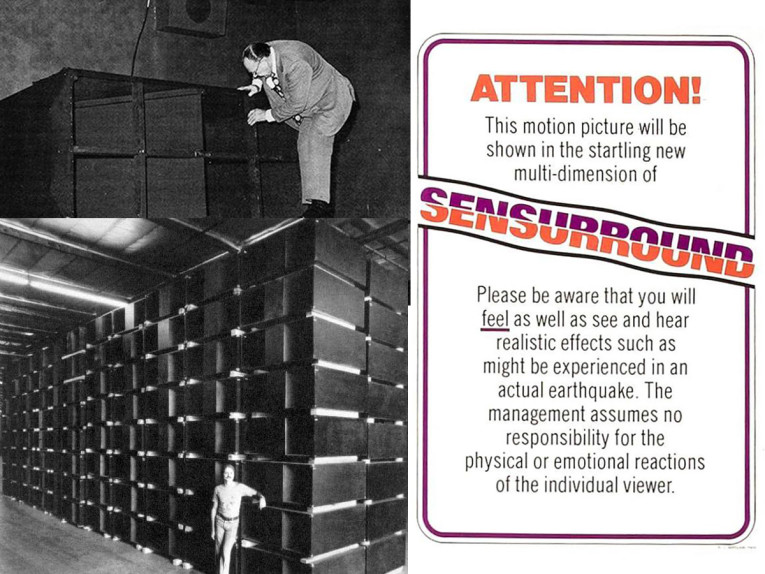
Installing bass shakers effectively can enhance your audio experience significantly, turning regular sound into an immersive sensation. Proper installation ensures that you maximize the potential of your bass shakers, allowing the deep, resonant vibrations to engage you in movies, music, and gaming. In this guide, we will walk you through the steps to install bass shakers optimally while also providing insights into common installation pitfalls to avoid and tips to fine-tune settings for various audio sources.
Step-by-Step Guide for Installation
A successful bass shaker installation involves several critical steps that contribute to its overall performance. Following these steps will help guarantee that you achieve the best results.
- Select the Right Location: Choose a sturdy surface to mount your bass shakers, such as a couch, chair, or platform. Ensure that the area is free from obstructions for effective vibration transfer.
- Mark the Mounting Area: Use a pencil to mark where you plan to install the bass shakers. Ensure they are positioned close to the center of the seating area for optimal effectiveness.
- Prepare the Surface: Clean the area where you will mount the bass shakers to ensure a solid bond. Remove dust or debris to enhance adhesion.
- Install the Bass Shakers: Use screws or adhesive pads provided with the bass shakers to secure them to the marked area. Ensure they are tightly affixed to prevent movement during use.
- Connect the Wiring: Follow the manufacturer’s instructions to wire the bass shakers to an amplifier or receiver. Ensure polarity is correct to maintain proper functionality.
- Test the Setup: Once everything is installed, play audio with varying bass frequencies to test the performance. Adjust the shaker’s position if necessary to achieve the desired effect.
Common Installation Mistakes to Avoid
Several mistakes can undermine the performance of your bass shakers, leading to subpar audio experiences. Being aware of these common pitfalls can save you time and frustration.
Improper mounting can lead to inadequate vibration transmission, reducing the effectiveness of the bass shakers.
- Mounting on Weak Surfaces: Avoid installing bass shakers on surfaces that might flex or move, as this can distort the sound and diminish vibration quality.
- Incorrect Wiring: Ensure all connections are secure and correctly wired. Loose connections can result in poor performance or complete failure of the bass shakers.
- Ignoring Manufacturer Guidelines: Always refer to the installation manual for specific instructions related to your model, as different shakers may have unique requirements.
Adjusting Settings for Different Audio Sources
To get the most out of your bass shakers, adjusting settings based on the specific audio source can enhance performance.
When using bass shakers with various sources, consider the following:
- Receiver Settings: Adjust the crossover frequency on your audio receiver to allow more low frequencies through to the shakers, enhancing the overall output.
- Volume Levels: Set the volume of the bass shakers according to the type of media. For movies, a higher volume may be desired, whereas music may require more subtle adjustments.
- Equalization: Use an EQ on your audio source to tailor the bass response. Increasing low-end frequencies can make the bass shakers vibrate more intensely.
Exploring the Different Types of Bass Shakers Available
Bass shakers, also known as tactile transducers, have gained significant popularity among audiophiles and home theater enthusiasts. These devices provide an immersive audio experience by converting low-frequency audio signals into vibrations that can be felt. With various types available on the market, it’s essential to understand their differences, features, and price points to make an informed choice.
Bass shakers can generally be categorized into three main types: passive, active, and amplified models. Each type has its unique characteristics, making them suitable for different applications and preferences.
Types of Bass Shakers
Understanding the different types of bass shakers is crucial for choosing the right one for your setup. Here’s a closer look at the types available:
- Passive Bass Shakers: These require an external amplifier to function. They are typically more affordable and can deliver excellent performance when paired with a suitable amp. However, users need to consider the additional cost of purchasing an amplifier separately, which can vary widely depending on the brand and power output.
- Active Bass Shakers: These come with built-in amplifiers, making them easier to set up since they don’t require additional equipment. They are generally more expensive compared to passive models due to the integrated amplifier and often feature advanced processing capabilities that enhance the audio experience.
- Amplified Bass Shakers: Similar to active models, these shakers also include a built-in amplifier. They are designed for higher power outputs and often provide a larger frequency response. Amplified bass shakers are favored for home theaters and gaming setups where a significant impact is desired.
When comparing popular bass shakers on the market, consider models like the Dayton Audio BST-1, which is a passive model known for its affordability and performance. On the other hand, the AuraSound AST-2B-4 Pro is a highly regarded active model that delivers deep bass and is ideal for immersive experiences. Prices for these devices can range from $50 for basic passive models to over $200 for high-end active or amplified options.
In choosing a bass shaker, consumers should consider several key factors:
- Power Rating: Higher wattage often means more impactful vibrations, which is essential for a satisfying experience.
- Frequency Response: A wider frequency range can provide a more immersive sound experience, capturing lower frequencies effectively.
- Mounting Options: Ensure the shaker can be easily integrated into your existing setup, whether it’s for a chair, sofa, or dedicated platform.
- Compatibility: Check that the bass shaker is compatible with your audio system, especially regarding impedance and required connections.
- Durability: Quality construction is vital for longevity, particularly in high-use scenarios like gaming or home theater applications.
Investing in a bass shaker can significantly enhance your audio experience, making it crucial to understand the options available and their respective features to find the perfect fit for your needs.
DIY Bass Shaker Projects for Enthusiasts
Building your own bass shaker can elevate your audio experience, providing you with deep, rumbling vibrations that enhance both music and movie soundtracks. By creating a DIY bass shaker, you gain the freedom to customize it according to your preferences while also saving costs compared to commercially available units. This guide will help you navigate through the essential components, materials, and customizations that can make your bass shaker uniquely yours.
Materials Needed for Building a Simple DIY Bass Shaker
Creating your own bass shaker requires some specific materials. It’s important to source quality components to ensure optimal performance and durability. Here is a list of essential materials along with tips on where to find them:
- Transducer: The heart of your bass shaker. Look for a tactile transducer that can handle the frequencies you want to reproduce. Popular models include the AuraSound AST-2B-4 and the Dayton Audio BST-1. These can be purchased online from retailers like Amazon, Parts Express, or directly from audio specialty stores.
- Wooden Base: A solid platform is crucial. Use plywood or MDF (medium-density fiberboard) to create a sturdy base. You can find these materials at your local hardware store or lumber yard. Aim for a thickness of at least ¾ inch for stability.
- Amplifier: A small audio amplifier is necessary to power the transducer. Look for one that offers sufficient wattage for your transducer’s requirements. Online marketplaces like Amazon or eBay have a variety of affordable options.
- Speaker Wire: You will need quality speaker wire to connect the transducer to the amplifier. This can also be found at hardware or electronics stores.
- Mounting Hardware: Screws, brackets, and possibly some foam padding for vibration absorption. These can typically be sourced from local hardware stores.
In addition to these materials, consider a few DIY tools like a drill, screwdriver, and saw for assembling your bass shaker.
Customizing Bass Shakers for Personal Audio Preferences
Customization is key to tailoring your bass shaker to meet your specific audio needs. Here are some practical tips to enhance your DIY project:
- Adjusting the frequency response: You can modify the settings on your amplifier, or add a passive low-pass filter to control the frequencies sent to the transducer. This allows you to fine-tune the bass output to blend seamlessly with your speakers.
- Enclosure design: The shape and size of the enclosure can significantly impact the sound. Experiment with different designs, like a sealed box or a ported enclosure, to find the most pleasing acoustic response.
- Experimenting with mounting: The way the bass shaker is mounted will influence the vibrations you feel. Try mounting it directly to furniture, floors, or walls to discover how different surfaces enhance or dampen the sound.
- Finishing touches: Consider painting or varnishing your wooden base to match your home decor. You can also add padding to surfaces that will contact the shaker to minimize unwanted noise.
By following these guidelines, you can create a tailored bass shaker that meets your unique audio preferences, enriching your listening experience.
The Role of Bass Shakers in Professional Audio Production
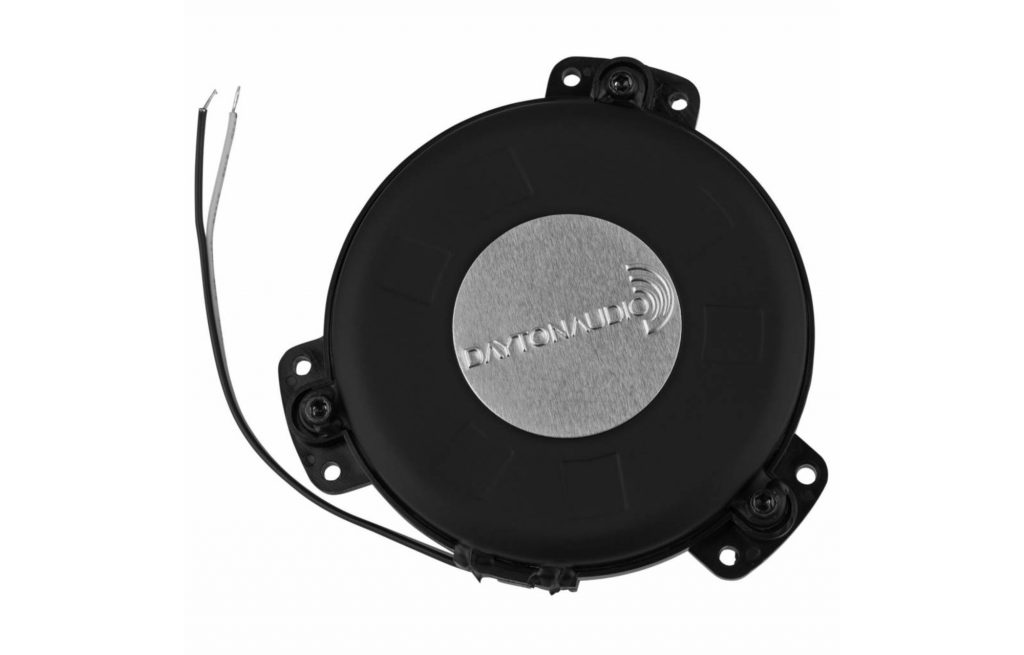
In the realm of professional audio production, bass shakers play a crucial role in enhancing the overall sound experience. These devices, also known as tactile transducers, convert audio signals into vibrations, allowing sound engineers and producers to feel low-frequency sounds in a way that traditional speakers cannot replicate. This tactile feedback is particularly beneficial in environments where auditory clarity is paramount, such as recording studios, mixing suites, and mastering facilities.
Bass shakers are primarily utilized in professional audio studios to provide sound engineers with a direct sensory experience of the bass frequencies in a mix. This is particularly important because low frequencies often translate differently across various playback systems. By feeling the vibrations, audio professionals can make more informed decisions during the mixing process, ensuring that the bass elements of a track are not only heard but also felt. This tactile interaction helps in achieving a more balanced and immersive sound, crucial for genres that heavily rely on bass, such as electronic, hip-hop, and rock music.
Impact on Mixing and Mastering
The incorporation of bass shakers significantly impacts the mixing and mastering processes in audio production. These devices allow engineers to assess the low-end response of their mixes accurately, which is essential for creating tracks that translate well across different listening environments. The following points illustrate how bass shakers contribute to these crucial stages:
– Enhanced Low-Frequency Monitoring: Bass shakers enable engineers to monitor low frequencies without relying solely on speakers, reducing the risk of muddiness in the mix. This is vital for achieving clarity in bass-heavy tracks.
– Improved Decision Making: With the ability to physically feel the bass, audio professionals can make more precise adjustments during mixing, ensuring that bass lines and kick drums are impactful yet well-defined.
– Translation Consistency: Professionals find that tracks mixed with the aid of bass shakers often translate better across various playback systems, from club soundsystems to personal headphones.
– Tactile Experience: The sensation of bass vibrations provides a more immersive experience, enhancing creativity during the production process by allowing engineers to engage more fully with the music.
– Feedback on Subwoofer Performance: Bass shakers can serve as a reference for how well subwoofers are performing, helping to identify potential issues in low-frequency reproduction.
Audio professionals have shared their experiences, noting that using bass shakers has transformed their mixing approaches. Many report that the tactile feedback from these devices allows them to catch issues in the low end that they might otherwise overlook. As one engineer stated, “With bass shakers, I can feel the sub-bass in a way that lets me know exactly how it will hit in a club or on the radio.” This firsthand insight highlights the growing importance of bass shakers in professional audio production and their role in bridging the gap between auditory and tactile experiences.
Future Trends in Bass Shaker Technology
As technology continues to evolve, the bass shaker market is witnessing significant advancements that enhance user experiences across various applications, from home theaters to gaming setups. The integration of new materials and advancements in design are making bass shakers more effective and accessible. This segment explores the emerging trends in bass shaker technology, predictions for future developments, and key players driving innovation in the field.
Emerging Technologies and Innovations
Recent innovations in bass shaker technology focus on improving performance and user experience through enhanced designs and materials. The use of lightweight yet durable materials, such as carbon fiber and advanced polymers, allows shakers to produce more powerful vibrations while maintaining a compact form factor. This shift opens doors for applications in tighter spaces without sacrificing performance.
Companies are also experimenting with the integration of smart technology into bass shakers. For instance, some products are being designed with Bluetooth capabilities, allowing users to control settings directly from their smartphones. This trend not only enhances user convenience but also enables more personalized sound experiences. The development of app-controlled bass shakers is expected to become more widespread, providing users with the flexibility to adjust intensities based on their preferences.
Predictions for the Next Few Years
Looking ahead, several predictions can be made regarding the evolution of bass shaker technology. Firstly, the integration of artificial intelligence (AI) is anticipated to play a transformative role. AI algorithms could be used to analyze the audio environment and automatically adjust the shaker’s output for optimal performance. This could revolutionize how users engage with audio, making it more immersive than ever.
Additionally, advancements in haptic feedback technology are likely to create more sophisticated bass shakers. These devices could not only vibrate but also simulate a range of sensations, enhancing virtual reality (VR) and gaming experiences. For example, imagine a gaming setup where the bass shaker responds dynamically to in-game events, creating a profound sense of presence and immersion.
Leading Companies and Research Teams
Several companies and research teams are at the forefront of bass shaker innovation. Notably, the audio technology brand ButtKicker is known for its high-quality bass shakers that cater to both home theater enthusiasts and professional setups. Their commitment to energy efficiency and sound fidelity places them as a leader in the market.
Another key player is the company Dayton Audio, which continues to develop innovative products that focus on user experience and affordability. Their extensive research into transducer technology has led to the creation of bass shakers that are praised for their performance and reliability.
Additionally, research teams in universities are exploring the intersection of audio and haptics, looking into how these technologies can be combined to create new sensory experiences. These advancements promise to redefine how we perceive sound and vibration in our everyday environments, paving the way for exciting developments in the coming years.
Closing Notes
In conclusion, bass shakers represent an exciting frontier in audio technology, enhancing our sensory experience in ways that traditional systems cannot match. Whether it’s for your home theater, gaming setup, or professional studio, incorporating bass shakers can elevate your audio experience, making it richer and more engaging. As technology continues to evolve, we can expect to see even more innovative developments in the world of bass shakers, pushing the boundaries of sound immersion to new heights.
Detailed FAQs
What are bass shakers and how do they work?
Bass shakers are devices that convert audio signals into physical vibrations, providing tactile feedback that enhances the listening experience.
Can bass shakers be used with any sound system?
Yes, bass shakers can be integrated into most sound systems, including home theaters and gaming setups, to enhance low-frequency audio.
Are bass shakers better than subwoofers?
While both serve to enhance bass, bass shakers provide a unique tactile experience that subwoofers do not, making them complementary rather than directly comparable.
Do I need special equipment to use bass shakers?
Most bass shakers require an amplifier and a suitable audio source, but they are generally easy to set up with standard audio equipment.
Can I build my own bass shaker?
Absolutely! DIY bass shaker projects are popular and can be customized to fit your specific audio preferences and budget.