
 Zoe Nora
With AirPlay speaker technology leading the charge, audio enthusiasts are treated to a seamless and high-fidelity listening experience. It’s not just about playing music wirelessly; it’s about connecting to a world of sound that is rich and immersive, enhancing the way we enjoy entertainment at home.
Delving into the intricacies of AirPlay speakers reveals the sophisticated technology that allows these devices to operate flawlessly within the smart home ecosystem. This includes a blend of streaming capabilities, user-friendly interfaces, and superior sound quality that sets them apart in a crowded market. Understanding the components and functionality of AirPlay speakers opens a door to appreciating their evolution and impact on our daily audio experiences.
Understanding the Technology Behind AirPlay Speakers
AirPlay technology has revolutionized the way we listen to music and stream content across devices. Originally developed by Apple, AirPlay allows users to wirelessly stream audio and video from their devices to compatible speakers, TVs, and other multimedia devices. This seamless integration enhances the overall experience, providing users with high-quality sound and video without the hassle of cables. In this section, we will delve into the fundamental principles of AirPlay technology, the components that make it function, and examples of devices that utilize AirPlay effectively.
AirPlay operates primarily through a combination of digital signal processing and Wi-Fi connectivity. The core principle behind AirPlay is the transmission of audio and video data over a local network. When users select an AirPlay-compatible speaker or device, their audio or video streams are sent over Wi-Fi rather than Bluetooth, which allows for greater bandwidth and higher quality. The sender device, typically an iPhone, iPad, or Mac, encodes the media and transmits it to the receiver, which decodes the signal for playback. This process ensures that the audio reaches the speaker in real-time with minimal latency.
Several key components are involved in the functioning of AirPlay speakers. The most crucial among these is the AirPlay protocol itself, which defines how devices communicate and transmit data over the network. Additionally, a robust Wi-Fi network is essential for smooth operation, as it facilitates the high data transfer rates required for quality audio and video streaming. AirPlay speakers also incorporate digital-to-analog converters (DACs) to convert digital signals into audible sound, ensuring that the listening experience is both rich and immersive. Furthermore, many AirPlay devices support multi-room audio, allowing users to synchronize playback across multiple speakers, creating a cohesive sound environment throughout their home.
Examples of devices that effectively utilize AirPlay technology include the Apple HomePod, Sonos One, and Bose SoundTouch series. The HomePod, for instance, showcases Apple’s commitment to high-quality audio and seamless integration with other Apple products. The Sonos One allows users to voice control their music while enjoying AirPlay’s streaming capabilities, while the Bose SoundTouch series offers a combination of classic design and modern technology, ensuring rich sound in any setting. These devices exemplify how AirPlay technology enhances the audio experience, making it accessible and enjoyable for users.
The Evolution of AirPlay Speakers Over Time
The journey of AirPlay speakers has been an intriguing tale of technological advancement, reflecting the ever-changing landscape of audio technology. Initially launched by Apple in 2010, AirPlay revolutionized the way users streamed audio, and over the years, the evolution of AirPlay speakers has showcased significant milestones that define their growth and enhancements.
The first generation of AirPlay speakers appeared shortly after the introduction of AirPlay itself, with brands like Bowers & Wilkins (with the A5 and A7 models) leading the way. These initial models were primarily designed to provide wireless streaming from iOS devices and iTunes, laying the groundwork for what was yet to come. The early models offered limited functionality, focusing on basic streaming capabilities without the advanced features that consumers now expect.
Technological Advancements in AirPlay Speakers
Over the years, AirPlay speakers have integrated numerous technological advancements that have greatly improved their performance and user experience. The following timeline highlights the key releases and advancements in the AirPlay speaker market:
- 2010: The original AirPlay technology is launched, allowing audio streaming over Wi-Fi.
- 2012: The introduction of AirPlay 2, which brought multi-room audio support, allowing users to stream different music in different rooms or synchronize them for a whole-home experience.
- 2015: The launch of the first AirPlay speakers with built-in virtual assistants, such as the Sonos Play:1, marking a shift towards smart audio experiences.
- 2018: The introduction of Apple’s HomePod, which utilized advanced algorithms for spatial awareness and optimized audio performance, showcasing a leap in sound quality.
- 2020: AirPlay 2 becomes a standard feature in many third-party speakers, including options from brands like Bose and JBL, significantly expanding the market.
- 2023: Modern AirPlay speakers feature high-resolution audio streaming, enhanced wireless range, and integration with smart home ecosystems, making them more versatile than ever.
The evolution of AirPlay speakers illustrates a broader trend in audio technology moving toward higher quality and more functionality. Early models often struggled with connectivity and sound fidelity, whereas today’s speakers are equipped with state-of-the-art technology, including improved DACs (Digital-to-Analog Converters), high-fidelity sound processing, and compatibility with various streaming services beyond Apple Music.
The latest AirPlay speakers also offer immersive sound experiences that were once the realm of high-end audio systems. With features like automatic room correction and adaptive audio tuning, modern speakers provide tailored sound experiences suited to individual spaces. Additionally, the integration of smart home technology, allowing voice control and automation, has become a standard expectation, changing the landscape of how users interact with audio devices.
In summary, the evolution of AirPlay speakers is marked by significant milestones that highlight advancements in technology and shifts in consumer expectations, transforming the landscape of home audio systems comprehensively.
Features That Set AirPlay Speakers Apart from Other Wireless Speakers
AirPlay speakers offer a range of unique features that differentiate them from traditional wireless speakers, particularly Bluetooth models. These features not only enhance the audio experience but also ensure a more seamless integration within Apple’s ecosystem. Understanding these distinctions helps consumers make informed choices about their audio devices.
One of the foremost features of AirPlay speakers is their ability to stream audio over a Wi-Fi network rather than through Bluetooth. This distinction allows for higher audio quality since Wi-Fi can handle larger data packets compared to Bluetooth. As a result, users can enjoy lossless audio formats, providing a clearer and richer sound experience. Additionally, AirPlay supports multi-room audio, which means users can play music simultaneously on multiple speakers located in different rooms. This is an ideal feature for gatherings or household settings where music is desired in various spaces without sacrificing sound quality.
Audio Quality and Connectivity Advantages
The audio quality and connectivity advantages of AirPlay speakers significantly contribute to a superior user experience. The following points illustrate how these features enhance functionality and sound:
- High-Resolution Audio Streaming: AirPlay supports streaming in higher resolutions, allowing users to experience finer details in their music.
- Lossless Compression: Audio streamed via AirPlay does not suffer from the compression artifacts often associated with Bluetooth, providing a more faithful reproduction of the original sound.
- Network Stability: Unlike Bluetooth, which can be susceptible to interference and range issues, AirPlay operates through a stable Wi-Fi connection, leading to fewer dropouts and a more reliable listening experience.
- Integrated Ecosystem: AirPlay seamlessly integrates with Apple devices, allowing for easy streaming from iPhones, iPads, and Macs, enhancing versatility in how users interact with their music libraries.
- Multi-Room Setup: Users can easily manage and synchronize audio playback across multiple AirPlay-compatible devices, creating a cohesive audio environment throughout their homes.
In comparison to Bluetooth speakers, which may require manual pairing and can face connectivity limitations, AirPlay speakers facilitate a more user-friendly experience through automatic discovery and connection within the Wi-Fi network. Ultimately, these unique features not only elevate sound quality but also enrich the overall user experience, making AirPlay speakers a preferred choice for audio enthusiasts seeking convenience and superior performance.
Setting Up an AirPlay Speaker for Optimal Performance
To achieve the best sound quality and performance from your AirPlay speaker, a well-thought-out setup process is essential. This guide will walk you through the step-by-step setup of your AirPlay speaker, highlighting the importance of placement in maximizing sound quality, and providing troubleshooting tips for common issues you may encounter during the setup.
Step-by-Step Setup Guide
Setting up your AirPlay speaker properly ensures it performs at its best. Follow these steps to get started:
1. Unbox and Position: Start by unboxing your AirPlay speaker and finding a suitable location. Aim for a stable, flat surface away from obstructions. Elevating the speaker can enhance audio quality.
2. Connect to Power: Plug the speaker into a power outlet. Ensure the power outlet is functional and not overloaded with other devices.
3. Network Connection: Connect your AirPlay speaker to the same Wi-Fi network as your iPhone, iPad, or computer. This ensures seamless streaming. To connect, use the speaker’s companion app or follow the instructions provided in the user manual.
4. Software Updates: Check for any firmware updates. Updating your speaker’s software can significantly enhance performance and fix bugs.
5. Configure Settings: Using the companion app, customize your sound settings such as equalization preferences. Take advantage of features like stereo pairing if you have multiple speakers.
6. Testing Audio: Play a variety of audio sources to assess performance. Adjust volume levels and sound settings based on your listening preferences.
Significance of Placement in a Room
The placement of your AirPlay speaker is crucial for optimal sound quality. Here are some key points to consider:
– Distance from Walls: Positioning your speaker at least a few feet away from walls helps reduce unwanted reflections, leading to clearer sound.
– Room Acoustics: Rooms with carpets and heavy drapes can absorb sound and enhance acoustics, while bare walls may cause echoes.
– Listening Position: Ensure that the speaker is directed toward your main listening area. The sound should be evenly distributed, providing a balanced listening experience.
– Avoid Obstacles: Keep the area around the speaker free of obstructions. Items like furniture can block sound waves, affecting audio clarity.
Optimal speaker placement can transform your listening experience, creating a richer soundscape.
Troubleshooting Common Setup Issues
Setting up technology can sometimes lead to headaches. Here are some common issues and their solutions:
– Connection Problems: If your speaker isn’t appearing in the AirPlay menu, ensure that your device and speaker are connected to the same Wi-Fi network. Restart both your router and speaker if necessary.
– Audio Quality Issues: If sound quality is poor, check the speaker placement and surrounding environment. Avoid placing the speaker in corners or enclosed spaces.
– Firmware Errors: Should the speaker fail to update, try resetting it by unplugging and then re-plugging it back in. Ensure you have a stable internet connection during updates.
– Intermittent Streaming: If audio drops frequently, consider moving closer to the Wi-Fi router or using a Wi-Fi range extender to enhance signal strength.
By following these guidelines, you can ensure that your AirPlay speaker is set up for optimal performance, allowing you to enjoy high-quality audio in your home.
The Future of AirPlay Speakers in the Smart Home Ecosystem
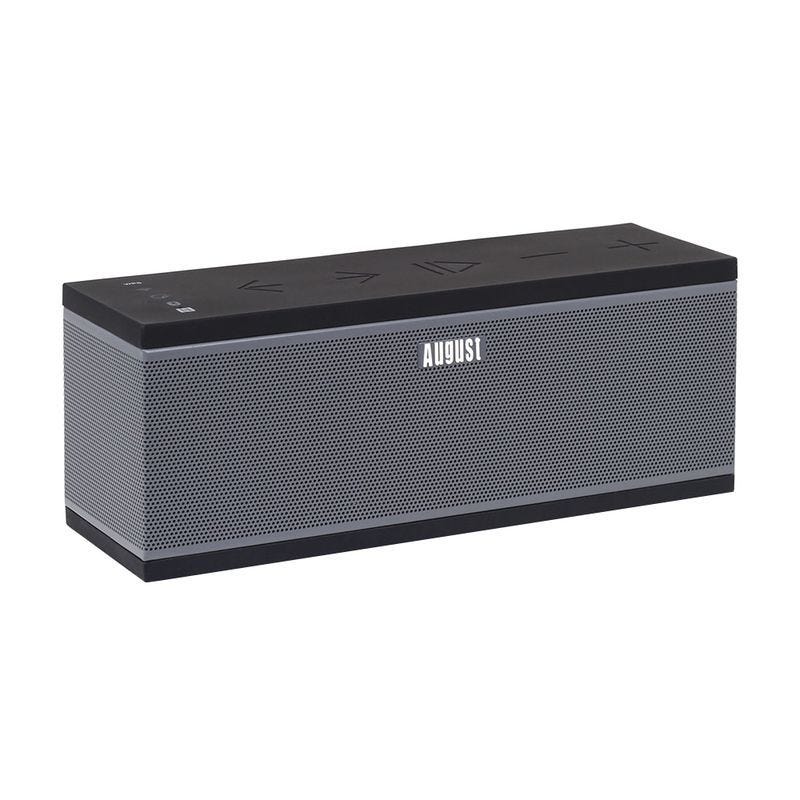
As the smart home ecosystem continues to evolve, AirPlay speakers are poised to play a pivotal role in enhancing the overall user experience. With the increasing prevalence of interconnected devices, these speakers are not just audio output mechanisms; they are becoming central nodes in a network of smart technology. The integration of AirPlay speakers within this sophisticated environment allows for seamless communication between devices, creating a more intuitive and responsive home atmosphere.
The potential advancements in AirPlay speaker technology are exciting and could redefine their functionality. Future models may incorporate enhanced artificial intelligence capabilities, allowing them to learn user preferences and adapt to individual listening habits. This personalized approach would enable speakers to deliver tailored audio experiences — from curating playlists based on mood to optimizing sound quality based on room acoustics. Furthermore, improvements in voice recognition technology could lead to more accurate responses to commands, facilitating a hands-free control experience that is essential in today’s fast-paced world.
Integration with Other Smart Devices
Integration with various smart devices can unlock numerous innovative use cases for AirPlay speakers. As smart home technology advances, speakers will be able to communicate with other devices, such as smart thermostats, lights, and security systems, to create a cohesive and automated living environment. The following points illustrate the significance of this integration:
- Multi-Room Audio Systems: AirPlay speakers can work in tandem with other audio devices throughout the home, allowing users to enjoy synchronized music playback across multiple rooms. This feature is particularly beneficial for social gatherings or family events where a unified audio experience is desired.
- Smart Home Automation: By connecting to smart home hubs, AirPlay speakers can trigger events in the home. For example, users might configure their speakers to automatically play calming music when the security system is armed or to announce when a package has been delivered.
- Voice-Activated Control: With advancements in voice assistant technologies, users can operate their entire smart home ecosystem through voice commands given to their AirPlay speakers. This capability will simplify user interaction and enhance accessibility, especially for individuals with mobility challenges.
- Enhanced Security Features: AirPlay speakers could serve as an audio monitoring system, providing alerts and notifications for unusual sounds or activities detected within the home environment, thereby adding an extra layer of security.
- Personal Assistant Functions: Future AirPlay speakers may incorporate more sophisticated personal assistant features, allowing users to manage their schedules, set reminders, or control other devices through natural language commands.
The convergence of AirPlay speakers with IoT devices illustrates the potential for a future where technology anticipates and responds to our needs. From cozy evenings listening to music while adjusting the lighting, to ensuring security through audio alerts, the future of AirPlay speakers in the smart home ecosystem promises to be both functional and transformative. Their evolving role will not only enhance the way we experience sound but also redefine how we interact with our living spaces.
Popular AirPlay Speaker Brands and Their Offerings
The AirPlay speaker market has seen a surge in innovative offerings from various brands, each catering to different segments of consumers. This variety has made it easier for users to find a speaker that suits their needs, whether for casual listening or high-fidelity audio experiences. In this discussion, we’ll delve into some of the leading brands, their standout models, and how they stack up against each other in terms of features and customer feedback.
Comparison of Leading AirPlay Speaker Brands
Several brands have emerged as front-runners in the AirPlay speaker space, each with its unique set of features and pricing. The most notable include Apple, Sonos, Bose, and Bang & Olufsen. Below is a comparative overview of their product lines.
- Apple: Known for its seamless integration with other Apple devices, Apple’s HomePod offers exceptional sound quality and smart features powered by Siri. It retails around $299.
- Sonos: With a range of models like the Sonos One and Sonos Five, Sonos speakers provide robust multi-room audio capabilities. Their pricing ranges from $199 for the Sonos One to $499 for the Sonos Five, appealing to varied budgets.
- Bose: Renowned for their sound performance, Bose’s Home Speaker 500 features built-in voice control and excellent sound quality, priced at approximately $399. Their soundbar options also support AirPlay.
- Bang & Olufsen: Positioned as a luxury brand, they offer premium models like the Beoplay M5, emphasizing design and audio fidelity, available for around $599.
Customer feedback is generally positive across the board, with users praising Apple for its integration, Sonos for flexibility, Bose for sound quality, and Bang & Olufsen for aesthetics. However, some critique Bang & Olufsen’s high price point, indicating it may not be accessible for the average consumer.
To provide a clearer picture of what these brands offer, the following table Artikels key specifications for notable AirPlay speaker models:
| Brand | Model | Price | Audio Quality | Smart Features |
|---|---|---|---|---|
| Apple | HomePod | $299 | High-fidelity | Siri integration |
| Sonos | Sonos One | $199 | Rich and detailed | Alexa and Google Assistant |
| Bose | Home Speaker 500 | $399 | Clear and powerful | Alexa and Google Assistant |
| Bang & Olufsen | Beoplay M5 | $599 | Exceptional clarity | Voice control |
Understanding the strengths and weaknesses of these brands helps consumers make informed decisions based on their audio needs and budget.
User Reviews and Experiences with AirPlay Speakers
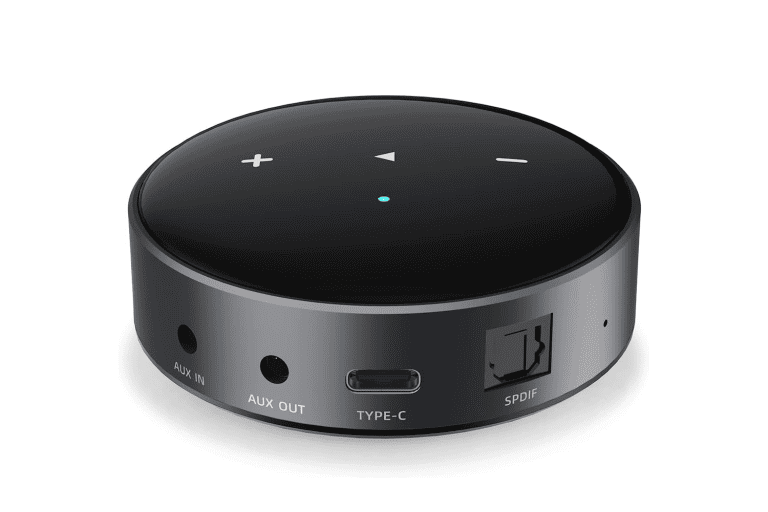
The popularity of AirPlay speakers has surged in recent years, leading to an array of user reviews and testimonials that provide valuable insights into their performance and user satisfaction. Potential buyers often rely on these experiences to gauge the reliability, sound quality, and ease of use of various models available in the market.
One of the standout features frequently praised by users is the exceptional sound quality provided by AirPlay speakers. Many reviewers highlight the clarity and depth of the audio, making them an ideal choice for music enthusiasts. Users appreciate the seamless streaming capabilities, allowing them to play music directly from their devices without any noticeable lag. This wireless convenience is often cited as a significant advantage over traditional wired systems.
Common Praises and Criticisms in User Feedback
User experiences reveal a mix of commendations and critiques that can inform potential buyers. Here are some key aspects highlighted in reviews:
Many users express their joy over the following aspects:
-
“The audio quality is simply amazing—rich bass and clear highs make every song a pleasure to listen to.”
-
“Setup was a breeze! I had it connected to my Wi-Fi in minutes.”
-
“I love being able to control my music from anywhere in the house.”
However, some users do share criticisms that are worth noting:
-
“Sometimes the connection drops unexpectedly, which can be frustrating.”
-
“Certain models can be quite pricey compared to similar speakers.”
-
“There’s a bit of a learning curve to get the most out of all the features.”
These insights not only highlight the strengths of AirPlay speakers but also the issues that potential buyers may face. Buyers should consider their priorities, such as sound quality versus budget, and whether they are comfortable navigating the technology involved. Understanding user experiences can assist in making an informed decision that aligns with personal expectations and requirements for sound systems. Overall, AirPlay speakers continue to receive strong endorsements for their capabilities, while also prompting thoughtful consideration regarding potential drawbacks.
The Environmental Impact of AirPlay Speakers
The rise of AirPlay speakers has brought along a multitude of benefits, including wireless convenience and high-quality audio streaming. However, it is essential to consider their ecological footprint from design to disposal. The environmental impact of these speakers is a growing concern as manufacturers strive to align with sustainability goals while still meeting consumer demands for performance and aesthetic appeal.
AirPlay speakers are typically made of various materials such as plastic, metal, and electronic components, each contributing differently to their overall environmental impact. The production process for these materials often involves significant energy consumption and greenhouse gas emissions. For example, the extraction of raw materials like aluminum and rare earth metals can lead to habitat destruction and pollution if not sourced responsibly.
Sustainability Initiatives by Brands
Many brands are recognizing the importance of sustainable development and incorporating eco-friendly practices into their product lines. This includes using recycled materials in the construction of AirPlay speakers and implementing energy-efficient manufacturing processes. Some companies are exploring biodegradable plastics or sustainably sourced wood for speaker casings.
Furthermore, brands are increasingly focusing on creating products that are designed for longevity. This involves modular designs that allow consumers to easily replace parts instead of discarding the entire unit. Some notable examples include:
- Bang & Olufsen: Known for their commitment to high-quality materials, they often utilize aluminum and sustainably sourced wood. Their products are designed to be repairable and long-lasting.
- Sonos: This brand has implemented a take-back program to recycle old speakers, and their new models are made from more sustainable materials.
- Apple: They aim for carbon neutrality across their supply chain by 2030 and produce AirPlay speakers with recycled aluminum and other materials.
Consumers looking for eco-friendly AirPlay speaker options can consider the following factors:
- Look for certifications such as Energy Star or EPEAT, which indicate energy efficiency and environmentally friendly practices.
- Check if the brand utilizes recycled or sustainable materials in their products.
- Inquire about the company’s take-back or recycling programs, as these can significantly reduce electronic waste.
Opting for eco-conscious brands not only contributes to environmental preservation but also encourages the industry to adopt more sustainable practices.
Conclusive Thoughts
In summary, AirPlay speakers have not only transformed the way we listen to music but have also paved the way for innovations in smart home technology. Their unique features, combined with user-friendly setups and ongoing advancements, keep them at the forefront of audio technology. As we look to the future, the possibilities for what AirPlay speakers can achieve seem boundless, inviting us to explore new audio experiences.
Questions and Answers
What is an AirPlay speaker?
An AirPlay speaker is a wireless audio device that utilizes Apple’s AirPlay technology to stream music from iOS devices, Macs, and Apple TVs over Wi-Fi.
Can I use AirPlay speakers with non-Apple devices?
While primarily designed for Apple devices, some AirPlay speakers can also connect with Android devices through third-party apps.
Do AirPlay speakers require Wi-Fi?
Yes, AirPlay speakers depend on a Wi-Fi network for streaming audio content, as they do not support Bluetooth connections.
Are AirPlay speakers easy to set up?
Absolutely! Most AirPlay speakers offer a straightforward setup process, often guided by an app or simple instructions.
Do AirPlay speakers support multi-room audio?
Yes, AirPlay speakers can be configured for multi-room audio, allowing you to play music simultaneously across several rooms.
How do AirPlay speakers compare to Bluetooth speakers?
AirPlay speakers typically offer better sound quality and range, as they use Wi-Fi rather than Bluetooth, but they require a compatible network connection.
What should I consider when buying an AirPlay speaker?
Consider factors like sound quality, design, compatibility with your devices, and whether you need multi-room capabilities when purchasing an AirPlay speaker.