
 Zoe Nora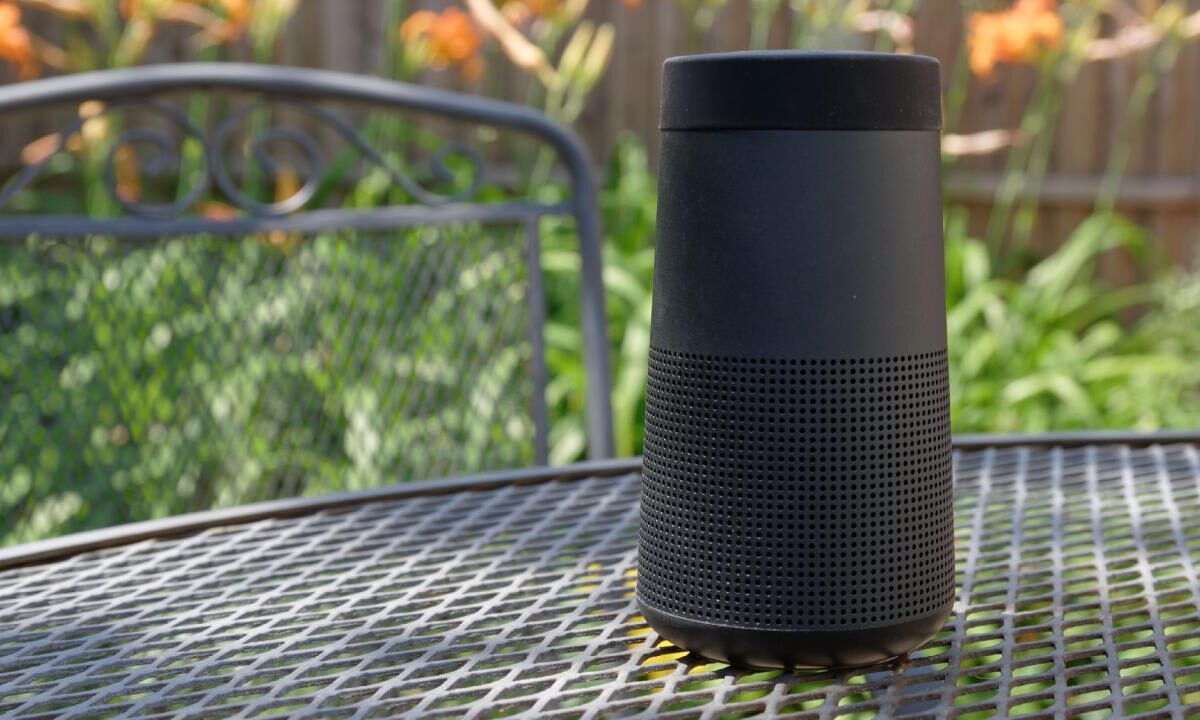
As Best wireless speaker takes center stage, this discussion invites you into the vibrant world of audio devices that enhance your listening experience. With a myriad of options available, understanding what makes a wireless speaker truly exceptional is essential for making an informed choice.
From sound quality and battery life to connectivity options and brand reputation, we’ll explore the key features that define the best wireless speakers on the market today. Whether you’re an audiophile or just seeking the perfect speaker for casual listening, this guide is tailored to equip you with the knowledge to find a model that suits your needs.
Identifying the features that define the best wireless speaker
Choosing the right wireless speaker can significantly enhance your audio experience, whether you are at home, outdoors, or on the go. The best wireless speakers combine various essential features that cater to both casual listeners and audiophiles alike. Sound quality, battery life, and connectivity options are fundamental characteristics that can greatly influence your listening experience.
When evaluating wireless speakers, sound quality is paramount. High-quality audio reproduction, including clear highs, balanced mids, and deep bass, can transform your music enjoyment. Look for speakers that support advanced audio codecs like aptX for improved sound clarity. Battery life is another critical factor; lengthy playback durations ensure that your speaker can accompany you throughout the day without needing constant recharging. Seek models that offer at least 10 hours of playback on a single charge to ensure reliability during outings.
Portability and design impact on user experience
Portability and design also play crucial roles in user satisfaction. A speaker’s size and weight contribute to how easily it can be transported. Compact models are ideal for travel, while larger speakers may provide better sound quality at the cost of convenience. The design should not only be aesthetically pleasing but also functional, with rugged construction for outdoor use or water resistance for poolside parties.
Examples of standout features in popular models illustrate these concepts well. The JBL Charge 5, for instance, boasts impressive sound quality with its dual passive radiators and robust battery life of up to 20 hours, making it perfect for outdoor usage. The Bose SoundLink Flex is highly portable with its lightweight design and IP67 waterproof rating, while still delivering exceptional sound performance. Furthermore, the Sonos Roam offers seamless connectivity options, supporting both Bluetooth and Wi-Fi, which means it can integrate effortlessly into your existing multi-room audio setup.
In summary, the best wireless speakers combine sound quality, battery life, connectivity, portability, and design to create a satisfying audio experience tailored to your lifestyle.
Evaluating sound quality in wireless speakers
When it comes to wireless speakers, sound quality is often the primary consideration for consumers. The clarity of sound, bass response, and volume levels play significant roles in determining the overall listening experience. Whether you’re immersing yourself in your favorite tunes or enjoying a podcast, these elements directly affect audio enjoyment and satisfaction.
Sound clarity refers to how well the details of the music can be heard, including vocals and instruments. Excellent sound clarity allows listeners to appreciate the nuances of a track, making it a crucial factor in speaker evaluation. Bass response, on the other hand, pertains to how well a speaker can reproduce low-frequency sounds. A robust bass can enhance the overall feel of music genres like dance, hip-hop, and rock. Lastly, volume levels are important, especially in larger spaces; speakers should maintain sound quality even at higher volumes without distortion.
Impact of Drivers and Sound Technology on Audio Performance
The type of drivers and sound technology used in wireless speakers considerably influences audio performance. Different drivers, such as woofers, tweeters, and passive radiators, have varied functions and capabilities in sound reproduction. For example, woofers are responsible for low-frequency sounds, while tweeters handle higher frequencies. Speakers utilizing a combination of these drivers can deliver a more balanced sound profile.
Additionally, advancements in sound technology, such as Bluetooth codecs (like aptX and AAC), play a pivotal role in audio fidelity. Higher-quality codecs ensure that the sound transmitted from your device to the speaker retains its integrity, thus enhancing the listening experience. For instance, speakers that support aptX HD can provide near-CD quality audio, which becomes evident especially during dynamic musical passages or intricate audio layers.
To illustrate variations in sound quality, let’s compare a few popular wireless speaker models:
- JBL Charge 5: Known for its powerful bass response and decent clarity, this speaker excels in outdoor settings, offering volume and durability.
- Sonos One: This speaker boasts exceptional sound clarity, thanks to its well-balanced drivers, making it perfect for streaming music in any room.
- Bose SoundLink Revolve+: It delivers a 360-degree sound experience with impressive bass, creating an immersive listening environment without sacrificing clarity.
Each of these models demonstrates how different designs and technologies can lead to distinct sound profiles, catering to varied listener preferences and environments. Recognizing these differences is key for consumers looking to make an informed choice about their future wireless speaker investment.
Examining the impact of battery life on wireless speaker usability
In today’s fast-paced world, the usability of wireless speakers is significantly influenced by their battery life. Users expect their devices to provide not just great sound quality, but also longevity that matches their active lifestyles. Whether it’s a beach party, a camping trip, or a home gathering, the ability of a wireless speaker to keep the music playing for extended periods is crucial. Battery longevity becomes a key factor across various scenarios, impacting both user experience and device reliability.
When assessing battery life, it’s essential to consider different usage scenarios. For instance, during outdoor activities, such as hiking or picnics, a speaker that can last 10 hours or more on a single charge is invaluable. Alternatively, for home use, where users might frequently plug in their devices, shorter battery life may be acceptable. However, the convenience of quick charging can make a considerable difference. Many modern speakers feature fast-charging technology that can restore significant battery life in just a few minutes, perfect for last-minute gatherings. Furthermore, power-saving features, such as automatic sleep mode, can extend the overall battery life when the speaker is not in use, providing an added layer of convenience for users.
Comparison of battery performance among popular models
Examining various models reveals notable differences in battery performance that can guide consumers in their choices. Some examples include:
- JBL Charge 5: Known for its robust battery, offering up to 20 hours of playtime. This model is ideal for day-long outdoor events, but it takes approximately 4 hours to fully charge, which is relatively standard.
- Ultimate Ears Boom 3: Delivers around 15 hours of battery life and features a quick-charge option that adds 4 hours of playtime with just a 15-minute charge. This feature is particularly handy for users on the go.
- Sonos Roam: Offers up to 10 hours of playback and supports wireless charging, making it convenient for daily use, but its shorter battery life may not meet the needs of long outings.
In summary, while battery life is a critical aspect of wireless speaker usability, charging times and power-saving features greatly enhance user convenience. Models like the JBL Charge 5 excel in long-lasting power, while others like the Ultimate Ears Boom 3 provide excellent quick-charge capabilities. By understanding these variations, users can select a model that best fits their lifestyle and usage requirements.
Analyzing connectivity options and compatibility of wireless speakers
Wireless speakers have revolutionized how we enjoy music, podcasts, and audio entertainment. However, the experience is significantly influenced by connectivity options and compatibility with various devices. Understanding these factors is essential for users seeking the best wireless audio solutions. This analysis will delve into the key connectivity methods—Bluetooth, Wi-Fi, and NFC—and their implications for user experience.
Connectivity Methods
Several connectivity methods facilitate audio streaming from devices to wireless speakers. Each has its unique advantages, shaping user preferences and experiences.
Bluetooth remains the most common method, offering ease of use and broad compatibility with smartphones, tablets, and laptops. Its simplicity allows users to connect devices effortlessly within a range of approximately 30 feet. However, Bluetooth may suffer from audio quality degradation over extended distances or in environments with interference.
Wi-Fi connectivity provides a more robust solution, allowing for higher audio quality and longer ranges. This method is ideal for streaming high-definition audio and connecting to smart home systems. Devices that use Wi-Fi can often be controlled through applications, enhancing user convenience by allowing remote access and multi-room playback.
NFC (Near Field Communication) is another option that simplifies the pairing process. Users can connect their devices simply by tapping them against the speaker. While NFC is not as widely adopted, its quick setup offers a seamless experience for users who prioritize convenience.
Device Compatibility
Compatibility with various devices significantly impacts user choices when selecting a wireless speaker. Most speakers support connections with popular operating systems like iOS and Android, but some may not support specific features or apps.
Compatibility with smart home systems, such as Amazon Alexa or Google Assistant, opens up a new level of interactivity, allowing users to control their speakers through voice commands. Users interested in smart ecosystems should consider this feature essential when making a selection.
Common Connectivity Issues
Users may encounter several common issues when connecting their wireless speakers. These typically include disconnections, buffering, or failure to pair with devices.
To troubleshoot these problems, users can follow several strategies:
- Ensure devices are within the specified range for Bluetooth and are updated to the latest software.
- For Wi-Fi connections, verify that the speaker is connected to the correct network and that there are no interference issues from nearby devices.
- Resetting the speaker can often resolve persistent connectivity issues, restoring its original settings.
Understanding the connectivity options and device compatibility is vital for enhancing the user experience and ensuring seamless audio enjoyment.
Assessing the importance of brand reputation in the wireless speaker market
In the wireless speaker market, brand reputation plays a crucial role in influencing consumer purchasing decisions. As technology evolves, consumers are faced with a multitude of options, making it essential for them to rely on brands that they can trust. A strong brand reputation signifies reliability, quality, and performance, which are key factors that buyers consider when investing in audio equipment. The choices consumers make are often swayed by the established track records of brands, which can lead to a higher likelihood of purchase and customer loyalty.
Brand reliability significantly impacts consumer purchasing decisions as it fosters confidence among potential buyers. When a consumer recognizes a brand that is well-established and respected in the market, they are more inclined to choose its products over lesser-known options. This is due to the perception that established brands have undergone rigorous testing, user feedback, and support networks that newcomers might lack. Additionally, many consumers view brand reputation as an assurance of product quality and post-purchase service, as they expect to receive both reliability and longevity from their investments.
Influence of customer reviews and brand history on market perception
Customer reviews and brand history are vital in shaping market perception, with recent trends highlighting the importance of social proof in consumer behavior. Positive user reviews can enhance a brand’s reputation and encourage potential customers to choose their products. Likewise, negative feedback can tarnish a brand’s image and erode consumer trust. Customer reviews are not just opinions; they form a collective narrative that influences how a brand is perceived in the marketplace.
Furthermore, the history of a brand contributes significantly to its standing in the industry. Brands like Bose, Sony, and JBL have established themselves over decades through consistent innovation and marketing, creating a loyal customer base. These brands often leverage their legacy to enhance their market presence, demonstrating a commitment to quality that newer entrants cannot easily replicate.
In contrast, newer brands may struggle to gain trust despite offering innovative features and competitive pricing. They must work harder to build credibility, often relying heavily on marketing tactics and partnerships to establish a foothold in the competitive landscape. In some cases, they may offer cutting-edge technology that attracts tech-savvy consumers looking for the latest advancements, but the lack of a proven track record can hinder broader acceptance.
Ultimately, while innovation is crucial, it is the trust backed by a solid reputation that often drives the purchasing decisions of consumers in the wireless speaker market.
Exploring the price range of wireless speakers
When diving into the world of wireless speakers, the price range is a critical factor that influences consumer decisions. Prices for these devices can vary significantly, often reflecting the quality of sound, build, brand reputation, and additional features. Understanding how price correlates with these elements can help consumers make informed choices that best suit their needs and budgets.
The price of wireless speakers typically ranges from budget-friendly options starting around $30 to high-end models that can exceed $500. In the budget category, consumers can expect decent sound quality and basic features. For instance, speakers like the Anker Soundcore or JBL Go offer good portability and solid battery life but may lack advanced audio customization or premium materials. Moving up to the mid-range, prices between $100 to $300 often introduce enhanced audio performance, better build quality, and features such as waterproof designs or voice assistant compatibility. Popular models like the Sonos One or Bose SoundLink revolve around this price point, providing superior sound and multi-device connectivity.
Impact of promotions and sales on consumer choices
Promotions and sales significantly influence purchasing decisions in the wireless speaker market. Many manufacturers and retailers offer discounts during major shopping events like Black Friday, Cyber Monday, or back-to-school sales, making high-end models more accessible.
The impact of these promotions can be observed in the following ways:
- Increased Accessibility: High-end models become more affordable during sales, allowing consumers to invest in premium technology at a fraction of the cost.
- Consumer Awareness: Promotions raise awareness of brands and models that consumers may not have considered, often leading to impulse purchases.
- Market Competition: Sales create competition among retailers, resulting in better deals and added bonuses, such as bundled accessories or extended warranties.
- Brand Loyalty: Positive experiences during sales can foster brand loyalty, encouraging customers to return for future purchases.
“Effective promotions not only stimulate sales but also enhance the perceived value of premium products, allowing consumers to experience quality at lower costs.”
Understanding the price range and the impact of promotions can empower consumers when selecting the right wireless speaker for their lifestyle, ensuring they receive the best value for their investment.
Investigating additional features that enhance user experience with wireless speakers
As technology continues to advance, wireless speakers have evolved beyond basic audio playback to offer a range of features that significantly enhance user experience. Among these, smart capabilities, waterproofing, and creative features play a critical role in appealing to a wide array of consumers. These advancements not only improve functionality but also cater to specific lifestyle needs, whether at home or on the go.
Smart Features and Their Benefits
Smart features have transformed the way users interact with wireless speakers. Voice assistants such as Amazon’s Alexa, Google Assistant, and Apple’s Siri allow users to control their speakers hands-free, making multitasking easier than ever. For example, you can play music, check the weather, or even control other smart devices in your home with simple voice commands. This seamless integration into daily life enhances convenience and encourages a more immersive audio experience.
Multi-room setups take this a step further by allowing users to connect multiple speakers throughout their home, creating a synchronized audio environment. This means you can enjoy your favorite playlist in every room, enhancing gatherings or simply ensuring you never miss a beat while moving around the house. The ability to customize different playlists for each room also brings a level of personalization that traditional speakers simply cannot match.
Waterproofing and Durability for Outdoor Use
Waterproofing and durability are essential features for anyone looking to use their wireless speaker outdoors. Many consumers desire a speaker that can withstand the elements, whether it’s a day at the beach, a camping trip, or a pool party. Speakers that are rated with IPX7 waterproofing can be submerged in water for a certain period, ensuring that accidental splashes or rain won’t ruin the device. Durability is equally important; speakers made with rugged materials often come with reinforced structures that protect against drops and impacts, making them a reliable choice for adventurous users.
Creative Features Influencing Buyer Decisions
Beyond the basic functionalities, several creative features can influence a buyer’s decision when choosing a wireless speaker. For instance, some models incorporate LED lights that pulse to the rhythm of the music, creating an engaging visual experience that enhances parties or casual hangouts. Others may offer customizable skins or casings, allowing users to express their personal style. Additionally, features like built-in power banks for charging devices or integration with fitness apps for workout playlists cater to specific lifestyle needs, making these speakers versatile companions for various activities.
In a market saturated with options, these additional features can make all the difference in determining which wireless speaker best fits an individual’s lifestyle and preferences.
Understanding the future trends in wireless speaker technology
The landscape of wireless speaker technology is evolving rapidly, driven by advancements in sound quality, smart integrations, and user experience. As we look towards the future, we can expect significant improvements that will redefine how consumers interact with audio devices. Emerging technologies such as artificial intelligence and enhanced connectivity are set to pave the way for a new generation of speakers, offering capabilities that were previously unimaginable.
One of the most anticipated advancements in wireless speaker technology is the integration of artificial intelligence (AI). AI algorithms will allow speakers to learn user preferences, optimizing audio settings automatically for various environments. This customization will create a tailored listening experience, with speakers adjusting sound output based on room acoustics, time of day, or even user mood. Furthermore, advancements in spatial audio technology will provide immersive soundscapes, making listeners feel as if they are in the center of the performance.
Emerging brands and innovations
Several emerging brands and innovations are poised to disrupt the current market landscape. Companies like Sonos and Bose have long been staples in the industry, but new entrants like Ultimate Ears and Anker are gaining traction with innovative features and competitive pricing. These brands focus on portability, battery life, and waterproofing—features increasingly important to consumers.
In addition, innovations such as integrated voice assistants and multi-room capabilities are becoming standard expectations rather than luxuries. Smart home connectivity is another trend, with the ability to sync speakers with other devices such as smart TVs, lights, and thermostats becoming more prevalent.
Comparing these trends to past evolutions in technology, the transformation from wired to wireless systems marked the beginning of a new era. Early wireless speakers delivered subpar sound quality and were often plagued by connectivity issues. However, advancements in Bluetooth and Wi-Fi technologies now allow for high-fidelity audio streaming with minimal latency. Consumer preferences have shifted significantly, with a growing demand for seamless integration and high-quality sound, shaped by these technological advancements.
In the coming years, the combination of better sound technology and smart features will continue to redefine consumer expectations, making wireless speakers an essential part of daily life.
Final Wrap-Up
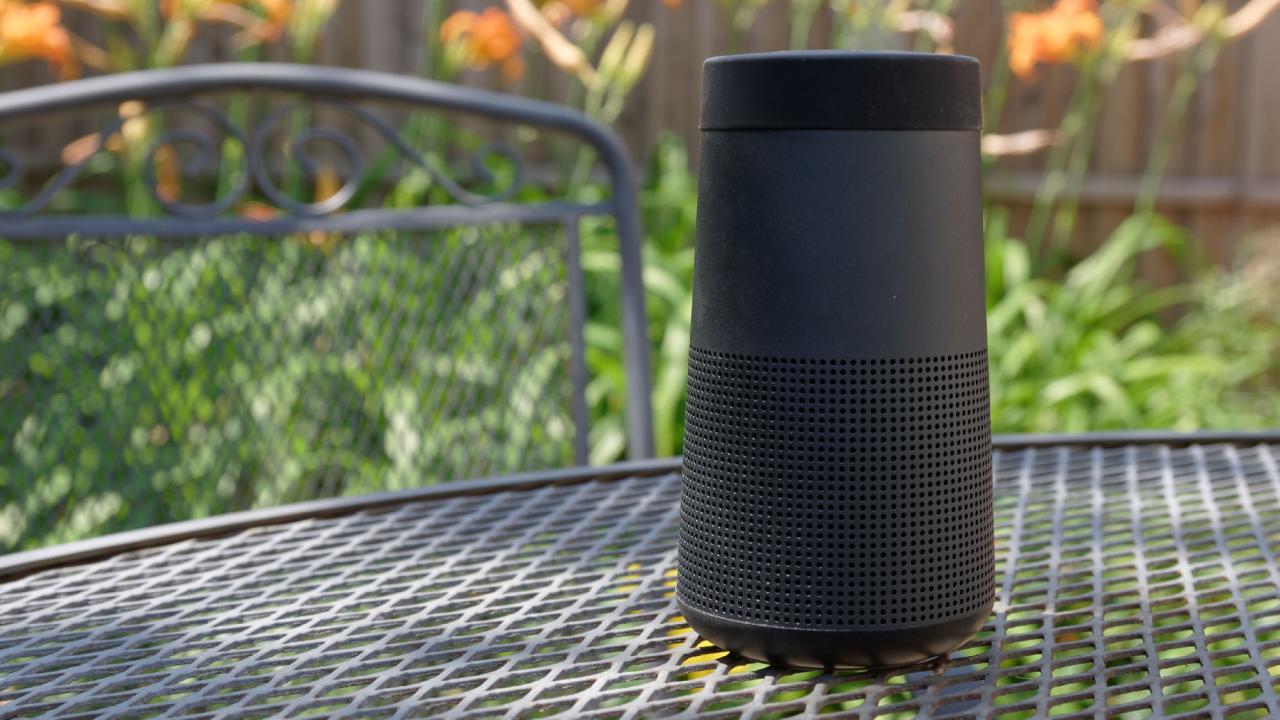
In conclusion, selecting the Best wireless speaker involves careful consideration of various factors, including sound performance, battery endurance, and compatibility with your devices. By understanding the nuances of these features and keeping an eye on emerging trends, you can make a choice that elevates your audio experience to new heights.
Key Questions Answered
What are the best brands for wireless speakers?
Some of the top brands include Bose, Sonos, JBL, and Sony, known for their quality and innovation in audio technology.
Can wireless speakers be used outdoors?
Yes, many wireless speakers are designed for outdoor use, featuring waterproof designs and rugged construction.
How do I connect my wireless speaker to my phone?
You can connect via Bluetooth by enabling Bluetooth on your phone and selecting the speaker from the available devices list.
Is battery life important for wireless speakers?
Absolutely, longer battery life is crucial for portability and usability, especially for outdoor or travel purposes.
What should I consider when buying a wireless speaker?
Consider sound quality, battery life, connectivity options, brand reputation, and your budget to find the best fit for your needs.