
 Zoe Nora
Small room audio is more than just a technical endeavor; it’s an art form that transforms compact spaces into vibrant soundscapes. In smaller environments, the sound waves behave differently compared to larger areas, presenting unique challenges and opportunities. This exploration into small room audio will unveil essential concepts, equipment choices, and acoustical strategies that can turn even the most modest spaces into acoustic havens.
Understanding the nuances of sound behavior in confined areas is crucial for anyone looking to enhance their audio experience. The principles governing sound waves, reflections, and material interactions play pivotal roles in shaping the overall sound quality. This guide aims to equip you with the knowledge needed to navigate the complexities of small room audio effectively.
Understanding the Basics of Small Room Audio
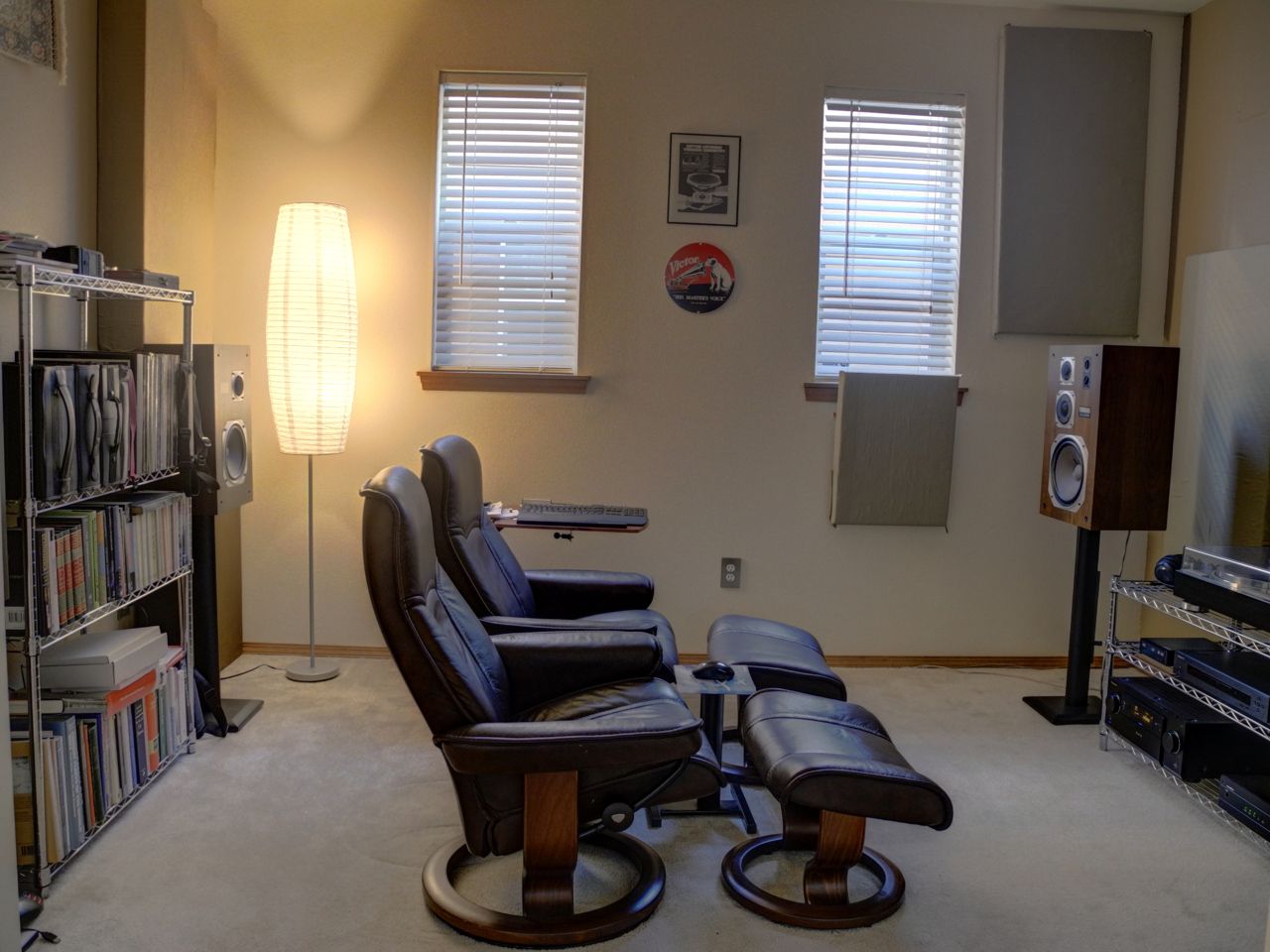
In the realm of audio, small rooms present unique challenges and opportunities that differ significantly from larger environments. The confined nature of these spaces impacts sound quality, clarity, and overall listening experience. Understanding the fundamental concepts of sound waves and their behavior in small rooms is essential for optimizing audio setups, whether for casual listening, professional recordings, or immersive home theater systems.
Sound waves travel through the air as vibrations, and their interaction with the walls, furniture, and other surfaces in a small room can lead to distinct acoustic characteristics. In smaller spaces, sound waves may reflect, refract, and absorb at different rates than they would in larger venues. This results in phenomena such as standing waves, which can create uneven frequency responses. The importance of controlling these aspects cannot be overstated, as they directly influence audio fidelity.
Challenges in Small Room Audio Setups
A variety of common challenges arise when configuring audio systems in small rooms. Addressing these challenges effectively can significantly enhance the listening experience. Some of the key issues include:
- Room Modes: Small rooms tend to have pronounced room modes, which are frequencies at which sound waves resonate. This can lead to excessive boomy bass or hollow sounds. Managing room modes can involve strategic speaker placement and the use of acoustic treatments like bass traps.
- Reflection Issues: The proximity of walls in small spaces causes sound waves to reflect quickly, leading to muddiness. Placing acoustic panels at first reflection points can help mitigate this issue by absorbing unwanted echoes.
- Speaker Placement: In smaller rooms, finding the ideal speaker position can be tricky. The placement of speakers too close to walls can cause poor sound imaging and frequency response. Utilizing the “rule of thirds” can aid in positioning speakers for optimal sound dispersion.
- Listening Position: The location of the listener plays a crucial role in sound perception. Ideally, the listener should be positioned away from walls and at the right distance from the speakers to create a balanced audio experience.
To overcome these challenges, careful planning and strategic adjustments are essential. Employing a combination of acoustic treatments, experimenting with speaker and listener positioning, and utilizing equalization methods can lead to a remarkable improvement in sound quality. For example, the use of digital room correction technologies can analyze the acoustic properties of a small room and suggest precise adjustments to improve overall audio clarity.
“The quality of sound in a small room is dictated by the interaction between sound waves and the room’s physical characteristics.”
Choosing the Right Equipment for Small Rooms
Creating a high-quality audio experience in small rooms can be challenging, but with the right equipment, it is entirely achievable. The compact nature of these spaces calls for specialized audio gear that not only fits well but also performs efficiently to deliver excellent sound quality. This guide Artikels essential equipment for small room setups and offers detailed comparisons of brands and models that excel in limited spaces.
Essential Audio Equipment for Small Rooms
When setting up an audio system in a small room, it’s crucial to choose equipment that complements the room’s dimensions and acoustics. The right selection can enhance the listening experience significantly. Below are the essential components you should consider:
- Speakers: Look for bookshelf speakers or compact floor-standing models that can deliver clear sound without overwhelming the room. Brands like KEF and Monitor Audio are known for producing high-quality compact speakers.
- Amplifiers: A suitable amplifier is necessary to power your speakers effectively. Consider models like the Cambridge Audio AXA35 or the NAD D 3020, which offer excellent performance in small formats.
- Sound Processors: Digital signal processors (DSPs) help optimize audio performance in smaller spaces. Brands like MiniDSP or DBX provide solutions that can adjust sound characteristics to fit your room’s acoustics.
- Cables and Accessories: Quality cables can make a significant difference in sound quality. Use appropriately gauged speaker wires and interconnects to ensure signal integrity.
Comparison of Various Brands and Models
Selecting the right models can greatly influence the audio experience in a small room. Here’s a look at some recommended products along with their specifications that impact sound quality:
| Brand & Model | Type | Power Output | Impedance | Frequency Response |
|---|---|---|---|---|
| KEF Q350 | Bookshelf Speaker | 165W | 8Ω | 63Hz – 28kHz |
| Cambridge Audio AXA35 | Stereo Amplifier | 35W per channel | 4-8Ω | 20Hz – 20kHz |
| MiniDSP 2×4 HD | Digital Signal Processor | N/A | N/A | 20Hz – 20kHz |
Matching audio equipment to the specific dimensions and acoustics of small rooms is essential for achieving optimal sound quality. Rooms with limited space often have unique challenges, such as excessive reflections and standing waves, which can muddle sound clarity. By choosing equipment designed for these environments, one can minimize these issues. For instance, smaller speakers can produce an accurate soundstage without overwhelming the room, while amplifiers with lower power outputs can effectively drive these speakers without distortion.
Additionally, utilizing sound processors allows for fine-tuning of audio playback to accommodate the room’s characteristics—this can include eliminating bass buildup in corners or adjusting treble levels to mitigate harsh reflections off walls. The significance of properly matching equipment extends beyond mere performance; it also enhances the overall enjoyment of music or media by creating a balanced and immersive listening environment. By ensuring each component works harmoniously within the space, audiophiles can achieve the best results even in the most confined settings.
Room Acoustics and Its Impact on Sound Quality
In small spaces, the way sound behaves is heavily influenced by various factors such as room dimensions, materials, and the overall design. Understanding these elements is crucial for anyone looking to enhance their audio experience, whether for music production, listening, or home theater setups. This section delves into how room acoustics play a pivotal role in sound quality and offers insights into improving these conditions.
Influence of Room Dimensions and Materials
The dimensions of a room can significantly affect its acoustics. For instance, irregularly shaped rooms can help minimize standing waves and reduce unwanted resonances, while rectangular rooms often experience pronounced echo and reflections. The height, width, and length determine the room’s modal frequencies, which influence how sound waves interact within the space. Ideally, a room with balanced dimensions can lead to a more even sound response.
Materials also play a critical role. Hard surfaces like concrete, glass, or tile tend to reflect sound waves, increasing reverberation and leading to muddied audio. Conversely, softer materials like carpets, curtains, and upholstered furniture absorb sound, leading to improved clarity. The choice of materials can dramatically alter the soundscape, making it essential to understand their properties. For optimal sound quality, a balanced mix of reflective and absorptive materials can create a more controlled acoustic environment.
Techniques to Improve Room Acoustics
Improving room acoustics involves several techniques aimed at balancing sound absorption and reflection. Below are effective strategies and materials used for soundproofing and absorption:
To enhance sound quality in small rooms, implementing the following techniques is effective:
- Soundproofing: This involves using materials that prevent sound from entering or leaving the room. Examples include mass-loaded vinyl barriers, double-glazed windows, and door seals.
- Absorption: Utilizing acoustic panels made from foam or fiberglass can significantly reduce sound reflections. Bass traps positioned in corners can help manage low-frequency buildup.
- Diffusion: Diffusers scatter sound waves, minimizing echoes. Wooden diffusers or specially designed plastic panels can break up sound waves effectively.
The roles of reflections, absorption, and diffusion are crucial in achieving optimal sound quality. Reflections occur when sound waves bounce off surfaces, contributing to the overall acoustic signature of the room. While some reflections are desirable for a sense of space, excessive reflections can cause a muddy sound. Thus, controlling these reflections is vital.
Absorption focuses on reducing sound energy in a room to clear up the audio. Materials with high absorption coefficients can significantly improve clarity by mitigating echoes and standing waves. For instance, using thick curtains can absorb mid to high frequencies, while bass traps can effectively tackle lower frequencies.
Diffusion is equally important as it ensures sound waves are evenly spread across the room, preventing any harsh spots or dead zones. A well-diffused sound field can enhance the listening experience, making music or dialogue more immersive and enjoyable.
In conclusion, the interplay of room dimensions, materials, and acoustic treatment strategies plays a vital role in determining the sound quality of small spaces. By understanding and manipulating these factors, one can create an optimal listening environment that enhances audio clarity and richness.
Speaker Placement Strategies for Optimal Sound
In the realm of audio quality, speaker placement in small rooms is crucial for achieving the best sound experience. Proper placement can enhance clarity, improve bass response, and create a more immersive listening environment. Understanding how to strategically position your speakers will transform your audio experience, maximizing the potential of your sound system.
Determining optimal speaker placement involves a few key strategies that take into consideration the dimensions and acoustics of your room. The listening position is one of the most significant factors, as it dictates how sound waves interact with the space and with the listener. To start with, you should select a primary listening position, ideally, this position should form an equilateral triangle with your speakers. This means the distance from each speaker to the listener should be equal, typically ranging between 6 to 10 feet based on room size.
Speaker Arrangement and Angles
The arrangement of your speakers and their angles play a fundamental role in sound quality. The following strategies can help you achieve the best results:
– Distance from Walls: Position your speakers at least 2-3 feet away from the walls to minimize reflections that can muddle the sound.
– Toe-In Angle: Angle your speakers slightly inward, towards the listening position. This toe-in technique helps to create a more focused soundstage and improves stereo imaging.
– Height Considerations: The height of your speakers should ideally align with your ears when seated. For most setups, this means placing them on stands or shelves that elevate the speakers to about ear level.
– Subwoofer Placement: If using a subwoofer, place it near a wall or in a corner to enhance bass response. Experiment with locations, as moving the subwoofer can drastically affect the low-end performance.
Speaker height and positioning significantly affect sound perception and balance. When speakers are too low or too high, it can lead to an imbalanced frequency response, often resulting in either muddled highs or overpowering lows. A common guideline is to ensure that tweeters are at ear level, which optimizes the clarity of high frequencies, while larger drivers benefit from slightly lower positioning to ensure bass is delivered effectively.
“Proper speaker placement can enhance clarity, improve bass response, and create a more immersive listening environment.”
The goal is to create a balanced soundstage where all frequencies are represented equally, allowing for a rich listening experience. By applying these strategies, you can significantly improve sound quality in small rooms, ensuring that your audio setup delivers its full potential.
Utilizing Sound Treatment Techniques for Small Spaces
Effectively managing sound in small spaces can significantly enhance audio quality, whether in a home studio, a small room for practice, or a cozy living area. Utilizing sound treatment techniques specifically designed for small rooms can help reduce unwanted noise and improve acoustics, creating a more enjoyable listening experience. This guide will cover various sound treatment techniques, including diffusers and bass traps, and explore DIY solutions that are accessible and practical for anyone.
Sound Treatment Techniques and DIY Solutions
When dealing with sound treatment, it’s essential to understand the primary techniques available for small spaces. Here are several methods that can be implemented to improve sound quality effectively:
- Diffusers: These devices scatter sound waves, helping to reduce echoes and create a more balanced acoustic environment. DIY diffusers can be made using wooden blocks arranged in varying heights to break up sound waves effectively.
- Bass Traps: Bass traps absorb low-frequency sound waves, preventing them from bouncing off walls and creating muddiness in the sound. You can create your own bass traps using thick foam or mineral wool encased in fabric and placed in the corners of the room.
- Acoustic Panels: These are designed to absorb sound and can be made from various materials, including foam or heavy curtains. Hanging thick blankets or quilts on walls can serve as an inexpensive alternative.
- Rugs and Carpets: Placing rugs on the floor helps absorb sound and reduces reflections, especially in smaller rooms where hard surfaces can amplify noise.
- Furniture and Bookshelves: Strategically arranging furniture can help break up sound waves. Bookshelves filled with books can act as natural sound absorbers, reducing reverberation in the room.
Understanding the difference between passive and active sound treatment methods is crucial for achieving the best results in sound management.
Passive sound treatment involves materials that absorb or diffuse sound without the use of electronic systems. Examples include foam panels, bass traps, and heavy drapes. These materials work by slowing down or stopping sound waves, leading to a more controlled acoustic environment. Passive solutions are typically more cost-effective and can be easily implemented in DIY projects.
Active sound treatment, on the other hand, uses technology to manage sound. This could involve electronic devices that generate anti-noise signals to cancel out unwanted sounds or sophisticated software that adjusts sound properties in real-time. While active systems can be more effective in certain situations, they often require specialized knowledge and equipment for proper setup.
Passive sound treatment uses materials to absorb or diffuse sound, while active sound treatment utilizes technology to manipulate sound waves.
By understanding and implementing these techniques, anyone can enhance the acoustic quality of their small space, making it more suitable for listening, recording, or simply enjoying music.
The Role of Digital Audio Processors in Small Room Setups
Digital audio processors have become indispensable tools in optimizing audio performance within small room audio setups. These devices harness advanced technology to manipulate sound in ways that were previously challenging or impossible, providing users with enhanced sound quality and control. By integrating digital audio processors into their systems, enthusiasts and professionals alike can achieve more balanced and immersive audio experiences, transforming how they enjoy music, movies, and games.
Digital audio processors are equipped with various features that can significantly improve audio quality in confined spaces. Equalization allows users to adjust the frequency response of their audio systems, tailoring sound to better suit the acoustics of the room. This is particularly important in small spaces, where reflections and standing waves can muddy sound clarity. Room correction capabilities further enhance this by analyzing the room’s acoustics and automatically making adjustments to compensate for deficiencies, ensuring a smoother overall listening experience.
Advantages of Digital Audio Processors
The benefits of using digital audio processors extend beyond mere sound improvement; they also promote convenience and versatility. Here are some key advantages of integrating these devices into small room audio setups:
- Improved Sound Quality: Digital audio processors utilize sophisticated algorithms to refine audio signals, which results in clearer, more detailed sound reproduction.
- Customizable Sound Profiles: Users can create and save multiple sound profiles that cater to different genres of music or types of media, providing tailored listening experiences based on personal preferences.
- Simplified Setup: Many processors come with user-friendly interfaces, making it easier for users to manage complex audio adjustments without needing extensive technical knowledge.
- Dynamic Range Control: These devices help manage volume fluctuations, ensuring that soft sounds are audible while loud passages do not overwhelm the listener.
As technology progresses, digital audio processors continue to evolve, further enhancing their capabilities and impact on audio quality within small spaces. Advancements such as higher processing power and improved algorithms have led to more precise room analysis and correction features. For instance, modern processors can now leverage machine learning techniques to adapt more effectively to different room environments, providing a level of audio fidelity that was once the domain of professional studio equipment.
The integration of these processors not only improves the user experience but also allows for greater creative flexibility in sound design. In small rooms, where acoustic challenges are prevalent, the role of digital audio processors is pivotal in achieving optimal sound performance, making them essential components for anyone serious about audio quality in limited spaces.
Creating a Home Studio in Limited Space
Transforming a small room into a home studio offers a unique challenge, but with the right approach, it can become a highly functional and inspiring space for music creation or audio production. Emphasizing organization and ergonomic design is key to maximizing both the functionality and comfort of your studio setup.
Steps to Transform a Small Room into a Functional Home Studio
To efficiently create a home studio in limited space, consider the following steps that will help you make the most of your environment while maintaining a productive workflow:
1. Define the Purpose: Determine whether the studio will primarily be for recording, mixing, or both. This will inform the equipment and layout needed.
2. Choose the Right Location: Identify the quietest part of your home, away from distractions and noise. Look for a space with good acoustics or the potential to be sound-treated.
3. Soundproofing and Acoustic Treatment: Use soundproofing materials such as foam panels, bass traps, and curtains. These will help minimize external noise and improve sound quality within the studio.
4. Select Space-Saving Equipment: Opt for compact, multi-functional gear. For instance, consider using a portable audio interface and a small MIDI controller that can be easily stored when not in use.
5. Efficient Layout Design: Arrange your equipment in a way that promotes easy access. Position the desk, monitors, and other gear at arm’s reach. Utilize wall-mounted shelves or racks to keep the floor clear and create a more open feel.
6. Cable Management: Keep cables organized to avoid clutter, which can detract from the creative environment. Use cable ties and clips to secure cords along walls or under desks.
7. Personalize Your Space: Add elements that inspire your creativity, such as artwork or plants. This adds a personal touch and can enhance your motivation.
Optimizing Workflow and Equipment Arrangement
An organized studio layout significantly contributes to productivity. Here are some tips for optimizing your workflow through strategic equipment arrangement:
– Zoning: Create distinct areas for different tasks such as recording, mixing, and editing. This helps in mentally compartmentalizing your work.
– Ergonomics: Use an adjustable chair, and position your monitors at eye level to reduce strain during long sessions. Keeping controls within reach minimizes unnecessary movement and helps maintain focus.
– Routing: Ensure your audio routing is straightforward. Keep your digital audio workstation (DAW) easily accessible, and label channels and inputs clearly for quick navigation.
“A well-designed workspace not only enhances creativity but also promotes efficiency, allowing you to focus on the art of sound.”
Importance of Ergonomic Design and Comfort in Small Studio Setups
In a small studio, the significance of ergonomic design cannot be overstated. A comfortable workspace directly influences productivity and creativity. When setting up your home studio, prioritize comfort to prevent fatigue and injury during long sessions. Here are several reasons why ergonomic design is essential:
– Reduced Physical Strain: Properly adjusting your chair, desk, and monitors can alleviate neck, back, and wrist strain. Using ergonomic accessories like keyboard trays and footrests enhances comfort.
– Improved Focus: A comfortable environment allows for prolonged concentration. Discomfort can be a distraction, hindering your ability to produce quality work.
– Enhanced Creativity: Comfort contributes to a positive mindset, fostering creativity. When you feel good in your workspace, you’re likely to be more inspired and productive.
– Health Benefits: Long hours spent in a poorly designed setup can lead to chronic issues. Investing in ergonomic furnishings can result in long-term health benefits, making your studio a sustainable space for creativity.
By paying attention to these aspects, you can create a small home studio that is not only functional but also a joy to work in.
Common Mistakes to Avoid in Small Room Audio Setup
Setting up an audio system in a small room can be a rewarding task, but it’s easy to fall into common traps that can severely affect sound quality. Many enthusiasts, whether beginners or seasoned audiophiles, make errors that can hinder their listening experience. By recognizing these pitfalls and taking preventative measures, you can enhance your audio setup and enjoy clearer sound.
One of the most frequent errors made in small room audio setups is neglecting room acoustics. Poorly treated spaces can lead to issues like echo, distorted sound, and uneven frequency response. In a small room, sound waves interact with walls, furniture, and other surfaces, which can create unwanted reflections and standing waves that muddy the audio clarity. To address this, consider implementing acoustic treatments such as foam panels, bass traps, and diffusers. These elements can significantly improve sound quality by controlling reflections and managing low frequencies.
Another notable mistake is improper speaker placement. Speakers positioned too close to walls or corners can result in bass overload, distorting the overall sound. The ideal placement usually involves keeping speakers a few feet away from walls and ensuring they are at ear level when you’re seated. Additionally, the equilateral triangle setup—where speakers and the listener form the points of a triangle—often yields the best soundstage.
Regular evaluations and adjustments of your audio setup are crucial in maintaining optimal sound quality. Over time, variables such as new furniture, changes in room layout, or even new equipment can alter how sound interacts within the space. It’s important to routinely assess your system. This involves repositioning speakers, recalibrating your system settings, and testing different acoustic treatments to find the best audio experience.
Regular testing can involve listening to a variety of music genres and adjusting based on which frequencies seem emphasized or lacking. For example, if bass sounds overwhelming, consider adjusting speaker placement or adding bass traps. Moreover, utilizing measurement tools like sound level meters can provide data to inform your adjustments, ensuring your setup continually meets your auditory preferences.
In summary, by being aware of common mistakes such as poor room acoustics and improper speaker placement, and by committing to regular evaluations, you can create an audio environment that delivers rich, clear sound, making your small room a true audio haven.
Ending Remarks
In conclusion, mastering small room audio requires a blend of creativity and technical insight. By carefully considering equipment choices, speaker placement, and room treatment, it is entirely possible to achieve exceptional sound quality, even in the most constrained settings. Whether you’re setting up a home studio or simply looking to enjoy music at its best, the strategies discussed can pave the way to an enriching audio experience in any small space.
Commonly Asked Questions
What are the best speaker types for small rooms?
Bookshelf speakers or compact monitors are ideal for small rooms due to their size and sound quality.
How can I improve sound quality without professional help?
Simple DIY solutions like adding acoustic panels, rugs, and soft furnishings can significantly enhance sound quality.
Is it necessary to soundproof my small room?
While not essential, soundproofing can help minimize external noise and improve listening conditions.
Can I use my existing home theater system in a small room?
Yes, but adjustments in placement and settings may be needed to optimize sound quality for the smaller space.
What is the impact of room shape on audio performance?
Room shape can greatly influence sound reflections; irregular shapes can help reduce standing waves and improve overall acoustics.