
Home theater design combines technology, aesthetics, and comfort to create a captivating viewing experience right in your living space. From the essential components like screens and sound systems to the nuances of room layout, lighting, and color psychology, each element plays a crucial role in enhancing how we enjoy movies and shows at home.
As the demand for immersive entertainment grows, understanding the intricacies of home theater design becomes essential for anyone looking to elevate their viewing habits. With a focus on both functionality and aesthetics, this guide will explore the vital aspects of creating a home theater that not only meets your needs but also reflects your personal style.
Home theater essentials that every design should incorporate
Designing a home theater is an exciting venture that allows you to create a dedicated space for an unparalleled cinematic experience. To achieve this, there are several essential components that must be carefully considered and integrated into the design. These include screens, projectors, speakers, and seating arrangements. Each of these elements plays a critical role in shaping the overall atmosphere and functionality of your home theater, ensuring that every movie night feels like a special event.
A high-quality screen and projector setup is fundamental to any home theater. The screen size and resolution must be chosen based on the room’s dimensions and the viewer’s distance from the screen. A projector with a minimum resolution of 1080p is recommended for optimal picture clarity. This combination not only enhances visual enjoyment but also enriches the storytelling experience by immersing viewers in vivid imagery. Furthermore, an excellent sound system enhances audio fidelity, ensuring dialogue is crisp and sound effects are impactful. Surround sound setups with multiple speakers strategically placed around the room create a three-dimensional soundstage, making viewers feel like they are part of the action.
Importance of acoustics and soundproofing
Creating an immersive home theater experience goes beyond just visual elements; acoustics play an equally vital role. Proper acoustics ensure that sound is distributed evenly throughout the room, enhancing the overall auditory experience. This can be achieved by using acoustic panels, bass traps, and diffusers, which help to manage sound reflections and prevent echoes.
Additionally, soundproofing measures are essential to keep outside noise from intruding and to prevent sound from escaping, which can be particularly important in multi-family dwellings. This can include heavy curtains, double-glazed windows, and insulated walls. Implementing these strategies not only improves sound quality but also allows for an uninterrupted viewing experience, contributing to the authentic theater feel right in the comfort of your home.
To summarize, essential components such as screens, projectors, speakers, and seating arrangements are foundational to a home theater design. Coupled with effective acoustics and soundproofing techniques, these elements work in harmony to create an engaging environment that captivates audiences, ensuring that every viewing experience is memorable and immersive.
The impact of room layout on home theater functionality
A thoughtfully designed room layout plays a crucial role in the overall functionality of a home theater. The dimensions and arrangement of the space can significantly influence the viewing experience, sound quality, and accessibility. Optimizing these elements ensures that movie nights and gaming sessions are as enjoyable as possible, providing a true cinematic experience right at home.
The significance of ideal room dimensions cannot be overstated. For an immersive viewing experience, the dimensions of the room should accommodate both the screen size and seating arrangement. A general rule of thumb is that the distance from the screen to the viewer should be 1.5 to 2.5 times the diagonal length of the screen for optimal clarity and comfort. This ratio enhances picture quality and keeps viewers engaged without straining their eyes.
When considering layouts, dedicated home theater rooms are designed solely for entertainment purposes, whereas multi-purpose rooms serve various functions, including living areas or guest rooms. Each layout offers unique advantages and challenges. In dedicated home theaters, the focus is on creating a cinema-like atmosphere with soundproofing, ambient lighting, and ideal viewing angles. The arrangement typically includes tiered seating to ensure everyone has a clear view of the screen.
On the other hand, multi-purpose rooms require flexible furniture arrangements. For instance, a sectional sofa can be arranged in a semi-circle around the screen, allowing for good sightlines and comfort. Additionally, using movable chairs or ottomans can enhance accessibility and adapt the space for different activities, be it family movie night or a game day gathering.
Here are some effective furniture arrangements that can enhance the viewing experience and allow easy access:
- Tiered seating: Elevating seating in multiple rows provides an unobstructed view of the screen.
- Sectional sofas: Arranging sectionals in a curved formation allows for maximum comfort and conversation.
- Recliners: Placing recliners at strategic angles ensures personal comfort while maintaining sightlines.
- Modular furniture: Selecting modular sofas can easily adapt to various room functions and seating requirements.
By taking into account the room’s layout and dimensions, homeowners can create an inviting and functional space that maximizes their home theater experience.
Color schemes and lighting considerations in home theater design
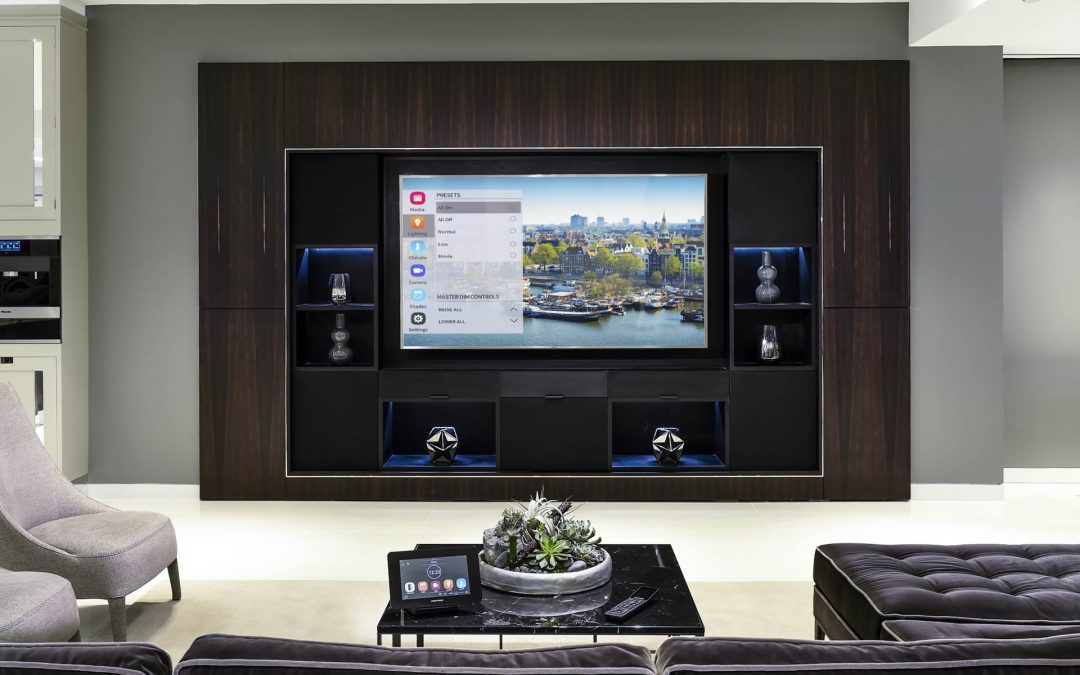
Creating the ideal home theater experience involves not just choosing the right audio-visual equipment but also carefully considering the color schemes and lighting. These elements significantly influence the atmosphere of the space, impacting the viewer’s comfort and engagement during movie nights or gaming sessions. The right combinations can bring a cinematic feel right into your home, making it a true retreat for entertainment.
Impact of Color Psychology on Atmosphere
Color psychology plays a crucial role in how viewers perceive their environment. Warm colors like reds, oranges, and yellows can evoke excitement and energy, making them suitable for lively movie genres or gaming sessions. In contrast, cooler tones such as blues and greens can create a calming effect, ideal for tranquil film experiences. Neutral colors like grays and beiges often serve as a backdrop, allowing the viewer’s focus to remain on the screen.
To enhance the overall atmosphere, consider these points when selecting colors:
- Balance: Ensure a mix of colors that complement each other, creating a harmonious and inviting space.
- Accent Walls: Utilize a bold color on one wall to draw attention and create a focal point without overwhelming the senses.
- Color Temperature: Choose colors that align with the intended mood—warmer tones for cozy, intimate setups, cooler tones for sleek, modern designs.
Types of Lighting for Optimal Viewing
Lighting is another fundamental aspect that significantly influences the viewing experience. The combination of ambient, accent, and task lighting helps create a balanced environment where viewers can enjoy content without straining their eyes or losing focus.
Here is a breakdown of different lighting types and their effects:
- Ambient Lighting: This is the primary source of light in the room, providing a soft glow that helps illuminate the space without creating glare on the screen. Dimmable fixtures are ideal.
- Accent Lighting: Used to highlight features of the room, such as movie posters or architectural details, accent lighting adds depth and character to the home theater.
- Task Lighting: Essential for activities such as reading or managing equipment, this type of lighting should be adjustable to prevent distractions during viewing.
Balancing Light and Darkness
Achieving the perfect balance of light and darkness is vital for the best viewing experience. A well-designed home theater should allow for complete darkness when needed, while also providing enough light to navigate the space safely.
The recommended approach involves the installation of blackout curtains that block out daylight, ensuring the room can be darkened fully. Additionally, consider using LED strips or wall sconces that can be dimmed or turned off entirely during showtime.
“The ideal lighting setup allows for an immersive experience while still providing functional light when needed.”
Incorporating smart lighting systems can automate transitions from bright to dark as the movie starts, enhancing the overall experience. Remember, the right balance minimizes eye strain, making for an enjoyable viewing experience. Aim for a theater that adapts to your needs and preferences, ensuring a cozy yet exciting environment for all your entertainment activities.
Selecting technology for your home theater system
Choosing the right technology for your home theater is crucial, as it significantly impacts your viewing and listening experience. This process involves selecting components that best fit your space and needs, ensuring an immersive experience that rivals commercial cinemas. The right projector, screen, and sound system can elevate movie nights, gaming sessions, and sports events into spectacular experiences.
Choosing a projector and screen based on room size and purpose
The selection of a projector and screen starts with evaluating your room size and the intended use. In a small room, you might opt for a lower-lumen projector, while larger spaces often require high-lumen models to combat ambient light. Here are key considerations:
– Room Size: Measure the dimensions of your room to determine the optimal screen size. A general guideline is to sit at a distance of 1.5 to 2.5 times the screen width for a comfortable viewing experience.
– Projector Type: There are LCD, DLP, and LCoS projectors available. DLP projectors are known for their crisp images, while LCDs offer vibrant colors. Choose based on your preference for color accuracy versus brightness.
– Screen Type: Fixed-frame screens provide the best picture quality, but retractable screens offer flexibility in multi-purpose rooms. Additionally, consider screen gain – a measure of how much light a screen reflects. A gain of 1.0 is standard, while higher gains can enhance brightness in lighter rooms.
Differences between sound systems: surround sound vs. stereo options
Sound systems can significantly alter the immersion of your home theater setup. Understanding the differences between surround sound and stereo options helps in making an informed choice.
– Stereo Sound: Typically consists of two speakers, creating a basic audio experience. It is ideal for music and simpler setups. While it provides good sound quality, it lacks the depth of a surround system.
– Surround Sound: Involves multiple speakers strategically placed around the room to create a three-dimensional sound field. This enhances the cinematic experience, making you feel like you are inside the action. Formats like 5.1 and 7.1 surround sound offer various configurations for audio channels, allowing for a fuller sound experience.
Future-proofing your technology is essential in a rapidly evolving digital landscape.
Importance of future-proofing your technology with upgrades in mind
As technology continues to advance at a breakneck pace, future-proofing your home theater system ensures longevity and adaptability. Investing in equipment that can accommodate future upgrades will save you money and enhance your viewing experience over time. Here are essential factors to consider:
– Connectivity Options: Ensure devices have HDMI 2.1 ports and support for 4K or 8K resolutions. This guarantees compatibility with the latest devices and formats.
– Modular Components: Choose components that allow for upgrades, such as receivers with additional channels for future surround sound formats or projectors that can be calibrated for new technologies.
– Software Updates: Opt for devices that offer firmware updates, which can enhance performance and add new features over time.
By making informed choices regarding technology, you can create a home theater that not only meets your immediate needs but can also evolve as new advancements in audio-visual technology emerge.
Incorporating smart home technology into the home theater setup
Integrating smart home technology into your home theater setup can elevate the entire viewing experience. With the right devices and automation systems, you can simplify control over your entertainment environment, making it more enjoyable and user-friendly. This integration not only enhances functionality but also provides a sense of convenience that can transform how you interact with your home theater.
Smart home technology allows for seamless integration of various devices, enhancing the overall functionality of your home theater system. Smart TVs, streaming devices, and voice assistants can be interconnected to create a cohesive environment. For instance, smart lighting systems can change the ambiance of your room based on the movie genre. Automated shades can block out light during daytime viewings, and smart speakers can deliver surround sound that adjusts based on your seating position.
Benefits of Automation in Home Theater Systems
Automation in your home theater system offers numerous benefits that significantly enhance the user experience. This technology allows for centralized control over lighting, sound, and media playback, making it easier to enjoy your favorite films and shows without the hassle of juggling multiple remotes. Here are some notable advantages:
- Convenience: With a simple voice command or a single app, you can turn on your home theater, dim the lights, and start your movie. This eliminates the need for multiple remotes or complicated setups.
- Personalized Settings: You can create custom scenes for different activities, such as movie nights or gaming sessions, where specific lighting and sound settings are automatically activated.
- Energy Efficiency: Smart devices can help manage energy consumption by ensuring lights and equipment are turned off when not in use, leading to reduced electricity bills.
- Remote Access: Control your home theater from anywhere using your smartphone. This means you can prepare your movie night while on the way home or adjust settings without being in the room.
- Enhanced Audio and Visual Quality: Smart technology can automatically adjust audio and video settings for optimal performance based on the content you’re watching, providing an immersive experience.
Integrating these technologies creates a seamless user experience. Imagine walking into a darkened room where the lights gently fade up, the curtains draw closed, and your favorite streaming service launches automatically—all as you settle in with popcorn. This level of convenience transforms mundane movie nights into extraordinary events, making smart home technology an invaluable addition to any home theater setup.
Budgeting for a home theater design project
Creating a home theater can be an exciting yet daunting task, especially when it comes to budgeting. A well-planned budget not only helps keep expenses in check but also ensures that you invest wisely in components that enhance your viewing experience. To make the most of your home theater, understanding the potential costs associated with each setup element is essential.
To start, the overall budget for a home theater can vary widely based on personal preferences and desired quality. Here’s a breakdown of potential costs associated with key elements of a home theater setup:
Cost Breakdown of Home Theater Components
When planning your budget, it’s important to consider the costs of various components. This includes not only the hardware but also installation and room modifications. Below is a comprehensive list of typical expenses:
- Display: $500 – $3,000 (TV or projector)
- Audio System: $300 – $5,000 (surround sound speakers, AV receiver)
- Seating: $200 – $2,000 (theater seats, recliners)
- Acoustic Treatment: $100 – $1,500 (soundproofing materials)
- Lighting: $50 – $500 (ambient lighting, dimmers)
- Streaming Devices/Media Players: $30 – $200
- Installation Costs: $100 – $1,000 (professional setup)
Balancing quality and affordability is vital when selecting components. It’s tempting to go for the most advanced tech, but often, mid-range options provide a satisfactory experience without breaking the bank. Consider reading reviews or consulting experts when comparing products.
Prioritizing spending based on personal viewing habits and preferences is crucial. For instance, if you watch movies regularly and prioritize sound quality, allocate more funds to audio equipment. Conversely, if you primarily enjoy sports or gaming, investing in a high-quality display might be more beneficial. Here’s how you can prioritize:
1. Assess Viewing Habits: Determine how often you’ll use the home theater for various activities (movies, gaming, sports).
2. Set a Base Budget: Decide on a total amount you are comfortable spending, keeping some flexibility for unexpected costs.
3. Identify Key Components: Rank components in order of importance to your viewing experience.
4. Research Options: Look for deals and alternative brands that offer quality without the hefty price tag.
By aligning your spending with how you plan to use your home theater, you can create a space that meets your needs while staying within your budget.
DIY versus professional installation for home theaters
Creating the perfect home theater experience can be a thrilling endeavor. However, one crucial decision every homeowner faces is whether to go the DIY route or hire a professional installer. Each option comes with its own set of advantages and disadvantages that can significantly influence the overall outcome, including cost, time, and expertise.
Comparison of DIY and Professional Installation
When considering home theater installation, understanding the differences between DIY and professional assistance is vital.
DIY installations often appeal due to their lower initial costs. Homeowners can save significantly on labor fees by using their own time and skills. However, this approach requires substantial effort, and the time commitment can extend longer than anticipated, especially for those new to tech installations. The lack of expertise can sometimes lead to mishaps, including poor sound calibration, improper screen placement, or inadequate wiring.
In contrast, hiring a professional typically results in a more efficient and polished outcome. Professionals bring expertise in design and installation, minimizing the likelihood of errors. They understand the nuances of acoustics, seating arrangements, and visual optimization that may be overlooked by a DIY enthusiast. However, the trade-off is a higher cost and potential scheduling delays, as professionals often have multiple projects to manage.
Before diving into a DIY project, it’s essential to recognize common pitfalls that enthusiasts often encounter. Many DIYers underestimate the complexity involved in setting up surround sound systems, leading to subpar audio experiences. Additionally, overlooking proper cable management can result in a cluttered appearance and potential hazards. Proper planning, adequate research, and taking the time to understand the technology involved can greatly enhance the DIY installation process.
“The investment in professional installation can pay off in a better experience and less stress.”
In numerous scenarios, hiring a professional can lead to superior outcomes. For instance, in complicated layouts or multi-room systems, professionals can effectively navigate the intricate wiring and setup that comes with advanced systems. Moreover, they can provide tailored solutions based on specific room acoustics, ensuring optimal sound quality that might be missed in a DIY setup. Their understanding of local building codes and safety regulations also eliminates potential issues during or after installation. Ultimately, while DIY can be gratifying, the expertise and efficiency of professionals often deliver results that enhance the enjoyment of your home theater experience.
Trends in home theater design that enhance user experience
The home theater experience continues to evolve, deeply influenced by advancements in technology, shifts in consumer preferences, and an increasing demand for personalization. Today’s home theaters are no longer just about having a large screen and surround sound; they reflect a holistic approach that enhances the overall viewing experience. Let’s explore the latest trends shaping home theaters and how they resonate with modern lifestyles.
Latest design styles, technology, and features
The following trends are at the forefront of home theater design, showcasing how they cater to evolving consumer demands:
- Integrated Smart Technology: Modern home theaters now feature smart home integration, allowing users to control lighting, sound, and even curtains with a single device or voice command. This convenience optimizes the viewing experience, making it more immersive.
- Minimalist Aesthetics: Consumers are gravitating towards sleek, minimalist designs that emphasize clean lines and clutter-free environments. This trend reflects a desire for simplicity and calm in entertainment spaces.
- Multi-Use Spaces: Home theaters are being designed as multifunctional areas. They often serve as relaxation zones, gaming rooms, or even virtual meeting spaces, accommodating the diverse activities of contemporary life.
- High-Quality Audio-Visual Equipment: The push for immersive experiences has led to the adoption of high-end projectors and sound systems. Brands like Samsung and Sony are producing models that boast 8K resolution and advanced surround sound technologies, redefining home cinema quality.
- Custom Seating Solutions: Comfort is paramount, and custom seating options that include recliners with built-in speakers and adjustable settings are becoming commonplace. This trend prioritizes user comfort while enhancing the viewing experience.
“Designing a home theater is about creating a space that not only entertains but also resonates with the lifestyle and preferences of the individuals who use it.”
To balance trendy features with timeless design elements, homeowners should focus on integrating modern technologies and aesthetics within a framework that honors classic styles. For example, while embracing the latest in smart home tech, one can choose materials like leather or hardwood that provide a timeless appeal. This approach allows for the incorporation of contemporary elements such as LED lighting or minimalist furniture, while still maintaining a cohesive and enduring design.
Utilizing neutral color palettes can also serve as a backdrop for trendy accent pieces, ensuring that the space feels current without becoming too avant-garde. This synergy between the old and the new creates a home theater that stands the test of time, providing both functionality and elegance for years to come.
Conclusive Thoughts
In summary, designing the perfect home theater requires careful consideration of various elements, from technology and layout to color schemes and smart home integration. By balancing these components and staying updated on trends, you can craft a space that offers an unparalleled experience for entertainment lovers. Ultimately, a well-thought-out home theater design enhances not just the viewing experience, but also the enjoyment of shared moments with family and friends.
FAQ Summary
What size screen should I choose for my room?
The ideal screen size depends on your room’s dimensions and seating distance; generally, a screen size between 100 to 120 inches is suitable for most living rooms.
How can I improve acoustics in my home theater?
Use sound-absorbing materials, such as acoustic panels and rugs, and consider arranging furniture to minimize sound reflections for better acoustics.
What is the best seating arrangement for optimal viewing?
Arrange seating in a way that ensures all viewers have a clear line of sight to the screen, ideally placing seats at a distance of 1.5 to 2.5 times the screen size.
Should I prioritize video quality or sound quality?
It’s essential to balance both; however, many experts suggest starting with a solid audio system, as sound significantly impacts the overall viewing experience.
How often should I upgrade my home theater technology?
Upgrading every 3-5 years is advisable to keep up with advancements in technology and ensure the best viewing experience.