
 Zoe Nora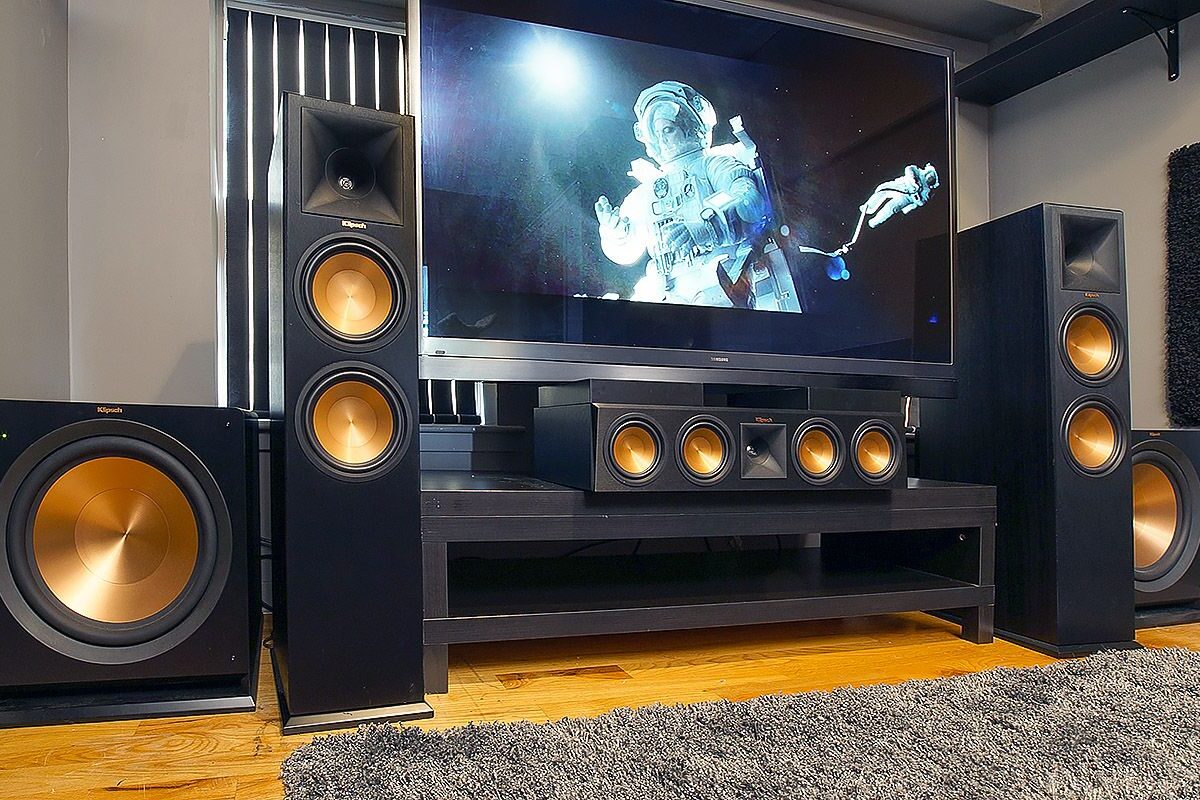
Kicking off with Surround sound setup, this essential guide will navigate you through the intricacies of creating an immersive audio experience in your home. With the right setup, your living space can transform into a personal cinema, complete with stunning soundscapes that envelop you in every scene.
Understanding how room acoustics influence sound clarity and projection is crucial to achieving the best results. From selecting the right components to optimal speaker placement, each detail contributes to an overall captivating audio environment. Dive into the world of surround sound systems, and you’ll discover how to elevate your entertainment experience to new heights.
The Importance of Room Acoustics in Surround Sound Setup
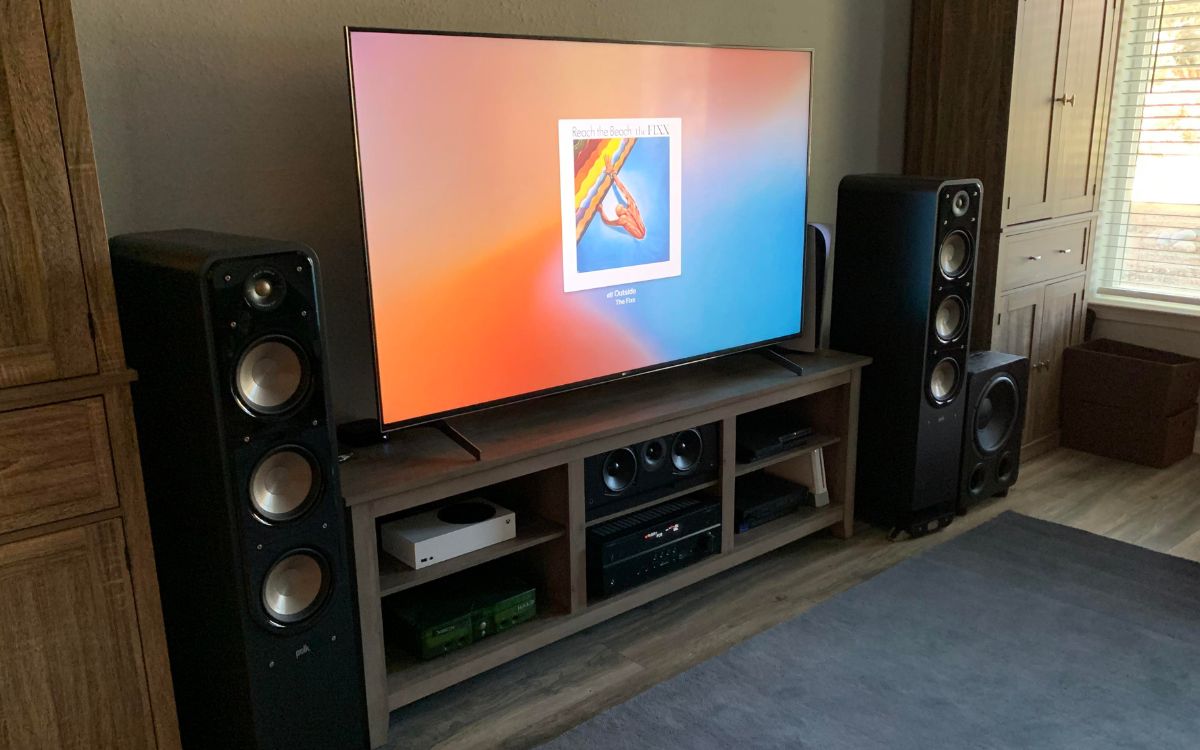
The role of room acoustics in a surround sound setup cannot be overstated. The way sound interacts within a room significantly influences the overall audio experience. Various factors such as room size, shape, and surface materials affect sound projection and clarity. Understanding these elements is crucial for achieving optimal sound performance, allowing for a truly immersive audio experience that enhances movies, music, and gaming.
Room characteristics directly affect how sound waves propagate. For instance, large, empty spaces can create echoes, leading to a delayed sound that diminishes clarity. Conversely, smaller rooms with many soft furnishings can absorb sound, which may create a muffled audio experience. In particular, the dimensions of the room can result in standing waves, where certain frequencies are amplified or canceled out depending on the listener’s position. This uneven distribution can lead to a lack of bass or an overemphasis on treble frequencies, distorting the audio quality.
Common Acoustic Issues and Solutions
Different room types come with their own set of acoustic challenges. Identifying these issues is essential for improving sound quality in a surround sound setup. Common problems include:
- Reverberation: This occurs when sound waves reflect off hard surfaces like walls and ceilings, creating a prolonged echo effect. It can muddy the sound, making dialogue difficult to follow.
- Flutter Echo: Characterized by a rapid succession of echoes, this problem typically arises in parallel-walled rooms, which reflect sound waves back and forth.
- Standing Waves: As previously mentioned, this issue stems from room dimensions that resonate with specific frequencies, leading to certain audio elements being overly prominent or absent entirely.
- Lack of Bass: Smaller rooms might struggle to reproduce low frequencies effectively, resulting in a thin sound that lacks depth.
To mitigate these acoustic issues, several modifications can be made to enhance sound quality:
- Acoustic Panels: Installing these on walls can absorb excess sound energy, reducing reverberation and echo.
- Bass Traps: Placing these in corners helps manage low-frequency issues by trapping standing waves, making bass more pronounced and balanced.
- Rugs and Curtains: Introducing soft furnishings can significantly reduce sound reflections, improving clarity.
- Room Layout: Rearranging furniture can also influence sound distribution. Ensuring speakers are positioned correctly relative to walls and corners is essential.
By understanding and addressing these common acoustic challenges, one can dramatically improve the audio performance of a surround sound setup, leading to a richer, more immersive listening experience.
Essential Components of a Surround Sound System
A surround sound system transforms your audio experience, immersing you in rich, multi-dimensional sound. To achieve the optimal surround sound experience, it is essential to understand the various components that work together harmoniously. Each part plays a crucial role in delivering audio that captivates and engages.
Key Components of Surround Sound Systems
Building an effective surround sound system involves selecting the right components that complement each other. Below is a breakdown of the vital parts that contribute to an exceptional audio environment:
- Speakers: The backbone of any surround sound setup, speakers come in various types including front speakers, rear speakers, and center speakers. Front speakers deliver most of the audio, while the center speaker enhances dialogue clarity. Rear speakers create an immersive experience by providing sound from behind.
- Receiver: The receiver acts as the hub of the system, processing audio and video signals from various sources (like Blu-ray players and gaming consoles) and sending them to the appropriate speakers. It also amplifies the audio signals, ensuring a powerful sound output.
- Subwoofer: A subwoofer is dedicated to producing deep bass sounds, adding depth to the audio experience. It complements the speakers by handling low-frequency effects in movies and music, which is vital for creating a full-bodied sound.
- Audio Cables: High-quality cables are essential for connecting all components. Poor-quality cables can introduce noise or reduce audio clarity, undermining the system’s potential.
- Calibration Microphone: Many modern receivers come with calibration microphones that help in tuning the sound based on the room’s acoustics, optimizing the overall audio output.
When selecting components, it’s important to ensure compatibility. Look for speakers and receivers that support the same audio formats, such as Dolby Atmos or DTS:X, and check the power ratings to prevent underpowering or overpowering any components. Additionally, consider the size of your room; larger spaces may require more robust speakers and a more powerful receiver to fill the space effectively. Investing in a cohesive setup will enhance your audio experience significantly, making every movie night or gaming session unforgettable.
Speaker Placement Techniques for Maximum Effectiveness
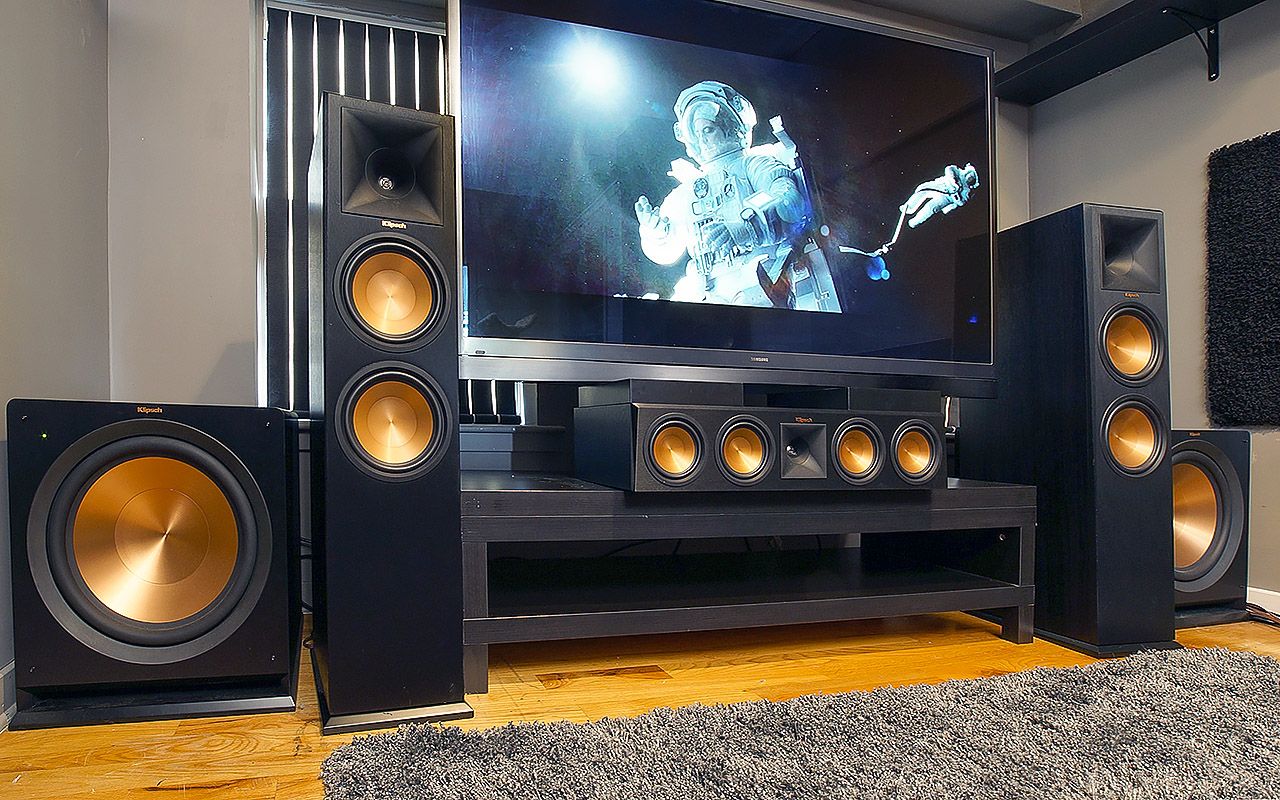
For an immersive surround sound experience, proper speaker placement is essential. The arrangement affects audio quality, providing a rich and engaging listening experience. Understanding the various configurations and techniques can significantly enhance how sound is delivered in a room.
In a standard home theater setup, the arrangement of speakers is typically based on the system configuration, such as 5.1 or 7.1 surround sound. A 5.1 system includes five speakers and a subwoofer, arranged to create a soundstage that envelops the listener. The front speakers (left, center, right) are positioned at ear level, while the rear speakers (left and right) are placed behind the listener, creating a sense of depth. In contrast, a 7.1 system adds two additional speakers, generally placed on the sides or slightly behind the seating area. This configuration enhances directionality and provides a more immersive experience.
One effective approach to speaker placement involves the following recommendations:
- Front Left and Right Speakers: Place these at an equal distance from the screen and slightly angled towards the listening position.
- Center Speaker: Position this directly above or below the screen, aligned with the height of the listener’s ears for optimal dialogue clarity.
- Surround Speakers: Install these on side walls, slightly above ear level, ensuring they are pointed towards the listening area.
- Rear Speakers: If using a 7.1 setup, these should be positioned behind the seating area, ideally around 2-3 feet above ear level.
- Subwoofer: Place the subwoofer near a wall or corner to enhance bass response, but avoid placing it in a corner to prevent muddy sound.
Adjusting speaker height and angle is crucial for improved sound delivery. Aim for the following considerations:
Optimal height is typically ear level when seated, which enhances clarity and immersion.
Adjust the angle of the front speakers to face the primary seating area, while the surround speakers should be angled slightly downward for best effect. A small tilt can make a significant difference in how sound is perceived, ensuring that the audio feels enveloping rather than distant.
By understanding these placement techniques and configurations, you can optimize your surround sound system, ensuring a captivating audio experience that truly brings movies and music to life.
Calibration Methods for Fine-Tuning Your Surround Sound System
Calibrating your surround sound system is crucial for achieving an immersive audio experience. Proper calibration tailors the sound fields to suit your unique listening environment, optimizing speaker placement, and adjusting volume levels. This results in clearer dialogue, richer music, and a more engaging movie-watching experience. Without calibration, you may miss subtle sound details or encounter uneven audio performance, which can detract from your overall enjoyment.
There are various calibration techniques available, catering to different skill levels and equipment types. Users can choose from manual adjustments, automatic calibration systems, and advanced software solutions.
Calibration Techniques and Tools
For those seeking to calibrate their system effectively, understanding the available methods can significantly enhance the outcome. Here’s a breakdown of popular calibration techniques:
1. Manual Calibration: This method requires adjusting the speaker settings and levels by ear or using a sound level meter. Users can fine-tune individual speaker volumes, delay settings, and equalization based on their preferences. While this method gives users full control, it may require a good ear for sound nuances.
2. Automated Calibration: Many modern receivers come with built-in calibration tools, such as Audyssey, YPAO, or MCACC. These systems use a microphone to assess the room’s acoustics and automatically adjust settings for optimal performance. This method is user-friendly and provides satisfactory results without extensive audio knowledge.
3. Third-Party Calibration Software: For those with a bit more technical knowledge, software options like Dirac Live or Room EQ Wizard can be utilized. These tools offer advanced features such as frequency response analysis and more precise equalization options, but they require additional hardware and learning.
To ensure a thorough calibration process, follow these steps:
– Step 1: Position your speakers correctly, following ideal placement guidelines.
– Step 2: Set up a listening area, using a central location for measurements.
– Step 3: Use a sound level meter or an app to measure the output from each speaker.
– Step 4: Adjust speaker levels until they are balanced at your listening position.
– Step 5: Calibrate delay settings to synchronize sound from all speakers.
– Step 6: Use an equalizer to fine-tune frequency response for each speaker.
– Step 7: Test different audio sources to ensure consistent quality.
The difference made by proper calibration can transform your audio experience, making it feel like you are in the middle of the action.
Common Challenges Encountered During Setup and How to Overcome Them
Setting up a surround sound system can initially seem like a daunting task, especially for those new to audio configurations. Even seasoned enthusiasts may encounter several challenges that can complicate the process. Understanding these common obstacles can help you prepare and equip yourself with effective strategies to tackle them.
One of the most frequent issues faced during a surround sound setup is the placement of speakers. Ensuring that all speakers are positioned correctly to create an immersive audio experience is crucial. Improper placement can lead to uneven sound distribution, resulting in an unsatisfactory listening experience.
Speaker Placement and Calibration
Achieving optimal speaker placement requires thoughtful consideration of your room’s layout as well as the type of speakers being used. Here are some challenges and strategies to overcome them:
– Room Acoustics: Each room has unique acoustic properties that can affect sound quality. Hard surfaces reflect sound, while soft furnishings absorb it.
– *Solution*: Consider using sound-absorbing materials, like rugs or curtains, to dampen acoustics. Additionally, experimenting with speaker placement can help to find the sweet spot for sound.
– Obstructions: Furniture and other obstructions can hinder sound waves, leading to muffled audio or dead spots.
– *Solution*: Ensure that speakers are placed away from large furniture items. Using stands can elevate speakers to ear level, enhancing clarity and immersion.
– Calibration Issues: Even with optimal placement, calibration can be a complicated process. Many systems come with auto-calibration features, but they may not always work perfectly.
– *Solution*: Utilize a sound level meter app on your smartphone to manually measure levels and adjust accordingly. This hands-on approach can often yield better results.
During my own setup, I faced significant challenges with speaker calibration. After numerous attempts with the auto-calibration feature, I decided to take matters into my own hands. By adjusting the levels based on the readings from my sound meter app, I achieved a much more balanced sound profile that truly enhanced my home theater experience.
Being aware of these common challenges and having a proactive mindset can significantly ease the setup process and lead to a much more enjoyable surround sound experience.
Exploring Wireless Surround Sound Options for Modern Installations
Wireless surround sound systems have revolutionized the way we experience audio in our homes. With the ability to eliminate cumbersome cables, these systems have become increasingly popular among audiophiles and casual consumers alike. However, with their advantages come certain drawbacks that should be carefully considered before making a switch from traditional wired setups.
Advantages and Disadvantages of Wireless Surround Sound Systems
Wireless surround sound systems provide several compelling benefits that enhance the home theater experience. The most notable advantage is the absence of wires, allowing for a cleaner aesthetic and greater flexibility in speaker placement. This feature is particularly beneficial in large rooms or spaces where running cables can be challenging. Additionally, many wireless systems support advanced audio formats and can easily integrate with smart home technologies, enhancing overall functionality.
Despite these advantages, there are some disadvantages to wireless systems. One major concern is the potential for audio latency, which can result in a noticeable delay between what is seen on screen and what is heard. Additionally, wireless systems are susceptible to interference from other wireless devices, which can affect sound quality and consistency. Battery-powered speakers may also require regular charging, adding another layer of maintenance.
Comparison of Wireless Technologies Available for Sound Transmission
When considering a wireless surround sound system, it’s essential to understand the various technologies available for sound transmission. Each technology comes with its unique set of features, benefits, and limitations:
- Wi-Fi: Offers high-quality audio with minimal latency and the ability to transmit over long distances. However, it requires a stable internet connection and can be affected by network congestion.
- Bluetooth: Provides a straightforward, user-friendly experience, ideal for smaller spaces. However, it generally has a shorter range and lower sound quality compared to Wi-Fi.
- RF (Radio Frequency): Allows for greater flexibility and can pass through walls, making it suitable for larger setups. The downside is that it may require specific receivers and can have interference issues.
- Soundbar-Integrated Systems: Often combine speakers with a soundbar for a compact solution. While they are convenient, they may not deliver the immersive experience of a full surround sound setup.
Considerations for Opting for a Wireless Setup
Opting for a wireless surround sound setup requires careful evaluation of several factors. First, assess the size and layout of your space, as this will influence speaker placement and the effectiveness of the system. Wireless systems may also require a robust Wi-Fi network to function optimally, so ensure your internet connection can handle the additional load.
Another consideration is the compatibility of the wireless system with your existing devices. Many systems integrate seamlessly with smart home platforms, enhancing usability. Additionally, consider the types of audio formats you intend to use and ensure the system supports those formats for the best audio experience.
Lastly, be mindful of the potential for interference from other wireless devices in your home. It’s wise to select systems with frequency-hopping technologies or advanced RF technology that minimizes disruptions, ensuring an uninterrupted listening experience.
Integrating Smart Technology into a Surround Sound Experience
Smart technology has dramatically transformed the way we interact with our audio systems, especially in creating immersive surround sound experiences. By merging traditional audio setups with smart devices, users can enjoy enhanced functionality, convenience, and control. This integration not only improves the sound experience but also provides seamless interaction with other smart home features, creating a cohesive home entertainment environment.
The combination of smart technology and surround sound systems allows for an array of functionalities that elevate the overall audio experience. Users can expect features such as remote control via smartphones, automation based on behavior or schedules, and integration with various smart home ecosystems. This connectivity allows for a more personalized and convenient audio experience.
Compatible Devices and Smart Home Ecosystems
A variety of devices and ecosystems can enhance a surround sound setup. Smart speakers, soundbars, and receivers equipped with Wi-Fi and Bluetooth capabilities can work harmoniously with smart home platforms. Notable systems include:
- Amazon Echo Studio: This smart speaker not only offers high-quality sound but can also act as a hub for controlling other devices in your smart home.
- Sonos Surround Sound Systems: Compatible with Amazon Alexa and Google Assistant, Sonos allows for easy integration and control over your audio setup with voice commands.
- Google Nest Audio: This speaker offers seamless integration with Google Home for voice control and streaming music, enhancing your surround sound experience.
- Apple HomePod: With AirPlay capabilities, it can easily connect to Apple devices and serve as a part of a multi-room audio setup.
Setting up voice control and automation features significantly enhances the user experience. Voice commands can control volume, switch inputs, and even adjust settings with ease. For example, a user can say, “Hey Google, play my movie playlist,” and the smart system will automatically switch to the surround sound mode and start the selected playlist. Setting up automation routines can further streamline the experience; for instance, a “movie night” mode can dim the lights and turn on the surround sound system at the same time.
“Integrating smart technology into your surround sound setup transforms passive listening into an interactive experience.”
By leveraging these smart devices and features, users can create an audio environment that is both dynamic and responsive to their lifestyle, providing the ultimate in entertainment and convenience.
The Role of Streaming Services in Surround Sound Playback
As technology has advanced, streaming services have transformed the way we consume audio and video content, particularly in terms of sound quality. With the growing popularity of surround sound systems, these platforms have evolved to support immersive audio experiences that enhance the enjoyment of movies, music, and games. Surround sound allows listeners to experience audio in a multi-dimensional format, providing depth and clarity that traditional stereo sound cannot match.
Streaming services have made significant strides in incorporating surround sound formats into their offerings. Initially, most platforms provided only standard stereo sound; however, as consumer demand for premium audio experiences increased, many services began supporting advanced formats like Dolby Atmos and DTS:X. These formats create a more immersive listening environment by allowing sound to move around the listener in a three-dimensional space. This evolution has made it possible for users to enjoy cinematic audio experiences in their homes without the need for physical media.
Popular Streaming Platforms Supporting Surround Sound
Several popular streaming services now offer content with surround sound capabilities. These platforms not only provide a wide range of cinematic and musical choices but also enhance the audio experience with advanced sound formats.
- Netflix: Netflix supports Dolby Atmos for many of its films and series, allowing users with compatible devices to enjoy an immersive sound experience. The platform’s commitment to high-quality audio has made it a leader in streaming services.
- Amazon Prime Video: This service also offers Dolby Atmos in select titles, providing a rich audio environment. Amazon has worked to ensure that many of its original productions are available in surround sound formats.
- Apple TV+: Apple’s streaming service features Dolby Atmos support, which enhances the audio of its original shows and movies. Users with compatible Apple devices can experience a surround sound environment.
- YouTube: Although more limited compared to other services, YouTube supports surround sound playback through 360-degree videos and some music content, enabling a unique viewing experience.
The quality of sound and overall experience can vary significantly between these platforms. While all of them provide access to surround sound formats, factors such as the source material, encoding quality, and user equipment impact the final audio output. Streaming services that offer true lossless audio formats typically deliver superior sound quality, making them preferable for audiophiles. Netflix and Amazon Prime Video, for instance, often feature high-quality audio tracks that take full advantage of their surround sound technology, resulting in an engaging experience that can rival traditional cinema settings.
Streaming services have revolutionized audio playback, making high-quality surround sound accessible to the average consumer.
Maintenance Tips for Ensuring Longevity of Your Surround Sound Setup
Maintaining your surround sound system is crucial for ensuring its longevity and optimal performance. Regular upkeep can prevent the deterioration of audio quality and extend the life of your components, allowing you to enjoy crystal-clear sound for years to come. Incorporating a few essential maintenance practices into your routine can greatly benefit your investment.
Over time, various issues may arise with your surround sound setup, such as connection problems, speaker distortion, or even component failure. Addressing these common concerns promptly can mitigate long-term damage. Regular checks should be conducted to ensure all components are functioning as they should, and the following maintenance practices can help you manage this effectively.
Routine Maintenance Practices
Establishing a routine for maintenance tasks is essential for keeping your audio components in top shape. Here are some key practices to incorporate into your maintenance schedule:
- Dusting and Cleaning: Regularly dust your speakers and equipment to prevent dirt and debris buildup, which can affect sound quality. Use a soft, dry cloth and avoid harsh cleaning agents.
- Check Connections: Periodically inspect all cables and connections to ensure they are secure and free from wear. Loose or damaged cables can lead to audio dropouts or interference.
- Firmware Updates: Keep your audio equipment’s firmware up-to-date to enhance performance and fix bugs. Check the manufacturer’s website regularly for updates.
- Speaker Placement: Reassess your speaker placement every few months. Ensure they are positioned correctly to maximize sound quality and avoid distortion.
- Temperature and Humidity Control: Store your equipment in a climate-controlled environment to prevent damage from extreme temperatures or high humidity levels.
Furthermore, it’s beneficial to establish a maintenance timeline to keep track of routine checks:
“Regular maintenance is a proactive approach to ensuring a long-lasting audio experience.”
| Task | Frequency |
|---|---|
| Dusting and Cleaning | Monthly |
| Connection Checks | Every 3 months |
| Firmware Updates | Every 6 months |
| Speaker Placement Check | Every 6 months |
| Climate Control Checks | Annually |
By adhering to these maintenance tips and timelines, you can ensure that your surround sound setup remains in excellent condition, providing an enjoyable audio experience for years to come.
Customizing Surround Sound for Different Content Types
When it comes to experiencing audio in all its glory, customizing surround sound settings based on the type of content is essential. Whether you’re diving into a heart-pounding movie, jamming to your favorite album, or immersing yourself in a thrilling video game, each content type benefits from tailored sound adjustments. These adjustments enhance clarity, depth, and overall enjoyment, creating a more impactful experience for the listener.
One of the key aspects of achieving optimal surround sound is the use of presets and user-defined settings tailored for various genres. Many modern audio receivers come equipped with built-in sound profiles that cater to specific types of content. Utilizing these presets can significantly enhance your audio experience. For instance, a movie preset typically amplifies dialogue and adds depth to action sequences, while a music preset focuses on clarity and richness of instruments.
Importance of Presets and User-Defined Settings
Understanding the importance of sound profiles allows for a more immersive listening experience. Customizing these settings can transform the way sound is experienced across different platforms and genres. Here are several key points to consider regarding presets and user-defined settings:
- Movies: Surround sound settings for films often emphasize dialogue clarity and emphasize low-frequency effects to complement action scenes. Creating a user-defined setting that boosts mid-range frequencies can improve speech intelligibility.
- Music: For music, the goal is often to achieve stereo imaging and a balanced frequency response. Presets that highlight vocals and instruments can bring out the richness of a recording.
- Gaming: In gaming, surround sound needs to convey directionality. Customized settings can enhance positional audio, making it easier to locate in-game sounds and creating a more engaging environment.
- Streaming Services: Many streaming platforms have their own audio codecs, which may affect the overall sound. It’s important to adjust your system settings to ensure compatibility and optimal audio playback.
Achieving optimal sound for immersive experiences involves fine-tuning your surround sound system based on the type of content being consumed. By utilizing presets as a foundation and creating user-defined settings that fit personal preferences, you can maximize the emotional impact of every sound, ensuring that whether you are laughing, crying, or cheering, the audio reflects the full spectrum of your experience.
Concluding Remarks
In conclusion, mastering your Surround sound setup can significantly enhance your audio experience, whether for movies, music, or gaming. By paying attention to room acoustics, proper component selection, and effective calibration, you’re well on your way to creating a sound environment that feels personalized and engaging. Remember, it’s all about finding the perfect balance that suits your preferences and space.
Popular Questions
What is the ideal room shape for surround sound?
A rectangular room is often best for surround sound, as it allows for better sound distribution and reduces acoustic issues.
Can I use my existing stereo speakers for surround sound?
Yes, but for optimal performance, it’s recommended to use a complete set of surround sound speakers designed for that purpose.
How do I connect my wireless surround sound system?
Most wireless systems connect via Wi-Fi or Bluetooth; follow the manufacturer’s instructions for pairing and setup.
How often should I calibrate my surround sound system?
It’s a good practice to recalibrate your system every few months or whenever you rearrange your room.
What should I look for in streaming services for surround sound?
Check if they offer content in surround sound formats and compatibility with your sound system.