
 Zoe Nora
Speaker wire serves as a vital link in the audio world, ensuring that sound signals travel efficiently from your amplifier to your speakers. This seemingly simple component can significantly influence your listening experience, often determining the clarity and richness of the audio you hear. Understanding the nuances of speaker wire—such as its construction, material properties, and installation practices—can empower you to make informed choices that enhance your sound system’s performance.
From the type of wire to the gauge and insulation, each factor plays a crucial role in achieving optimal sound quality. Whether you’re a casual listener or an audiophile, exploring the intricacies of speaker wire opens doors to better sound management, allowing you to enjoy your favorite music and movies like never before.
The Importance of Speaker Wire in Audio Systems
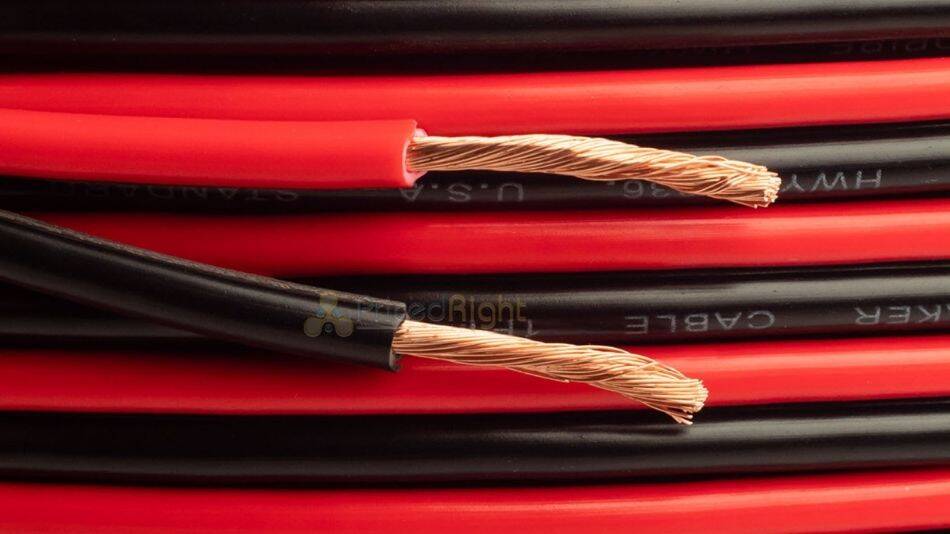
Speaker wire plays a crucial role in the performance of audio systems, serving as the conduit through which audio signals travel from the amplifier to the speakers. While it may seem like a mere accessory, the choice of speaker wire can significantly influence the sound quality, clarity, and overall listening experience. Understanding the implications of speaker wire quality, types, and their specific applications is essential for optimizing audio performance.
The quality of speaker wire affects sound performance in various ways. When audio signals pass through a wire, they can lose integrity due to several factors including resistance, capacitance, and inductance. Low-quality wires often have a higher resistance, which can lead to power loss and a reduction in sound quality. This can manifest as a lack of clarity, diminished bass response, or even distortion. On the other hand, high-quality wires made from materials such as oxygen-free copper minimize these issues, allowing for a more accurate transmission of sound. Additionally, the gauge (thickness) of the wire also plays a pivotal role; thicker wires typically have lower resistance, thereby improving efficiency and sound quality.
Different types of speaker wire serve specific applications, and understanding these can help in making informed choices. The most common types include:
Types of Speaker Wire and Their Applications
Speaker wires come in various forms, each designed to meet specific requirements based on the audio system configuration and environment. The following are some prevalent types of speaker wire and their applications:
- Oxygen-Free Copper (OFC) Wire: This type of wire is highly valued for its excellent conductivity and minimal oxidation, which can degrade sound quality over time. OFC wire is ideal for high-end audio systems where sound fidelity is paramount.
- Stranded vs. Solid Wire: Stranded wire consists of multiple small wires twisted together, offering flexibility and ease of installation, making it suitable for applications where movement is involved. Solid wire, being a single conductor, is often used in permanent installations where flexibility is not a concern.
- Speaker Wire Gauge: The gauge of the wire, typically ranging from 12 to 16 AWG, impacts resistance and performance. Thicker wires (lower AWG number) are recommended for longer distances to prevent signal loss, while thinner wires may suffice for shorter runs.
- Twisted Pair Wire: This design helps to reduce electromagnetic interference (EMI), which is crucial in environments with multiple electronic devices. Twisted pair wire is often employed in complex audio setups to ensure cleaner sound transmission.
In summary, selecting the right speaker wire is not merely a matter of convenience but a fundamental element that can enhance or detract from the audio experience. The investment in quality wire appropriate for the specific audio system and environment can result in noticeable improvements in sound clarity, detail, and overall performance.
Understanding the Specifications of Speaker Wire
Speaker wire specifications play a crucial role in delivering optimal audio performance. Understanding these specifications can significantly enhance your listening experience, ensuring that your audio equipment functions at its best. Among the key aspects to consider are gauge numbers, resistance, wire length, and other technical details that affect sound quality.
Significance of Gauge Numbers and Resistance
The gauge number of speaker wire indicates its thickness, with lower numbers indicating thicker wire. Thicker wire has a lower resistance, which is beneficial for transmitting audio signals over distances. Resistance can negatively impact audio quality by reducing the power reaching the speakers. For instance, a 12 AWG (American Wire Gauge) wire has less resistance compared to a 16 AWG wire, allowing for more efficient power transfer. This lower resistance is particularly important in long wire runs, where even small increases in resistance can lead to significant losses in sound quality.
Impact of Wire Length on Audio Fidelity
The length of speaker wire directly influences audio fidelity. As wire length increases, so does resistance, which can lead to a loss in signal strength and ultimately degrade audio quality. For example, if you use a 100-foot length of 16 AWG wire, the resistance can lead to a noticeable drop in volume and clarity compared to a shorter run. The impact becomes more pronounced at higher frequencies, where signal loss can result in diminished treble response, making the sound less vibrant and detailed.
When selecting speaker wire, consider the following aspects related to wire length:
- Shorter Lengths: Generally, shorter speaker wires minimize resistance and maintain audio fidelity. If your speakers are close to your amplifier, using a thicker gauge wire can be beneficial, ensuring that the sound quality remains pristine.
- Longer Lengths: For longer runs, it’s advisable to choose a thicker gauge wire, such as 12 or 14 AWG, to combat resistance issues. This helps ensure that the audio signal remains strong and clear, even over extended distances.
- Compromised Audio Performance: With increasing lengths and thinner wires, the audio experience can suffer, leading to muddy bass, harsh treble, or a general lack of detail in the music.
Common Specifications Breakdown
Understanding common specifications such as AWG, resistance, and capacitance is essential for choosing the right speaker wire.
| Specification | Description | Typical Values |
|---|---|---|
| AWG (American Wire Gauge) | Indicates the wire’s thickness; lower numbers denote thicker wires with lower resistance. | 12 AWG, 14 AWG, 16 AWG |
| Resistance | Measured in ohms; lower resistance allows for better power transfer and less signal loss. | 12 AWG: ~0.00193 ohms/ft, 16 AWG: ~0.00402 ohms/ft |
| Capacitance | Refers to the wire’s ability to store charge; affects high-frequency performance. | Varies; lower capacitance is generally preferred for audio. |
When selecting speaker wire, it is essential to balance these specifications to achieve the best audio performance for your setup. Prioritizing the right gauge, understanding resistance implications, and accounting for wire length can significantly elevate your listening experience.
Different Types of Speaker Wire Materials
When it comes to speaker wires, the material used can significantly impact audio quality, conductivity, and durability. The two most common materials for speaker wires are copper and aluminum. Each has its own set of advantages and disadvantages, which makes understanding these differences crucial for audio enthusiasts and home theater builders alike.
Copper vs. Aluminum Speaker Wires
Copper is widely regarded as the gold standard for speaker wire due to its excellent conductivity and durability. It boasts a conductivity rating of around 97%, allowing for minimal signal loss over long distances. This means that audio quality remains consistent, making it ideal for high-fidelity systems. Additionally, copper’s resistance to corrosion ensures longevity, allowing it to withstand various environmental conditions without degrading.
On the other hand, aluminum wires, while generally less expensive, possess a conductivity rating of about 61%. This lower conductivity results in greater signal loss, which can affect sound quality, particularly in larger setups. However, aluminum is lighter than copper, making it easier to handle and install, especially in intricate wiring configurations. Its cost-effectiveness can also make it a viable option for budget-conscious consumers.
Despite these advantages, aluminum wires come with drawbacks. They are more prone to oxidation, which can lead to increased resistance over time if not properly treated. Furthermore, connections with aluminum can be less secure than with copper, potentially resulting in audio dropouts.
To enhance the performance of copper wires, specialty options like oxygen-free copper (OFC) are available. OFC is treated to remove oxygen content, which minimizes oxidation and enhances conductivity. This results in clearer sound reproduction and a more reliable connection. Many audiophiles believe that OFC wires deliver superior audio experiences, especially in high-end sound systems. However, these wires often come at a premium price, which may not be justifiable for casual listeners.
In summary, while copper offers superior performance and durability, aluminum presents a more budget-friendly alternative. Specialty wires like oxygen-free copper add an extra layer of quality, catering to those who prioritize the best possible listening experience.
The Role of Insulation in Speaker Wire Functionality
Speaker wire insulation plays a crucial role in ensuring optimal audio performance, safeguarding the wire from environmental factors and interference, and maintaining signal integrity. The choice of insulation material can significantly influence the sound quality, durability, and overall effectiveness of the speaker wire in a given setup. Let’s delve deeper into the various aspects of speaker wire insulation, including the types of materials used and their impact on performance.
Insulation Materials and Their Effects on Signal Quality
Insulation materials determine how well speaker wires can transmit audio signals without degradation. Some common types of insulation include:
- PVC (Polyvinyl Chloride): Widely used due to its cost-effectiveness and decent performance. However, it may not provide the best shielding against interference.
- PE (Polyethylene): Known for its low dielectric constant, PE insulation reduces signal loss and is favored for high-performance audio applications.
- rubber and silicone: These materials offer flexibility and excellent protection against environmental stressors but are generally more expensive.
The effectiveness of these materials in isolating the conductor from external elements directly affects the clarity and fidelity of the audio signal. High-quality insulation minimizes capacitance, ensuring that the speaker wire maintains its integrity across longer distances, thus preventing signal degradation.
Impact of Environmental Factors on Insulation Durability
Environmental factors significantly influence the longevity and reliability of speaker wire insulation. For instance, exposure to extreme temperatures, moisture, and UV light can deteriorate insulation over time. The following points Artikel some critical environmental considerations:
- Temperature Variations: Extreme heat can cause certain insulation materials to become brittle, while excessive cold may make them more prone to cracking.
- Moisture Exposure: Humidity and water can lead to corrosion of the conductor and degradation of the insulation, particularly in non-water-resistant materials.
- UV Light Exposure: Prolonged exposure to sunlight can weaken insulation, particularly for PVC and rubber, leading to potential failures.
Understanding these environmental impacts is essential for ensuring the long-term performance of speaker wires, as poor insulation can compromise audio quality and system reliability.
Influence of Insulation Choice on Installation Process
The choice of insulation can also dictate the installation approach for speaker wires. For example, more rigid insulation materials may demand careful handling to avoid damage during installation. Conversely, flexible insulations make routing and positioning easier, especially in complex setups.
- Ease of Handling: Flexible insulation allows for easier bending and manipulation around tight corners, facilitating a cleaner installation.
- Protection Against Physical Damage: Durable insulation can withstand physical abrasion during the installation process, reducing the likelihood of damage.
- Compatibility with Connectors: Some insulation materials are thicker, affecting how connectors fit on the wire, which can complicate the installation if not considered beforehand.
By carefully selecting the right insulation, one can streamline installation and enhance the overall performance of the speaker wire system.
Installing Speaker Wire
Installing speaker wire correctly is crucial for ensuring optimal performance in your home audio system. Proper installation can prevent issues such as interference, signal loss, and poor sound quality. This guide will walk you through the essential steps to install speaker wire effectively, highlighting the importance of correct connections and routing techniques, as well as safety precautions to keep in mind during the installation process.
The significance of correct connections and routing techniques cannot be overstated. A well-connected audio system not only enhances sound quality but also extends the lifespan of your equipment. When speaker wires are improperly connected, it can result in phase issues, where the sound waves from the speakers are out of sync, leading to a muddy or hollow sound. Additionally, poor routing can expose wires to interference from electrical lines, which can introduce hum or buzz in your audio output. Attention to detail during installation ensures both the integrity of the sound and the safety of the system.
Step-by-Step Installation Process
To install speaker wire correctly, follow this systematic approach. Each step is designed to ensure the best possible results.
1. Gather Materials: You’ll need high-quality speaker wire, wire strippers, connectors, speaker terminals, and tools such as a screwdriver and drill.
2. Determine Wire Length: Measure the distance from your audio receiver to each speaker location. It’s advisable to add a little extra length to avoid tension on the wires.
3. Choose the Right Speaker Wire: Select the appropriate gauge for your wire based on the distance and power requirements. Thicker wire (lower gauge number) is necessary for longer runs.
4. Plan the Route: Map out the path the wire will take. Avoid running speaker wires parallel to electrical lines to minimize interference.
5. Prepare the Wires: Using wire strippers, carefully strip about half an inch of insulation from both ends of each wire. This exposes the copper strands for connection.
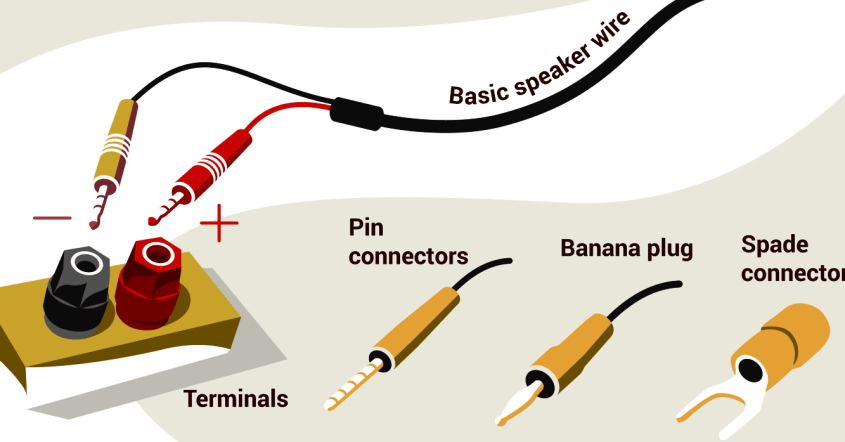
6. Connect to the Receiver: Insert the exposed wire ends into the corresponding positive (+) and negative (-) terminals on the receiver. Ensure you maintain polarity by connecting positive to positive and negative to negative.
7. Run the Wire: Securely run the wire along the planned route, using clips or ties to keep it neat. If running through walls or ceilings, make sure to use in-wall rated wire to comply with safety codes.
8. Connect to the Speakers: At each speaker, connect the wire to the designated terminals, ensuring correct polarity is maintained again.
9. Test the System: Before finalizing the installation, test the system to ensure all connections are working correctly and sound quality is optimal.
10. Secure Your Work: Once confirmed that the system works, secure any loose wires and tidy up the installation to avoid tripping hazards.
Correctly installed speaker wire enhances sound performance and longevity of audio equipment.
Safety Precautions
Taking safety precautions during the installation of speaker wire is imperative to avoid accidents and ensure a successful setup. Here are essential safety measures to consider:
– Power Off Equipment: Always ensure your audio receiver and speakers are powered off before you begin any wiring work to prevent electrical shock.
– Use In-Wall Rated Wire: If wires are to be run through walls, utilize in-wall rated speaker wire, which is designed to prevent fire hazards.
– Avoid Overloading: Be cautious not to overload the receiver by connecting too many speakers or using inadequate wire gauge, as this can lead to overheating and damage.
– Check for Damage: Inspect the wires for any frays or breaks before installation. Damaged wires can lead to shorts and potential hazards.
– Follow Codes and Regulations: Adhere to local building codes and regulations regarding wire installation, especially within walls or ceilings.
By following these best practices, you ensure a high-quality audio experience while maintaining a safe environment during installation.
Troubleshooting Common Speaker Wire Problems
When it comes to audio systems, speaker wire connections can often be the source of various issues that impact sound quality. Recognizing these problems early can help maintain optimal audio performance. Common issues with speaker wires include poor sound quality, intermittent signals, and sound dropouts. Understanding how to diagnose and address these issues is crucial for enjoying a seamless listening experience.
To effectively troubleshoot speaker wire problems, it’s important to first identify the symptoms and their potential causes. Poor sound quality often stems from loose connections, damaged wires, or electrical interference. Intermittent signals or sound dropouts can be attributed to frayed wires or faulty connectors. Performing a comprehensive check can help pinpoint the issue.
Diagnosis and Solutions
Diagnosing speaker wire problems involves a systematic approach. Begin by visually inspecting the wires and connections. Look for signs of wear, such as fraying or kinks in the wire, which could compromise the audio signal. Also, ensure that the connections at both the speaker and amplifier ends are secure. Tighten any loose connections and reconnect any plugs that may have come undone.
Next, use a multimeter to test the continuity of the speaker wire. This tool can help determine if there are breaks in the wire that might not be visible to the naked eye. If the multimeter indicates a break, the wire will need to be replaced.
Another common issue is interference from other electronic devices. Move other electronics away from the speaker wires to see if this resolves the problem. If sound quality improves, consider using shielded speaker wire to minimize interference in the future.
For those who prefer a hands-on approach, a wire tracer can also be an invaluable tool. This device detects breaks in the wire path, which can speed up the troubleshooting process significantly.
In summary, the most common tools for troubleshooting speaker wire issues include:
- Multimeter: Used to check for continuity and measure resistance in the wire.
- Wire Tracer: Helps locate breaks in wire connections.
- Screwdriver: Necessary for securing loose connections at both the speaker and amplifier ends.
By systematically diagnosing and addressing these issues, you can ensure a high-quality audio experience and extend the life of your speaker wire connections.
The Impact of Speaker Wire on Home Theater Systems
Speaker wire selection plays a crucial role in determining the overall quality and performance of home theater systems. Consumers often invest considerable resources in high-end components like receivers, speakers, and displays, but they may overlook the importance of the wire connecting these elements. The right speaker wire ensures that audio signals are transmitted efficiently, enhancing the surround sound experience and allowing users to appreciate the nuances of their favorite movies, music, and games without distortion or loss of fidelity.
The relationship between speaker wire and the surround sound setup is significant. Speaker wire is responsible for transmitting audio signals from the amplifier to the speakers. If the wire is of poor quality or improperly gauged, it can limit the performance of the entire audio system. For instance, using a wire that is too thin may lead to signal loss, especially over longer distances. Conversely, high-quality, adequately gauged speaker wire can support high power levels and deliver clear, accurate sound. Ideally, the wire should minimize resistance, which can negatively impact audio clarity and volume.
Recommended Wire Configurations for Home Theater Designs
Understanding the ideal wire configurations for various home theater setups is essential for maximizing audio performance. Here are some recommended wire configurations based on typical home theater designs:
1. Basic Stereo Setup: For a simple stereo system, 16-gauge wire is often sufficient for runs under 50 feet. This gauge balances performance and cost, ensuring good sound quality without requiring extensive investment.
2. Surround Sound Systems: For surround sound setups, which usually involve multiple speakers, a thicker wire, such as 14-gauge, is recommended, especially for long runs. This wire size can handle the increased power demands of multiple channels, improving overall sound clarity and dynamic range.
3. Dedicated Home Theater Rooms: In larger dedicated home theaters, where speaker placement may exceed 50 feet, using a 12-gauge wire is advisable. This thicker wire reduces resistance and ensures that even at longer distances, the sound remains crisp and undistorted.
4. Custom Installations: For custom installations that may involve in-wall or in-ceiling speakers, adhering to local building codes is crucial. In these cases, using CL2 or CL3 rated wire, which is designed for in-wall use, is necessary for safety and ensures compliance with regulations. A 14-gauge or thicker wire is also recommended to maintain audio fidelity.
5. High-Power Systems: For systems that drive high-powered speakers or subwoofers, utilizing 10-gauge wire can significantly enhance performance. This is especially important for amplifiers that provide substantial wattage, ensuring that the wires can handle the power without overheating or degrading the audio signal.
In all cases, ensuring the connections are secure and free from corrosion can further enhance performance. Properly connecting speaker wire to terminals and avoiding unnecessary bends or kinks can help maintain audio integrity.
Selecting the right speaker wire can dramatically influence the audio experience, turning an ordinary home theater into an immersive environment.
Future Trends in Speaker Wire Technology
As technology evolves, the landscape of audio equipment continues to shift dramatically. Speaker wire technology, traditionally a straightforward aspect of sound systems, is undergoing significant changes driven by innovation and consumer demand for enhanced audio experiences. With the rise of wireless technologies, advancements in materials, and new manufacturing processes, the future of speaker wire is poised to transform in ways that may redefine how we connect our audio devices.
The emergence of wireless speaker technology is one of the most impactful trends affecting traditional wiring. Wireless systems, utilizing protocols such as Bluetooth and Wi-Fi, provide a level of convenience and flexibility that wired systems cannot match. As these technologies become more refined, the reliance on physical speaker wire may diminish significantly. For instance, wireless speakers can be placed anywhere within a network range without the constraints of wiring, allowing for multi-room audio setups without the hassle of running cables through walls or ceilings. This shift does not mean the complete obsolescence of speaker wires; rather, it pushes manufacturers to innovate in ways that make wired connections complementary to wireless systems.
One notable trend in speaker wire technology is the exploration of advanced materials that enhance performance. Traditional copper wiring is being supplemented or replaced by materials like silver and various alloys, which can improve conductivity and reduce signal loss. For example, silver-plated copper wires offer a better conductive path than standard copper wires, resulting in clearer sound reproduction, especially at higher frequencies. Furthermore, the use of improved insulation materials, such as fluoropolymers, can help minimize interference from external sources, ensuring the purity of the audio signal.
Additionally, advancements in manufacturing processes are paving the way for more efficient production and greater availability of high-quality speaker wires. Techniques like 3D printing are being explored for creating customized wire designs that optimize performance based on specific user needs. This level of personalization could lead to tailored solutions that cater to audiophiles seeking the utmost in sound fidelity. Moreover, as sustainability becomes a priority, manufacturers are also focusing on eco-friendly materials and practices, which could influence the future of speaker wire design.
In summary, the future of speaker wire technology is bright, driven by innovations in wireless capabilities, materials, and manufacturing processes. These advancements promise to enhance user experience while addressing the evolving needs of audio enthusiasts.
Last Word
In summary, speaker wire may appear to be just another technical detail, but its impact on audio performance is profound. By selecting the right type of wire, understanding its specifications, and ensuring proper installation, you can elevate your audio experience significantly. As technology continues to advance, staying informed about speaker wire developments will ensure you remain at the forefront of audio excellence, bringing your home entertainment to life with every sound.
Q&A
What gauge of speaker wire should I use?
The appropriate gauge depends on the distance between your amplifier and speakers; generally, 16-gauge is suitable for runs up to 50 feet, while 14-gauge is recommended for longer distances.
Can I use regular electrical wire for speakers?
While it may work in a pinch, regular electrical wire lacks the necessary construction and conductivity for optimal audio performance and may lead to subpar sound quality.
How do I know if my speaker wire is damaged?
Look for visible signs of wear, such as fraying or breaks; if you experience intermittent sound or distortion, this may also indicate a problem with the wire.
Is it worth investing in high-end speaker wire?
Investing in quality wire can enhance sound fidelity, especially in high-performance systems; however, the value depends on your audio setup and personal listening preferences.
What is oxygen-free copper wire?
Oxygen-free copper wire is a type of speaker wire that is processed to remove oxygen, which can enhance conductivity and reduce oxidation over time, potentially improving sound quality.