
 Zoe Nora
Speaker installation is more than just placing devices in a room; it’s an art that significantly impacts sound quality and overall performance. Properly installed speakers can transform your listening experience, making it crucial for enthusiasts and casual listeners alike. Whether you’re setting up a home theater or enhancing your music system, understanding the nuances of installation can lead to remarkable audio clarity.
In this guide, we’ll explore the essential elements of speaker installation, from the tools and materials you’ll need to advanced techniques that optimize performance. We’ll also touch on common challenges, the role of professional installers, and the latest innovations in installation technology, ensuring you have a comprehensive understanding of how to achieve the best sound in your space.
The Importance of Proper Speaker Installation for Sound Quality
Proper speaker installation plays a crucial role in achieving optimal sound quality and performance in any audio setup. Whether you’re setting up a home theater system or a simple stereo, understanding and implementing the right installation techniques can significantly enhance your listening experience. Poor installation can lead to a range of audio issues, from muddled sound to uneven distribution, ultimately diminishing the enjoyment of your favorite music or movie soundtracks.
The effects of proper installation extend beyond just plugging in the speakers. The positioning, wiring, and alignment of your speakers can dramatically influence the overall sound quality. For instance, speakers that are not correctly placed can create phase issues, where sound waves from different speakers reach your ears at different times, leading to distortion and a lack of clarity. Furthermore, improper mounting can result in vibrations that negatively affect the sound output, making it essential to consider every aspect of the installation process.
Common Mistakes Made During Speaker Installation
Even the most enthusiastic audio fans can make common mistakes during speaker installation that can detract from sound quality. Understanding these pitfalls can help you avoid them and achieve the best performance from your equipment.
1. Incorrect Speaker Placement: Many users place speakers too close to walls or corners, which can cause booming bass and muddied highs due to reflections. Ideally, speakers should be positioned away from walls and at least 2-3 feet from any corner.
2. Neglecting Acoustic Treatments: Failing to consider room acoustics can lead to imbalanced sound. It’s essential to assess the room’s acoustics and make adjustments, such as adding rugs or curtains, to reduce unwanted reflections.
3. Misaligning the Speakers: Not aligning speakers at the listener’s ear level can result in a poor soundstage. Proper alignment ensures that sound waves reach the listener simultaneously, providing a clearer and more immersive experience.
4. Using Poor Quality Cables: Cheap or damaged cables can introduce interference and degrade sound quality. Investing in high-quality speaker cables can prevent this issue and ensure a clean signal.
5. Ignoring the Power Source: Underpowering or overpowering speakers can lead to distortion or damage. It’s vital to match the speaker specifications with the amplifier to maintain sound integrity.
“Proper speaker installation is not just about placement; it encompasses the entire audio environment.”
Understanding the connection between speaker placement and room acoustics is essential for maximizing sound performance. The acoustical properties of a room, including size, shape, and materials, can either enhance or hinder sound quality. For instance, hard surfaces like tile or glass can reflect sound waves, while soft materials can absorb them.
By implementing strategic placement and considering the room’s acoustics, you can create a more balanced sound environment. Here are key factors to consider for optimal speaker placement:
– Room Dimensions: The size and layout of the room dictate the ideal distance between speakers and listening positions.
– Furniture Arrangement: Positioning furniture to create a “listening zone” can improve sound quality significantly.
– Speaker Height: Ensuring speakers are at ear level when seated contributes to a more accurate sound stage.
By avoiding common installation mistakes and understanding the principles of acoustics, you can significantly enhance the sound quality of your audio system, ensuring that your investment delivers the best performance possible.
Tools and Materials Required for Effective Speaker Installation
When it comes to installing speakers, having the right tools and materials is crucial for achieving optimal sound performance and ensuring a lasting setup. This guide will Artikel the essential tools you will need during the installation process and the materials that contribute to the durability and effectiveness of your speaker system.
Essential Tools for Speaker Installation
To carry out an effective speaker installation, you should be equipped with specific tools that facilitate the process. Each tool serves a unique purpose, enhancing both ease of installation and precision.
- Screwdriver Set: Essential for securing the speakers and mounting brackets. A combination of Phillips and flathead screwdrivers will cover most needs.
- Drill and Drill Bits: A cordless drill is perfect for creating holes for screws and anchors, making installation faster and more efficient.
- Wire Strippers: These are necessary for preparing speaker wires by removing insulation without damaging the inner conductors.
- Fish Tape or Wire Puller: Useful for routing speaker wires through walls or ceilings, ensuring a clean installation without visible cables.
- Level: Ensures that your speakers are mounted straight, which is vital for balanced sound distribution.
- Tape Measure: Accurate measurement is critical for proper placement of speakers, contributing to optimal sound quality.
- Utility Knife: Handy for cutting cables, insulation, or even for minor adjustments during installation.
Commonly Used Materials for Durable Speaker Installations
The materials you select for your speaker installation play a significant role in ensuring longevity and performance. Choosing the right components can prevent issues such as signal loss and physical damage over time.
- Speaker Wire: High-quality speaker wire is essential for transmitting sound signals without degradation. It is typically made from copper for its excellent conductivity.
- Mounting Brackets: These ensure your speakers are securely attached to walls or ceilings, providing stability and preventing accidental falls.
- Wall Anchors: Used in conjunction with screws, wall anchors are important for mounting speakers on drywall or other hollow surfaces, offering extra support.
- Insulation Tape: This helps in securing and protecting exposed wire connections, reducing the risk of short circuits.
- Speaker Grilles: Protect the speaker cones from dust and physical damage while allowing sound to pass through unobstructed.
- Connectors and Adapters: These are crucial for establishing a reliable connection between the speaker wires and the speaker terminals, ensuring a seamless audio experience.
Typical Speaker Installation Tool Kit Example
To give you a better understanding, here is a typical speaker installation tool kit that you can assemble for your projects. This kit includes the most essential tools and materials necessary for a professional installation.
- Tool Kit:
- Screwdriver Set (Phillips and flathead)
- Cordless Drill with drill bits
- Wire Strippers
- Fish Tape
- Level
- Tape Measure
- Utility Knife
- Materials:
- Quality speaker wire (appropriate gauge)
- Mounting brackets
- Wall anchors
- Insulation tape
- Speaker grilles
- Various connectors and adapters
“Equipping yourself with the right tools and materials not only simplifies the installation process but also contributes to a lasting and high-quality audio experience.”
Step-by-Step Guide for Installing Home Audio Speakers
Installing home audio speakers can greatly enhance your listening experience, transforming your living space into an immersive sound environment. This guide breaks down the process into manageable steps, ensuring that you can achieve optimal sound quality without complications.
Before starting any installation, it’s essential to have a clear plan for your audio setup. This involves considering the layout of your room, the type of speakers you will use, and how you intend to connect them. A well-thought-out plan will streamline the installation process and help avoid common pitfalls.
Planning Your Speaker Layout
The initial step in installing home audio speakers is determining where to place them. The positioning of speakers directly affects sound quality and overall experience. Here are key considerations for planning your speaker layout:
- Identify the best listening position in the room, typically where you will be seated most often.
- Decide on the speaker type—floor-standing, bookshelf, or in-wall—and select locations that complement their design.
- Ensure speakers are placed at ear level when seated for optimal sound delivery.
- Avoid placing speakers in corners or against walls to minimize bass distortion.
Wiring and Connecting Speakers Safely
Proper wiring and connections are crucial for ensuring safety and functionality during your speaker installation. Follow these best practices to set up your audio system effectively:
- Use quality speaker wire appropriate for the distance between your receiver and speakers; 16-gauge wire is typically sufficient for most home installations.
- Strip the wire carefully to expose enough copper for a solid connection but avoid stripping too much to prevent shorts.
- Ensure polarity is observed—connect the positive wire (usually red) to the positive terminal on both the receiver and speaker, and the same for the negative wire (usually black).
- Secure connections tightly to prevent loose wires from causing interference or sound loss.
- Utilize cable management solutions to keep wires organized and minimize tripping hazards.
Checklist for Speaker Installation
A comprehensive checklist ensures that no crucial steps are overlooked during the installation process. This list will help you stay organized and efficient:
- Gather all necessary tools: wire strippers, screwdriver, tape measure, level, and a drill if needed.
- Prepare the space by clearing furniture and obstacles that may interfere with speaker placement.
- Measure distances for speaker wire and cut to the required length, leaving some extra for flexibility.
- Test all equipment before final setup to confirm functionality.
- Adjust speaker placement as needed after initial setup, optimizing angles and distances for best sound performance.
Advanced Techniques for Optimizing Speaker Performance
Optimizing speaker performance involves a combination of technical adjustments, environmental considerations, and the application of modern tools. By focusing on tuning, room treatment, and utilizing software analysis tools, you can significantly enhance your audio experience.
Tuning and Calibration Methods
Tuning and calibration are essential for maximizing the performance of your speakers. Proper tuning involves adjusting the frequency response and ensuring that the sound output aligns with your listening preferences. Calibration typically requires the use of measurement microphones and software to analyze sound output.
Key techniques include:
- Utilizing equalizers to adjust frequency response: By boosting or cutting specific frequency ranges, you can tailor the sound to suit your space and preferences.
- Employing room correction software: Such tools analyze the sound characteristics of your environment and suggest adjustments to improve audio clarity and balance.
- Regularly checking and updating settings: As room dynamics change, regular assessments can help maintain optimal sound quality.
Room Treatment and Speaker Positioning
The setup of your listening environment plays a crucial role in speaker performance. Room treatment involves modifying the acoustics of your space to reduce unwanted reflections, echoes, and standing waves. Strategic speaker positioning ensures that sound waves reach your ears in the most effective manner.
To enhance audio output, consider the following methods:
- Using acoustic panels to absorb sound: Placing panels on walls can help reduce excessive reverberation, providing clearer audio.
- Implementing bass traps in corners: These help minimize low-frequency build-up, which can muddy the sound.
- Positioning speakers at ear level: Aligning the speaker drivers with your ears ensures a direct sound path, improving clarity and detail.
- Creating an equilateral triangle setup: Positioning speakers and the listening position in an equilateral triangle enhances stereo imaging and soundstage depth.
Software Tools for Sound Quality Analysis
Modern technology offers various software tools that can assist in analyzing and optimizing sound quality. These tools provide valuable insights into audio performance, enabling users to make informed adjustments.
Important software features include:
- Real-time frequency analysis: This allows users to visualize the frequency spectrum of the audio being played, helping identify areas needing adjustment.
- Room simulation capabilities: Certain software can simulate how different treatments and placements might affect sound quality before any physical changes are made.
- Reporting features: Detailed reports can guide users through the setup process, ensuring that every aspect of speaker performance is addressed.
“Optimal speaker setup is not just about the equipment, but also about understanding the space in which you are listening.”
Common Challenges Faced During Speaker Installation and Solutions
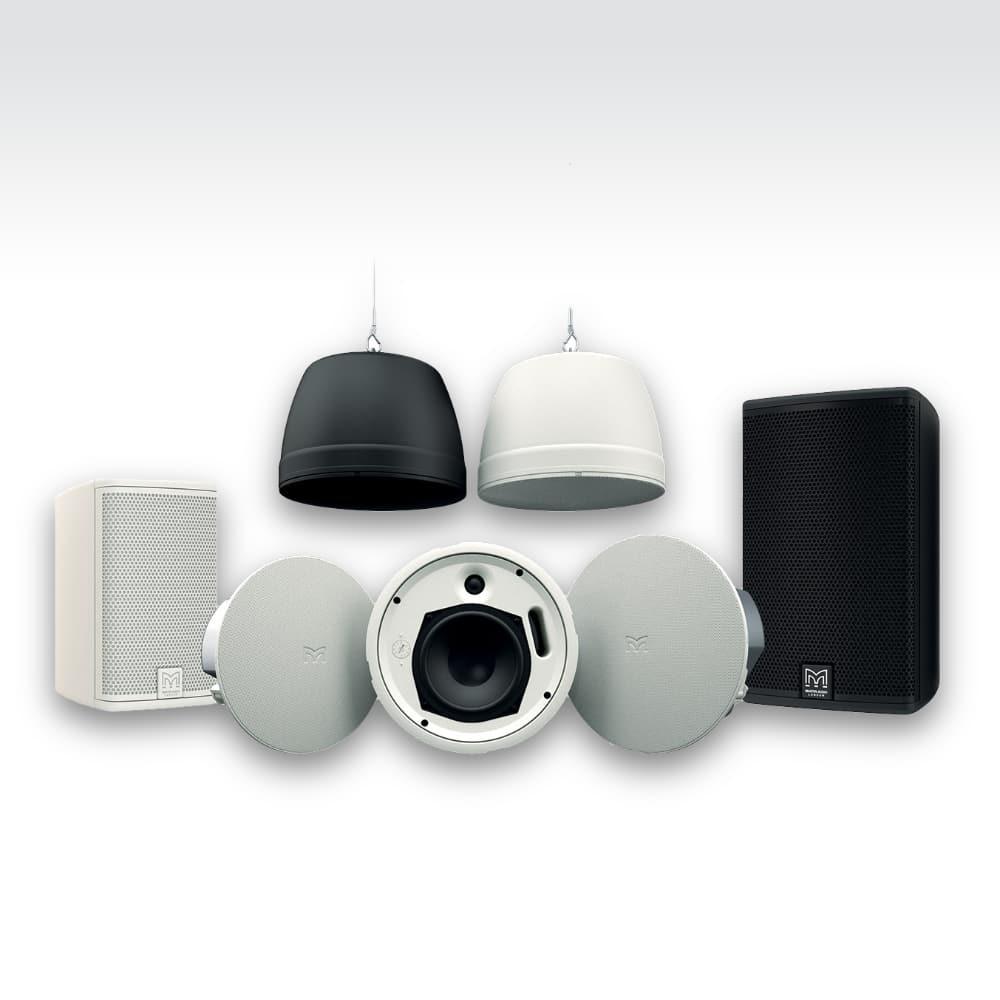
Speaker installation can seem like a straightforward task, but it often comes with its own set of challenges. From connectivity issues to sound quality problems, understanding these potential pitfalls can help ensure a smooth installation process. This section highlights common challenges and effective solutions to facilitate successful speaker setups.
Frequent Installation Issues and Their Solutions
Several common issues can arise during speaker installation, impacting both wired and wireless systems. Recognizing these challenges allows for quick troubleshooting and effective resolutions.
- Incorrect Wiring: One of the most common issues with wired systems is improper wiring. Ensure that positive and negative terminals are connected correctly. If the wires are mixed up, the speakers may produce distorted sound or no sound at all.
- Signal Interference: For wireless systems, interference from other devices can cause connectivity issues. Moving the router closer to the speakers or minimizing obstacles between the two can significantly improve the connection.
- Incompatible Components: Ensure that all components of the audio system are compatible. Using mismatched amplifiers and speakers can result in inefficiency. Always check the specifications before installation.
- Software Conflicts: For smart speakers, software updates can create conflicts. Regularly check for firmware updates and perform updates as needed to maintain functionality.
Troubleshooting Techniques for Wired and Wireless Systems
Troubleshooting techniques may vary depending on whether the audio system is wired or wireless. Understanding the distinct methods for each type can lead to a quicker resolution of issues.
- Wired Systems:
- Check all physical connections and ensure that cables are not damaged.
- Use a multimeter to test the continuity of wires if no sound is produced.
- Wireless Systems:
- Reboot the speaker and the router to refresh the connection.
- Ensure the speaker is within the recommended range of the wireless signal.
Steps to Diagnose Speakers Not Producing Sound
If speakers do not produce sound after installation, follow these steps to identify and resolve the issue effectively.
- Check the power supply: Ensure that the speakers are plugged in and powered on. Look for indicator lights that signal power status.
- Verify the audio source: Confirm that the correct input source is selected on the audio device. Test with various devices to rule out source issues.
- Inspect the connections: Examine all connections for any loose or disconnected cables. Tighten all plugs securely.
- Adjust settings: Check the volume levels on both the speakers and the audio source. Sometimes, the volume may be muted or set too low.
- Test with a different system: If possible, connect the speakers to a different audio source to determine if the problem lies with the speakers or the original source.
The Role of Professional Installers vs. DIY Speaker Setup
When it comes to setting up a speaker system, the decision between hiring a professional installer or tackling the job yourself can significantly impact both the performance of the audio system and the overall experience. Both options come with their own set of advantages and challenges, and understanding these can help in making an informed choice.
Professional installers bring a wealth of knowledge and experience, often having worked with various audio equipment and room acoustics. They can ensure that the speakers are optimally placed for sound quality and that all components are correctly connected. On the other hand, a DIY approach can be cost-effective and fulfilling, allowing enthusiasts to take ownership of their setup process. However, it requires a certain level of knowledge and comfort with technology.
Benefits of Professional Installers
Employing a professional installer can save time and reduce the risk of errors. Here are some key benefits:
- Expertise: Professionals often have certifications and extensive training in audio equipment and installation techniques.
- Time Efficiency: They can complete the installation in a fraction of the time it may take an inexperienced individual.
- Customization: Installers can tailor the setup to the specific acoustics of the room, optimizing sound quality.
- Warranty and Support: Many professionals offer warranties on their work and support for troubleshooting after installation.
- Complex Systems: For advanced setups that include home theater systems or multi-room audio, professional help ensures all components work seamlessly together.
Factors Influencing the Decision
Several factors can influence whether to hire a professional or proceed with a DIY installation. These include:
- Budget: Hiring a professional can be more expensive, so budget constraints often play a significant role in the decision.
- Technical Skills: Individuals with a strong understanding of audio systems may feel comfortable handling the installation themselves.
- Time Availability: Those with busy schedules may prefer to enlist a professional to save time.
- Desired Outcome: If the highest sound quality is a priority, a professional’s expertise may be worth the investment.
- Previous Experience: Past experiences with similar projects can guide the decision-making process for a DIY setup.
Case Studies and Testimonials
Real-life experiences can shed light on the effectiveness of both professional and DIY installations.
For instance, a client who hired a professional for a high-end home theater system reported, “The sound quality was beyond what I expected. The installer adjusted the speaker placement based on room dimensions and even calibrated the system to match my preferences.” This showcases the value of expert insight in achieving optimal sound performance.
In contrast, a DIY enthusiast shared their success story: “I watched several tutorials and spent a weekend installing my speakers. It was challenging, but the satisfaction of hearing my favorite music in crystal-clear quality was worth every minute!” This reflects the personal fulfillment and potential cost savings associated with a DIY approach.
Both professional installations and DIY setups can lead to impressive results, demonstrating that the best choice depends on individual needs and circumstances.
Innovations in Speaker Installation Technology
Recent advancements in speaker installation technology have dramatically transformed how audio systems are integrated into homes and commercial spaces. These innovations not only enhance sound quality but also simplify the installation process, allowing for a more efficient and effective setup. As the demand for high-quality audio experiences increases, technology continues to evolve, providing installers with powerful tools and techniques that cater to modern needs.
Smart Home Integrations
The rise of smart home technology has significantly impacted traditional speaker setups. Many new speaker systems now support seamless integration with smart home platforms, allowing users to control audio settings through voice commands or mobile applications. This integration facilitates the creation of multi-room audio systems, enabling users to enjoy music throughout their homes without the hassle of complicated wiring.
Key aspects of smart home integrations include:
- Voice Control: Speakers that are compatible with voice assistants like Amazon Alexa and Google Assistant allow for hands-free operation, enhancing user convenience.
- Automated Settings: Smart speakers can automatically adjust sound settings based on user preferences or the time of day, ensuring an optimal listening experience.
- Remote Access: Users can control their audio systems remotely, enabling features such as playing music, adjusting volume, or switching input sources from anywhere in the home.
Trends in Installation Tools and Techniques
As audio demands evolve, so do the tools and techniques used for speaker installations. Modern installers are embracing advanced technologies and methodologies that not only improve accuracy but also streamline the entire setup process.
Some notable trends include:
- Wireless Technologies: The use of wireless speakers and subwoofers reduces the need for extensive cabling, making installations quicker and less intrusive.
- Smart Calibration Tools: Devices that utilize sophisticated algorithms to analyze room acoustics and automatically adjust speaker placement or settings are gaining popularity among professionals.
- Modular Components: Many new speaker systems are designed with modular components, allowing for flexibility in installation and easy upgrades as technology advances.
Installation professionals are now equipped with tools like smartphone applications that can measure sound quality, detect potential issues, and make real-time adjustments to the audio setup. These innovations enhance both the installer’s efficiency and the listener’s experience, creating a harmonious balance between technology and sound quality.
Maintenance Tips for Installed Speakers to Ensure Longevity
Proper maintenance of installed speakers is essential for ensuring optimal performance and extending their lifespan. By following a few straightforward guidelines, you can keep your speakers sounding great and minimize the need for repairs or replacements. Regular attention to your audio setup not only enhances sound quality but also protects your investment over time.
To maintain your speakers effectively, it’s important to be aware of common signs that indicate maintenance is needed. This can include decreased sound quality, physical damage, or unusual noises during operation. Recognizing these signs early can prevent further damage and costly repairs.
Routine Maintenance Practices
Establishing a routine maintenance schedule is beneficial for speaker longevity. Below are key recommendations for speaker maintenance, which include regular inspections and cleaning:
- Inspect Speaker Connections: Regularly check the connections for any signs of wear or corrosion. Clean connectors gently with a soft cloth.
- Dusting and Cleaning: Keep the speaker cabinets and grilles free from dust. Use a microfiber cloth for the cabinets and a soft brush or vacuum with a low setting for the grilles.
- Avoid Direct Sunlight: Position speakers away from direct sunlight to prevent heat damage and fading of finishes.
- Maintain Appropriate Humidity Levels: Keep your speakers in a humidity-controlled environment to avoid damage from moisture.
- Check for Vibration: Ensure speakers are securely mounted and positioned to minimize vibration that can occur during use. This protects internal components.
- Regular Listening Checks: Listen for any unusual sounds such as rattling or distortion. If noticed, investigate further.
Signs Indicating Maintenance is Needed
Being aware of the signs that indicate your speakers may need maintenance can help prevent further issues. Some typical indicators include:
- Distorted Sound: If sound quality has noticeably deteriorated, this may indicate a problem with the speakers or connections.
- Physical Damage: Any visible damage to speaker cones, surrounds, or cabinets may necessitate repairs.
- Unusual Noises: Buzzing or crackling sounds during playback can signify internal issues.
- Overheating: If the speaker components become excessively hot, this can indicate an electrical issue.
Maintenance Checklist for Speaker Owners
A maintenance checklist is a helpful tool to ensure that all necessary tasks are completed regularly. Here’s a simple checklist to consider:
- Inspect and clean speaker connections once a month.
- Dust and clean speaker surfaces bi-weekly.
- Check speaker placement and adjust if needed every six months.
- Perform a sound quality check monthly to detect any anomalies.
- Examine for signs of wear or damage quarterly.
- Review and adjust humidity levels in the speaker environment seasonally.
Following these maintenance tips and being attentive to signs of wear can significantly impact the performance and longevity of your installed speakers, ensuring that they continue to deliver high-quality sound for years to come.
Closing Summary
In conclusion, mastering speaker installation not only elevates your audio experience but also allows you to appreciate the nuances of sound in ways you might not have imagined. With the right knowledge and tools at your disposal, you can avoid common pitfalls, enhance your setup, and enjoy your favorite music and movies to their fullest potential. Whether you choose to go the DIY route or hire a professional, the insights shared here will help guide you towards achieving optimal sound quality.
Top FAQs
What is the best way to position speakers?
Speakers should be placed at ear level and angled towards the listener for optimal sound distribution.
Do I need a receiver for my speakers?
Typically, yes, a receiver is needed to power passive speakers and manage audio sources.
How often should I check my speaker connections?
It’s good practice to check connections every few months, especially if you notice any audio issues.
Can I install speakers outdoors?
Yes, but make sure to use weather-resistant speakers and consider their placement to avoid exposure to elements.
What should I do if my speakers produce no sound?
Check all connections, ensure your receiver is set to the correct input, and troubleshoot for any faulty wiring.