
Voice enhancement is transforming the way we communicate across various platforms and industries. As technology continues to advance, the clarity and quality of our voices are being refined, leading to improved interactions in both personal and professional settings. From teleconferencing tools to smart devices, voice enhancement plays a pivotal role in ensuring effective communication, particularly as remote work becomes more prevalent.
This fascinating field encompasses a variety of technologies, including artificial intelligence and machine learning, which significantly improve voice quality and user experience. As we delve deeper into the world of voice enhancement, we’ll explore its impact on multiple industries, understand the psychological effects it has on users, and examine the ethical considerations that come with these advancements.
Voice enhancement technology has transformed communication in various fields.
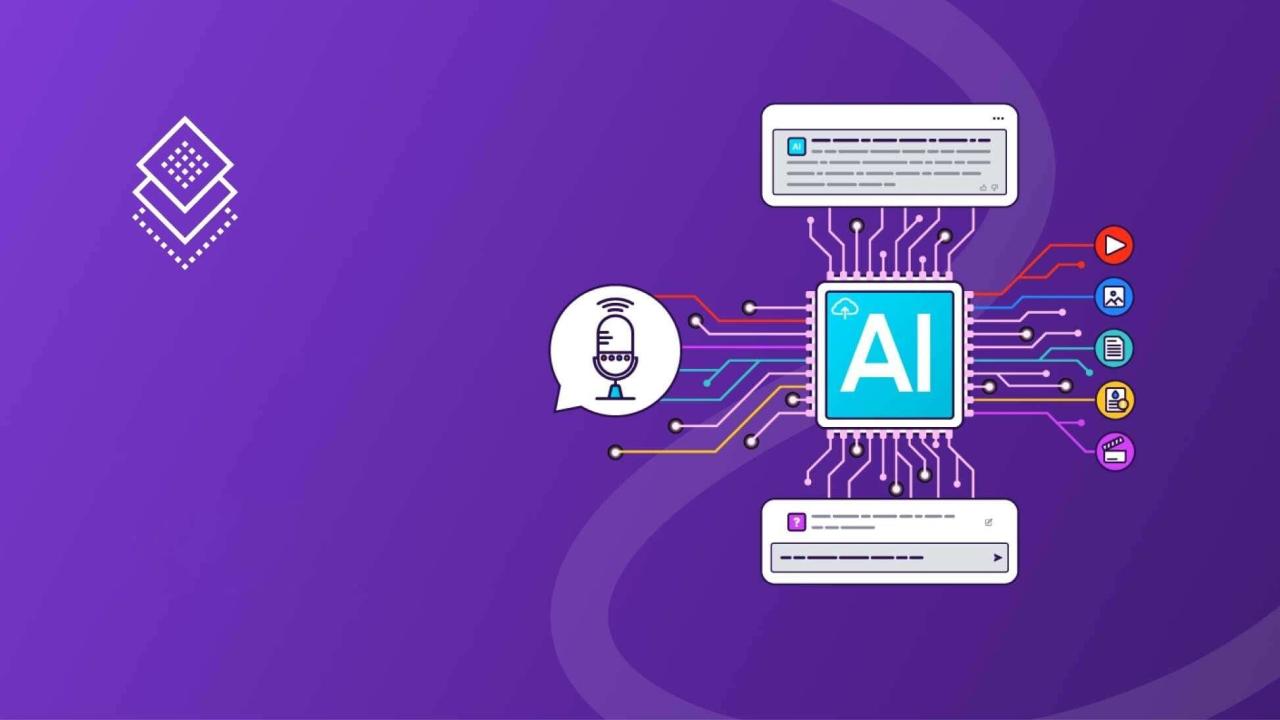
Voice enhancement technology has made significant strides in improving the clarity and quality of spoken communication across multiple domains. Through innovative algorithms and sophisticated hardware, these technologies address various challenges, including background noise reduction, voice modulation, and overall sound quality enhancement. The result is a more effective communication environment that benefits professionals and casual users alike.
The landscape of voice enhancement technology encompasses various solutions and methods that enhance the clarity and quality of speech. Key technologies include noise suppression algorithms, which filter out unwanted ambient noise, allowing the speaker’s voice to stand out. Echo cancellation is another critical feature that prevents sound feedback during calls, making conversations smoother and more comprehensible. Advanced voice recognition systems, powered by artificial intelligence, can adapt to a user’s voice and accent, improving the accuracy of transcription and command recognition. Additionally, features like automatic gain control dynamically adjust audio levels to ensure consistent volume, regardless of the speaker’s distance from the microphone.
Industries benefiting from voice enhancement technologies
Several industries leverage voice enhancement technologies to improve communication and operational efficiency. The following sectors have recognized significant benefits from these advancements:
- Telecommunications: Companies use voice enhancement to ensure clearer calls and reduce customer frustration, resulting in higher satisfaction rates.
- Healthcare: Medical professionals employ voice enhancement in telemedicine to communicate effectively with patients, ensuring accurate diagnoses and treatment plans.
- Education: Online learning platforms utilize these technologies to enhance webinars and virtual classrooms, creating a more engaging learning experience for students.
- Broadcasting: Media organizations rely on voice enhancement to maintain high audio quality for broadcasts, improving viewer engagement and content delivery.
The impact of voice enhancement on remote communication is profound. As remote work and virtual meetings have become the norm, clear communication is essential for collaboration and productivity. Voice enhancement technologies facilitate seamless interaction despite the challenges posed by disparate environments, making it easier for teams to connect, share ideas, and execute projects effectively. The application of these technologies is evident in platforms like Zoom and Microsoft Teams, which employ sophisticated voice processing features to enhance audio quality during virtual meetings.
“Voice enhancement technologies are redefining how we communicate, ensuring that distance does not compromise clarity.”
{The role of artificial intelligence in voice enhancement applications is significant.}
The integration of artificial intelligence (AI) in voice enhancement applications has transformed how we perceive and interact with voice technologies. As users increasingly demand clearer, more natural-sounding audio in various contexts—from virtual meetings to voice-assisted devices—the significance of AI in improving voice quality cannot be overstated. AI algorithms analyze and process sound data in real-time, enabling a host of enhancements that were previously unimaginable.
AI algorithms play a crucial role in elevating voice quality by utilizing sophisticated techniques to filter out noise, enhance clarity, and simulate a more natural vocal tone. These algorithms harness vast amounts of data to learn the nuances of human speech, allowing them to differentiate between desirable voice elements and unwanted background noise. The advancements in AI have led to improved functionalities in various applications, including telecommunications, voice recognition systems, and personal assistant devices, making communication smoother and more efficient.
{Machine Learning Techniques Used for Voice Enhancement}
Several machine learning techniques have become instrumental in voice enhancement, allowing these applications to adapt and improve over time. Here are some notable methods:
– Deep Learning: This technique involves the use of neural networks to process audio signals. Models like Convolutional Neural Networks (CNNs) and Recurrent Neural Networks (RNNs) are particularly effective in recognizing patterns in voice data, enabling enhanced speech synthesis and noise reduction.
– WaveNet: Developed by DeepMind, WaveNet is a deep generative model of raw audio waveforms that produces high-fidelity audio signals. It has significantly improved text-to-speech applications by modeling realistic human vocal patterns.
– Generative Adversarial Networks (GANs): GANs consist of two neural networks that contest with each other, leading to the generation of high-quality audio. They have been utilized for tasks like voice conversion, where the characteristics of one speaker’s voice are transformed to match another’s.
– Spectral Subtraction: This technique analyzes the frequency spectrum of audio signals to separate noise from the desired voice, effectively enhancing clarity without introducing artifacts.
The importance of these techniques lies in their ability to process inputs intelligently and adaptively, improving voice quality in real-time situations.
{Use Cases of AI in Voice Enhancement}
AI has made notable strides in voice enhancement across various domains, showcasing its versatility and effectiveness. Some impactful use cases include:
– Telecommunication Services: Major telecom companies have implemented AI-driven noise-cancellation features in their voice services, leading to clearer calls, especially in noisy environments. As a result, customer satisfaction has notably increased, and call clarity has improved significantly.
– Speech Recognition Systems: AI-enhanced voice recognition systems, like those used in virtual assistants (e.g., Siri, Google Assistant), have dramatically reduced misinterpretations by filtering out background noise and improving speech clarity. This improvement leads to more successful voice commands and interactions.
– Audiobook Narration: AI-driven platforms are revolutionizing audiobook production by using voice synthesis technologies that mimic human speech with remarkable accuracy, offering users a more engaging listening experience.
– Assistive Technologies: AI applications in assistive devices for the hearing-impaired leverage voice enhancement to convert spoken language into text and improve audio clarity, enabling better communication for those who rely on these technologies.
In summary, the role of AI in voice enhancement is pivotal, employing advanced algorithms and techniques to create clearer, more natural-sounding audio across various applications. As AI continues to evolve, its capability to enhance voice quality will likely expand, further enriching our auditory experiences.
Psychological effects of enhanced voice quality on users deserve attention.
The influence of voice quality on psychological well-being is a significant yet often overlooked aspect of personal and professional communication. Enhanced voice quality can lead to profound changes in how individuals perceive themselves and how they are perceived by others. The psychological effects can manifest in various ways, notably in confidence levels, interpersonal relationships, and public speaking abilities.
Voice enhancement positively influences confidence in communication. When individuals perceive their voice as clear, resonant, and pleasant, their self-esteem often receives a notable boost. A well-modulated voice helps convey authority and charisma, leading to an increased sense of empowerment. This newfound confidence encourages individuals to engage more in conversations, whether in personal interactions or professional settings. The impact is especially pronounced in environments where effective communication is vital, such as during job interviews or important presentations.
Effects on Interpersonal Relationships
Enhanced voice characteristics can substantially affect interpersonal relationships. A pleasant voice can foster better connections and improve the quality of interactions. Individuals may find it easier to communicate their thoughts and emotions, leading to more meaningful exchanges. The emotional resonance of a voice also plays a crucial role; for instance:
- Trust Building: A warm, inviting voice can create a sense of trust and comfort, making it easier for individuals to open up and share their feelings.
- Conflict Resolution: A calm and controlled voice is often more effective in diffusing tense situations, aiding in conflict resolution.
- Social Engagement: Enhanced voice qualities can encourage social interaction, making it easier for individuals to form friendships and networks.
The psychological comfort derived from an enhanced voice can lead to stronger bonds and a supportive network, promoting emotional well-being.
Impact on Public Speaking and Presentations
The quality of one’s voice significantly influences public speaking and presentation skills. A clear and compelling voice can captivate an audience, drawing them into the speaker’s narrative. For many, the fear of public speaking is closely tied to how they perceive their voice; thus, improvements in voice quality can reduce anxiety. Key aspects to consider include:
- Audience Engagement: A well-modulated voice can maintain attention, making it easier to convey complex ideas effectively.
- Persuasiveness: Enhanced vocal qualities can enhance persuasive abilities, allowing speakers to convey their messages convincingly.
- Professional Image: A confident voice can enhance a speaker’s professional image, making them appear more credible and competent.
Voice quality not only affects the speaker’s performance but also shapes the audience’s perception, making it a crucial element in effective communication.
Voice enhancement methods can vary from software solutions to hardware devices.
Voice enhancement has become an integral part of audio production, gaming, and communication, especially in the era of remote work and digital interactions. With the growing demand for high-quality audio, both software solutions and hardware devices have emerged to elevate voice clarity and overall sound quality. Selecting the right method depends on specific needs, whether it’s for personal use, professional recording, or streaming purposes.
Software Tools for Voice Enhancement
In the realm of voice enhancement, numerous software tools are available that cater to varying levels of expertise and specific requirements. These tools utilize advanced algorithms to improve voice quality, reduce background noise, and apply effects for a polished audio experience. Here are some prominent software tools used for voice enhancement:
- Adobe Audition: A professional audio editing software that offers a comprehensive suite of tools for voice processing, including noise reduction, EQ, and various effects to enhance vocal clarity.
- iZotope RX: Known for its powerful restoration capabilities, iZotope RX is ideal for cleaning up recordings by removing unwanted sounds and enhancing the overall tonal balance of voices.
- Audacity: A popular open-source audio editor that includes various plugins for voice enhancement, such as noise removal and compression tools. It’s user-friendly, making it suitable for beginners.
- Voicemod: A real-time voice changer that can be utilized for gaming or streaming, offering various voice effects and modulation features to customize vocal output.
The selection of software tools often depends on the user’s familiarity with audio editing and their specific voice enhancement needs. Each of these tools provides a unique set of features that cater to both amateur and professional users, allowing for significant improvements in audio quality.
Comparison of Hardware Devices for Voice Enhancement
In addition to software, hardware devices also play a crucial role in enhancing voice quality. These devices range from microphones designed for optimal sound capture to external processors that modify audio signals. When considering hardware solutions, it’s essential to evaluate their advantages and disadvantages.
| Device | Advantages | Disadvantages |
|---|---|---|
| Studio Microphones | High-quality sound capture, suitable for professional recordings. | Can be expensive and may require additional equipment (preamps, mixers). |
| Audio Interfaces | Improves sound quality by converting analog signals to digital, often includes preamps. | Initial setup can be complex; may require a learning curve for proper use. |
| Mixers | Allows for real-time sound adjustments and mixing multiple audio sources. | Can be bulky and may require extensive training to operate effectively. |
| Noise Gate Processors | Automatically reduces background noise, enhancing vocal clarity. | May inadvertently cut off parts of speech if settings are too aggressive. |
Hardware devices, while often more costly and complex than software solutions, can provide unparalleled audio quality and control in professional settings. The right choice ultimately depends on the specific use case, budget, and desired outcomes for voice enhancement.
Accessibility through voice enhancement features has become increasingly crucial.

Voice enhancement technology plays a vital role in transforming the lives of individuals with speech impairments. These features enable clearer and more intelligible communication, allowing users to express themselves effectively in various settings, from personal conversations to professional environments. As society strives for inclusivity, voice enhancement technologies are becoming essential tools that bridge the communication gap for those who may have difficulty articulating words clearly due to conditions like dysarthria, aphasia, or other speech-related disorders.
Impact of Voice Enhancement on Individuals with Speech Impairments
Voice enhancement technologies utilize advanced algorithms and machine learning to improve the clarity and naturalness of synthetic speech. This is particularly beneficial for individuals with speech impairments, as it allows for a more personalized and adaptive communication experience. Users can customize their voice profiles, selecting pitch, tone, and speaking rate to better match their preferences or needs.
The integration of voice enhancement in assistive technologies significantly impacts the quality of life for users. For instance, devices like speech-generating devices (SGDs) and applications such as text-to-speech software leverage voice enhancement features to produce higher-quality speech outputs. These technologies are crucial for users in educational settings, social interactions, and employment opportunities, enabling them to participate more fully in society.
The importance of inclusive design in voice technology cannot be overstated. Building voice technologies that consider the diverse needs of users with disabilities is essential for fostering a more inclusive digital environment. By implementing features that account for various speech patterns and communication styles, developers can ensure that voice technologies are accessible to everyone, regardless of their capabilities.
Successful implementations of voice enhancement features can be seen in products like the Apple VoiceOver program, which allows users with visual impairments to interact with their devices through enhanced speech output. Similarly, Microsoft’s Azure Cognitive Services offers robust speech recognition and synthesis capabilities that adapt to different speech patterns, aiding those with speech disabilities.
Voice enhancement thus represents a significant step towards ensuring that individuals with speech impairments have access to effective communication tools, promoting inclusivity and improving overall quality of life.
Ethical considerations surrounding voice enhancement technologies must be addressed.
Voice enhancement technologies have made significant strides in recent years, enabling clearer communication and improved audio experiences. However, the rise of such technologies also brings forth a spectrum of ethical considerations, particularly concerning potential misuse and privacy violations. As these technologies become more accessible, it is essential to examine the implications of their use and ensure that ethical standards are upheld in their development.
Potential misuse of voice enhancement for deceptive practices
The potential for misuse of voice enhancement technologies in deceptive practices is significant. This can manifest in various ways, including impersonation, misinformation, and fraudulent activities. For instance, malicious actors can employ voice synthesis tools to create realistic audio clips that mimic the speech patterns of individuals without their consent. This capability opens the door to potential criminal activities, such as identity theft or financial fraud, where a perpetrator could impersonate a trusted figure to solicit sensitive information.
A notable instance of this misuse occurred in 2020 when cybercriminals used deep fake audio technology to impersonate a CEO’s voice during a phone call with a company executive. The impersonated CEO instructed the executive to transfer a substantial sum of money to a foreign account, resulting in significant financial loss. Such incidents highlight the urgent need for safeguards against voice manipulation technologies and the ethical obligation to protect individuals and organizations from these threats.
The ramifications of voice enhancement misuse extend beyond financial implications. The spread of misinformation through manipulated audio can erode trust in legitimate communications, making it increasingly difficult for individuals to discern authentic voices from altered ones. This scenario poses a risk to societal stability, particularly in politically charged environments where voice recordings can be weaponized to deceive the public.
Privacy concerns related to voice data collection in enhancement technologies
As voice enhancement technologies evolve, they often rely on the collection and analysis of voice data, raising significant privacy concerns. The data collected during the enhancement process can include personal identifiers, speech patterns, and even biometric information, all of which can be vulnerable to exploitation. Users may not fully understand the extent to which their voice data is being recorded or how it will be used, leading to a breach of trust between developers and consumers.
Organizations utilizing voice enhancement technologies must ensure that robust data protection measures are in place. Clear communication regarding data usage policies and obtaining informed consent from users can help mitigate privacy concerns. Furthermore, anonymizing voice data where possible can minimize risks associated with data breaches or unauthorized access.
Strategies to ensure ethical standards in voice enhancement development
To maintain ethical standards in the development of voice enhancement technologies, several strategies can be implemented:
- Establishing Regulatory Frameworks: Governments and industry bodies should collaborate to create regulations that govern the ethical use of voice enhancement technologies. This includes defining acceptable practices and establishing penalties for misuse.
- Transparency in Data Collection: Companies should adopt transparent practices regarding how voice data is collected, stored, and utilized, ensuring consumers are informed of their rights.
- Implementing Consent Mechanisms: Organizations must develop explicit consent mechanisms, allowing users to opt-in or opt-out of data collection and usage.
- Regular Audits and Compliance Checks: Conducting regular audits of voice enhancement systems can help ensure compliance with ethical standards and identify potential areas of concern.
- Ethical Training for Developers: Training programs focused on ethical considerations in technology development can equip creators with the necessary knowledge to prioritize ethical practices during the design and implementation stages.
Voice enhancement trends indicate a dynamic evolution in technology.
The landscape of voice enhancement technology is consistently evolving, driven by advancements in artificial intelligence, machine learning, and telecommunications. As we delve into the future possibilities of voice enhancement, particularly within the realm of virtual reality (VR), we uncover a multitude of innovative pathways that could redefine user interaction and engagement.
Future possibilities of voice enhancement in virtual reality
The integration of voice enhancement technology in virtual reality promises to create more immersive and interactive experiences. Enhanced voice capabilities can lead to greater realism and emotional connectivity in VR applications. For instance, with improvements in natural language processing, avatars can engage in more meaningful conversations, offering users tailored experiences based on their emotional state or preferences.
One significant trend in VR is the use of spatial audio combined with voice enhancement. This involves simulating sound in a three-dimensional space, which allows users to perceive voices as coming from specific locations in their virtual environment. Such an advancement enhances the realism of multiplayer gaming, virtual meetings, and immersive storytelling, making the interactions feel more genuine.
As VR environments become more sophisticated, the demand for personalized voice interaction will increase. Imagine a VR game where your character responds to your commands with a unique voice that reflects your in-game choices or emotional state. This level of personalization not only boosts engagement but also fosters a stronger connection with the virtual world.
Evolving voice enhancement with advancements in telecommunications
With the rapid progression of telecommunications technology, voice enhancement is expected to expand its capabilities significantly. The rollout of 5G networks is a game changer, as it enables faster data transmission and lower latency, allowing for real-time voice enhancement applications. This can enhance remote communication experiences, making them more seamless and immersive.
Emerging technologies such as edge computing will further optimize voice enhancement solutions by processing voice data closer to the source. This will minimize delays and improve the quality of voice interactions during live events, online gaming, and video conferencing.
Examples of emerging trends in voice enhancement
Several innovative trends are currently reshaping the voice enhancement landscape, showcasing the potential for future applications. For instance:
- AI-driven voice modulation: Tools that can change the pitch, tone, and accent of a speaker in real-time, enhancing storytelling and character creation in games and VR applications.
- Emotion recognition: Systems that analyze vocal tone and inflection to assess the speaker’s emotional state, allowing for more responsive and empathetic interactions.
- Voice cloning technology: The ability to recreate an individual’s voice with high fidelity, enabling personalized experiences in virtual environments and applications.
These advancements not only highlight the innovative spirit within the field of voice enhancement but also suggest a future where technology and human interaction are increasingly intertwined.
Closing Summary
In conclusion, the evolution of voice enhancement technologies presents exciting possibilities for the future of communication. As we continue to innovate and adapt, the potential for these technologies to improve accessibility and user experience cannot be overstated. By embracing these advancements, we can foster more effective interactions, build confidence in communication, and pave the way for inclusive design that benefits everyone.
Top FAQs
What is voice enhancement?
Voice enhancement refers to technologies and techniques that improve the clarity, quality, and overall experience of voice communication.
How does voice enhancement benefit remote communication?
It improves the quality of audio during calls and meetings, making conversations clearer and reducing misunderstandings.
Can voice enhancement technology be used in real-time?
Yes, many voice enhancement tools operate in real-time, processing audio as it is captured to improve quality on-the-fly.
What industries benefit most from voice enhancement?
Industries such as healthcare, education, telecommunications, and entertainment are major beneficiaries of voice enhancement technologies.
Are there any risks associated with voice enhancement?
Yes, potential risks include misuse for deceptive practices and privacy concerns regarding voice data collection.