
 Zoe Nora
Audio calibration is more than just a technical term; it’s the key to unlocking an outstanding sound experience in various environments, whether it’s your cozy living room, a professional studio, or a grand theater. Proper audio calibration ensures that sound is delivered accurately, allowing listeners to enjoy every note and nuance without distortion or imbalance. As we delve into the world of audio calibration, you’ll discover how critical this process is to enhancing your audio experience and what can go wrong when it’s neglected.
From understanding the tools at your disposal to the intricacies of room acoustics, this guide will walk you through the importance of calibration, the techniques involved, and how they can significantly impact your auditory adventures. With the rise of new technologies, audio calibration is evolving, making it essential for audiophiles and casual listeners alike to grasp its significance for achieving the best sound quality possible.
Audio calibration is essential in creating an optimal sound experience.
Audio calibration plays a pivotal role in achieving the best sound experience across various environments, whether in homes, professional studios, or theaters. Each of these settings presents unique challenges that necessitate tailored calibration techniques. By meticulously adjusting audio systems to the specific acoustics of a space, listeners can enjoy clarity and depth in sound that enhances their overall experience. This is particularly crucial in environments where sound plays a significant role, such as in movie theaters, where the emotional impact of a film can be significantly affected by audio quality.
The importance of proper audio calibration cannot be overstated. When audio systems are calibrated correctly, frequency response is balanced, reducing distortion and ensuring that all sound elements are accurately represented. For instance, in a home theater setup, a calibrated sound system allows moviegoers to hear dialogue clearly against a backdrop of immersive sound effects. Conversely, neglecting calibration can lead to an uneven sound field where certain frequencies dominate, causing listener fatigue and a diminished experience.
Impact of Poor Calibration on Listening Experiences
When audio systems are not calibrated properly, the listener’s experience can be severely compromised. Several issues can arise due to poor calibration:
- Distorted Sound: Music may sound muddy or overly sharp, making it difficult to enjoy the nuances of the audio.
- Unequal Volume Levels: Some sounds may overpower others, leading to frustrating listening conditions where dialogue is lost amidst loud backgrounds.
- Loss of Detail: Subtle elements, such as the gentle strumming of a guitar or the soft whisper of a voice, can be drowned out or rendered inaudible.
- Listener Fatigue: Inconsistent audio quality can lead to an exhausting listening experience, making it hard for listeners to engage with the content.
To illustrate these points, consider a poorly calibrated studio where a sound engineer mixes music without proper acoustic treatment. High frequencies may be exaggerated, leading to a final product that sounds harsh and unbalanced. In contrast, a well-calibrated studio allows for accurate mixing, ensuring that the final output resonates well across various playback devices, from earbuds to high-end speakers. Thus, proper audio calibration not only enhances sound quality but also enriches the overall user experience, allowing for deeper engagement with audio content.
Understanding the various tools used for audio calibration.
Audio calibration is a crucial step for achieving optimal sound quality in various environments, whether in home theaters, recording studios, or public venues. The objective is to ensure that sound is reproduced accurately, providing listeners with the best possible audio experience. Several tools are essential for audio calibration, each serving specific functions that contribute to the overall precision of sound reproduction.
Sound Level Meters and Room Correction Software
Understanding the tools used for audio calibration allows for better sound management and enhancement. Among the most common tools are sound level meters and room correction software, both of which play vital roles in audio calibration.
A sound level meter (SLM) is a device that measures sound pressure levels in decibels (dB). It typically consists of a microphone, an amplifier, and a display. The fundamental role of an SLM is to capture the sound levels in a particular environment, providing crucial data that helps in adjusting audio equipment to achieve a balanced sound output. Sound level meters are important for ensuring that sound is neither too loud nor too quiet, thereby preventing distortion or damage to audio equipment.
Advantages of using sound level meters include their ability to provide real-time feedback and their relatively low cost. However, a significant disadvantage is that they may not account for room acoustics, which can affect the perceived sound quality. Also, they require proper positioning to capture accurate measurements.
Room correction software, on the other hand, addresses the challenges posed by room acoustics. This software analyzes the frequency response and sound characteristics of a given space. By utilizing a series of test signals and measurements, it can identify problematic frequencies and apply corrective filters to optimize sound reproduction. This process often involves advanced algorithms that adapt the audio output based on the unique acoustical properties of the room.
The advantages of room correction software lie in its comprehensive approach to sound optimization. It can effectively compensate for issues such as echoes, standing waves, and frequency imbalances, ensuring a more immersive listening experience. However, the downside is that it requires a certain level of technical knowledge to operate effectively, and its reliance on measurements may not always yield perfect results due to changing variables within a space.
Both sound level meters and room correction software are integral to the audio calibration process, providing unique strengths that, when combined, can significantly enhance sound quality in any environment. Their use ensures that audio systems perform at their best, catering to the specific needs of the space and the preferences of the listener.
The process of performing audio calibration step-by-step.
To achieve optimal sound fidelity in any audio system, performing audio calibration is a critical task. This process ensures that the audio output matches the intended sound quality by correcting any discrepancies caused by room acoustics, speaker placement, and equipment variances. A well-executed calibration can significantly enhance the listening experience, transforming how audio is perceived in any environment.
Understanding the significance of each step in the audio calibration process is vital for reaching the desired outcome. Calibration involves adjusting volume levels, speaker distances, equalization settings, and more. Each of these elements contributes to the overall sound fidelity, making it essential to follow a methodical approach. The following steps Artikel the calibration process and highlight common pitfalls to avoid during the procedure.
Preparation for Calibration
Before diving into the calibration process, it’s essential to prepare your audio equipment and environment. This step sets the foundation for a successful calibration.
1. Select the Right Equipment: Ensure you have a reliable sound level meter or calibration microphone. Professional-grade tools provide accurate readings essential for effective calibration.
2. Room Assessment: Analyze the room where the calibration will take place. Factors such as size, shape, and furnishings can significantly impact sound quality. Consider removing or adjusting items that might reflect or absorb sound excessively.
3. Speaker Placement: Properly position your speakers according to the manufacturer’s guidelines. This positioning aids in achieving a balanced soundstage and minimizes interference from room reflections.
4. Initial Setup: Connect all audio equipment and run any necessary updates. Ensure that your audio source is correctly set up, and all components are functioning properly.
Performing the Calibration
Once preparations are complete, you can begin the calibration process. Follow these systematic steps to ensure accuracy:
1. Measurement: Using the sound level meter or calibration microphone, take measurements of sound levels at the listening position. Ensure you measure the sound output from each speaker individually.
2. Adjust Levels: Based on the measurements, adjust the volume levels of each speaker to achieve a balanced sound output. It’s crucial to ensure that no speaker is overpowering the others.
3. Distance Settings: Enter the correct distances for each speaker in the audio receiver or processing unit. This adjustment ensures that sound waves reach the listener’s ears at the same time.
4. Equalization: Use an equalizer to fine-tune the sound. Adjust frequency bands to compensate for any room-related acoustic issues. This step often involves trial and error to find the most pleasing sound profile.
5. Final Listening Tests: After making adjustments, conduct final listening tests with various types of audio. This evaluation helps verify that the calibration process has resulted in a balanced and pleasing listening experience.
Common Mistakes to Avoid
While calibrating audio systems, certain mistakes can hinder the effectiveness of the process. Recognizing these pitfalls can help ensure a better outcome:
– Ignoring Room Acoustics: Failing to consider how room shape and materials affect sound can lead to suboptimal results. It’s crucial to incorporate room treatment techniques if necessary.
– Inconsistent Measurements: Taking measurements in different locations or at different times can result in inaccurate data. Stick to a consistent method for obtaining sound levels.
– Over-complication of EQ Settings: Over-equalizing can create an unnatural sound. Aim for subtle adjustments rather than drastic changes that might distort the audio.
– Neglecting Speaker Calibration: Forgetting to calibrate each speaker individually can lead to poor sound staging and imbalanced audio. Always measure and adjust each speaker separately.
– Rushing the Process: Calibration is not a quick task. Take the time to methodically assess and adjust your audio settings for the best results.
By following these steps and avoiding common mistakes, audio calibration can dramatically enhance sound fidelity, providing a superior listening experience tailored to your environment and preferences.
The role of room acoustics in audio calibration.
Room acoustics play a crucial role in audio calibration, influencing how sound waves interact with the environment and ultimately affecting the listening experience. Factors such as room size, shape, and materials all contribute to the acoustical properties of a space. Understanding these elements is essential for achieving optimal sound quality, as they can dramatically alter the frequency response and clarity of audio playback.
The acoustics of a room can either enhance or degrade sound quality, making it imperative to consider these factors during the calibration process. A room with hard surfaces, like concrete or glass, tends to reflect sound waves, leading to an increase in reverberation time that can cause muddiness in the audio. Conversely, a room with carpets, curtains, and soft furnishings absorbs sound, which can reduce reflections and create a more intimate listening environment. Each of these characteristics necessitates specific calibration approaches to ensure a balanced audio output.
Impact of room characteristics on calibration requirements
Different room characteristics lead to various calibration requirements. When calibrating audio equipment, it’s essential to account for how these features will affect sound propagation. Here are several examples illustrating this point:
- Room Size: A larger room may require more powerful speakers and more advanced calibration techniques to ensure sound waves reach all areas without significant loss of quality. In contrast, a smaller room may only need modest adjustments to achieve the desired sound balance.
- Room Shape: Irregularly shaped rooms can create uneven sound distribution due to reflections and cancellations. Calibration must adapt to these nuances by using measurement microphones positioned throughout the space to identify problem areas and optimize speaker placement.
- Materials: The materials used in a room can drastically alter its acoustical profile. For instance, a home theater with drywall and hardwood floors may produce a sharp, bright sound that requires the addition of bass traps or acoustic panels to soften the high frequencies and improve overall clarity.
- Furniture Arrangement: The placement of furniture and other objects in a room can impact sound reflection and absorption. During calibration, adjustments may be needed based on the layout to minimize interference and optimize the listening experience.
Understanding the acoustical properties of a room is essential for achieving optimal sound quality during audio calibration.
By taking into account these various room characteristics, audio calibration can be tailored to meet the specific needs of the environment, ensuring a more satisfying audio experience for listeners.
Advanced techniques in audio calibration for professionals.

In the world of audio production, achieving precise sound calibration is paramount for delivering high-quality sound. Audio calibration encompasses a range of techniques that professionals use to ensure audio systems meet specific standards. Advanced techniques are crucial for fine-tuning sound reproduction in various environments, whether it’s a recording studio, a concert venue, or a home theater system. Understanding these methods can significantly enhance audio performance and listener experience.
Manual Calibration vs. Automated Solutions
Manual calibration and automated solutions represent two distinct approaches to audio calibration, each with its strengths and weaknesses in different scenarios. Manual calibration relies on the expertise of the audio engineer to adjust settings based on listening tests and subjective evaluation. This method allows for a personalized touch, ensuring that the calibration aligns with the unique acoustics of the space and the preferences of the individual or the audience. Using tools like SPL meters and frequency analyzers, professionals can make nuanced adjustments to equalization, delay, and dynamics.
On the other hand, automated solutions leverage technology to conduct audio calibration with precision. These systems utilize advanced algorithms to analyze the acoustic environment and make adjustments automatically. For example, systems like Dirac Live or Audyssey MultEQ can measure frequency response from multiple points in a room and apply corrections based on the data collected. This method allows for quick calibration and can be especially beneficial in large venues where manual adjustments would be time-consuming.
The effectiveness of each approach varies based on the circumstances. In professional studios where critical listening is paramount, manual calibration often yields superior results due to the engineer’s ability to interpret and respond to the sound more intuitively. Conversely, automated solutions excel in scenarios where time is limited, such as in live sound reinforcement or installations where consistent results are needed across various setups.
The following points illustrate the key differences between manual and automated calibration techniques:
- Precision: Manual calibration allows for greater precision based on individual taste, while automated systems provide consistency across multiple calibrations.
- Time Efficiency: Automated solutions can significantly reduce setup time, making them preferable for live events or installations that require immediate results.
- Adaptability: Manual methods can be better suited for unique acoustic environments, while automated systems excel in repeatable environments.
- Learning Curve: Manual calibration requires more skill and experience, whereas automated solutions are generally user-friendly and accessible.
- Cost-Effectiveness: Automated solutions may reduce labor costs in the long run, while manual methods may incur higher initial investment in terms of skilled labor.
Understanding these contrasts allows audio professionals to select the most effective calibration method based on the particular demands of their project. Advanced techniques such as soundfield analysis, digital room correction, and phase coherence measurements play essential roles in this selection process, allowing professionals to achieve optimal sound quality tailored to their specific audio environments.
The impact of audio calibration on different audio formats.
Audio calibration plays a crucial role in ensuring the best listening experience across various audio formats. The nuances and characteristics of each format necessitate distinct calibration techniques that can adapt to their unique requirements. From stereo setups to immersive audio experiences, understanding these differences is essential for optimal playback.
When it comes to audio formats, calibration involves adjusting multiple elements, including speaker placement, frequency response, and room acoustics. Each format presents its own challenges and advantages. For instance, stereo sound, which typically consists of two channels, requires a focus on the left and right speaker balance. Calibration techniques might entail measuring the distance from the listener to each speaker and adjusting levels to create a cohesive soundstage. This often involves tools like sound level meters and room acoustics analysis software to ensure that the sound is both balanced and immersive.
Stereo, Surround Sound, and Immersive Audio Calibration Techniques
The complexity of audio formats influences the calibration methods used. Here’s how different formats require specialized approaches:
1. Stereo Calibration:
– Focuses on achieving a balanced soundstage.
– Requires precise measurements to ensure equal distance from speakers to listener.
– Often employs a simple frequency sweep and level adjustments for optimal clarity.
2. Surround Sound Calibration:
– Involves multiple speakers placed around the listener to create a three-dimensional sound environment.
– Requires precise timing adjustments to synchronize sounds from various speakers.
– Utilizes calibration microphones and software to assess room acoustics and speaker placement effectively.
3. Immersive Audio Calibration:
– In formats like Dolby Atmos, speakers can be placed overhead, adding a vertical dimension to the sound.
– Calibration techniques involve complex algorithms that adapt to multiple speaker configurations.
– Tools like advanced room correction systems analyze real-time audio output, making necessary adjustments to deliver a truly immersive experience.
In addition to these formats, specialized calibration approaches are required for systems like DTS:X or Auro-3D, which utilize unique speaker configurations and playback algorithms. The calibration process for these formats emphasizes the importance of acoustic measurements and real-time adjustments to account for any anomalies in room acoustics.
Effective audio calibration enhances the listening experience by ensuring all audio formats deliver sound as intended by the creators.
In conclusion, successful audio calibration is not a one-size-fits-all solution; it requires tailored approaches depending on the audio format. Whether it’s optimizing stereo sound for clarity, ensuring synchronization in surround sound, or adapting to the complexities of immersive audio, calibration techniques play a vital role in achieving the highest quality playback possible.
The future of audio calibration technology and methodologies.
The landscape of audio calibration technology is rapidly evolving, driven by advancements in digital signal processing, artificial intelligence, and a growing emphasis on personalized audio experiences. As we look ahead, several emerging trends and methodologies are set to redefine the way audio systems are calibrated, ensuring optimal sound quality and performance across various applications.
Potential advancements in calibration tools and software are expected to focus on increased automation and user-friendliness. Traditional calibration processes often require expert knowledge and extensive manual adjustments, but the future will likely see more intuitive software solutions that guide users through the calibration process step-by-step. These tools will leverage advanced algorithms to analyze room acoustics automatically and suggest adjustments to speaker placement, equalization settings, and other parameters.
Moreover, the integration of cloud computing will enable users to access calibration profiles and settings remotely, allowing for seamless updates and improvements based on collective data and user feedback. This evolution not only enhances convenience for users but also fosters a community of sharing best practices and solutions.
Impact of Artificial Intelligence and Machine Learning
Artificial intelligence and machine learning are set to have a transformative influence on audio calibration practices. By utilizing sophisticated algorithms, these technologies can analyze vast amounts of audio data and derive insights that were previously unattainable. For example, AI can learn from user preferences and acoustic environments to create personalized audio profiles that adapt over time.
The importance of machine learning lies in its ability to recognize patterns and anomalies within audio signals, enabling more precise calibration adjustments. For instance, an AI-driven calibration tool could automatically detect frequency response irregularities in a speaker setup and apply corrections dynamically in real-time. This not only improves sound quality but also significantly reduces the time and effort required for manual calibration.
Furthermore, predictive analytics could play a role in anticipating how changes in room acoustics—such as furniture rearrangement or environmental shifts—affect audio performance, allowing for proactive adjustments.
In conclusion, the future of audio calibration will be characterized by more accessible, efficient, and intelligent tools that leverage cutting-edge technologies, ultimately providing users with a superior audio experience tailored to their specific needs.
Final Review
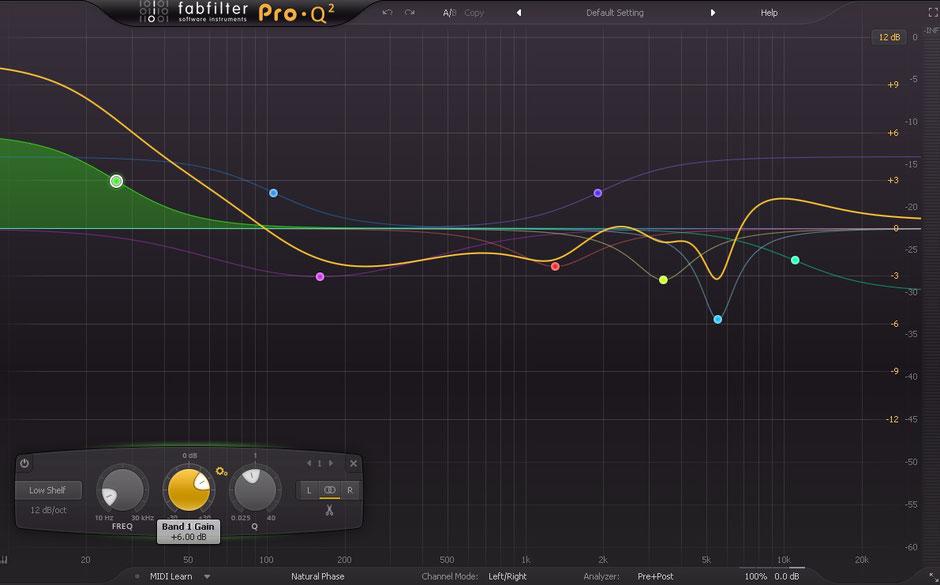
In summary, audio calibration stands as an essential process that enhances sound quality across different environments and formats. By understanding and implementing calibration techniques, listeners can enjoy a richer, more immersive audio experience. As technology continues to advance, the future of audio calibration promises even more sophisticated tools and methods, ensuring that your sound experience remains unparalleled in its quality and enjoyment. Embrace the journey of audio calibration, and let every sound resonate with clarity and precision.
Expert Answers
What is audio calibration?
Audio calibration is the process of adjusting the audio settings in a system to achieve optimal sound quality based on the specific environment.
Why is audio calibration important?
It ensures that sounds are reproduced accurately, enhancing the listening experience by eliminating distortions and balance issues.
How often should I calibrate my audio system?
It’s recommended to calibrate your audio system whenever you change your room arrangement or upgrade your equipment.
Can I calibrate my audio system myself?
Yes, with the right tools and guidance, you can calibrate your audio system. However, professional calibration can yield even better results.
What tools do I need for audio calibration?
Common tools include sound level meters, room correction software, and calibration microphones.
How does room acoustics affect audio calibration?
Room acoustics, including size, shape, and materials, can significantly impact sound quality, necessitating specific calibration adjustments.
What are common mistakes in audio calibration?
Common mistakes include ignoring room acoustics, using incorrect settings, and not measuring sound levels accurately.