
 Zoe Nora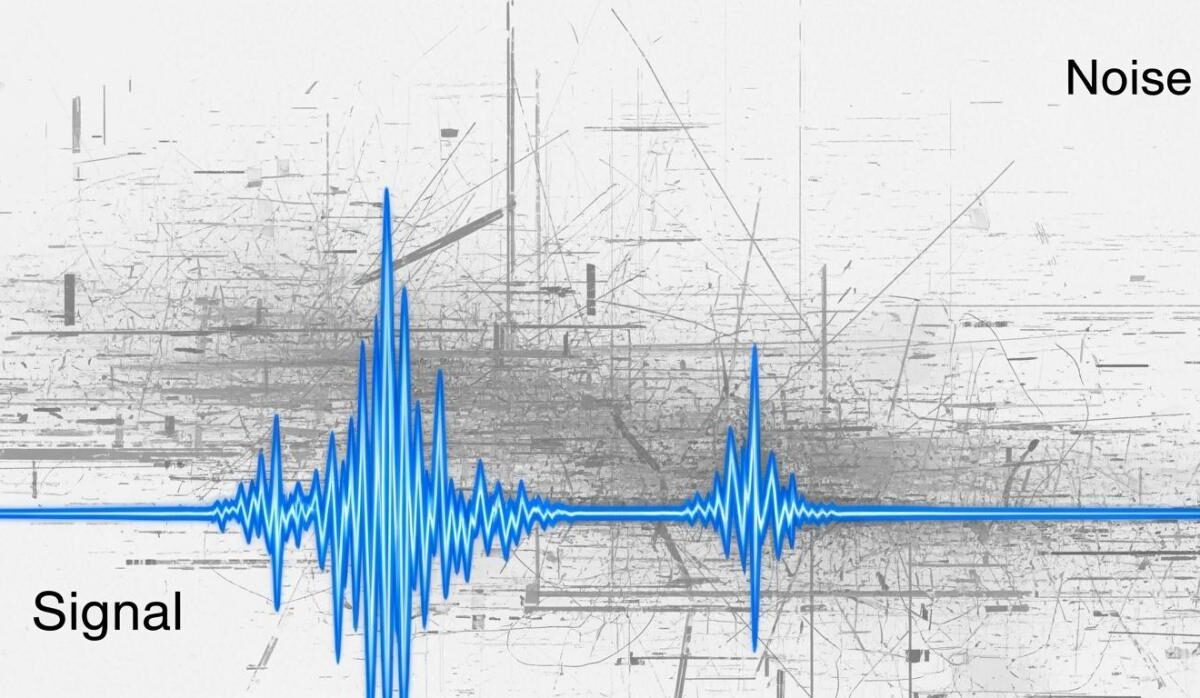
Signal-to-noise ratio is a crucial concept that plays a significant role across various fields, from telecommunications to audio engineering. It essentially measures the level of desired signal relative to the background noise, directly affecting the clarity and quality of communication. In an era where information transfer is paramount, understanding this ratio can empower professionals to enhance performance and make informed decisions.
In telecommunications, for instance, a high signal-to-noise ratio ensures that voice calls are clear and data transmission is reliable. In audio engineering, it determines the fidelity of sound during recordings. Moreover, data analysts utilize this ratio in interpreting experimental results, making it an indispensable tool in scientific research. By unpacking this concept, we can appreciate its applications and implications in our increasingly connected world.
Understanding the concept of signal-to-noise ratio in various fields
Signal-to-noise ratio (SNR) is a fundamental concept that plays a crucial role across various industries. It quantifies how much desired information (signal) is present relative to the background noise that may distort or obscure that information. A higher SNR indicates a clearer and more reliable signal, making it a significant metric in fields such as telecommunications, audio engineering, and data analysis.
In telecommunications, SNR is vital for ensuring the clarity and quality of transmissions. For instance, when a mobile phone communicates with a cell tower, the received signal must be strong enough relative to the noise from other sources, such as interference from other electronic devices. If the SNR is too low, calls may drop or be incomprehensible. Telecommunications engineers continuously strive to improve SNR through advanced encoding techniques and by enhancing hardware, which can improve user experience significantly.
Applications in various industries
The application of signal-to-noise ratio extends beyond telecommunications, impacting areas like audio engineering and data analysis. Understanding SNR in these fields allows professionals to optimize their processes effectively.
In audio engineering, SNR is a crucial measurement in both recording and playback. A high SNR means that the audio signal is much clearer than any background noise, which is essential for high-fidelity sound. For example, in a music studio, sound engineers utilize equipment with a high SNR to ensure that recordings are crisp and clean, free from unwanted hums or hisses. Equipment specifications often highlight SNR in decibels (dB); a common standard for professional audio equipment is a minimum of 90 dB, which ensures a pristine sound quality for listeners.
In data analysis, SNR serves as a guideline for the quality of data being processed. In fields such as finance or machine learning, a high SNR indicates that the data collected is likely to yield significant insights or predictive power. An analyst might use statistical methods to improve SNR by filtering out noise, such as random errors in data collection, to ensure that the results are trustworthy. For instance, in stock market predictions, a model with a high SNR can indicate that its predictions are based on relevant signals rather than random fluctuations.
Ultimately, the significance of signal-to-noise ratio cannot be overstated, as it directly influences performance and accuracy across diverse applications.
The mathematical formulation of signal-to-noise ratio
Signal-to-noise ratio (SNR) is a crucial concept in various fields such as telecommunications, audio engineering, and electronics. It quantifies the level of a desired signal to the level of background noise, allowing engineers and scientists to assess the quality of a communication channel or sensor. The mathematical formulation of SNR helps in understanding how much clearer a signal is compared to the noise present in the system.
The formula used to calculate the signal-to-noise ratio is expressed as:
SNR = 10 * log10(P_signal / P_noise)
where:
– P_signal represents the power of the desired signal.
– P_noise represents the power of the background noise.
This logarithmic scale allows for easier interpretation and comparison of values, especially when dealing with large disparities in power levels.
Application of the SNR formula in practical scenarios
Understanding how to apply the SNR formula is essential for evaluating various systems. Here are a few practical scenarios demonstrating its application:
1. Audio Equipment: In audio systems, SNR is a critical parameter. Suppose an audio amplifier outputs a signal with a power level of 1 watt, and the noise floor is measured at 0.001 watt. The SNR can be calculated as follows:
SNR = 10 * log10(1 / 0.001) = 10 * log10(1000) = 30 dB
This indicates that the signal is 30 dB stronger than the noise, suggesting a good quality audio output.
2. Wireless Communication: In a wireless communication system, if a signal’s power is measured at 50 µW and the noise power is at 0.5 µW, the SNR can be calculated similarly:
SNR = 10 * log10(50 / 0.5) = 10 * log10(100) = 20 dB
This value reflects the clarity of the transmitted information over the background noise.
3. Sensor Performance: For a temperature sensor generating a signal of 2 mV and experiencing a noise signal of 0.2 mV, the SNR would be:
SNR = 10 * log10(2 / 0.2) = 10 * log10(10) = 10 dB
This result suggests that the sensor’s output is ten times the noise level, indicating reasonable performance in noisy environments.
These examples illustrate the practical significance of SNR in different applications, helping to ensure high-quality signal transmission and processing in various technologies.
The impact of signal-to-noise ratio on communication systems
The signal-to-noise ratio (SNR) plays a pivotal role in determining the effectiveness and clarity of communication systems. It essentially measures the level of the desired signal relative to the background noise. A high SNR indicates that the signal is much stronger than the noise, leading to clearer and more reliable communication. Conversely, a low SNR suggests that the noise level is comparable to or exceeds the signal strength, resulting in degraded performance. Understanding this ratio is crucial for optimizing communication systems across various platforms, including wired, wireless, and satellite communications.
The performance of communication systems is significantly influenced by the SNR. In systems with a high signal-to-noise ratio, users typically experience enhanced data rates and lower error rates. This is because the clarity of the transmitted information allows for more efficient decoding and processing by receiving devices. For instance, in a high-definition video streaming scenario, an SNR of 30 dB or higher usually ensures smooth playback without interruptions.
On the other hand, systems with low signal-to-noise ratios face considerable challenges. In such environments, the probability of errors increases, leading to packet loss, delays, and reduced overall quality of service. For example, in mobile communication networks, an SNR below 10 dB can result in dropped calls and poor voice quality. This scenario is particularly observable in urban areas with dense infrastructure where signals can be weakened by numerous obstacles.
Comparison of high and low signal-to-noise ratios
The differences between high and low SNRs can be encapsulated in several key aspects:
1. Data Integrity:
– High SNR systems maintain high integrity of data transmission, minimizing errors.
– Low SNR systems suffer from increased errors, leading to retransmissions or corrupted data.
2. Speed of Transmission:
– High SNR systems can support higher data rates, facilitating faster communication.
– Low SNR systems are limited in speed due to the need for error correction and retransmission.
3. Range of Communication:
– High SNR allows for effective communication over longer distances without degradation.
– Low SNR significantly restricts range, making long-distance communication unreliable.
4. User Experience:
– High SNR results in an optimal user experience with clear audio and video quality.
– Low SNR leads to frustrating experiences characterized by lag, interruptions, and low-quality media.
The impact of SNR on communication systems is crucial in designing and maintaining efficient networks. As technology advances, enhancing SNR can lead to improvements in communication reliability and user satisfaction.
Techniques for improving signal-to-noise ratio in audio recordings
In audio engineering, enhancing the signal-to-noise ratio (SNR) is crucial for achieving high-quality recordings. A better SNR means clearer sound with less interference from unwanted noise, resulting in an overall more professional audio output. Various techniques can be employed to improve SNR during the recording process and in post-production, each contributing uniquely to the fidelity of the sound.
Methods to enhance signal-to-noise ratio
There are several effective methods used by audio engineers to enhance the signal-to-noise ratio in recordings. These techniques not only improve the clarity of the audio but also provide a more immersive listening experience.
1. Microphone Selection and Placement: Choosing the right microphone for the sound source is critical. Directional microphones can help capture the intended sound while reducing background noise. Proper placement, such as positioning the microphone close to the sound source, ensures a stronger signal relative to the noise floor.
2. Use of High-Quality Equipment: Employing high-quality preamps and audio interfaces can significantly reduce noise. These devices have better circuitry and components that minimize noise generation during signal amplification.
3. Acoustic Treatment: Soundproofing the recording environment helps minimize external noise interference. Using sound-absorbing materials and designing the space to reduce reflections can lead to cleaner recordings.
4. Digital Signal Processing (DSP): In post-production, utilizing software plugins designed for noise reduction can effectively clean up audio tracks. These tools analyze the frequency spectrum and can isolate unwanted noise, allowing for a clearer signal.
5. Gain Staging: Properly adjusting input levels ensures that signals are neither too weak (leading to increased noise) nor too strong (causing distortion). Maintaining optimal levels throughout the recording chain is essential for maximizing SNR.
6. Recording Formats: Using high-resolution audio formats can also help capture a cleaner signal. Formats with greater bit depth and sample rate can preserve more detail, thereby enhancing the SNR.
Implementing these techniques not only elevates sound quality but also enhances the overall listening experience, allowing listeners to appreciate the nuances in music or spoken word. For example, professional recordings often exhibit meticulously crafted SNR, making every note distinct and every voice clear. A high SNR contributes to the fidelity and richness of audio, crucial for both music production and broadcast media.
The role of signal-to-noise ratio in scientific research

In the realm of scientific research, the signal-to-noise ratio (SNR) serves as a fundamental measure that assists researchers in discerning valuable data from background noise. This ratio is critical in ensuring the reliability and validity of experimental results, impacting conclusions drawn from studies across various fields. Understanding and optimizing SNR allows scientists to enhance the clarity of their findings, ultimately pushing the boundaries of knowledge.
Researchers meticulously utilize the signal-to-noise ratio during experimental data analysis to distinguish meaningful signals from extraneous noise. The higher the SNR, the more robust the data, allowing for stronger conclusions. In many cases, a well-defined SNR can dictate the success or failure of an experiment. For example, in fields such as telecommunications, a high SNR is essential for maintaining the integrity of data transmission. In contrast, low SNR can lead to erroneous interpretations, making it imperative for researchers to enhance this ratio through methods such as improved instrumentation and refined data processing techniques.
Critical Fields Utilizing Signal-to-Noise Ratio
Several scientific fields heavily rely on SNR for accurate data interpretation. Below are a few notable examples illustrating the importance of SNR in research:
- Physics: In particle physics, high-energy experiments require precise measurements of rare events amidst significant background noise. The SNR is pivotal in detecting particles and understanding fundamental forces.
- Medical Imaging: Techniques like MRI and CT scans depend on high SNR to produce clear and interpretable images. An adequate SNR ensures that doctors can make accurate diagnoses based on imaging data.
- Environmental Science: Monitoring pollutants often involves analyzing signals from sensors against a backdrop of environmental noise. A robust SNR enables researchers to identify and measure contaminant levels effectively.
For any scientific endeavor, the interpretation of data without considering the SNR could lead to flawed conclusions. As a guiding principle, researchers often incorporate strategies to enhance the SNR, such as filtering techniques and the use of averaging in data collection, ensuring that the signals they study provide accurate insights into their respective phenomena.
In summary, the signal-to-noise ratio plays an indispensable role in scientific research, guiding the methods and methodologies employed to derive meaningful insights from experimental data.
Comparing signal-to-noise ratios across different technologies
In the realm of communication systems, the signal-to-noise ratio (SNR) serves as a pivotal measure of performance, influencing both analog and digital systems. Understanding how SNR varies between these systems can provide insights into their effectiveness and user experience, guiding choices in technology deployment.
When comparing SNR in analog and digital systems, it’s essential to highlight their fundamental operational principles. Analog systems convey information through continuous signals, which makes them susceptible to noise. Conversely, digital systems transmit information in discrete values, significantly reducing the impact of noise due to error correction protocols and modulation techniques.
Signal-to-noise ratio in analog systems
In analog systems, SNR is often represented in decibels (dB) and can be calculated using the formula:
SNR (dB) = 10 * log10(P_signal / P_noise)
Where P_signal is the power of the signal, and P_noise is the power of the noise. Analog systems typically exhibit lower SNR values, often ranging from 30 dB to 50 dB, depending on the quality of equipment and environmental conditions. This limitation can lead to distortion, reduced clarity, and an overall less reliable performance, which affects user experience, particularly in audio and video applications.
Signal-to-noise ratio in digital systems
Digital systems, on the other hand, frequently achieve higher SNR values, often exceeding 60 dB and sometimes reaching up to 100 dB in high-quality applications. The robustness of digital signals against noise is attributed to their inherent ability to distinguish between signal states (typically 0s and 1s), allowing for effective error detection and correction. This results in clearer communication channels and enhanced user experiences, particularly in streaming services, telecommunication, and data storage.
The implications of these differences on technology performance are profound. For instance, in a digital audio streaming platform, a higher SNR translates to better sound quality, reducing listener fatigue and enhancing overall satisfaction. In telecommunications, improved SNR facilitates faster data rates, enabling seamless connectivity and communication. Ultimately, the choice between analog and digital technology hinges largely on the requirements for quality, reliability, and user experience, with higher SNRs in digital systems offering substantial advantages in today’s noise-prone environments.
Challenges in measuring signal-to-noise ratio accurately
Measuring signal-to-noise ratio (SNR) can be a complex task, fraught with various challenges that can lead to inaccuracies. The primary difficulty arises from the inherent nature of signals and noise, each influencing the other, which requires careful consideration during measurement. Understanding these challenges is essential for achieving reliable assessments of SNR in various applications, from telecommunications to audio processing.
One of the most common obstacles in accurately measuring SNR is the presence of environmental and instrumental noise, which can obscure the desired signal. These factors can vary significantly depending on the measurement setup, leading to inconsistent results. Moreover, the characteristics of the noise may not be well understood or quantifiable which complicates the measurement process further.
To address these challenges, several methodologies can be employed. Utilizing advanced filtering techniques can help minimize the impact of unwanted noise. For instance, employing digital signal processing algorithms can isolate the signal from background noise effectively. Here are some strategies to improve measurement accuracy:
Potential Solutions for Accurate SNR Measurement
Implementing robust measurement techniques is crucial for overcoming the obstacles associated with SNR measurement. The following methods have shown promise:
- Calibration of Equipment: Regularly calibrating measurement devices ensures their accuracy, thereby reducing systematic errors in SNR readings.
- Use of Averaging Techniques: Averaging multiple measurements can help smooth out fluctuations caused by noise, resulting in a more accurate estimation of the SNR.
- Environmental Control: Conducting measurements in controlled environments can significantly reduce external noise factors, leading to more reliable data.
- Advanced Filtering Algorithms: Implementing techniques like Kalman filtering can enhance the clarity of the signal by effectively distinguishing it from noise.
In addition to these strategies, employing statistical methods for noise characterization can help in understanding the noise behavior better. Quantifying noise types and their distributions allows for more tailored filtering approaches, ultimately resulting in a more accurate SNR assessment.
Effective SNR measurement requires not just the right tools but also a comprehensive understanding of the noise environment.
The interplay between signal and noise is complex, but with the right methodologies, accurate measurement of signal-to-noise ratios can become more achievable, paving the way for advancements in various technological fields.
Future trends in improving signal-to-noise ratio
As technology continues to evolve, the importance of enhancing signal-to-noise ratio (SNR) becomes increasingly critical across various sectors. The quest for clearer signals in telecommunications, audio processing, and sensor technologies is driving innovation and investment in new methodologies. Emerging technologies are poised to significantly improve SNR, leading to more reliable data transmission, better sound quality, and enhanced sensor accuracy.
One of the most promising advancements in improving SNR comes from machine learning and artificial intelligence. These technologies are being utilized to identify and filter out noise from signals more effectively than traditional methods. By training algorithms on vast datasets, they can learn to distinguish between desired signals and irrelevant noise, leading to cleaner outputs. For example, in the realm of telecommunications, AI-enhanced systems can optimize the routing of signals, thus reducing interference and improving overall clarity.
Emerging technologies and methodologies
Several cutting-edge methods are emerging that focus on enhancing SNR in practical applications. These include:
- Quantum Computing: The use of quantum algorithms is being explored for their potential to process complex signals with minimal noise interference. Quantum superposition and entanglement could allow for the development of advanced signal processing techniques that improve SNR significantly.
- Adaptive Filtering: This method involves algorithms that adjust in real-time to changing noise environments, which is particularly beneficial in dynamic scenarios like mobile communications or live sound engineering.
- Spatial Filtering Techniques: These techniques utilize multiple antennas or sensors to spatially separate signals from noise, allowing for a more focused and clearer signal retrieval. This is particularly useful in environments with high levels of electromagnetic interference.
- Optical Signal Processing: Innovations in optical technologies are leading to enhanced SNR in fiber optics, where light-based signals can be processed with minimal degradation over long distances.
- Advanced Denoising Techniques: Recent developments in signal processing, such as wavelet transforms and non-local means, are proving effective in reducing noise without significant loss of signal fidelity, particularly in image and audio processing.
The potential impact of these advancements is vast. In healthcare, improved SNR can enhance medical imaging techniques, leading to better diagnosis and patient outcomes. Similarly, the entertainment industry will benefit from clearer audio and visual signals, creating richer experiences for consumers. Overall, as these technologies mature, they will redefine the limits of what is possible in communication and data processing, making reliable and high-quality signals the norm rather than the exception.
Summary
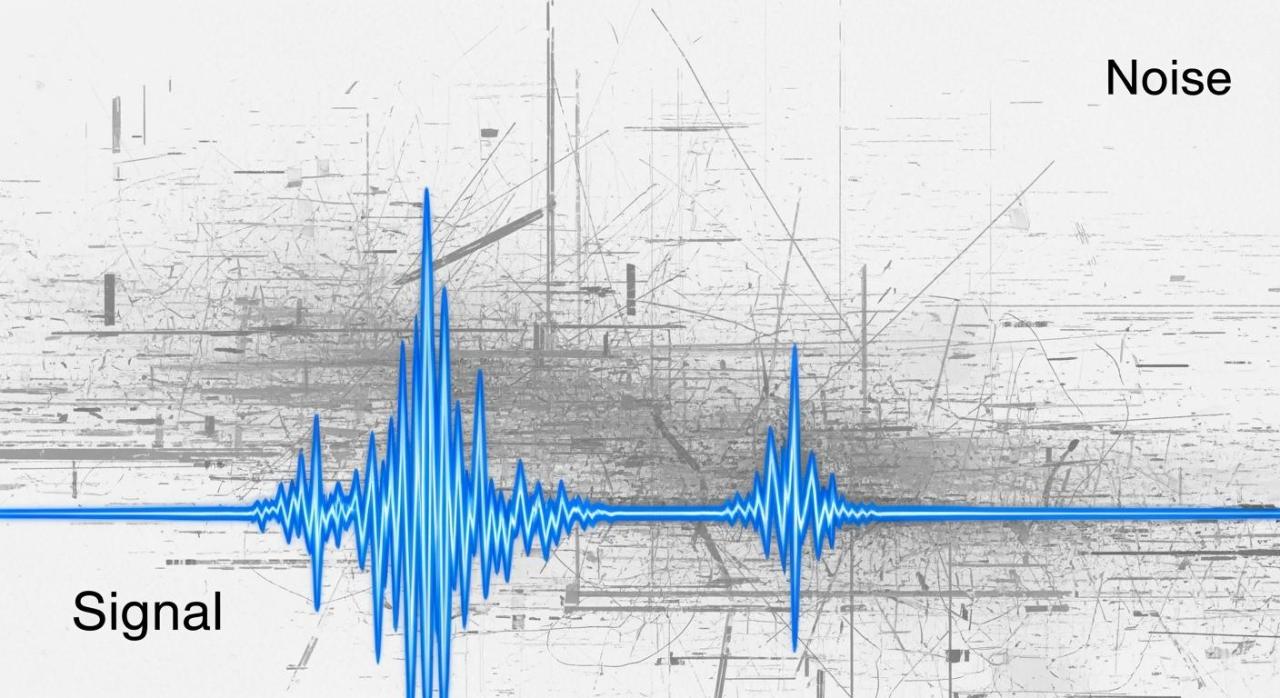
In summary, the signal-to-noise ratio is far more than just a technical term; it is a vital indicator of quality across various industries. As we’ve explored its mathematical foundation, practical applications, and impact on technology, it becomes evident that a robust understanding of this concept can lead to better communication systems and improved audio experiences. Embracing future trends and technologies aimed at enhancing this ratio will undoubtedly shape the way we interact with the digital world and influence advancements across numerous sectors.
Helpful Answers
What is a good signal-to-noise ratio?
A good signal-to-noise ratio typically ranges from 20 dB to 30 dB, but higher values are preferred for clearer signals.
How does temperature affect the signal-to-noise ratio?
Temperature variations can introduce noise, which may reduce the signal-to-noise ratio, particularly in sensitive electronic systems.
Can signal-to-noise ratio be improved after recording?
While some improvement can be made using audio editing software, the best results are achieved during the recording process.
Is a higher signal-to-noise ratio always better?
Generally, yes, but the context matters; in some cases, a very high ratio might indicate signal clipping or distortion.
How often should I check my audio equipment’s signal-to-noise ratio?
Regular checks are recommended, especially before critical recordings or broadcasts, to ensure optimal performance.