
 Zoe Nora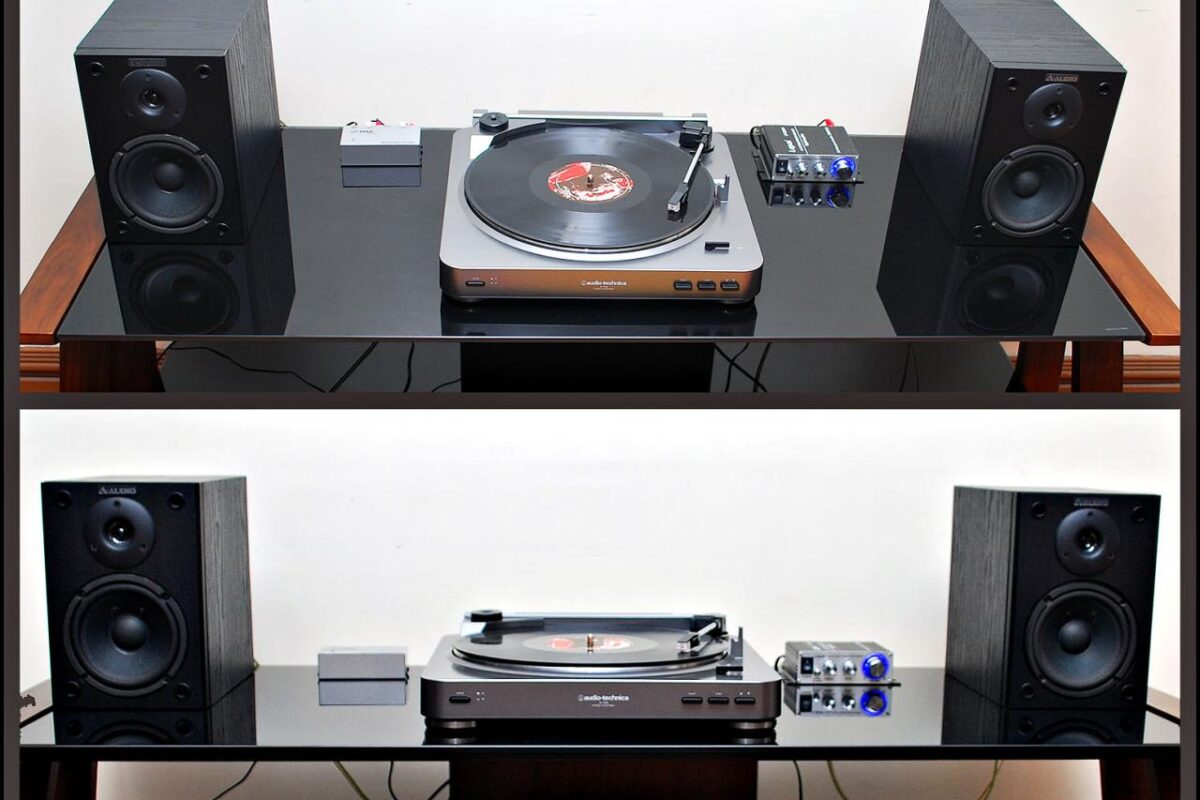
Vinyl setup holds a unique charm that draws in both audiophiles and casual listeners alike. The rich, warm sound of vinyl records creates an immersive audio experience that many believe beats digital formats. Understanding the components of a vinyl setup—from turntables to speakers—can significantly enhance your enjoyment and appreciation of music, making it a worthwhile exploration for anyone looking to amplify their listening experience.
In this guide, we delve into the basics of vinyl setups, including selecting the right turntable, ensuring optimal sound quality, and caring for your precious records. Whether you’re just starting or are looking to refine your setup, this overview will equip you with the knowledge to fully enjoy the world of vinyl.
Understanding the Basics of a Vinyl Setup
The world of vinyl offers a rich auditory experience that transcends digital formats. A vinyl setup involves various components that work together to deliver sound that many enthusiasts claim possesses warmth and depth unmatched by other mediums. Understanding these components is crucial for anyone looking to dive deeper into the vinyl experience.
The essential components of a vinyl setup include the turntable, cartridge, and speakers. Each element plays a significant role in ensuring the best audio quality. The turntable is the device that spins the vinyl record, while the cartridge houses the stylus that reads the grooves of the vinyl. Speakers are responsible for converting the electrical signals produced by the turntable into audible sound. Together, these components create an immersive listening experience that captures the nuances of music in a way that many consider superior.
Turntables: Direct Drive vs. Belt Drive
When selecting a turntable, it’s important to understand the difference between direct drive and belt drive systems, as each has its own set of advantages.
Direct drive turntables feature a motor that is directly connected to the platter, making them ideal for DJs and those who require quick start and stop capabilities. This design allows for consistent speed and stability, which is crucial for beat-matching during performances. On the other hand, belt drive turntables use a belt to connect the motor to the platter. This configuration isolates the platter from motor vibrations, often resulting in better sound quality and less distortion.
Here’s a comparative breakdown of the two systems:
| Feature | Direct Drive | Belt Drive |
|---|---|---|
| Speed Stability | Very stable | Less stable |
| Vibration Isolation | Poor isolation | Good isolation |
| Start-up Time | Fast | Slower |
| Maintenance | Low maintenance | May require belt replacement |
| Cost | Generally more expensive | Usually more affordable |
This distinction helps potential vinyl enthusiasts decide on the right turntable based on their specific needs, whether they are mixing records or simply enjoying music in a home setting.
Selecting the Right Turntable for Your Vinyl Collection
Choosing the perfect turntable for your vinyl collection involves understanding your listening preferences, budget, and the features that enhance your listening experience. With a wide range of options available, it can be overwhelming to make the right choice. This guide will help you navigate through the key criteria to select a turntable that suits your needs, whether you are a casual listener or a serious audiophile.
When selecting a turntable, it’s essential to consider several factors that cater to your specific requirements. Speed settings, build quality, and features are vital components that can influence sound quality and durability. For instance, most records play at either 33 1/3 RPM or 45 RPM, so ensure your turntable can accommodate the speeds relevant to your vinyl collection. Moreover, a sturdy build often contributes to better sound isolation and prevents vibrations that could distort audio playback.
Criteria for Choosing a Turntable
The selection process for a turntable should prioritize specific criteria that align with your listening habits and budget. Below are key considerations to keep in mind:
- Budget: Determine how much you are willing to invest. Turntables can range from affordable entry-level models to high-end audiophile options.
- Listening Preferences: Reflect on how often you listen to vinyl and the importance of sound quality in your experience. Casual listeners may prioritize ease of use, while audiophiles will seek superior sound reproduction.
- Speed Settings: Ensure the turntable supports multiple speeds (typically 33 1/3 RPM and 45 RPM) to accommodate various vinyl records.
- Build Quality: A well-built turntable reduces vibrations and enhances sound quality. Look for models with solid bases and quality materials.
- Features: Consider additional features like automatic vs. manual operation, built-in preamps, and connectivity options (Bluetooth, USB) based on your preferences.
Recommended Brands and Models
Selecting a brand with a solid reputation can significantly enhance your vinyl listening experience. Here are some of the most recommended brands and their notable models suitable for both beginners and audiophiles:
- Audio-Technica: Known for reliability and performance. The Audio-Technica AT-LP60X is a great entry-level choice, while the AT-LP120XUSB offers advanced features for more serious listeners.
- Pro-Ject: Offers a variety of high-quality turntables. The Pro-Ject Debut Carbon is a popular model among audiophiles, while the Pro-Ject Essential III is perfect for beginners.
- Rega: Renowned for exceptional sound quality. The Rega Planar 1 is an excellent entry-level option while the Rega Planar 3 is preferred by more experienced users.
- Technics: Famous for their direct-drive turntables. The Technics SL-1200 is a legendary model favored by DJs and audiophiles alike.
By focusing on these criteria and considering reputable brands, you can find the turntable that perfectly complements your vinyl collection and enhances your listening experience. Remember, the right turntable not only plays your records but also transforms how you enjoy music.
Setting Up Your Turntable Correctly for Optimal Sound
Setting up your turntable is a critical step in achieving the best sound quality from your vinyl records. Proper setup involves careful attention to detail, including leveling, alignment, and making the correct connections to your audio equipment. This guide breaks down the essential steps to ensure your turntable performs at its best.
Leveling and Alignment
Leveling and alignment of your turntable are crucial for optimal playback performance. An uneven turntable can lead to distortion and excessive wear on your records. Here’s how to achieve proper leveling and alignment:
1. Use a Leveling Tool: Start by placing a small spirit level on the platter of your turntable. Adjust the feet of the turntable until the bubble is centered, ensuring the turntable is perfectly level.
2. Check Cartridge Alignment: The cartridge should be aligned accurately in relation to the tonearm. Use an alignment protractor, which is usually included with turntables or can be purchased separately. Position the protractor on the platter and adjust the cartridge until it fits precisely.
3. Set Tracking Force: Consult your cartridge’s specifications for the recommended tracking force. Use a digital scale to measure and adjust the tracking force accordingly by adjusting the counterweight at the rear of the tonearm.
Connecting the Turntable to Audio Equipment
Establishing the correct connections between your turntable and audio equipment is essential for high-quality sound. Here are the steps to connect your turntable to a receiver or amplifier:
– Identify Outputs: Most turntables have RCA outputs (red and white connectors). Ensure you have the appropriate cables ready.
– Connect RCA Cables: Plug the RCA cables into the corresponding outputs on the turntable and connect them to the aux or phono inputs on your amplifier or receiver. If your turntable has a built-in preamp, you can use any input; if it doesn’t, connect to the phono input specifically designed for turntables.
– Ground Connection: If your turntable has a ground wire (usually a thin wire with a spade connector), connect it to the grounding terminal on your amplifier. This helps eliminate hum and noise.
Minimizing Vibration and Interference
To ensure minimal vibration and interference during playback, follow these best practices:
– Choose an Ideal Location: Place your turntable on a stable, vibration-resistant shelf or stand. Avoid locations near speakers or subwoofers, as they can cause unwanted vibrations.
– Use Isolation Feet: Consider investing in isolation feet or pads designed to absorb vibrations. These can significantly reduce the transmission of vibrations from the surface to the turntable.
– Cable Management: Keep audio cables organized and away from power cables to minimize interference. Twisting the cables together can also help reduce noise.
Proper setup and placement can greatly enhance your listening experience, allowing the full richness of vinyl to shine through.
Caring for Your Vinyl Records and Equipment
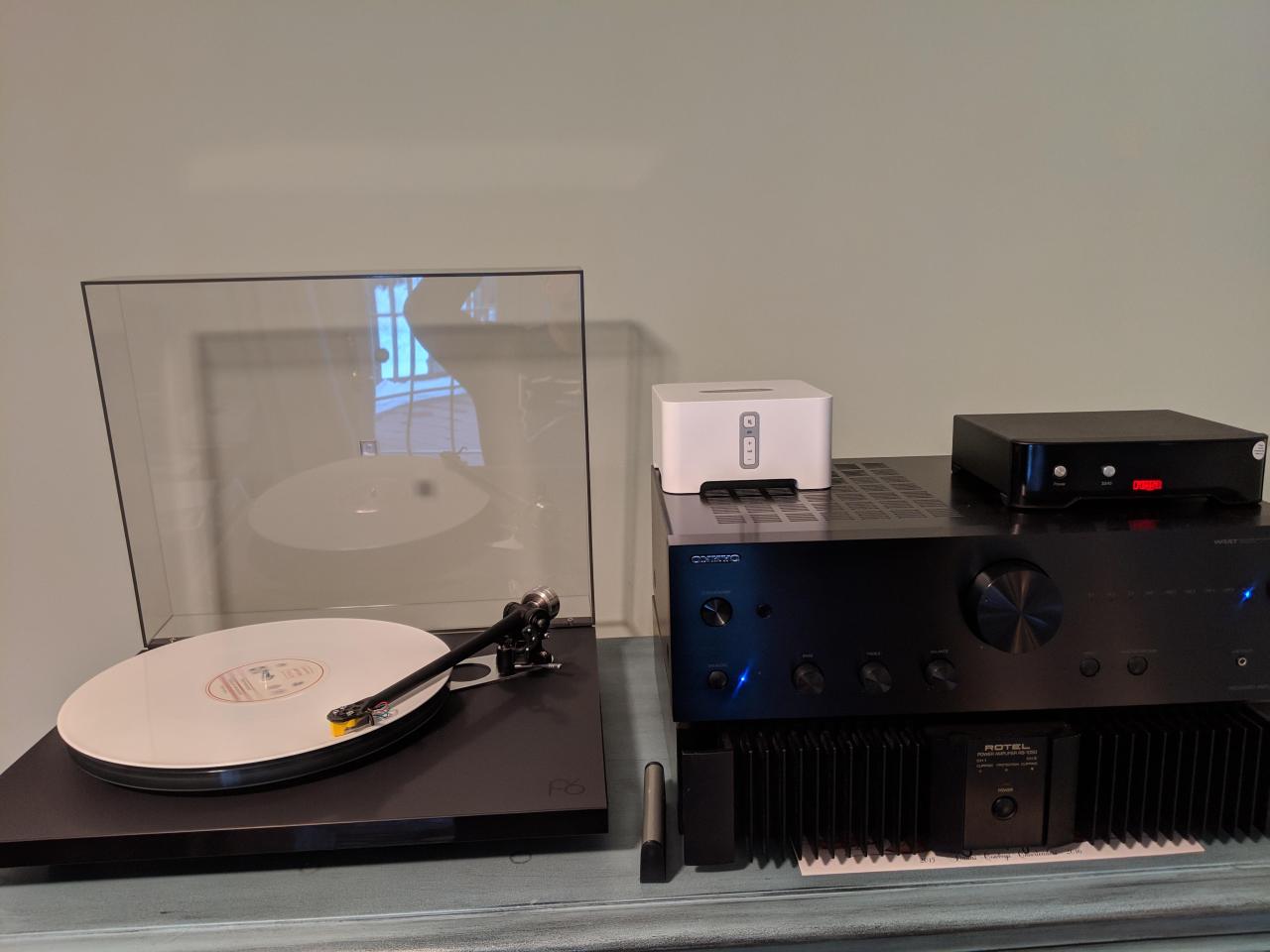
Vinyl records are a cherished medium for music enthusiasts, and proper care is essential for maintaining their sound quality and longevity. By implementing effective cleaning techniques and routine maintenance, you can ensure that your vinyl and equipment remain in top condition, delivering the rich sound experience they are known for. This section will delve into the best practices for caring for your records and the essential equipment that enhances their playback.
Cleaning Techniques for Vinyl Records
To preserve the sound quality of your vinyl records, consistent cleaning is crucial. Dust and dirt can accumulate on the surface, leading to pops, clicks, and overall degraded sound quality. Here are effective techniques for cleaning your vinyl:
- Dry Cleaning: Use a carbon fiber brush to gently remove dust from the record’s surface before and after each play. This method is quick and helps prevent scratches.
- Wet Cleaning: For deeper cleaning, consider using a vinyl cleaning solution with a microfiber cloth. Apply a small amount of the solution, gently wipe the record in a circular motion, and then dry it with a clean cloth.
- Record Cleaning Machines: Invest in a record cleaning machine for a thorough clean. These machines use a combination of liquid and vacuum to remove debris effectively.
Regular cleaning enhances the lifespan of your records and significantly improves playback quality.
Maintenance Tasks for Turntables and Speakers
Routine maintenance for your turntable and speakers is vital to ensure optimal performance. Here are key tasks that should be performed regularly:
- Turntable Belt Replacement: Check the drive belt for wear and replace it every few years to maintain proper speed and sound quality.
- Cartridge and Stylus Care: Clean the stylus regularly using a stylus brush, and replace the cartridge as needed to prevent wear on your records.
- Speaker Placement: Regularly check speaker placement for optimal sound. Ensure they are not too close to walls or obstructions that can affect acoustics.
Proper maintenance can drastically reduce long-term repair costs and enhance your listening experience.
Environmental Factors Affecting Vinyl and Equipment
Environmental conditions play a significant role in the longevity of your vinyl records and equipment. High humidity, extreme temperatures, and direct sunlight can adversely affect both. Here are some strategies to mitigate these factors:
- Temperature Control: Store vinyl records in a cool, dry place, ideally between 60-70°F. Avoid placing them near radiators or heating vents.
- Humidity Management: Use a dehumidifier in damp environments to prevent mold growth on records and damage to electronic components.
- UV Protection: Keep records out of direct sunlight by storing them in protective sleeves and using curtains or UV-filtering glass for display cases.
Maintaining the proper environment can significantly extend the life of your vinyl and equipment.
Troubleshooting Common Issues with Vinyl Setups
Vinyl setups can deliver an unparalleled listening experience, but they are not without their challenges. Users may encounter various problems during playback that can detract from the enjoyment of their favorite records. Understanding these common issues and their solutions can help maintain your turntable in optimal condition and enhance your overall vinyl experience.
Common Problems Encountered with Turntables
When dealing with a vinyl setup, several issues may arise that can affect playback quality. Identifying these problems early can save time and frustration. Here are some of the most frequently encountered issues along with their potential solutions:
- Skipping Records: A record may skip due to dirt on the vinyl, a misaligned cartridge, or an improperly balanced tonearm. Cleaning the record and ensuring the tonearm is correctly calibrated can often resolve this issue.
- Distorted Sound: Distortion can occur from various factors, including a worn stylus or incorrect tracking force. Regularly inspecting the stylus for wear and adjusting the tracking weight can help achieve clearer sound quality.
- Equipment Malfunction: If the turntable does not power on or the sound is inconsistent, it may be due to loose connections or faulty cables. Checking all connections and replacing damaged cables can usually rectify this problem.
Solutions for Playback Issues
Addressing playback issues proactively can prevent further damage to records and equipment. The following measures are recommended for specific problems:
- Skipping Records:
- Ensure the record is clean; use a carbon fiber brush or record cleaning solution.
- Check the alignment of the cartridge; it should be parallel to the record surface.
- Balance the tonearm properly according to the manufacturer’s guidelines.
- Distorted Sound:
- Replace the stylus if it shows signs of excessive wear.
- Adjust the tracking force to match the specifications provided by the cartridge manufacturer.
- Inspect the cartridge connections for any wiring issues.
- Equipment Malfunction:
- Check the power source and ensure the turntable is plugged in properly.
- Inspect the fuses or circuit breakers if the turntable does not power on.
- Consider replacing any worn-out or malfunctioning components.
When to Seek Professional Help
While many issues can be resolved by the user, some situations require professional intervention. For example, if you notice persistent skipping despite troubleshooting, or if you have tried all adjustments with no improvement in sound quality, reaching out to a professional technician is advisable. Additionally, if there are internal electrical problems, such as the turntable not powering on after checking the power source, it is best to consult a specialist to avoid further damage.
It’s essential to balance DIY troubleshooting with knowing your limits to ensure the longevity of your vinyl setup.
Enhancing Your Vinyl Experience with Accessories
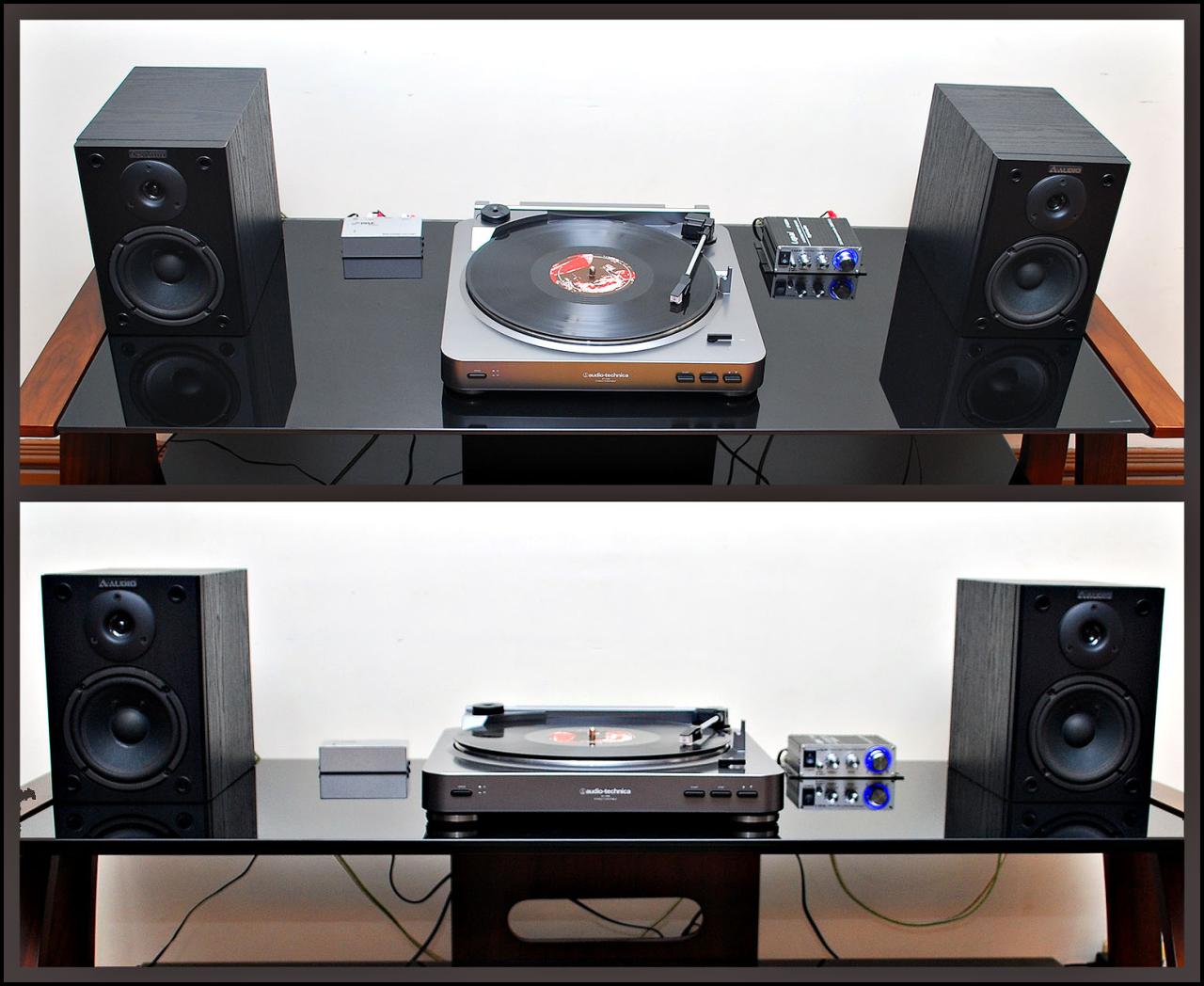
Enhancing your vinyl listening experience goes beyond just the turntable and records; it involves a variety of accessories that can significantly improve sound quality, protect your collection, and elevate the overall enjoyment of your music. With the right tools, you can ensure that each listening session is not only enjoyable but also preserves the integrity of your vinyl records.
One of the most effective ways to enhance your vinyl experience is by investing in high-quality accessories. These items, while often overlooked, play a crucial role in maintaining the quality of your records and ensuring optimal playback.
Essential Accessories for Vinyl Care
To fully appreciate the nuances of vinyl sound, consider the following accessories that can transform your listening experience:
- Anti-static Brushes: These brushes help remove dust and static from your records before each play, which can significantly reduce surface noise and protect your stylus.
- Record Weights: Applying a record weight can stabilize the vinyl disc, minimizing vibrations and providing better contact with the turntable platter, leading to improved sound fidelity.
- Cleaning Solutions: Specialized cleaning solutions and microfiber cloths can safely remove grime and fingerprints from your records, ensuring optimal playback quality.
- Stylus Cleaners: Maintaining your stylus with a dedicated cleaner ensures that it functions efficiently, which in turn prolongs the life of both the stylus and your records.
Investing in upgraded cartridges or speakers can also have a profound impact on sound fidelity. A high-quality cartridge can enhance tonal balance and detail in the music, allowing for a richer listening experience. Similarly, upgrading speakers can bring clarity to the bass and treble, revealing layers in your favorite tracks that you may not have noticed before.
Stylish Storage Solutions for Vinyl Collections
Proper storage is vital for maintaining the condition of your vinyl records. Not only does it protect them from physical damage, but it also helps you keep your collection organized and easily accessible. Here are some stylish storage options:
- Wooden Crates: Rustic wooden crates not only provide a sturdy place to store records but can also add a vintage aesthetic to your space.
- Record Shelves: Custom or modular shelving designed specifically for vinyl can help showcase your collection while keeping it organized.
- Storage Boxes: Acid-free storage boxes protect your records from dust and direct sunlight, preserving the quality of the vinyl.
- Display Frames: For your most cherished album covers, consider display frames that allow you to showcase the art while keeping the records safe.
“Investing in the right accessories not only enhances sound quality but also protects your vinyl treasures for years to come.”
Exploring the World of Vinyl Formats and Releases
The world of vinyl records is rich and varied, offering collectors and audiophiles a unique listening experience that digital formats simply cannot replicate. From the tactile joy of handling records to the warm sound that vinyl produces, there’s much to appreciate. Understanding the different formats and types of vinyl releases is crucial for any enthusiast looking to deepen their collection.
Vinyl records come in various formats, primarily differentiated by their rotation speeds and physical designs. The most common formats are 33 RPM (revolutions per minute) and 45 RPM. The 33 RPM records, typically 12 inches in diameter, allow for longer playtimes, usually containing several tracks on each side, making them ideal for full albums. In contrast, 45 RPM records are often 7 inches in diameter and generally feature one song on each side, providing enhanced sound quality due to the faster speed, which allows for better fidelity.
Limited Edition Releases
The allure of limited edition vinyl releases cannot be overstated. Collectors often seek these unique pieces not only for their aesthetic appeal but also for their potential value over time. Limited editions may feature unique artwork, special colored vinyl, or additional content not available in standard releases. This exclusivity enhances their desirability, often driving up their market value among collectors.
Collecting limited editions can add a distinctive touch to a vinyl collection. Here are some notable aspects that make them particularly appealing:
-
Unique Artwork:
Limited editions often come with specially designed covers or packaging that reflect the artistic vision of the album, making them visually stunning.
-
Exclusive Content:
Many limited editions include bonus tracks, live recordings, or remixes that aren’t available on regular releases, offering collectors something special.
-
Color Variants:
Colored vinyl, picture discs, or splatter vinyl styles can make a record stand out, adding a visual element that complements the music.
Sources for Unique or Rare Vinyl Records
Finding unique or rare vinyl records can be a thrilling adventure for collectors. There are several reputable sources where enthusiasts can search for these hidden gems. Here are some of the best places to look:
-
Record Fairs:
Attending local or national record fairs can yield extraordinary finds as vendors often bring a variety of unique and hard-to-find records.
-
Independent Record Stores:
Small, independent record shops frequently stock unique selections and may even have exclusive releases not found in larger retailers.
-
Online Marketplaces:
Websites like Discogs, eBay, and Bandcamp allow collectors to buy, sell, and trade vinyl, making it easier to discover rare records from around the world.
-
Vinyl Subscription Services:
Subscriptions from services like Vinyl Me, Please offer exclusive and curated selections that can enhance a collection with limited releases.
{The Role of Vinyl in Modern Music Culture}
The resurgence of vinyl records in contemporary music culture is a phenomenon that has captivated both audiophiles and casual listeners alike. Despite the prevalence of digital streaming platforms, vinyl has found its place as a preferred format for many, thanks to its unique characteristics and the nostalgia it evokes. Factors contributing to this popularity include the tactile nature of vinyl, the larger album art, and a general desire for a more immersive listening experience.
Vinyl records provide a distinct listening experience that sets them apart from digital formats. The analog sound of vinyl is often described as warmer and richer, with a frequency range that many listeners find more pleasing to the ear. This difference is largely due to the way sound waves are recorded and played back on vinyl compared to digital formats, which can sometimes result in a compressed sound. Additionally, the act of playing a vinyl record—removing it from its sleeve, placing it on the turntable, and lowering the needle—creates a ritualistic experience that engages listeners more fully than simply pressing play on a digital device.
{Influence of Vinyl on Artists and Music Production}
The impact of vinyl on artists and music production has been significant in recent years, shaping both the creation and distribution of music. Many musicians are choosing to release their albums on vinyl, seeing it as a way to connect with their audience on a deeper level. This decision is often driven by the desire to provide fans with a tangible product that they can hold and cherish. The following points illustrate this trend:
- The rise of independent record labels, which often prioritize vinyl releases, has enabled new artists to enter the market and reach audiences that appreciate the format.
- Vinyl records often encourage artists to consider their work as a cohesive album rather than a collection of singles, promoting creativity and storytelling in music production.
- Many artists are leveraging the tactile nature of vinyl to enhance their branding and image, using album cover art as a canvas for their artistic expression.
Vinyl has not only influenced how albums are produced but also how they are marketed. Limited edition pressings and colored vinyl have become popular among collectors, driving demand and creating excitement around new releases. This trend highlights the evolving relationship between music and its physical medium in a digital age, allowing vinyl to thrive as a cherished format in modern music culture.
Final Conclusion
In conclusion, embracing a vinyl setup opens up a rewarding journey into the art of music listening. By understanding the essential components and best practices, you can cultivate a robust audio experience that brings your favorite records to life. Whether you’re a collector or just diving into vinyl, the tips and insights shared here will help you create, maintain, and elevate your setup to new heights.
User Queries
What is the best way to clean vinyl records?
The best way to clean vinyl records is to use a soft anti-static brush or a record cleaning solution specifically designed for vinyl. Gently wipe the surface in a circular motion to remove dust and fingerprints.
How often should I replace my turntable cartridge?
It is recommended to replace your turntable cartridge every 1,000 hours of playtime, but this can vary depending on usage and the quality of the cartridge.
Can I use any speakers with my turntable?
Yes, you can use any speakers with your turntable as long as they are compatible with your amplifier or receiver; however, speakers designed for vinyl setups often provide better sound quality.
Is it necessary to use a phono preamp?
A phono preamp is necessary if your turntable does not have a built-in preamp and you want to connect it directly to standard audio equipment.
What should I do if my record skips?
If your record skips, first check for dust or dirt on the record or stylus. If clean, ensure the turntable is level and properly set up, as alignment issues can also cause skipping.