
 Zoe Nora
High-res streaming is reshaping the way we consume media, bringing exceptional clarity and detail to our screens. As technology advances, streaming platforms are increasingly offering higher resolutions, allowing viewers to experience films, series, and games with stunning visual fidelity. This evolution not only enhances the viewing experience but also caters to the growing demand for superior content quality in an age where streaming has become the preferred mode of entertainment.
This shift towards high-resolution streaming is driven by a combination of improved internet speeds, advanced compression techniques, and the proliferation of devices capable of supporting such content. As more consumers embrace the benefits of high-res options, the landscape of media consumption continues to evolve, promising an exciting future filled with possibilities for both viewers and content creators alike.
High-res streaming technology and its evolution
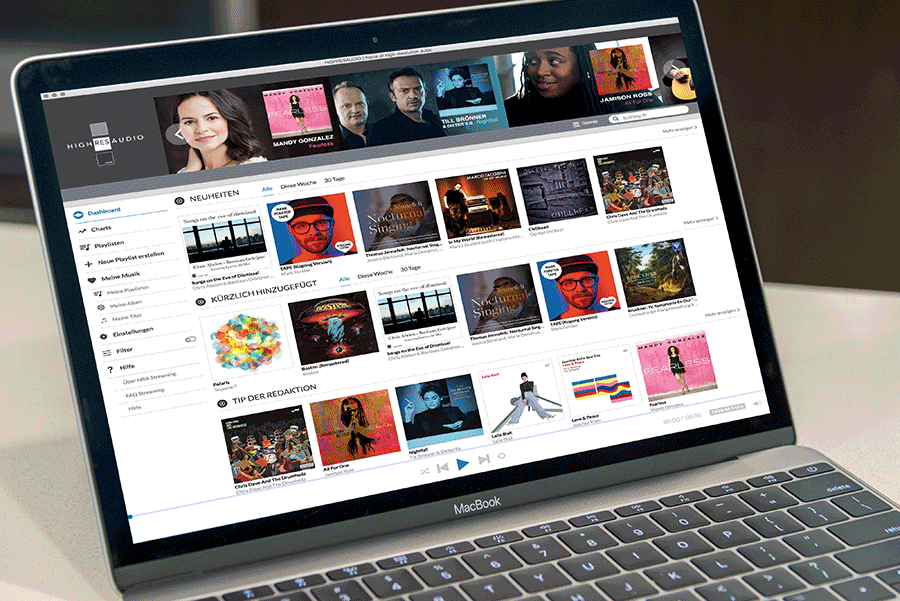
Recent years have seen a remarkable transformation in how content is consumed, primarily due to advancements in high-resolution streaming technology. As internet speeds have improved and compression algorithms have evolved, viewers can now enjoy movies, music, and games in stunning detail and clarity. This shift is not just about enhanced visuals; it’s about creating a more immersive experience that keeps audiences engaged across various platforms.
The evolution of high-res streaming technology can be traced back to several key advancements. One of the most significant factors has been the proliferation of broadband internet, which has enabled faster data transfer rates. With the rollout of fiber-optic connections and the expansion of 5G technology, streaming services have been able to deliver higher-quality content without buffering issues. Additionally, the development of advanced video codecs, such as H.265 (HEVC) and AV1, has allowed for efficient compression of high-definition content, making it feasible to stream 4K and even 8K videos without requiring excessive bandwidth.
These technological advancements have fundamentally altered media consumption habits. For instance, consumers are increasingly drawn to platforms that offer high-resolution content, such as Netflix, Disney+, and Apple TV+. These services provide an array of options, including 4K HDR streaming, which enhances color depth and sharpness, making the viewing experience more lifelike. Furthermore, the rise of gaming services like Xbox Cloud Gaming and NVIDIA GeForce NOW enables users to play high-fidelity games on devices that do not have powerful hardware, thus broadening access to quality gaming experiences.
Devices that support high-res streaming
A variety of devices are now equipped to support high-resolution streaming, enhancing how users interact with content. When considering devices that can deliver high-res experiences, it’s essential to look at both traditional media players and modern smart devices. Here are some examples:
- Smart TVs: Most high-end smart TVs come with built-in support for 4K and HDR content, allowing users to stream from various services seamlessly.
- Streaming Media Players: Devices like Roku Ultra, Amazon Fire TV Stick 4K, and Apple TV 4K are specifically designed to handle high-res streaming and offer access to multiple content platforms.
- Gaming Consoles: PlayStation 5 and Xbox Series X are not only powerful gaming machines but also capable of streaming content in 4K, providing an excellent multimedia experience.
- Mobile Devices: Many modern smartphones, such as the latest iPhone and flagship Android devices, support high-res streaming, providing a portable option for on-the-go viewing.
The transition to high-res streaming represents a significant milestone in digital media, driven by technological advancements that cater to consumers’ desires for better quality and immersive experiences. As streaming technology continues to evolve, the possibilities for content consumption will only expand, paving the way for even more impressive innovations.
The benefits of high-resolution streaming for consumers

High-resolution streaming has revolutionized the way consumers experience digital content, providing them with unparalleled quality and clarity. This technology enhances viewing experiences across various platforms, making it increasingly popular among consumers who prioritize visual fidelity. As more streaming services offer high-res options, viewers are presented with a myriad of advantages that elevate their overall engagement with the content.
One of the primary advantages of high-resolution streaming is the enhanced visual experience it delivers. Viewers are treated to sharper images, vibrant colors, and detailed textures that bring movies, shows, and live events to life. The clarity provided by high-res formats like 4K and even 8K allows consumers to notice intricate details that would be lost in lower resolutions. This can significantly enhance the enjoyment of genres such as nature documentaries, action films, and gaming, where visual detail plays a crucial role in storytelling and immersion.
Use cases of high-resolution streaming enhancing the viewing experience
High-resolution streaming significantly benefits various use cases, providing compelling reasons for consumers to choose high-quality formats over standard options. Below are some notable scenarios where high-res streaming shines:
- Home Theater Systems: Consumers investing in high-end home theater systems can fully utilize high-resolution streaming. The combination of large screens and advanced audio systems amplifies the viewing experience, delivering cinema-like quality right in the living room.
- Gaming: For gamers, high-resolution streaming of gameplay enhances realism and immersion. Titles designed for high-res play often feature intricate graphics and smooth frame rates, allowing players to fully engage with the virtual environment.
- Virtual Reality: High-resolution streaming is essential for virtual reality experiences, where clarity and detail are crucial for immersion. High-res graphics decrease motion sickness and enhance the realism of virtual environments.
- Live Sports: Watching live sports in high resolution allows fans to appreciate the action more vividly. The clarity helps in observing fine details, such as player movements and facial expressions, making the experience more engaging.
- Art and Design: For artists and designers, high-resolution streaming provides a better view of visual works, enabling them to appreciate colors, textures, and details that are vital in the creative process.
The rising demand for high-resolution content is evident in consumer preferences. According to a survey conducted by Leichtman Research Group, over 80% of U.S. households with a streaming service subscribe to one that offers 4K content. Furthermore, viewing statistics show that 4K content accounts for nearly 30% of all streaming hours on platforms like Netflix and Amazon Prime Video. This trend underscores the growing expectation for high-quality programming among consumers, who find it increasingly difficult to revert to lower resolutions once they have experienced high-res streaming.
In summary, the advantages of high-resolution streaming resonate strongly with consumers, enhancing their viewing experiences across various applications while driving a surge in demand for high-quality content. As technology continues to evolve, it is likely that these benefits will only become more pronounced, further solidifying high-resolution streaming as a staple in modern entertainment consumption.
Challenges facing high-res streaming services
The emergence of high-resolution streaming services represents a significant advancement in digital content consumption, offering users an unparalleled viewing experience. However, these platforms face multiple challenges that may hinder their ability to deliver high-quality content consistently.
One of the primary hurdles that streaming services encounter is the demand for substantial bandwidth. High-resolution content, such as 4K and 8K videos, requires significantly more data to be transmitted than standard resolution content. This increase in data can lead to buffering and interruptions if users’ internet connections are not robust enough. Statistics indicate that streaming 4K content can consume upwards of 25 Mbps, while 8K content can require around 50 Mbps or more. For users with slower internet speeds, this can result in a frustrating viewing experience, reducing the appeal of high-res streaming services.
Impact of Internet Speeds and Bandwidth Limitations
Internet speeds and bandwidth limitations directly affect the performance of high-res streaming services. In areas where high-speed internet is not widely accessible, users may struggle to enjoy the benefits of high-resolution content. Several factors contribute to this challenge, including:
- Infrastructure Disparities: Some regions have outdated infrastructure that cannot support the required bandwidth for high-resolution streaming.
- Data Caps: Many internet service providers impose data caps that can limit users’ ability to stream high-resolution content without incurring additional charges.
- Network Congestion: During peak usage hours, increased demand on the network can lead to slower speeds and buffering, impacting the quality of the streaming experience.
To address these challenges, streaming platforms and internet service providers are exploring various solutions. Upgrades to network infrastructure, such as fiber-optic installations, can significantly enhance speed and capacity. Additionally, the implementation of adaptive bitrate streaming allows services to adjust the quality of the stream based on the user’s current bandwidth availability. This technique helps optimize the viewing experience by delivering the best possible resolution without interruptions.
Furthermore, consumer education plays a crucial role in encouraging users to choose higher-speed internet plans or consider alternative ISP options that offer better service. By addressing these challenges, high-res streaming services can enhance user satisfaction and remain competitive in a rapidly evolving digital landscape.
Comparison of high-res streaming platforms
High-resolution streaming has revolutionized the way we consume audio and video content, offering listeners and viewers an unparalleled experience. With various platforms now providing high-res streaming options, users are often faced with the challenge of selecting the best service that meets their needs. This comparison highlights the major players in the high-resolution streaming arena, focusing on their unique features, strengths, and weaknesses.
Platform Overview
Several platforms stand out in the high-resolution streaming market. Each platform comes with its own set of features, pricing models, and available content. Below is a detailed comparison table that provides insights into each service’s offerings.
| Platform | Key Features | Strengths | Weaknesses |
|---|---|---|---|
| Tidal | Lossless audio, HiFi and MQA formats | Extensive library, exclusive content, high-quality sound | Higher subscription cost, limited integration with devices |
| Qobuz | High-resolution downloads, lossless streaming | Focus on classical and jazz, rich metadata | Less popular, smaller library than competitors |
| Amazon Music HD | HD and Ultra HD streaming, extensive catalog | Integrated with Amazon ecosystem, more affordable | Quality varies based on connection, less exclusive content |
| Apple Music | Lossless audio, spatial audio, Dolby Atmos | Seamless integration with Apple devices, vast library | Requires subscription, not all songs in lossless |
| Deezer | HiFi streaming, Flow personalized recommendations | User-friendly interface, diverse genres | Limited exclusive content, smaller high-res library |
In analyzing these platforms, certain characteristics emerge as critical differentiators. Tidal is known for its commitment to high-fidelity audio quality, offering a wide range of exclusive content that appeals to audiophiles. The Master Quality Authenticated (MQA) format ensures that users experience music as intended by the artists.
Qobuz, while not as mainstream, is favored by classical and jazz enthusiasts due to its high-resolution downloads and rich metadata, which provide context and background on the music. However, its library size can be a limiting factor for some users.
Amazon Music HD appeals to budget-conscious consumers who still want high-resolution audio. Its integration with the broader Amazon ecosystem, including Alexa devices, provides a seamless user experience. However, the audio quality can vary significantly depending on the user’s internet connection.
Apple Music has made strides in high-resolution audio by offering lossless tracks and spatial audio features. Its integration with Apple devices is a significant advantage, although not all songs are available in lossless quality, which can be a downside for purists.
Deezer’s HiFi offering is attractive for casual listeners who enjoy personalized music recommendations. The user-friendly interface makes it accessible, but its library of high-resolution content is not as extensive as some competitors.
Overall, each platform serves different user preferences and needs. Whether it’s the extensive library of Tidal, the classical focus of Qobuz, the affordability of Amazon Music HD, the integration of Apple Music, or the accessibility of Deezer, selecting the right high-res streaming service depends on individual priorities and usage scenarios.
The future of high-res streaming
As technology continues to advance, the future of high-resolution streaming appears bright, ushering in an era where quality and accessibility go hand-in-hand. In the next five years, we can expect a significant evolution in how high-res content is delivered, with innovations paving the way for immersive viewing experiences that cater to an increasingly discerning audience. This shift will not only involve technical enhancements but also a response to the growing consumer demand for better quality and more engaging content.
Emerging technologies that will enhance streaming quality
The landscape of high-resolution streaming is poised for transformation with the integration of several emerging technologies that promise to elevate the viewer experience. These advancements include:
- Artificial Intelligence (AI): AI-driven algorithms will play a pivotal role in optimizing video compression and delivery, allowing for streaming at higher resolutions without requiring excessive bandwidth. For instance, AI can dynamically adjust video quality based on real-time analysis of a viewer’s internet speed while maintaining clarity.
- 5G Technology: The rollout of 5G networks will enable faster data transmission rates, significantly reducing latency and buffering times. This technology will facilitate seamless streaming of high-resolution content, making it more accessible to users on mobile devices.
- Adaptive Streaming Protocols: Enhanced protocols, such as MPEG-DASH and HLS, will allow for better adaptability in delivering high-quality streams suitable for varying network conditions. These protocols ensure that viewers receive the best possible quality without interruption.
- Virtual Reality (VR) and Augmented Reality (AR): As VR and AR continue to gain traction, the demand for high-res content that supports immersive experiences will rise. Companies will need to innovate in producing high-resolution VR content that offers users a lifelike experience.
The integration of these technologies is not merely a futuristic concept; they are already being adopted by major streaming platforms like Netflix and Amazon Prime, which have begun to offer content in 4K and even 8K resolutions to meet the expectations of their viewers.
The evolution of streaming is intrinsically linked to consumer demand. As audiences become more accustomed to high-quality visuals and immersive sound experiences, their expectations will shape the developments in streaming technologies. This relentless pursuit for quality will drive content creators and service providers to invest in cutting-edge technologies, ensuring that high-resolution streaming becomes the new standard rather than the exception.
“Content is king, but quality is the kingdom.”
Consumer feedback and preferences will continue to dictate the trajectory of high-res content delivery, paving the way for an exciting future in streaming that highlights not just what we watch, but how we experience it.
High-res streaming and its impact on content creators
The rise of high-resolution streaming has revolutionized the landscape for filmmakers and content creators. With advancements in technology, content can now be delivered in stunning detail and clarity, allowing creators to showcase their artistic vision in unprecedented ways. As platforms adopt high-res capabilities, the quality of visual storytelling has reached new heights, prompting creators to adapt their strategies to leverage these advancements.
High-resolution streaming presents both opportunities and challenges for those in the creative industry. On one hand, the demand for high-quality content is at an all-time high, enabling creators to reach audiences who value immersive experiences, such as 4K and 8K streaming. This shift has opened doors for filmmakers to attract investments and partnerships, as brands are eager to collaborate with creators who can deliver visually compelling content. High-res formats also enhance user engagement, as viewers are more likely to stay invested in high-quality productions, leading to improved retention rates.
Opportunities in high-res content production
Creating high-resolution content can significantly expand a creator’s reach and impact. The following points Artikel the key opportunities presented by this trend:
- Enhanced Audience Experience: High-res streaming offers a more immersive viewing experience, allowing audiences to appreciate intricate details, textures, and colors. This increases viewer satisfaction and loyalty.
- Increased Marketability: Content creators can market their work as premium offerings, justifying higher pricing or subscription models due to enhanced quality.
- Partnerships with Brands: Brands are increasingly sponsoring high-quality productions, providing creators with additional funding and resources to elevate their projects.
- Global Reach: With high-res streaming, creators can attract international audiences who have access to faster internet connections and high-definition devices.
However, the shift towards high-resolution content also brings challenges. The production costs associated with high-res filming and editing can be substantial, and many creators may need to invest in advanced technology and equipment. Balancing quality with budget constraints can be a significant hurdle. Yet, by adopting innovative strategies, such as crowdfunding and collaborations, content creators can navigate these challenges effectively.
“High-resolution streaming isn’t just about better visuals; it transforms the way stories are told and experienced.”
Ultimately, high-res streaming is not merely a trend but a pivotal shift in how content creators can engage with audiences. By embracing the opportunities it presents while addressing the inherent challenges, filmmakers can redefine their art and maximize their reach in a competitive digital landscape.
The role of compression techniques in high-res streaming
In the landscape of high-resolution streaming, compression techniques play a crucial role in ensuring that content is delivered efficiently without sacrificing quality. As streaming services continue to grow in popularity, the demand for high-quality video content increases, necessitating sophisticated methods to manage large files. Compression techniques reduce the size of these files, making it easier to transmit high-resolution video over various networks while maintaining an acceptable level of quality for viewers.
Effective compression is essential for high-res streaming as it directly impacts the bandwidth required, storage capacity, and the overall user experience. High-resolution videos, such as 4K or even 8K content, can be extremely large in file size. Without compression, streaming such content would require significant bandwidth, leading to potential buffering issues and a subpar viewing experience. By employing advanced compression methods, service providers can deliver high-quality content that is accessible to a broader audience.
Compression methods and their implications on video quality
Various compression methods are utilized in high-resolution streaming, each with its own set of implications for video quality. Understanding these methods is crucial for both content creators and consumers alike, as they directly affect the final viewing experience.
The primary compression techniques used in high-res streaming are lossy and lossless compression. Lossy compression reduces file size by removing some of the data deemed less important, which can lead to a reduction in video quality. However, when done correctly, the loss in quality is often imperceptible to the viewer. Examples of lossy compression formats include:
- H.264: Widely used due to its efficient balance of quality and file size, making it ideal for streaming services.
- HEVC (H.265): Provides better compression rates than H.264, allowing for 4K streaming with reduced bandwidth requirements.
- VP9: Developed by Google, this codec is designed for high-resolution content, offering comparable quality to HEVC while being open-source.
On the other hand, lossless compression techniques retain all original data, resulting in higher quality but larger file sizes. This method is often used in professional settings or for archival purposes, where maintaining the original quality is paramount. Examples of lossless formats include:
- Apple ProRes: Popular in film and video editing, offering high-quality compression without sacrificing detail.
- FFV1: An open-source lossless codec that prioritizes quality and is often used in archival footage.
Understanding these compression methods assists content creators in making informed decisions about which techniques to employ based on their specific needs and the viewing experience they wish to deliver.
Final Conclusion
In conclusion, high-res streaming is not just a trend; it’s the future of media consumption. As technology continues to advance, the potential for even greater resolutions and enhanced streaming experiences will only grow. With the challenges facing streaming platforms being met by innovative solutions, viewers can look forward to a time where high-quality content is more accessible than ever. The impact on content creators is equally significant, as high-res streaming opens new avenues for storytelling and audience engagement.
User Queries
What is high-res streaming?
High-res streaming refers to streaming content in higher resolutions, such as 4K or 8K, providing a more detailed and immersive viewing experience.
Do I need special equipment for high-res streaming?
Yes, to fully enjoy high-res streaming, you typically need a compatible device, such as a 4K TV or a high-resolution monitor, along with a stable internet connection.
Is high-res streaming worth it?
Many users find high-res streaming worth it for the enhanced visual quality and immersive experience it provides, especially for movies and games.
Can I stream high-res content on a slow internet connection?
Streaming high-res content requires a fast internet connection; a slow connection may lead to buffering or lower quality playback.
What are some popular high-res streaming platforms?
Popular platforms that offer high-res streaming include Netflix, Amazon Prime Video, Disney+, and YouTube.
How does compression affect high-res streaming?
Compression techniques help reduce file size for faster streaming while maintaining quality, but excessive compression can negatively affect visual fidelity.
Will high-res streaming become more common?
As technology advances and consumer demand grows, high-res streaming is expected to become more prevalent across various platforms.