
 Zoe Nora
With Vinyl sound system at the forefront, music lovers are drawn into a world where sound quality transcends the digital age. This exploration not only celebrates the warmth and texture of vinyl records but also highlights the intricate components that come together to create an unforgettable listening experience.
Delving into the various elements that comprise a vinyl sound system, we discover how turntables, speakers, and amplifiers work in harmony to deliver rich audio that digital systems often struggle to match. From caring for vinyl records to setting up an exquisite home listening environment, this guide covers everything you need to know to fully appreciate the beauty of analog sound.
Understanding the Components of a Vinyl Sound System
A vinyl sound system is a captivating blend of technology and artistry, delivering warm and rich audio experiences. The essence of this system lies in its core components which work together harmoniously to reproduce sound. Understanding these components is crucial for anyone looking to immerse themselves in the world of vinyl playback.
The key components of a vinyl sound system include the turntable, speakers, and amplifier. Each of these elements plays a vital role in ensuring high-quality sound reproduction. The turntable is responsible for reading the grooves on vinyl records, transforming those physical variations into electrical signals. The amplifier boosts these signals to a level that can drive the speakers, which then convert them back into sound waves. The interplay among these components significantly influences the overall audio experience.
Turntables
Turntables are the heart of a vinyl sound system, designed to spin records at a precise speed, usually 33 1/3 or 45 RPM. They consist of several critical parts such as the platter, tonearm, and cartridge. The platter holds the vinyl record, while the tonearm carries the cartridge that contains the stylus, or needle, which physically contacts the vinyl grooves.
- The platter’s stability ensures minimal vibration and accurate speed, contributing to clear sound reproduction.
- The tonearm must be balanced correctly to maintain optimal tracking force, preventing excessive wear on the record.
- The cartridge translates the mechanical movement of the stylus into an electrical signal, impacting the overall sound quality.
The quality of a turntable can greatly affect the audio output. Higher-end models often feature advanced technologies that improve sound clarity and reduce distortion, making them a worthy investment for serious audiophiles.
Amplifiers
Amplifiers serve as the intermediary between the turntable and the speakers, amplifying the weak electrical signals from the turntable to a level that can drive the speakers effectively. They come in various types, including integrated amplifiers and separate preamps and power amps.
- Integrated amplifiers combine both preamplification and power amplification in one unit, offering convenience and space-saving benefits.
- Separate preamps can provide enhanced control over audio signals, allowing for fine-tuning of sound.
- High-quality power amplifiers increase the fidelity of sound, particularly at higher volumes.
The choice of amplifier influences the overall sound output, with higher-quality amplifiers contributing to clearer, more dynamic audio experiences.
Speakers
Speakers are the final component in a vinyl sound system, transforming electrical signals back into sound waves. They come in various configurations, including bookshelf, floor-standing, and subwoofers, each designed for different listening environments.
- Bookshelf speakers are compact and ideal for smaller spaces, delivering a surprising amount of sound fidelity.
- Floor-standing speakers often provide a fuller sound experience with larger drivers and enhanced bass response.
- Subwoofers add depth to the audio by reproducing low-frequency sounds, creating a more immersive listening experience.
The speaker’s design and placement in a room also significantly affect sound quality. Properly positioned speakers can enhance stereo imaging and create a fuller soundstage, making the listening experience more engaging.
The synergy among turntables, amplifiers, and speakers is essential for achieving high-quality sound reproduction in a vinyl sound system.
In summary, understanding the components of a vinyl sound system—turntables, amplifiers, and speakers—provides invaluable insight into creating an enriched listening experience. The interaction between these elements not only affects sound quality but also enhances the overall enjoyment of vinyl playback.
The Art of Vinyl Record Care
Vinyl records are cherished for their rich sound quality and tangible nature. To ensure that these treasures maintain their integrity and provide an optimal listening experience, proper care and maintenance are essential. Understanding how to clean, store, and handle vinyl records will not only protect them but also enhance their lifespan.
The care of vinyl records is a multifaceted task involving cleaning techniques, awareness of handling practices, and proper storage solutions. Regular maintenance will keep records free from dust and fingerprints, which can significantly affect sound quality. Additionally, recognizing common mistakes that can lead to damage is crucial for any vinyl enthusiast.
Best Practices for Cleaning Vinyl Records
Maintaining the cleanliness of vinyl records is vital for optimal sound quality. Dust, dirt, and oils from fingers can accumulate on the record surface, leading to unwanted noise and distortion when played. Here are some effective cleaning methods:
- Use a carbon fiber brush before and after each play to remove loose dust and debris.
- For deeper cleaning, a record cleaning solution specifically designed for vinyl is recommended. Apply it with a soft microfiber cloth in a circular motion, following the grooves of the record.
- A record cleaning machine can provide thorough cleaning by using a vacuum to remove residue. These machines often use a combination of cleaning solutions and brushes that ensure no moisture is left behind.
- When using water, ensure it is distilled and avoid using tap water as it may contain minerals that could harm the vinyl.
Common Mistakes That Can Damage Records
Even the most careful collectors can make mistakes that may lead to damaging their records. Recognizing these pitfalls is essential for maintaining a worthwhile collection. Here are some common errors to avoid:
- Using improper cleaning materials like paper towels, which can scratch the surface of the vinyl.
- Playing records with a worn-out stylus, as this can cause irreparable damage to the grooves.
- Storing records vertically instead of horizontally can lead to warping and bending over time.
- Exposing records to direct sunlight or high humidity can lead to serious degradation of the vinyl material.
Importance of Proper Storage and Handling
Proper storage and handling are critical components of vinyl record preservation. The way records are stored can significantly impact their longevity and overall condition. Here are key points to consider for maintaining your collection:
- Store records in a cool, dry place away from direct sunlight, ideally in a dedicated space with controlled temperature and humidity levels.
- Use protective inner sleeves to prevent dust accumulation and scratching. Avoid PVC sleeves, which can cause chemical reactions with the vinyl.
- When handling records, always hold them by the edges to prevent fingerprints and oils from transferring to the grooves.
- Keep records in their original jackets to provide additional protection from dust and environmental factors.
“Proper care and handling of vinyl records ensure that they not only sound great but last for generations.”
Comparing Analog and Digital Sound Systems
The distinction between analog and digital sound systems is a topic that evokes passion among audiophiles and casual listeners alike. Each system presents unique sound qualities and characteristics that cater to different tastes and preferences. Understanding these differences is key to making an informed decision that aligns with one’s listening style.
The unique sound qualities of vinyl systems stem from their analog nature, which produces a warmth and richness that many listeners find appealing. Vinyl records capture continuous sound waves, resulting in a more natural representation of audio. This analog warmth is often described as having more depth and character, with slight imperfections adding to the charm, giving music a tactile, immersive experience.
Sound Quality and Characteristics
When comparing the sound quality of vinyl systems and digital sound systems, it’s essential to consider various factors. The following points Artikel the characteristics that define each system’s audio fidelity:
- Analog Warmth: Vinyl records tend to produce a more organic sound, with nuances that many describe as “warmth.” This is a result of the continuous waveform captured during the recording process, providing a sense of musicality and presence that digital formats sometimes lack.
- Dynamic Range: Digital systems can achieve a broader dynamic range by eliminating background noise. However, many argue that this precision can sometimes lead to a more sterile listening experience in comparison to the dynamic fluctuations found in analog playback.
- Sampling Rate: Digital audio is limited by its sampling rate, which can lead to loss of subtle frequencies. Vinyl, on the other hand, can reproduce sounds across a continuous spectrum, offering a fuller representation of the original audio.
Advantages and Disadvantages
Both analog and digital sound systems come with their own set of advantages and disadvantages, influencing factors like fidelity, convenience, and cost. Below is an overview of these aspects, helping listeners understand what each system offers.
- Fidelity: Vinyl systems often appeal to those seeking high-fidelity sound. The warmth and character of analog can create a more engaging listening experience. Digital systems, however, provide more consistency in sound quality and can be engineered for near-perfect reproduction.
- Convenience: Digital systems excel in convenience. They allow for easy storage, portability, and access to vast libraries of music. Vinyl systems require more effort in terms of setup, maintenance, and space but offer a more hands-on engagement with music.
- Cost: Initial costs for vinyl systems can be high, especially with the purchase of turntables and records, not to mention ongoing maintenance. Digital systems can be more affordable initially, but high-quality digital equipment can also reach high price points.
Personal Preferences in Choosing Between Systems
Listeners can determine their choice between analog and digital sound systems based on individual preferences and listening habits. Factors to consider include:
- Music Genre: Some genres, like classical or jazz, may benefit from the warmth of analog, while electronic or pop enthusiasts may prefer the precision of digital.
- Listening Environment: Those in more controlled environments may appreciate the rich sound of vinyl, while listeners in casual settings might prioritize the convenience of digital.
- Collector’s Value: Vinyl records often carry a collector’s appeal, providing not only music but also artwork and a tangible experience that digital formats lack.
Choosing between analog and digital ultimately comes down to personal taste and what one values in the listening experience.
Setting Up a Home Vinyl Listening Experience
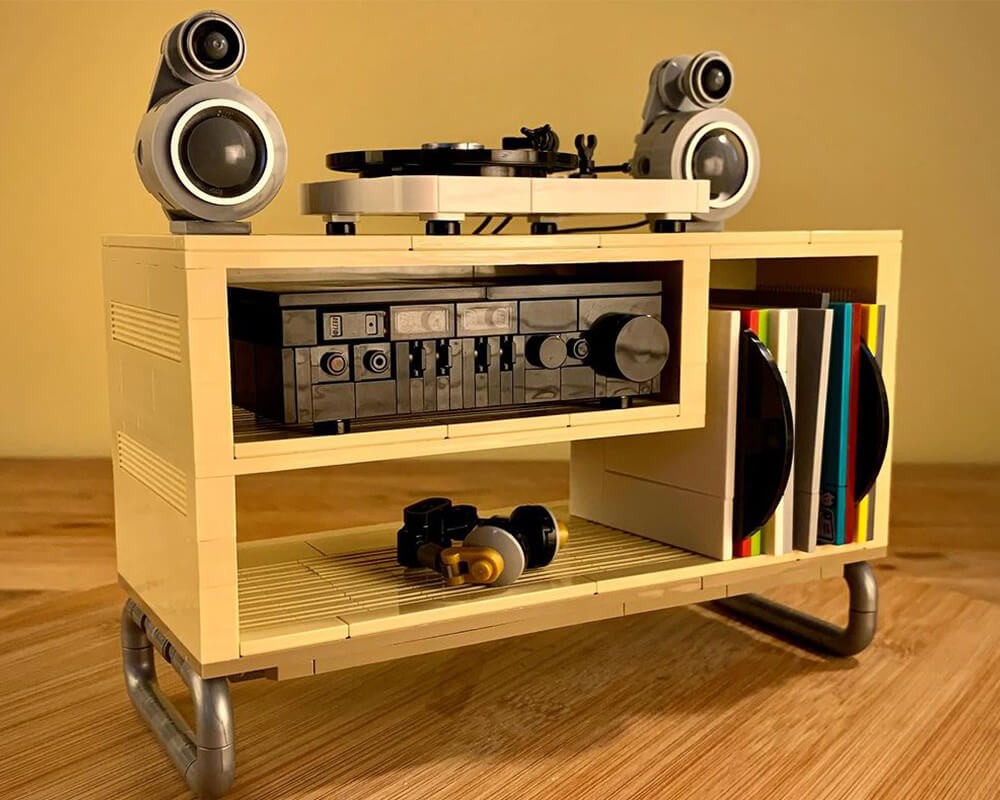
Creating an optimal vinyl listening experience at home involves careful consideration of both the physical space and the equipment you choose. A thoughtfully designed setup can significantly enhance the warmth and richness of vinyl sound, transforming your listening sessions into immersive experiences. This guide walks you through the necessary steps for achieving an ideal vinyl listening environment.
Room Acoustics and Furniture Placement
The acoustics of your room play a crucial role in the quality of sound you will experience. To optimize your listening environment, consider the following factors:
1. Room Size and Shape: Smaller, irregular rooms can often produce better sound quality due to fewer standing waves. Large, square rooms may require additional treatments to manage sound reflection.
2. Wall Treatments: Soft furnishings like carpets, curtains, and upholstered furniture can absorb sound and reduce echo. Consider incorporating acoustic panels or foam in the corners to mitigate bass build-up.
3. Speaker Positioning: Position speakers away from walls to avoid unwanted reflections. Ideally, they should be at ear level when seated, forming an equilateral triangle with the listening position.
4. Listening Position: The primary listening position should be at least one meter away from the speakers for optimal soundstage. Aim to sit slightly off-center to avoid the direct line of the speakers for a more natural sound.
5. Avoiding Obstacles: Ensure that furniture does not obstruct the path between speakers and the listening area, as this can interfere with sound clarity.
Checklist of Necessary Equipment and Accessories
To ensure that your vinyl listening setup is complete, here is a list of essential equipment and accessories:
– Turntable: The centerpiece of your setup, choose one that fits your budget and quality requirements.
– Phono Preamp: Essential for amplifying the signal from your turntable to line level.
– Speakers: Select speakers that match your turntable and room size for balanced audio.
– Amplifier/Receiver: If your speakers are passive, an amplifier is necessary to drive them.
– Speaker Stands: To achieve optimal height and positioning for your speakers.
– Isolation Pads: These can help in minimizing vibrations between the turntable and the surface it sits on.
– Cleaning Supplies: A vinyl brush and cleaning solution to keep your records in pristine condition.
Positioning Speakers and Turntables for Best Sound Stage
Proper positioning of your speakers and turntable is vital to creating a rich sound stage. Here’s a guide to help:
– Turntable Location: Place your turntable on a stable, level surface away from speakers to reduce vibration interference. A dedicated turntable stand is ideal.
– Speaker Distance: Place speakers approximately 1-2 meters apart, depending on your room size. Adjust distance for balance, ensuring they are angled slightly toward the listening area.
– Height Alignment: Speakers should be at ear level when seated, which often requires adjusting stand heights or using risers.
– Triangle Formation: Arrange your speakers and listening position in a triangle, with the listening seat at an equal distance to both speakers. This positioning creates a more immersive sound experience.
– Avoid Corners: If possible, keep speakers away from room corners to avoid excessive bass resonance and improve overall clarity.
By setting up your home vinyl listening space with careful attention to these aspects, you’ll create an environment that enhances the beauty and depth of your vinyl records, making each listening session a unique auditory journey.
The Evolution of Vinyl Sound Systems
The journey of vinyl sound systems is a fascinating narrative that stretches back over a century. Initially, vinyl records were crafted from shellac and played on manual phonographs, offering a unique audio experience that has evolved significantly over time. Today, vinyl sound systems are experiencing a vibrant resurgence, fueled by a blend of nostalgia and advancements in technology that enhance playback quality and user experience.
The historical development of vinyl sound systems illustrates the transformation of music consumption. Starting from the early 1900s, records were played on basic phonographs, and the sound quality was limited. As technology advanced, the introduction of the long-playing (LP) record in the late 1940s revolutionized the industry, allowing more music to be stored on a single disc and improving playback time. The 1960s and 70s saw the rise of high-fidelity (hi-fi) systems, which elevated the listening experience with better sound reproduction. With the decline of vinyl in the 1980s due to the advent of digital formats, many thought the medium had faded, but it has since made a remarkable comeback, becoming a staple in modern audio culture.
Technological Advancements in Vinyl Playback Quality
The evolution of vinyl sound systems is closely linked to several technological advancements that have significantly enhanced playback quality. Key improvements include:
– Turntable Design: Modern turntables feature improved materials and precision engineering that reduce vibrations and enhance sound fidelity. Features like adjustable tonearms and anti-skate mechanisms have improved tracking, resulting in cleaner sound reproduction.
– Cartridge Technology: Advances in cartridge design have led to greater accuracy in sound reproduction. High-end models utilize advanced stylus shapes, such as microlinear or shibata, which provide better contact with the record grooves, capturing more detail and dynamics.
– Vinyl Quality: The quality of vinyl records has improved dramatically. New formulations reduce surface noise and enhance durability. Many contemporary records are pressed on higher-quality materials, offering a superior listening experience compared to older pressings.
– Digital Enhancements: The integration of digital technology, such as built-in digital-to-analog converters (DACs) and Bluetooth connectivity, allows for greater versatility while maintaining the analog charm of vinyl playback.
The rise of high-fidelity audio systems has placed greater emphasis on the importance of these advancements, creating a market that values sound quality and craftsmanship.
Resurgence of Vinyl and Its Impact on Modern Audio Culture
The resurgence of vinyl in recent years reflects a broader trend in modern audio culture, characterized by a desire for authenticity and tangible music experiences. This revival can be attributed to several factors:
– Nostalgia and Aesthetics: Vinyl records evoke a sense of nostalgia, appealing to both older generations who grew up with the format and younger listeners discovering its charm. The large album art and physical interaction with the medium create a unique sensory experience.
– Collectibility: The collectibility of vinyl records has surged, with special editions, colored vinyl, and reissues becoming highly sought after. This trend promotes a culture of music appreciation that emphasizes quality over quantity.
– Community Engagement: Record stores and vinyl fairs have become cultural hubs, fostering community among music enthusiasts. These spaces encourage exploration and discovery, allowing listeners to engage with music in a more meaningful way.
– Streaming vs. Vinyl: While streaming offers convenience, many audiophiles argue that vinyl provides a richer audio experience. The tactile nature of handling records and the ritual of playing them contribute to a deeper connection with the music.
The revival of vinyl not only highlights its enduring appeal but also signifies a shift in how we engage with music today, blending the old with the new in a way that enriches our audio culture.
Customizing Your Vinyl Sound System
Vinyl sound systems offer an incredible opportunity for enthusiasts to create a listening experience that is uniquely their own. Customization is a key aspect of this journey, allowing individuals to tailor their systems to reflect personal tastes, preferences, and listening environments. With a variety of components and modifications available, the possibilities are nearly endless for those who want to elevate their vinyl experience.
Enhancing Sound Quality
Sound quality can be significantly improved through various modifications to your vinyl sound system. Upgrading specific components can transform your listening experience, making it rich and immersive. Below are popular modifications that enthusiasts often consider:
Upgrading the cartridge is one of the most impactful changes. High-quality cartridges can capture more detail from the vinyl grooves, resulting in clearer audio and better overall sound reproduction. There are several types of cartridges available, including moving magnet (MM) and moving coil (MC), each providing unique characteristics and benefits depending on the listener’s preferences.
Enhancing cables is another important aspect of sound quality. Investing in high-quality interconnect and power cables can reduce signal loss and interference, contributing to cleaner sound. Shielded cables can also help prevent outside noise from affecting the audio output, ensuring that you hear every nuance of your favorite records.
Speakers play a critical role in producing sound and should be considered for upgrades as well. Higher-end speakers designed for vinyl playback can deliver a more accurate representation of the music, with better bass response and clarity. Many audiophiles opt for bookshelf or floor-standing speakers that complement their aesthetic while enhancing audio quality.
To give a clearer understanding of popular customization options, consider the following:
- Cartridge Upgrades: Brands like Ortofon and Audio-Technica are well-regarded for their quality cartridges that suit different listening styles.
- Speaker Choices: KEF and Bowers & Wilkins offer exceptional speakers known for their clarity and soundstage, enhancing the overall vinyl listening experience.
- Cable Brands: Companies like Mogami and Nordost are celebrated for their high-performance cables that minimize interference.
Customizing your vinyl sound system isn’t just about improving sound; it’s also a way to express your personality and style. Each component can reflect your preferences, from the aesthetics of your turntable to the choice of speakers.
“A well-curated vinyl setup is not just about the music; it’s about the journey of sound.”
The Role of Vinyl in Music Appreciation
Vinyl records have become emblematic of a deeper, more immersive listening experience that transcends mere audio playback. Their resurgence in popularity underscores a collective yearning for the authenticity and warmth that these tangible formats provide. As listeners delve into the grooves of a vinyl record, they not only engage with the music but also connect with the cultural history that surrounds it.
The act of playing a vinyl record is a ritual in itself. Unlike digital formats that offer instant access to thousands of songs at the touch of a button, vinyl demands a more intentional approach. Setting up a turntable, carefully placing the needle on the record, and listening to the music in real-time creates an environment that fosters focused listening. This process encourages listeners to engage with the nuances of the music, from the subtleties of instrumentation to the emotional weight carried in the vocals.
Connection to Musicians and Collectors
Many musicians and collectors emphasize the cultural significance of vinyl, viewing it as a medium that preserves the authenticity of music. For example, renowned artist Jack White, founder of Third Man Records, has spoken passionately about vinyl’s ability to convey the artist’s vision. He often champions the format not just as a nostalgic choice but as a superior listening experience. Similarly, collector and music historian Michael Fremer highlights how the tactile nature of vinyl—its large cover art and the physical act of flipping sides—deepens one’s connection to the music itself.
Collectors often share anecdotes of finding rare records that have shaped their understanding of music history. A classic example is the discovery of a first pressing of The Beatles’ “White Album,” which can be worth thousands and tells a story of its own. The thrill of the hunt and the joy in uncovering hidden gems are experiences unique to vinyl collecting, enriching the overall appreciation of music as an art form.
Moreover, the tactile experience of handling records contributes significantly to music enjoyment. The weight of the vinyl, the feel of the grooves under one’s fingers, and the visual appeal of album artwork all enhance the connection to the music. Many collectors have expressed that the act of selecting and playing a record is almost meditative, creating a more immersive and mindful listening session.
In addition, the physicality of vinyl records invites listeners to actively participate in their music experience. Whether it’s flipping the record or examining the sleeve art, these actions create a sense of ownership and belonging. This tactile interaction is often lost in digital formats, where music is merely files on a device. Vinyl, therefore, serves not only as a medium for sound but as a vessel for emotion, culture, and history.
Troubleshooting Common Vinyl Sound System Issues
Vinyl sound systems can deliver an unparalleled audio experience, but they can encounter various issues that may frustrate users. Troubleshooting these problems effectively can enhance your listening experience and prolong the life of your equipment. This guide will cover common issues, their symptoms, and how to resolve them efficiently, ensuring your vinyl collection sounds its best.
Sound Distortion
Sound distortion can manifest as crackling, buzzing, or an unclear sound quality. It typically indicates problems with the cartridge, stylus, or connections. Identifying the source of distortion is crucial for restoring optimal sound quality.
- Check the Cartridge and Stylus: Ensure that the cartridge is securely mounted and the stylus is clean. Dirty or worn-out stylus can cause distortion.
- Inspect Cables: Look for frayed or damaged cables that may be affecting the signal. Replace any faulty cables to improve clarity.
- Adjust Tracking Force: Incorrect tracking force can lead to distortion. Refer to your turntable’s manual for recommended settings.
Regular maintenance of the stylus and cartridge can prevent sound distortion and enhance audio fidelity.
Skipping Records
Skipping records can interrupt playback and detract from the enjoyment of your music. This issue is often related to the turntable setup or condition of the vinyl itself.
- Level the Turntable: Ensure your turntable is placed on a stable, level surface. An uneven surface can cause the needle to skip.
- Examine the Record: Check for scratches, warps, or dust on the vinyl. Cleaning the record with a proper cleaning solution can often resolve skipping.
- Check the Tracking Weight: Setting the tracking weight too low can lead to skipping. Adjust it as recommended for your specific cartridge.
A well-maintained vinyl record collection can significantly reduce the occurrences of skipping.
Connectivity Problems
Connectivity issues can arise between your turntable and amplifier or speakers, leading to silence or poor audio quality. Identifying the root cause is essential for restoring proper functionality.
- Inspect Connections: Ensure all cables are securely connected to both the turntable and the amplifier. Loose or corroded connections can interrupt audio signals.
- Test Different Inputs: If your amplifier has multiple inputs, switch to another input to rule out issues with a specific channel.
- Check the Phono Preamp: If your turntable has a built-in preamp, ensure it is enabled. If using an external preamp, make sure it’s functioning properly.
Ensuring clean, secure connections is vital for maintaining the integrity of your vinyl sound system.
Conclusive Thoughts
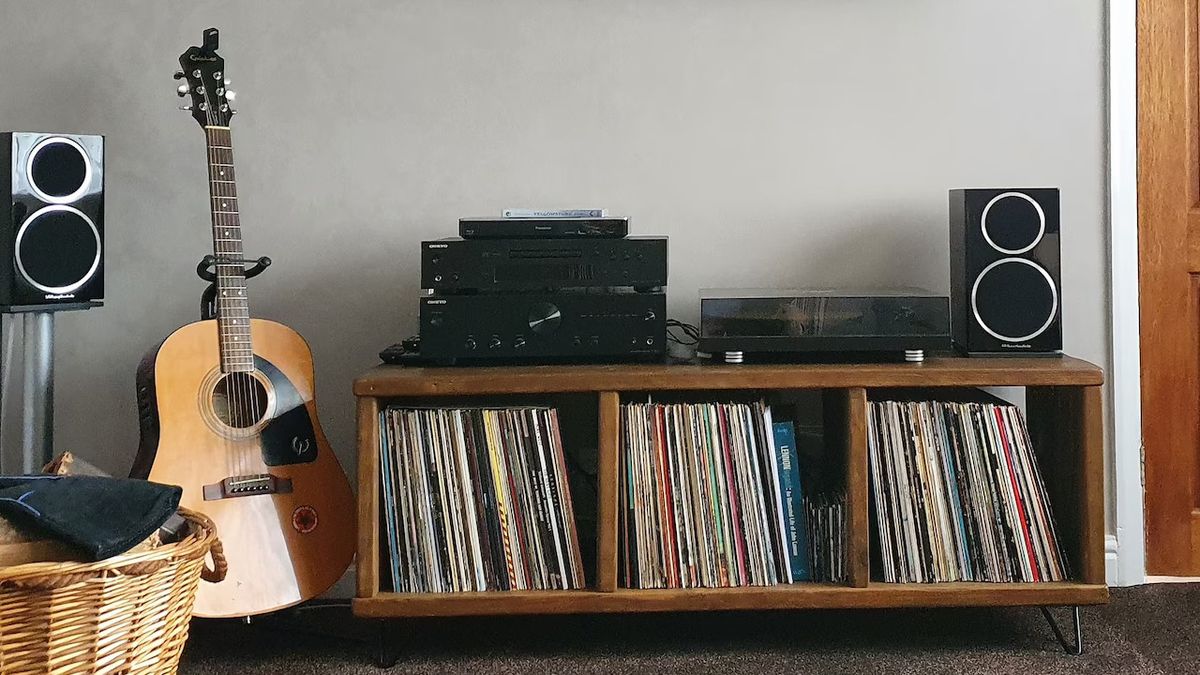
As we wrap up our exploration of the vinyl sound system, it’s clear that the world of vinyl offers not just music, but a deep connection to the art of sound. Whether you are a seasoned audiophile or a curious newcomer, embracing the charm of vinyl can lead to a richer appreciation of music that digital formats might overlook.
Top FAQs
What is the best way to clean vinyl records?
The best way to clean vinyl records is to use a carbon fiber brush to remove dust and a dedicated vinyl cleaning solution for deeper cleaning.
Can I use any speakers with my vinyl sound system?
While you can technically use any speakers, it’s best to choose ones specifically designed for audio fidelity to ensure the best sound quality.
Why do vinyl records sound better?
Vinyl records often have a warmer, richer sound due to their analog nature, capturing a broader range of audio frequencies than some digital formats.
How do I store my vinyl records properly?
Store vinyl records vertically in a cool, dry place, away from direct sunlight and heat sources, to prevent warping and damage.
What are some common issues with vinyl sound systems?
Common issues include sound distortion, skipping records, and connectivity problems, which can often be resolved with troubleshooting steps.