
 Zoe Nora
Wireless streaming speakers have transformed the way we enjoy music, podcasts, and audio content, bringing convenience and high-quality sound right to our fingertips. As technology evolves, these speakers have become an integral part of our modern lifestyles, seamlessly integrating into smart home ecosystems while providing an immersive listening experience. From their humble beginnings to the sophisticated devices we see today, wireless streaming speakers represent a significant leap forward in audio technology.
With advancements in connectivity, sound quality, and user-friendly features, these devices cater to diverse preferences and environments. Whether you’re hosting a gathering, enjoying a quiet evening at home, or simply want your favorite tunes playing while you work, wireless streaming speakers offer unmatched flexibility. Let’s explore their evolution, benefits, essential features, and the future of this exciting audio technology.
The Evolution of Wireless Streaming Speakers
Over the years, wireless streaming speakers have undergone significant transformations, driven by rapid technological advancements. From their humble beginnings, these devices have evolved into sophisticated audio solutions that enhance the way we experience music and sound in our daily lives. This evolution reflects not only improvements in audio quality but also innovations in connectivity and user interface, catering to the diverse needs of audio enthusiasts.
The journey of wireless streaming speakers can be traced back to the introduction of Bluetooth technology in the 1990s. Initially, Bluetooth speakers offered limited range and audio quality. However, as Bluetooth standards improved, users began to appreciate the convenience of wire-free audio. The introduction of Bluetooth 4.0 in 2010 marked a pivotal moment, offering increased range and energy efficiency, which enabled longer playtimes without draining batteries quickly. Moreover, the incorporation of aptX codec technology enhanced audio streaming quality, making it nearly indistinguishable from wired connections.
The rise of Wi-Fi technology in the streaming speaker market revolutionized the audio experience further. Wi-Fi-enabled speakers, such as those utilizing the Sonos system, allowed for multi-room audio and seamless integration with various streaming services. This advancement enabled users to enjoy high-resolution audio without the limitations of Bluetooth bandwidth. Additionally, the development of protocols like Apple AirPlay and Google Cast provided users with versatile options for streaming content, allowing them to control their audio experience from multiple devices.
Smart speakers have also played a significant role in shaping the evolution of wireless audio. The introduction of voice assistants like Amazon Alexa and Google Assistant transformed how users interact with their speakers, moving from traditional controls to voice commands. This shift has allowed for a more intuitive user experience, enabling hands-free operation and creating a more immersive environment for listening, whether through voice commands for playlists or smart home integration.
The incorporation of artificial intelligence in modern streaming speakers has further enhanced user experience. By learning user preferences, these devices can curate personalized playlists and recommend new music, making the listening experience tailored to individual tastes. Moreover, advancements in sound technology, such as spatial audio and surround sound features, have elevated the auditory experience, allowing users to enjoy music as if they were in a live performance setting.
In summary, the evolution of wireless streaming speakers is marked by significant technological advancements that have dramatically influenced user experience. From the early days of basic Bluetooth speakers to sophisticated Wi-Fi-enabled systems with smart capabilities, the audio landscape has transformed into a dynamic environment that prioritizes convenience, quality, and personalization. As we look to the future, the integration of emerging technologies will likely continue to shape the way we enjoy and interact with music, ensuring that wireless streaming speakers remain at the forefront of audio innovation.
Technological Advancements Shaping User Experience
The technological advancements in wireless streaming speakers have resulted in a more immersive and user-friendly audio experience. These innovations include enhanced connectivity options, superior sound quality, and interactive features that cater to modern consumers’ needs.
Key advancements include:
- Bluetooth 4.0 and Beyond: Improved range and energy efficiency have made wireless streaming more reliable and convenient.
- Wi-Fi Streaming: Enabled high-resolution audio streaming and multi-room capabilities, allowing users to enjoy music throughout their homes seamlessly.
- Smart Assistant Integration: Voice-controlled features have made interactions with audio devices more intuitive and hands-free.
- AI Personalization: Machine learning algorithms curate personalized playlists and recommendations, enhancing the overall music discovery experience.
- Spatial Audio Technology: Offers an immersive sound experience that mimics a live performance, adding depth to the listening experience.
In conclusion, these advancements have not only improved the functionality of wireless streaming speakers but also enriched the way users engage with their audio content, making listening a more enjoyable and personalized activity.
The Benefits of Using Wireless Streaming Speakers in Modern Homes
Integrating wireless streaming speakers into a modern home significantly elevates the audio experience, seamlessly blending convenience with advanced technology. As homes evolve into smart environments, these devices not only offer superior sound quality but also enhance the overall lifestyle of its users. The convenience and flexibility offered by wireless systems are redefining how we enjoy music and audio in our daily activities.
Wireless streaming speakers are an essential component of any smart home ecosystem, allowing for effortless connectivity with other devices and systems. They support various streaming services, giving users the ability to access a vast library of music with just a few taps on a mobile device. This integration promotes an environment where audio can be controlled from anywhere within the home, eliminating the limitations of traditional audio setups.
Advantages of Wireless Speakers Over Traditional Wired Systems
The transition from wired to wireless speakers has transformed how audio systems are installed and utilized. Here are some key benefits that underline the advantages of wireless speakers in modern homes:
- Flexibility in Placement: Wireless speakers can be placed anywhere without the constraints of cables. This freedom allows for optimal sound placement based on room acoustics, enhancing the listening experience.
- Easy Setup and Installation: Setting up wireless speakers is straightforward, often requiring minimal technical skills. Users can quickly connect these devices to their home Wi-Fi network and start streaming music in a matter of minutes.
- Multi-Room Audio Capability: Many wireless speakers support multi-room configurations, enabling users to play different music in different rooms or synchronize audio throughout the home.
- Mobile Control: Through smartphone apps, users can manage their audio settings, playlists, and speaker configurations remotely, allowing for a personalized listening experience.
- Seamless Integration with Smart Home Systems: Wireless speakers can easily connect with voice assistants like Amazon Alexa or Google Assistant, allowing users to control playback with voice commands and integrate audio with other smart home devices.
The ability to cater to various lifestyles is apparent in the wide range of options available on the market. For instance, families can use wireless speakers to enjoy music while cooking or hosting gatherings, while individuals may prefer a compact size for personal use in a home office. Furthermore, many models offer features like water resistance, making them suitable for outdoor use, thereby expanding the potential for various activities.
In summary, the advantages of wireless streaming speakers extend beyond just sound quality. They foster a modern lifestyle where convenience, flexibility, and smart technology converge, making them an indispensable addition to any contemporary home.
Essential Features to Look for in Wireless Streaming Speakers
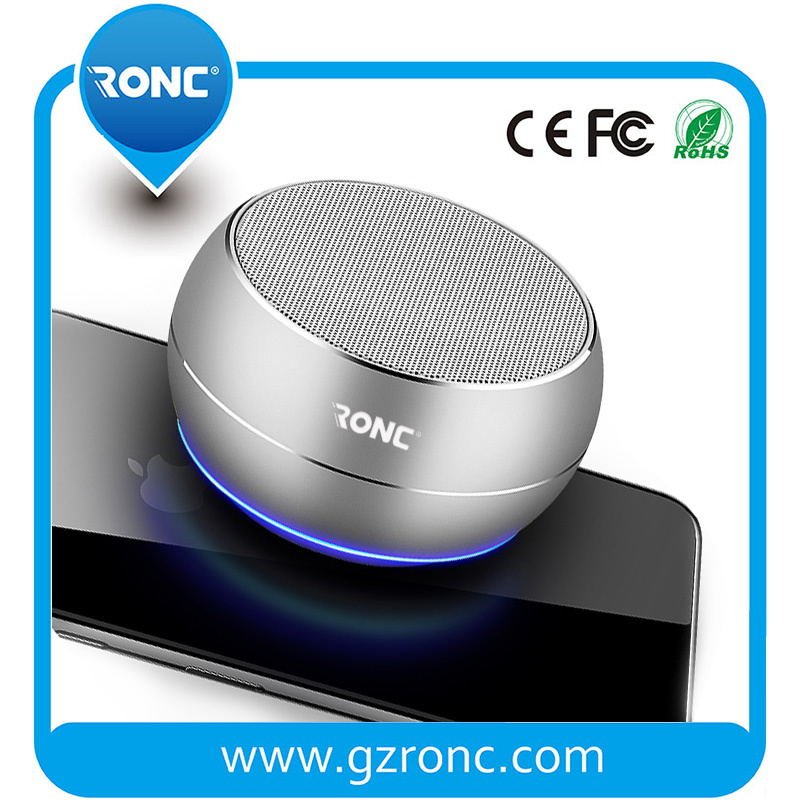
When it comes to choosing the right wireless streaming speakers, several essential features can significantly enhance your listening experience. Understanding these specifications will guide you in making informed decisions that cater to your specific needs and preferences. This discussion highlights critical features such as sound quality, battery life, connectivity options, and portability, which play vital roles in overall performance and satisfaction.
Key Specifications for Optimal Performance
Selecting wireless streaming speakers involves carefully considering various specifications that directly impact audio quality and user experience. The following table organizes essential features you should evaluate:
| Feature | Description | Importance |
|---|---|---|
| Sound Quality | Refers to the clarity, balance, and depth of audio. | Ensures an immersive listening experience. |
| Battery Life | The duration the speaker can operate on a single charge. | Determines how long you can enjoy music without interruption. |
| Connectivity Options | Includes Bluetooth, Wi-Fi, and auxiliary inputs. | Offers versatility in connecting with various devices. |
| Portability | Weight and design that facilitate easy transport. | Enhances convenience for outdoor or travel use. |
The significance of sound quality cannot be overstated. It directly influences how enjoyable the music is, affecting everything from bass response to treble clarity. High-fidelity speakers reproduce sound accurately, making them ideal for audiophiles who appreciate nuanced audio details. Conversely, low-quality speakers may produce distorted sounds, leading to dissatisfaction.
Battery life is another critical feature, especially for users who intend to use their speakers outdoors or during travel. A speaker with a long-lasting battery will allow for extended use without the need for frequent recharging, providing greater freedom to enjoy music without interruptions. For example, a portable speaker with up to 20 hours of battery life can support a day of picnicking or a lengthy outdoor event.
Connectivity options greatly enhance the usability of wireless streaming speakers. A speaker that supports multiple connection types—like Bluetooth for seamless pairing with smartphones and Wi-Fi for high-quality streaming—provides flexibility in how users can enjoy their music. Moreover, auxiliary inputs can allow for wired connections to devices that may not support wireless streaming.
Portability is also paramount for those who wish to take their music on the go. Lightweight designs and compact structures make it easier to carry speakers to various settings, from beach outings to casual gatherings. A speaker that’s easy to transport encourages more frequent use and can become a staple for social occasions.
Evaluating these features thoroughly will lead to a more satisfying purchase, ensuring your wireless streaming speaker meets your audio needs and lifestyle.
Popular Wireless Streaming Speaker Brands and Their Unique Offerings
The wireless streaming speaker market has experienced explosive growth over the past few years, driven by advancements in technology and evolving consumer preferences. As more people embrace the convenience of streaming music wirelessly, several brands have emerged as leaders in this space, each offering unique products tailored to meet diverse consumer needs. This discussion highlights some of the most popular brands and their distinctive offerings, shedding light on what sets them apart in a competitive landscape.
Leading Brands and Their Signature Products
Several brands have established themselves as frontrunners in the wireless streaming speaker category. Each brand brings something special to the table, ensuring consumers have a range of options to choose from.
- Sonos
– Known for its multi-room audio capabilities, allowing users to sync music across multiple speakers.
– Offers high-fidelity sound quality that attracts audiophiles.
– Compatible with numerous streaming services, providing flexibility for users’ music preferences. - JBL
– Renowned for portable and rugged designs, making their speakers ideal for outdoor use.
– Features impressive battery life, allowing for extended listening sessions on the go.
– Offers a variety of sound profiles, catering to different music genres. - Bose
– Focuses on premium build quality and aesthetic design, appealing to style-conscious consumers.
– Provides active noise cancellation in some models, enhancing the listening experience in noisy environments.
– Integrated voice assistant capabilities for hands-free control. - Apple (HomePod)
– Seamless integration with the Apple ecosystem, making it a favorite among Apple device users.
– High-quality audio performance with spatial awareness for immersive sound.
– Regular software updates ensure continuous improvements and features.
Brand reputation significantly influences consumer choices in the wireless streaming speaker category. Consumers often gravitate towards brands with a strong track record of quality and reliability. A well-established brand can evoke trust, which is paramount in purchasing decisions, especially for higher-priced items like wireless speakers. For instance, brands like Sonos and Bose have built reputations based on exceptional sound quality and user-centric designs. This reliability fosters customer loyalty, as buyers are more inclined to stick with brands they know and trust for future purchases.
Moreover, brand reputation can also dictate perceived value. Consumers may associate well-known brands with superior technology and innovative features, leading them to prioritize these options despite potentially higher price points. For example, Apple’s HomePod commands a premium price due to its brand prestige and perceived value, which can sway customers who prioritize brand image and ecosystem compatibility over budget considerations.
Additionally, online reviews and word-of-mouth recommendations heavily influence consumer perceptions. A strong reputation can lead to positive reviews, which further solidifies a brand’s status and ultimately drives sales. In contrast, a brand that suffers from negative feedback may find it challenging to gain traction in the market, regardless of the quality of their products. In conclusion, a brand’s reputation is an essential factor that shapes consumer choices, impacting their purchasing behavior and loyalty in the competitive wireless streaming speaker market.
The Future of Wireless Streaming Speakers and Emerging Trends
The landscape of wireless streaming speakers is rapidly evolving, driven by technological advancements and shifting consumer preferences. As we look ahead, several trends are emerging that could significantly reshape the way users interact with audio devices. From multi-room audio systems to enhanced voice control features, these innovations promise to enhance user experience and accessibility, while also presenting certain challenges for the industry.
Emerging Trends in Wireless Audio Technology
One of the most significant trends in wireless audio technology is the rise of multi-room audio systems. These systems allow users to play music simultaneously across multiple rooms or spaces, creating a seamless listening experience. The appeal lies in the convenience and flexibility they offer, enabling users to enjoy their favorite tunes throughout their home without the need for complex wiring or setup. Such systems often integrate with smart home technologies, providing a unified control experience.
Another notable trend is the integration of voice control capabilities. With the proliferation of smart assistants like Amazon Alexa, Google Assistant, and Apple Siri, users can control their speakers using voice commands, making audio management more intuitive and hands-free. This feature is particularly valuable for multitasking scenarios, where users can request music or adjust settings without needing to engage physically with the device. The convenience of voice control significantly enhances user interaction, making audio devices more accessible and user-friendly.
As with any evolving technology, there are challenges to consider. Privacy concerns surrounding voice-activated devices are prominent, as users may be apprehensive about their conversations being recorded or analyzed. The industry must address these concerns by ensuring robust security measures and transparent data handling practices. Additionally, as multi-room systems become more prevalent, the need for robust and consistent network connectivity becomes critical. Users will expect seamless audio streaming without interruptions, which can be problematic in areas with weak Wi-Fi signals.
Moreover, compatibility between different brands and ecosystems remains a hurdle. Consumers often find themselves locked into specific ecosystems, limiting their ability to mix and match devices. The industry could benefit from establishing standards that enhance interoperability among devices, fostering a more cohesive user experience.
While the future of wireless streaming speakers is promising, it is essential for manufacturers to focus on enhancing the user experience while addressing these challenges. For instance, innovations such as mesh networking could provide reliable connectivity across larger spaces, allowing users to enjoy high-quality audio without disruptions.
In addition to these technological advancements, the aesthetic design of speakers is evolving. Consumers now seek devices that not only perform well but also complement their home decor. This trend has led to the emergence of stylish, designer audio products that prioritize both functionality and form.
In summary, the future of wireless streaming speakers is characterized by exciting trends that enhance user interaction and convenience. Multi-room systems and voice control integration are leading the way, but the industry’s success will depend on addressing privacy concerns, ensuring reliable connectivity, and promoting compatibility across various platforms. As these challenges are met, users can expect an increasingly integrated and enjoyable audio experience.
Setting Up and Optimizing Your Wireless Streaming Speaker Experience
Setting up a wireless streaming speaker can significantly enhance your audio experience. With the right setup, you can enjoy seamless streaming, rich sound quality, and connectivity that lasts. Below is a comprehensive guide on how to effectively set up your wireless speaker, along with troubleshooting tips for common issues.
Step-by-Step Guide to Setup
To ensure optimal performance of your wireless streaming speaker, follow these straightforward steps. A proper setup not only connects your device but also enhances the audio quality.
1. Unbox and Inspect: Carefully take your speaker out of the box. Make sure you have all the accessories, including the power adapter and any cables.
2. Charge the Speaker: If your speaker is battery-operated, fully charge it before the first use. This ensures optimal performance.
3. Connect to Power: For wired setups, connect your speaker to a power source using the provided adapter.
4. Download the App: Many wireless speakers come with a dedicated app. Download it from your device’s app store for additional features and settings.
5. Turn On the Speaker: Power on the speaker and ensure it’s in pairing mode. This may involve pressing a designated button or holding down the power button.
6. Connect via Bluetooth/Wi-Fi: On your smartphone or tablet, go to the Bluetooth or Wi-Fi settings and select your speaker from the list of available devices. Follow any on-screen prompts to complete the connection.
7. Adjust Settings: Use the app to adjust sound settings, including equalizer options, volume controls, and any other personalized preferences.
8. Test the Audio: Play a variety of audio to check the sound quality. Make adjustments as necessary for an optimal listening experience.
Troubleshooting Common Issues
Despite the best setups, users may encounter issues. Here’s a helpful table of common problems and their solutions:
| Issue | Possible Solution |
|---|---|
| No Sound | Check if the volume is muted or too low; ensure the speaker is connected to the correct device. |
| Connection Drops | Move the speaker closer to the device; ensure no obstructions are blocking the signal. |
| Audio Delays | Try restarting both the speaker and the connected device; check for any software updates. |
| Speaker Won’t Connect | Reset the speaker to factory settings; ensure Bluetooth or Wi-Fi is enabled on your device. |
Enhancing Sound Quality and Connectivity
Proper setup is crucial not only for connectivity but also for sound quality. Ensuring that your speaker is placed in an optimal position can drastically improve audio performance. Speakers should ideally be positioned at ear level and away from walls, allowing sound waves to travel freely. This helps in achieving a balanced sound profile, as reflected in various acoustic studies.
Consider acoustic treatments, such as rugs or curtains, which can absorb excess sound reflections and enhance clarity. Additionally, configuring the speaker’s EQ settings through the app allows personalization based on your listening environment—whether it’s a large living room or a petite bedroom.
In terms of connectivity, using a dedicated Wi-Fi network instead of Bluetooth can provide better streaming quality. Many modern speakers support dual-band Wi-Fi, allowing for less interference and smoother playback. Choosing a location away from other electronic devices can reduce signal disruption, ensuring a stable connection for uninterrupted audio enjoyment.
By following these setup guidelines and optimizing your environment, you can create a listening experience that maximizes the capabilities of your wireless streaming speaker.
The Role of Wireless Streaming Speakers in Social Gatherings and Events
Wireless streaming speakers have become an essential element in enhancing the ambiance of social gatherings and events. They provide a seamless audio experience that can transform any occasion into a memorable celebration. Whether it’s a backyard barbecue, a birthday party, or a wedding reception, these devices create an inviting atmosphere through their ability to deliver high-quality sound without the hassle of wires or complicated setups.
The impact of shared audio experiences in social settings cannot be overstated. Music has a unique way of bringing people together, and wireless streaming speakers play a pivotal role in facilitating this connection. They allow users to curate playlists that match the mood of the event, whether it’s upbeat tunes for a lively dance party or soft background music for a dinner gathering.
Examples of Scenarios Enhancing User Experience
Consider a cozy outdoor gathering where friends are enjoying a summer evening. A wireless streaming speaker can effortlessly fill the air with their favorite songs, encouraging guests to sing along and dance. Alternatively, in a corporate event, a well-placed speaker can enhance presentations with sound effects or background music that keeps participants engaged without being intrusive.
The convenience of wireless streaming speakers allows for flexibility in their placement, making it easy to adjust the audio experience based on the layout of the event. For instance, at a wedding reception, they can be strategically positioned around the venue to ensure that every guest, regardless of where they are seated, can enjoy the music. This shared audio experience fosters a sense of unity among attendees, as everyone is enjoying the same soundscape together.
Moreover, the ability to connect multiple speakers wirelessly means that larger gatherings can benefit from synchronized sound across different areas. Imagine a festival where different zones feature various genres of music, yet all are interconnected through a single streaming service. This not only enhances the experience but also allows for creative expressions through sound, making events more dynamic and engaging.
In summary, wireless streaming speakers are crucial in shaping the atmosphere of social gatherings. They elevate the ambiance, encourage shared experiences, and provide flexibility that enhances the overall enjoyment of any event.
Comparing Wireless Streaming Speakers with Other Audio Solutions
Wireless streaming speakers have become a staple in modern audio technology, providing convenient and high-quality sound experiences without the hassle of wires. When considering audio solutions, it’s essential to compare wireless streaming speakers with alternatives such as soundbars, traditional speakers, and headphones. Each audio solution has its unique strengths and weaknesses, making the choice highly dependent on individual needs and preferences.
Comparative Analysis of Audio Solutions
To better understand how wireless streaming speakers stack up against other audio solutions, the following table summarizes the key pros and cons of each option:
| Audio Solution | Pros | Cons |
|---|---|---|
| Wireless Streaming Speakers |
|
|
| Soundbars |
|
|
| Traditional Speakers |
|
|
| Headphones |
|
|
Personal preferences play a significant role in the choice of audio devices. For some users, the convenience of wireless streaming speakers fits seamlessly into their lifestyle, enabling them to enjoy music and podcasts across various rooms without the hassle of tangled wires. Others may prioritize sound quality and opt for traditional speakers, as they often provide a richer audio experience, especially for audiophiles or those who appreciate high-fidelity sound. Soundbars are commonly chosen by individuals seeking a streamlined solution that enhances television audio without taking up much space, while headphones cater to those who prefer an intimate listening experience, particularly in public or shared environments.
Ultimately, the decision on which audio solution to choose is influenced by factors such as intended use, available space, and personal taste in audio quality. Each type of audio device serves different needs, and understanding these distinctions can lead to a more satisfying listening experience.
Closing Notes

In conclusion, wireless streaming speakers are not just a trend; they are an essential tool that enhances our audio experiences in various aspects of life. As we have seen, their evolution reflects broader technological advancements, making them more user-friendly and capable than ever before. The future holds exciting possibilities, with emerging trends promising to further enrich our interaction with sound. Embracing these innovations will undoubtedly lead to even more enjoyable and connected experiences.
FAQ Overview
What is a wireless streaming speaker?
A wireless streaming speaker is a portable audio device that connects to the internet or local networks to stream music and audio without the need for wired connections.
Can I use wireless streaming speakers with my TV?
Yes, many wireless streaming speakers can be paired with TVs via Bluetooth or Wi-Fi, allowing for enhanced sound during movies and shows.
How do I connect my wireless streaming speaker to my phone?
You can connect your wireless streaming speaker to your phone using Bluetooth or through a compatible app that supports Wi-Fi connections.
Do wireless streaming speakers require Wi-Fi?
Not all wireless streaming speakers require Wi-Fi; some can connect via Bluetooth, allowing for music playback without an internet connection.
How do I choose the right wireless streaming speaker for my needs?
Consider factors such as sound quality, battery life, connectivity options, and portability to find a speaker that suits your specific requirements.