
 Zoe Nora
Spotify Connect speaker brings a new dimension to how we experience music, allowing seamless integration across multiple devices. With just a few taps, your favorite tunes can flow effortlessly from your phone to your speaker, creating an immersive sound experience that adapts to your lifestyle.
This innovative technology not only enhances convenience but also ensures sound quality and connectivity, making it a must-have for audiophiles and casual listeners alike. As we delve deeper, we will explore its evolution, features, and how it integrates into our smart homes, making the listening experience richer and more enjoyable.
Understanding the Basics of Spotify Connect Speakers
Spotify Connect speakers are smart audio devices designed to enhance music streaming experiences by allowing users to play their favorite tracks from various devices seamlessly. These speakers integrate with the Spotify app, enabling users to control playback via smartphones, tablets, or computers. With Spotify Connect, users can select songs, control volume, and switch tracks without being tethered to the speaker itself, elevating the convenience of listening to music.
The core function of Spotify Connect speakers is to provide a wireless and intuitive way to enjoy music. By utilizing Wi-Fi rather than Bluetooth, these speakers ensure better sound quality and a more reliable connection. This technology enables users to stream high-fidelity audio without interruptions that often accompany Bluetooth connections, such as range limitations or disconnections. Users can also group multiple Spotify Connect speakers to create a synchronized multi-room audio experience, allowing for consistent listening throughout larger spaces.
Importance of Compatibility with Various Audio Devices
The compatibility of Spotify Connect speakers with various audio devices is crucial for maximizing the user experience. Spotify Connect operates on an open API that allows a wide range of devices to connect and interact seamlessly. This diversity in compatibility means that users can choose from an extensive array of speakers, soundbars, and home audio systems without being limited to a specific brand or model.
Having a broad spectrum of compatible devices ensures that users can integrate their existing audio setup with Spotify Connect speakers effortlessly. For instance, whether using high-end audio systems from brands like Sonos or more affordable options from manufacturers like JBL or Bose, users can enjoy the Spotify service across different platforms without compromise.
The importance of this compatibility is underscored by its ability to cater to various user preferences and budget ranges. Users can enhance their audio experience by selecting devices that suit their tastes and financial constraints, all while enjoying the same Spotify features. As a result, the rich ecosystem of Spotify Connect speakers supports both casual listeners and audiophiles alike, making it a versatile choice for anyone looking to upgrade their music listening options.
Additionally, the integration of Spotify Connect with smart home systems adds another layer of convenience. Users can control their audio experience hands-free through voice commands via devices like Amazon Echo or Google Home, further showcasing the importance of compatibility in modern audio solutions.
The Evolution of Spotify Connect Technology
Spotify has emerged as a frontrunner in the world of music streaming since its inception in 2006, continuously evolving to meet the demands of users and the technological landscape. One pivotal aspect of its growth has been the integration of its service with smart speakers, which has significantly transformed the music listening experience. From its early days as a desktop application to its current status as a mobile and smart home powerhouse, Spotify’s innovations have reshaped how music is accessed and enjoyed.
As streaming technology has advanced, platforms like Spotify have adapted by implementing new features that enhance user convenience and engagement. The introduction of Spotify Connect in 2013 marked a significant milestone, allowing users to stream music directly from their devices to compatible speakers and TVs without the need for auxiliary cables or complex setups. Spotify Connect utilizes Wi-Fi connectivity, ensuring a stable and high-quality listening experience compared to traditional Bluetooth streaming.
Technological Advancements in Streaming Services
The evolution of streaming technology has brought forth several key advancements that have positively impacted user experience.
- Improved Streaming Quality: The transition from standard definition to high-definition audio has made it possible for listeners to enjoy their favorite tracks with greater clarity and depth. Services now offer lossless formats, appealing to audiophiles who desire premium sound quality.
- Seamless Integration: Smart speakers such as Amazon Echo and Google Home have created an ecosystem where Spotify Connect operates smoothly. Users can control music playback through voice commands, adding a layer of convenience.
- Personalization Through AI: Leveraging artificial intelligence, Spotify has enhanced its recommendation algorithms, ensuring that users receive tailored playlists and suggestions. This technology improves user engagement by presenting music that matches individual tastes.
- Social Sharing Features: The integration of social media functionalities allows users to share their favorite tracks and playlists easily. This not only fosters community among users but also opens avenues for music discovery.
- Cross-Platform Accessibility: Spotify has made strides in ensuring that its service is available across various devices, from smartphones to smart TVs. This flexibility allows users to enjoy their music anytime, anywhere.
“The future of music listening is all about accessibility and personalization, enabling users to connect to their favorite tunes effortlessly.”
These advancements have significantly enriched the user experience, making listening to music more enjoyable, personalized, and interactive than ever before.
Key Features of Spotify Connect Speakers
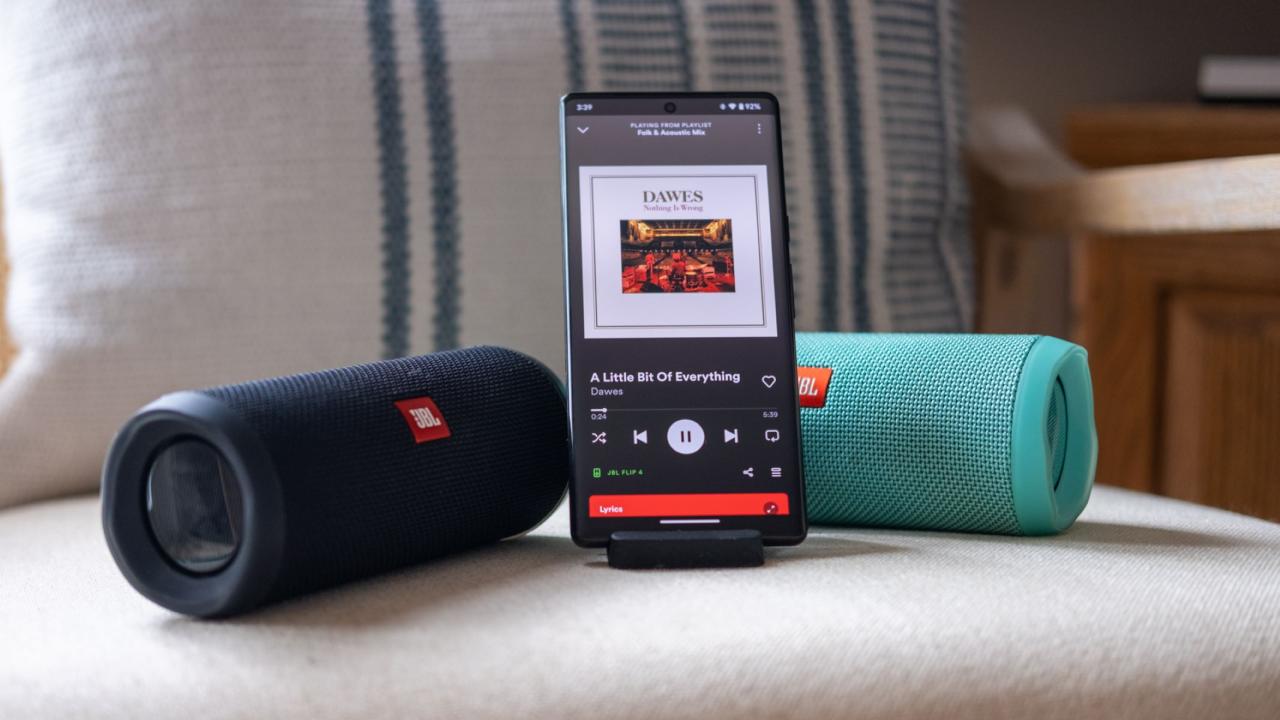
Spotify Connect speakers set themselves apart from traditional audio devices by offering seamless integration with the Spotify ecosystem. This innovative technology enables users to stream music directly from their devices to the speakers, enhancing convenience and sound quality. Unlike conventional speakers that require direct connection via auxiliary cables or Bluetooth, Spotify Connect speakers utilize Wi-Fi for a more stable and high-fidelity audio experience. This means less hassle with pairing and better sound clarity, making it easier for listeners to enjoy their favorite tunes.
One of the standout features of Spotify Connect speakers is their compatibility with voice control systems. Many of these speakers are integrated with virtual assistants like Amazon Alexa or Google Assistant, allowing users to control playback, adjust volume, and even switch songs using simple voice commands. This hands-free operation is particularly useful in smart homes, where managing multiple devices with voice control enhances the overall user experience. The ability to integrate with other smart home devices means that users can create customized environments that cater to their preferences, making smart living more enjoyable.
Multi-Room Audio Functionality
Multi-room audio functionality takes the listening experience to a whole new level by allowing users to synchronize music across multiple Spotify Connect speakers within a home. This feature enhances user enjoyment by creating an immersive sound experience that fills every room, whether it’s for a party, a family gathering, or simply enjoying music throughout the day.
The importance of multi-room audio lies in its ability to deliver continuous sound without interruptions, ensuring that users can enjoy their favorite playlists no matter where they are in their home. With Spotify Connect, users can group speakers together and control them from their Spotify app, making it easy to play the same song across all speakers or different songs in each room. This flexibility caters to various moods and activities, from upbeat tracks for entertaining guests to soothing sounds for relaxation.
Multi-room audio also fosters connectivity in social settings. When hosting gatherings, being able to control the music from a single device and having it flow seamlessly throughout the space enhances the atmosphere. Furthermore, users can define specific zones within their home, allowing for personalized soundscapes tailored to different activities. For instance, a lively playlist can be played in the living room while soft background music accompanies dinner in the dining area. This capability not only amplifies the auditory experience but also transforms how users interact with their environment.
Popular Brands and Models of Spotify Connect Speakers
In recent years, Spotify Connect speakers have gained immense popularity due to their seamless integration with streaming services. These speakers allow users to enjoy high-quality audio directly from Spotify without needing to connect via Bluetooth or aux cables. As the market expands, several reputable brands have emerged, each offering unique features and models that cater to different audio preferences.
When considering a Spotify Connect speaker, it’s essential to look at the brands and models that stand out for their quality, usability, and design. Here’s a closer look at some of the most trusted brands and their notable offerings.
Reputable Brands and Their Models
Several brands have made a name for themselves in the world of Spotify Connect speakers. Below is a list showcasing prominent manufacturers and key models, along with their unique selling points:
- Bose
- Bose Home Speaker 500 – Known for its impressive soundstage and built-in voice assistant, this model offers dual speakers and a sleek design, making it a perfect fit for any modern living space.
- Sonos
- Sonos One – With its ability to play music from multiple streaming services, this speaker features robust sound quality and voice control through Alexa and Google Assistant.
- Sonos Five – Designed for audiophiles, this speaker delivers a powerful bass response and rich sound details, perfect for larger rooms.
- Google
- Google Nest Audio – This compact speaker offers excellent sound quality for its size, with smart home integration and voice commands, making it user-friendly and versatile.
- Amazon
- Amazon Echo Studio – This speaker provides immersive sound with Dolby Atmos support, catering to users looking for a high-fidelity audio experience paired with Alexa capabilities.
- JBL
- JBL Link Portable – A versatile option with a waterproof design, this speaker can be used both indoors and outdoors, delivering a balanced sound and ease of portability.
Comparison of Sound Quality and User Experience
When comparing sound quality and user experience across different models, several factors come into play, including audio fidelity, connectivity options, and usability features.
For instance, the Sonos One is widely recognized for its balanced sound profile that can fill a room, making it a favorite for casual listeners and serious audiophiles alike. In contrast, the Bose Home Speaker 500 stands out due to its expansive soundstage and clear vocal reproduction, which is ideal for those who enjoy podcasts or vocal-centric music.
In terms of user experience, the Amazon Echo Studio provides rich sound quality while also integrating seamlessly with Amazon’s ecosystem, which includes various smart devices. The Google Nest Audio, while slightly lower in sound quality compared to the Echo Studio, excels in providing a user-friendly interface with Google Assistant, making it particularly appealing to Android users.
Most of these speakers offer additional features such as multi-room audio capabilities, which allow users to sync music across different devices for a more immersive experience. For example, the Sonos Five excels with its ability to connect with other Sonos devices, providing a comprehensive audio solution for larger spaces.
In conclusion, each brand and model has unique strengths that cater to different audio preferences and use cases. Whether you prioritize sound quality, smart features, or design aesthetics, the right Spotify Connect speaker can significantly enhance your listening experience.
How to Set Up and Use Spotify Connect Speakers
Setting up and using Spotify Connect speakers can greatly enhance your listening experience, allowing you to stream music directly from your device to high-quality speakers. This guide will walk you through the process of setting up a Spotify Connect speaker, troubleshoot common connection issues, and manage your devices within the Spotify app effectively.
Step-by-Step Guide for Setting Up Spotify Connect Speakers
To enjoy seamless music streaming, it’s essential to set up your Spotify Connect speakers correctly. Follow this step-by-step process:
1. Choose the Right Speaker: Ensure that your speaker is compatible with Spotify Connect. Most modern smart speakers come with this feature.
2. Connect to Wi-Fi: Make sure your speaker is connected to the same Wi-Fi network as your smartphone or tablet. This is crucial for the connection to work.
3. Download the Spotify App: If you haven’t already, download the Spotify app from the App Store or Google Play Store.
4. Log Into Your Account: Open the Spotify app and log into your account. If you don’t have an account, create one.
5. Select Your Speaker: Once logged in, tap on the “Devices Available” icon at the bottom of the screen and select your Spotify Connect speaker from the list.
6. Start Streaming: Choose any song, playlist, or podcast to begin streaming. Your sound will now play through your selected speaker.
Troubleshooting Connection Issues
Sometimes, connection issues can arise when using Spotify Connect. Here are some common troubleshooting tips:
– Check Wi-Fi Connection: Ensure that both your speaker and your device are connected to the same Wi-Fi network.
– Restart Devices: Restart your smartphone and speaker if you experience any connectivity issues.
– Update Software: Ensure that both the Spotify app and your speaker’s firmware are up to date.
– Forget and Reconnect: If problems persist, forget the Wi-Fi network on your speaker and reconnect it.
Managing Devices within the Spotify App
Managing devices in the Spotify app is essential for a smooth streaming experience. Here’s how to handle your connected devices:
– Access the Devices Menu: From the Spotify app, tap on the “Devices Available” icon to view all available devices linked to your account.
– Switching Devices: To switch between connected devices, simply tap on the desired device listed and your music will automatically transfer to that device.
– Remove Devices: If you want to disconnect a device, tap on the “Devices Available” icon, select the device you wish to remove, and choose the option to remove or disconnect it.
– Check Device Permissions: Make sure that you have granted proper permissions for devices to connect via the app settings.
– Reconnect Devices: If a device fails to appear, ensure it is powered on and connected to the same Wi-Fi network as your smartphone.
By following these steps and tips, you can enjoy a more enhanced and hassle-free Spotify streaming experience through your Spotify Connect speakers.
The Future of Music Streaming with Spotify Connect
As the landscape of music streaming continues to evolve, Spotify Connect stands at the forefront of this transformation, promising a future rich with innovation and enhanced user experiences. With the rise of smart home technology and an increasing emphasis on personalization, we can expect Spotify Connect speakers to integrate more seamlessly into our daily lives. The future of music streaming is not just about access to songs but about how we interact with music in ways that resonate with our lifestyles and preferences.
The next few years are likely to see a surge in technology trends shaping the music streaming industry. One significant trend is the rise of artificial intelligence (AI) and its role in curating personalized listening experiences. AI algorithms could analyze user behaviors more intricately, leading to even more tailored playlists and recommendations. Moreover, advancements in voice recognition technology will enhance the interactivity of Spotify Connect speakers, enabling users to control their music through natural language commands. This evolution will create a more immersive experience, effectively turning these devices into personal DJs that understand the nuances of user preferences.
Enhanced Features in Spotify Connect Speakers
As consumer technology advances, Spotify Connect speakers will likely incorporate a variety of enhanced features that align with user demands. These features will not only improve usability but also offer unique functionalities that cater to the diverse needs of music enthusiasts. Examples of potential enhancements include:
– Multi-Room Audio: The ability to synchronize multiple speakers across different rooms would allow users to enjoy a seamless music experience throughout their home. This feature can be particularly appealing for hosting gatherings or relaxing in various areas of the house without interrupting the flow of music.
– Smart Home Integration: As smart home ecosystems become increasingly popular, integration with platforms like Google Home, Amazon Alexa, and Apple HomeKit will be paramount. This would facilitate effortless control over not just music but also other home functionalities through a single interface.
– High-Fidelity Audio Quality: With the growing demand for high-resolution audio, Spotify Connect speakers may evolve to support lossless audio streaming, appealing to audiophiles who prioritize sound quality over everything else.
– Social Features: Enhanced social integration could allow users to share playlists in real-time or listen together with friends from different locations, fostering a communal music experience.
Consumer preferences will significantly shape the future of these devices, as manufacturers aim to create products that resonate with their target audience. The demand for convenience means that features enabling hands-free operation will likely gain traction. Additionally, as consumers become more environmentally conscious, there will be a push for sustainable materials and energy-efficient designs in speaker technology.
As music streaming continues to grow, the emphasis on user experience will dictate the direction of innovation, ensuring that Spotify Connect speakers remain relevant and in tune with evolving consumer needs and expectations.
User Experiences and Reviews of Spotify Connect Speakers
User feedback plays a crucial role in understanding the real-world performance of Spotify Connect speakers. These devices are increasingly popular among music enthusiasts seeking high-quality audio experiences that seamlessly integrate with their favorite streaming service. As users share their thoughts, potential buyers can gain insights that influence their purchasing decisions.
Consumer experiences with Spotify Connect speakers are diverse, revealing a broad spectrum of satisfaction and dissatisfaction. Many users appreciate the ease of setup and the ability to control music from their smartphones, which enhances convenience. The sound quality is frequently praised, with several models delivering rich bass and clear treble, making them ideal for various listening environments. On the other hand, there are notable complaints regarding connectivity issues, where speakers may drop off the network or experience lag during playback.
Common Praises and Complaints from Consumers
Understanding user feedback regarding Spotify Connect speakers highlights their strengths and weaknesses. Below are some common themes that emerge from consumer reviews:
- Praises:
- Simple Setup Process: Many users find the initial setup straightforward, often requiring just a few minutes to connect the speaker to Wi-Fi and link it with the Spotify app.
- Exceptional Sound Quality: Reviewers frequently mention the impressive audio clarity and depth, noting how well different music genres are represented, particularly in speakers known for their acoustic engineering.
- Multi-Room Capability: Users enjoy the option to link multiple speakers for a synchronized audio experience across different rooms, enhancing home entertainment.
- Complaints:
- Connectivity Problems: Some consumers report frequent disconnections from Wi-Fi, which can interrupt listening sessions, especially for those relying heavily on voice commands.
- Limited Compatibility: While most reviews highlight compatibility with the Spotify app, certain users express frustration over limited functionality with other streaming services or smart home integrations.
- Price Concerns: Certain models are viewed as overpriced compared to similar speakers, leading to discussions about value for money among users.
User experiences with Spotify Connect speakers are invaluable for prospective buyers. By examining both positive feedback and criticisms, potential customers can make informed choices based on real-world use cases. The shared insights not only help in identifying products that align with specific audio needs but also highlight potential pitfalls to consider before making a purchase. When choices are guided by collective experiences, buyers can prioritize features that matter most to them, ensuring a satisfying audio journey.
The Role of Spotify Connect in a Smart Home Ecosystem
Spotify Connect speakers are an essential component of the smart home landscape, providing seamless integration with various devices and systems. As the demand for smart home devices grows, the need for efficient music streaming solutions has become evident. Spotify Connect not only enhances the listening experience but also complements other smart devices, creating a cohesive environment that enhances daily life.
Integrating Spotify Connect into a smart home is beneficial in multiple ways. It allows users to control their music experience effortlessly, using voice commands or mobile devices to manage playlists, adjust volume, and switch songs without needing to physically interact with the speaker. This ease of access is amplified when paired with other smart home devices like smart assistants, lights, and thermostats.
Enhancing Daily Routines with Spotify Connect
The integration of Spotify Connect into a smart home system significantly enhances daily routines by streamlining activities through music and sound. Music has a profound impact on mood and productivity, and having it integrated seamlessly into daily tasks can optimize the experience. Here are several ways Spotify Connect can enhance routines:
-
Morning Wake-Up Routine:
Starting the day with a favorite playlist or calming sounds can set a positive tone. Spotify Connect can be programmed to play specific tracks at a designated time, allowing users to wake up gently.
-
Workout Motivation:
Users can create playlists that energize their routines. With Spotify Connect, music can be controlled hands-free, allowing for an uninterrupted exercise experience.
-
Cooking and Meal Prep:
Cooking becomes more enjoyable with music. Spotify Connect speakers can be placed in the kitchen and controlled while users are busy with their hands in the food.
-
Family Gatherings:
During gatherings, Spotify Connect can play curated playlists that cater to all ages, helping to create a lively atmosphere without manual intervention.
-
Relaxation and Wind-Down Time:
As the day ends, users can switch to ambient sounds or soft music to help wind down. With Spotify Connect, this transition is simple and can be done via voice command.
Spotify Connect not only provides music but also enhances user interactions with their smart home, making daily routines smoother and more enjoyable. The ability to adapt audio experiences to various activities allows for a personalized touch, ensuring that every moment can be enhanced by the right soundtrack.
Comparison of Spotify Connect Speakers with Other Streaming Devices
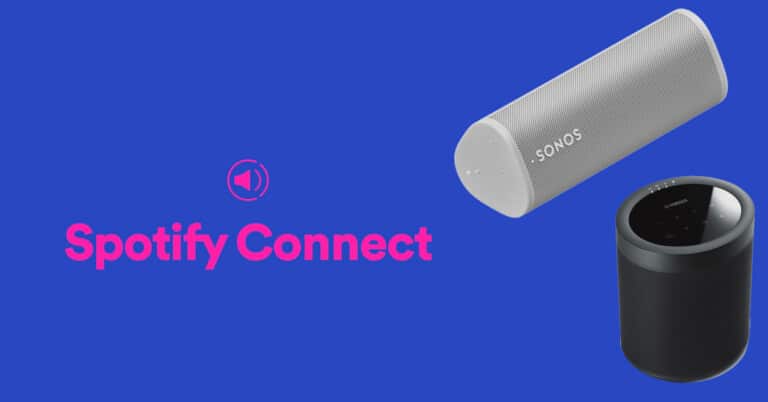
The rise of smart audio technology has led to a myriad of streaming devices available for consumers, each equipped with unique features and functionalities. Spotify Connect speakers have gained popularity for their seamless integration with Spotify, but how do they stack up against other streaming technologies? Understanding the key differences can help users make an informed decision based on their specific needs and preferences.
Various streaming technologies and devices compete in the market today, including Chromecast Audio, Apple AirPlay, Amazon Echo, and Sonos. Each option offers distinct advantages and drawbacks. Below, we delve into a comparative analysis to illuminate the aspects consumers should consider when selecting a streaming device.
Pros and Cons of Streaming Devices
When evaluating streaming devices, one must consider several factors, including compatibility, sound quality, user experience, and ecosystem integration. Here’s a breakdown of how Spotify Connect speakers compare to other popular streaming devices:
- Spotify Connect Speakers: These speakers provide smooth integration with Spotify, allowing users to control playback directly from the app. The sound quality is often superior due to the focus on music playback.
- Chromecast Audio: This device allows users to cast music from various apps, not limited to Spotify. Its main advantage is flexibility, but it may lack the audio quality of dedicated speakers.
- Apple AirPlay: Ideal for Apple users, AirPlay offers high-quality streaming and is easy to use within the Apple ecosystem. However, it is often more expensive and not as widely compatible with non-Apple devices.
- Amazon Echo: While it features voice control and smart home integrations, its sound quality can be inferior compared to dedicated audio systems. It’s a versatile device but may not satisfy audiophiles.
- Sonos Speakers: Offering multi-room audio and exceptional sound quality, Sonos is favored by serious music listeners. However, they can be pricey and primarily function within the Sonos ecosystem.
Consumers should consider several essential factors when choosing a streaming device. Firstly, compatibility with existing devices is crucial. Users should ensure that their chosen device syncs well with their smartphones, tablets, or home audio systems. Secondly, sound quality should be a priority, especially for those who value a premium listening experience. The ease of use, including the intuitiveness of the app interface and the ability to control playback, can significantly impact user satisfaction. Finally, ecosystem integration is an important consideration; whether one prefers the Apple, Google, or Amazon ecosystems can dictate the best-fit device. Overall, consumers need to weigh these factors against their specific preferences and requirements to choose the most suitable streaming device for their audio needs.
Exploring the Sound Quality of Spotify Connect Speakers
The sound quality of Spotify Connect speakers is a vital aspect for both music enthusiasts and everyday listeners. As audio technology continues to evolve, understanding how these speakers perform in various environments can significantly enhance the listening experience. From crisp highs to powerful lows, Spotify Connect speakers offer a range of audio capabilities that cater to different preferences and settings.
Spotify Connect speakers often feature advanced audio performance characteristics that enhance the overall sound experience. Key elements like audio clarity, frequency response, and distortion levels play a significant role in defining the quality of sound produced. For instance, high-quality speakers are designed to reproduce a wide frequency range, ensuring that listeners can hear everything from the subtle nuances of a piano to the deep thump of a bass guitar. Additionally, technologies such as aptX HD and AAC codecs allow for higher-quality streaming, which is crucial for audiophiles who demand superior sound fidelity.
Impact of Environment on Sound Quality
The environment in which Spotify Connect speakers are placed can greatly affect their sound quality. Factors such as room size, furniture arrangement, and acoustic properties play a crucial role in how sound is perceived.
To illustrate this, consider the following points regarding environmental influences:
- Room Size: Larger rooms may require more powerful speakers to fill the space with sound, while smaller rooms can benefit from compact speakers that provide clear audio without overwhelming the listener.
- Furniture Placement: Soft furnishings like curtains and rugs can absorb sound, reducing echoes and improving clarity. In contrast, hard surfaces can create reflections that may lead to a muddled audio experience.
- Wall Materials: Walls made of different materials can reflect sound waves differently. For instance, concrete walls may produce a harsher sound compared to wooden surfaces that provide a warmer tone.
The importance of sound quality transcends the preferences of audiophiles; casual listeners also benefit from high-quality audio. For those who enjoy music as a backdrop to their daily activities, listening to well-produced tracks through high-quality speakers can elevate ordinary moments into extraordinary experiences.
“Sound quality matters because it allows both casual listeners and audiophiles to connect with music on a deeper level.”
Audiophiles often seek equipment that reveals the intricate details of their favorite recordings, while casual listeners appreciate the richness and clarity that quality speakers provide. Regardless of the listener’s expertise, enhanced sound quality can lead to a more immersive experience, making music not just something to hear, but something to feel.
Ending Remarks
In summary, the Spotify Connect speaker stands at the intersection of technology and music, offering an unparalleled listening experience that adapts to modern life. As streaming continues to evolve, these devices will only enhance their capabilities, making it easier than ever to enjoy your favorite music wherever you are.
FAQ Insights
How do I connect my Spotify Connect speaker?
To connect your Spotify Connect speaker, ensure it’s on the same Wi-Fi network as your device, open the Spotify app, select the speaker from the ‘Devices Available’ menu, and start streaming.
Can I use Spotify Connect speakers without Wi-Fi?
No, Spotify Connect speakers require a Wi-Fi connection to stream music from the Spotify app.
What happens if I lose internet connection while using Spotify Connect?
If the internet connection is lost, the speaker will stop streaming music, but you can still play music that is downloaded offline on your device.
Do Spotify Connect speakers work with other music services?
Many Spotify Connect speakers are compatible with other music streaming services, but you may need to check the specific model for compatibility.
Can I control the Spotify Connect speaker with my voice?
Yes, if your Spotify Connect speaker supports voice control, you can use it to play music, adjust volume, and manage playlists.