
 Zoe Nora
As Voice-controlled speakers take center stage, they have transformed our daily interactions with technology, making them more intuitive and accessible. These devices, equipped with advanced voice recognition capabilities, allow users to control everything from music playback to smart home devices simply by speaking. With a rich history of evolution and continuous advancements, voice-controlled speakers have become essential companions in modern living.
From the early days of rudimentary speech recognition to today’s sophisticated systems powered by AI and machine learning, voice-controlled speakers have adapted to meet the ever-changing desires of consumers. They empower users to engage with technology in seamless and innovative ways, redefining how we manage our environments and entertain ourselves.
The Evolution of Voice-controlled Speakers
The journey of voice-controlled speakers is a fascinating tale of technological innovation, consumer desire, and the integration of artificial intelligence into everyday life. From their early conceptual stages to the advanced smart devices we have today, these speakers have transformed how we interact with technology, making it more intuitive and accessible.
Voice-controlled speakers have evolved significantly since their inception in the early 2000s. The initial models, while groundbreaking, were limited in their capabilities and functionality. The first commercially successful device was the Amazon Echo, launched in 2014, which introduced the world to Alexa, Amazon’s voice assistant. This marked a turning point, paving the way for other tech giants to enter the market and innovate further.
Key Milestones in Voice-controlled Speakers
Understanding the evolution of voice-controlled speakers involves recognizing several key milestones that have shaped their development. Each of these milestones reflects technological advancements and changing consumer demands.
1. Early Voice Recognition Technology (1970s-1990s): Initial voice recognition systems were rudimentary, often requiring users to speak slowly and clearly. Systems like IBM’s ViaVoice and Dragon NaturallySpeaking began to show the potential for voice interaction in the late 20th century.
2. Introduction of Smart Assistants (2011-2014): The launch of Siri by Apple in 2011 marked a significant advancement. Siri’s integration with iOS devices set the stage for voice-controlled interactions, making the idea of smart assistants mainstream.
3. Amazon Echo and Alexa (2014): The release of the Amazon Echo revolutionized home automation. By incorporating Alexa, Amazon provided a robust platform for third-party developers, significantly expanding the functionality of voice-controlled speakers.
4. Expansion of Ecosystem (2015-Present): Following Amazon, Google launched its own Google Home speakers with Google Assistant. Other companies like Apple (with HomePod) and Microsoft (with Cortana) have also entered the market, each contributing unique features and capabilities.
5. Natural Language Processing Improvements: Advancements in AI and machine learning have vastly improved the ability of voice-controlled speakers to understand and process natural language. These improvements have resulted in more conversational interactions and the ability to execute complex commands.
6. Integration with Smart Home Devices: As consumer demand for smart home technologies grew, voice-controlled speakers evolved into central hubs for managing various smart devices, from lights to thermostats.
7. Focus on Privacy and Security: With increasing concerns over data privacy, manufacturers have implemented enhanced security features, such as voice recognition and the ability to mute microphones, addressing consumer demands for greater control over personal data.
The evolution of voice-controlled speakers showcases how technology can adapt to meet the needs of consumers while pushing the boundaries of what’s possible in the realm of smart technology. Each milestone not only highlights technological advancements but also reflects broader societal shifts towards convenience, efficiency, and connectivity in our daily lives.
The Technology Behind Voice-controlled Speakers

Voice-controlled speakers have become an integral part of modern homes, combining convenience with cutting-edge technology. The functionality of these devices is driven by a combination of natural language processing, machine learning, and sophisticated hardware components that work together to create an intuitive user experience. Understanding the underlying technology helps to appreciate how seamlessly these devices interact with users and their environments.
Natural Language Processing and Machine Learning
At the core of voice-controlled speakers lies natural language processing (NLP), a field of artificial intelligence that enables machines to understand and interpret human language. NLP algorithms analyze spoken language, breaking it down into manageable parts, which allows the system to derive meaning and context. Machine learning complements this by allowing the device to improve its performance over time through exposure to more data. For example, the more a user interacts with the speaker, the better it becomes at recognizing their voice and understanding their preferences.
Hardware Components and Their Functions
The hardware components of voice-controlled speakers are designed to optimize sound processing and recognition capabilities. Key components include:
- Microphones: High-quality microphones capture voice commands, often equipped with noise-cancellation technology to filter out background sounds, ensuring clear voice recognition.
- Speakers: Integrated speakers output sound, providing feedback to users through music, responses, or alerts.
- Processors: These are powerful chips that execute complex algorithms for voice recognition and natural language processing, enabling real-time interaction.
- Connectivity Modules: Wi-Fi and Bluetooth modules allow the speaker to connect to the internet and other devices, facilitating a smart home ecosystem.
Advancements in Voice Recognition Technology
The evolution of voice recognition technology has significantly enhanced user experience. Early systems struggled with understanding diverse accents and variations in speech, but recent advancements have led to more accurate recognition capabilities. This is largely attributed to improvements in machine learning algorithms and the availability of vast datasets for training.
For instance, companies like Google and Amazon have invested heavily in refining their voice assistants by incorporating user feedback and leveraging big data analytics. This has resulted in systems that not only understand commands but also anticipate user needs based on context.
“Voice recognition technology has advanced to a point where it can understand and respond to complex queries, making interactions feel more human-like.”
Understanding these technological foundations is crucial as they shape the way users interact with voice-controlled speakers, bridging the gap between human communication and machine processing.
Popular Brands and Models of Voice-controlled Speakers
Voice-controlled speakers have become an integral part of modern smart homes, offering convenience and connectivity. With several brands competing in the market, each brings unique features and capabilities to the table. This overview will highlight major brands and their flagship models, focusing on user interface, compatibility with smart home devices, and customer preferences.
Major Brands and Their Flagship Models
The voice-controlled speaker market is dominated by a few key players, each with distinct offerings. Below is a comparison of notable brands and their flagship models:
- Amazon Echo (4th Gen): The Echo is well-known for its integration with Alexa, boasting features like multi-room music support and smart home control capabilities. Its spherical design is both aesthetically pleasing and functional, enhancing sound quality.
- Google Nest Audio: This model offers superior voice recognition and a cleaner sound profile, making it ideal for music lovers. It seamlessly integrates with Google Assistant and Google Home devices, providing a cohesive smart home experience.
- Apple HomePod mini: Renowned for its premium sound quality, the HomePod mini is designed to work within the Apple ecosystem. Features like spatial awareness enhance audio output, making it a favorite for existing Apple users.
- Sonos One: This speaker stands out for its high-fidelity sound and compatibility with multiple streaming services. With both Alexa and Google Assistant built-in, it caters to a broad user base while also offering multi-room functionality.
Comparison of User Interfaces and Smart Home Compatibility
User interface and compatibility play a crucial role in the effectiveness of voice-controlled speakers. Each brand has its strengths:
- Amazon Alexa: Known for its extensive third-party integrations, Alexa allows users to command various smart home devices effortlessly. The interface is user-friendly, facilitating easy navigation through voice commands.
- Google Assistant: Google’s interface excels at contextual understanding, allowing for more natural conversations. Its compatibility with numerous smart home devices makes it a versatile choice for tech-savvy users.
- Apple’s Siri: While Siri is limited in third-party integrations compared to Alexa and Google Assistant, it offers seamless connectivity for Apple users, making it an excellent choice for those invested in the Apple ecosystem.
- Sonos Controller App: The Sonos interface is tailored for audio enthusiasts, allowing deep customization of sound settings and integration with various music services, though it may lack the smart home versatility of other platforms.
Customer Reviews and Ratings
Customer feedback is essential in understanding market preferences. Many users appreciate the following aspects of popular models:
- The Amazon Echo (4th Gen) is frequently praised for its affordability and versatility, receiving high ratings for its smart home integration capabilities.
- Google Nest Audio is often highlighted for its sound quality and ease of use, making it a popular choice among music lovers and casual users alike.
- Apple HomePod mini receives accolades for its impressive sound profile despite its smaller size, appealing mainly to Apple loyalists.
- Sonos One is favored by audiophiles for its superior sound quality, but some users cite the higher price as a limitation.
“The choice of a voice-controlled speaker often hinges on ecosystem compatibility and sound quality, with users valuing seamless integration with their existing devices.”
Use Cases for Voice-controlled Speakers
Voice-controlled speakers have seamlessly integrated into various aspects of daily life, transforming the way individuals interact with technology. These devices not only enhance convenience but also enable users to manage their environments more effectively. From home automation to entertainment, voice-controlled speakers offer numerous practical applications that cater to diverse needs.
The versatility of voice-controlled speakers has made them valuable tools in different settings. They facilitate home automation by allowing users to control lights, thermostats, and security systems through voice commands. In the realm of entertainment, listeners can easily access music, podcasts, and audiobooks without needing to manually navigate devices. Moreover, these speakers adapt to different demographic needs, making them suitable for a broad audience from tech-savvy millennials to seniors seeking simple solutions.
Home Automation Applications
Voice-controlled speakers play a pivotal role in home automation by enabling users to manage their household devices with ease. This integration enhances comfort and energy efficiency, making everyday tasks simpler. Key applications include:
- Controlling Smart Lighting: Users can adjust brightness and color temperature by simply asking their speaker to set the mood.
- Adjusting Thermostats: Voice commands allow for quick temperature changes, promoting energy savings and comfort in various seasons.
- Security System Management: Homeowners can arm or disarm their security systems and check camera feeds without needing to interact with physical devices.
- Managing Appliances: From starting coffee makers to preheating ovens, voice-controlled speakers streamline kitchen tasks and enhance productivity.
Entertainment and Media Access
Voice-controlled speakers have revolutionized how users access and enjoy media content. They provide a hands-free experience that is particularly appealing to those who multitask or prefer convenience. For instance:
- Music Streaming: Users can request specific songs, artists, or playlists, allowing for personalized listening experiences without manual input.
- Podcasts and Audiobooks: Accessing favorite shows or books is as simple as asking the speaker to play them, catering to people with busy lifestyles.
- Radio and News Updates: Voice commands can deliver real-time news or stream live radio, keeping users informed effortlessly.
- Integration with Other Devices: Speakers can link with televisions or smart displays, enhancing the experience of watching movies or shows through voice control.
Emerging Use Cases in Different Environments
The adaptability of voice-controlled speakers has led to innovative use cases in various environments beyond traditional home settings. These emerging applications highlight their potential impact on daily life and work:
- Healthcare Settings: In hospitals, voice-controlled speakers can assist medical staff by providing hands-free access to patient information and facilitating communication without compromising hygiene.
- Educational Institutions: Teachers can use these devices for interactive learning, allowing students to engage with educational content and perform research verbally.
- Retail Spaces: Stores are beginning to implement voice-activated kiosks that allow customers to find product information or place orders, enhancing the shopping experience.
- Personal Assistants: Busy professionals utilize voice-controlled speakers for scheduling, reminders, and task management, balancing their workload effectively.
“Voice-controlled speakers are not only a trend but a significant step toward a more interconnected and efficient lifestyle.”
Voice-controlled Speakers and Privacy Concerns
As voice-controlled speakers have become increasingly popular in homes worldwide, concerns regarding privacy have emerged as a significant issue. These devices, designed to make life more convenient, often raise questions about data collection, security risks, and how consumers can protect themselves in a digital age.
The nature of voice-controlled speakers involves constant listening for activation phrases, which means they are always in a state of potential data capture. This feature can lead to unintended recordings of private conversations and interactions. Manufacturers typically collect data to improve user experience and personalize services, but this data can also be vulnerable to breaches, misuse, or unauthorized access. Reports from cybersecurity experts highlight that some manufacturers may retain recordings longer than necessary, raising flags about user privacy.
Data Collection and Security Risks
When using voice-controlled speakers, several privacy implications arise due to the inherent data collection processes. It’s essential to understand the risks involved:
– Continuous Listening: Many devices constantly listen for activation phrases, resulting in unintended recordings. Users may inadvertently share sensitive information without realizing it.
– Data Retention Policies: Companies often store user data to enhance service functionality. However, these retention policies vary by manufacturer, and some may not offer adequate transparency about how long data is kept or how it’s used.
– Third-Party Access: Data collected by voice-controlled speakers may be shared with third parties for advertising or analytics purposes, leading to potential misuse of personal information.
– Security Vulnerabilities: Like any internet-connected device, voice-controlled speakers can be susceptible to hacking. Cybercriminals may exploit security flaws to gain access to personal data or manipulate device functions.
“With great convenience comes great responsibility; protecting personal data should be a primary concern for users of voice-controlled technology.”
Manufacturer Measures to Protect User Privacy
In response to rising privacy concerns, manufacturers have begun implementing several measures aimed at safeguarding user data. Notable efforts include:
– User Control Features: Many devices now offer options for users to review and delete their voice recordings, providing greater control over personal data.
– Enhanced Security Protocols: Manufacturers are increasingly adopting advanced encryption methods to secure data transmission between the device and cloud servers, reducing the risk of interception by malicious actors.
– Transparency Reports: Some companies publish transparency reports that Artikel their data collection practices and how user data is handled, which helps foster trust with consumers.
– Privacy Settings: Enhanced privacy settings allow users to customize their experience, including features to limit data sharing and control when the device is actively listening.
Consumer Data Protection Strategies
To mitigate privacy risks, consumers can take proactive steps while using voice-controlled speakers. Here are effective strategies for data protection:
– Regularly Review Privacy Settings: Users should explore their device’s privacy settings to limit data collection and sharing. Disabling features that are not necessary can enhance privacy.
– Opt-Out of Data Sharing: Many voice-controlled speakers allow users to opt out of data sharing for analytics and advertising purposes, which can significantly reduce exposure.
– Turn Off the Microphone: When not in use, physically disabling the microphone can prevent unintentional recordings, providing a straightforward way to safeguard privacy.
– Educate Yourself: Staying informed about the latest privacy policies and security updates from manufacturers can empower users to make better decisions regarding their devices.
The Future Trends of Voice-controlled Speakers
As voice-controlled speakers continue to evolve, they are poised to become an integral part of our daily routines. The future of this technology lies not just in their ability to respond to commands, but in their potential to seamlessly integrate into our smart homes and daily lives. With advancements in artificial intelligence (AI) and the Internet of Things (IoT), we can expect voice-controlled speakers to transform into central hubs that enhance user interaction and functionality.
Integration with AI and IoT
The integration of AI with voice-controlled speakers promises to bring about significant enhancements in user experience. As these devices become more intelligent, they will be able to understand context, recognize individual voices, and anticipate user needs. This evolution will lead to a more personalized interaction, where the speaker can offer tailored responses based on past behavior and preferences.
- Enhanced Natural Language Processing: Future voice-controlled speakers will utilize advanced algorithms to improve their understanding of natural language, making conversations feel more human-like. This means users can speak more naturally, without the need for specific commands.
- Smart Home Integration: Expect deeper integration with IoT devices, allowing voice-controlled speakers to manage everything from lighting to security systems. Users will be able to control their entire smart home ecosystem through voice commands alone.
- Multimodal Interaction: Future devices may incorporate visual interfaces, allowing users to see information displayed on a screen while interacting through voice. This combination will enhance the overall user experience and make information retrieval more efficient.
Advancements in Technology and User Interaction
Looking ahead, advancements in technology will enable voice-controlled speakers to become more interactive and functional. These innovations will not only improve the device’s performance but also expand their capabilities in everyday life.
- Context-Aware Responses: Leveraging AI, future speakers will provide contextually relevant responses based on the current environment or user activity. For instance, if a user is cooking, the speaker might suggest recipes or cooking tips.
- Proactive Assistance: Rather than waiting for commands, voice-controlled speakers could take the initiative to provide assistance. For example, if a user tends to ask for traffic updates every morning, the device might proactively inform them before they even ask.
- Voice Modulation and Emotion Recognition: Future speakers may be equipped with the ability to modulate their voice and recognize the emotional tone of users, allowing for empathetic interactions that adapt to the user’s mood.
Vision for the Next Decade
In the next decade, we envision voice-controlled speakers playing a pivotal role in our lives, serving not only as assistants but as companions that understand and adapt to our needs.
- Health Monitoring: Future speakers may integrate health monitoring features, potentially alerting users about health issues or reminding them to take medication based on their routines.
- Increased Security Features: With enhanced capabilities, these devices might serve as security monitors, recognizing unusual activities and alerting homeowners, thus providing peace of mind.
- Personalized Learning Experiences: In educational settings, voice-controlled speakers could provide personalized tutoring, adapting lessons based on a student’s learning pace and style.
As we look to the future, voice-controlled speakers will not just respond to commands but will engage users in meaningful interactions, creating a more intelligent and responsive living environment.
Setting Up and Optimizing Your Voice-controlled Speaker
Setting up and optimizing your voice-controlled speaker can greatly enhance your experience and ensure that you get the most out of this innovative technology. By following a structured approach, you can fine-tune the settings to match your specific preferences, making your interactions smoother and more enjoyable. This guide will cover the essential steps for setup, optimizations, and common troubleshooting tips.
Step-by-step Setup Guide
To achieve optimal performance from your voice-controlled speaker, follow these steps:
1. Unbox and Position: Remove the speaker from its packaging and place it in a central location in your room. Ensure it’s away from corners or obstructions that might hinder sound quality and voice recognition.
2. Power Up: Plug the speaker into a power source. Wait for the initial setup prompts or indicators, which will guide you through the process.
3. Connect to Wi-Fi: Use the accompanying app on your smartphone or tablet to connect the speaker to your home Wi-Fi network. Ensure that the network is stable for consistent performance.
4. Account Setup: Create or log into your user account through the app. This allows you to access personalized features and connect various services.
5. Voice Recognition Training: Many voice-controlled speakers offer a voice training feature. Spend a few minutes speaking commands so the speaker can learn to recognize your voice better.
6. Enable Skills and Integrations: Explore and enable any additional skills or integrations you want to use, such as music streaming services, smart home devices, or productivity tools.
7. Test Functionality: Conduct a few test commands to check if the speaker responds accurately. Adjust volume levels or speaker positioning as needed for clarity.
Optimizing Settings and Features
After setting up, optimizing your speaker settings can significantly enhance its performance. Here are key tips for customization:
– Adjust Voice Settings: Customize voice feedback, accents, and language to suit your preferences. Access these settings through the device app.
– Utilize Routines: Set up routines that execute multiple commands with a single phrase, like morning routines that can read the news, adjust lights, and start your coffee maker.
– Link Smart Devices: Integrate your voice-controlled speaker with other smart home devices to create a cohesive smart home ecosystem.
– Update Software Regularly: Ensure your speaker’s firmware is up to date. Software updates often include new features and security enhancements.
– Manage Privacy Settings: Review and adjust privacy controls to manage how your voice data is stored and used.
Troubleshooting Common Issues
Even the best technology can face hiccups. Here are frequent troubleshooting issues with practical solutions:
– Speaker Not Responding: Ensure the speaker is plugged in and connected to Wi-Fi. Restart the device if necessary.
– Poor Voice Recognition: Check for background noise or obstructions. Retrain the voice recognition feature or adjust the placement of the speaker.
– Slow Response Time: Confirm that your internet connection is stable and that there are no excessive bandwidth drains from other devices.
– App Connectivity Issues: If the app isn’t syncing with the speaker, try logging out and back in or reinstalling the app.
– Sound Quality Problems: Ensure that the speaker is not covered and is placed on a flat, stable surface. Adjust the equalizer settings through the app for better sound.
By following these setup and optimization tips, users can maximize their voice-controlled speaker’s performance, making everyday tasks more convenient and enjoyable.
Comparing Voice-controlled Speakers with Traditional Devices
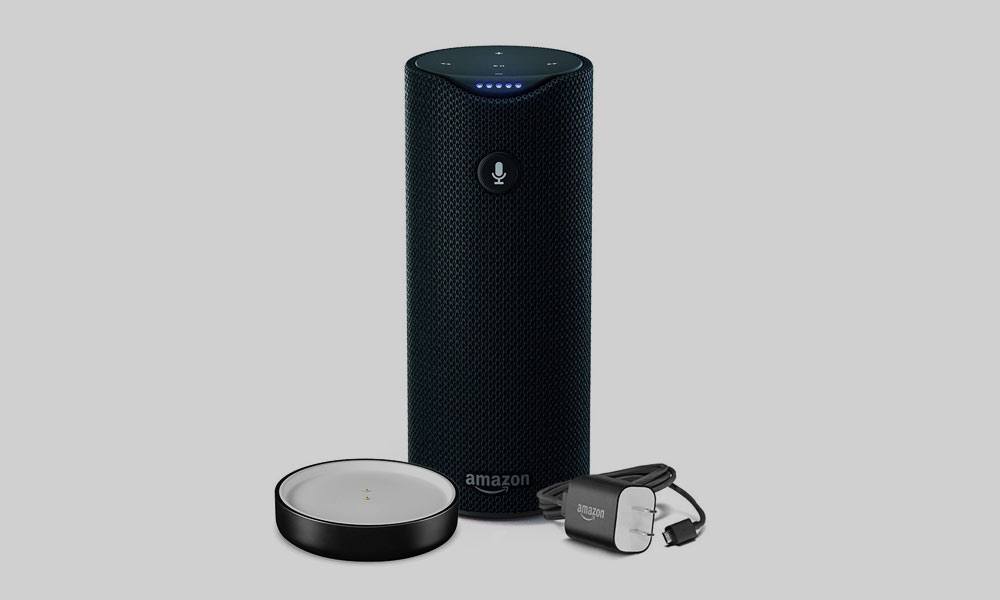
The emergence of voice-controlled speakers has brought a significant shift in how we interact with technology, especially in the realm of audio devices. These modern gadgets allow users to play music, control smart home devices, and access information simply by using their voice. In contrast, traditional audio devices, such as radios and wired speakers, rely on physical controls and manual operations. Understanding the benefits and drawbacks of both can help users make informed choices about their audio experience.
Voice-controlled speakers offer a level of convenience and accessibility that traditional devices often lack. Users can effortlessly play their favorite songs, adjust the volume, or switch tracks without having to physically handle the device. This hands-free functionality is particularly beneficial in scenarios where multitasking is necessary, such as cooking or exercising. For instance, a user can ask their voice-controlled speaker to play a specific playlist while their hands are busy.
Benefits and Drawbacks of Voice-controlled Speakers
Voice-controlled speakers bring a variety of advantages and some challenges when compared to traditional devices. Here are some notable points:
- Convenience: Voice commands allow users to control their audio experience without needing to interact with physical buttons or touchscreens. This is particularly useful in busy or hands-free situations.
- Smart Home Integration: Voice-controlled speakers can act as a hub for smart home devices, allowing users to control lights, thermostats, and more, all with vocal commands.
- Continuous Updates: Many voice-controlled speakers receive regular software updates, ensuring that users have access to the latest features and improvements, enhancing their functionality over time.
- Limited Audio Quality: While some voice-controlled speakers provide good sound quality, they often can’t match the audio performance of high-end traditional speakers, which may have superior acoustics and sound fidelity.
- Privacy Concerns: Users may feel uneasy about the potential for eavesdropping, as voice-controlled speakers are always listening for commands, raising questions about data security.
In scenarios where users prioritize ease of use and integration with smart home technology, voice-controlled speakers outperform traditional devices. However, in environments where sound quality is paramount, such as a dedicated home theater, traditional audio devices may be preferable.
User Experiences with Voice-controlled and Traditional Devices
User testimonials reveal diverse experiences between the two types of devices. Many users appreciate the convenience of voice-controlled speakers, citing how they enhance their daily routines. For example, one user shared,
“Having a voice-controlled speaker in the kitchen has changed the way I cook. I can just say what I need without stopping to touch my phone or a control panel.”
Conversely, some audiophiles express disappointment with the audio quality of voice-controlled speakers, stating that they miss the rich sound produced by their traditional high-fidelity systems. Another user commented,
“I love the convenience of voice commands, but when it comes to music, nothing beats my vintage stereo setup. The clarity and depth are unparalleled.”
Overall, the choice between voice-controlled speakers and traditional audio devices depends on individual preferences and specific use cases, highlighting the strengths and weaknesses of each technology.
Outcome Summary
In conclusion, the journey of voice-controlled speakers is a fascinating blend of technological innovation and user-centric design, reflecting the changing landscape of communication and convenience. As these devices continue to evolve, they promise to enhance our interactions with our homes and lives, making them smarter and more efficient. Embracing these advancements opens up a world of possibilities, ensuring a future where voice-controlled technology plays a pivotal role in our everyday experiences.
Query Resolution
How do voice-controlled speakers work?
Voice-controlled speakers use natural language processing and machine learning to understand and respond to spoken commands, converting audio signals into actionable tasks.
Can voice-controlled speakers connect to other smart devices?
Yes, most voice-controlled speakers can connect to various smart devices, allowing users to control lights, thermostats, and appliances through voice commands.
Are voice-controlled speakers secure?
While manufacturers implement security measures, users should be aware of privacy settings and regularly review data sharing options to protect their information.
Can voice-controlled speakers play music from multiple sources?
Yes, many voice-controlled speakers can stream music from various services, including Spotify, Apple Music, and others, providing users with a wide selection of audio content.
What should I do if my voice-controlled speaker doesn’t recognize my commands?
Ensure your device is updated, check for background noise, and try speaking more clearly. If issues persist, consult the manufacturer’s troubleshooting guide.