
 Zoe Nora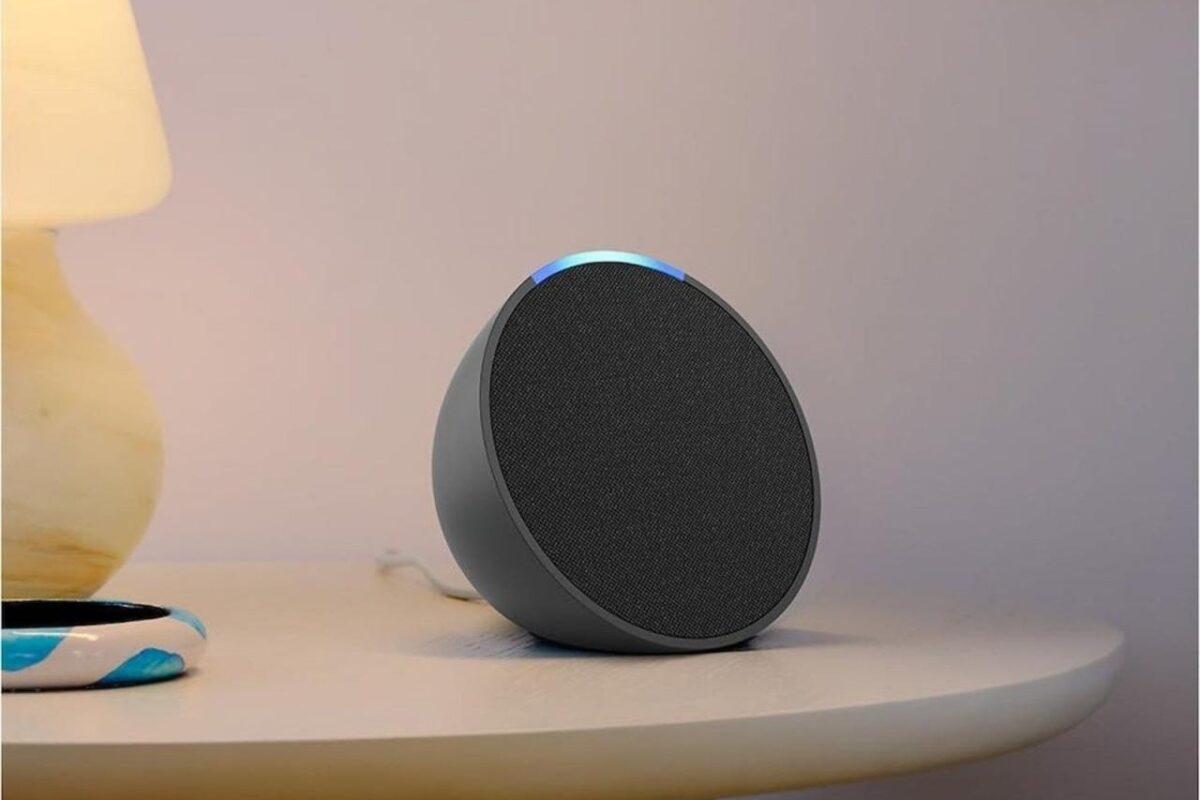
Starting with the Alexa smart speaker, it’s not just a device; it’s a gateway to a smarter home. This voice-activated assistant has transformed how we interact with technology, simplifying tasks and enhancing daily living. With its ability to recognize and respond to voice commands, the Alexa smart speaker stands out in a crowded marketplace, offering users the convenience of hands-free control over various tasks.
From controlling smart home devices to providing real-time information, the Alexa smart speaker is designed to cater to a wide range of user needs. With an ever-expanding library of skills and applications, it becomes an essential companion in modern households. As we delve deeper into the features, compatibility, and potential of Alexa, it becomes clear how pivotal this device is in shaping the future of home automation and voice technology.
Understanding the Core Features of the Alexa Smart Speaker
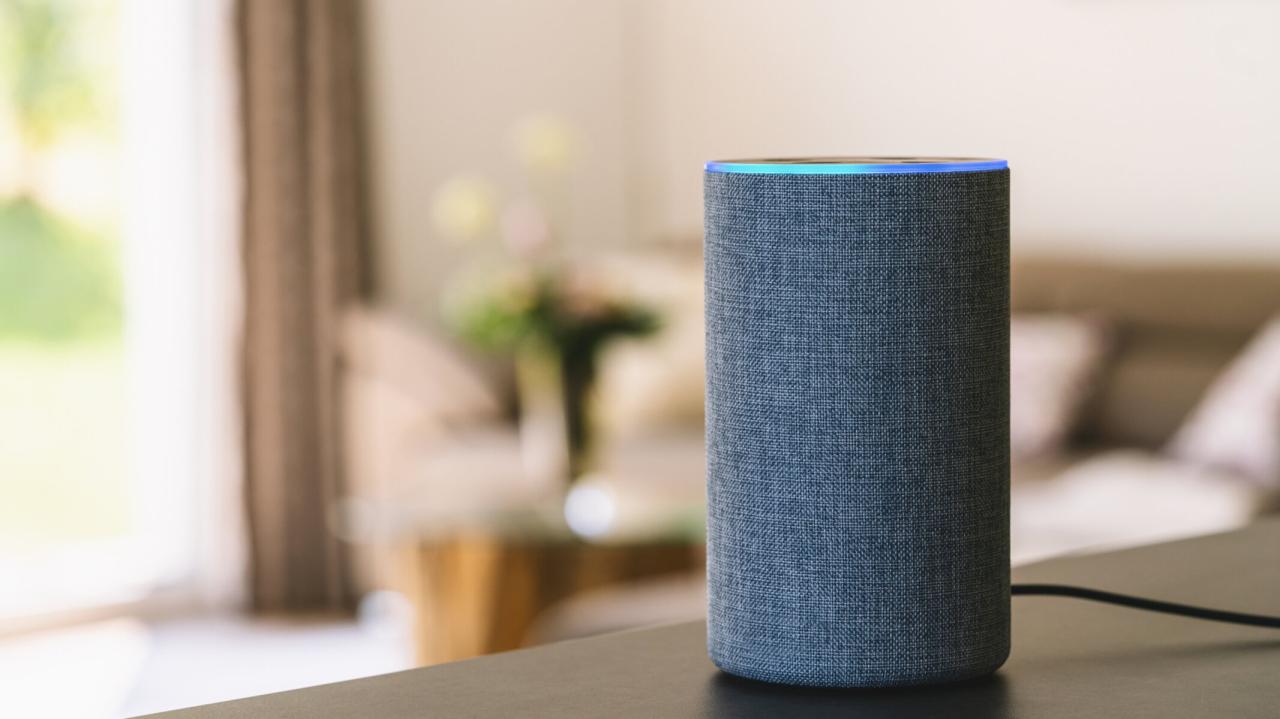
The Alexa smart speaker, powered by Amazon’s highly advanced voice assistant, has transformed the way users engage with technology in their daily lives. Its core features are designed to provide seamless interaction, making it an indispensable part of many households. With its intuitive design and robust capabilities, Alexa serves not just as a speaker, but as a personal assistant that caters to a variety of commands and tasks.
One of the fundamental features of the Alexa smart speaker is its voice recognition technology, which allows it to understand and respond to a wide range of voice commands. This technology employs advanced natural language processing algorithms, enabling Alexa to interpret user requests accurately in real-time. The device utilizes a far-field microphone array that can pick up voice commands even from a distance, making it convenient for users to interact without needing to be physically close. As a direct result, this voice interaction fosters a hands-free experience that can significantly enhance daily routines.
Voice Recognition Technology and User Interaction
The voice recognition capabilities of Alexa are pivotal to its functionality. This technology not only enhances user experience but also impacts how users engage with their environment. The ability to recognize different accents, languages, and speech patterns broadens accessibility, allowing a diverse range of users to benefit from Alexa.
Furthermore, the voice assistant’s continuous learning capability means it improves its responses over time, providing users with increasingly personalized interactions. Alexa can adapt to individual user preferences, making it more intuitive and user-friendly. This adaptability ensures that the smart speaker remains relevant in various scenarios, from managing schedules to controlling smart home devices.
To illustrate the practical aspects of using Alexa, here are some essential skills that users can utilize for daily tasks. These features highlight the smart speaker’s versatility and its role in facilitating a more organized lifestyle:
- Setting alarms and timers for daily tasks, ensuring users stay on schedule.
- Controlling smart home devices, allowing for seamless management of lighting, thermostats, and security systems.
- Providing news updates, weather forecasts, and traffic reports, keeping users informed throughout the day.
- Streaming music and podcasts from various platforms, enhancing entertainment options at home.
- Creating and managing shopping lists, making grocery shopping more efficient.
- Answering general knowledge questions, serving as an on-demand information source.
Analyzing Compatibility with Smart Home Devices
Alexa, Amazon’s voice-controlled smart assistant, has made significant strides in becoming a pivotal hub for smart home technology. Its compatibility with a myriad of smart devices allows users to control their homes effortlessly, using just their voice. This integration creates a seamless experience for users looking to enhance their home automation systems, making everyday tasks simpler and more efficient.
One of the most compelling features of Alexa is its ability to work with a wide range of smart home devices. From lighting and security to thermostats and appliances, Alexa’s compatibility extends across various categories, providing users with numerous options to customize their smart home setups. The Alexa app, which serves as a central control hub, allows users to manage their devices and set up routines that can trigger multiple actions with a single command. This capability not only optimizes convenience but also enhances the overall smart home experience.
Popular Smart Home Products Compatible with Alexa
A variety of well-known smart home products function seamlessly with Alexa, showcasing the breadth of its compatibility. Some of the most popular devices include:
- Philips Hue Smart Bulbs: These color-changing LED bulbs allow users to adjust lighting through voice commands. With Alexa, you can turn the lights on or off, change colors, and even set scenes for different occasions.
- Ring Video Doorbell: This smart doorbell lets you see, hear, and speak to visitors from anywhere. With Alexa, you can receive announcements when someone rings the doorbell and view live video feeds on compatible devices.
- Ecobee Smart Thermostat: By integrating with Alexa, Ecobee users can adjust their home’s temperature using voice commands, enhancing energy efficiency and comfort.
- SmartThings Hub: This hub connects various smart devices, allowing for centralized control through Alexa. Users can automate tasks, set routines, and monitor home security seamlessly.
- TP-Link Kasa Smart Plugs: Users can control their devices remotely or with voice commands, making it easy to turn appliances on and off from anywhere in the house.
The compatibility between Alexa and these devices highlights a growing trend in smart home technology, where users seek solutions that offer ease of use and flexibility. Furthermore, Alexa maintains a substantial edge over other smart speaker brands in terms of compatibility. While Google Assistant and Apple HomeKit also support various smart devices, Alexa boasts a wider array of compatible products due to its extensive partnerships with manufacturers.
For instance, as of recent data, Alexa is compatible with more than 100,000 smart home devices, compared to Google Assistant’s approximately 30,000. This dominance allows Alexa users to build a more diverse and flexible smart home ecosystem. In addition, Amazon frequently updates its compatibility list, ensuring that new and innovative devices are easily integrated into the Alexa environment.
“The future of smart home technology is not just about convenience; it’s about creating a connected lifestyle that enhances everyday living.”
In summary, Alexa’s compatibility with numerous smart home devices not only simplifies home automation but also sets a high standard in the smart speaker market, allowing users to create a personalized and efficient living space filled with cutting-edge technology.
Exploring the Ecosystem of Skills and Applications
The Alexa smart speaker revolutionizes the way we interact with technology by offering an extensive ecosystem of skills and applications. These skills enhance the speaker’s functionality, making it not just a voice assistant but a versatile tool that caters to a wide range of user needs. With thousands of skills available, users can easily find and activate the ones that suit their lifestyles, whether for productivity, entertainment, or enhancing everyday tasks.
The Alexa skills marketplace is continuously expanding, offering various applications to enrich user experiences. Skills can be easily activated by voice commands, allowing for seamless interaction. This accessibility increases the appeal of Alexa devices, making them integral to many households.
Categories of Useful Skills
To help users navigate the vast array of skills available, here’s a categorized list of some of the most useful skills tailored to different needs:
Users can benefit significantly from these categories of skills, enabling them to maximize their Alexa smart speakers’ potential:
- Productivity Skills: Enhance your efficiency with skills that help manage tasks and schedules.
- Todoist: Manage your to-do lists effortlessly.
- Any.do: Keep track of tasks and reminders.
- Calendar: Sync with your calendar and receive reminders.
- Entertainment Skills: Enjoy a wide variety of content for leisure.
- Spotify: Stream your favorite music effortlessly.
- Audible: Listen to audiobooks from a vast library.
- Jeopardy: Challenge your knowledge with this iconic game show.
- Lifestyle Skills: Enhance daily living with practical applications.
- Fitbit: Track your fitness and health data.
- Kitchen Recipes: Get cooking instructions hands-free.
- Sleep Sounds: Play soothing sounds for better rest.
Creating custom skills is another feature that empowers users to personalize their Alexa experience significantly. The Alexa Skills Kit (ASK) allows developers and tech-savvy users to build their skills tailored to specific tasks or preferences. This offers an opportunity to create unique interactions with Alexa, making it capable of handling tasks specific to individual needs.
For instance, a user could develop a skill that provides daily affirmations or a customized news briefing, ensuring that every interaction is relevant and meaningful. By utilizing the ASK resources, users can incorporate APIs, web services, and voice user interfaces into their custom skills, further enhancing the versatility of their Alexa smart speaker. This level of customization fosters a deeper connection between users and their devices, making the technology more intuitive and aligned with personal lifestyles.
Evaluating Privacy and Security Concerns
The rise of smart speakers like Amazon’s Alexa has brought convenience to many households. However, they also raise several privacy and security concerns that users must be aware of. While these devices are designed to enhance our lives, the data they collect and how it’s used can lead to potential vulnerabilities.
One of the primary privacy concerns surrounding Alexa smart speakers is the constant listening capability. Although the device only actively records when it hears its wake word, the fact that it’s always on can make users uneasy about the potential for unintended recordings of private conversations. Another concern lies in the data storage practices; Alexa stores voice recordings and interactions in the cloud, which could be accessed or hacked. Additionally, there are worries about third-party skills that could misuse data or compromise user privacy.
To address these issues, Amazon has implemented several measures aimed at enhancing user privacy and security. First, users have the option to delete their voice recordings manually or set up automatic deletion after a specified period. Amazon also provides transparency through its privacy dashboard, allowing users to review and manage their data. The company has introduced features like Voice Profiles that tailor responses and learning to individual users while still considering privacy. Moreover, Amazon has reinforced its security protocols to prevent unauthorized access to user accounts.
Users can take further steps to enhance their privacy while using Alexa. To begin with, regular auditing of voice recordings through the Alexa app can help keep track of what’s being stored. Users are encouraged to disable the microphone when not in use, which can prevent accidental recordings. Moreover, creating strong, unique passwords for associated accounts can help secure personal information.
Monitoring voice interactions and utilizing privacy features are essential for keeping data secure.
Finally, users may want to explore the settings related to third-party skills, ensuring that they only enable those they trust. Understanding the implications of voice-activated services and being proactive about privacy settings can significantly improve the security of personal data while enjoying the benefits of Alexa smart speakers.
Assessing the User Experience and Interface Design
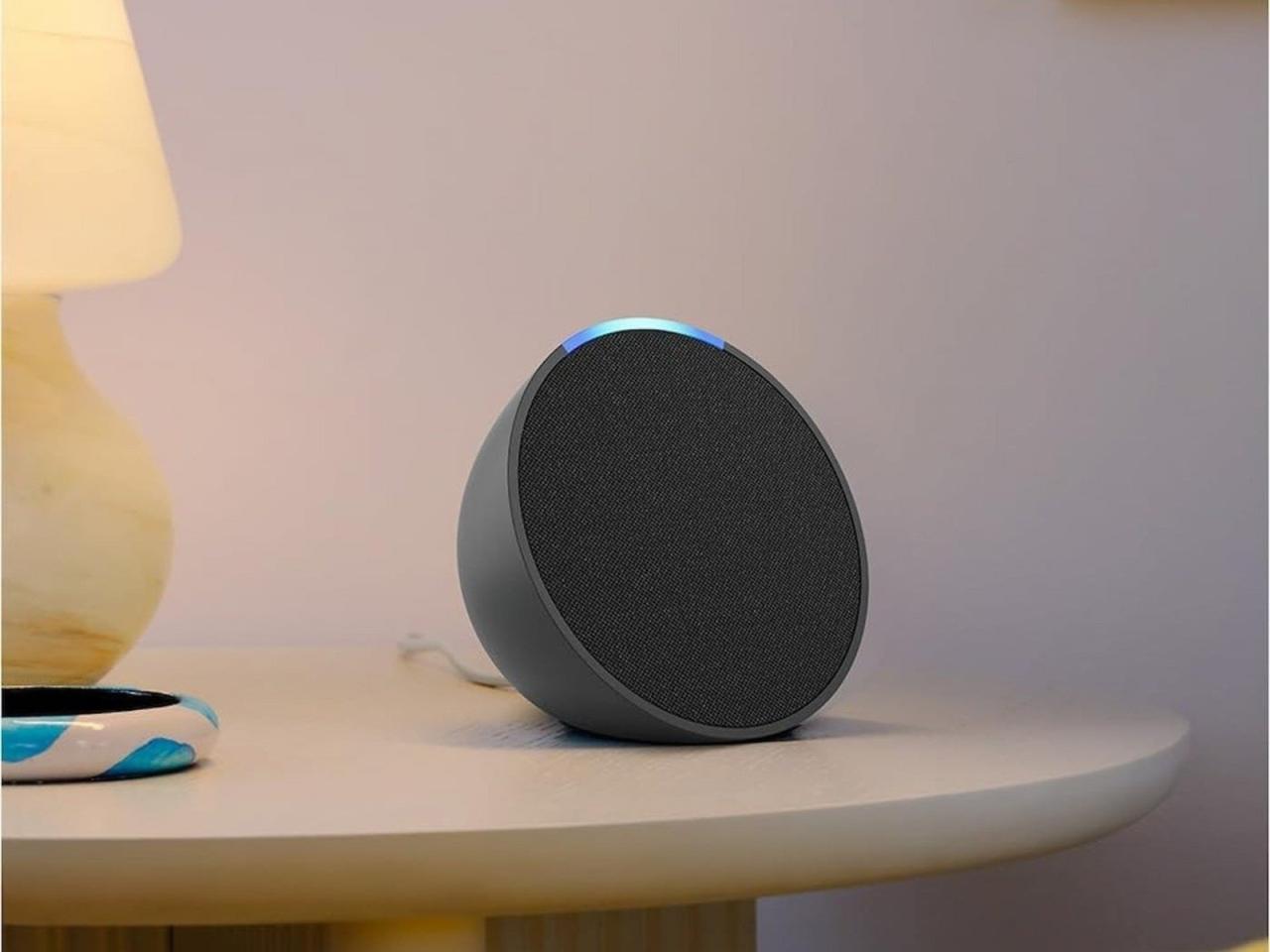
The user interface of Alexa is crucial in shaping the overall experience for users interacting with this smart speaker. Designed with simplicity and efficiency in mind, Alexa’s interface allows users to engage seamlessly through voice commands, making technology more accessible. The interface is not only intuitive, catering to users of all ages and tech-savviness levels, but it also incorporates feedback mechanisms that play a vital role in improving its performance and functionality.
The voice-centric design of Alexa prioritizes natural language processing, enabling users to communicate in a conversational manner. Users can ask about the weather, play music, set reminders, and control smart home devices without needing to navigate complicated menus. This voice-first approach enhances user experience, as it reduces friction and encourages interaction. The simplicity of saying “Alexa” followed by a request captures the essence of the user experience; it’s quick, easy, and often hands-free.
Feedback Mechanisms for Performance Improvement
The effectiveness of Alexa relies significantly on feedback mechanisms that allow both users and the system to learn and adapt. These mechanisms ensure that Alexa evolves with user needs and preferences. Here are key feedback aspects that contribute to Alexa’s continuous improvement:
– User Interactions: Every time a user interacts with Alexa, the system collects data on how well it understands and responds to commands. This data helps refine its voice recognition and contextual understanding.
– Voice Training: Alexa offers users the option to train the device by repeating phrases that it struggles to understand. This not only personalizes the experience but also helps Alexa become more attuned to individual speech patterns.
– User Ratings: After Alexa responds to commands, users can rate the interaction. This feedback is essential for identifying areas where the voice assistant excels or needs improvement.
– Skill Development: Developers can create and update Alexa skills based on user feedback. Skills are integral to expanding Alexa’s functionality, and continuous updates ensure that user demands are met.
User testimonials highlight the strengths and weaknesses of interacting with Alexa. For instance, many users appreciate the convenience and efficiency of executing tasks hands-free. A user noted, “With Alexa, I can set multiple timers while cooking without touching my phone. It’s a game-changer!” This illustrates the ease of multitasking that the interface affords.
Conversely, users have also pointed out limitations. Some express frustration when Alexa misinterprets commands or struggles with accents. A testimonial reflecting this sentiment states, “Sometimes, Alexa just doesn’t get what I’m saying, especially with names. It can be annoying.” Such feedback underscores the ongoing need for improvements in voice recognition capabilities.
Additionally, the visual feedback provided by devices with screens enhances the user experience. For example, the Echo Show not only responds vocally but also displays information, such as recipes or calendar events, providing a richer interaction. This multimodal approach, combining voice and visual elements, caters to diverse user preferences and improves overall engagement.
The continuous refinement of Alexa’s user interface, driven by feedback mechanisms and user experiences, exemplifies a commitment to enhancing usability and satisfaction. As Alexa evolves, it increasingly adapts to meet the needs of its diverse user base, paving the way for more intuitive and engaging interactions.
Investigating the Future of Voice Assistants and Alexa’s Role
As voice technology continues to evolve, the future of voice assistants like Alexa becomes increasingly fascinating. With their integration into everyday life, these tools are reshaping how we interact with technology. The potential of voice assistants transcends simple tasks, as they become more intelligent, context-aware, and capable of understanding complex commands.
The future landscape of voice assistants is likely to be defined by advancements in artificial intelligence (AI) and machine learning. Innovations such as natural language processing (NLP) will further enhance the ability of devices like Alexa to comprehend and respond to user queries in nuanced ways. Additionally, the integration of voice assistants with smart home ecosystems will expand their functionality, allowing seamless communication between devices. This interconnectedness will not only enhance user convenience but also redefine how we think about home automation.
Emerging Technologies Shaping Smart Speakers
Several emerging technologies are poised to shape the next generation of smart speakers. These technologies will significantly enhance the performance and capabilities of voice assistants.
1. AI and Machine Learning Enhancements: Continuous improvements in AI will enable Alexa to learn from user interactions at an unprecedented rate, tailoring responses and recommendations more effectively.
2. Improved Voice Recognition: With advances in voice recognition technology, Alexa will become better at distinguishing between different users’ voices, allowing for personalized experiences based on individual preferences.
3. Contextual Awareness: Future iterations of Alexa will incorporate contextual awareness, understanding the situation and environment in which commands are given. This will result in more intuitive and relevant responses.
4. Multi-Modal Interfaces: The integration of visual displays with voice assistants will create multi-modal interfaces, where users can interact with Alexa through both voice and visual elements, enhancing the overall experience.
5. Integration with IoT Devices: As the Internet of Things (IoT) expands, Alexa will increasingly serve as a central hub for managing a wide array of connected devices, from smart refrigerators to security systems.
These emerging technologies hold the promise of transforming how users interact with their environments, making everyday tasks more efficient and enjoyable.
Alexa’s Advancements and Competitive Landscape
Comparing Alexa’s advancements with those of its competitors reveals fascinating insights into the evolution of voice technology. While Alexa has established a robust ecosystem with extensive third-party integrations, competitors like Google Assistant and Apple’s Siri are also making notable strides.
– Google Assistant: Known for its superior search capabilities, Google Assistant benefits from Google’s extensive data resources, enhancing its ability to provide information and contextual responses. Its integration with Google services allows for sophisticated task management and smart home control.
– Apple’s Siri: Siri is gradually improving its functionality, particularly with the integration of machine learning and Apple’s focus on privacy. However, its ecosystem is more closed compared to Alexa’s, limiting third-party integrations.
– Samsung’s Bixby: While still developing its user base, Bixby is focused on deep integration with Samsung devices and appliances, offering unique capabilities for controlling smart devices within the Samsung ecosystem.
In summary, Alexa’s focus on creating an open ecosystem with third-party skills and integrations positions it well against competitors. As technology progresses, the voice assistant landscape will continue to evolve, with Alexa at the forefront, adapting to meet user expectations and harnessing new innovations for a smarter future.
Understanding the Economic Impact of Alexa on Home Automation
The rise of Alexa smart speakers has fundamentally reshaped the landscape of home automation, creating a significant economic ripple effect across various industries. As consumers increasingly seek connectivity and convenience, smart speakers have become essential tools for managing smart home devices, influencing purchasing decisions, and driving market trends. This transformation highlights how technology can enhance daily life while also providing valuable insights into consumer behavior and spending patterns.
The integration of Alexa into the home automation ecosystem has led to remarkable growth in the market for smart devices. In 2020, the global smart home market was valued at approximately $80 billion, and its projected growth to $135 billion by 2025 indicates a staggering increase in consumer interest. According to a report by Statista, smart speaker sales were forecasted to reach over 100 million units in 2023. The increasing adoption of voice-activated technology has made smart devices more accessible and appealing to a broader audience, ultimately lowering barriers to entry for consumers.
Market Trends and Consumer Purchasing Decisions
The economic impact of Alexa on home automation can be further understood through several key statistics and trends that illustrate consumer behavior. With the advent of smart technology powered by voice recognition, consumers are more likely to invest in compatible smart devices due to the convenience and enhanced functionality they offer.
– A survey conducted by The NPD Group indicated that nearly 70% of smart speaker owners reported using their devices to control other smart home products. This interconnectedness has prompted consumers to invest in multiple devices that seamlessly integrate with Alexa.
– Additionally, a report from Voicebot.ai suggests that 26% of U.S. households own a smart speaker, a figure that has steadily increased over the years. This trend highlights a growing comfort level among consumers with smart technology, leading to higher sales in related categories such as smart lighting, security systems, and thermostats.
Furthermore, Alexa influences purchasing decisions by providing ease of access to information and comparisons. Consumers often use Alexa to inquire about products or explore deals, which streamlines their buying experience. This capability has encouraged brands to optimize their marketing strategies for voice search, knowing that the majority of smart speaker users rely on their devices to shop online.
> “The accessibility of information through voice-activated systems empowers consumers to make informed purchasing decisions, ultimately contributing to significant market growth.”
The economic influence of Alexa extends beyond mere sales figures; it shapes consumer preferences and encourages innovation within the home automation industry. As the market evolves, the demand for products that offer compatibility with Alexa continues to rise, illustrating a shift in consumer expectations toward holistic home automation experiences.
Closing Summary
In summary, the Alexa smart speaker is more than just a technological novelty; it represents a significant shift in how we manage our home environments. Its compatibility with various devices, vast ecosystem of skills, and focus on user experience make it an indispensable tool for many. As we look toward the future, the continued evolution of voice assistants like Alexa promises to further enhance our interactions with technology, making our lives not just easier, but also more connected.
Q&A
What devices are compatible with the Alexa smart speaker?
Alexa works with a variety of smart home devices, including lights, thermostats, cameras, and more from popular brands like Philips Hue, Nest, and Ring.
Can Alexa play music from any streaming service?
Yes, Alexa can play music from several streaming services such as Spotify, Apple Music, Amazon Music, and others, depending on your preferences and subscriptions.
How secure is the Alexa smart speaker?
While Alexa is designed with privacy in mind, users should regularly review privacy settings and can delete voice recordings to enhance security.
Can I use Alexa without an internet connection?
No, the Alexa smart speaker requires an internet connection to function, as it relies on cloud-based services for processing voice commands.
How does Alexa’s voice recognition technology work?
Alexa uses advanced voice recognition technology to understand and respond to user commands, continuously learning from interactions to improve accuracy over time.