
 Zoe Nora
Class D amplifiers have taken the audio world by storm, offering an innovative solution that combines efficiency with power. These amplifiers operate using a unique method of converting input signals into high-frequency pulses, which are then amplified to drive speakers effectively. Unlike traditional amplifiers, Class D designs deliver excellent performance while managing power consumption, making them a popular choice in various applications, from home theaters to portable devices.
In this exploration of Class D amplifiers, we will delve into their fundamental principles, compare them with other amplifier classes, and highlight their common applications. With rising demands for compact and efficient audio solutions, understanding the nuances of Class D amplifiers has never been more relevant for both enthusiasts and professionals alike.
Understanding the Basics of Class D Amplifiers
Class D amplifiers have gained significant popularity in the audio industry due to their efficiency and performance. These amplifiers operate on a principle called pulse-width modulation (PWM), where the audio signal is converted into a series of pulses. This modulation technique allows the amplifier to rapidly switch the output devices (typically MOSFETs) on and off, effectively amplifying the input signal while minimizing power loss. The result is a highly efficient design that can produce high output power with reduced heat generation, making Class D amplifiers ideal for a variety of applications, from consumer audio devices to professional sound systems.
Class D amplifiers work by first converting the input audio signal into a high-frequency square wave. This process involves comparing the audio signal to a triangular waveform, resulting in a pulse-width modulated signal. The output stage of the amplifier then uses this modulated signal to switch the transistors on and off, controlling the flow of current to the load (usually a speaker). This switching occurs at a frequency much higher than the audio signal, allowing the amplifier to handle a wide range of frequencies effectively. After amplification, the output signal typically goes through a low-pass filter to remove the high-frequency components, leaving behind the desired audio signal.
Differences Between Class D Amplifiers and Other Classes
Class D amplifiers distinguish themselves from other amplifier classes such as A, B, and AB through their operational characteristics and efficiency levels.
– Class A amplifiers are known for their high linearity and sound quality but are notoriously inefficient, converting a significant amount of input power into heat rather than audio output. Typically, Class A amplifiers operate with transistors conducting for the entire cycle of the input signal, leading to continuous power consumption and requiring substantial heat dissipation mechanisms.
– Class B amplifiers improve efficiency by using two complementary transistors, each conducting for half of the audio signal cycle. However, they introduce crossover distortion, which can affect audio fidelity at lower volumes. While more efficient than Class A, Class B amplifiers still do not match the efficiency levels of Class D.
– Class AB amplifiers attempt to balance the strengths of Class A and B by operating in Class A mode at low signal levels and switching to Class B operation at higher levels. This results in reduced distortion while still offering better efficiency than Class A. However, they still operate at a lower efficiency compared to Class D amplifiers.
Class D amplifiers typically achieve efficiencies exceeding 90%, which is significantly higher than the 20-30% efficiency seen in Class A designs and the 50-70% in Class AB configurations. This efficiency makes Class D ideal for applications where space and heat dissipation are critical factors.
Common applications for Class D amplifiers can be found across various sectors, benefiting from their efficiency and compact design. Some notable applications include:
- Home audio systems, where space and power efficiency are paramount.
- Portable audio devices such as Bluetooth speakers, benefiting from longer battery life.
- Professional audio equipment including PA systems, allowing for high power output with reduced heat.
- Car audio systems, providing powerful sound without sacrificing space.
- Subwoofers, as they efficiently drive low-frequency sound with minimal distortion.
The Advantages of Class D Amplifier Technology
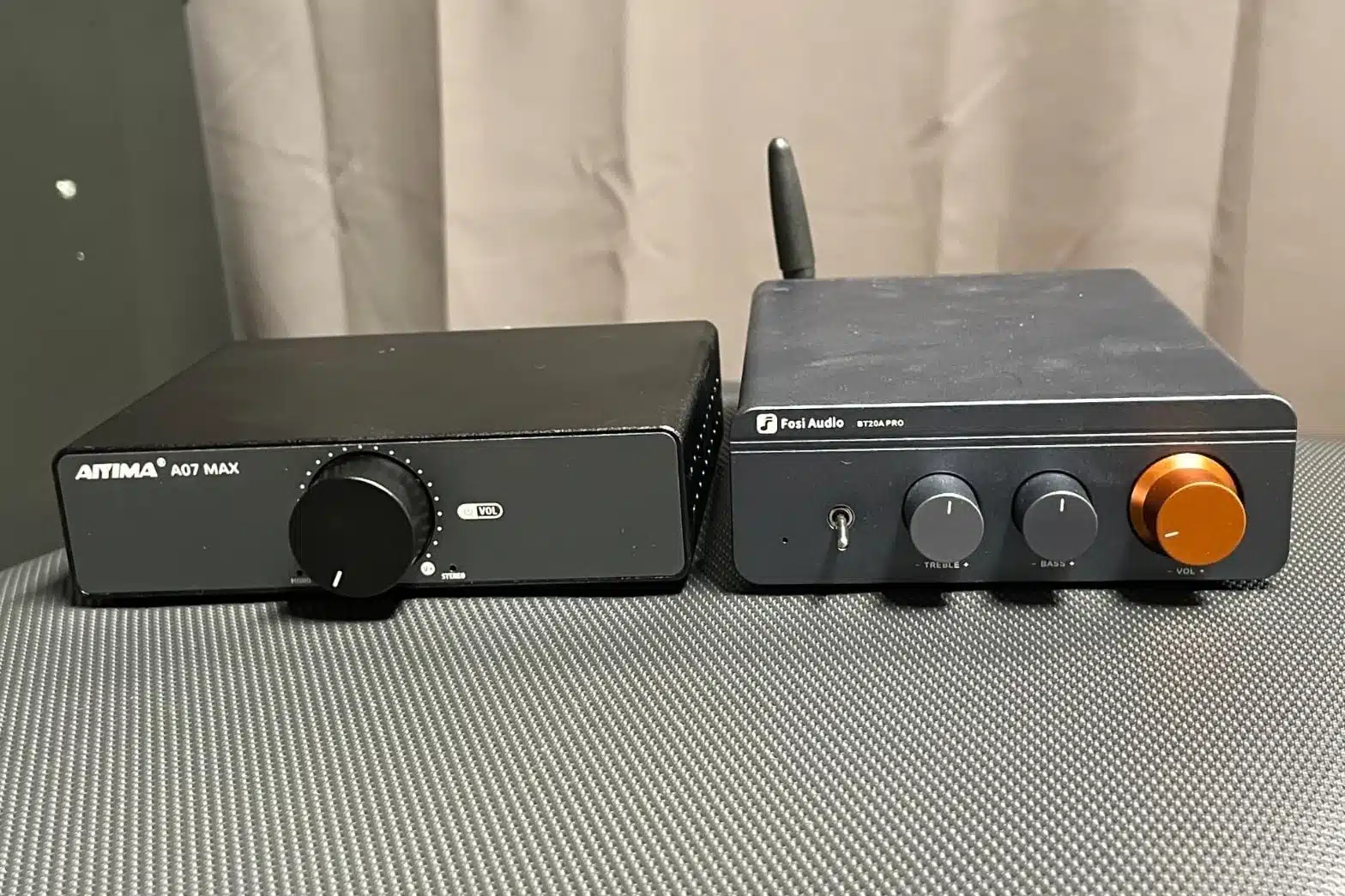
Class D amplifiers are revolutionizing the audio landscape with their impressive efficiency and compact design. Unlike traditional amplifiers that dissipate a considerable amount of energy as heat, Class D amplifiers utilize pulse-width modulation to achieve greater efficiency in power conversion. This efficiency translates to less energy consumption and improved thermal management, making them suitable for various applications, from home audio systems to professional audio equipment.
Efficiency and Thermal Management Benefits
One of the most significant advantages of Class D amplifiers is their efficiency, often exceeding 90%. This high efficiency is achieved through their unique operational mechanism, which allows them to convert a larger portion of the input power into usable output with minimal loss. In contrast, traditional amplifiers, like Class A or Class AB, commonly operate at efficiencies of 20% to 80%, leading to substantial power losses and heat generation.
The thermal management of Class D amplifiers is a key benefit, as they produce significantly less heat during operation. This not only prolongs the lifespan of the components but also reduces the need for extensive cooling systems, which can add weight and bulk to the overall system. For example, in a high-power audio system, choosing a Class D amplifier can eliminate the need for heavy heat sinks and cooling fans, allowing for a more streamlined design.
To illustrate, consider a 1000W Class D amplifier that outputs 90% efficiency. This amplifier generates around 100W of heat, compared to a traditional Class AB amplifier of the same power rating, which may generate over 300W of heat. As a result, the Class D amplifier requires less thermal management, saving space and reducing overall system weight.
Size and Weight Advantages
The compact size and lightweight nature of Class D amplifiers make them an appealing option for both manufacturers and consumers. Traditional amplifiers often require robust enclosures to accommodate their larger components and heat dissipation needs. In contrast, Class D amplifiers can be significantly smaller due to their reduced thermal output and the integration of components.
For instance, a typical home audio amplifier using Class D technology might weigh as little as 5 pounds (2.27 kg), while a comparable Class A or AB model could weigh upwards of 30 pounds (13.6 kg). This reduction in weight is particularly advantageous for portable audio solutions, where ease of transport is essential.
Furthermore, the size reduction allows for innovative product designs and applications. Compact Class D amplifiers can easily fit into modern flat-screen televisions, soundbars, and even smartphones without sacrificing audio quality. The ability to deliver high-quality sound from a small footprint has led to the proliferation of portable audio devices that cater to a wide audience.
Sound Quality Improvements
Sound quality is a vital aspect of any audio amplification system, and Class D amplifiers have made remarkable strides in this area. With advancements in digital signal processing and modulation techniques, modern Class D amplifiers can now offer sound quality that rivals traditional amplifiers.
One of the key factors contributing to improved sound quality is the ability of Class D designs to maintain low distortion levels. The modulation techniques employed in these amplifiers minimize harmonic distortion, resulting in clearer and more accurate sound reproduction. For example, high-end Class D amplifiers used in professional audio setups can achieve total harmonic distortion (THD) ratings as low as 0.01%, ensuring that the audio signal remains true to the source material.
Additionally, Class D amplifiers can effectively handle a wide range of frequencies, providing a balanced sound profile. This capability is especially beneficial in multi-channel audio systems, where maintaining fidelity across different speakers is crucial. Many home theater systems are now integrating Class D amplifiers to enhance the overall listening experience, delivering crisp highs, defined mids, and powerful lows without the bulk of traditional amplifiers.
In summary, the advantages of Class D amplifier technology include exceptional efficiency, superior thermal management, significant size and weight reductions, and enhanced sound quality. As technology continues to evolve, these benefits will likely lead to even broader applications and innovations in audio amplification.
The Internal Components of a Class D Amplifier Explained
Class D amplifiers have revolutionized audio amplification by offering efficient power conversion and high output quality in a compact design. At the heart of these amplifiers lies a series of sophisticated internal components that work together to achieve the desired sound performance. Understanding these components helps to appreciate the capabilities of Class D amplifiers and the importance of using high-quality parts in their construction.
A Class D amplifier primarily consists of three main components: the pulse-width modulation (PWM) modulator, the output stage, and the feedback loop. Each of these elements plays a crucial role in the amplifier’s operation, contributing to its overall efficiency and sound fidelity.
Key Components of Class D Amplifiers
The functionality of a Class D amplifier hinges on its internal components. Each part works in harmony to ensure that audio signals are processed accurately and efficiently. Below is a detailed overview of the key components within the circuitry of a Class D amplifier:
| Component | Role |
|---|---|
| PWM Modulator | The PWM modulator is responsible for converting the analog audio signal into a series of square waves. This process allows the amplifier to control the output power more effectively and reduces power loss. |
| Output Stage | The output stage amplifies the PWM signal to drive the speaker. Utilizing MOSFETs or IGBTs, this stage switches rapidly, ensuring minimal heat generation and high efficiency. |
| Feedback Loop | The feedback loop monitors the output signal and compares it with the input signal, allowing the amplifier to make real-time adjustments to maintain sound quality and reduce distortion. |
The PWM modulator is foundational for Class D operation. It effectively translates the amplitude variations of the input audio signal into pulse-width variations, which correspond to the signal’s energy levels. This method of modulation enables a high degree of efficiency compared to linear amplification methods, where excess energy is dissipated as heat.
Following the modulation process, the output stage amplifies the PWM signal. High-quality output transistors, typically MOSFETs, are crucial here, as they must switch rapidly and handle significant current without overheating. This output stage ensures that the energy is efficiently transferred to the speakers, producing clear, powerful sound while minimizing thermal losses.
The feedback loop is an essential feature that enhances the performance and fidelity of a Class D amplifier. By continuously comparing the actual output to the intended input, the feedback loop helps to correct any discrepancies in real-time. This component is vital for maintaining sound quality, particularly under varying load conditions.
Using high-quality components in Class D amplifiers is significant for optimal performance. Premium parts can withstand higher temperatures, provide better conductivity, and ensure longevity. For example, utilizing high-grade capacitors can reduce noise and ripple in the power supply, while precision resistors can enhance the accuracy of the feedback loop.
Furthermore, the careful selection of components impacts the amplifier’s frequency response and distortion levels. Low-distortion op-amps in the input stage and high-performance inductors in the output stage can elevate the overall audio quality.
In summation, the internal components of a Class D amplifier, including the PWM modulator, output stage, and feedback loop, work synergistically to achieve optimal audio performance. By prioritizing high-quality components, manufacturers can ensure that these amplifiers deliver both efficiency and fidelity, making them a popular choice for audio enthusiasts.
The Role of Feedback in Class D Amplifier Performance
In Class D amplifiers, feedback plays a crucial role in dictating performance, impacting both distortion levels and overall sound quality. By utilizing feedback mechanisms, designers can significantly improve the linearity and fidelity of the amplification process. Feedback refers to the process of routing part of the output signal back to the input, allowing the amplifier to adjust and refine its output based on the differences between the desired signal and the actual output.
Feedback in Class D amplifiers directly influences distortion characteristics. Distortion, often perceived as undesirable artifacts in audio playback, can arise from various factors such as non-linearities in the output stage. By applying feedback, the amplifier can minimize these distortions. This process enhances the linearity of the amplifier’s response, leading to cleaner sound reproduction. The effectiveness of feedback in managing distortion is particularly evident in high-performance applications, where even minute discrepancies can detract from audio fidelity.
Feedback Strategies in Class D Designs
There are several feedback strategies employed in Class D amplifier designs, each with its unique characteristics and benefits. These strategies can be broadly categorized into voltage feedback and current feedback systems.
Voltage feedback is the most common approach, where a portion of the output voltage is fed back to the input. This method helps in maintaining the desired output level and improving linearity. An example of this is seen in many consumer-grade Class D amplifiers, where simple voltage dividers are used to provide feedback.
Current feedback, on the other hand, involves sensing the output current and feeding it back to the input. This method can be particularly effective in handling transient signals and can improve the amplifier’s response to sudden dynamics in the audio signal. A notable example of this strategy is found in professional audio amplifiers, where accuracy and response time are critical.
Adjusting feedback properly can enhance amplifier performance significantly. Various methods can be employed to tune feedback loops for optimal results. For instance, one can adjust the feedback resistor values to modify gain characteristics. Additionally, altering the feedback path’s compensation can help eliminate oscillations.
To implement these changes, one could follow these practical steps:
1. Identify the feedback path: Locate the resistors and capacitors involved in the feedback loop on the amplifier schematic.
2. Measure performance: Use an oscilloscope to analyze the output signal and determine the existing levels of distortion and response.
3. Modify feedback components: Change resistor values or capacitors to experiment with different feedback configurations.
4. Test extensively: Observe the changes in performance and fine-tune as necessary to achieve the best sound quality.
Through careful consideration and adjustment of feedback mechanisms, Class D amplifiers can achieve high fidelity and low distortion, making them a popular choice in modern audio amplification.
Troubleshooting Common Issues with Class D Amplifiers
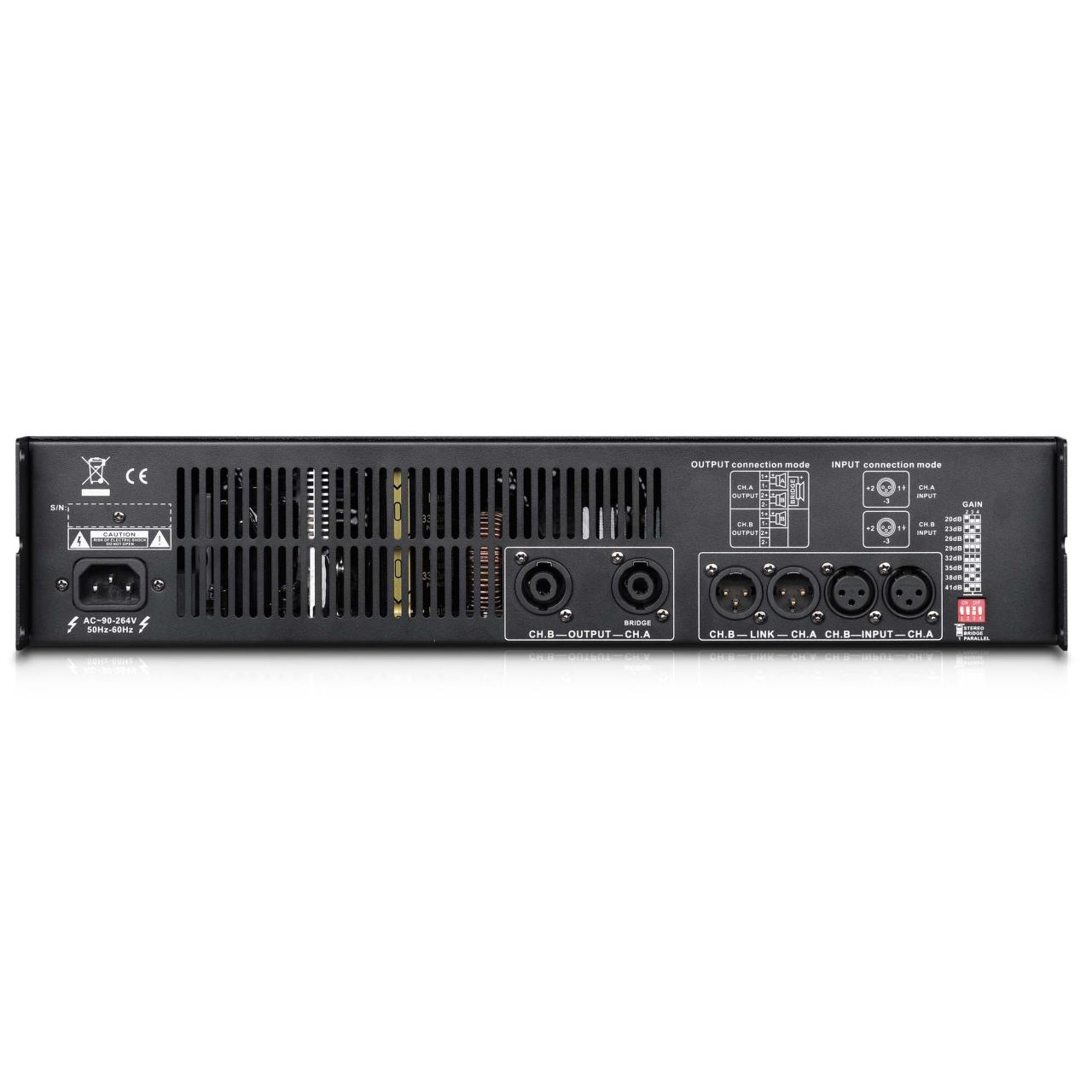
Class D amplifiers are widely known for their efficiency and compact design, but like any electronic device, they can experience issues. Understanding common problems, their causes, and how to troubleshoot them can help maintain optimal performance. By addressing these issues promptly, you can ensure the longevity and reliability of your amplifier setup.
Common Problems with Class D Amplifiers
There are several prevalent issues that users may encounter with Class D amplifiers. Below are three common problems along with troubleshooting steps to help resolve them.
1. Overheating: A frequent issue with Class D amplifiers is overheating, which can lead to performance degradation or even damage.
– Ensure that there is adequate ventilation around the amplifier. Consider using fans or heat sinks to dissipate heat.
– Check for any obstructions around the amplifier that could impede airflow.
– Use a thermal sensor to monitor the temperature of the amplifier during operation and ensure it remains within safe limits.
2. Distortion in Audio Output: Audio distortion can occur due to various reasons, including poor connections or component malfunction.
– Inspect all wiring and connections to ensure they are secure and properly soldered. Loose connections can introduce noise and distortion.
– Adjust the gain settings to ensure the signal is not clipping. Using an oscilloscope can help visualize distortion in the output signal.
– Test with a different input source to rule out issues from the source device.
3. Intermittent Power Issues: Class D amplifiers may experience power supply issues leading to intermittent operation or complete shutdown.
– Check the power supply voltage and ensure it matches the amplifier specifications. An unstable power supply can cause failure.
– Inspect power cables and connectors for damage or corrosion that could affect power delivery.
– If possible, test the amplifier with a different power source to determine if the issue lies with the amplifier or the power supply.
Impact of Improper Wiring and Connections
Improper wiring and connections can significantly impact the performance of Class D amplifiers. A few examples illustrate these effects:
– Signal Loss: Inadequate or loose wiring can lead to noticeable signal loss, resulting in reduced volume and clarity.
– Increased Noise: Poor connections can create unwanted noise in the audio signal, leading to distortion and affecting sound quality.
– Short Circuits: Incorrect wiring can cause short circuits, which may damage the amplifier or connected devices.
Ensuring that all connections are secure and that wiring adheres to the correct specifications is critical for optimal amplifier performance.
Essential Tools and Techniques for Diagnosing Issues
To effectively troubleshoot Class D amplifiers, certain tools and techniques are essential. Understanding these can streamline the diagnostic process and lead to quicker resolutions.
– Multimeter: Used to measure voltage, current, and resistance to verify electrical connections and component health.
– Oscilloscope: Allows for the visualization of audio signals to identify distortion and clipping issues.
– Soldering Iron: Necessary for repairing or modifying connections and components securely.
– Thermal Camera: Useful for visually assessing temperature hotspots on the amplifier.
– Signal Generator: Helpful for testing input signals under controlled conditions.
Employing these tools will significantly enhance the troubleshooting process, leading to more efficient problem resolution and ultimately improving the performance of your Class D amplifier system.
Future Trends in Class D Amplifier Development
The evolution of Class D amplifiers has been nothing short of remarkable, propelled by advancements in technology and shifting market demands. As we look ahead, several emerging technologies and applications are poised to redefine the landscape of Class D amplifiers, making them more efficient, versatile, and integrated into an array of modern devices. With the increasing focus on energy efficiency and portability, Class D amplifiers are set to play a pivotal role in applications ranging from consumer electronics to electric vehicles.
Emerging Technologies Influencing Class D Amplifiers
The integration of new technologies is significantly influencing the development of Class D amplifiers. One of the most notable advancements is the refinement of digital signal processing (DSP) techniques, which enhance audio fidelity and reduce distortion. By employing advanced algorithms, DSP can optimize the performance of Class D amplifiers, ensuring clearer sound reproduction while maintaining energy efficiency.
Another game-changing technology is the advent of gallium nitride (GaN) transistors. Unlike traditional silicon devices, GaN transistors offer higher efficiency and faster switching speeds, which can significantly enhance the performance of Class D amplifiers. For example, companies like Navitas Semiconductor are pioneering GaN technology, producing power devices that can deliver superior performance in compact designs.
In addition, wireless communication technologies, such as Bluetooth and Wi-Fi, are becoming increasingly integral to Class D amplifiers. The ability to connect wirelessly allows for streamlined designs, reducing the need for extensive wiring and enhancing portability. This is particularly relevant for portable audio devices, where space is at a premium.
Class D Amplifiers in New Applications
The potential applications for Class D amplifiers are expanding rapidly, particularly in the context of electric vehicles (EVs) and portable devices. As the automotive industry shifts towards electric propulsion, the demand for lightweight and efficient audio systems is increasing. Class D amplifiers, known for their compact size and energy efficiency, are ideal for EV applications, where conserving battery life is crucial. For instance, many electric car manufacturers are integrating Class D technology into their sound systems to provide high-quality audio without compromising range.
Moreover, the booming market for portable devices such as smartphones, tablets, and wireless speakers is driving innovation in Class D amplifier technology. These devices often require powerful audio output in small form factors. The lightweight nature and high efficiency of Class D amplifiers make them the preferred choice for manufacturers aiming to deliver superior sound quality while maintaining battery efficiency. Brands like Bose and Sonos are already leveraging Class D amplifiers in their portable speaker offerings to cater to this growing consumer preference.
Market Trends and Consumer Preferences
The market for Class D amplifiers is evolving in response to consumer preferences for energy efficiency, compactness, and high performance. A recent industry analysis indicates that the demand for Class D amplifiers is expected to grow at a compound annual growth rate (CAGR) of over 10% from 2023 to 2030, driven by increasing demand in consumer electronics and automotive sectors.
Consumers are becoming more educated about audio quality and energy consumption, leading to a preference for products that combine these elements effectively. As a result, manufacturers are innovating to create Class D amplifiers that not only deliver superior sound quality but also offer features such as connectivity options and low power consumption. This trend is further fueled by the rise of smart home devices, where integrated audio systems are becoming more common, necessitating the need for efficient amplification solutions.
The shift towards environmentally friendly technologies is also impacting consumer choices. As awareness of energy consumption grows, consumers are more likely to favor products equipped with energy-efficient amplifiers. This trend is pushing manufacturers to invest in research and development to create Class D amplifiers that meet these consumer demands while also adhering to global sustainability goals.
Overall, the future of Class D amplifier development looks promising, characterized by technological advancements that enhance performance and broaden application possibilities.
Closure
In summary, Class D amplifiers represent a significant leap forward in audio technology, providing users with compact, efficient, and high-quality sound. From their internal components to the importance of feedback in performance, we’ve uncovered the elements that make these amplifiers a standout choice for modern audio applications. As we look to the future, the continued development of Class D technology holds exciting possibilities for even more innovative uses across various industries.
Question & Answer Hub
What are the main advantages of Class D amplifiers?
Class D amplifiers are known for their high efficiency, smaller size, and reduced heat generation, making them ideal for a range of applications.
How do Class D amplifiers compare to Class AB amplifiers?
Class D amplifiers are significantly more efficient than Class AB amplifiers, which waste more power as heat, resulting in larger and heavier designs.
Can Class D amplifiers produce high-quality sound?
Yes, when designed properly, Class D amplifiers can offer sound quality that rivals traditional amplifiers, often with enhanced clarity and detail.
What types of speakers work best with Class D amplifiers?
Class D amplifiers work well with a variety of speakers, but they are particularly effective with low-impedance and high-efficiency models.
Are there any drawbacks to using Class D amplifiers?
Some potential drawbacks include sensitivity to load variations and the need for careful design to minimize distortion and noise.